

2018-2025 Nissan Altima Wheels: Decoding Sizes, Finishes, and the 2023 Design Change
This guide covers the multiple wheel sizes, trim-specific designs, and crucial compatibility differences, especially the new designs introduced in 2023.
- Multiple wheel sizes (16", 17", 19") and finishes exist; you must match the wheel to your Altima's specific trim (S, SV, SR, SL) and year.
- Nissan introduced all-new wheel designs for the 2023 model year, meaning a 2019-2022 SR wheel may not match a 2023+ SR wheel.
- The most common symptom of a damaged wheel is a vibration at highway speeds. A cracked or bent wheel can also cause persistent air loss.
- When buying used, always check for cracks, bends, and signs of previous repairs before purchasing. Verify the OEM part number on the back of the wheel.
Wheel Variants for 2018-2025 Nissan Altima
Nissan offered several wheel options for the Altima during this period, which vary by size, material, and trim level. It's crucial to identify the correct wheel for your vehicle, as they are not always interchangeable.
| Size | Material | Typical Trim Level | Years | Notes |
|---|---|---|---|---|
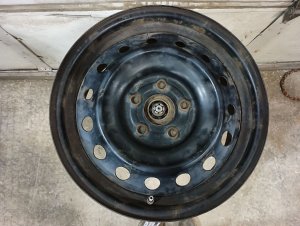
| 16-inch | Steel with cover | S (Base) | 2019-2023+ | This is the most basic wheel option. |
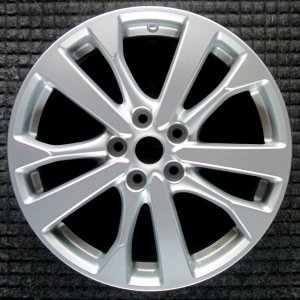
| 17-inch | Alloy | SV | 2018-2025 | Often has a machined and painted finish. A new 17-inch design was introduced for the SV in 2023. |
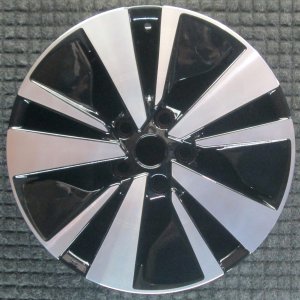
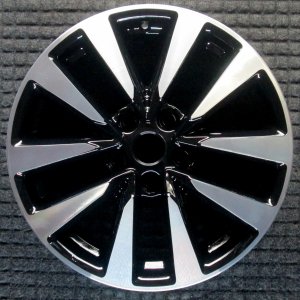
| 19-inch | Alloy | SR, SL, VC-Turbo | 2019-2025 | Multiple finishes available, including machined/black, painted gray, and gloss black. |
Important 2023 Model Year Changes: For the 2023 model year, Nissan introduced four new aluminum-alloy wheel designs. There is a new 17-inch wheel for the SV and unique 19-inch designs for the SR, SL, and SR VC-Turbo trims. The 19-inch wheel for 2019-2022 SR models may not fit 2023 and newer models due to these design changes. Always verify the part number 🎬 Watch: See the 2023 design changes and new wheel styles and style for your specific year and trim.
Symptoms of a Bad or Failing Wheel
While a wheel is a durable component, it can be damaged by road hazards. Ignoring a damaged wheel can be dangerous.
- Vibration or Shaking: This is the most common symptom of a bent wheel. You might feel it in the steering wheel if a front wheel is bent, or in the seat if it's a rear wheel. The vibration is often noticeable only within a specific speed range.
- Constant Air Loss: A crack in the wheel or a bend that prevents the tire from sealing properly can cause a slow, persistent air leak. If you're constantly adding air to one tire, have the wheel inspected.
- Poor Handling: A damaged wheel can cause the vehicle to pull to one side or feel unstable.
- Visible Damage: Obvious cracks, chips, or bends are a clear sign the wheel needs to be replaced or repaired. Corrosion, especially under the clear coat, can also compromise the wheel's strength over time.
- Unusual Noises: Thumping, clunking, or grinding sounds that change with vehicle speed can sometimes be traced back to a severely damaged wheel or a failing wheel bearing affected by the initial impact.
Known Issues, TSBs, and Recalls
As of early 2026, there are no specific NHTSA recalls for wheels on the 2018-2025 Nissan Altima. However, some related Technical Service Bulletins (TSBs) exist:
- NTB10-126C: This bulletin addresses potential wheel bearing damage resulting from a collision. While not a wheel defect, it's relevant if you've had an impact severe enough to damage a wheel.
- NTB08-097L: This TSB provides diagnostic procedures for vehicle pulling or an off-center steering wheel, which can sometimes be symptoms related to a bent wheel or tire issue.
There are no widespread reports of finish peeling or cracking on these wheels, but like any alloy wheel, they are susceptible to cosmetic damage from curb rash and road debris.
Pro Tip: When diagnosing a vibration, it's wise to have the wheels road-force balanced. This special balancing machine can detect bends in the wheel or issues with the tire that a standard spin balancer might miss.
Buying a Used Wheel: A Step-by-Step Inspection Guide
Purchasing a used OEM wheel is a great way to save money, but careful inspection is key to avoiding problems.
- Check for Cracks: Inspect the entire wheel, front and back, for any cracks. Pay close attention to the spokes and the area where the spokes meet the rim. A cracked wheel is unsafe and should not be used.
- Look for Bends: Lay the wheel on a flat surface. Place a straight edge across the front and back lip of the wheel. If you see any gaps or the wheel wobbles, it's likely bent. Even a minor bend can cause vibrations that are impossible to balance out.
- Inspect for Previous Repairs: Look for signs of welding on the back of the wheel. While some cracks can be professionally welded, it can compromise the strength of the aluminum. Uneven paint or texture can also indicate a previous repair.
- Examine the Lug Nut Holes: The lug nut seats should be round and free of significant damage or elongation. Damaged seats can prevent the lug nuts from being properly torqued, leading to a loose wheel.
- Verify Compatibility: The most important step. Check the part number stamped on the back of the wheel. Compare it to your existing wheels or the known part numbers for your Altima's specific year and trim level. Remember the 2023 design changes.
Cost Comparison
Prices can vary significantly based on size, finish, and condition.
| Item | Estimated Cost | Notes |
|---|---|---|
| New OEM Wheel | $440 - $725+ per wheel | Price varies by size and dealer. For example, part number 40300-6CA4B has an MSRP of around $659 but can be found for about $440. Part 40300-6CA4A has an MSRP of $720. |
| New Aftermarket Wheel | $150 - $300+ per wheel | Replica wheels are available for popular styles like the 19-inch SR wheel. Quality can vary, but some are made to OEM structural standards. |
| Used OEM Wheel | $100 - $400 per wheel | Cost depends heavily on condition, size, and availability. This offers the best value for OEM quality. |
| Wheel Refinishing/Repair | $120 - $250 per wheel | Cost to fix curb rash or minor scratches. Repairing a crack or bend can cost more, from $150 to $400. |
| Shop Labor (Mount & Balance) | $25 - $60 per tire | This is the cost to have a tire shop swap your tire and TPMS sensor onto the replacement wheel and balance it. |
Technical Specifications
| Specification | Value |
|---|---|
| Bolt Pattern | 5x114.3 mm (also known as 5x4.5 inches) |
| Center Bore | 66.1 mm |
| Lug Nut Thread Size | M12 x 1.25 |
| Lug Nut Torque Spec | 80-85 ft-lbs |
| Offset | +40mm to +55mm depending on wheel width and model |
Warning: Using a wheel with the wrong offset can cause problems. Too little offset (a lower number) pushes the wheel outward, which can cause the tire to rub on the fender. Too much offset (a higher number) pulls the wheel inward, risking contact with suspension components like the strut. Both scenarios can put extra stress on wheel bearings.
Frequently Asked Questions
Where is the paint code on a 2018-2025 Nissan Altima?
The vehicle's paint code is found on a sticker in the driver's side door jamb. However, this code is for the body paint, not the wheels. Wheel finishes (like machined, dark gray, gloss black) do not have a universal paint code and must be matched by style and part number.
Will wheels from an older Altima fit my 2018-2025 model?
While some older models (2002 and newer) also use the 5x114.3 bolt pattern, the offset and center bore may be different. It is not recommended to use wheels from a different generation. Always stick to wheels designed specifically for the 2018-2025 Altima to ensure proper fitment and safety.
Do I need to reprogram my TPMS sensors when I change a wheel?
If you are moving your existing Tire Pressure Monitoring System (TPMS) sensor from the old wheel to the new one, no reprogramming is usually necessary. If you are installing a new TPMS sensor, it will need to be programmed to your vehicle by a tire shop or dealer.
Are used OEM wheels better than new aftermarket wheels?
Often, yes. A used OEM wheel in good condition was made by the original manufacturer to meet strict safety and durability standards. While high-quality aftermarket wheels exist, many cheaper options may be heavier, weaker, or have a less durable finish. For a daily driver, a verified, undamaged used OEM wheel is usually a reliable and cost-effective choice.
Helpful Videos

Technical Specifications
OEM Part Numbers: 403006AM3A 403006AM4B 403006CA0B 403006CA3A 403006CA4A 403006CA4B 403009HF1J 403009HF7A 403009HF9B 403009HP2A 403009HP2B 403009HT2B 403009HT4C 403009HU2B 6AM3A 403006CG0K T99W1-9HF1J
Bolt Pattern: 5x114.3mm | Center Bore: 66.1mm | Lug Nut: M12x1.25 | Lug Torque: 80-85 ft-lbs | Offset: +40mm to +55mm
We Have This Part in Stock


The information in this article is provided for general reference and educational purposes only. Vehicle specifications, procedures, and part compatibility can vary by production date, trim level, and region. Always consult your vehicle's factory service manual and verify part numbers before purchasing or performing repairs. Safety-critical components such as airbags, seat belts, and braking systems should be installed by a qualified professional.
- Nissan Altima: