

Tesla Model S & Model X Wheels (2016-2025): A Guide to Cracks, Vibrations, and Complex Compatibility
This guide covers common wheel problems, staggered fitments, and critical differences between Model S and Model X wheels to help you buy the right used part.
- Model S and Model X wheels are NOT safely interchangeable due to the Model X's higher weight and different load rating requirements.
- Many wheel options are STAGGERED, with wider wheels in the rear. A 22x10-inch rear Model X wheel will not fit on the front.
- Cracked inner barrels are a common failure on larger 21-inch and 22-inch wheels. Always inspect used wheels carefully for cracks and signs of welding.
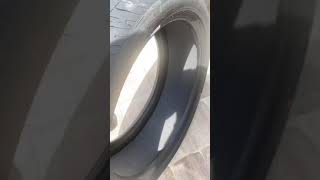
- Vibrations at highway speed are often caused by detached acoustic foam inside the tire, a common and well-documented issue.
Critical Compatibility: Not All Tesla Wheels Are Interchangeable
Warning: The Tesla Model S and Model X share the same bolt pattern (5x120) and center bore (64.1mm), but their wheels are often NOT interchangeable. The Model X is a heavier vehicle, and its wheels are designed with a higher load rating. Installing Model S wheels on a Model X is not recommended and can be a safety risk. Always verify the part number and intended vehicle model before purchasing.
Furthermore, many optional wheels for both the Model S and Model X use a staggered setup. This means the rear wheels are wider than the front wheels. You cannot fit a rear wheel on the front, or a front wheel on the rear. This is especially common with the 22-inch wheels on the Model X and the 21-inch wheels on the Model S.
Model X Staggered Setups
The Tesla Model X, particularly when equipped with optional 20-inch or 22-inch wheels, uses different sizes for the front and rear.
- 22-inch Turbine Wheels (All Years): The front wheels are 22x9 inches, while the rear wheels are 22x10 inches. A rear wheel will not fit on the front axle.
- 20-inch Cyberstream Wheels (2021+ Refresh): These also use a staggered setup, with 20x9-inch fronts and 20x10-inch rears.
Model S Staggered Setups
The Model S, especially Performance and Plaid models from 2018 onwards, also utilizes staggered wheels to improve traction.
- Pre-Refresh 21-inch Twin Turbine (2018-2020): These are 21x8.5 inches in the front and 21x9.0 inches in the rear.
- Refresh/Plaid 21-inch Arachnid (2021+): These have even wider wheels, measuring 21x9.5 inches in the front and 21x10.5 inches in the rear.
Known Issues, TSBs, and Recalls
Common Problem: Cracked Wheels
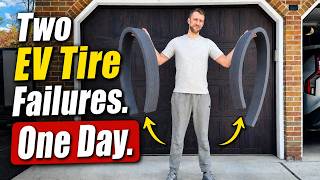
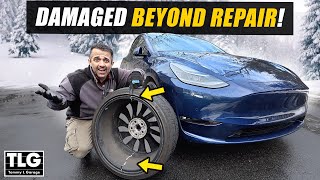
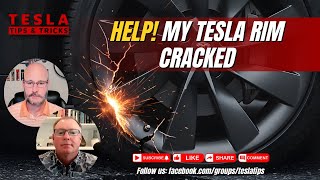
A widely reported issue among owners is the tendency for larger diameter wheels to crack, particularly on the inner barrel. This is most common on the 22-inch Model X wheels and the 21-inch Arachnid wheels on the Model S. Owners have reported cracks forming even without a significant pothole impact, leading to slow air leaks and potential tire failure. This is believed to be a potential design or manufacturing flaw in some cast alloy wheels under the stress of a heavy vehicle with low-profile tires.
Common Problem: Highway Vibrations
Vibrations felt through the steering wheel at highway speeds are a frequent complaint. The cause can be one of several issues:
- Detached Acoustic Foam: Many OEM Tesla tires have a foam liner glued to the inside to reduce road noise. This foam can detach and bunch up inside the tire, causing a severe imbalance and vibration.
- Wheel Imbalance or Misalignment: Standard wheel balancing issues or poor alignment can cause vibrations.
- Front Axle "Shudder" (TSB SB-21-39-001): Some earlier all-wheel-drive Model S and Model X vehicles can develop a "shudder" or vibration during acceleration. This is caused by premature wear in the front CV joints. Tesla released a technical service bulletin (TSB) to address this by replacing the front axles.
NHTSA Investigations & Recalls
While there are no direct recalls for cracked wheels, several related investigations and recalls are relevant:
- Front Suspension Link Investigation: The NHTSA investigated front suspension fore link failures on 2016-2017 Model X and 2015-2017 Model S vehicles after numerous complaints. The investigation was closed without a recall, as failures typically occurred at low speeds and did not lead to a loss of control.
- Model X Roof Trim Recall (NHTSA ID: 20V701000): Affecting 2016 Model X vehicles, this recall was for cosmetic roof appliqué pieces that could detach while driving due to improper primer application during assembly.
Symptoms of a Damaged or Failing Wheel
- Vibration: A shimmy or vibration in the steering wheel or through the seat, especially at highway speeds, is the most common symptom. This can indicate a bent wheel, an out-of-balance tire, or detached internal foam.
- Slow Air Leaks: If you constantly have to add air to one tire, it may have a slow leak from a hairline crack in the wheel, often on the inner barrel where it's not easily visible.
- Visible Damage: Obvious bends, cracks, or large chunks missing from the wheel lip are clear signs of failure.
- Pulling or Drifting: A severely bent wheel can affect the vehicle's alignment, causing it to pull to one side.
- Thumping or Clicking Noises: A sound that corresponds with wheel rotation can sometimes indicate a cracked or structurally compromised wheel.
Pro Tip: When diagnosing a vibration, first have the wheel and tire assembly balanced. If it cannot be balanced or requires an excessive amount of weight, the technician should dismount the tire to inspect for a detached foam liner or a crack/bend on the inner barrel of the wheel.
Buyer's Guide: How to Inspect a Used Tesla Wheel
Buying a used OEM wheel is a great way to save money, but careful inspection is crucial. A damaged wheel is a major safety hazard.
1. Verify Compatibility First
Before you even look at the wheel, confirm it's the right one for your car. You'll need to know:
- Vehicle: Model S or Model X?
- Year Range: Pre-refresh (e.g., 2018-2020) or Refresh/Plaid (2021+)?
- Position: Is it a front or a rear wheel? (Crucial for staggered setups)
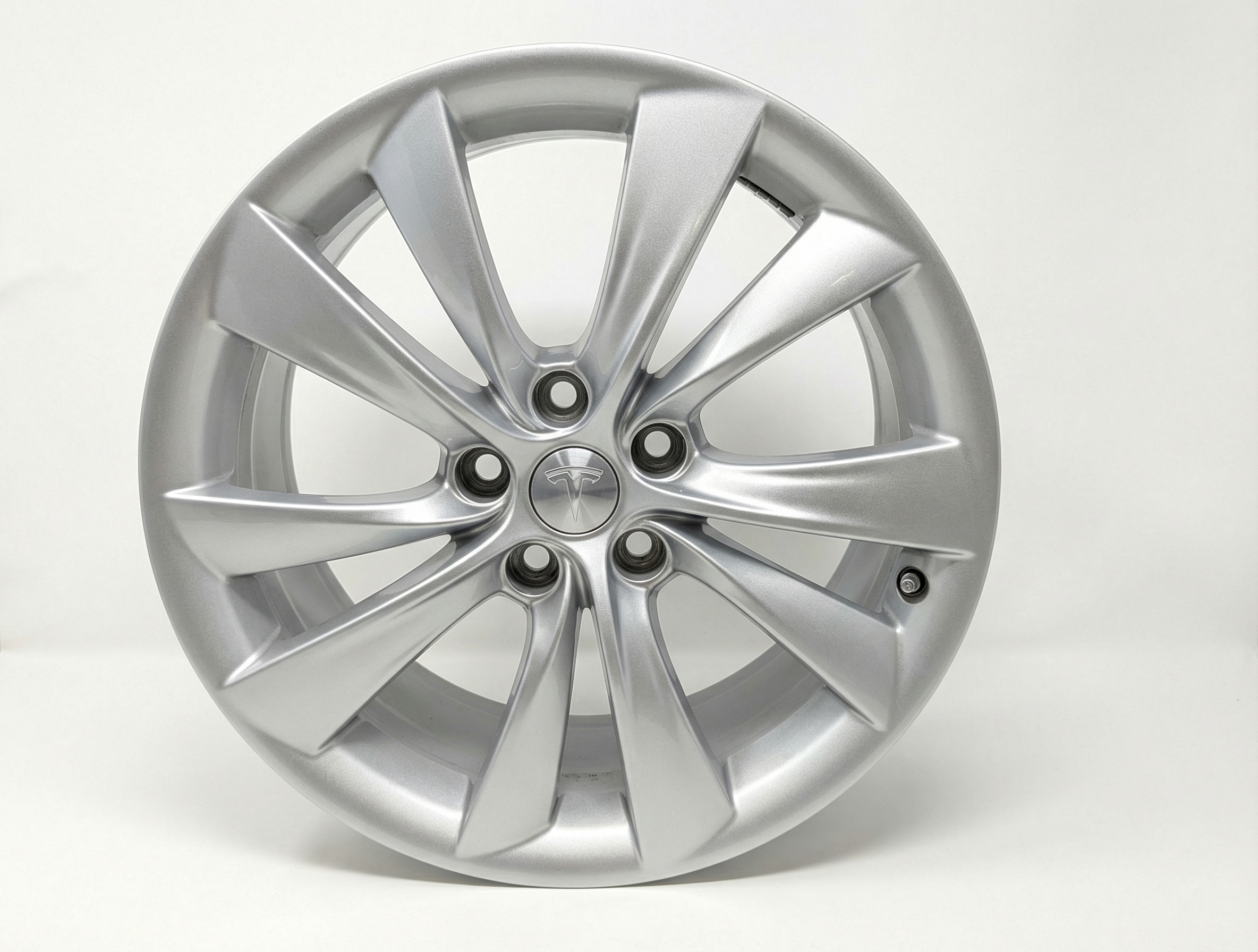
- Size & Style: Is it a 20-inch Cyberstream, 22-inch Turbine, etc.?
- Finish/Color: Does it match your other wheels (e.g., Silver, Onyx Black, Gunpowder)?
The part number, size (e.g., 22x10), and offset (e.g., ET35) are stamped on the back of the wheel spokes. Match these to the specifications for your vehicle.
2. Physical Inspection Checklist
- Check for Cracks: This is the most important check. Carefully inspect the entire wheel, front and back, but pay special attention to the inner barrel (the inside lip). Hairline cracks can be hard to see.
- Look for Bends: Place the wheel on a flat surface and look for any wobbling. Hold a straight edge against the front and back lips of the wheel to see if there are any gaps indicating a bend. A bent wheel will cause vibrations and may not seal properly against the tire.
- Inspect for Welds: Look for signs of previous repairs. A weld on an aluminum wheel is a major red flag. It indicates a previous crack, and the repair can create a weak spot that may fail again. Look for uneven surfaces, discoloration, or grinding marks on the inner barrel.
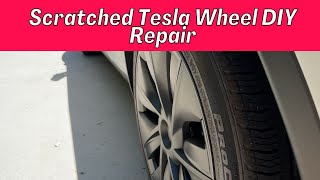
- Assess Curb Rash: Minor cosmetic curb rash is common and can often be repaired. However, deep gouges or chunks missing from the edge can indicate a more severe impact that may have caused structural damage.
- Check the Lug Nut Seats: Ensure the tapered seats where the lug nuts make contact are clean and not deformed or damaged.
OEM vs. Aftermarket Wheels
For a heavy, high-performance vehicle like a Tesla, using high-quality wheels is essential for safety.
- Used OEM: A good-condition used OEM wheel is often the best choice. It's designed and tested specifically for your vehicle's weight, performance, and fitment.
- New Aftermarket: Quality varies dramatically. Reputable brands like Vossen or HRE make strong, lightweight forged wheels that are often better than stock, but they are very expensive. Cheap, unbranded cast replica wheels can be heavier, weaker, and may not be hub-centric, potentially causing vibrations and posing a safety risk. They may not have the proper load rating for a heavy EV.
Wheel Refinishing and Color Matching
Tesla wheels do not have a simple paint code like the car's body. Finishes are referred to by name, such as 'Onyx Black', 'Sonic Carbon', or 'Gunpowder'. If you buy a used wheel with the wrong finish or with cosmetic damage, you can have it refinished.
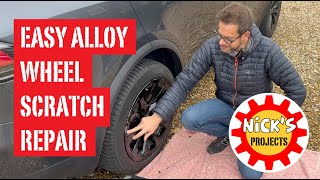
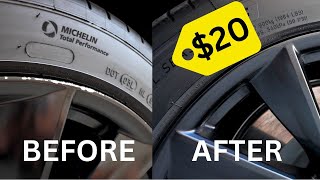
Professional wheel repair shops can strip the old finish and powder coat the wheel to match the factory color. This process is durable and provides a like-new appearance. Expect to pay between $175 and $250 per wheel for professional refinishing. Cosmetic curb rash repair is often cheaper, around $150-$225.
Technical Specifications
| Vehicle | Years | Wheel Name | Size (Front) | Offset (F) | Size (Rear) | Offset (R) | Bolt Pattern | Center Bore |
|---|---|---|---|---|---|---|---|---|
| Model X | 2016-2020 | 20" Slipstream | 20x9.0" | +35 | 20x9.5" | +35 | 5x120 | 64.1mm |
| Model X | 2016-2020 | 22" Turbine | 22x9.0" | +35 | 22x10.0" | +35 | 5x120 | 64.1mm |
| Model X (Refresh) | 2021+ | 20" Cyberstream | 20x9.0" | +40 | 20x10.0" | +35 | 5x120 | 64.1mm |
| Model X (Refresh) | 2021+ | 22" Turbine | 22x9.0" | +40 | 22x10.0" | +40 | 5x120 | 64.1mm |
| Model S (Facelift) | 2018-2020 | 21" Twin Turbine | 21x8.5" | +40 | 21x9.0" | +40 | 5x120 | 64.1mm |
| Model S (Refresh/Plaid) | 2021+ | 19" Tempest/Cardenio | 19x9.5" | +40 | 19x10.5" | +45 | 5x120 | 64.1mm |
| Model S (Refresh/Plaid) | 2021+ | 21" Arachnid | 21x9.5" | +40 | 21x10.5" | +45 | 5x120 | 64.1mm |
Note: This table is a summary. Always verify specs for your specific vehicle trim and year. Lug nut torque for all models is 129 lb-ft (175 Nm).
Cost Comparison
- New OEM Wheel from Tesla: $700 - $1,200+ per wheel.
- Used OEM Wheel (Recycled/Refurbished): $300 - $600 per wheel, depending on size, style, and condition.
- New Aftermarket Wheel: $250 - $1,500+ per wheel, quality varies significantly.
- Wheel Repair (Crack Welding): $175 - $250.
- Wheel Refinishing (Curb Rash): $150 - $225.
Frequently Asked Questions
Can I put Model S wheels on my Model X?
It is not recommended. While they share the same bolt pattern and may physically fit, the Model X is significantly heavier. Model S wheels may not have the required load rating to safely support the Model X, creating a safety hazard.
Why do my rear tires wear out so fast on my Model S Plaid?
This is a known issue, particularly with the 21-inch wheels. The factory alignment settings use a significant amount of negative camber for handling performance, which causes the inside edge of the rear tires to wear much faster than the rest of the tread. Owners report needing to replace rear tires in as little as 10,000 miles. Regular inspection of the inner tire edge is critical.
What causes the vibration in my steering wheel at 70 mph?
The most likely causes are an unbalanced wheel, a bent rim, or detached acoustic foam inside the tire. Start by having a tire shop check the balance. If it can't be balanced, have them inspect the inside of the tire for loose foam and check the wheel itself for bends or cracks.
Is it safe to repair a cracked Tesla wheel?
For minor cracks, professional TIG welding and machining can be a safe and cost-effective repair. However, the repair's integrity depends entirely on the skill of the technician. A poorly executed weld can be weaker than the original wheel. For severely damaged or multiple-cracked wheels, replacement is the only safe option.
Helpful Videos

Technical Specifications
OEM Part Numbers: 1027244-00-A 1027244-00-B 102724402A 1027245-00-A 1027245-00-C 102724500A 1027247-00-E 1027247-00-F 1027247-01-E 1027247-01-F 106520000B 106520002B 1244227-01-B 1620221-00-B 162022100B
Bolt Pattern: 5x120 mm, Center Bore: 64.1 mm, Lug Nut Thread: M14x1.50, Lug Nut Torque: 129 lb-ft (175 Nm).
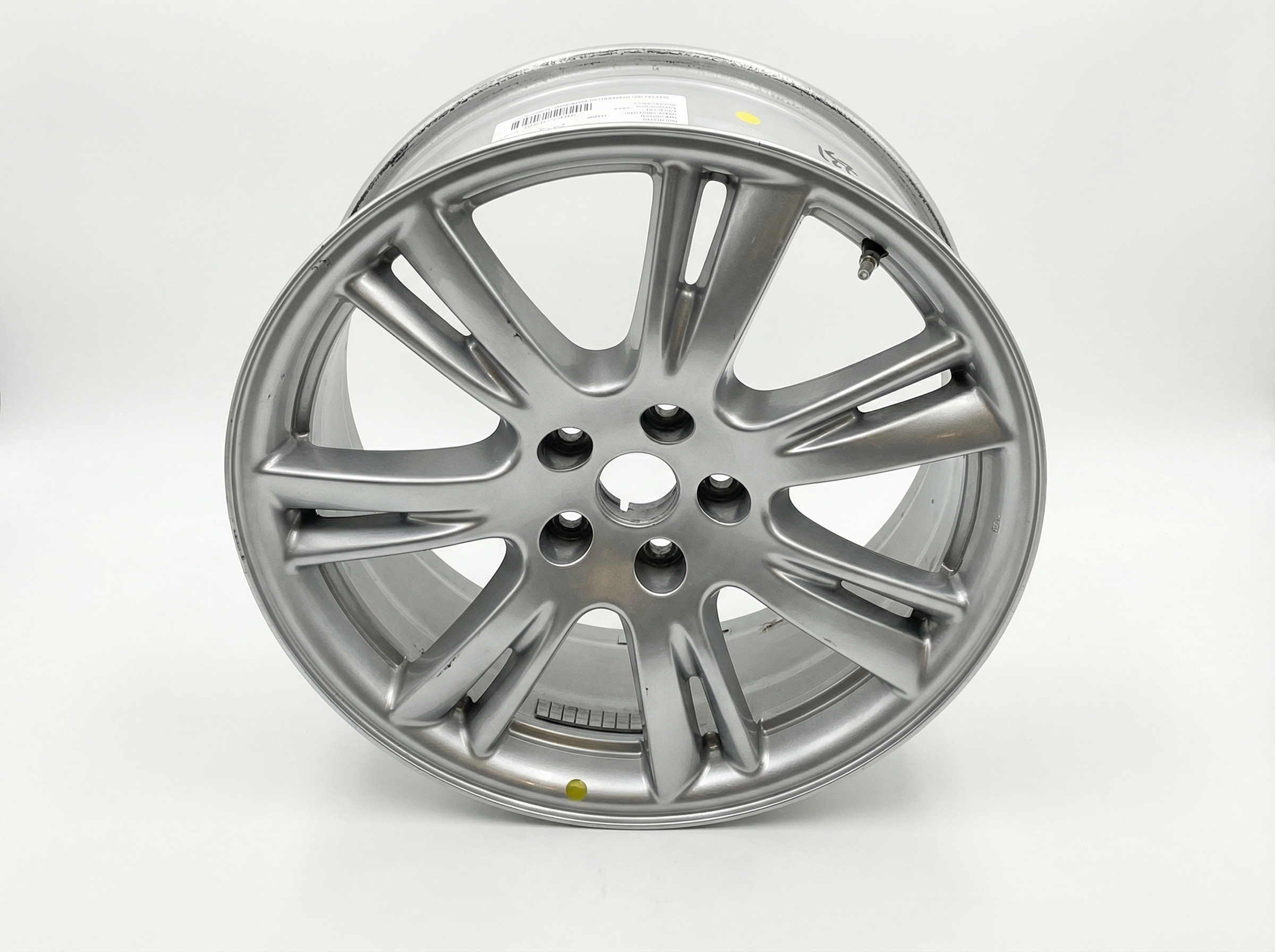
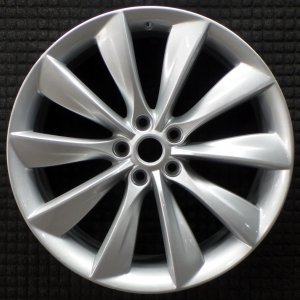
We Have This Part in Stock

The information in this article is provided for general reference and educational purposes only. Vehicle specifications, procedures, and part compatibility can vary by production date, trim level, and region. Always consult your vehicle's factory service manual and verify part numbers before purchasing or performing repairs. Safety-critical components such as airbags, seat belts, and braking systems should be installed by a qualified professional.
- Tesla X:
- Tesla Model X:
- Tesla S:
- 🎬 Helpful Videos
- 🛍️ Shop This Part
- Critical Compatibility: Not All Tesla Wheels Are Interchangeable
- Model X Staggered Setups
- Model S Staggered Setups
- Known Issues, TSBs, and Recalls
- Common Problem: Cracked Wheels
- Common Problem: Highway Vibrations
- NHTSA Investigations & Recalls
- Symptoms of a Damaged or Failing Wheel
- Buyer's Guide: How to Inspect a Used Tesla Wheel
- 1. Verify Compatibility First
- 2. Physical Inspection Checklist
- OEM vs. Aftermarket Wheels
- Wheel Refinishing and Color Matching
- Technical Specifications
- Cost Comparison
- Frequently Asked Questions
- 🎟️ Get 5% Off