

Prius & Prius C Wheel Guide (2010-2017): Navigating Critical Bolt Pattern & Spec Differences
This guide clarifies the crucial differences in wheels for the 2010-2016 Prius, 2012-2015 Prius Plug-in, and 2016-2017 Prius C, which are not interchangeable.
- The single most critical fact is that Prius C wheels use a 4-lug bolt pattern and are NOT interchangeable with the 5-lug wheels on standard Prius and Prius Plug-in models.
- A bent or damaged wheel typically causes vibration at highway speeds, uneven tire wear, or persistent air loss.
- When buying a used wheel, inspect it carefully for cracks (unsafe), bends (causes vibration), and signs of poor repairs (welds, filler).
- A humming or grinding noise is more likely a bad wheel bearing, not a bad wheel.
Critical Compatibility Warning: Not All Prius Wheels Are The Same

Warning: The most important thing to know when buying a replacement wheel for these vehicles is that they are NOT interchangeable. The Toyota Prius C uses a different bolt pattern than the standard Toyota Prius and Prius Plug-in. Ordering the wrong wheel will result in a part that cannot be physically bolted to your car.
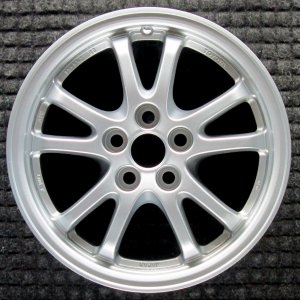
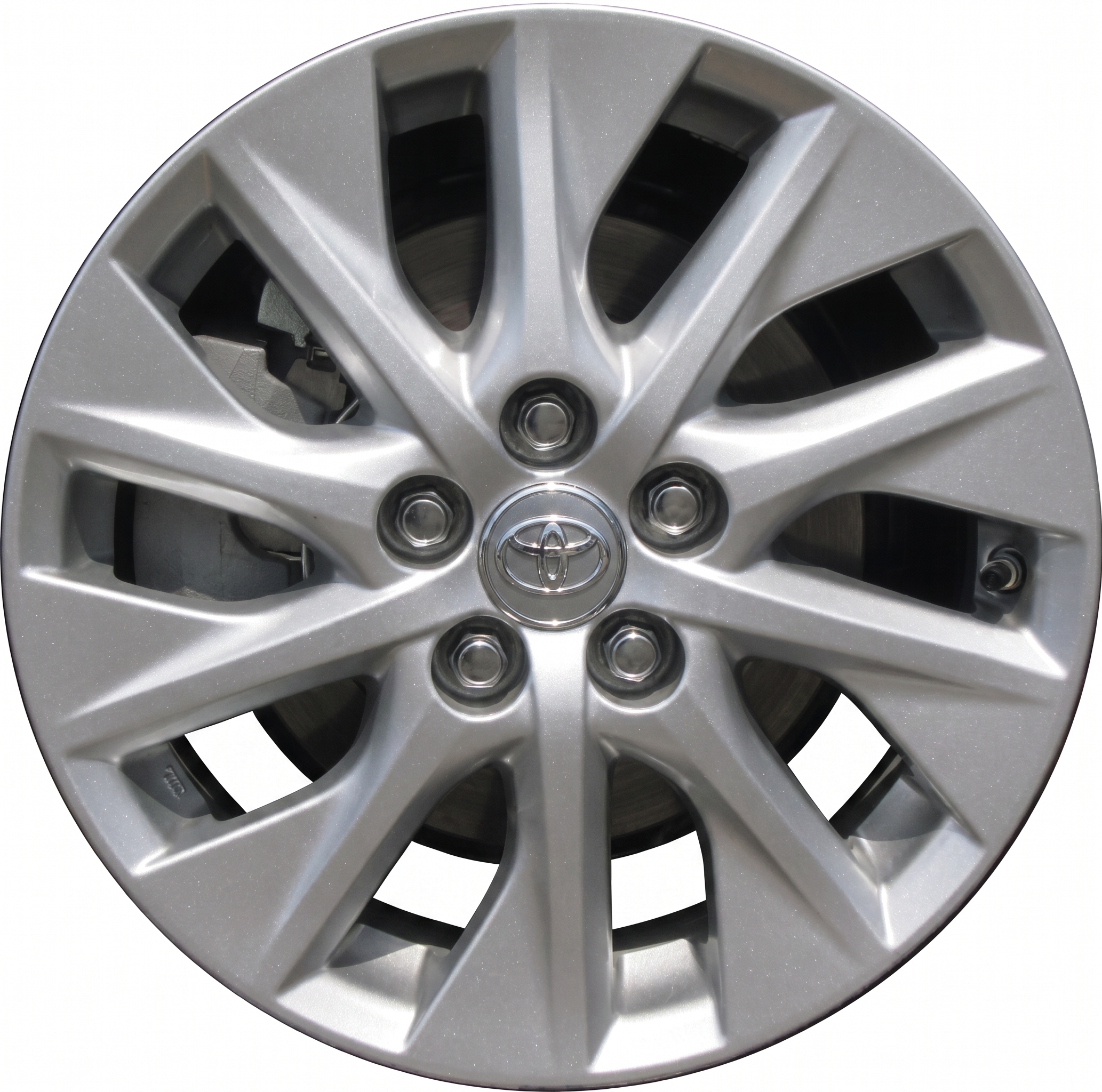
- 2010-2016 Prius & 2012-2015 Prius Plug-in: Use a 5-lug wheel with a 5x100 mm bolt pattern.
- 2016-2017 Prius C: Uses a 4-lug wheel with a 4x100 mm bolt pattern.
Always count the number of lug nut holes on your existing wheel before ordering a replacement.
2010-2016 Prius & 2012-2015 Prius Plug-in (Generation 3) Wheel Specifications
These models, including the standard liftback and the plug-in variant, share the same fundamental wheel specifications. They are all based on the third-generation Prius platform (XW30). Several alloy wheel styles were available, including a 10-spoke design and a 5-split-spoke design, primarily in 15-inch and 17-inch diameters.
| Specification | Value |
|---|---|
| Bolt Pattern | 5 x 100 mm |
| Standard Size | 15x6 inches |
| Optional Size | 17x7 inches |
| Center Bore | 54.1 mm |
| Thread Size | M12 x 1.5 |
| Lug Nut Torque | 76 ft-lbs |
| Known OEM Part Numbers | 42611-47100, 42611-47110, 42611-47120, 42611-47130, 42611-47141, 42611-47270, 42611-47360 |
2016-2017 Toyota Prius C Wheel Specifications
The Prius C is a smaller, subcompact vehicle based on the Toyota Yaris platform, not the standard Prius platform. This is why its wheel specifications are completely different. It uses a 4-lug pattern common to other Toyota subcompacts.
| Specification | Value |
|---|---|
| Bolt Pattern | 4 x 100 mm |
| Standard Size | 15x5.5 inches |
| Center Bore | 54.1 mm |
| Thread Size | M12 x 1.5 |
| Lug Nut Torque | 76 ft-lbs |
| Known OEM Part Numbers | 42611-52790, 42611-52C20 |
A Note on the 2016 Toyota Prius (Fourth Generation)
The year 2016 is a crossover year. While this guide covers the 2010-2016 Prius, it's important to note that the 2016 model year marked the debut of the fourth-generation Prius. While the fourth-gen model also uses a 5x100 mm bolt pattern, its wheels have slightly different specifications, such as a 15x6.5-inch size and different offsets. Forum reports indicate that third-generation wheels will physically fit on a fourth-generation car for use as a spare or winter set, but the center caps are not interchangeable. If you own a 2016 Prius, verify if you have the third-generation body style (carryover) or the newer fourth-generation body style before purchasing.
Symptoms of a Damaged Wheel
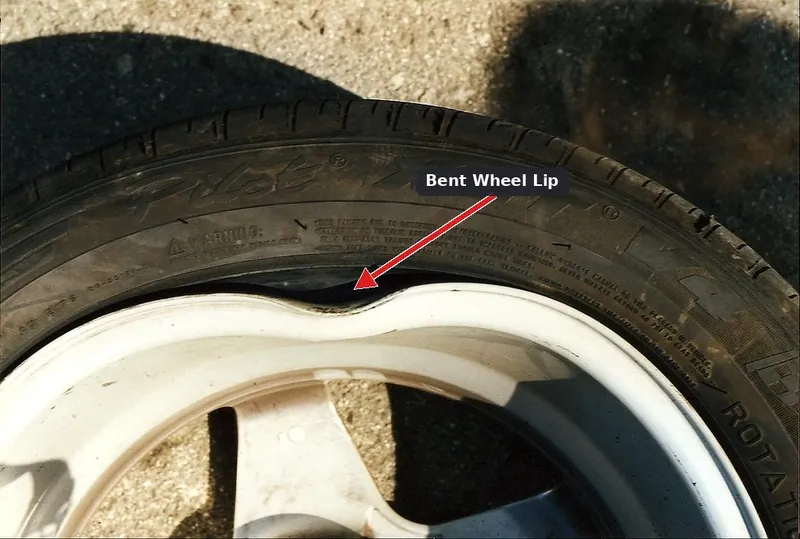
A bent, cracked, or out-of-round wheel can compromise safety and ride quality. Hitting a pothole, curb, or road debris is the most common cause of damage.
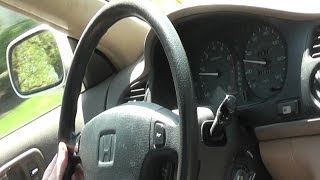
- Vibration: The most common symptom is a vibration or shaking that can be felt in the steering wheel or through the seat. 🎬 Watch: A mechanic's guide to diagnosing steering wheel shake and pulsation. This vibration is often most noticeable at specific speed ranges (e.g., 50-65 mph). A vibration in the steering wheel usually indicates a problem with a front wheel, while a vibration felt in the seat points to a rear wheel issue.
- Poor Handling or Pulling: A bent wheel can affect the vehicle's alignment, causing it to pull to one side. You may also notice the steering does not self-center correctly.
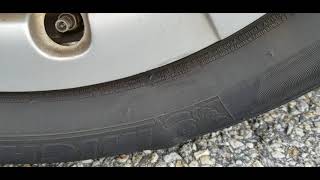
- Uneven Tire Wear: The wobble from a bent rim can cause tires to wear out unevenly, often creating scalloped or cupped patterns on the tread. 🎬 Watch: How a tire bubble can cause Prius shaking while driving.
- Constant Air Loss: If a tire continually loses air pressure without any obvious puncture, the rim may be bent or cracked at the bead seat, preventing a proper seal with the tire.
- Visible Damage: In severe cases, you may be able to see a bend, crack, or dent on the inner or outer lip of the wheel. Always inspect the inside of the wheel, as damage is often less visible from the outside.
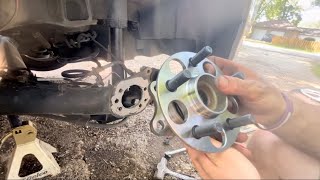
Pro Tip: A humming or grinding noise that changes with vehicle speed is often mistaken for a wheel or tire problem. This is a classic symptom of a failing wheel bearing, 🎬 See how to diagnose a noisy rear wheel bearing on a Prius. a separate part that can wear out on these vehicles.
Buying a Used Wheel: Inspection Guide
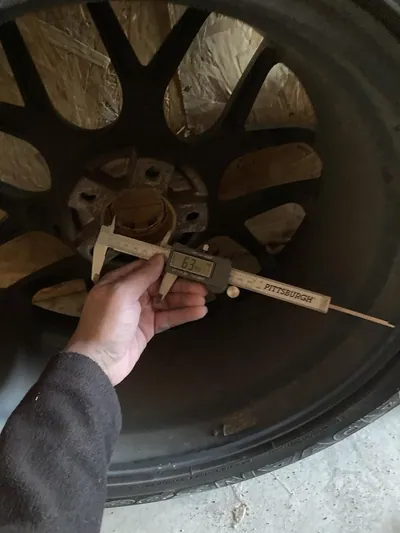
A used OEM wheel is often a better choice than a cheap aftermarket one because it was designed and tested specifically for your vehicle's weight, suspension, and performance characteristics. Here’s what to look for when inspecting a used wheel.
- Verify Bolt Pattern First: Before any other inspection, count the lug holes. 5 holes for a standard/plug-in Prius, 4 holes for a Prius C. This is a non-negotiable first step.
- Check for Bends and Dents: Lay the wheel on a flat surface. Look down the outer and inner lips for any visible bends, wobbles, or flat spots. Even a small bend can cause major vibration. Pay close attention to the inner barrel, where damage from potholes is most common.
- Inspect for Cracks: Carefully examine the entire wheel, especially around the spokes and the hub mounting area, for hairline cracks. A cracked wheel is unsafe and must be discarded. Using a flashlight can help reveal fine cracks.
- Look for Signs of Repair: Check for fresh paint, grinding marks, or welds, particularly on the back side of the wheel. While professional repairs can be safe, a poorly repaired wheel is a serious hazard. Be wary of wheels with any signs of Bondo or body filler.
- Examine the Lug Holes: The lug nut seats should be clean and free of significant damage or elongation. Damaged seats can prevent the lug nuts from seating and torquing correctly.
- Check the Finish: For alloy wheels, check the condition of the clear coat. Peeling or corroded clear coat is a cosmetic issue but can indicate the wheel has seen a hard life, exposed to road salt and moisture.
Known Issues, Recalls, and TSBs
There are no major recalls or Technical Service Bulletins (TSBs) from the NHTSA specifically for wheel failure, cracking, or corrosion on these models. Most owner complaints related to wheel-area problems point to premature wear of wheel bearings, not the wheels themselves. A recall was issued for some 2015 Prius C models for an improperly calibrated Tire Pressure Monitoring System (TPMS), but this did not involve the wheel itself.
Verifying Paint and Finish
Toyota wheels come in several finishes, including standard silver, hyper grey, and black. These finishes do not correspond to the vehicle's main paint code. The body paint code, found on a sticker in the driver's door jamb under "C/TR", is for the car's body panels only. When buying a used wheel, it's best to match the finish visually to your existing wheels or use the specific OEM part number to ensure you get the correct color and finish.
Cost Comparison for Wheel Replacement
| Item | Estimated Cost | Notes |
|---|---|---|
| New OEM Wheel (Dealer) | $330 - $560 | Price for a single wheel, does not include center cap, TPMS sensor, or tire. |
| New Aftermarket Wheel | $120 - $250 | Quality and construction can vary widely. May not match OEM appearance perfectly. |
| Used OEM Wheel | $150 - $300 | A cost-effective way to get a genuine part. Price depends on condition and style. |
| Shop Labor (Mount & Balance) | $25 - $50 per wheel | Cost to swap the tire and TPMS sensor from the old wheel to the new one and balance the assembly. |
Frequently Asked Questions
Can I put a 2015 Prius wheel on a 2016 Prius C?
No. The standard Prius has a 5-lug bolt pattern (5x100mm), while the Prius C has a 4-lug bolt pattern (4x100mm). They are physically incompatible and cannot be interchanged.
What is the difference between a wheel and a rim?
While the terms are often used interchangeably, technically the 'rim' is the outer edge of the wheel that holds the tire. The 'wheel' is the entire assembly, including the rim, spokes, and center hub mounting plate. When you buy this part, you are buying a complete wheel.
My steering wheel shakes. Is my wheel definitely bent?
A bent wheel is a very common cause of shaking, but it's not the only one. The issue could also be an unbalanced tire, uneven tire wear, or a worn suspension component. The first step in diagnosis is to have a tire shop check the balance of your wheels. If a wheel cannot be balanced, it is likely bent.
Do I need to buy a new TPMS sensor for my new wheel?
Usually, no. In most cases, a tire shop can carefully remove the Tire Pressure Monitoring System (TPMS) sensor from your old wheel and install it in the new one. You would only need a new sensor if the old one is damaged during removal or its battery has died.
Helpful Videos

Technical Specifications
OEM Part Numbers: 42611-52790 42611-52C20 4261147100 4261147110 4261147120 4261147130 4261147141 4261147270 4261147360
Prius (Gen 3) / Plug-in: Bolt Pattern 5x100mm, Size 15x6", Center Bore 54.1mm. Prius C: Bolt Pattern 4x100mm, Size 15x5.5", Center Bore 54.1mm.
We Have This Part in Stock


The information in this article is provided for general reference and educational purposes only. Vehicle specifications, procedures, and part compatibility can vary by production date, trim level, and region. Always consult your vehicle's factory service manual and verify part numbers before purchasing or performing repairs. Safety-critical components such as airbags, seat belts, and braking systems should be installed by a qualified professional.
- Toyota Prius:
- Toyota Prius C:
- Toyota Prius Plug-in:
- 🎬 Helpful Videos
- 🛍️ Shop This Part
- Critical Compatibility Warning: Not All Prius Wheels Are The Same
- 2010-2016 Prius & 2012-2015 Prius Plug-in (Generation 3) Wheel Specifications
- 2016-2017 Toyota Prius C Wheel Specifications
- A Note on the 2016 Toyota Prius (Fourth Generation)
- Symptoms of a Damaged Wheel
- Buying a Used Wheel: Inspection Guide
- Known Issues, Recalls, and TSBs
- Verifying Paint and Finish
- Cost Comparison for Wheel Replacement
- Frequently Asked Questions
- 🎟️ Get 5% Off