

Toyota & Scion Window Motor Guide: Sequoia, Tundra, Camry, Corolla & More (2001-2025)
This guide covers failing window motors in many popular Toyota and Scion models, highlighting critical differences between parts and a major switch recall you must know about before buying.
- A widespread recall for the driver's master window switch on many 2007-2009 models can mimic a bad motor. Check if this free repair applies to your vehicle first.
- You MUST know if your vehicle has 'auto up/down' windows. Standard motors use a 2-pin connector; 'auto' motors use a 5 or 6-pin connector. They are not interchangeable.
- On 1st Gen Sequoias (2001-2007), a stuck rear hatch window is often a seized brake mechanism, not a bad motor, and can be an easy fix.
- For Toyota Tundras, motor fitment is specific to the cab type (CrewMax vs. Double Cab) and location (door vs. sliding rear window).
Is This The Right Window Motor For Your Vehicle?
Compatibility Warning: This is one of the most confusingly shared parts in the Toyota/Scion lineup. Before buying, you MUST verify two things: the features your vehicle has and the specific door the motor is for. This guide primarily covers the simpler, non-automatic motors.
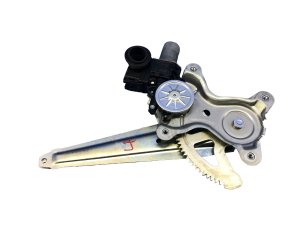
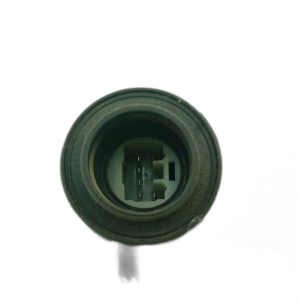
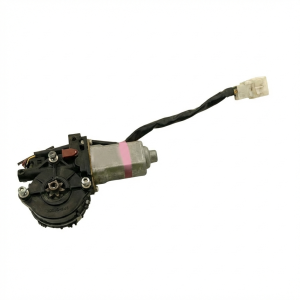
- Auto Up/Down Feature: This part is for vehicles that DO NOT have the one-touch automatic up/down or pinch protection safety features. The easiest way to check is to look at the electrical connector on your old motor. Standard motors use a simple 2-pin connector. Motors with the auto up/down feature use a more complex 5 or 6-pin connector. Do not install a 2-pin motor where a 6-pin motor is required, as it will not work correctly.
- Vehicle-Specific Fitment: Location matters. A motor for a front door may not fit a rear door. For the Toyota Tundra, some motors are ONLY for the power sliding rear window on Crew Cab (CrewMax) models and will not fit the doors or any part of a Double Cab model.
Always match the part number from your old motor or verify with your vehicle's VIN to ensure you are buying the correct part.
Known Issues, Recalls, and Technical Service Bulletins (TSBs)
Before you replace your window motor, be aware of these widespread issues that can mimic a motor failure. You might not need a new motor at all.
Major Safety Recall: Driver's Master Window Switch (Multiple Models)
Toyota issued a massive safety recall because the driver's side master power window switch can short circuit, overheat, and melt, posing a fire risk. A faulty switch can prevent one or more windows from working, making you think the motor is dead. This recall affects many vehicles covered in this guide.
- Affected Vehicles Include: 2007-2009 Toyota Camry, 2007-2009 Toyota Tundra, 2008-2009 Toyota Sequoia, 2009 Toyota Corolla, 2008-2009 Scion xB, and 2008-2009 Scion xD.
- Symptom: The driver's master switch feels sticky or 'notchy' to operate, or one or more windows stop working from the master switch.
- The Fix: Dealers will inspect the switch and either apply a special fluorine grease or replace the circuit board for free. Check with a Toyota dealer to see if this recall work has been performed on your vehicle before buying any parts.
Toyota Sequoia (2001-2007): Stuck Rear Hatch Window
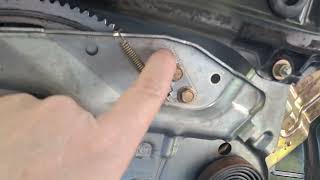
If the rear tailgate window on your first-generation Sequoia is stuck, the motor is often not the problem. A common issue is a small, adjustable brake mechanism inside the tailgate that seizes, locking the window in place. You may hear the motor click or hum but the window won't move. This can often be fixed by removing the interior tailgate panel and loosening two 10mm bolts to adjust the brake, restoring function without needing any new parts.
🎬 Watch: How to fix the rear hatch window without buying parts.Toyota Corolla & Matrix (2003-2004): Loose Door Glass
A safety recall was issued for these models because the bolts holding the front door glass to the window regulator could loosen and fall out. This would cause the window to separate from the regulator, appearing crooked or falling inside the door. Symptoms include a rattling noise when operating the window. This is a regulator failure, not a motor failure.
Symptoms of a Failing Window Motor
When a window motor itself is failing, it will usually give you several warning signs. These symptoms are distinct from the 'no-power' feeling of a bad switch or fuse.
- Slow Window Operation: The window moves up and down much slower than it used to. This is often the first sign that the motor is getting weak.
- Grinding or Clicking Noises: If you press the switch and hear a grinding, whirring, or clicking sound from inside the door but the window doesn't move, the motor's internal gears may be stripped or the regulator cable may have snapped.
- Intermittent Function: The window works sometimes but not others. It might stop halfway up or down and work again after a few minutes. This can be a sign of the motor overheating and its internal thermal circuit breaker tripping.
- Window Drifts Down: If the window slowly creeps down on its own, the motor's internal worm gear, which is supposed to hold it in place, is likely worn out.
- No Sound, No Movement: If you press the switch and hear absolutely nothing, the problem is more likely electrical. Before blaming the motor, check the fuse and the switch itself.
Diagnosing the Problem: Motor, Switch, or Fuse?
- Check the Fuses: This is the easiest first step. Consult your owner's manual to find the power window fuse and check if it's blown. On some models, this fuse also controls the power locks or moonroof.
- Test Other Switches: Try operating the faulty window from both its own door switch and the master switch on the driver's door. If it works with one switch but not the other, the switch is likely the problem, not the motor.
- Listen for the Motor: Have a helper operate the switch while you put your ear to the door panel. If you hear a click or a humming/grinding sound, the motor is receiving power. This means the switch and fuse are likely okay, and the problem is the motor or the mechanical regulator. If you hear nothing, the motor isn't getting power.
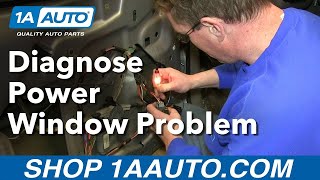
- Test for Power at the Motor: This is the definitive test. You'll need to remove the door panel to access the motor's electrical connector. Using a multimeter, check for 12V power at the connector's two pins when the switch is pressed. The voltage should reverse polarity when you press the switch in the opposite direction. If you have voltage but the motor doesn't spin, the motor is bad. 🎬 See this video for a step-by-step guide on diagnosing the motor.
Buying a Used Window Motor: What to Check
A used OEM window motor can be a reliable and cost-effective alternative to a new part, especially when compared to cheap aftermarket options which often have lower quality gears and incorrect electrical connectors.
- Verify the Connector: This is the most important step. Physically look at the connector on your old motor and compare it to the used part. Count the pins. A simple motor will have a 2-pin connector. A motor for a system with auto up/down and pinch protection will have a 5 or 6-pin connector. They are not interchangeable.
- Inspect the Gear: Look at the main drive gear on the motor. The teeth should be clean and well-defined. Avoid any motor with chipped, worn, or rusty gear teeth.
- Check for Water Damage: Look for any signs of rust or corrosion on the motor casing or electrical connector. Water intrusion is a common cause of failure, and a motor that has been submerged will not last long.
- Ask About the Vehicle's Mileage: While not a guarantee, a motor from a lower-mileage vehicle is generally a better bet. These motors fail from use, so fewer miles means less wear.
- Prefer OEM over Aftermarket: Used original equipment (OEM) motors are often built with better materials than brand new, low-cost aftermarket parts. An OEM motor is more likely to fit correctly and last longer than a cheap knock-off.
Cost to Replace a Window Motor
| Part / Service | Estimated Cost |
|---|---|
| New OEM Motor | $250 - $450 |
| New Aftermarket Motor/Assembly | $40 - $150 |
| Used OEM Motor | $35 - $90 |
| Shop Labor | $150 - $300 |
Replacement Overview & Difficulty
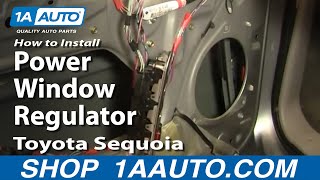
Replacing the window motor is a moderately difficult job that a DIY mechanic with basic tools can typically accomplish in 1-3 hours. The motor can usually be unbolted from the regulator assembly without removing the entire track from the door.
Pro Tip: Before unbolting the motor or regulator, use painter's tape or a suction cup to hold the window glass in the fully 'up' position. If you don't, it can fall inside the door and potentially break.
General Steps:
- Disconnect the negative battery terminal.
- Carefully remove the interior door panel. This involves removing screws (often hidden in the armrest or behind small covers) and popping off plastic clips around the perimeter.
- Peel back the plastic weather barrier to access the inside of the door.
- Secure the window glass in the up position.
- Disconnect the motor's electrical connector.
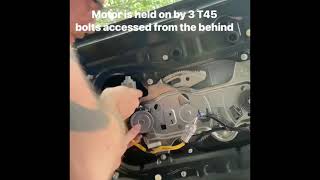
- Unbolt the motor from the regulator assembly (typically three Torx or 10mm bolts).
- Install the new motor, reconnect everything, and test operation before putting the door panel back on.
Initialization: If your vehicle has the auto up/down feature, you may need to initialize the new motor after installation. This usually involves running the window all the way down, then all the way up, and holding the switch in the 'up' position for a few seconds after it closes. If this isn't done, the auto feature may not work or the window may 'bounce' back down from the top.
Frequently Asked Questions
Can I just replace the motor or do I need the whole regulator assembly?
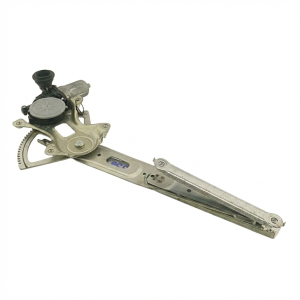
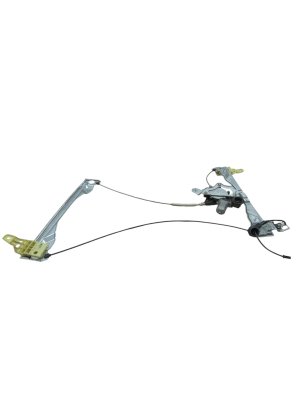
On these models, the motor can almost always be replaced separately from the regulator. It is held on by three screws. However, if the regulator cable is frayed or its plastic parts are broken, it's best to replace the complete motor and regulator assembly.
Can I upgrade my non-auto windows to have the auto up/down feature?
This is not a simple swap. It requires changing the motor (from 2-pin to 6-pin), the window switches, and potentially the wiring harness in the door to support the 'smart' motor's functions. While some aftermarket kits exist, it is not a plug-and-play change with factory parts.
My window works from its own switch but not the driver's master switch. Is the motor bad?
No, if the window works from any switch, the motor is good. The problem is almost certainly in the driver's master switch panel or the wiring between it and the faulty window's door. Check for the master switch recall mentioned above.
I replaced the motor and now the window goes up and then comes back down a few inches. What's wrong?
The system needs to be initialized. With the door panel still off, run the window all the way down. Then, run it all the way up and continue to hold the 'up' button for 5-10 seconds after it has fully closed. This resets the motor's memory of the top and bottom positions.
Helpful Videos
Technical Specifications
OEM Part Numbers: 857100C080 8571035180 8571052280 85710AE010 85720-0C060 85720-34030 8572035140 85720AE010
Operating Voltage: 12V DC. Connector type is either 2-pin (standard) or 5/6-pin (for auto up/down with jam protection).
We Have This Part in Stock


The information in this article is provided for general reference and educational purposes only. Vehicle specifications, procedures, and part compatibility can vary by production date, trim level, and region. Always consult your vehicle's factory service manual and verify part numbers before purchasing or performing repairs. Safety-critical components such as airbags, seat belts, and braking systems should be installed by a qualified professional.
- Toyota Sequoia:
- Toyota Tundra:
- Scion iM:
- Scion tC:
- Scion xB:
- Scion xD:
- Toyota 4Runner:
- Toyota Avalon:
- Toyota Camry:
- Toyota Corolla:
- Toyota Corolla iM:
- Toyota FJ Cruiser:
- Toyota Highlander:
- Toyota Matrix:
- Toyota Prius:
- Toyota RAV4:
- Toyota Sienna:
- Toyota Tacoma:
- Toyota Yaris:
- Toyota Prius C:
- 🎬 Helpful Videos
- 🛍️ Shop This Part
- Is This The Right Window Motor For Your Vehicle?
- Known Issues, Recalls, and Technical Service Bulletins (TSBs)
- Major Safety Recall: Driver's Master Window Switch (Multiple Models)
- Toyota Sequoia (2001-2007): Stuck Rear Hatch Window
- Toyota Corolla & Matrix (2003-2004): Loose Door Glass
- Symptoms of a Failing Window Motor
- Diagnosing the Problem: Motor, Switch, or Fuse?
- Buying a Used Window Motor: What to Check
- Cost to Replace a Window Motor
- Replacement Overview & Difficulty
- 🎟️ Get 5% Off