

2001-2006 Hyundai Santa Fe Window Regulator: Failure Symptoms and Replacement Guide
Learn to identify the common signs of a failing window regulator in your first-generation Hyundai Santa Fe and understand what to look for when buying a used replacement.
- Failure is typically mechanical (snapped cable, broken plastic clips) rather than electrical.
- Symptoms include grinding noises, slow or crooked movement, or the window dropping into the door.
- A used OEM regulator is often a better choice than a new, cheap aftermarket part due to superior fitment and motor quality.
- Replacement is a feasible DIY job, but you must secure the window glass with tape before removing the old regulator to prevent it from falling and shattering.
Symptoms of a Failing Window Regulator
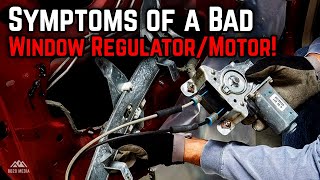
When a window regulator in a 2001-2006 Hyundai Santa Fe begins to fail, it will usually provide several warning signs. 🎬 Watch: See these common window regulator failure symptoms in action. Ignoring these can lead to the window becoming completely stuck or, in some cases, dropping down inside the door.
- Grinding or Clicking Noises: One of the most common symptoms is a grinding, clicking, or chattering sound when you operate the window. This often points to a problem with the regulator's cable or the motor's gears. The cable might be frayed or the plastic gears inside the motor may be stripped.
- Slow or Erratic Window Movement: If the window moves much slower than it used to, or if it moves in a jerky, uneven motion, the motor is likely straining due to a problem in the regulator mechanism. This could be caused by a bent track or a tangled cable.
- Window is Crooked or Misaligned: A window that tilts to one side as it moves up or down is a clear sign of a regulator issue. This often happens when one of the plastic clips that holds the glass to the regulator track has broken.
- Window Drops or Won't Stay Up: The window may suddenly drop down into the door, either partially or all the way. It may also refuse to stay in the closed position, slowly sliding down on its own. This indicates a complete failure of the lifting mechanism, often a snapped cable.
- Window is Stuck: If you can hear the motor whirring or clicking when you press the switch, but the window doesn't move, the motor is working but the regulator is jammed or broken. Conversely, if you hear nothing at all, the problem could be the motor, the switch, or the wiring itself.
Pro Tip: To quickly test if the issue is the motor or the switch, turn on your car's dome light and press the window switch. If the dome light dims slightly, it means power is getting to the motor, and the problem is likely the motor or a jammed regulator. If the light doesn't dim, the issue is more likely the switch, a fuse, or a broken wire in the door jamb.
Known Issues, TSBs, and Recalls
As of early 2026, there are no specific recalls or Technical Service Bulletins (TSBs) from Hyundai or the National Highway Traffic Safety Administration (NHTSA) that directly address the window regulators on the 2001-2006 Santa Fe. The primary recalls for this generation involve potential corrosion of the front coil springs in certain "salt belt" states. Failures of the window regulator are generally attributed to normal wear and tear over time.
Buying a Used Window Regulator
For a vehicle of this age, a used OEM (Original Equipment Manufacturer) window regulator is often a smart and economical choice. Recycled original parts guarantee a perfect fit and often have better quality motors than cheap, new aftermarket alternatives. Here’s what to check before buying:
- Inspect the Cables: Look closely at the steel cables. They should be tightly wound and free of any fraying, kinks, or rust. A damaged cable is the most common point of failure.
- Check the Plastic Components: Examine all plastic parts, especially the clips that attach to the window glass and the pulleys the cable runs on. Ensure they are not cracked, brittle, or showing signs of stress.
- Verify Motor Function (If Included): If the regulator comes with the motor, ask the seller if it has been tested. While a full bench test is difficult, you can at least ensure the electrical connector is intact and not corroded.
- Confirm the Correct Position: Window regulators are specific to each door. Double-check that you are buying the correct one (e.g., Front Driver Side, Rear Passenger Side). They are not interchangeable.
- Why Used OEM is Often Better: New aftermarket regulators, especially budget-friendly ones, can have issues. The metal might be thinner, the plastic less durable, and the motor may not have the same longevity as the original Hyundai part. Sometimes, aftermarket parts even use slightly different motor gear patterns, making it impossible to swap your old OEM motor onto the new regulator if the aftermarket motor fails. A good-condition used OEM part avoids these compatibility and quality concerns.
Cost Comparison
Prices for a window regulator assembly (which includes the motor) for a 2001-2006 Hyundai Santa Fe can vary significantly. Here is a general cost breakdown:
| Part Type | Estimated Cost |
|---|---|
| New OEM (Dealer) | $275 - $550+ |
| New Aftermarket | $50 - $160 |
| Used OEM (Recycled) | $40 - $100 |
| Shop Labor Cost | $120 - $250 |
Replacement Information
Replacing the window regulator is a manageable DIY project for someone with basic mechanical skills. The main steps involve removing the interior door panel, carefully peeling back the weather barrier, supporting the window glass, and then unbolting the old regulator assembly to swap in the new one.
- Difficulty Rating: 3 out of 5
- Estimated Time: 1.5 - 2.5 hours
- Tools Required: Phillips screwdriver, flathead screwdriver, trim panel removal tool, socket set, painter's tape (to hold the window up).
Warning: The window glass is not attached to anything once you unbolt it from the regulator. You must secure it in the full 'up' position with strong tape (like painter's tape or duct tape) before removing the regulator, or it can fall and shatter inside the door.
Frequently Asked Questions
Is it better to replace just the motor or the whole regulator assembly?
It is almost always better to replace the entire regulator and motor assembly. The failure is often in the regulator's cables or plastic parts, not just the motor. Since the labor to access the part is the same, and the assemblies are sold as a single unit, replacing everything at once prevents you from having to do the job again if another part of the old regulator fails soon after.
Are the front and rear window regulators the same?
No, they are not. The front and rear doors have different shapes and sizes, so the regulators are specific to each location. The driver's side and passenger's side regulators are also different and cannot be interchanged.
My window is stuck down. How can I get it up until I can fix it?
If the regulator has failed, you can often manually raise the window. After removing the door panel, you should be able to reach inside the door, grab the bottom of the glass with both hands, and carefully slide it up into the closed position. You can then use a wedge or strong tape over the top of the door frame to hold it in place temporarily.
Do I need any special programming after installing a new window regulator?
No. The 2001-2006 Hyundai Santa Fe does not have an advanced window control system that requires programming or calibration. Once the new regulator is installed and connected, it should function correctly immediately.
Helpful Videos
Technical Specifications
OEM Part Numbers: 82405-26000 82406-26000 83405-26000 98810-26100 98820-26100 98810-26200 98820-26200
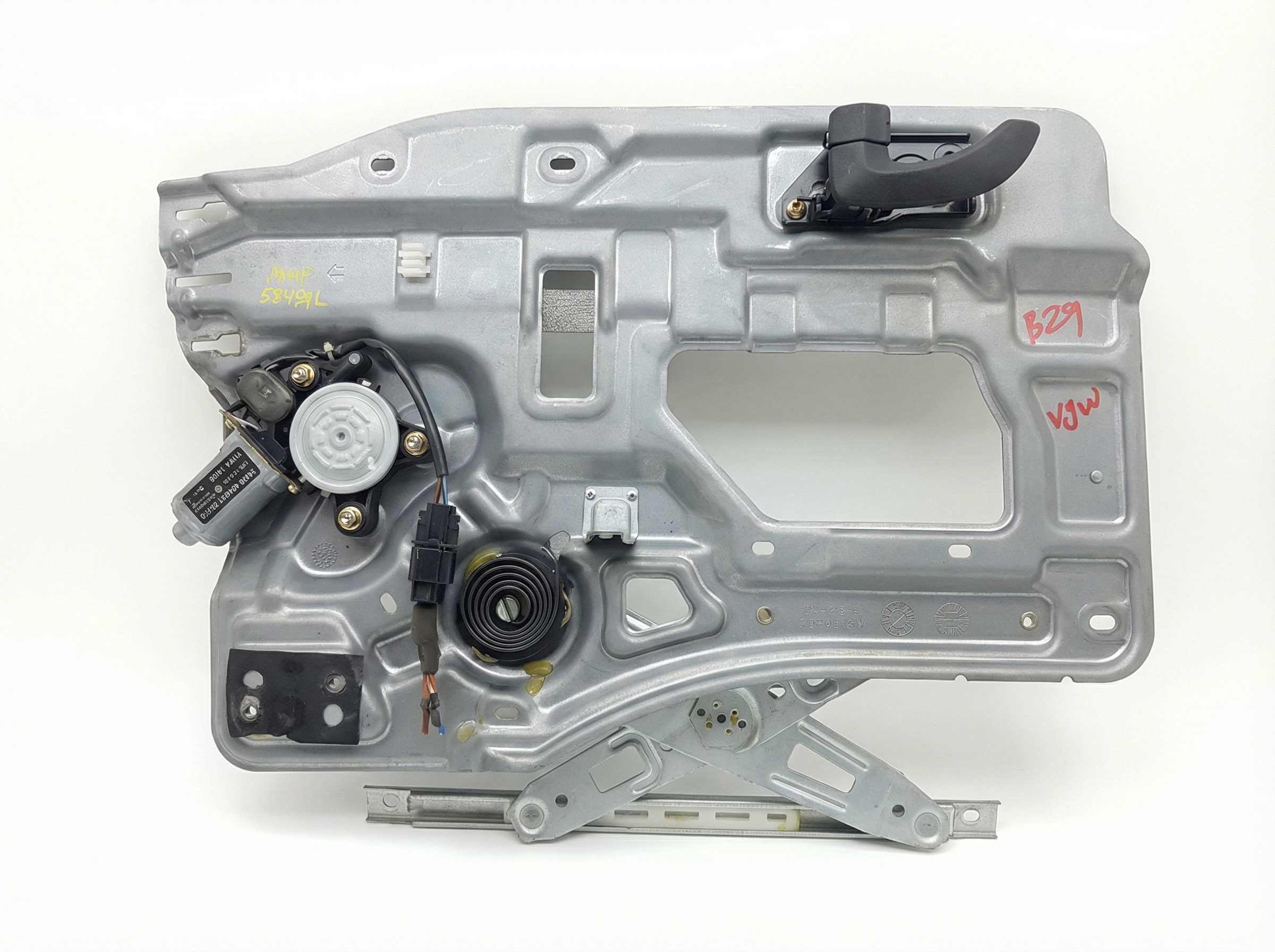
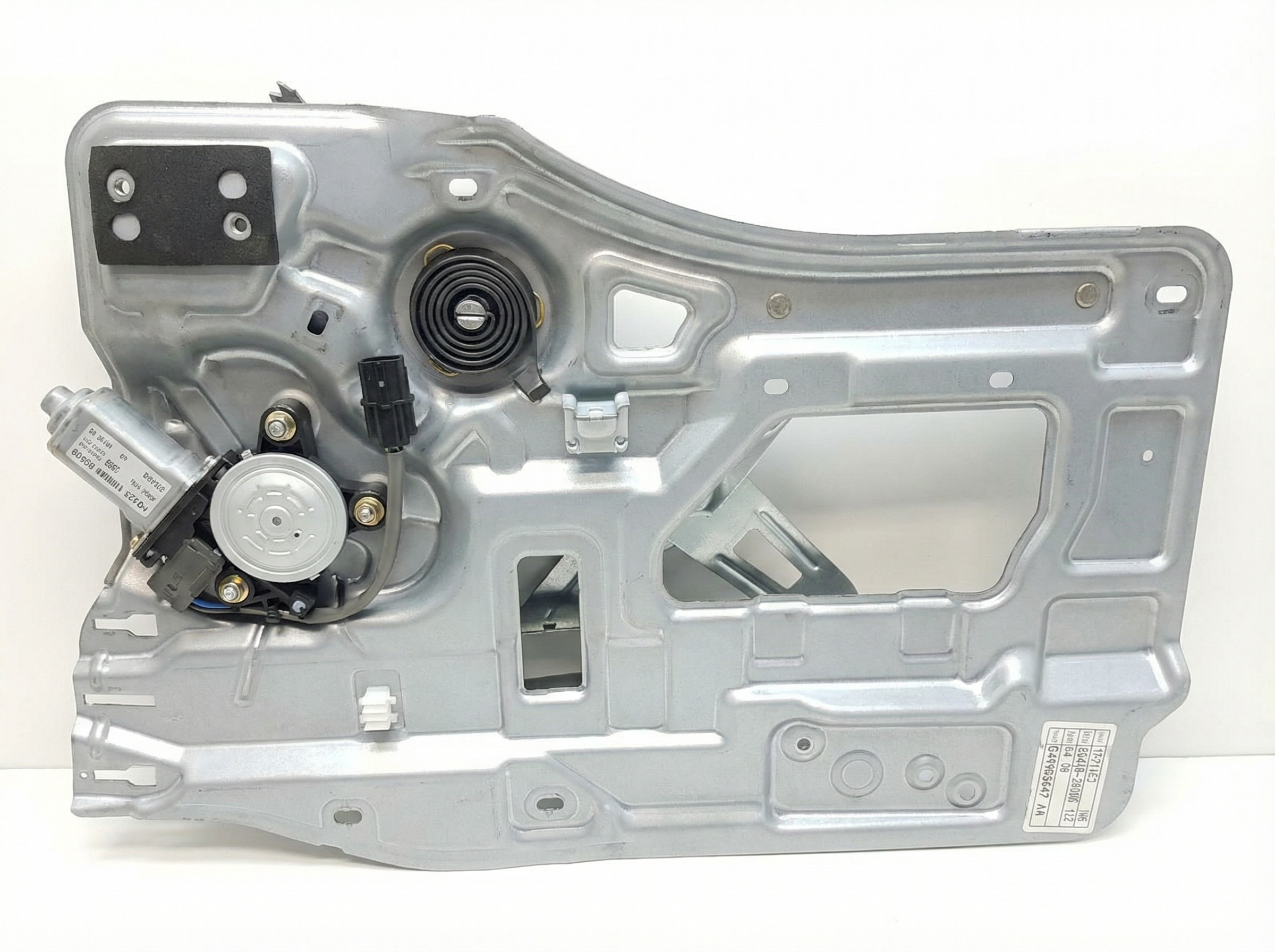
This is a cable-driven power window regulator and motor assembly.
We Have This Part in Stock

The information in this article is provided for general reference and educational purposes only. Vehicle specifications, procedures, and part compatibility can vary by production date, trim level, and region. Always consult your vehicle's factory service manual and verify part numbers before purchasing or performing repairs. Safety-critical components such as airbags, seat belts, and braking systems should be installed by a qualified professional.
- Hyundai Santa Fe: