Quick Summary
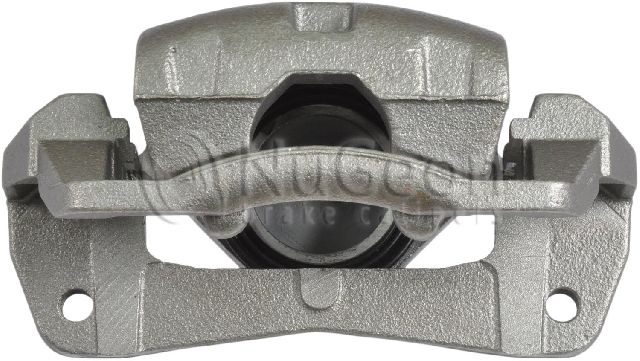
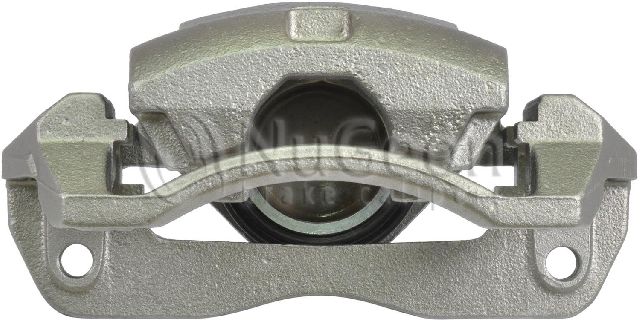
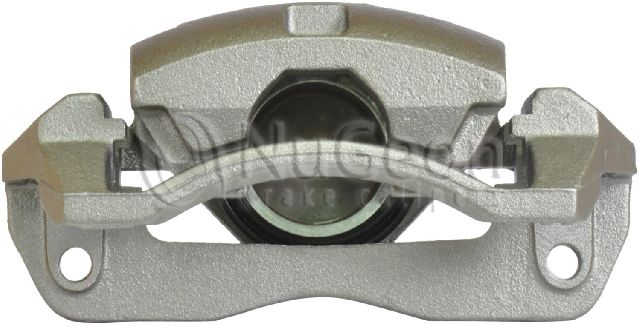
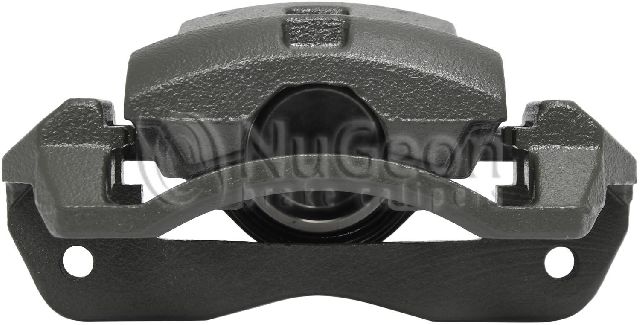
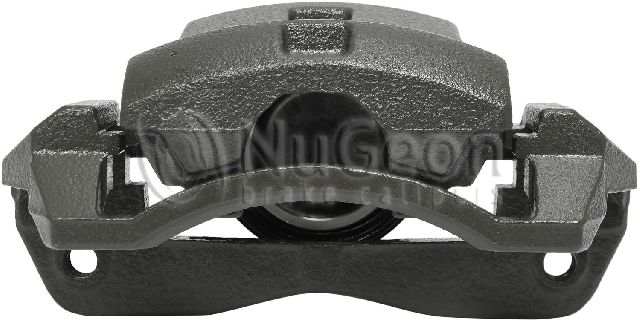
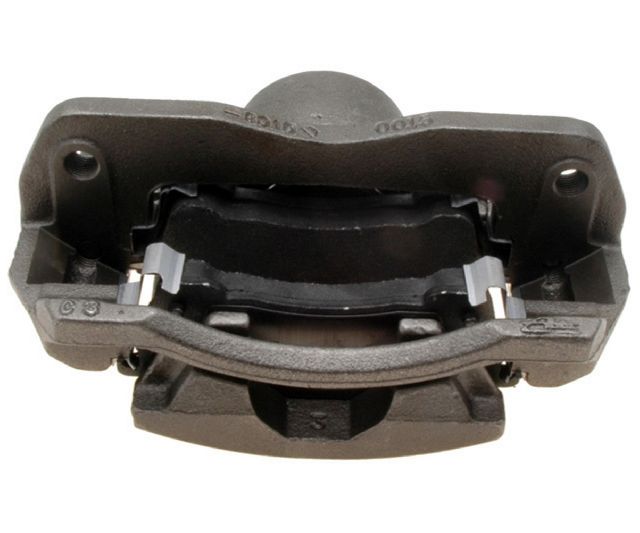
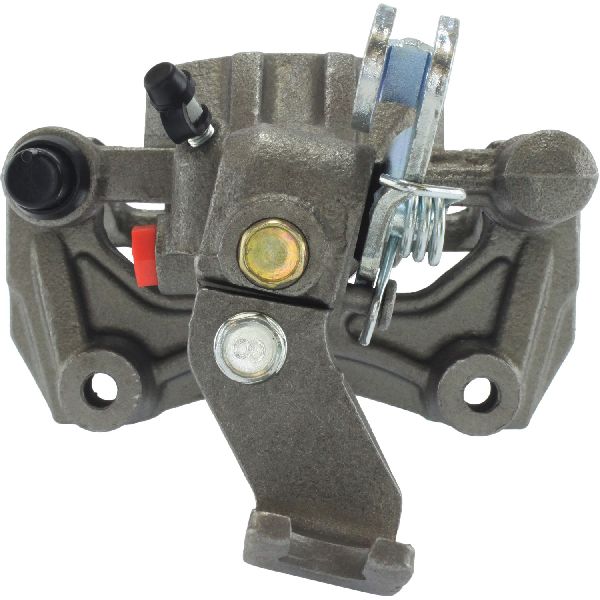
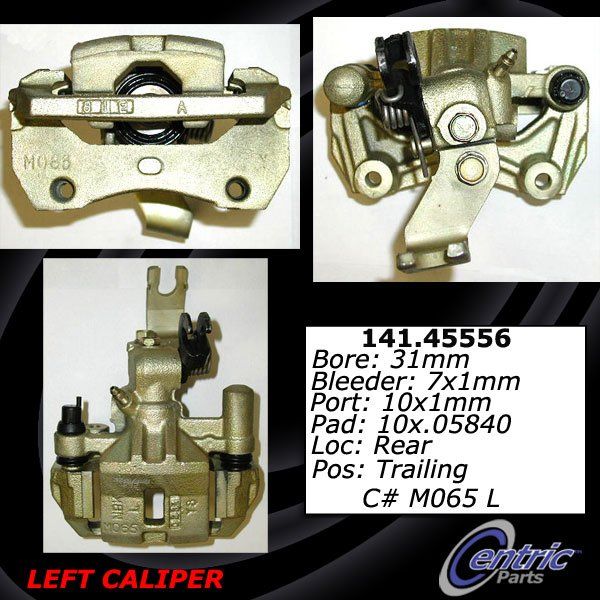
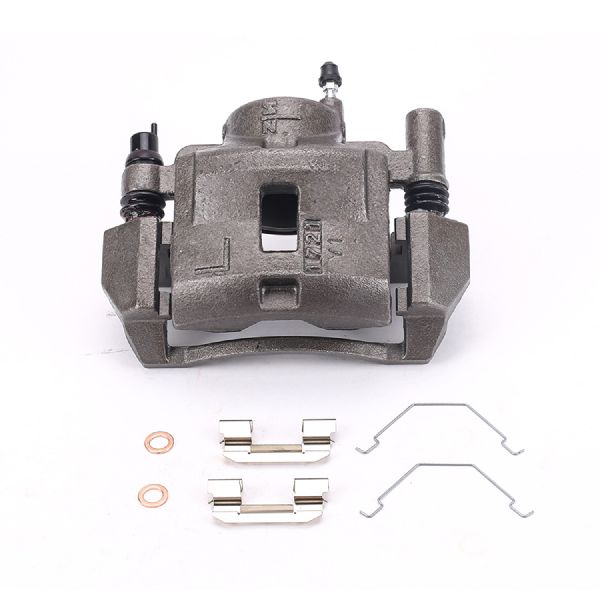
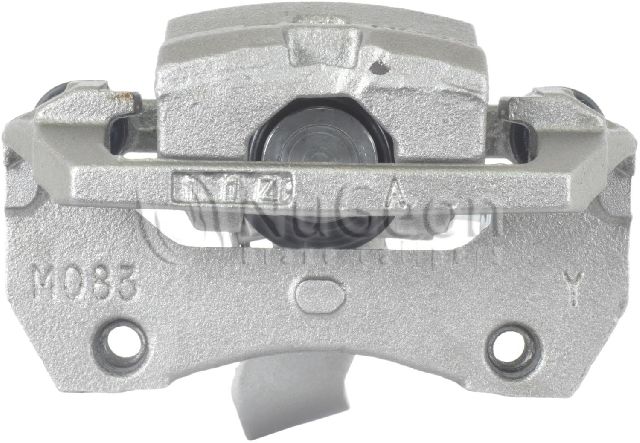
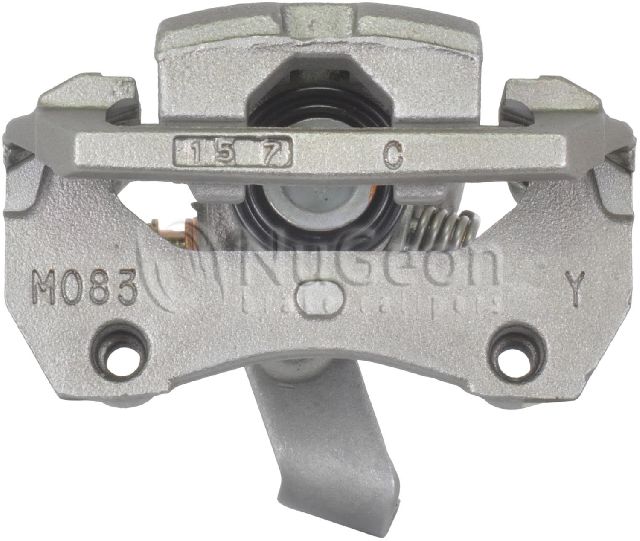
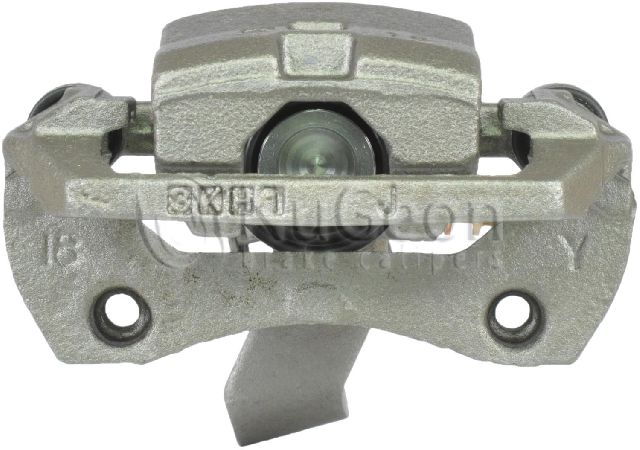
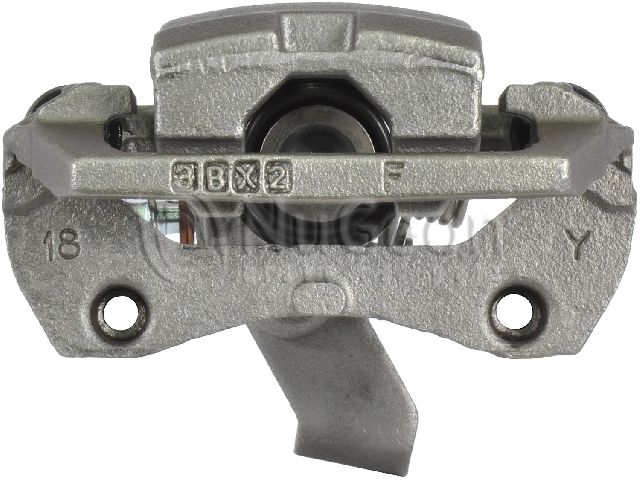
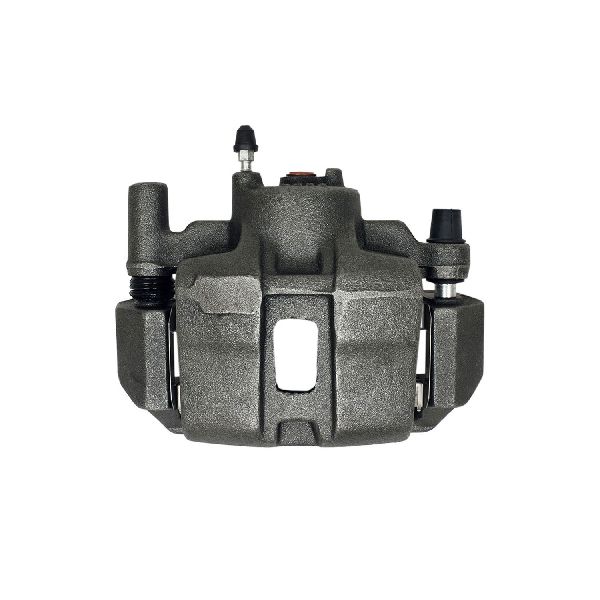
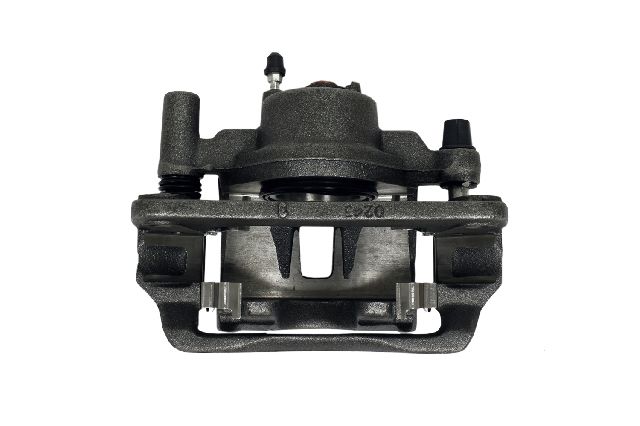
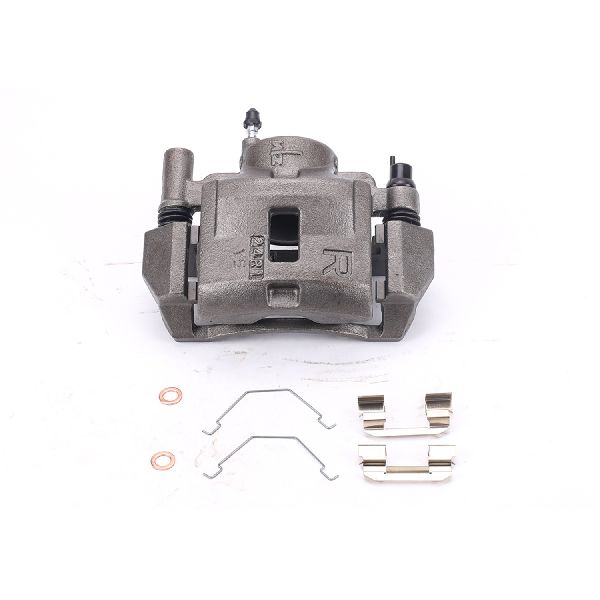
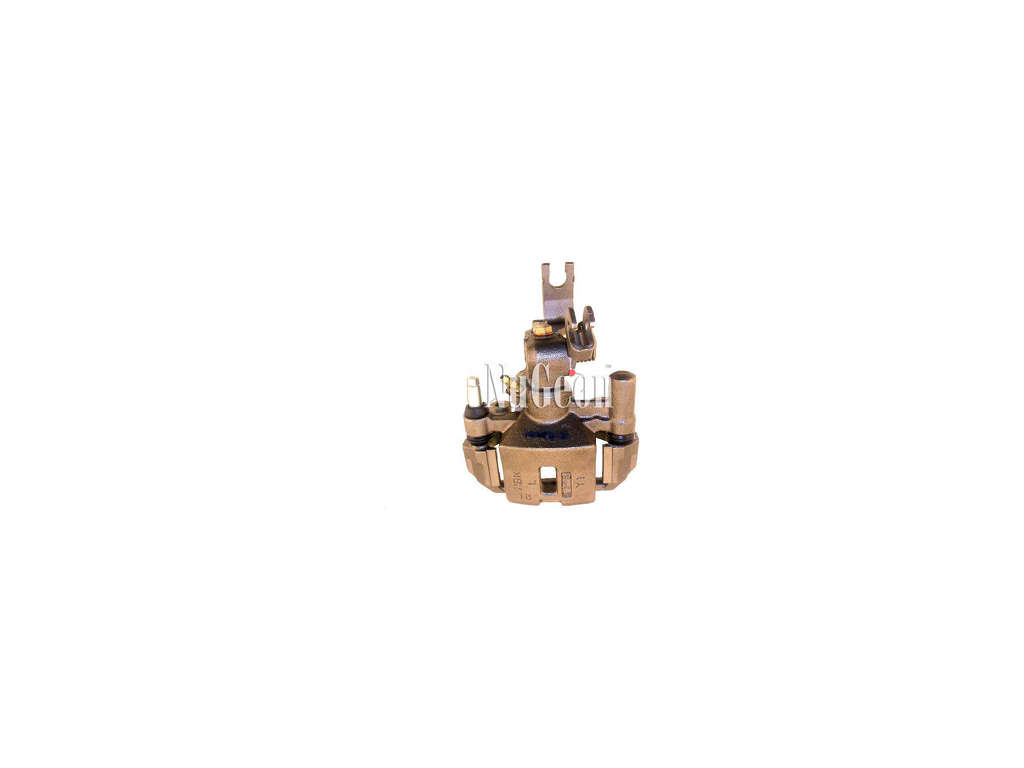
The Mazda 626 disc brake caliper-also called the brake clamp, hydraulic clamp, or stopping cylinder-uses hydraulic pressure to squeeze the brake pads against the rotor, slowing the car. Most 1993‑2002 626 models (and sibling Ford Probe/Mazda MX‑6) use a single‑piston, floating caliper that is light, low‑cost, and easy to service. Keeping it clean, greased, and torqued to spec (58‑74 lb‑ft on the bracket bolts) prevents drag, uneven pad wear, and overheating. A worn or sticking caliper causes pulling, brake fade, or fluid leaks-signs that demand prompt repair. After installation, bleed the system in the correct wheel order, then bed the new pads and rotor for top stopping power. Upgrades like larger Mazda6 or aftermarket fixed calipers can bolt on for track use. Old calipers are almost 100 % recyclable metal, so turn them in rather than tossing them. (tsentraal.ee, matfoundrygroup.com, BreakerLink, PowerStop Brakes)
Fitment Basics
How It Works
A floating caliper slides on guide pins. When you press the pedal, brake fluid pushes the single piston outward; the inner pad contacts the rotor, and the caliper body slides, pulling the outer pad inward. MAT Foundry explains floating design . Fixed calipers use pistons on both sides-great for racing but heavier and costlier Brake Parts Inc bulletin PDF .
Common Symptoms
Materials & Design
Cast‑iron calipers are strong and inexpensive but heavy. Aluminum housings cut weight up to 40 % and resist rust while shedding heat faster OnAllCylinders comparison . Aluminum pistons or ceramic inserts further reduce heat transfer to the brake fluid PowerStop tech article .
Torque & Specs
Replacement Steps
A video walk‑through on a 626 GF shows each step clearly YouTube tutorial .
Bleeding Brakes
Start with the wheel farthest from the master cylinder and work closer-right rear → left rear → right front → left front on LHD cars Charm.li service manual . Keep the reservoir full and tighten the bleeder before the helper releases the pedal to avoid air draw‑back Mazdas247 guide .
Break‑In Tips
Gently heat the new pads with 8‑10 near‑stops from 45‑15 mph, then allow cool‑down; this beds an even layer of pad material on the rotor and prevents judder PowerStop bedding guide .
Performance Upgrades
Track‑day drivers often swap in larger Mazda6 front calipers or aftermarket fixed units; the Mazda6 twin‑piston caliper bolts onto the 626/Probe/MX‑6 knuckle with minimal modification ProbeTalk brake‑kit thread . Installing stainless braided hoses improves pedal feel, but always match bore size to the master cylinder to keep balanced brake bias.
Safety & Recalls
A 2000 recall (NHTSA 00V074) warned that a blocked master‑cylinder cap vent could draw the caliper pistons back, reducing braking after long parking periods Cars.com recall notice . Always check for open recalls by VIN before planning repairs.
Green Disposal
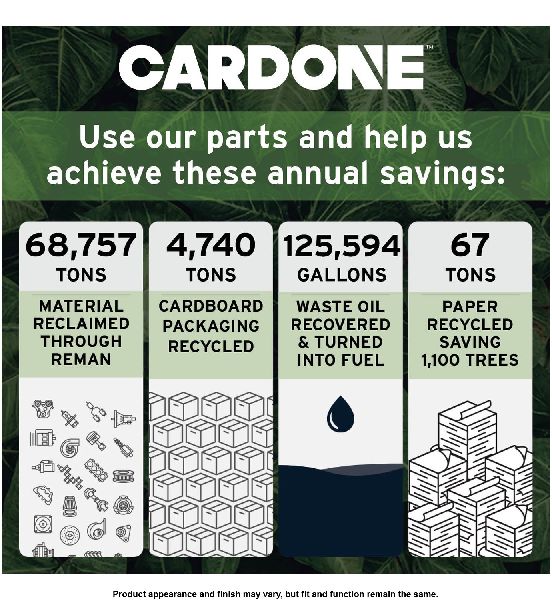
Used calipers are mostly iron or aluminum-both bring cash at scrap yards and keep metals in the production loop. EPA end‑of‑life guidance urges recycling rather than landfilling to cut waste and energy use End‑of‑Life Vehicle guide PDF . If solvent is used to clean calipers, manage that solvent as hazardous waste under RCRA Vehicle Maintenance guide .
Frequently Asked Questions
Q: What does a disc brake caliper do?
A: It acts like a vise. Hydraulic pressure pushes the piston, squeezing both pads against the spinning rotor to slow the wheel. MAT Foundry explainer
Q: How can I tell if my 626 caliper is bad?
A: Watch for pulling, fluid leaks, uneven pad wear, or a hot wheel after a short trip. These point to a sticking piston or seized slide pin. BreakerLink symptom list
Q: Is it safe to drive when a caliper drags?
A: No. Dragging overheats the rotor, boils brake fluid, and can cause sudden brake failure. Replace or rebuild the caliper right away.
Q: Which years share the same front caliper?
A: U.S. 1993‑2002 Mazda 626, 1993‑1997 MX‑6, and 1993‑1997 Ford Probe use nearly identical single‑piston front calipers and brackets ProbeTalk interchange note .
Q: What torque should I use on the bracket bolts?
A: Tighten to 58‑74 lb‑ft (78‑102 N·m) and use medium‑strength thread‑locker. FAQ torque chart (tsentraal.ee)
Q: Do I need to replace calipers in pairs?
A: It's best. Matching calipers keeps braking force even and avoids side‑to‑side pull.
Q: What grease goes on slide pins?
A: High‑temperature silicone brake grease; petroleum grease can swell the rubber boots.
Q: How long should a caliper last?
A: In mild climates, 100,000 miles or more. Road salt, infrequent fluid changes, or torn boots shorten life.
Q: Can I paint my calipers?
A: Yes-after removing rust and using 500 °F caliper paint. Let cure fully before driving.
Q: How do I bed new pads?
A: Perform 8‑10 firm stops from 45 mph to 15 mph, without coming to a full stop, then cool the brakes by driving. PowerStop guide
Q: Where should I recycle the old caliper?
A: Any metal recycler or auto‑parts store core return bin-nearly all the metal can be melted and reused, keeping waste out of landfills EPA guidance
With the right tools, care, and knowledge, replacing or upgrading a Mazda 626 disc brake caliper is a straightforward way to restore crisp, reliable stopping power.
Your Go-To Place for Auto Parts!
Shop with confidence and peace of mind
Over 18 years of excellence
Meets or exceeds OE standards