

B3060 on 2015-2022 GMC Yukon: Security Light, No Start Causes and Fixes
Code B3060 on a 2015-2022 GMC Yukon means the anti-theft system doesn't recognize the key. This causes a no-start and security light. The most common fix is a 'security relearn procedure,' which is free and can be done at home in about 30 minutes.
- B3060 means your Yukon's security system has locked you out, usually due to a key communication error.
- Before paying for a tow or repair, try the 30-minute security relearn procedure at home. It is free and often resolves the issue, especially after a battery change.
- Remove all other electronic fobs and cards from your keychain to eliminate possible radio frequency interference, a known issue on these vehicles.
- If you need a new key, it MUST be programmed to the vehicle by a professional with the correct tools.
- Do not mistake this security issue for a bad starter or fuel pump, as the symptoms can be similar.
What's Unique About the 2015-2022 Gmc YUKON
On this generation of GMC Yukon, the Passkey III+ immobilizer system is sensitive, particularly to voltage changes. A common trigger for code B3060 is a weak or recently replaced vehicle battery, which can cause the security system to lose its memory of the learned keys. Additionally, GM has issued technical service bulletins noting that radio frequency interference (RFI) from other devices on a keychain can intermittently block the key's signal, leading to this code and a no-start condition. GM was aware of this sensitivity early on, issuing bulletin PIE0232 for 2013 models to investigate the root cause of these security codes on low-mileage vehicles.
Diagnostic Flowchart
Tap your situation to follow the diagnostic path that matches what you're seeing on this vehicle.
Generation note: This range covers the end of the fourth generation (K2UG, 2015-2020) and the beginning of the fifth generation (T1UG, 2021-2022). While the electronics differ, both generations use a transponder-based immobilizer system (Passkey III+) and are susceptible to this code from similar causes like battery replacement or key issues. The 2021 redesign introduced a new electrical architecture and more advanced anti-theft options, including inclination and interior motion sensors.
Symptoms You May Notice
- Engine will not crank or turn over
- Engine starts briefly then immediately shuts off
- Solid or flashing security light on the instrument cluster.
- Message on the Driver Information Center (DIC) like 'Service Theft Deterrent System'.
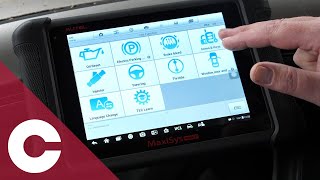
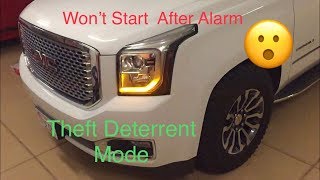
- Alarm may sound unexpectedly 🎬 Watch: How to override the alarm and theft deterrent mode. when reconnecting a new battery.
- Replacing the starter motor when the engine doesn't crank.
- Replacing the fuel pump when the engine starts and stalls.
- Replacing the vehicle's main battery without attempting the relearn procedure afterward.
Most Likely Causes
- Security System Lost Memory 🔴 High Probability This often occurs after the vehicle's main battery dies or is disconnected for replacement. The voltage drop can cause the BCM to lose its learned key data, triggering the anti-theft system.
How to confirm: The issue appears immediately after a battery change or jump-start.
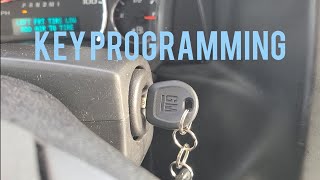
Typical fix: Perform the 30-minute security relearn procedure 🎬 Watch: A quick guide to the 30-minute key relearn process. to allow the BCM to relearn the existing key's transponder code.
Est. part cost: $0 - Radio Frequency Interference (RFI) 🟡 Medium Probability As noted in GM TSB PIC5650M, other RFID-enabled cards or fobs on the keychain (e.g., office access cards, gas station fobs) can interfere with the signal from the ignition key.
How to confirm: Remove all other keys and electronic devices from the key ring. If the vehicle starts reliably with the single key, RFI was the cause.
Typical fix: Keep the vehicle key on a separate ring from other RFID-enabled devices.
Est. part cost: $0 - Using an Unprogrammed Key 🟡 Medium Probability Occurs when using a newly cut key or a replacement key fob that has not been formally programmed to the vehicle's immobilizer system.
How to confirm: The vehicle fails to start with the new key but starts with the original key.
Typical fix: The new key must be programmed to the vehicle using a professional scan tool or by a locksmith. Dealerships or locksmiths may charge between $50 and $250 for programming services.
Est. part cost: $50-$250 for programming service - Defective Key or Transponder Chip ⚪ Low Probability The internal transponder chip in the key head can be damaged from being dropped, water exposure, or from age.
How to confirm: The vehicle fails to start with one key but starts and runs with the spare key. Try the relearn procedure first; if it fails for only one key, that key is likely bad.
Typical fix: Replace the key and have the new one programmed.
Est. part cost: $75-$250
Rare But Worth Checking
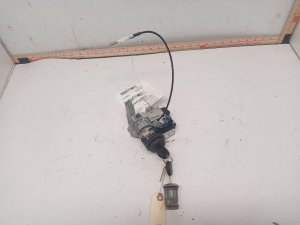
- Faulty Ignition Lock Cylinder / Exciter Ring: → Shop Ignition Switch The ignition lock cylinder houses the exciter coils that power the key's transponder chip. A failure in this component or its wiring means the key's code is never read, which can set a B3060. This part is separate from the electronic ignition switch. Replacement cost is estimated between $211 and $293.
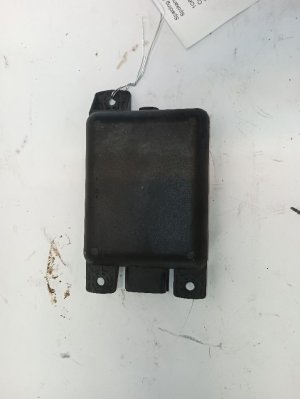
- Faulty Theft Deterrent Module (TDM) or Body Control Module (BCM): → Shop Anti-Theft Control Module If the relearn procedure fails with multiple known-good keys and there is no RFI, the module responsible for reading the key may have failed. This requires advanced diagnostics with a scan tool to confirm and replacement requires special programming.
- Blown Immobilizer System Fuse: A blown fuse for the theft deterrent system can cause a no-crank and security light. One known fuse is labeled 'DLIS' in some GM fuse boxes.
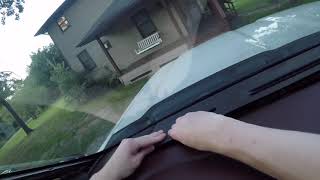
- Poor BCM Ground (G218): GM issued TSB PIT5405C for 2015-2017 models identifying a poor ground at location G218 as a cause for various electrical issues, including no-start conditions and numerous communication DTCs. This ground can be loose or have the dash insulator mat trapped under it 🎬 See how to locate and fix the G218 ground connection., causing a weak connection.
Diagnosis Steps
- Check the dashboard for a solid or flashing security light. This confirms an anti-theft issue.
- Remove all other keys, fobs, and RFID cards from the Yukon's keychain. Try to start the vehicle with the key isolated to rule out RFI.
- If you have a spare key, try starting the vehicle with it. If the spare key works, the problem is with your primary key.
- Attempt the 30-Minute Security Relearn Procedure: Insert the key and turn to 'ON' (don't start). The security light will be on. Wait ~10 minutes for the light to turn off. Turn the key 'OFF' for 5-10 seconds. Repeat this process two more times for a total of 3 cycles (~30 minutes). After the third cycle, turn the key off, then try to start the engine.
- Check fuses related to the theft deterrent system ('DLIS' or similar) in the vehicle's fuse boxes.
- Inspect the wiring and connector at the ignition lock cylinder for any damage or looseness.
- Inspect ground G218. On 2015-2017 models, this ground for the BCM is located behind the lower driver-side dashboard panel. Ensure the nut is tight and that the dash insulator mat is not trapped underneath the ground eyelet, per TSB PIT5405C.
- If the relearn fails and fuses/grounds are good, the vehicle will likely need to be diagnosed with a professional scan tool (like a GM GDS2) to check the status of the Theft Deterrent Module/BCM and key transponders.
Parts You'll Likely Need
- Transponder Ignition Key / Key Fob — This is needed if the original key's internal transponder chip has failed or the key is lost.
Trusted brands: ACDelco, Strattec
OEM price range: $100-$200
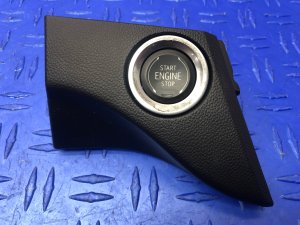
Aftermarket price range: $40-$90 - Ignition Switch (Push Button Start)
(OEM #84510070 (replaces 23193702, 84234661))— For vehicles with push-button start, the switch itself can fail, preventing the start sequence. This is a potential, though less common, cause.
Trusted brands: GM Genuine, ACDelco, Standard Motor Products
OEM price range: $35-$60
Aftermarket price range: $25-$50 - Body Control Module (BCM)
(OEM #84922494)— If diagnostics confirm the BCM itself is faulty, it will need to be replaced. This part requires programming by a dealer or qualified shop with access to GM's online service programming system.
Trusted brands: GM Genuine Parts
OEM price range: $160-$260
Related Codes That Often Appear With This One
- B3055 — Relates to a problem with the key transponder. Often set alongside B3060 as part of the same security event.
- B3935 — Transponder Authentication Failed. This is another code indicating the security system could not validate the key.
- P1631 — Theft Deterrent Start Enable Signal Not Correct. This powertrain code indicates the ECM received an incorrect signal from the theft deterrent system, often as a result of the B-prefix codes.
Technical Service Bulletins (TSBs) & Recalls
- PIC5650M: Addresses intermittent no crank/no start/start stall with security light on, and mentions DTCs B3055, B3060, and B3935. Points to potential RFI as a cause.
- PIE0232: An engineering information request for early-build 2013 models to investigate the cause of no-start conditions with security DTCs B3055, B3060, or B3935 on low-mileage vehicles.
- PIT5405C: Addresses various electrical concerns including no-start on 2015-2017 models caused by a poor BCM ground at G218.
Platform-Specific Known Issues
- TSB for Poor BCM Ground: GM issued Technical Service Bulletin PIT5405C for 2015-2017 models, which includes the Yukon. It addresses a wide range of electrical problems, including no-starts, that can be caused by a poor connection at ground G218. The fix involves ensuring the ground nut is tight and cutting away any dash insulation material that may be interfering with the connection.
- Owner Experience with BCM Failure: A user on TahoeYukonForum.com with a 2010 Yukon XL Denali described a month-long battle with electrical issues, including non-functional low-beam headlights, that led to replacing the BCM multiple times. This highlights that BCM failure can cause a wide range of seemingly unrelated electrical problems beyond just the B3060 code.
- Early Model Year Investigation: GM issued Preliminary Information bulletin PIE0232 for 2013 models to gather data on vehicles with low mileage setting codes B3055, B3060, or B3935, indicating they were actively investigating the root cause of this immobilizer issue early in the platform's life.
Scan Tool Commands That Help
- GDS2 (Global Diagnostic System 2): Module Diagnostics -> Body Control Module -> Immobilizer Learn — This function is used to program new keys, relearn existing keys, or set up a new BCM/TDM. It is the dealer-level tool required when the 30-minute manual relearn procedure fails or when adding new keys.
- GDS2 (Global Diagnostic System 2): Module Diagnostics -> TDM -> Data Display -> Valid Key — To check if the Theft Deterrent Module (TDM) is recognizing a specific key as valid. The parameter should read 'Yes' for a known good, programmed key. This helps isolate a bad key from a bad module.
- GDS2 (Global Diagnostic System 2): Vehicle DTC Information -> Clear All DTCs — After a repair (like fixing a ground or performing a relearn), this command should be used to clear the B3060 and any related history codes to verify the fix.
Wiring & Ground Locations
- G218 — Behind the lower driver-side dashboard panel, near the A-pillar and left-side speaker.. This is a primary ground point for the Body Control Module (BCM). TSB PIT5405C identifies a poor connection here (loose nut or trapped insulation) as a cause for no-start and various other electrical faults on 2015-2017 models.
- BCM (Body Control Module) — Inside the passenger cabin, typically bolted to the fuse block assembly behind the lower dashboard panel on the driver's side, to the left of the steering column.. The BCM is the central module that manages the theft deterrent system. All related wiring for the ignition switch, transponder exciter coil, and communication with the ECM runs to its connectors.
- Ignition Lock Cylinder / Exciter Coil — Located within the steering column, where the ignition key is inserted.. This component houses the coil that energizes the key's transponder. A bad connection or a failed coil here will prevent the key's code from being read, directly causing a B3060.
Real Owner Repair Stories
- Tahoe Yukon Forum user 'Merc1973' (2015-era Tahoe/Yukon (based on forum context)) — Security light flashing, crank but no start, or starts and dies immediately. Had to wait 10+ minutes between attempts.
❌ Tried (didn't work) Waiting for the 10-minute security lockout to expire, which only worked temporarily.
✅ What actually fixed it The owner removed the ignition lock cylinder and cleaned excess grease off of it and the adjacent sensor. This resolved the security light and no-start issue permanently. - YouTube channel 'WatchJRGo' (GMC Yukon XL (year not specified, but GMT800/900 platform)) — Intermittent no-start condition. Owner thought the battery was dead. Security light was on. History code P1631 (Theft Deterrent Start Enable Signal Not Correct) was found.
❌ Tried (didn't work) Charging the battery.
✅ What actually fixed it The problem was diagnosed as a faulty, non-original key. The final fix was to get a new, correct GM key programmed to the vehicle.
OEM Part Supersession History
13599685→13528941— Part update or revision by the manufacturer.
Heads up: This is a Body Control Module for Silverado/Sierra models, but is indicative of GM's part update practices. Always verify the correct BCM part number for the specific Yukon VIN, as programming is required and using the wrong hardware family can cause system-wide failures.
Model Year Variations Within This Range
- 2015-2020 (K2UG): This generation uses the established Passkey III+ system. Electrical issues are often linked to known weak points like the G218 ground, as documented in TSBs.
- 2021-2022 (T1UG): The 2021 redesign introduced a new electrical architecture and a more advanced optional security system with features like glass breakage sensors, interior motion sensors, and an inclination sensor. While the fundamental cause of B3060 (unrecognized key) remains, the diagnostic approach may involve these newer, more complex systems.
Helpful Videos
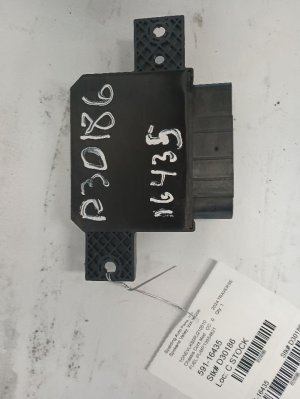
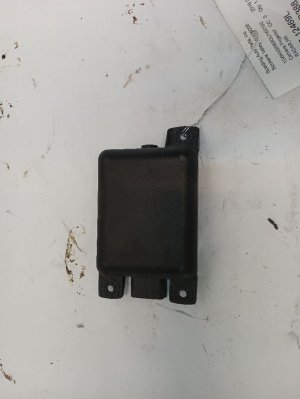
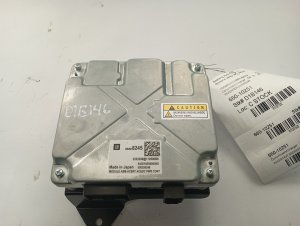
We Have This Part in Stock

The information in this article is provided for general reference and educational purposes only. Vehicle specifications, procedures, and part compatibility can vary by production date, trim level, and region. Always consult your vehicle's factory service manual and verify part numbers before purchasing or performing repairs. Safety-critical components such as airbags, seat belts, and braking systems should be installed by a qualified professional.
- Gmc YUKON:
- 🧭 Diagnostic Flowchart
- 🎬 Helpful Videos
- 🛍️ Shop This Part
- What's Unique About the 2015-2022 Gmc YUKON
- Symptoms You May Notice
- Most Likely Causes
- Rare But Worth Checking
- Diagnosis Steps
- Parts You'll Likely Need
- Related Codes That Often Appear With This One
- Technical Service Bulletins (TSBs) & Recalls
- Platform-Specific Known Issues
- Scan Tool Commands That Help
- Wiring & Ground Locations
- Real Owner Repair Stories
- OEM Part Supersession History
- Model Year Variations Within This Range
- 🎟️ Get 5% Off