

C0035 on 2011-2023 Chrysler 300: Front Wheel Speed Sensor Fault Causes and Fixes
This code indicates a fault with a front wheel speed sensor circuit on your Chrysler 300. The most common fix is replacing the faulty wheel speed sensor itself. However, a proper diagnosis is needed to confirm which side (left or right) is affected and to rule out simple wiring damage, as the generic C0035 code does not always specify a side on Chrysler vehicles.
- C0035 on a Chrysler 300 means there's a problem with a front wheel speed sensor circuit, but you need a good scanner to know which side is at fault.
- The most likely cause is a failed wheel speed sensor, followed by damaged wiring to the sensor.
- Driving is possible, but key safety systems (ABS, traction control) will be offline, increasing risk.
- Diagnosis involves using a scanner's live data, visually inspecting wires, and using a multimeter to test the sensor and circuit.
- The OEM part number for the sensor has been updated to 68199987AD.
What's Unique About the 2011-2023 Chrysler 300
The 2011-2023 Chrysler 300 belongs to a single generation (LD), sharing its platform with the Dodge Charger and Challenger, so the causes and fixes are generally consistent across these years and models. A key point for this platform is that for many trims, particularly all-wheel-drive (AWD) models, the front left and front right wheel speed sensors are the same part, which can simplify ordering. However, it is always critical to verify the part number for your specific vehicle's VIN and drivetrain (RWD vs. AWD).
Symptoms You May Notice
- ABS warning light illuminated on the dashboard.
- Traction control or Electronic Stability Control (ESC) light illuminated.
- Cruise control may be inoperative.
- A feeling of brake pedal pulsation or grinding at low speeds if the system is malfunctioning erratically.
- Brake pedal feels firm and wheel lock-up can occur during hard stops.
- Replacing the wrong side wheel speed sensor due to not using a proper scan tool to confirm the fault location.
- Replacing the wheel speed sensor when the actual problem is a simple break in the wiring harness leading to it.
- Replacing the wheel hub assembly when only the sensor or wiring was faulty.
Most Likely Causes
- Faulty Front Wheel Speed Sensor 🔴 High Probability → Shop ABS Wheel Speed Sensor Sensors are exposed to harsh conditions (water, salt, debris) in the wheel well, leading to internal failure or corrosion over time. This is the most common failure point for this code.
How to confirm: Use a multimeter to check the sensor's resistance (typically 800-2000 ohms) or an oscilloscope to view its signal. An advanced scan tool can also read live data from the sensor while driving to see if it's reporting an erratic, implausible, or zero reading compared to the other wheels.
Typical fix: Replace the faulty wheel speed sensor. The sensor is typically mounted on the steering knuckle or wheel hub assembly and held by a single bolt. 🎬 See this walkthrough for installing a new wheel speed sensor.
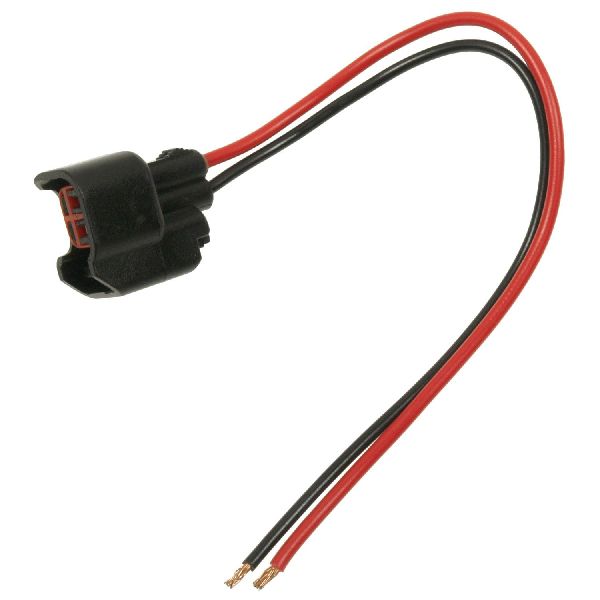
Est. part cost: $25-$75 - Damaged Wiring or Connector 🟡 Medium Probability The wiring harness to the sensor can be stretched during suspension travel, chafed by suspension components, or damaged by road debris. The connector pins can also corrode, causing a poor connection.
How to confirm: Visually inspect the entire length of the wiring from the sensor to where it enters the main harness. Check for breaks, chafing, or corrosion. Test for continuity and check for the correct voltage (often a 5V reference) and ground at the connector with a multimeter.
Typical fix: Repair the broken section of wire or replace the damaged connector pigtail. In some cases, an internal wire break can occur with no visible damage, requiring continuity testing to identify.
Est. part cost: $10-$30 - Damaged or Debris-Covered Tone Ring ⚪ Low Probability The tone ring (or reluctor ring), which the sensor reads, is part of the wheel hub/bearing assembly. Rust buildup or debris can obstruct the sensor's reading, or the ring itself can crack or lose teeth.
How to confirm: Visually inspect the tone ring for damage, missing teeth, or heavy contamination with rust or dirt. This requires removing the wheel speed sensor for a clear view.
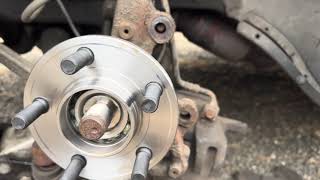
Typical fix: Clean the tone ring with a brush and brake cleaner. If the ring is damaged, the entire wheel hub and bearing assembly must be replaced 🎬 Watch: How to replace the front wheel hub and bearing. as the ring is integrated.
Est. part cost: $150-$300
Rare But Worth Checking
- Faulty ABS Control Module: → Shop ABS Control Module This is the least likely cause. Before condemning the module, all other possibilities (sensor, wiring, tone ring) must be exhaustively ruled out. A failure here often relates to the module's internal voltage regulator for the sensor circuit or a fault in the specific driver for that sensor. This may be accompanied by other communication codes.
Diagnosis Steps
- Connect an ABS-capable OBD-II scanner to the vehicle. Check for C0035 and any other related codes or sub-faults 🎬 Watch: A breakdown of C0035 causes and common fixes. that specify the exact wheel.
- Use the scanner's live data function to monitor the speed of all four wheels while driving. The problematic sensor will likely show an erratic, zero, or inconsistent reading compared to the others.
- Raise and safely support the vehicle. Visually inspect the identified wheel speed sensor and its wiring harness for any obvious signs of damage, chafing, corrosion, or stretching.
- Disconnect the sensor and check the connector terminals for corrosion or damage. Clean with electrical contact cleaner if necessary and ensure a snug fit.
- If wiring appears intact, use a multimeter to test the sensor's internal resistance (compare to spec, often 800-2000 ohms for passive sensors). Check for voltage (typically 5V or 12V reference) and ground at the harness connector coming from the ABS module.
- While monitoring with a multimeter set to AC Volts (for passive sensors), spin the wheel by hand. You should see a small, fluctuating AC voltage that increases with speed.
- Remove the sensor (usually one bolt) and inspect the tone ring on the wheel hub for damage, heavy rust, or debris.
- If the sensor, wiring, and tone ring all check out, the final step is to suspect a fault within the ABS control module itself, which requires professional-level diagnostics.
Parts You'll Likely Need
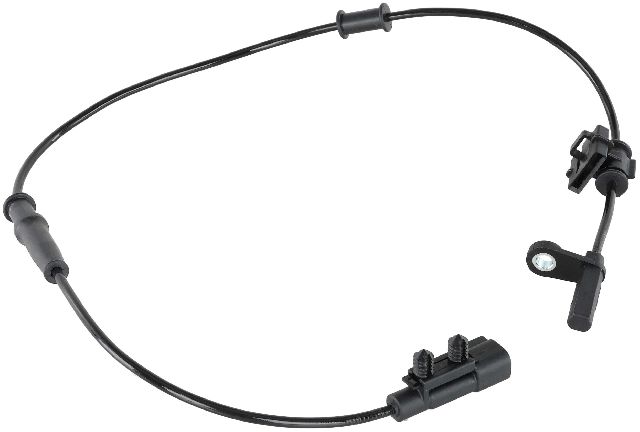
- Front Wheel Speed Sensor
(OEM #68199987AD)— This is the most common component to fail for this code. The part number 68199987AC has been superseded by 68199987AD. This part often fits both left and right front positions. Always verify with your VIN.
Trusted brands: Mopar, Dorman, Delphi, Standard Motor Products (SMP), Holstein
OEM price range: $50-$90
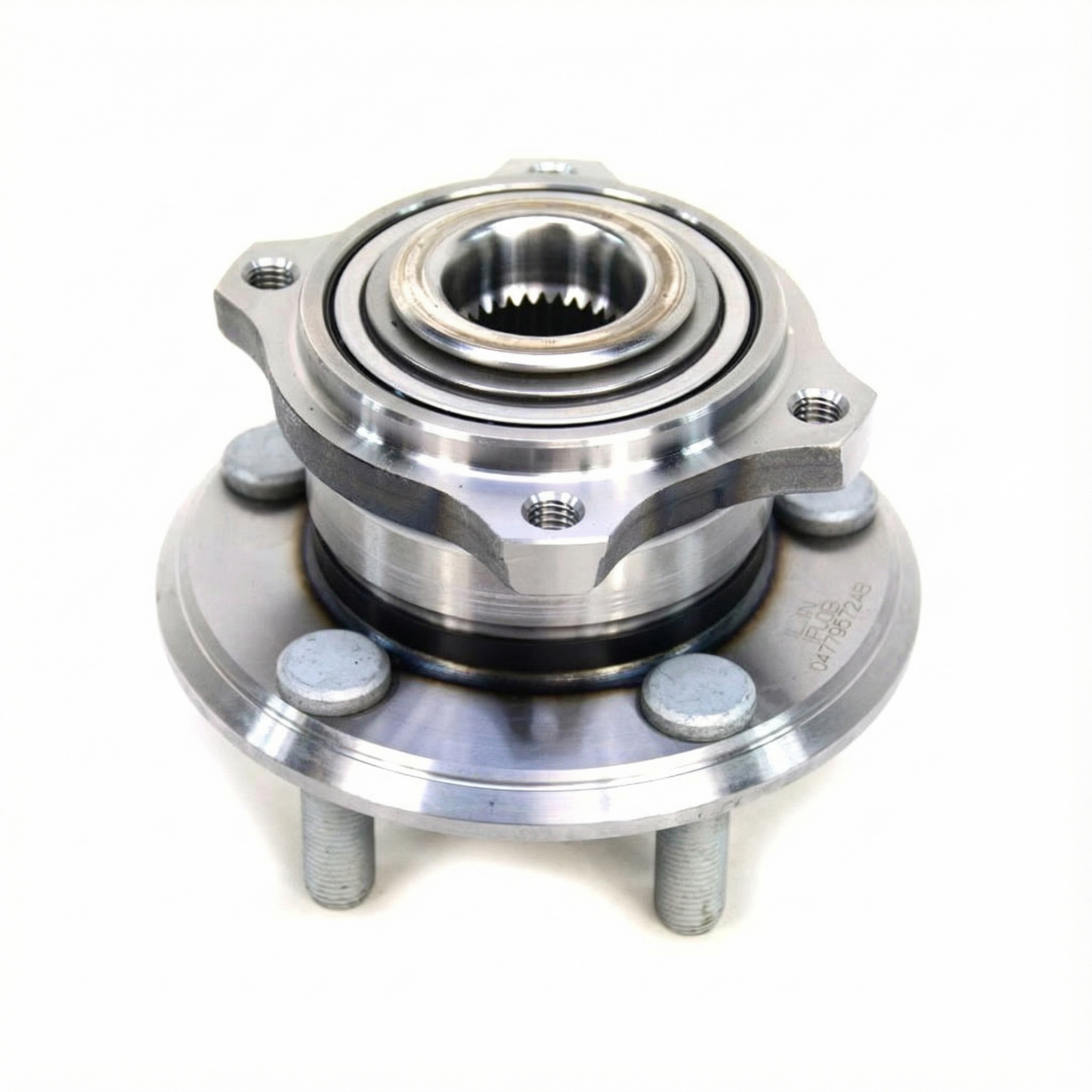
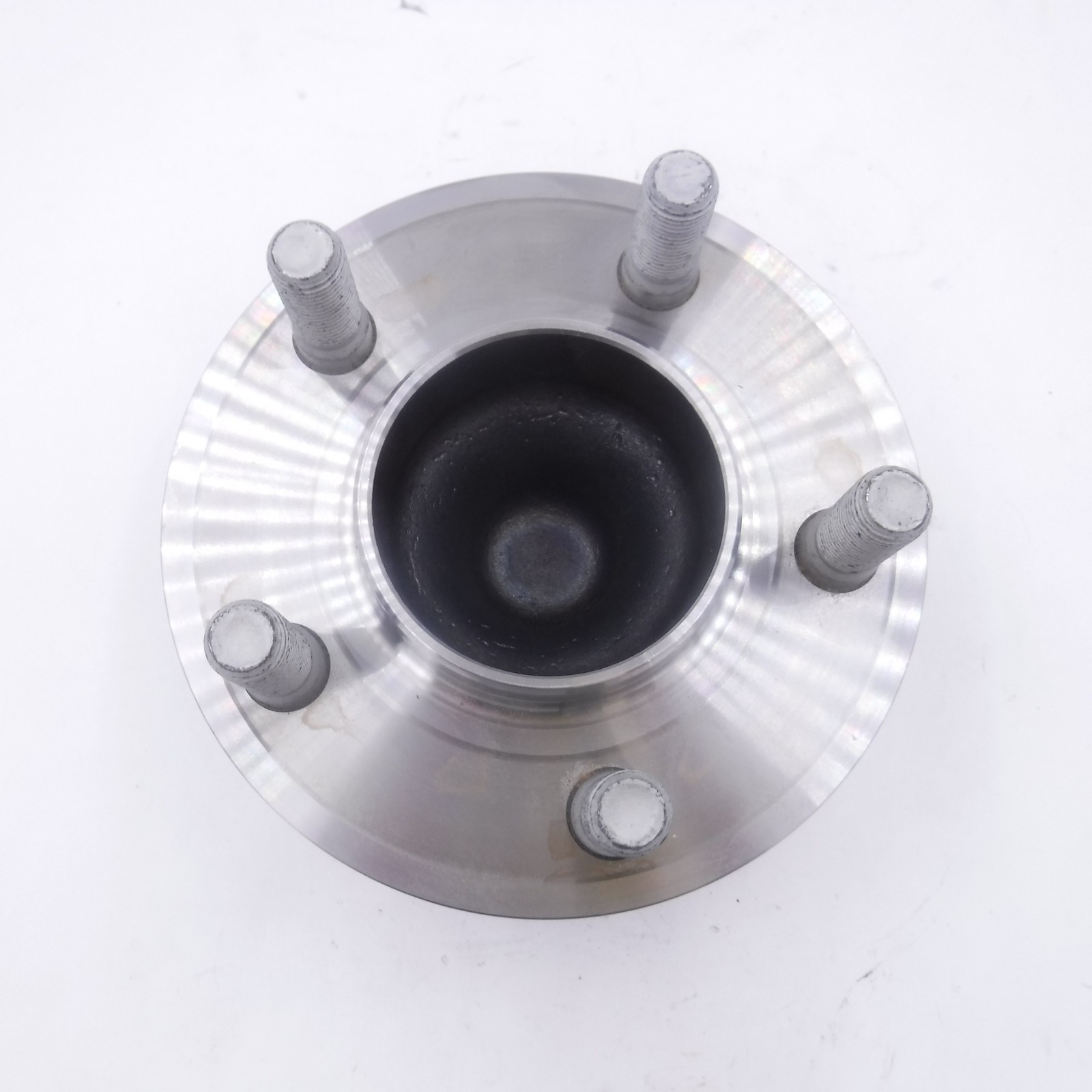
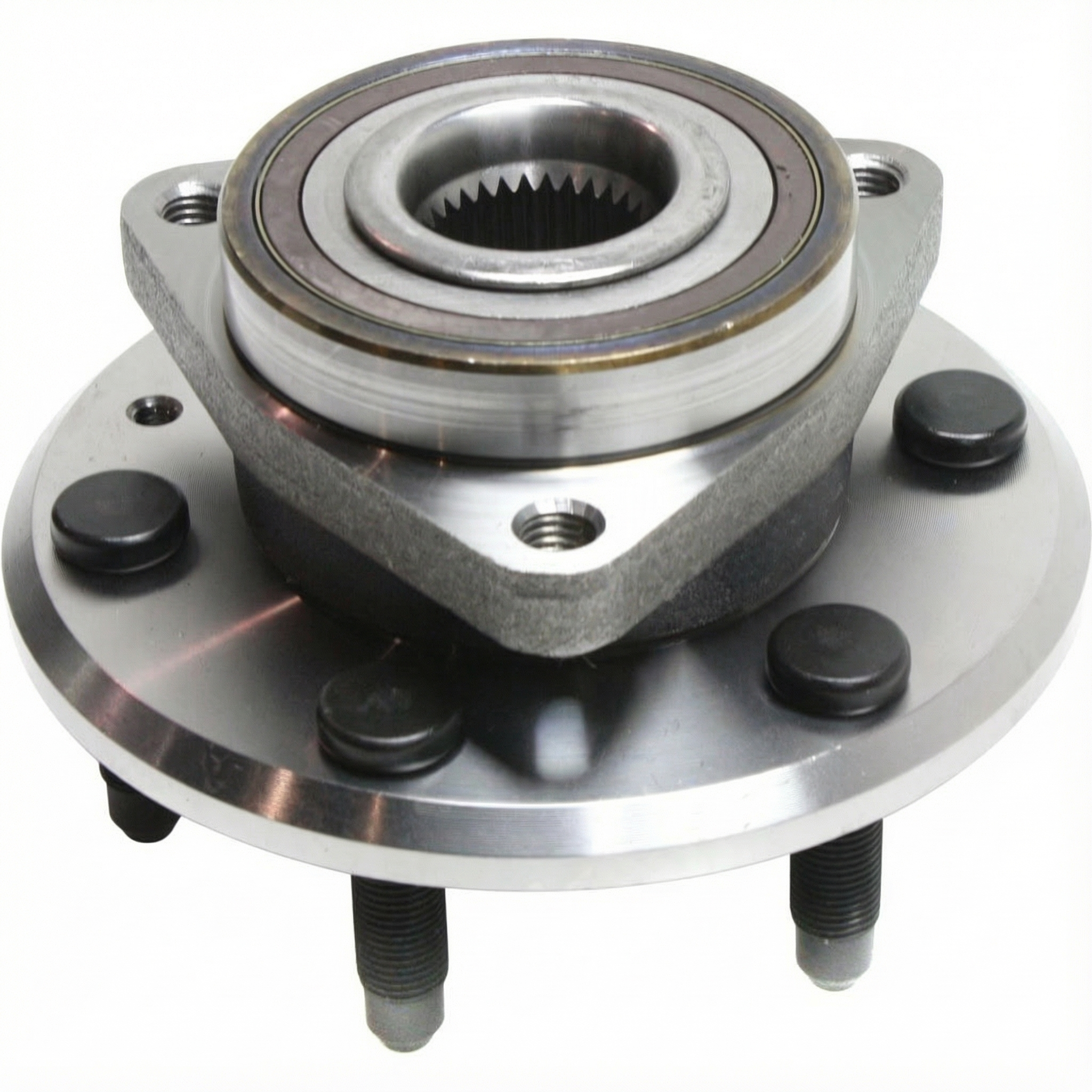
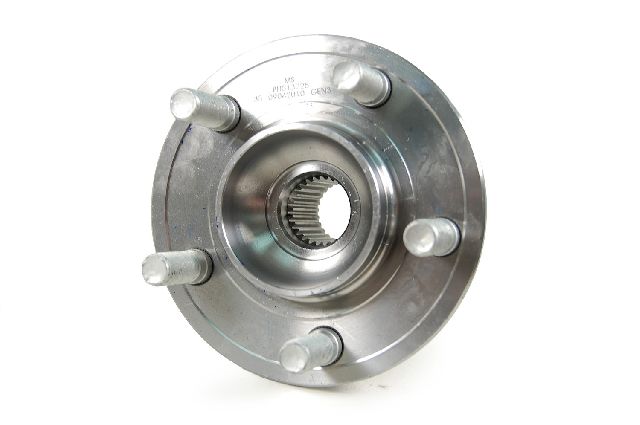
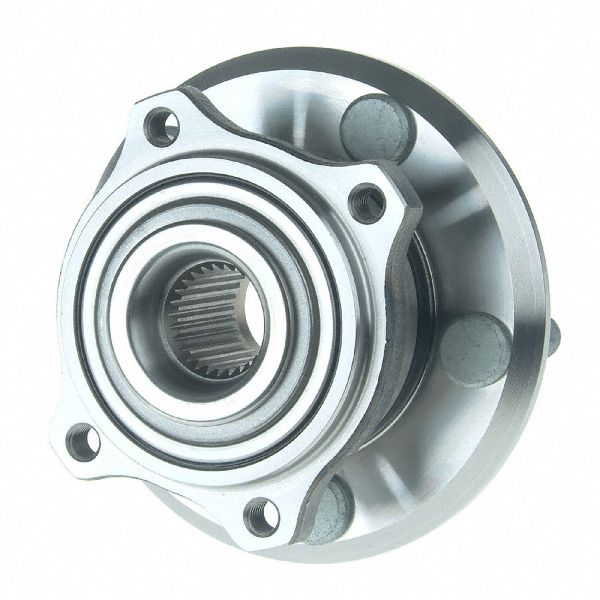
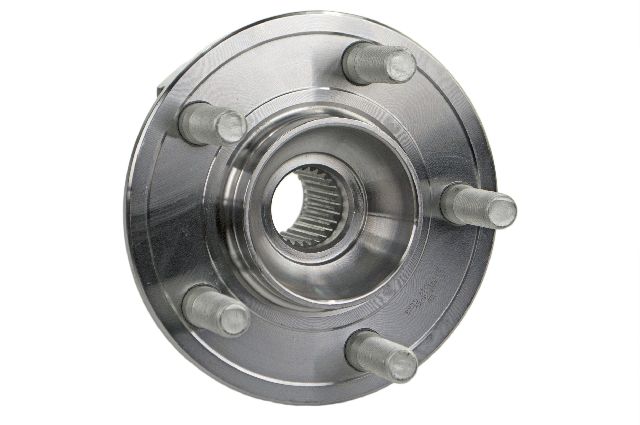
Aftermarket price range: $25-$60 - Front Wheel Hub and Bearing Assembly — This part is needed if the tone ring, which is integrated into the hub, is found to be damaged, cracked, or excessively rusted.
Trusted brands: Mopar, Timken, MOOG, SKF
OEM price range: $250-$400
Aftermarket price range: $150-$250
Related Codes That Often Appear With This One
- C0036 — According to some definitions, C0035 may refer to the right front sensor supply and C0036 to the left front, so they may appear if there are issues with both.
- C100A — On some Chrysler products, this more specific code for 'Left Front Wheel Speed Sensor Circuit' may appear alongside the more generic C0035.
- C0040 — This code refers to the Right Front Wheel Speed Sensor circuit. If a scan tool defines C0035 as the Left Front, seeing C0040 could indicate a problem with the opposite side.
Platform-Specific Known Issues
- Wiring Harness Chafing: On the LD platform (300, Charger, Challenger), the front wheel speed sensor harness can sometimes make contact with suspension or steering components during turns, leading to chafed or broken wires over time. A careful inspection of the harness routing is critical.
Mechanic-Grade Diagnostic Values
- Passive (Variable Reluctance) Sensor Resistance — expected: 1200 - 2700 ohms. Failure: A reading of less than 1200 ohms or more than 2700 ohms (or an open circuit) indicates a faulty sensor.
- Passive (Variable Reluctance) Sensor AC Voltage Output — expected: Minimum of 0.25 Volts AC. Failure: Less than 0.25V AC when the wheel is spun by hand at about half a revolution per second indicates a weak or failed sensor or an issue with the air gap/tone ring.
- Active (Hall-Effect) Sensor Supply Voltage — expected: 5V or 12V reference from the ABS module.. Failure: No voltage indicates a wiring or ABS module issue, not necessarily a bad sensor.
- Active (Hall-Effect) Sensor Resistance (Diode Test) — expected: A good sensor will read between 5M and 7.5M ohms in one direction and open in the other when using a multimeter's diode function.. Failure: An open reading in both directions or a reading outside the specified range suggests the sensor is defective.
Scan Tool Commands That Help
- wiTECH: View Network Topology — To quickly see if the ABS module is communicating on the CAN bus network. A non-responsive module on the topology map points towards a module or major wiring issue rather than just a sensor fault.
- wiTECH: Read/Clear DTCs — To read the specific Chrysler fault code and any associated symptom bytes, which can provide more detail than a generic scanner. It is also used to clear the code after a repair is completed.
- wiTECH: View Data / Graph Data — To monitor the live output of all four wheel speed sensors simultaneously. This is the most effective way to identify an erratic or non-reporting sensor while driving or spinning the wheels.
- wiTECH: ABS Module Software Update — In some cases, Chrysler releases software updates to improve ABS module performance or address specific issues. If a TSB exists, flashing the module with updated software may be required to resolve certain fault conditions.
- wiTECH: ABS Initialization — This function is required after replacing the ABS control module to program the new module to the vehicle's VIN and configuration. Failure to do so will result in a non-functional system.
Real Owner Repair Stories
- Reddit user on r/MechanicAdvice (2015 Chrysler 300 RWD) — ABS and TCS lights were on. Scan tool showed an 'implausible speed reading' from the front left wheel.
❌ Tried (didn't work) Replacing the ABS/wheel speed sensor., Disconnecting the battery for an hour to reset the system.
✅ What actually fixed it The issue was identified by another user as a likely tone ring problem. On a RWD model, the front tone ring is integrated into the wheel bearing/hub assembly. The final fix required replacing the entire front left wheel hub assembly to replace the damaged or corroded tone ring that the new sensor was unable to read correctly.
OEM Part Supersession History
68199987AA, 68199987AB, 68199987AC→68199987AD— Standard part evolution for improved durability, material changes, or manufacturing process updates.
Heads up: All previous versions (AA, AB, AC) are replaced by 68199987AD. While an older version might physically fit, using the latest 'AD' revision is recommended for the most up-to-date design.
Model Year Variations Within This Range
- 2015-2017: While the sensor and hub are largely the same, some 2015-2017 models were noted for potential ABS module failures. If the sensor and wiring check out, the module itself is a higher probability suspect on these specific years, especially if other communication codes are present. A replacement module for these years absolutely requires VIN programming via a tool like wiTECH or AlfaOBD.
Diagnostic Flowchart
Other Known Issues on This Vehicle
Issues unrelated to this code that are worth knowing about as an owner of this generation:
- 3.6L Pentastar Oil Filter Housing/Cooler Leak 🔴 High — Very common, especially on models over 50,000 miles. The plastic housing can crack or warp from heat cycles, causing significant oil and/or coolant leaks in the engine valley.
- Uconnect 8.4-inch Screen Delamination 🟠 Medium — Extremely common on 2017+ models. The screen layers separate, causing bubbles and 'ghost touches' that make the infotainment system unusable. (Ref: NHTSA STAR Case S2108000130 (Internal dealer document))
- ZF 8-Speed Transmission Issues 🟠 Medium — While generally reliable, some owners report harsh shifting, shuddering, or electronic faults. Problems can stem from the internal mechatronics (TCM), valve body, or solenoids.
- Alternator Failure (2011-2014 models) 🔴 High — Subject to a recall, the alternator on early second-generation models can fail suddenly, causing the vehicle to stall and lose all electrical power, increasing crash risk. (Ref: Chrysler Recall P60 / NHTSA 14V-634)
- Active Head Restraint (AHR) Random Deployment 🟠 Medium — Reported by some owners, the plastic clips inside the active headrests can become brittle and break, causing the headrest to deploy without a collision.
Used vs. New Parts: Buying Guide for This Vehicle
When a used part is the smart pick: A used wiring harness pigtail from a junkyard can be a cost-effective solution if your issue is a damaged connector, provided the used part is in good condition with no corrosion or brittle wires.
Donor-vehicle mileage cap: roughly under 75000 miles for the part to have meaningful remaining life.
What to inspect on the donor part:
- For a wiring pigtail: Check for flexible, non-cracked insulation and clean, uncorroded connector pins.
- For a wheel hub assembly: Check for zero play or roughness when spinning the bearing by hand. Inspect the integrated tone ring for any visible cracks, missing teeth, or heavy rust.
- For an ABS module: Ensure the part number matches exactly and that it comes from a vehicle with the same options (e.g., with/without adaptive cruise control). Be aware it will require professional programming.
OEM-only on this vehicle (don't cheap out):
- ABS Control Module: While a used OEM module can be an option, it must be reprogrammed. Aftermarket modules are generally not recommended due to high failure rates and programming difficulties.
Aftermarket brands forum-validated for this vehicle:
- Wheel Hub Assembly: Timken, SKF, and FAG are highly regarded brands for wheel bearings and hub assemblies, often considered equivalent or superior to OEM quality.
- Wheel Speed Sensor: Mopar (OEM), Delphi, and Standard Motor Products (SMP) are reliable choices.
Brands owners have reported issues with on this vehicle:
- Wheel Hub Assembly: Some forum users have reported premature failures with certain lower-cost or store-brand MOOG hubs, citing issues within thousands of miles, though experiences vary. It's crucial to verify the manufacturing origin, as quality can differ.
Real Owner Stories
Aggregated from forums and TSBs cited above. Mileages and costs reflect what owners reported in those sources.
Chevy Tahoe (General Example)
Symptoms: Owner experienced a C0035 code and had to remove the brake assembly to gain access for the repair.
What fixed it: Replacement of the faulty wheel speed sensor.
Source hint: Chevy Tahoe Forum: C0035 Diagnosed and Fixed
General Vehicle (ABS Issue)
Symptoms: Low-speed ABS activation and brake pedal pulsing.
What fixed it: Cleaning a contaminated tone ring or replacing a failing wheel speed sensor.
Source hint: GMTNation Forum: ABS Issue Development C0035/C0040
Documented NHTSA Reports
Cross-Manufacturer Diagnostic Reference
Symptoms: Multiple indicators illuminated on the dashboard. A diagnostic scan revealed a cluster of codes including C0035, C0040, C0050, and several communication codes (U-series).
Context: NHTSA ODI #11228687 notes that while these codes appeared together, the vehicle was not immediately repaired, highlighting how C0035 often triggers alongside other sensor and communication faults.
ABS and Brake Light Warning
Symptoms: Simultaneous illumination of the ABS light and the "Brake Light" on the instrument cluster.
Findings: As documented in NHTSA ODI #10440851, an OBD II reading confirmed C0035 - Left Front Wheel Sensor Circuit Malfunction and C0040.
Hub and Sensor Replacement Cost
Symptoms: ABS fault appearing intermittently while driving.
What fixed it: NHTSA ODI #10442197 describes a dealer diagnosis where C0035 was found alongside C0220. The estimated repair for a new sensor and hub assembly was approximately $762.00. Similarly, NHTSA ODI #10287028 reports a case where a bad wheel hub was identified on the left side; replacing both the hub and sensor was required to address the fault.
Intermittent ABS Activation
Symptoms: The ABS system would engage and disengage unexpectedly while driving.
Technical Note: NHTSA ODI #10273914 references a manufacturer bulletin (#PIT3460N) regarding the ABS light illuminating with DTCs C0035, C0040, C0220, and/or C0221.
Related OBD-II Codes
Frequently Asked Questions
Is there a recall for the alternator on my 2012 Chrysler 300 that could cause electrical codes?
My 2018 Chrysler 300 has bubbles on the navigation screen and 'ghost touches.' Is this a known issue?
Can the suspension design on the Chrysler LD platform cause the C0035 code?
I'm seeing C0035 and my brake pedal pulses at low speeds. What is likely wrong?
Should I replace the whole wheel hub if the tone ring is dirty?
What is the typical resistance for a front wheel speed sensor on this vehicle?
Helpful Videos
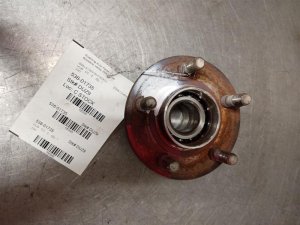
Used OEM Parts in Stock
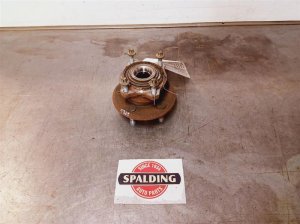
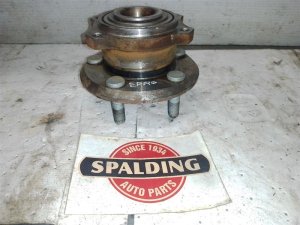
New Aftermarket Parts Available


The information in this article is provided for general reference and educational purposes only. Vehicle specifications, procedures, and part compatibility can vary by production date, trim level, and region. Always consult your vehicle's factory service manual and verify part numbers before purchasing or performing repairs. Safety-critical components such as airbags, seat belts, and braking systems should be installed by a qualified professional.
- Chrysler 300:
- 🧭 Diagnostic Flowchart
- 🎬 Helpful Videos
- 🛍️ Shop This Part
- What's Unique About the 2011-2023 Chrysler 300
- Symptoms You May Notice
- Most Likely Causes
- Rare But Worth Checking
- Diagnosis Steps
- Parts You'll Likely Need
- Related Codes That Often Appear With This One
- Platform-Specific Known Issues
- Mechanic-Grade Diagnostic Values
- Scan Tool Commands That Help
- Real Owner Repair Stories
- OEM Part Supersession History
- Model Year Variations Within This Range
- Other Known Issues on This Vehicle
- Used vs. New Parts: Buying Guide for This Vehicle
- Real Owner Stories
- Chevy Tahoe (General Example)
- General Vehicle (ABS Issue)
- Documented NHTSA Reports
- Cross-Manufacturer Diagnostic Reference
- ABS and Brake Light Warning
- Hub and Sensor Replacement Cost
- Intermittent ABS Activation
- Related OBD-II Codes
- Frequently Asked Questions
- 🎟️ Get 5% Off