

C0035 on 1999-2007 GMC Sierra: Left Front Wheel Speed Sensor Causes and Fixes
On a 1999-2007 (GMT800) Sierra, code C0035 is almost always a failed left front wheel hub assembly or its wiring. Before replacing the hub, check the EBCM ground on the frame under the driver's door for corrosion, as it's a common, free fix. A scanner that shows live wheel speed data is the most effective diagnostic tool.
- Code C0035 on a 1999-2007 Sierra means there's a problem with the driver's side front wheel speed sensor circuit.
- Before buying parts, ALWAYS check and clean the main ABS ground (G110) on the frame under the driver's door. This is a very common cause and is free to fix.
- The most common part to fail is the entire wheel hub assembly, as the sensor is built into it and susceptible to rust-related failures.
- A damaged wiring harness leading to the hub is the second most likely part to fail.
- Driving is possible, but your ABS will not work, and you may experience unnerving, unwanted ABS activation at low speeds.
What's Unique About the 1999-2007 GMC Sierra
On the GMT800 platform, which includes the 1999-2007 Sierra, the wheel speed sensor is not a separate, easily replaceable part. It is integrated into the sealed wheel hub and bearing assembly. This design means that a simple sensor failure often requires the replacement of the entire hub. Furthermore, these trucks are notoriously prone to corrosion at the main EBCM ground point (G110) on the frame, which can mimic sensor or module failure and is a critical first check before buying any parts. Rust buildup in the hub where the sensor is mounted can also push the sensor away from the tone ring, causing a weak signal, especially at low speeds.
Generation note: The 1999-2007 year range covers the GMT800 generation of the GMC Sierra. The 2007 models in this range are specifically the 'Sierra Classic'. The causes and fixes are consistent across this entire generation and its platform mates.
Symptoms You May Notice
- ABS warning light is illuminated on the dashboard
- BRAKE warning light may be illuminated
- Traction Control or Stabilitrak warning light may be on
- ABS system is disabled
- Unwanted ABS activation at low speeds (grinding or pulsing in the brake pedal when coming to a stop)
- Service 4WD message may appear in some instances
- A "Service Trailer Brake" message may appear on the Driver Information Center in some configurations.
- Replacing the EBCM (ABS Module) first. This is an expensive part and is rarely the cause of a single wheel speed sensor code. Always diagnose the hub, wiring, and grounds first. TSB #04-05-25-002E was issued specifically because unnecessary EBCM replacements were common.
Most Likely Causes
- Failed Left Front Wheel Hub Assembly 🔴 High Probability → Shop Hub Assembly The wheel speed sensor is integrated into the hub assembly. Corrosion and wear cause the internal sensor to fail. A very common failure mode is 'rust jacking,' where rust builds up under the sensor mounting point, physically pushing the sensor away from the tone ring. This increases the air gap and leads to a weak or lost signal, especially at low speeds.
How to confirm: After confirming wiring and grounds are good, use a scan tool to watch live wheel speed data. If the left front sensor signal drops out, is erratic, or reads 0 mph while others are reading correctly, the hub assembly has failed. A visual inspection may show the sensor is physically broken or rusted, but the failure is often internal.
Typical fix: Replace the entire left front wheel hub and bearing assembly. It is highly recommended to use a quality brand like Timken, SKF, or ACDelco, as some owners report premature failure of cheaper, unbranded hubs.
Est. part cost: $100-$300 - Damaged Wheel Speed Sensor Wiring Harness 🟡 Medium Probability → Shop ABS Wheel Speed Sensor The wiring harness is routed along suspension components and flexes with steering and travel, leading to chafing or broken wires over time. The connector at the hub is exposed to water, salt, and debris, making it a common point for corrosion and pin damage. In cross-manufacturer references such as TSB Bulletin #PIT5499B, technicians are advised to inspect the EBCM connector specifically for water intrusion which can trigger C0035.
How to confirm: Visually inspect the entire harness from the hub to the main connector on the frame. Pay close attention to the plastic clips that secure it to the control arm, as wires can break there. Tug gently on the wires at the connector to check for internal breaks. Perform a continuity or voltage drop test on the two sensor wires between the hub connector and the EBCM connector.
Typical fix: Repair the broken wire(s) or replace the pigtail connector. 🎬 See this walkthrough for fixing sensor wiring and connectors. Dorman and ACDelco offer replacement pigtails. Ensure repairs are sealed with heat-shrink tubing to prevent future corrosion.
Est. part cost: $15-$40 - Corroded EBCM Ground (G110) 🟡 Medium Probability The main ground for the EBCM is bolted directly to the outside of the frame under the driver's door, an area highly exposed to road salt and moisture. This ground point, officially designated G110 🎬 Watch: How to clean the G110 ground point properly., is a well-documented failure point on GMT800 trucks and is addressed in GM TSB #04-05-25-002E.
How to confirm: Locate the ground wire on the frame rail, directly below the driver's door. It is often a heavy-gauge black wire. A visual inspection will likely show rust. The connection must be removed and cleaned to bare metal to confirm if it's the cause. A poor ground can cause multiple, seemingly unrelated ABS codes or loss of communication with the module.
Typical fix: Disconnect the battery. Remove the bolt (typically 13mm), and use a wire brush or abrasive wheel to clean the frame surface, the wire terminal, and the bolt/washer to bright, shiny metal. Reassemble securely, and apply a protective coating like dielectric grease or rubberized undercoating to prevent future corrosion.
Est. part cost: $0-$5
Rare But Worth Checking
- Failed Electronic Brake Control Module (EBCM): → Shop ABS Control Module This is a low-probability cause for a single wheel speed sensor code and should only be considered after definitively ruling out the hub, wiring, and ground. The specific EBCM used is often a Kelsey-Hayes 325. Failure is more commonly associated with code C0265 or loss of communication, but internal circuit board failures can theoretically isolate to one sensor circuit. Some DIYers attempt to reflow cold solder joints on the module's circuit board as a last-ditch effort.
- Metallic Debris on Magnetic Encoder Ring: Fine metallic debris from bearing wear can accumulate on the magnetic encoder ring inside the hub that the sensor reads. This can disrupt the magnetic field and cause an erratic signal. While less common, it's possible to clean this area if the hub is disassembled, but this is not a typical repair as the hub is a sealed unit. TSB Bulletin #PIC5428G addresses this on other GMC models, noting that the EBCM may set C0035 with symptom bytes 18, 5A, or 0F when debris interferes with the signal.
Diagnosis Steps
- Read the trouble codes with a scanner capable of accessing the ABS module to confirm C0035 is present and note any other codes. 🎬 Watch: Diagnosing and fixing a missing front speed sensor signal.
- CRITICAL FIRST STEP: Locate the EBCM ground (G110) on the frame rail under the driver's door. Disconnect the battery, then unbolt and thoroughly clean the ground terminal and frame surface to bare metal. Re-secure, reconnect the battery, clear codes, and test drive. This is a very common fix.
- If the code returns, connect a scan tool that can display live ABS data. Monitor all four wheel speeds while driving. Confirm that the Left Front (LF) channel reads 0, is erratic, or differs significantly from the other three.
- Lift the front of the vehicle and secure it on jack stands. Thoroughly inspect the wheel speed sensor wiring harness from the back of the hub, up the control arm, and to the main connector on the frame. Look for any chafing, breaks, corrosion, or melted sections.
- With the key on, spin the left front wheel by hand and observe the live data speed reading. It should show a smooth, albeit low, speed. Compare this to the right front wheel. If the LF signal is absent or erratic while the RF is good, the problem is likely the hub or its connector.
- If you suspect a wiring issue, disconnect the harness at the EBCM and the wheel hub. Check for continuity on the two wires. A resistance check on the sensor itself is often inconclusive, but a value between 1000-1500 ohms is typical for a good sensor at rest.
- If the wiring, ground, and hub sensor have all been ruled out, the EBCM itself may be at fault, but this is extremely rare for a single sensor code.
Parts You'll Likely Need
- Front Wheel Hub and Bearing Assembly (Left)
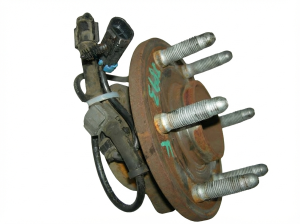
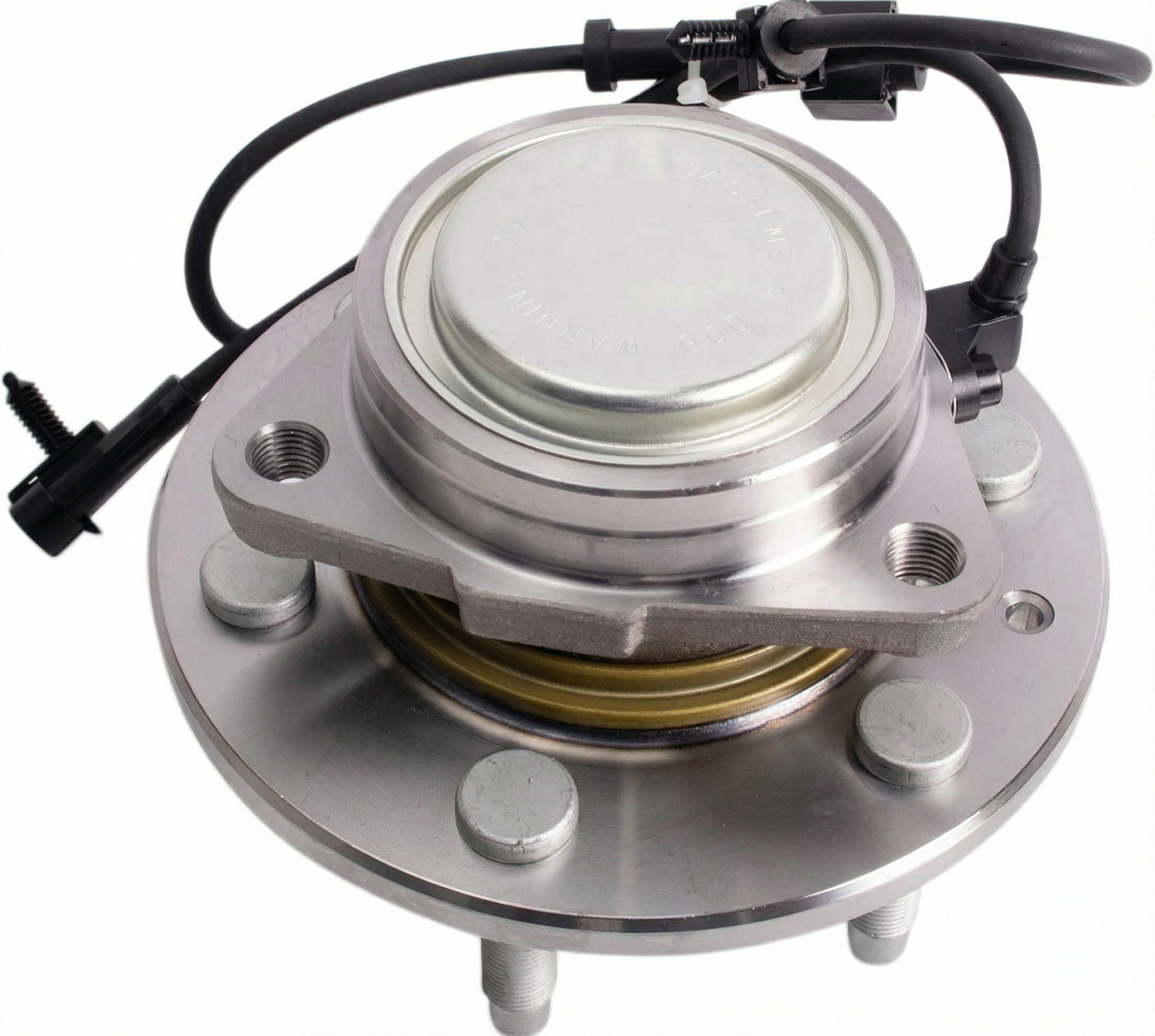
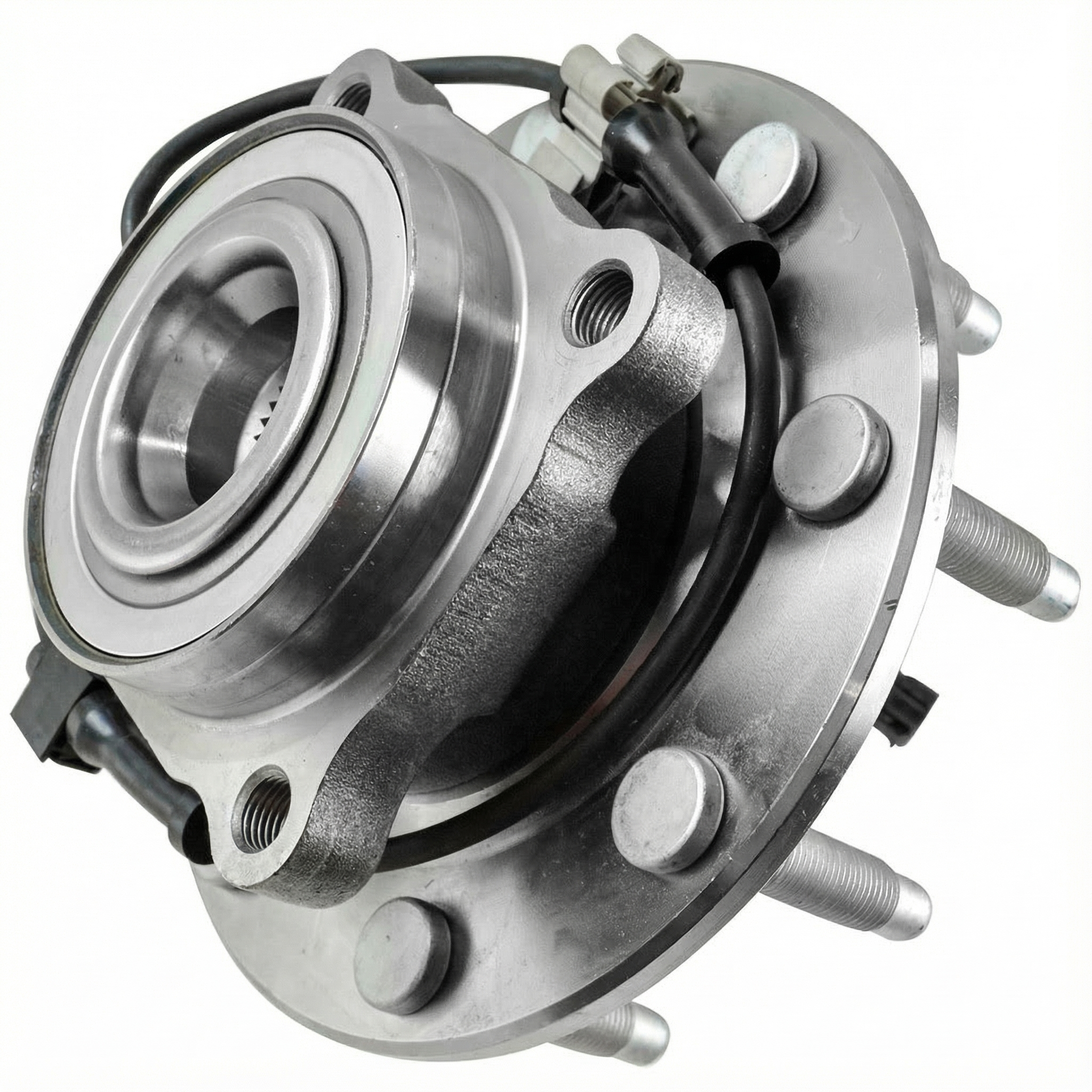
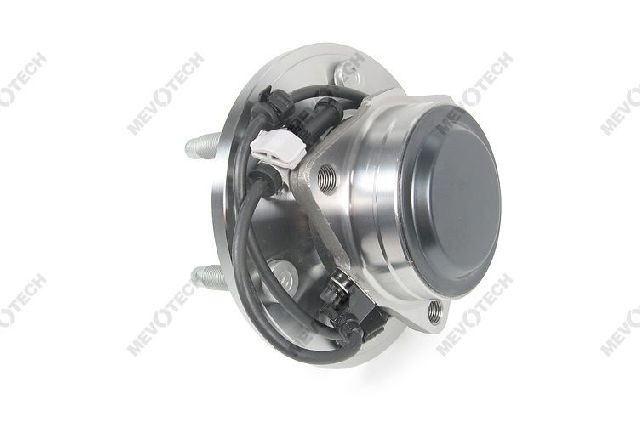
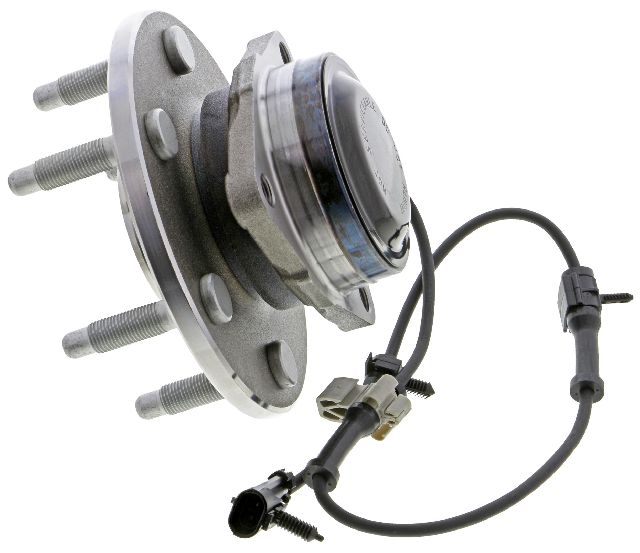
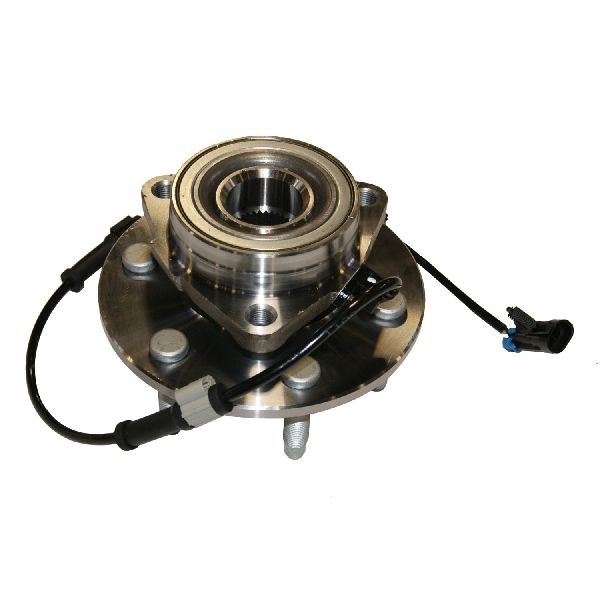
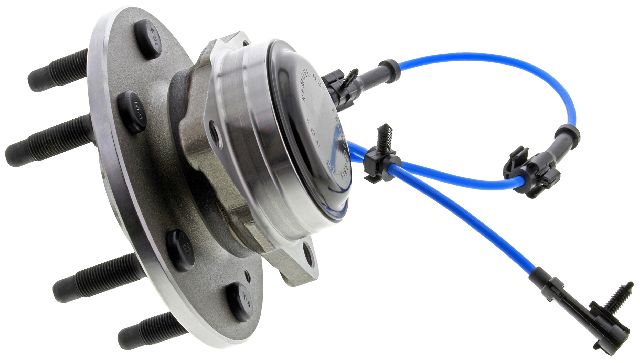
(OEM #Varies by 2WD/4WD and year. Example: ACDelco FW301 (4WD))— This is the most common failure. The wheel speed sensor is integrated into this assembly, which fails due to internal corrosion, bearing wear, or 'rust jacking' of the sensor.
Trusted brands: ACDelco (Professional or Gold series recommended), Timken, MOOG, SKF
OEM price range: $250-$350
Aftermarket price range: $100-$250 - Front Wheel Speed Sensor Harness Pigtail
(OEM #Example: ACDelco PT117)— If the diagnostic process points to a break or corrosion right at the connector, replacing just the pigtail is a cost-effective repair. This is common due to exposure and harness strain.
Trusted brands: Dorman (e.g., 970-000), ACDelco
OEM price range: $30-$50
Aftermarket price range: $15-$30
Related Codes That Often Appear With This One
- C0036 (Right Front Wheel Speed Sensor Circuit)
- C0265 (EBCM Relay Circuit)
- U1041 (Loss of EBCM Communication)
- C0267 (Pump Motor Circuit Low)
- U0121 (Lost Communication With Anti-Lock Brake System Control Module)
Technical Service Bulletins (TSBs) & Recalls
- GM TSB #04-05-25-002E: Addresses ABS
- TSB Bulletin #PIT5499B: Notes that a technician may find code C0035 along with a Service Trailer Brake message and should inspect the EBCM connector for water.
- TSB Bulletin #PIC5428G: Mentions that C0035 may be set with symptom bytes 18, 5A, or 0F, requiring access to the wheel bearing to check for signal interference.
Platform-Specific Known Issues
- The GMT800 platform is well-known for corrosion issues with the EBCM ground connection (G110) on the frame, making it a mandatory first check for any ABS-related fault codes.
- Rust buildup between the wheel speed sensor and the hub bearing surface is a primary failure mode, pushing the sensor out of alignment and causing signal loss at low speeds.
Mechanic-Grade Diagnostic Values
- Wheel Speed Sensor Resistance — expected: 1000-2000 Ohms when measured across the two pins of the sensor connector.. Failure: A reading of infinity (Open Circuit) or zero (Short Circuit), or a value significantly outside the expected range.
- Wheel Speed Sensor AC Voltage Output — expected: Greater than 100mV AC (0.1V AC) when spinning the wheel by hand. Voltage should increase with speed.. Failure: No voltage or a very weak/erratic voltage signal while spinning the wheel indicates a failed sensor or a problem with the tone ring.
- EBCM Ground (G110) Bolt Torque — expected: 9 N·m (79 lb in). Failure: A loose bolt can cause high resistance and intermittent faults. This is a check for proper reassembly after cleaning.
Hidden / Shadow Codes Worth Checking
- Symptom Bytes (e.g., 18, 5A, 0F): On some GM vehicles, advanced scan tools can display symptom bytes along with the DTC. For wheel speed sensor codes, these can indicate a specific fault type, such as 'Signal Erratic'. TSB PIC5428C for later models links these bytes to debris on the magnetic encoder ring, a condition that also affects GMT800s. (see via Requires a dealer-level scan tool like a Tech 2 or high-end professional scanner with GM-specific software.)
Scan Tool Commands That Help
- Tech 2 / Professional Scan Tool: Live Data - Wheel Speed Sensors — This is the most crucial diagnostic step. It allows you to view the speed readings from all four wheels simultaneously while driving. A faulty LF sensor will read 0, be erratic, or lag behind the others, definitively confirming the problem area.
- Tech 2 / Professional Scan Tool: Clear All DTCs — After a repair, such as cleaning ground G110 or replacing a hub, this function should be used to clear the code from the EBCM's memory. On some GM modules, a simple code clear may not be enough, and a full module clear is needed to extinguish the warning lights.
Wiring & Ground Locations
- G110 — Bolted to the outer side of the driver-side frame rail, typically below the driver's door near the front body mount.. This is the primary ground for the Electronic Brake Control Module (EBCM). Corrosion here creates high resistance, causing a host of ABS issues including false wheel speed sensor codes and communication errors (U1041). It is held by a single 13mm bolt.
- EBCM Connector (at module) — On the EBCM, which is mounted to the ABS pump assembly on the inside of the driver-side frame rail.. For end-to-end wire testing. The two wires for the Left Front Wheel Speed Sensor are typically Light Blue and Yellow on the common Kelsey-Hayes EBCM. This allows a technician to check for continuity from the hub pigtail directly to the module, bypassing all intermediate connectors to isolate a wiring break.
- WSS Harness Routing — The harness runs from the hub, up the suspension control arm, and into the engine bay. It is secured by plastic clips.. A common failure point occurs if the retaining clips break, allowing the harness to sag and rub against the rotating CV axle shaft, eventually wearing through the insulation and causing a short or open circuit.
Real Owner Repair Stories
- YouTube channel 'Carl's Garage' (Chevrolet Silverado (GMT800 platform)) — ABS light on with code C0035, unwanted ABS activation at low speeds.
❌ Tried (didn't work) Initial attempt to remove the sensor for cleaning resulted in the plastic sensor body breaking off inside the hub due to rust.
✅ What actually fixed it The root cause was 'rust jacking' pushing the sensor away from the tone ring. The final fix was replacing the entire front wheel hub assembly, which comes with a new, integrated sensor. - Truck Forums user 'silv99' (1999 Silverado 1500) — ABS and BRAKE lights on, multiple ABS codes stored in history including C0265.
❌ Tried (didn't work) Testing the wheel speed sensors, which showed correct resistance (around 1030 ohms)., Considering replacing the EBCM.
✅ What actually fixed it The fix was cleaning the G110 ground connection on the driver's side frame rail. The user disconnected the battery, removed the 13mm bolt, cleaned the frame and terminal to bare metal, and reassembled. This resolved the issue. - GMTNation forum discussion (GM Truck (GMT360, similar principle)) — Intermittent C0035, particularly when turning.
❌ Tried (didn't work) Initial visual inspection.
✅ What actually fixed it The reported cause for this symptom is often a wiring harness that has fallen from its clips and is rubbing through on the CV axle during suspension travel and steering. Another user suggested that excessive play in the wheel bearing itself can cause the reluctor ring to shift during turns, creating an air gap and signal loss, which is also fixed by a new hub assembly.
Model Year Variations Within This Range
- 1999-2002 (approximate): These earlier GMT800 models predominantly used the Kelsey-Hayes 325 EBCM. This module is well-known for a separate issue (code C0265) where an internal relay or transistor fails, causing the ABS pump to run continuously. These modules are often sent to specialists for repair.
- 2003-2007 (approximate): Later models in the generation often switched to a Bosch-manufactured EBCM. While it performs the same function, the physical unit, connectors, and internal components are different. It is less commonly associated with the C0265 pump run-on issue. It's crucial to identify which module is on the vehicle before ordering a replacement.
Diagnostic Flowchart
Other Known Issues on This Vehicle
Issues unrelated to this code that are worth knowing about as an owner of this generation:
- Intermediate Steering Shaft Clunk 🟡 Low — Extremely common. Noise typically starts between 50,000 and 100,000 miles. It's a clunk or pop felt in the steering wheel during low-speed turns or over bumps. (Ref: No recall, but GM issued TSBs advising to lubricate the shaft, and later redesigned the part.)
- Instrument Cluster Gauge Failure (Stepper Motors) 🟠 Medium — Very common on 2003-2006 models. Gauges (especially speedometer) become erratic, stick, or stop working entirely. Typically occurs after 80,000 miles. (Ref: No formal recall, but a special coverage extension (7 years/70,000 miles) was offered. Now expired.)
- Rusted Brake Lines 🔴 High — Highly prevalent in regions that use road salt ('Salt Belt'). Lines corrode and can burst, causing a sudden loss of braking power. (Ref: No recall was issued despite an NHTSA investigation. NHTSA concluded it was a maintenance issue affecting many manufacturers, though data showed GM trucks had more complaints.)
- 4L60-E Automatic Transmission Failure 🔴 High — Common in 1500-series models, often failing between 100,000 and 150,000 miles. Symptoms include slipping, harsh shifts, or loss of 3rd/4th gear.
- HVAC Blend Door Actuator Failure 🟡 Low — Common across all model years. Results in clicking noises from the dash and inability to control air temperature or vent position.
- Transfer Case Position Sensor Failure (4WD Models) 🟠 Medium — A common cause of the 'Service 4WD' message on the dash. The sensor or the selector switch in the dash can fail, preventing the 4WD system from engaging.
Used vs. New Parts: Buying Guide for This Vehicle
When a used part is the smart pick: A used EBCM (ABS module) from a junkyard can be a cost-effective option if diagnostics have definitively proven the module is faulty, which is rare for a single C0035 code. A used wiring harness pigtail is also a viable repair for a damaged connector.
Donor-vehicle mileage cap: roughly under 80000 miles for the part to have meaningful remaining life.
What to inspect on the donor part:
- For an EBCM, inspect for clean, corrosion-free connectors. Ensure it's from a vehicle that was not in a major front-end collision.
- For a wiring pigtail, ensure the insulation is not brittle or cracked and that there is at least 6-8 inches of wire to work with.
- Avoid any parts from vehicles that show signs of being submerged in a flood.
Aftermarket brands forum-validated for this vehicle:
- Wheel Hubs: Timken, SKF, MOOG, and ACDelco (Professional or Gold series) are consistently recommended on forums as high-quality, durable options worth the extra cost over budget brands.
Brands owners have reported issues with on this vehicle:
- Wheel Hubs: Raybestos has been cited for premature failure. Unbranded, 'white-box' parts from eBay or Amazon, and some lower-tier auto parts store brands are known for having a short service life and are generally not recommended by owners.
Real Owner Stories
Aggregated from forums and TSBs cited above. Mileages and costs reflect what owners reported in those sources.
2002 Chevrolet Silverado 1500 4.8L
Symptoms: ABS module issues and trouble codes; owner sought help for cleaning and re-securing the G110 ground.
What fixed it: Cleaning the G110 ground terminal and frame surface to bare metal as detailed in the TSB.
Source hint: GMT800 - The '99 - '06 GM Truck Forum: A thread from 2022 detailing TSB #04-05-25-002C
2005 GMC Sierra
Symptoms: Low-speed signal loss triggering unwanted ABS activation, described as grinding or pulsing in the brake pedal when coming to a stop.
What fixed it: Addressing rust buildup under the sensor that was pushing it away from the tone ring.
Source hint: YouTube - Carl's Garage: A video titled 'C0035 fix Silverado Sierra...'
2004 GMC Sierra
Symptoms: C0035 code returned even after the wheel hub was replaced.
What fixed it: Further inspection of the wiring harness or the frame ground, as replacing the hub alone does not fix issues rooted in the G110 ground or harness chafing.
Source hint: GM-Trucks.com: thread titled 'C0035 fix' featuring user Omarrod23
Related OBD-II Codes
Frequently Asked Questions
Is there a specific Technical Service Bulletin for ABS issues on my 1999-2007 GMC Sierra?
Why does my brake pedal grind or pulse at low speeds even when I'm not on ice?
Where exactly is the G110 ground located on my GMT800 Sierra?
Should I buy a cheap unbranded wheel hub to fix the C0035 code?
Can a bad ground cause other messages like 'Service 4WD' on my dashboard?
What is the typical resistance for a good left front wheel speed sensor on this truck?
Helpful Videos
Used OEM Parts in Stock
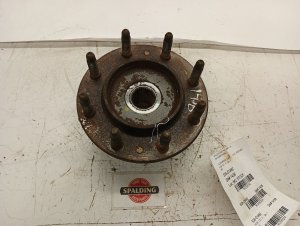
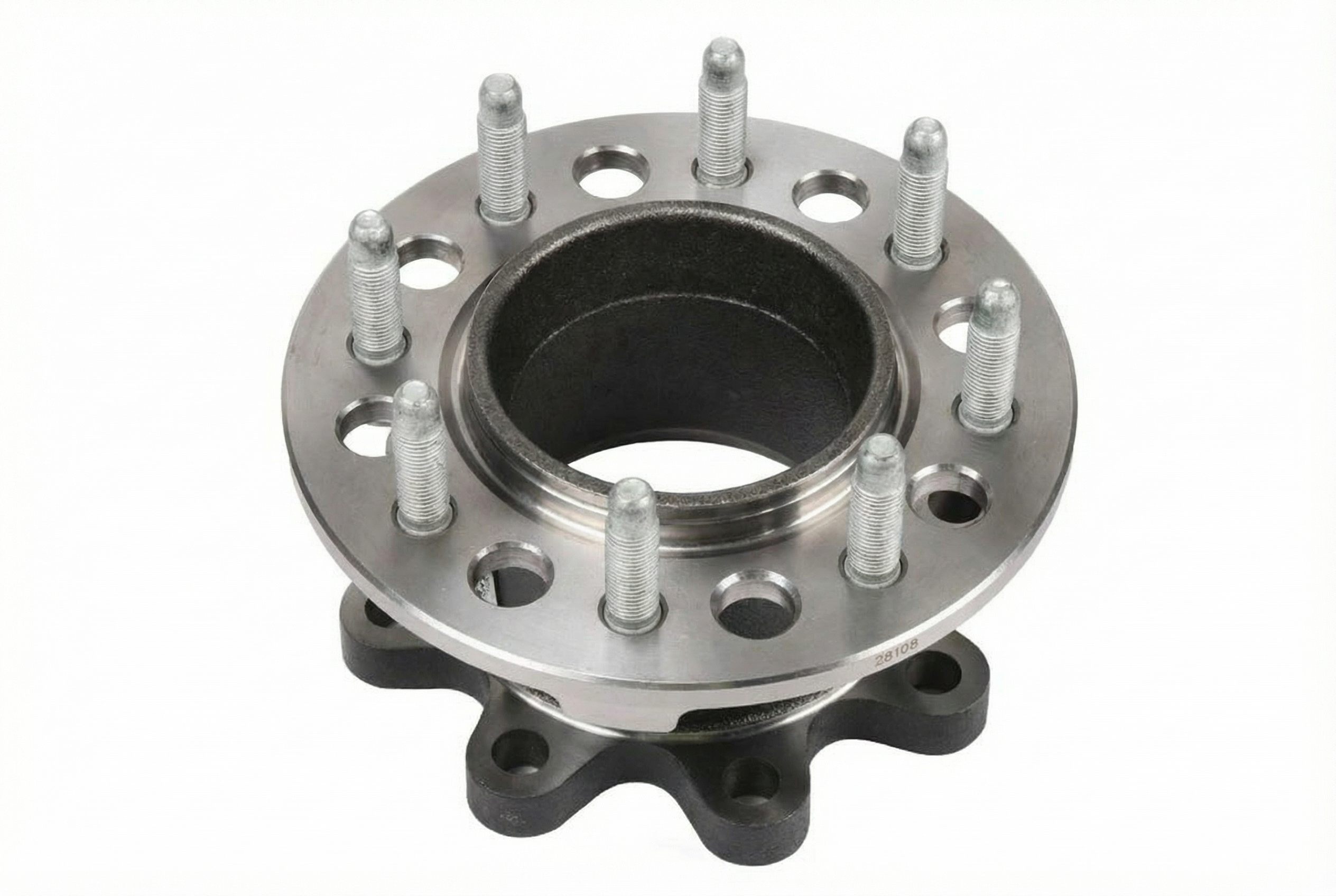
New Aftermarket Parts Available
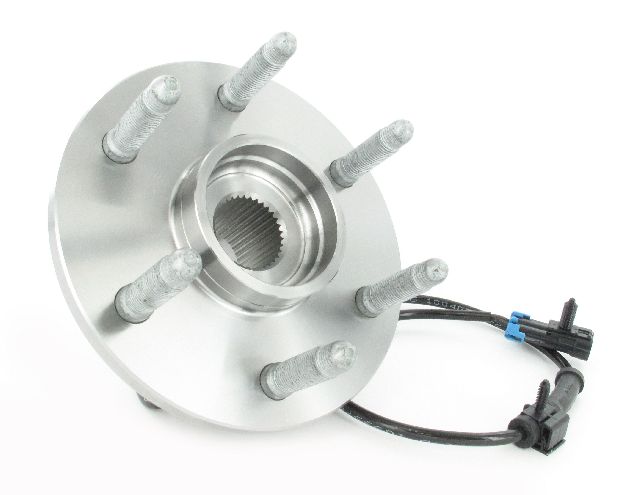
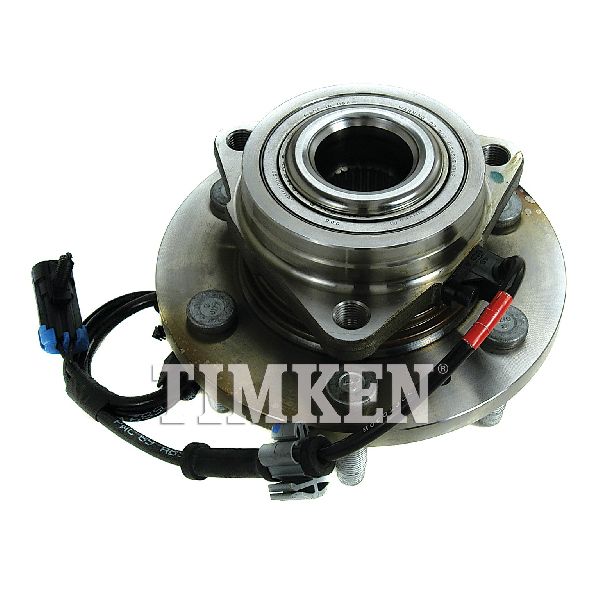

The information in this article is provided for general reference and educational purposes only. Vehicle specifications, procedures, and part compatibility can vary by production date, trim level, and region. Always consult your vehicle's factory service manual and verify part numbers before purchasing or performing repairs. Safety-critical components such as airbags, seat belts, and braking systems should be installed by a qualified professional.
- GMC Sierra:
- 🧭 Diagnostic Flowchart
- 🎬 Helpful Videos
- 🛍️ Shop This Part
- What's Unique About the 1999-2007 GMC Sierra
- Symptoms You May Notice
- Most Likely Causes
- Rare But Worth Checking
- Diagnosis Steps
- Parts You'll Likely Need
- Related Codes That Often Appear With This One
- Technical Service Bulletins (TSBs) & Recalls
- Platform-Specific Known Issues
- Mechanic-Grade Diagnostic Values
- Hidden / Shadow Codes Worth Checking
- Scan Tool Commands That Help
- Wiring & Ground Locations
- Real Owner Repair Stories
- Model Year Variations Within This Range
- Other Known Issues on This Vehicle
- Used vs. New Parts: Buying Guide for This Vehicle
- Real Owner Stories
- 2002 Chevrolet Silverado 1500 4.8L
- 2005 GMC Sierra
- 2004 GMC Sierra
- Related OBD-II Codes
- Frequently Asked Questions
- 🎟️ Get 5% Off