

C0040 on 2011-2016 Hyundai Elantra: Right Front Wheel Speed Sensor Fault Explained
This code indicates a problem with the right front wheel speed sensor or its wiring. The most common fix is replacing the sensor itself, which can cost between $255 and $390 for the OEM part, though aftermarket options are much cheaper. It's a moderately difficult DIY job, often complicated by the sensor seizing in the steering knuckle.
- C0040 means there's a fault with the right front wheel speed sensor circuit, which will disable your ABS and stability control.
- The most likely cause is a failed wheel speed sensor, followed by damaged wiring.
- Diagnosis involves checking live data with a capable scan tool and visually inspecting the sensor, wiring, and wheel hub area.
- Driving with this code is possible, but your vehicle's safety systems are compromised, so a prompt repair is highly recommended.
What's Unique About the 2011-2016 Hyundai Elantra
For the 2011-2016 Elantra (fifth generation, MD/UD), the C0040 code almost always points to a standard failure of the wheel speed sensor or its wiring harness. There are no widespread, unique design flaws noted for this generation that cause the issue; it's typically a result of the sensor's exposed location near the wheel, where it's vulnerable to road debris, moisture, and corrosion over time. A common owner complaint is that the sensor body seizes in the steering knuckle, requiring it to be drilled or broken out for removal.
Symptoms You May Notice
- ABS warning light is on
- Traction Control or Electronic Stability Control (ESC) light is on
- ABS system does not activate during hard braking (wheels may lock up)
- Traction control does not function on slippery surfaces
- Cruise control may be disabled
- Replacing the wheel hub/bearing when only the sensor is bad. Always diagnose the sensor and wiring first before assuming a mechanical issue with the hub.
- Replacing the sensor when the actual fault is a broken wire a few inches up the harness. A thorough visual and electrical inspection of the wiring is crucial.
Most Likely Causes
- Failed Right Front Wheel Speed Sensor 🔴 High Probability → Shop ABS Wheel Speed Sensor The sensor is exposed to harsh conditions like water, salt, and road debris, leading to internal failure or corrosion over time. Higher-than-average failure rates for front wheel speed sensors have been noted on this platform.
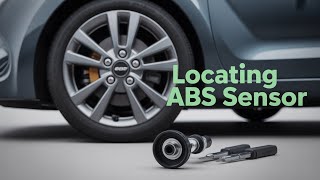
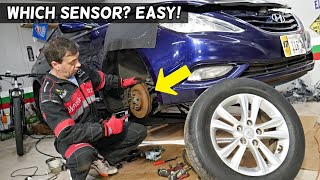
How to confirm: Use a scan tool capable of reading live ABS data. Watch the data for the right front wheel speed sensor while driving. If the reading is zero, erratic, or doesn't match the other wheels, the sensor is likely bad. You can also test the sensor's resistance with a multimeter; it should be within a specific range (typically 800-2,500Ω, but consult a service manual). 🎬 Watch: How to test a Hyundai wheel speed sensor
Typical fix: Replace the right front wheel speed sensor. The sensor is typically held in by a single 10mm or 12mm bolt on the steering knuckle. It may be seized with rust and require significant force or even destructive removal.
Est. part cost: $50-$150 - Damaged Wiring or Connector 🟡 Medium Probability The wiring harness runs down the suspension and can be damaged by road debris, improper servicing (like brake jobs), or repeated flexing from steering and suspension movement. Chafing against the fender liner or suspension components is a common failure point.
How to confirm: Visually inspect the wiring harness from the sensor up into the wheel well for any signs of chafing, breaks, or corrosion in the connector. A 'wiggle test' on the harness while watching live data can also reveal intermittent connection issues.
Typical fix: Repair the damaged section of wire or replace the pigtail connector. In some cases, the entire front ABS harness may need replacement.
Est. part cost: $20-$70 - Damaged or Contaminated Tone Ring ⚪ Low Probability The tone ring (or reluctor ring) is part of the wheel hub/bearing assembly. While durable, rust buildup or damage from debris can disrupt the sensor's reading. A failing wheel bearing can also cause excessive play, altering the sensor's air gap and generating the code.
How to confirm: After removing the wheel speed sensor, visually inspect the tone ring through the sensor mounting hole. Look for broken teeth, heavy rust, or debris. Also, check for excessive play in the wheel bearing by grabbing the tire at 12 and 6 o'clock; any wobble indicates a worn bearing.
Typical fix: If the tone ring is damaged, the entire wheel hub and bearing assembly must be replaced.
Est. part cost: $100-$200
Rare But Worth Checking
- Failed ABS Control Module: → Shop ABS Control Module This is very uncommon. Before condemning the module, all other possibilities (sensor, wiring, tone ring) must be exhaustively ruled out. This is typically accompanied by other wheel speed sensor codes or communication faults.
Diagnosis Steps
- Connect an OBD-II scanner capable of reading ABS codes to confirm C0040 is the only code present. Note any sub-codes (e.g., C0040-02 for short to ground) which can aid diagnosis.
- Access the live data stream on the scanner and monitor the speeds of all four wheels while driving in a straight line. Confirm that the Right Front (RF) wheel speed reads 0 mph or is erratic compared to the other three.
- Raise and safely support the front of the vehicle. Remove the right front wheel.
- Visually inspect the wheel speed sensor and its wiring harness for any obvious damage, such as cut wires, chafing, or corrosion on the connector pins. Pay close attention to where the harness clips to the chassis and suspension.
- If the wiring looks good, disconnect the sensor and use a multimeter to check for resistance across the sensor's two pins. Compare the reading to the manufacturer's specification. An open circuit (infinite resistance) or short circuit (zero resistance) indicates a bad sensor.
- Remove the 10mm or 12mm bolt holding the sensor to the knuckle. Carefully attempt to remove the sensor. It may be seized with rust and require gentle prying or twisting with pliers. In severe cases, it may need to be drilled out.
- Inspect the tone ring on the wheel hub for damage, debris, or heavy rust.
- Check the wheel bearing for any play by grabbing the hub at the 12 and 6 o'clock positions and attempting to rock it. Any significant movement indicates a bad wheel bearing, which would require hub replacement.
- If the wiring, tone ring, and bearing are good, the sensor itself is the most likely culprit.
Parts You'll Likely Need
- Right Front ABS Wheel Speed Sensor
(OEM #95671-3X000)— This is the most common failure point for the C0040 code due to its exposed location and electronic nature.
Trusted brands: Hyundai (OEM), Mando, Duralast, Bosch, Autopart Premium
OEM price range: $255-$390
Aftermarket price range: $25-$150 - Right Front Wheel Hub and Bearing Assembly
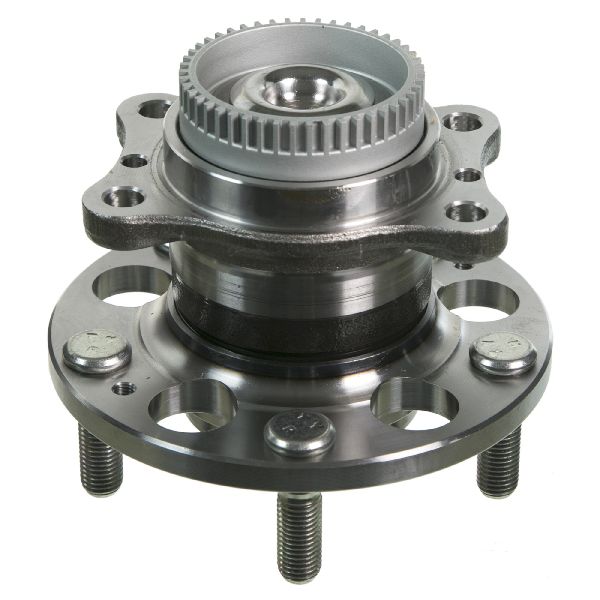
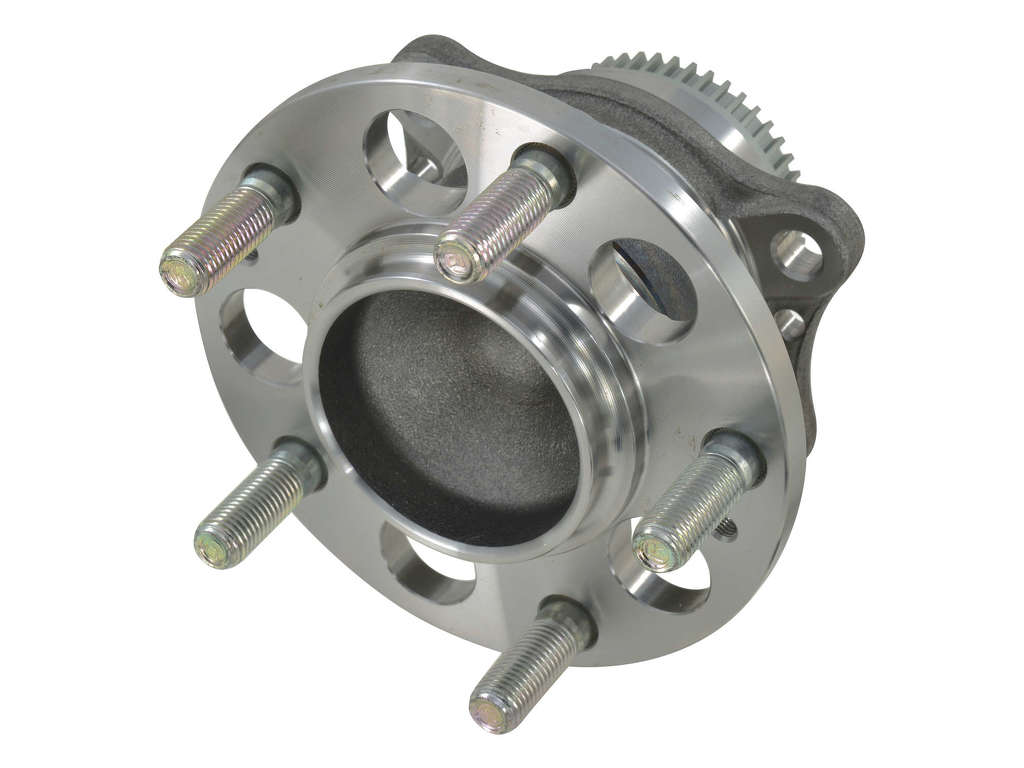
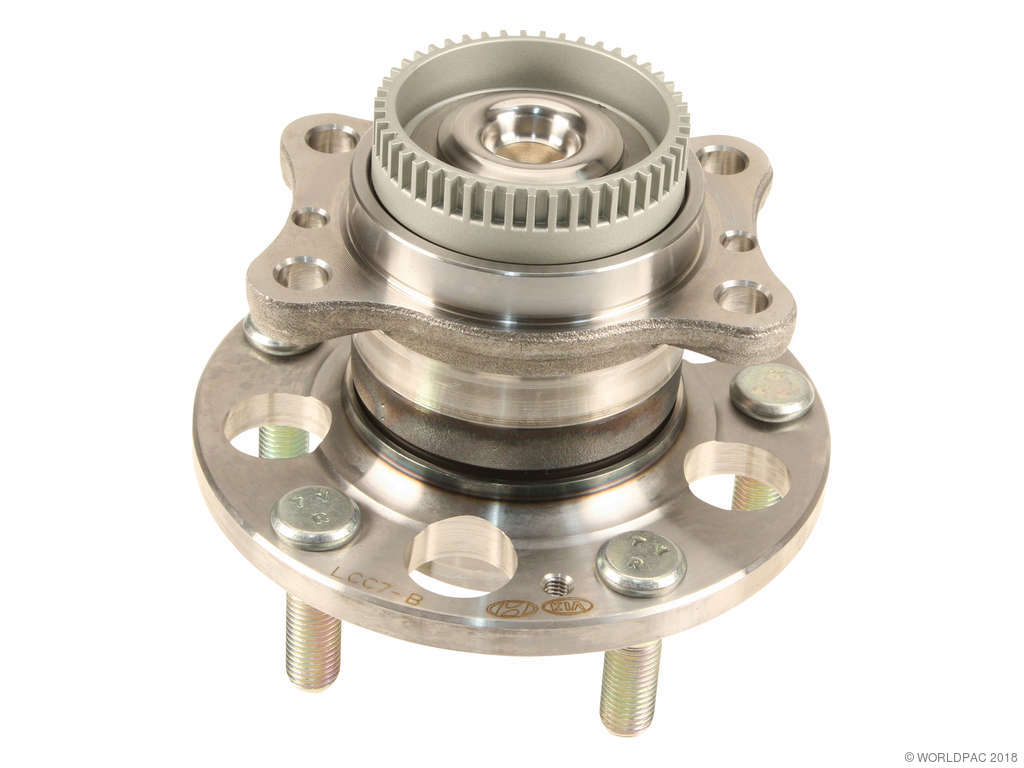
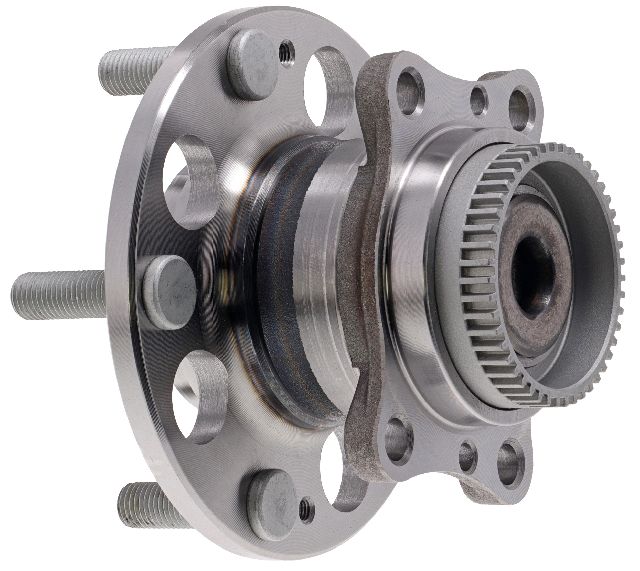
(OEM #51750-3X000)— Replaced if the tone ring integrated into the hub is damaged or the wheel bearing has failed, causing an incorrect sensor reading.
Trusted brands: Hyundai (OEM), Timken, MOOG, TRQ
OEM price range: $200-$300
Aftermarket price range: $100-$200
Platform-Specific Known Issues
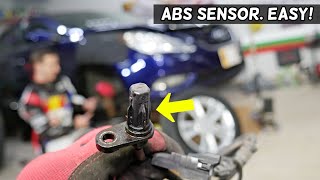
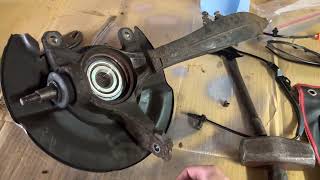
- Sensor Seizure: Owners on forums frequently report that the plastic body of the wheel speed sensor becomes seized inside the metal steering knuckle due to rust and corrosion. Removal often requires destroying the old sensor by breaking it apart piece by piece or carefully drilling it out, which adds time and complexity to the repair. 🎬 See how to remove a stuck, broken ABS sensor
Documented NHTSA Reports
While the C0040 code on the Hyundai Elantra is primarily associated with the wheel speed sensor, it is important to note that this code can have different interpretations across other manufacturers. For example, NHTSA ODI #11645269 and NHTSA ODI #11191073 describe C0040 as a "Brake lamp switch failure stuck" or "Brake switch stuck on" in other vehicle makes. Additionally, NHTSA ODI #11228687 and NHTSA ODI #10440851 document cases where C0040 appeared alongside other wheel speed sensor codes like C0035 and C0050. In another instance, NHTSA ODI #10629708 reports a vehicle where the code was triggered because the "right front hub was dropping signal," necessitating a full hub replacement.
Diagnostic Flowchart
Other Known Issues on This Vehicle
Issues unrelated to this code that are worth knowing about as an owner of this generation:
- Engine Ticking / Piston Slap (1.8L Nu Engine) 🔴 High — Very common, especially on 2011-2013 models. Noise is most prominent on cold starts and can lead to excessive oil consumption and eventual engine failure. (Ref: A Canadian TSB (14-20-002) acknowledged the issue, but no official recall was issued in the US. A class-action lawsuit was filed regarding this problem.)
- Failing Steering Coupler 🟠 Medium — Extremely common. The flexible rubber coupler in the Motor Driven Power Steering (MDPS) disintegrates over time, causing a clicking or clunking noise in the steering wheel when turning. (Ref: Hyundai issued a warranty extension (TXX7 / TSB 17-ST-002) to 10 years/100,000 miles for this part. The replacement part is 56315-2K000-FFF.)
- Premature Brake and Suspension Wear 🟡 Low — Owners report faster-than-expected wear on brake pads and rotors. Additionally, clunking noises over bumps are often traced to worn sway bar links or bushings.
- Alternator Failure 🟠 Medium — The alternator is a known failure point on this generation, leading to a battery/alternator warning light on the dash and eventual no-start conditions.
Real Owner Stories
Aggregated from forums and TSBs cited above. Mileages and costs reflect what owners reported in those sources.
2011-2016 Hyundai Elantra
Symptoms: The plastic body of the wheel speed sensor became completely seized inside the metal steering knuckle due to heavy rust and corrosion.
What fixed it: The old sensor had to be destroyed by breaking it apart piece by piece and carefully drilling it out of the knuckle before a new one could be installed.
Source hint: Vehicle-specific issues section regarding 'Sensor Seizure' on the MD/UD platform
Related OBD-II Codes
Frequently Asked Questions
Why is my 2011-2016 Hyundai Elantra's ABS sensor so difficult to remove from the steering knuckle?
Is there a TSB for the clicking noise I hear in my steering wheel along with the C0040 code?
Could a bad wheel bearing be causing my C0040 code on my Elantra?
What is the typical resistance range I should look for when testing the RF wheel speed sensor on this vehicle?
Does the 2013 Hyundai Elantra GT share this same ABS sensor issue?
Will a C0040 code affect my cruise control?
Helpful Videos
We Have This Part in Stock


The information in this article is provided for general reference and educational purposes only. Vehicle specifications, procedures, and part compatibility can vary by production date, trim level, and region. Always consult your vehicle's factory service manual and verify part numbers before purchasing or performing repairs. Safety-critical components such as airbags, seat belts, and braking systems should be installed by a qualified professional.
- Hyundai Elantra:
- 🧭 Diagnostic Flowchart
- 🎬 Helpful Videos
- 🛍️ Shop This Part
- What's Unique About the 2011-2016 Hyundai Elantra
- Symptoms You May Notice
- Most Likely Causes
- Rare But Worth Checking
- Diagnosis Steps
- Parts You'll Likely Need
- Platform-Specific Known Issues
- Documented NHTSA Reports
- Other Known Issues on This Vehicle
- Real Owner Stories
- 2011-2016 Hyundai Elantra
- Related OBD-II Codes
- Frequently Asked Questions
- 🎟️ Get 5% Off