

C0045 on 2017-2022 Honda CR-V: Left Rear Wheel Speed Sensor Circuit Fixes
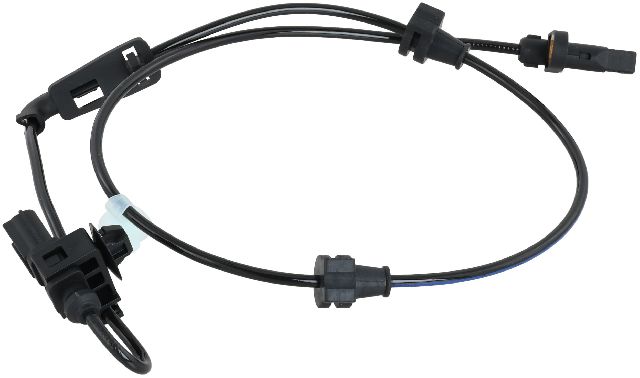
This code indicates a fault with the left rear wheel speed sensor circuit. The most common fix is replacing the left rear ABS sensor/harness assembly. Expect to pay around $50-$90 for an aftermarket part or $100-$150 for the OEM part. This is a very common failure on this generation of CR-V.
- Code C0045 on a 2017-2022 CR-V means your ABS and stability control are disabled due to a fault in the left rear wheel speed sensor circuit.
- The most likely cause is a failed wheel speed sensor assembly, which is a very common issue for this vehicle generation.
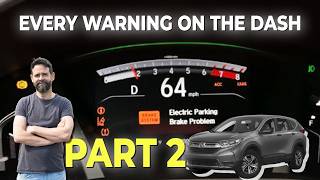
- A single C0045 fault will often trigger a cascade of other warning lights, including VSA, AWD, and Power Steering; this is normal for this vehicle.
- Before replacing the sensor, always inspect the wiring for damage and check the magnetic ring on the wheel hub for metallic debris.
- The correct OEM replacement part is an assembly including the harness, part number 47560-TLA-A03.
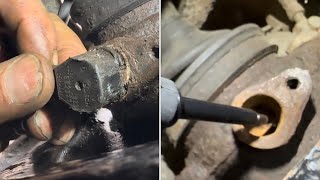
- In areas with road salt, the sensor often seizes in the wheel knuckle and may require being drilled out, increasing repair complexity.
- This is a safety-critical repair; address it promptly to restore ABS and VSA functionality.
What's Unique About the 2017-2022 Honda CR-V
On the 5th generation Honda CR-V (2017-2022), failures of the rear wheel speed sensors are a widely noted issue. The sensor and its wiring harness are a single assembly that also includes the electronic parking brake wiring. This assembly is exposed to road debris, water, and salt, which can lead to corrosion and damage over time, triggering the C0045 code. In regions with heavy road salt use (like New England), the sensor body can corrode and seize inside the aluminum steering knuckle, making removal extremely difficult and sometimes requiring drilling out the old sensor. Unlike some other manufacturers that might use C0045 for a different fault, on a Honda, this code reliably points to the left rear wheel speed sensor circuit.
Symptoms You May Notice
- ABS warning light is on
- Traction control (VSA) warning light is on
- Brake system warning light may be on
- Electric Parking Brake (EPB) warning light may be on
- All-Wheel Drive (AWD) system warning light may be on
- Power Steering (EPS) warning light may be on
- Multiple other seemingly unrelated warning lights may illuminate simultaneously
- ABS and stability control systems are disabled
- Replacing the wheel speed sensor when the actual problem is metallic debris on the magnetic encoder ring. Always inspect and clean the hub surface before installing a new sensor.
- Replacing the wheel hub/bearing when the problem is only a faulty sensor or a simple wiring issue.
- Assuming other warning lights (AWD, EPS, etc.) indicate separate problems. On this CR-V, a single faulty wheel speed sensor can trigger a cascade of system warnings. 🎬 Watch: How to reset the dash after a sensor failure
Most Likely Causes
- Failed Left Rear Wheel Speed Sensor 🔴 High Probability → Shop ABS Wheel Speed Sensor The sensor is located at the wheel hub, where it is exposed to harsh environmental conditions like water, road salt, and debris, which can cause internal electronic failure or corrosion of the connector. This is a very common failure point on 5th generation CR-Vs. In areas with road salt, the sensor can become seized in the knuckle, requiring it to be drilled out for replacement.
How to confirm: Use a diagnostic scan tool with live data to monitor all four wheel speeds while driving. If the left rear sensor reads 0 MPH or shows an erratic signal while the others read correctly, the sensor is likely faulty. This is the most definitive diagnostic step.
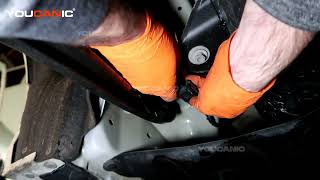
Typical fix: Replace the left rear wheel speed sensor and harness assembly. 🎬 See this step-by-step rear wheel speed sensor replacement guide The sensor and harness are typically sold as one unit that includes the electronic parking brake connector.
Est. part cost: $50 - $150 - Damaged Wiring or Connector 🟡 Medium Probability The wiring harness runs along the suspension and can be damaged by road debris, improper routing, or chafing against other components, leading to an open or short circuit. While possible, on this specific CR-V model, the sensor itself is a more common point of failure than the wiring leading to it.
How to confirm: Visually inspect the entire length of the wiring harness from the sensor to the main vehicle harness for any signs of breaks, chafing, or corrosion. Check for continuity between the sensor connector and the ABS module connector using a multimeter. Wiggle the harness while testing to check for intermittent breaks.
Typical fix: Since the sensor and harness are often sold as a single unit (Part # 47560-TLA-A03), damage to the harness near the sensor usually results in replacing the entire assembly. If damage is further up the line, the specific wire would need to be repaired.
Est. part cost: $10 - $50 for repair materials, or the cost of the full sensor assembly. - Damaged or Contaminated Wheel Bearing Encoder Ring ⚪ Low Probability The wheel bearing assembly contains a magnetic encoder ring that the sensor reads. Metallic debris from brake dust or road grime can stick to the magnetic ring, interfering with the signal. This is less common than outright sensor failure but should be checked.
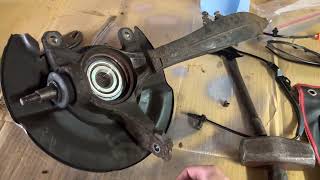
How to confirm: After removing the wheel speed sensor, inspect the magnetic encoder ring on the face of the wheel hub/bearing. Look for any cracks, damage, or an accumulation of metallic particles. The surface should be clean and free of damage.
Typical fix: Clean the debris from the encoder ring using brake cleaner and a soft brush. If the ring is cracked or damaged, the entire wheel hub and bearing assembly must be replaced as the ring is integrated.
Est. part cost: $5 for brake cleaner, or $100 - $250 for a new wheel hub assembly
Rare But Worth Checking
- Faulty ABS Control Module: → Shop ABS Control Module This is very rare and should only be considered after all other possibilities (sensor, wiring, encoder ring) have been thoroughly ruled out. An ABS module failure will typically trigger multiple wheel speed sensor codes or communication codes.
Diagnosis Steps
- Connect an OBD-II scanner capable of reading ABS codes to confirm C0045 is the active fault.
- Use the scanner's live data feature to monitor the speed of all four wheels while driving slowly (or spinning the wheel by hand with the vehicle raised). Confirm that the left rear wheel speed sensor is reading incorrectly (e.g., 0 MPH or erratic) compared to the other three.
- Safely raise and support the vehicle. Remove the left rear wheel.
- Visually inspect the wheel speed sensor and its integrated wiring harness for any obvious signs of damage, corrosion, or loose connections.
- Unplug the sensor harness from the main body harness and inspect the connector terminals for corrosion or pushed-out pins.
- Remove the sensor retaining bolt (typically 10mm). Attempt to gently twist and pull the sensor out of the steering knuckle. If it is seized due to corrosion, penetrating oil and careful prying may be needed. In severe cases, the sensor may need to be broken apart and drilled out.
- Once the sensor is out, inspect the magnetic encoder ring on the wheel hub for metallic debris or physical damage. Clean the surface with brake cleaner.
- If the encoder ring is clean and undamaged, and the live data test pointed to the sensor, the wheel speed sensor/harness assembly is the confirmed faulty part.
- Install the new sensor/harness assembly, ensuring the sensor is fully seated in the knuckle. Route the new harness and connect it.
- After replacement, clear the code with the scanner and perform a test drive to ensure all warning lights do not return.
Parts You'll Likely Need
- Rear Left ABS Wheel Speed Sensor
(OEM #47560-TLA-A03)— This is the most common failure point for code C0045 due to its exposure to the elements, causing internal electronic failure. The part includes the sensor, wiring harness, and electronic parking brake connector as a single assembly.
Trusted brands: Honda (OEM), Standard Motor Products (ALS3134), Delphi, NTK/NGK
OEM price range: $100-$150
Aftermarket price range: $50-$90
Platform-Specific Known Issues
- Sensor Seizure in Rust Belt: In regions where road salt is used, the body of the ABS sensor corrodes and becomes fused to the aluminum steering knuckle. This makes removal extremely difficult. Mechanics report needing to break the old sensor and carefully drill out the remaining plastic and metal sleeve, which significantly increases labor time.
- Cascade of Warning Lights: A failure of a single rear wheel speed sensor on the 2017-2022 CR-V will not only trigger the ABS and VSA lights but often causes a chain reaction of warnings for the power steering, all-wheel drive, and brake systems. This can be alarming but is typically resolved by fixing the single sensor fault.
Mechanic-Grade Diagnostic Values
- Wheel Speed Sensor Signal (MRE-type) — expected: A digital square wave, switching between approximately 10V and 11.5V as the wheel is rotated.. Failure: Signal drops out, is missing entirely, or does not produce a clean square wave when viewed on an oscilloscope. A simple multimeter resistance check is not definitive for this type of sensor; comparing the signal to a known-good wheel is the best method.
Hidden / Shadow Codes Worth Checking
- C0045-06: Left Rear Wheel Speed Sensor Circuit Low Voltage/Open. This points towards a broken wire, unplugged connector, or internal sensor open. (see via A dealer-level scanner like the Honda HDS or an advanced professional scan tool.)
- C0045-0F: Left Rear Wheel Speed Sensor Circuit Signal Erratic. This suggests interference, a damaged tone ring, or a failing sensor that hasn't died completely. (see via A dealer-level scanner like the Honda HDS or an advanced professional scan tool.)
- C0045-18: Left Rear Wheel Speed Sensor Circuit Low Signal Amplitude. This often points to an excessive air gap between the sensor and the magnetic encoder ring, possibly due to rust buildup under the sensor mount. (see via A dealer-level scanner like the Honda HDS or an advanced professional scan tool.)
- C0045-5A: Left Rear Wheel Speed Sensor Circuit Not Plausible. The signal is present but does not make sense compared to other vehicle sensors (e.g., other wheel speeds). (see via A dealer-level scanner like the Honda HDS or an advanced professional scan tool.)
Scan Tool Commands That Help
- Advanced Professional Scan Tool (e.g., Autologic DrivePRO): Pulser Test — This is a non-intrusive service function to verify the integrity of the sensor and its circuit. The tool instructs the tech to rotate the wheel one full revolution and compares the measured pulse count to a target value. A mismatch confirms a fault in that corner without needing to swap parts.
Wiring & Ground Locations
- ABS Modulator-Control Unit — Located in the engine bay, typically on the passenger side, recognizable by the multiple metal brake lines running into and out of it.. This is the module that receives the signal from the left rear wheel speed sensor. The wiring harness from the sensor ultimately terminates at this module's main connector. Checking for corrosion or pushed pins at this connector is a final step after checking the sensor and harness.
OEM Part Supersession History
47560-TLA-A02→47560-TLA-A03— Standard part revision. The new part is a direct replacement for the old one.
Diagnostic Flowchart
Other Known Issues on This Vehicle
Issues unrelated to this code that are worth knowing about as an owner of this generation:
- 1.5L Turbo Engine Oil Dilution 🔴 High — Common, especially in 2017-2018 models and vehicles used for frequent short trips in cold climates. (Ref: Honda issued software updates and a warranty extension (to 6 years/unlimited miles for certain components) under TSBs like 19-038.)
- Parasitic Battery Drain 🟠 Medium → Shop Vehicle Battery — Frequently reported on 2017-2019 models, causing the battery to die after sitting for a few days. (Ref: TSB A19-039 was issued for 2019 models to fix a software flaw in the Powertrain Control Module (PCM) that caused the drain.)
- Infotainment System Glitches 🟡 Low — Common across the generation; owners report freezing, crashing, unresponsiveness, and issues with Apple CarPlay/Android Auto. (Ref: No specific recall, but dealer software updates may offer some improvement. A class-action lawsuit was filed regarding these issues.)
- Fuel Injector Failure (1.5T) 🟠 Medium — A known issue on the 1.5T engine, often occurring between 20,000-40,000 miles, leading to misfires (P030x codes). (Ref: Related to the oil dilution problem; warranty extensions may cover injector-related failures.)
Used vs. New Parts: Buying Guide for This Vehicle
When a used part is the smart pick: For this specific repair, using a used part is not recommended. The part is a known high-failure item due to environmental exposure. The labor involved in replacement, especially if the old sensor is seized, is significant enough that installing a used part with unknown remaining life is a poor economic choice.
What to inspect on the donor part:
- Not applicable as used parts are not recommended.
OEM-only on this vehicle (don't cheap out):
- While not strictly 'OEM-only', using the OEM Honda part (47560-TLA-A03) is the safest option for fitment and longevity. The cost difference is often minimal when potential repeat labor is factored in.
Aftermarket brands forum-validated for this vehicle:
- NTK/NGK
- Standard Motor Products (SMP)
- Delphi
Brands owners have reported issues with on this vehicle:
- Unbranded, 'white-box' parts from online marketplaces should be avoided. Failure rates are high, and they may not have the correct internal electronics for a modern MRE sensor system.
Documented NHTSA Reports
While C0045 is a specific wheel speed sensor code for Honda, it is important to note that on other vehicle platforms, this code can sometimes indicate different failures. For example, NHTSA ODI #11399819 describes a scenario where C0045 appeared alongside fuel level sensor codes P0463 and P069E on a different make. Additionally, NHTSA ODI #10382746 notes that this code was part of a cluster of faults (including C0057 and C0231) that a manufacturer addressed through software reprogramming rather than hardware replacement. However, for the CR-V, hardware failure remains the primary concern.
Real Owner Stories
Aggregated from forums and TSBs cited above. Mileages and costs reflect what owners reported in those sources.
2019 Honda CR-V
Symptoms: The ABS and VSA lights came on, followed by a mess of other codes and warning lights across the dashboard.
What fixed it: Replacement of the left rear wheel speed sensor, which was identified as the root cause for the entire cascade of warnings.
Source hint: YouTube: '2017 Honda CRV One bad wheel speed sensor can set a mess of codes and warning lights.'
2019 Honda CR-V
Symptoms: ABS warning light on; sensor was found to be completely seized in the steering knuckle due to road salt and corrosion.
What fixed it: The old sensor had to be broken apart and carefully drilled out of the knuckle before a new sensor and harness assembly could be installed.
Source hint: YouTube: Boulay's Garage - '2019 Honda CRV rear ABS sensor replacement. (New England version.)'
Left Rear Hub and Encoder Issues
Symptoms: An owner reported a recurring ABS stability code C0045 where the left rear wheel speed sensor encoder ring was found to be broken (NHTSA ODI #11219167). In another instance, a service center reported that code C0045 required replacing the left rear hub bearing assembly to resolve intermittent warning messages (NHTSA ODI #11165895).
Related OBD-II Codes
Frequently Asked Questions
Why are my power steering and AWD lights on when the problem is a rear wheel sensor?
I live in a snowy climate; why is the C0045 sensor replacement more expensive for me?
Can I just buy the sensor, or do I need the whole harness for my 2017-2022 CR-V?
Is there a TSB for the battery drain issues on my 2019 CR-V?
My 1.5L Turbo CR-V has oil dilution issues; is there a warranty extension?
Helpful Videos
We Have This Part in Stock


The information in this article is provided for general reference and educational purposes only. Vehicle specifications, procedures, and part compatibility can vary by production date, trim level, and region. Always consult your vehicle's factory service manual and verify part numbers before purchasing or performing repairs. Safety-critical components such as airbags, seat belts, and braking systems should be installed by a qualified professional.
- Honda CR-V:
- 🧭 Diagnostic Flowchart
- 🎬 Helpful Videos
- 🛍️ Shop This Part
- What's Unique About the 2017-2022 Honda CR-V
- Symptoms You May Notice
- Most Likely Causes
- Rare But Worth Checking
- Diagnosis Steps
- Parts You'll Likely Need
- Platform-Specific Known Issues
- Mechanic-Grade Diagnostic Values
- Hidden / Shadow Codes Worth Checking
- Scan Tool Commands That Help
- Wiring & Ground Locations
- OEM Part Supersession History
- Other Known Issues on This Vehicle
- Used vs. New Parts: Buying Guide for This Vehicle
- Documented NHTSA Reports
- Real Owner Stories
- 2019 Honda CR-V
- 2019 Honda CR-V
- Left Rear Hub and Encoder Issues
- Related OBD-II Codes
- Frequently Asked Questions
- 🎟️ Get 5% Off