

C0045 on 2010-2015 Toyota Prius: Left Rear Wheel Speed Circuit Causes and Fixes
Code C0045 on a 2010-2015 Prius means there's a fault in the left rear wheel speed sensor circuit. This is most often caused by a failing rear wheel hub bearing, which includes the sensor's magnetic ring. The recommended fix is to replace the entire rear wheel hub assembly. Expect to pay $250 for an OEM hub and do it yourself, or $600-$800 at a shop.
- Code C0045 on a 2010-2015 Prius disables your ABS, traction control, and stability control.
- The most frequent cause is a failing rear wheel hub/bearing assembly, not just the sensor itself.
- Diagnose by checking for wheel play and listening for a roaring noise from the rear wheel.
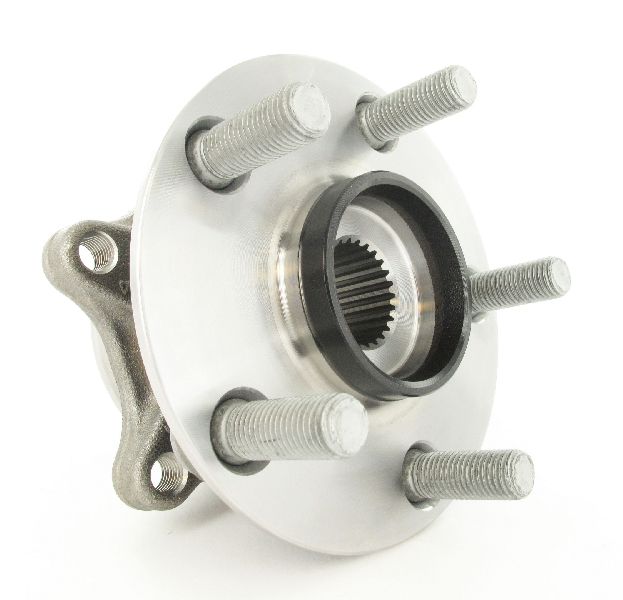
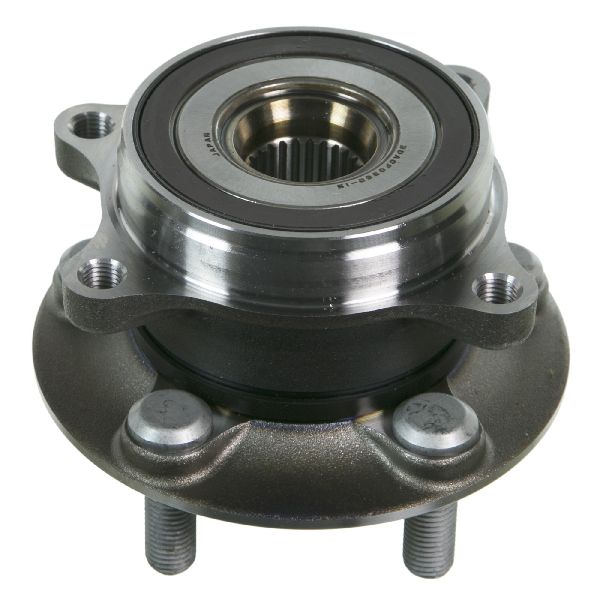
- The recommended and most reliable repair is to replace the entire rear wheel hub assembly (part #42450-47040).
- Driving with this code is possible but risky due to compromised safety systems.
What's Unique About the 2010-2015 Toyota Prius
On the 3rd generation Prius, the rear wheel speed sensor's magnetic encoder ring is integrated into the wheel hub and bearing assembly. While the sensor itself can sometimes be unbolted, it is often seized into the hub, and more importantly, a worn, noisy wheel bearing is a very common cause of this code. Bearing failure creates excessive play, which disrupts the precise gap between the sensor and the magnetic ring, triggering the C0045 code even if the sensor itself is electronically sound. Because of this, the standard and most reliable repair is to replace the entire wheel hub assembly, not just the sensor. The OEM hub assembly includes a new sensor pre-installed.
Symptoms You May Notice
- ABS warning light is on
- Brake system warning light is on
- VSC (Vehicle Stability Control) or traction control light is on
- "Check VSC System" message on the multi-function display
- Regenerative braking is disabled, leading to a noticeable change in deceleration when lifting off the accelerator
- A roaring, humming, or growling noise from the rear of the vehicle that changes with speed (indicates a bad wheel bearing)
- A slight vibration or wheel wobble at highway speeds
- Inconsistent or pulsating brake pedal feel.
- Replacing only the ABS wheel speed sensor when the actual cause is a worn-out wheel bearing. The new sensor will quickly fail or the code will return immediately because the root cause (bearing play) was not addressed.
Most Likely Causes
- Failing Rear Wheel Hub/Bearing Assembly 🔴 High Probability → Shop Hub Assembly The rear wheel bearings are a known wear item. As the bearing wears, it develops play which damages the integrated magnetic encoder ring or causes an erratic signal, triggering the ABS fault. This is the most common cause for C0045 on this vehicle.
How to confirm: Safely raise the rear of the vehicle. Grab the wheel at the top and bottom (12 and 6 o'clock) and try to rock it. Any play or looseness indicates a bad bearing. Spin the wheel by hand and listen for a grinding, roaring, or humming noise, comparing it to the opposite side.
Typical fix: Replace the entire rear wheel hub and bearing assembly. The OEM part includes a new, pre-installed ABS sensor.
Est. part cost: $200-$280 for OEM, $70-$150 for aftermarket - Damaged Wheel Speed Sensor Wiring or Connector 🟡 Medium Probability → Shop ABS Wheel Speed Sensor The wiring harness runs in the wheel well and is exposed to water, salt, and road debris, which can cause corrosion, chafing, or broken wires over time.
How to confirm: Visually inspect the wiring harness from the wheel hub up into the car body. Look for cracks, chafing, or green/white corrosion at the connector pins. Perform a continuity test on the wires from the sensor connector to the ABS module if the visual inspection is inconclusive. Aftermarket replacement harnesses are available.
Typical fix: Repair the broken section of wire or replace the pigtail connector. In severe cases, the entire sensor harness may need replacement.
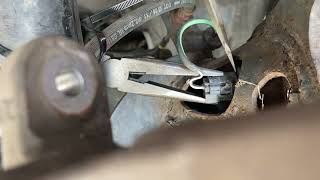
Est. part cost: $15-$40 for a pigtail connector, $50-$90 for a full replacement harness. 🎬 Watch: Understanding the rear wheel speed sensor wiring and clips.
- Failed Wheel Speed Sensor ⚪ Low Probability → Shop ABS Wheel Speed Sensor While less common than a bearing failure, the sensor itself can fail electronically due to age and heat cycles. However, because it is integrated into the hub, it is rarely the sole point of failure.
How to confirm: If the bearing is good and the wiring is intact, the sensor is the next suspect. Test the sensor's internal resistance with a multimeter (if specs are available) or swap it with the sensor from the right side to see if the code changes to C0050 (Right Rear Wheel Speed Sensor Circuit). However, on the Prius, the sensor is often seized in the hub, making this difficult.
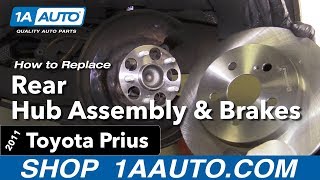
Typical fix: Replace the wheel speed sensor. Because it is often included with the hub and difficult to remove, this usually defaults to replacing the hub assembly. 🎬 Watch: Step-by-step guide to replacing the rear hub and brakes.
Est. part cost: $30-$80 for aftermarket sensor only
Rare But Worth Checking
- Faulty ABS Control Module: → Shop ABS Control Module This is rare and should only be considered after all other possibilities (sensor, wiring, hub) have been thoroughly ruled out. A failure of the ABS module would likely present other codes as well, such as C0050 for the other rear wheel.
- Damaged Tone Ring: The toothed or magnetic ring that the sensor reads can become damaged by debris or rust, causing an erratic signal. On the Gen 3 Prius, this ring is integrated into the hub assembly, so the fix remains replacing the hub.
Diagnosis Steps
- Confirm the presence of code C0045 using an OBD-II scanner capable of reading ABS codes. Note any symptom bytes if available.
- Check for other related ABS codes. Note them and clear all codes.
- Drive the vehicle a short distance to see if the code returns immediately. If it does, the fault is active.
- Safely raise and support the rear of the vehicle.
- Check the left rear wheel for play by rocking it from top-to-bottom. Any looseness points to a bad wheel bearing.
- Spin the left rear wheel by hand and listen for any grinding, roaring, or humming sounds, comparing it to the right side. Noise indicates a bad bearing.
- Visually inspect the wheel speed sensor wire from the hub to where it enters the vehicle body. Look for any signs of physical damage, chafing, or corrosion on the connector.
- Unplug the connector and inspect for corrosion or bent pins. Clean with electrical contact cleaner if necessary.
- If you have a capable scan tool, monitor the live data for all four wheel speed sensors while spinning the left rear wheel. It should show a speed reading that increases smoothly. If it reads 0 or is erratic, the problem is confirmed to be in that corner.
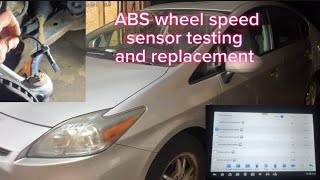
- If no scan tool is available, you can use a multimeter set to AC volts to check for a signal from the sensor while spinning the wheel. You should see a small, fluctuating AC voltage that increases with wheel speed. 🎬 See how to test and replace the ABS wheel sensor.
- Based on the findings, prepare to replace the most likely culprit. If there is any noise or play in the bearing, replace the hub assembly. If the bearing is silent and tight, focus on testing the wiring and sensor.
Parts You'll Likely Need
- Rear Wheel Hub and Bearing Assembly
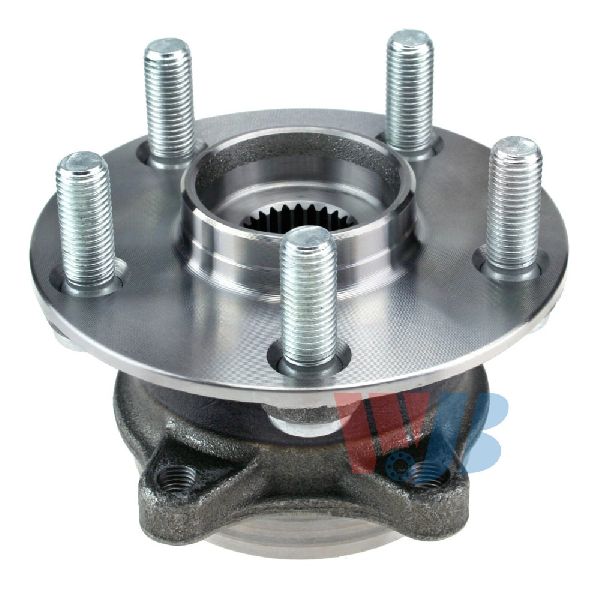
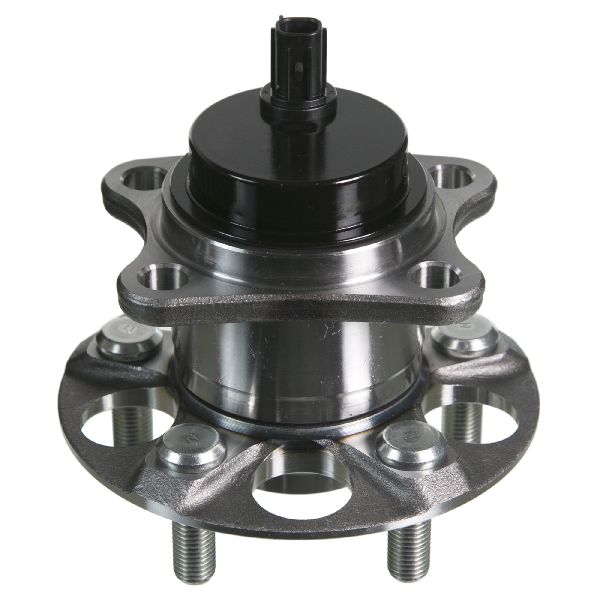
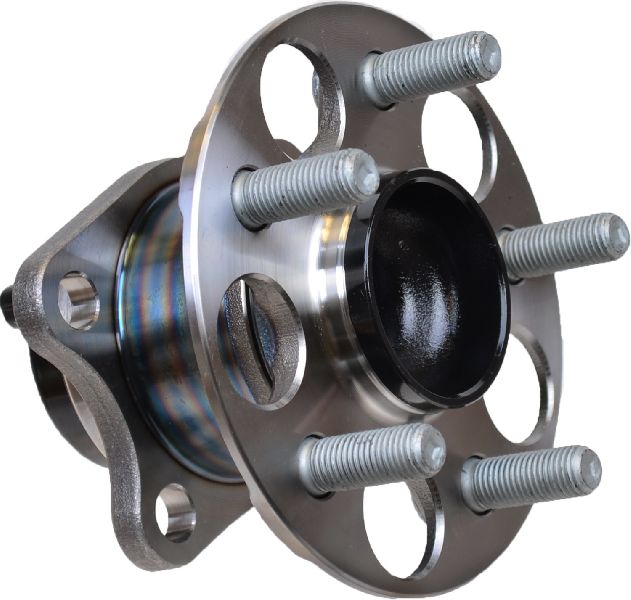
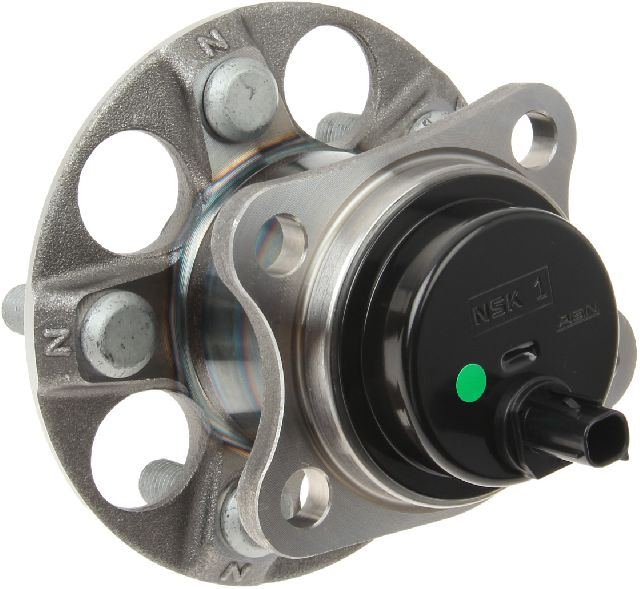
(OEM #42450-47040)— This is the most common and reliable fix, as it addresses both a failing bearing and the integrated magnetic encoder ring. The OEM part includes a new wheel speed sensor pre-installed, eliminating the risk of damaging the sensor during removal or transfer.
Trusted brands: Toyota (OEM), Timken, Moog, SKF, NSK
OEM price range: $240-$280
Aftermarket price range: $70-$150
Related Codes That Often Appear With This One
- C0050 —
Platform-Specific Known Issues
- The rear ABS speed sensor is factory-pressed into the hub assembly, making separate replacement difficult and often leading to damage. For this reason, replacing the complete hub assembly is the standard repair procedure recommended by many owners and mechanics.
Mechanic-Grade Diagnostic Values
- Wheel Speed Sensor Type — expected: Magneto-Resistive (M-Type/Active Sensor). Failure: These sensors cannot be reliably tested with a simple multimeter for resistance (Ohms) or AC voltage like older passive sensors. A resistance test will likely show an open circuit, which is not necessarily indicative of a fault.
- Live Scan Tool Data — expected: When spinning the wheel by hand, the 'Left Rear Wheel Speed' PID should show a smoothly increasing speed, matching the other wheels.. Failure: A reading of '0', an erratic/jumping reading, or a reading that significantly lags behind the other sensors while driving indicates a fault in the left rear circuit.
Hidden / Shadow Codes Worth Checking
- C1239 / Detail Code 541: Indicates a foreign object is attached to the tip of the rear speed sensor or there is noise in the signal. This can be caused by metallic debris from bearing wear contaminating the magnetic encoder ring. (see via Toyota Techstream software under the Chassis/ABS system menu. It may be listed as a 'Detail Code' or 'Information Code' alongside the main C0045 DTC.)
- C1278 / Detail Code: Indicates an abnormal change in the output signal of the left rear speed sensor, typically only output in Test Mode. This points to an intermittent connection or a failing sensor/encoder ring. (see via Toyota Techstream software, specifically when running the ABS system in 'Test Mode'.)
Scan Tool Commands That Help
- Toyota Techstream: Health Check — This is the initial step to retrieve all DTCs from all modules. It will display C0045 and any associated detail codes.
- Toyota Techstream: Live Data / Data List (Chassis -> ABS/VSC/TRAC) — This is the most critical diagnostic step. Select all four 'Wheel Speed' PIDs and drive the vehicle or spin the wheel by hand. This allows you to directly compare the faulty sensor's output to the known-good sensors in real-time.
- Toyota Techstream: Test Mode (ABS/VSC/TRAC) — This special diagnostic mode can help identify intermittent faults by making the system more sensitive to signal abnormalities. It may set additional detail codes (like C1278) that are not present in normal operation.
Wiring & Ground Locations
- Skid Control ECU (ABS Module) — Located in the engine bay, on the driver's side, attached to the ABS actuator assembly. It's a black plastic module bolted to the aluminum valve block with brake lines going into it.. This module receives and interprets the signal from the left rear wheel speed sensor. All wiring from the sensor ultimately terminates here. A poor connection at the main ECU connector could cause this code.
- Rear Speed Sensor Connector — Inside the left rear wheel well, typically clipped to the body behind the plastic fender liner. The harness runs from the hub assembly up to this connector.. This is a common point of failure due to exposure to water and debris. Corrosion or damage to the pins in this connector will cause an open or high-resistance circuit, triggering C0045.
Real Owner Repair Stories
- PriusChat Forum (2010 Toyota Prius, mileage not specified) — ABS, Brake, and VSC lights on. Code C0045 present.
❌ Tried (didn't work) Replacing the rear hub assembly with a cheap, no-name aftermarket part from an online marketplace.
✅ What actually fixed it The code and warning lights returned almost immediately. The problem was resolved by replacing the cheap aftermarket hub with a high-quality aftermarket hub from brand Timken. This indicates that low-quality aftermarket hubs may have poorly manufactured magnetic encoder rings that the ABS system cannot read correctly. - YouTube - 'Nuts and Bolts' channel (2010 Toyota Prius) — Roaring noise from the rear, followed by ABS and traction control lights. Code C0045.
❌ Tried (didn't work) Initial diagnosis focused on the sensor itself.
✅ What actually fixed it The mechanic confirmed significant play in the left rear wheel (12 and 6 o'clock test). The roaring noise and wheel play were definitive indicators of a bad bearing. Replacing the entire rear wheel hub assembly, which included a new bearing and sensor, completely fixed the noise and cleared the C0045 code.
Documented NHTSA Reports
While C0045 is a standardized code, its implications can vary across manufacturers. For example, NHTSA ODI #11399819 describes a scenario where C0045 appeared alongside fuel level sensor codes P0463 and P069E on a different vehicle platform. However, more relevant mechanical reports such as NHTSA ODI #11165895 confirm that the standard resolution for this code is to replace the L/R hub bearing assembly. Furthermore, NHTSA ODI #11219167 specifically identifies a broken left rear wheel speed sensor encoder ring as the root cause, requiring the replacement of both the sensor and the rear hub assembly. In some complex diagnostic cases, such as those described in NHTSA ODI #10382746, C0045 may appear with multiple other codes (C0057, C0231, C0232, C0282), sometimes requiring software reprogramming in addition to mechanical inspection.
OEM Part Supersession History
42450-47040→42450-47050— Standard part revision and improvement by the manufacturer.
Heads up: The parts are interchangeable. Ordering 42450-47040 from a dealer will now result in receiving 42450-47050.
Model Year Variations Within This Range
- 2012-2015 (Prius V model only): The Toyota Prius V (wagon) uses a different, more robust rear hub assembly with a different bolt pattern (5x114.3mm vs 5x100mm for the standard liftback). The part number 42450-47040/47050 will NOT fit a Prius V.
Diagnostic Flowchart
Other Known Issues on This Vehicle
Issues unrelated to this code that are worth knowing about as an owner of this generation:
- Excessive Oil Consumption 🔴 High — Common in earlier models of this generation (2010-2014) approaching 100,000 miles. Caused by low-tension piston rings getting stuck with carbon. (Ref: T-SB-0168-16 (Inspection) and T-SB-0169-16 (Repair) were issued for redesigned pistons and rings.)
- Clogged EGR (Exhaust Gas Recirculation) System 🟠 Medium — Very common after 100,000-150,000 miles. Carbon buildup clogs the EGR valve, cooler, and intake manifold passages, which can lead to engine knocking, misfires, and potentially head gasket failure if ignored. (Ref: No recall, but it is a widely documented issue. Cleaning is a common maintenance procedure.)
- Brake Booster / Actuator Assembly Failure 🔴 High — Can occur at higher mileage (100k+ miles). Symptoms include a buzzing/groaning noise from the brake actuator, and multiple brake-related warning lights. Failure results in loss of braking assist. (Ref: Toyota issued Customer Support Program POL18-03 (later revised) extending the warranty for this component due to internal malfunctions. T-SB-0024-19 also addresses this for specific DTCs.)
- Hybrid Inverter Failure 🔴 High — Affected a large number of 2010-2014 models. Overheating transistors in the inverter's Intelligent Power Module (IPM) could cause the hybrid system to shut down while driving. (Ref: Multiple recalls were issued (e.g., 14V053000, 18V684000, 20V369000) involving software updates and, in some cases, inverter replacement.)
- Center Multi-Function Display (MFD) Failure 🟡 Low — Common failure where the screen goes blank or becomes unresponsive. Often caused by poorly soldered internal connections. (Ref: No recall, but many third-party repair services specialize in fixing these units.)
Used vs. New Parts: Buying Guide for This Vehicle
When a used part is the smart pick: A used OEM hub assembly from a low-mileage, accident-free donor car can be a cost-effective alternative to a new OEM part. It is generally considered a better option than a new, non-brand-name 'Chinesium' hub.
Donor-vehicle mileage cap: roughly under 80000 miles for the part to have meaningful remaining life.
What to inspect on the donor part:
- Verify the donor vehicle's mileage from the salvage yard records.
- Spin the hub by hand; it should be completely silent and smooth with zero grinding or roughness.
- Check for any signs of impact damage on the hub or surrounding knuckle.
- Ensure the ABS sensor wire and connector are intact with no cuts or stretched sections.
Aftermarket brands forum-validated for this vehicle:
- Timken
- SKF
- NSK
- Moog
- Koyo
Brands owners have reported issues with on this vehicle:
- Unnamed or 'white box' brands from online marketplaces like eBay or Amazon are frequently reported on forums as failing quickly or being defective out of the box.
Real Owner Stories
Aggregated from forums and TSBs cited above. Mileages and costs reflect what owners reported in those sources.
2010-2015 Toyota Prius
Symptoms: ABS warning light, Brake system warning light, and VSC light all illuminated; "Check VSC System" message on the multi-function display.
What fixed it: Replacement of the rear hub assembly as the sensor is integrated with the hub.
Source hint: PriusChat.com thread titled 'ABS Brake Warning Light On'
2010-2015 Toyota Prius — ~125000 miles
Symptoms: Roaring noise from the rear of the vehicle followed by the C0045 code and associated warning lights.
What fixed it: Replacement of the rear hub assembly.
Source hint: Reddit r/prius - Thread Title: 'C0045 and a noisy rear end'
Related OBD-II Codes
Frequently Asked Questions
Can I just replace the ABS sensor on my 2010-2015 Prius to fix code C0045?
Why is my Prius making a roaring noise from the rear along with the C0045 code?
Is there a TSB for the oil consumption issues I'm seeing on my 2012 Prius?
How much should I expect to pay for the parts to fix the C0045 code?
Will a bad wheel bearing affect my Prius's regenerative braking?
Does the Lexus CT200h have the same rear hub issues as the Prius?
Helpful Videos
We Have This Part in Stock

The information in this article is provided for general reference and educational purposes only. Vehicle specifications, procedures, and part compatibility can vary by production date, trim level, and region. Always consult your vehicle's factory service manual and verify part numbers before purchasing or performing repairs. Safety-critical components such as airbags, seat belts, and braking systems should be installed by a qualified professional.
- Toyota Prius:
- 🧭 Diagnostic Flowchart
- 🎬 Helpful Videos
- 🛍️ Shop This Part
- What's Unique About the 2010-2015 Toyota Prius
- Symptoms You May Notice
- Most Likely Causes
- Rare But Worth Checking
- Diagnosis Steps
- Parts You'll Likely Need
- Related Codes That Often Appear With This One
- Platform-Specific Known Issues
- Mechanic-Grade Diagnostic Values
- Hidden / Shadow Codes Worth Checking
- Scan Tool Commands That Help
- Wiring & Ground Locations
- Real Owner Repair Stories
- Documented NHTSA Reports
- OEM Part Supersession History
- Model Year Variations Within This Range
- Other Known Issues on This Vehicle
- Used vs. New Parts: Buying Guide for This Vehicle
- Real Owner Stories
- 2010-2015 Toyota Prius
- 2010-2015 Toyota Prius — ~125000 miles
- Related OBD-II Codes
- Frequently Asked Questions
- 🎟️ Get 5% Off