

C0050 on 2007-2014 Chevrolet Tahoe: Right Rear Wheel Speed Sensor Fault Causes and Fixes
Code C0050 on a 2007-2014 Tahoe indicates a fault with the right rear wheel speed sensor circuit, disabling ABS and StabiliTrak. The most common cause is a faulty wheel hub assembly, which contains the sensor. Before replacement, inspect for damaged wiring and clean metallic debris from the hub's magnetic ring per GM TSB PIC5428G. Expect to pay $150-$400 for a replacement hub.
- Code C0050 means your Tahoe's ABS and StabiliTrak systems are disabled due to a fault with the right rear wheel speed signal.
- Before buying parts, inspect the wiring harness for damage and check for metallic debris on the back of the wheel hub; cleaning it per TSB PIC5428G may solve the problem.
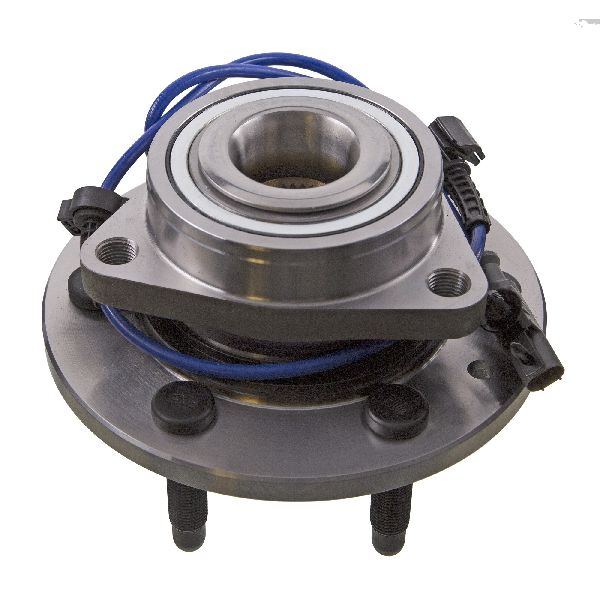
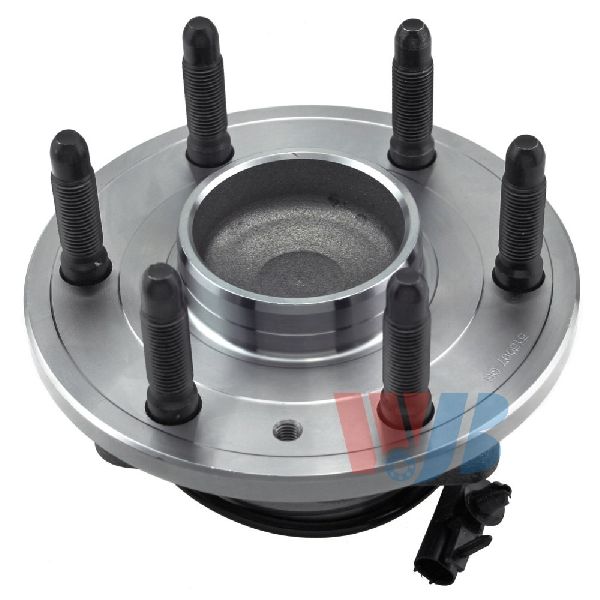
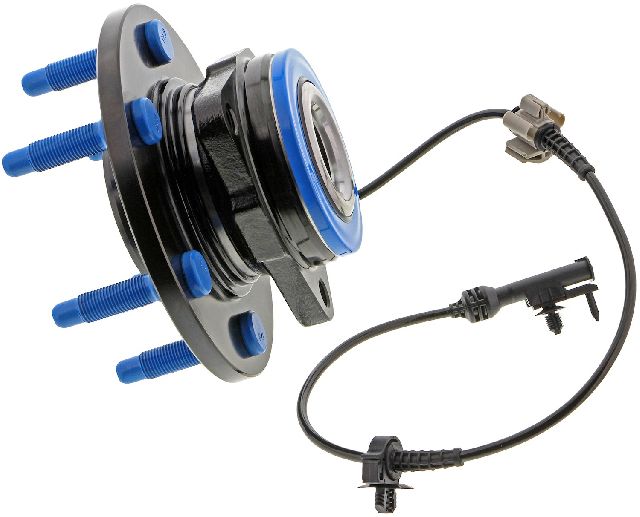
- The most common permanent fix is replacing the entire right rear wheel hub and bearing assembly, as the sensor is built into it.
- Diagnosis requires a scan tool that can read ABS live data to confirm which wheel sensor is failing.
What's Unique About the 2007-2014 Chevrolet Tahoe
The 2007-2014 Tahoe (GMT900 platform) uses a wheel speed sensor that is integrated into the sealed wheel hub and bearing assembly. This design makes it particularly susceptible to issues from the hub itself, such as metallic debris contaminating the magnetic encoder ring or bearing failure causing an incorrect air gap. While wiring is a common issue on many cars, on this specific platform, both debris accumulation (addressed in TSB PIC5428G) and complete hub failure are very frequent causes for this code. A less common but critical variation is the presence of RPO code JL4 (Active Brake Control), which uses a different hub assembly than the standard system; using the wrong hub can cause system malfunctions.
Symptoms You May Notice
- ABS warning light illuminated
- StabiliTrak or Traction Control warning light illuminated
- "Service StabiliTrak" or "Service Brake System" message on the Driver Information Center (DIC)
- "Service Steering" message on the DIC, sometimes accompanied by a heavier steering feel at low speeds (a default action when a wheel speed signal is lost)
- ABS and/or traction control are noticeably inactive during driving conditions where they would normally engage
- Replacing only the wheel speed sensor. On the rear of this Tahoe, the sensor is not sold separately; it is an integral part of the wheel hub assembly. Attempting to find a standalone sensor will be unsuccessful.
- Overlooking debris on the hub. Many owners replace the hub assembly when a thorough cleaning of the magnetic encoder ring per TSB PIC5428G would have solved the problem for free.
- Ignoring hub mounting surface cleanliness. Rust or debris on the axle flange where the hub mounts can cause the new hub to sit at a slight angle, creating an incorrect air gap for the sensor and causing the code to return immediately.
Most Likely Causes
- Failed Right Rear Wheel Hub & Bearing Assembly 🔴 High Probability → Shop Hub Assembly The wheel speed sensor and its magnetic encoder ring are integrated into the hub assembly. Wear and tear, moisture intrusion, or bearing failure can damage the internal sensor components or the magnetic ring itself, causing signal dropouts. Sometimes the new hub can be faulty out of the box.
How to confirm: After ruling out wiring and debris, use a scan tool to monitor live data. If the right rear wheel speed reads 0, is erratic, or flat-lines while driving, and the sensor has proper power and ground, the hub assembly is faulty. A grinding or humming noise from the rear that changes with speed also indicates bearing failure.
Typical fix: Replace the entire right rear wheel hub and bearing assembly. 🎬 Watch this step-by-step guide to replacing the rear hub assembly.
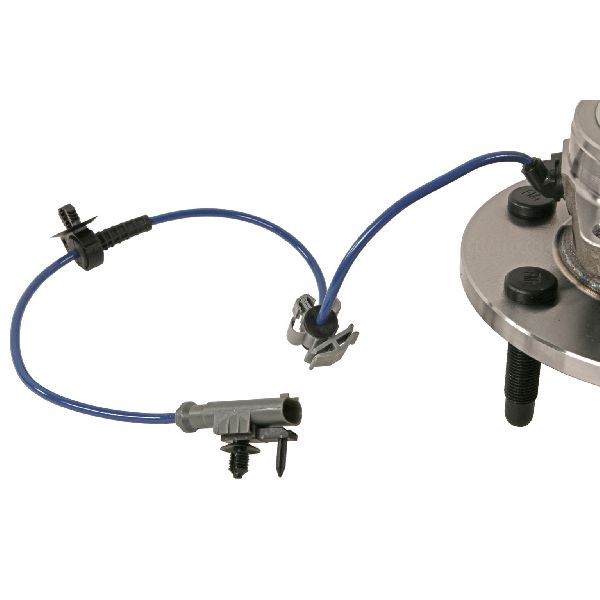
Est. part cost: $150-$400 - Damaged or Corroded Wiring/Connector 🟡 Medium Probability The wiring harness is exposed to road debris, moisture, and suspension movement, which can lead to chafing, internal breaks, or corrosion in the connector terminals near the wheel hub. GM TSB PIT5171C also notes intermittent issues can be caused by internal wire breaks in the harness leading to the X411 connector 🎬 See how to diagnose intermittent wiring issues and sensor signals. under the rear of the vehicle.
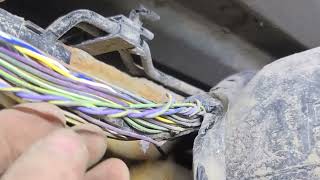
How to confirm: Visually inspect the wiring harness from the wheel hub towards the main chassis for any signs of damage. Disconnect the sensor and check for corrosion or bent pins. Use a multimeter to check for continuity and for shorts to power or ground between the EBCM and sensor connector.
Typical fix: Repair the damaged section of wiring or replace the pigtail connector.
Est. part cost: $20-$50 - Debris on Magnetic Encoder Ring 🟡 Medium Probability Metallic debris from brake wear or road grime can stick to the magnetic encoder ring on the inboard side of the hub, disrupting the sensor's reading. This was a common enough issue for GM to issue Technical Service Bulletin PIC5428G. This TSB specifically applies to codes C0035-C0050 with symptom bytes 18, 5A, or 0F.
How to confirm: Remove the right rear wheel and brake caliper/rotor to visually inspect the back of the wheel hub assembly. Look for a build-up of metallic 'fuzz' on the brown, rubberized magnetic ring.
Typical fix: Carefully clean the debris from the magnetic encoder ring with a soft, non-magnetic nylon brush and mild soap/water 🎬 Watch: How to clean the magnetic ring without removing wheels. or brake cleaner. Do not use magnetic tools, as they can damage the encoder. If the code returns, the hub is likely failing.
Est. part cost: $0-$15
Rare But Worth Checking
- Failed Electronic Brake Control Module (EBCM): → Shop ABS Control Module A case study on a 2014 Tahoe showed the EBCM failed to provide the necessary 12-volt supply to the sensor. If you test the sensor connector and find no voltage, and the wiring from the EBCM is confirmed to be good, the EBCM itself could be the root cause, though this is uncommon.
- Loose EBCM Connector: A user on the TahoeYukonForum mentioned that their EBCM connector did not seat well, and even when locked, could be pulled out. Ensuring the connector is perfectly seated resolved multiple codes. This is a simple check to perform before condemning the module itself.
Diagnosis Steps
- Connect an ABS-capable scan tool. Confirm C0050 is the primary code and check for any symptom bytes (e.g., 0F, 18, 5A) which can point towards a mechanical/debris issue.
- Use the scan tool to monitor live data from all four wheel speed sensors while driving straight at a slow speed (above 5 mph). Observe if the Right Rear (RR) sensor reads 0 MPH, provides an erratic signal, or flat-lines compared to the other three.
- Raise and secure the rear of the vehicle. Remove the right rear wheel.
- Thoroughly inspect the wiring harness leading to the wheel hub for visible damage, chafing, or corrosion. Pay close attention to the connector at the hub and where the harness is secured to the frame.
- If wiring appears okay, disconnect the sensor. Use a multimeter to check for a 12-volt reference signal and a good ground at the connector coming from the EBCM (with the key on). Lack of voltage could point to a wiring or rare EBCM issue.
- Remove the brake caliper and rotor to access the inboard side of the hub assembly. Inspect the magnetic encoder ring for metallic debris. Per TSB PIC5428G, clean it with a soft nylon brush and cleaner. Caution: Do not use magnetic tools.
- If the code persists after cleaning and the wiring/power supply is confirmed good, the wheel hub assembly itself has an internal failure and must be replaced.
Parts You'll Likely Need
- Right Rear Wheel Hub and Bearing Assembly
(OEM #ACDelco FW410, GM 15112411, GM 25913202)— This is the most common fix, as the assembly contains the wheel speed sensor and magnetic encoder ring, which are the primary failure points for code C0050.
Trusted brands: ACDelco (OEM), Timken, MOOG, SKF, Dorman
OEM price range: $250-$400
Aftermarket price range: $150-$250
Related Codes That Often Appear With This One
- U0415 - Invalid Data Received From Electronic Brake Control Module —
Technical Service Bulletins (TSBs) & Recalls
- PIC5428G: EBCM Wheel Speed Sensor Diagnostic Aid for ABS Message. This is the most relevant TSB, instructing technicians to inspect and clean metallic debris from the magnetic encoder ring on the hub before replacing parts for codes C0035-C0050.
- PIT5171C: Intermittent ABS/Stabilitrak/Traction Control Lights. Mentions that intermittent codes C0045/C0050 can be caused by internal wire breaks or rodent damage in the harness leading to the X411 connector under the rear of the vehicle.
Platform-Specific Known Issues
- Real-World Repair Story: On TahoeYukonForum.com, a user with a 2010 Suburban reported getting code C0050. They discovered a previous owner had bypassed a section of the factory wiring by running a new set of wires from the sensor down the frame, indicating a hard-to-find break in the original harness. This highlights the importance of checking for previous, non-standard repairs and performing thorough continuity checks on the wiring.
Mechanic-Grade Diagnostic Values
- Wheel Speed Sensor Connector Voltage (Key On) — expected: Approximately 12V on the power wire (often yellow) and a good ground on the return wire (often tan). The EBCM supplies this power.. Failure: No voltage at the connector points to a problem with the wiring harness or the EBCM itself. Note that some systems will cut voltage to the sensor once a fault is stored, requiring a code clear and key cycle to re-test.
- Wheel Speed Sensor Signal (Lab Scope) — expected: A clean digital square wave that toggles between approximately 0V and the supply voltage (e.g., 12V) as the wheel is spun. The frequency of the wave should increase smoothly with wheel speed.. Failure: A missing, erratic, or distorted waveform indicates a faulty sensor/hub assembly.
Hidden / Shadow Codes Worth Checking
- C0050 0F: Signal Erratic. The EBCM detected an illogical or intermittent signal, often caused by a loose connection, wiring damage, or debris on the magnetic ring. (see via ABS-capable scan tool (e.g., Tech2, GDS2, or high-end aftermarket).)
- C0050 18: Low Signal Amplitude. The signal from the sensor is weak, which can be caused by an excessive air gap (e.g., rust on hub mount) or a failing sensor within the hub. (see via ABS-capable scan tool.)
- C0050 5A: Signal Not Plausible. The signal from this sensor is out of sync with the other wheel speed sensors, suggesting it's reading incorrectly (e.g., due to a damaged tone ring or wrong part). (see via ABS-capable scan tool.)
Scan Tool Commands That Help
- GDS2 / High-End Scan Tool: Live Data Graphing — This is the most effective way to diagnose an intermittent C0050. By graphing all four wheel speeds simultaneously during a test drive, a signal dropout or erratic reading from the right rear sensor becomes immediately obvious compared to the steady signals from the other three wheels. A simple numerical display may not catch a momentary glitch.
Wiring & Ground Locations
- EBCM Ground (G103/G110) — On the frame rail, located beneath the driver's side door area.. The Electronic Brake Control Module (EBCM) is highly sensitive to its ground connection. A corroded or loose ground at this point can cause a host of intermittent ABS and StabiliTrak codes, including C0050, even if the sensor and wiring are good. Cleaning this ground point is a crucial step in troubleshooting persistent electronic brake system issues.
- X411 Connector — Under the vehicle on the driver's side frame rail, typically near the rear axle area, behind the fuel tank.. This is a major junction connector for the rear chassis harness. As noted in TSB PIT5171C, its exposed location makes it highly vulnerable to moisture and corrosion, which can cause an open or short in the wheel speed sensor circuit wires (Circuits 882 & 883) that pass through it.
- Right Rear WSS Connector — At the wheel hub, connecting the hub's integrated sensor to the chassis harness.. This is the primary connection point for testing. Pin A (often a Yellow wire) should have ~12V power from the EBCM with the key on. Pin B (often a Tan wire) is the signal return/low reference. Testing here confirms if power is reaching the sensor.
Real Owner Repair Stories
- TahoeYukonForum.com user reports (2007-2014 Tahoe/Suburban/Yukon) — Service StabiliTrak and ABS lights on, code C0050 active.
❌ Tried (didn't work) Replacing the right rear wheel hub assembly with a new part.
✅ What actually fixed it The mounting surface on the axle where the new hub bolts on had significant rust buildup. This caused the new hub to sit at a very slight angle, increasing the air gap between the internal sensor and the magnetic ring beyond the acceptable tolerance. The fix was to remove the new hub, thoroughly clean all rust from the mounting flange with a wire wheel until it was bare metal, and then reinstall the hub. The code did not return. - YouTube Repair Channel (Pauly's AUTO) (2014 Chevrolet Equinox (similar GMT platform issue)) — Multiple CAN bus communication faults, including with ABS components.
❌ Tried (didn't work) Diagnosing individual modules like the multi-axis sensor.
✅ What actually fixed it A wiring harness that runs above the rear differential had rubbed through its protective conduit. The exposed communication wires were shorting out on the chassis, causing widespread communication failures. The fix was to lower the harness and repair the damaged wires. This highlights the importance of inspecting harness routing in hard-to-see areas. - Mitchell1 SureTrack Community Fix (2014 Chevrolet Tahoe LTZ 5.3L) — ABS light on, code C0050.
❌ Tried (didn't work) Visual inspection of wiring., Replacing only the EBCM initially.
✅ What actually fixed it A lab scope test revealed no 12V supply from the EBCM to the sensor. After replacing the EBCM, the 12V supply was restored, but the sensor signal was still erratic. This was a rare dual-failure scenario. The final fix required replacing both the EBCM and the right rear wheel hub assembly.
OEM Part Supersession History
Multiple older GM part numbers→GM 25913202 (common replacement)— Part consolidation and design updates.
Heads up: Crucially, vehicles with RPO code JL4 (Active Brake Control) require a different hub assembly. While a non-JL4 hub may physically fit, it will not function correctly with the StabiliTrak system and may set fault codes. Always verify the vehicle's RPO codes before ordering.
Model Year Variations Within This Range
- 2007-2014: The primary variation within this generation is not by year, but by option package. Vehicles equipped with the RPO code JL4 (Active Brake Control, part of the StabiliTrak system) use a specific wheel hub assembly. Using a standard hub on a JL4-equipped vehicle, or vice-versa, will lead to system malfunctions and likely set fault codes. The RPO code list is located on a sticker inside the glove compartment.
Diagnostic Flowchart
Used vs. New Parts: Buying Guide for This Vehicle
When a used part is the smart pick: For this specific repair, a used part is almost never a smart choice. The wheel hub is a wear-and-tear item with a finite lifespan. The labor involved in replacement is significant, making it impractical to risk installing a used part with unknown mileage and history.
What to inspect on the donor part:
- Not applicable; new part is strongly recommended.
Aftermarket brands forum-validated for this vehicle:
- Timken
- SKF
- MOOG
- ACDelco (OEM supplier)
Brands owners have reported issues with on this vehicle:
- Unnamed, generic 'white box' brands from online marketplaces are frequently reported on forums to have high rates of out-of-box failures or premature bearing/sensor failure within months.
Real Owner Stories
Aggregated from forums and TSBs cited above. Mileages and costs reflect what owners reported in those sources.
2014 Chevrolet Tahoe LTZ 5.3L
Symptoms: The anti-lock brake system (ABS) light is on. A scan tool showed no signal parameter from the right rear ABS wheel speed sensor.
What fixed it: Replaced the anti-lock brake traction control module and the ABS wheel speed sensor (hub assembly).
Source hint: Mitchell1 SureTrack Community
2010 Chevrolet Suburban
Symptoms: Vehicle was logging code C0050.
What fixed it: The owner discovered a previous, non-standard repair where a new set of wires had been run from the sensor, bypassing a hard-to-find break in the original factory wiring harness.
Source hint: TahoeYukonForum.com
2007-2014 Chevrolet Tahoe/GMC Yukon
Symptoms: Service StabiliTrak and ABS lights came on with code C0050 after getting new tires.
What fixed it: The problem was ultimately solved by replacing the right rear wheel speed sensor/hub assembly.
Source hint: TahoeYukonForum.com thread titled 'New Tires and Now Service Stabilitrack and ABS - SOLVED'
Related OBD-II Codes
Frequently Asked Questions
My Tahoe has the 'Service StabiliTrak' light on with code C0050. Is there a TSB for this?
Do I have to replace the whole wheel hub for a C0050, or can I just replace the sensor?
Could road grime or brake dust really cause the ABS light and code C0050?
My mechanic says the wiring is bad. Is this a common problem on these trucks?
My steering feels heavy and I have a 'Service Steering' message. Is this related to the C0050 code?
I replaced the right rear hub assembly but the code came back. What should I check next?
Is this C0050 issue also common on the GMC Yukon or Cadillac Escalade?
Helpful Videos
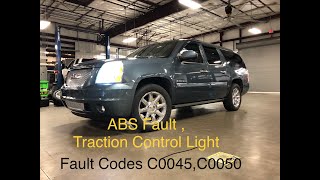
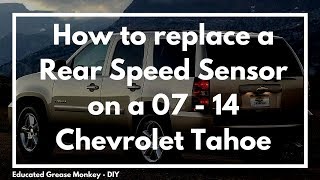
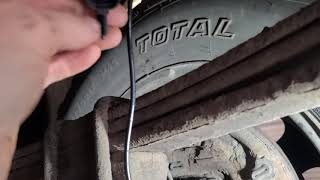
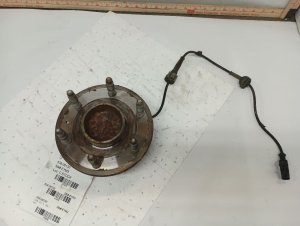
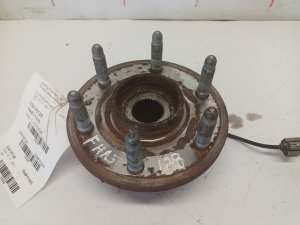
Used OEM Parts in Stock
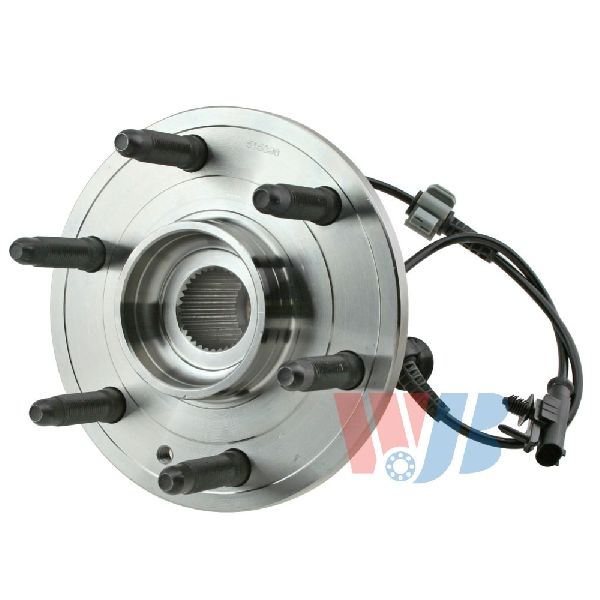
New Aftermarket Parts Available


The information in this article is provided for general reference and educational purposes only. Vehicle specifications, procedures, and part compatibility can vary by production date, trim level, and region. Always consult your vehicle's factory service manual and verify part numbers before purchasing or performing repairs. Safety-critical components such as airbags, seat belts, and braking systems should be installed by a qualified professional.
- Chevrolet Tahoe:
- 🧭 Diagnostic Flowchart
- 🎬 Helpful Videos
- 🛍️ Shop This Part
- What's Unique About the 2007-2014 Chevrolet Tahoe
- Symptoms You May Notice
- Most Likely Causes
- Rare But Worth Checking
- Diagnosis Steps
- Parts You'll Likely Need
- Related Codes That Often Appear With This One
- Technical Service Bulletins (TSBs) & Recalls
- Platform-Specific Known Issues
- Mechanic-Grade Diagnostic Values
- Hidden / Shadow Codes Worth Checking
- Scan Tool Commands That Help
- Wiring & Ground Locations
- Real Owner Repair Stories
- OEM Part Supersession History
- Model Year Variations Within This Range
- Used vs. New Parts: Buying Guide for This Vehicle
- Real Owner Stories
- 2014 Chevrolet Tahoe LTZ 5.3L
- 2010 Chevrolet Suburban
- 2007-2014 Chevrolet Tahoe/GMC Yukon
- Related OBD-II Codes
- Frequently Asked Questions
- 🎟️ Get 5% Off