

C0050 on 2011-2015 Kia Sorento: Right Rear Wheel Speed Sensor Circuit Fault Guide
Code C0050 on a 2011-2015 Kia Sorento almost always means the right rear wheel speed sensor has failed or its wiring is damaged. On 2WD models in coastal states, this is often due to water intrusion covered by a Kia service campaign (SC148). Expect to pay $25-$75 for an aftermarket sensor and about an hour of labor for a DIY or shop repair.
- C0050 means a problem with the right rear wheel speed sensor circuit
- Most likely cause is a failed sensor, followed by wiring damage.
- Disables ABS and ESC safety systems, requiring prompt repair.
- Check for water intrusion on 2WD models per Kia campaign SC148.
What's Unique About the 2011-2015 Kia Sorento
For the second-generation (XM) Sorento, particularly 2WD models originally sold or registered in coastal states, this code is strongly linked to a specific issue addressed by Kia Service Campaign SC148. Kia determined that significant exposure to seawater could allow water to enter the rear wheel speed sensor housing covers, causing corrosion and interrupting the sensor signal. The campaign involves dealers inspecting, cleaning, and applying silicone sealant to the sensor housing covers, or replacing them if specific water-intrusion-related DTCs (like C1207, C1208, C1209) are found. This makes checking for water intrusion a critical, platform-specific diagnostic step.
Symptoms You May Notice
- ABS warning light is on
- Traction Control or Electronic Stability Control (ESC) warning light is on
- ABS system does not activate during hard braking (wheels may lock up)
- Stability control system does not activate in a slide
- Brake pedal may feel different or pulsate incorrectly at low speeds (less common)
- Replacing the wheel hub/bearing assembly when only the inexpensive sensor or wiring is at fault.
- Replacing the sensor without checking for a damaged wire or connector first.
- Replacing the sensor when the actual fault is heavy rust or debris on the magnetic encoder ring, which could potentially be cleaned.
Most Likely Causes
- Failed Right Rear Wheel Speed Sensor 🔴 High Probability → Shop ABS Wheel Speed Sensor The sensor is exposed to road debris, water, and salt, leading to failure over time. Water intrusion is a known issue on 2WD models in certain states, as detailed in Kia's SC148 service campaign.
How to confirm: Use a scan tool with live data to observe the right rear wheel speed while driving. If it reads 0 MPH or is erratic while other wheels read correctly 🎬 Watch: How to diagnose and identify a faulty sensor, the sensor or its circuit is faulty. You can also test the sensor's internal resistance with a multimeter, though a failed sensor can sometimes still read within spec.
Typical fix: Replace the right rear wheel speed sensor. The sensor is typically held in by a single 10mm bolt and can be removed after disconnecting its electrical pigtail. 🎬 See this step-by-step rear wheel speed sensor replacement
Est. part cost: $25-$75 - Damaged Wiring or Connector 🟡 Medium Probability The wiring harness runs along the suspension and is vulnerable to damage from road debris, corrosion, or improper securing after previous repairs. The connector pins can also corrode, especially if water has intruded past the weather seal.
How to confirm: Visually inspect the entire length of the wiring from the sensor to its connection point in the wheel well. Pay close attention to the first 4-6 inches from the sensor. Check for frayed wires, melted insulation, or green/white corrosion on the connector pins. Perform a continuity or wiggle test on the harness.
Typical fix: Repair the damaged section of wire or replace the pigtail connector. Ensure the repair is sealed with heat-shrink tubing to prevent future moisture intrusion. 🎬 Watch: How to replace the rear ABS wiring cable
Est. part cost: $15-$40 - Damaged or Rusted Hub Encoder Ring ⚪ Low Probability The magnetic encoder ring (or tone ring) is integrated into the wheel hub/bearing assembly. Rust can cause the ring to swell, crack, or delaminate, which creates an inconsistent signal for the sensor to read.
How to confirm: After removing the wheel speed sensor, visually inspect the magnetic ring on the hub through the sensor's mounting hole using a flashlight. Rotate the hub slowly and look for cracks, missing segments, or heavy rust buildup that could interfere with the signal.
Typical fix: The entire wheel hub and bearing assembly must be replaced as the encoder ring is not serviced separately.
Est. part cost: $80-$200
Rare But Worth Checking
- Faulty ABS Control Module: → Shop ABS Control Module This is the least likely cause and the most expensive to fix. All other possibilities, including the sensor, wiring, and hub, should be exhaustively ruled out before considering replacing the ABS module. A faulty module will typically trigger multiple wheel speed sensor codes, not just one.
Diagnosis Steps
- Connect an OBD-II scanner capable of reading ABS codes to confirm C0050 is present. Note any sub-codes (e.g., C0050-00, C0050-5A) which can provide more specific details about the circuit fault.
- Access the live data stream on the scanner and monitor the speeds of all four wheels while driving in a straight line above 5-10 MPH. Confirm that the Right Rear (RR) wheel speed reads 0 MPH, is erratic, or does not match the other wheels.
- Safely raise and support the vehicle. Remove the right rear wheel.
- Visually inspect the wheel speed sensor and its wiring harness for any obvious signs of damage, such as cracks, fraying, or melting. Pay close attention to where the harness is clipped to the suspension.
- Disconnect the sensor and inspect the electrical connector for corrosion, moisture, or bent pins. If the vehicle is a 2WD model from a coastal state, check for signs of saltwater intrusion per TSB SC148.
- Remove the 10mm bolt holding the sensor in place and carefully twist it out. It may be seized with rust. Inspect the sensor for physical damage or heavy contamination.
- Look through the sensor mounting hole at the magnetic encoder ring on the wheel hub assembly. Use a flashlight and rotate the hub. Check for rust jacking, cracks, or metallic debris stuck to the ring.
- If no visual faults are found, the most probable cause is an internal failure of the sensor. Replacing the sensor is the next logical step.
- If a new sensor does not fix the issue, perform a continuity test on the wiring harness between the sensor connector and the main harness connection point, and ultimately to the ABS module if necessary.
- If the sensor and wiring are confirmed to be good, the issue is likely the wheel hub/bearing assembly's encoder ring, requiring replacement of the hub.
Parts You'll Likely Need
- Rear Wheel Speed Sensor
(OEM #52751-2B100)— This is the most common failure point for the C0050 code due to its exposed location and susceptibility to moisture.
Trusted brands: Genuine Kia/Hyundai, Mando (OEM supplier), Holstein, Beck/Arnley, NTK
OEM price range: $50-$120
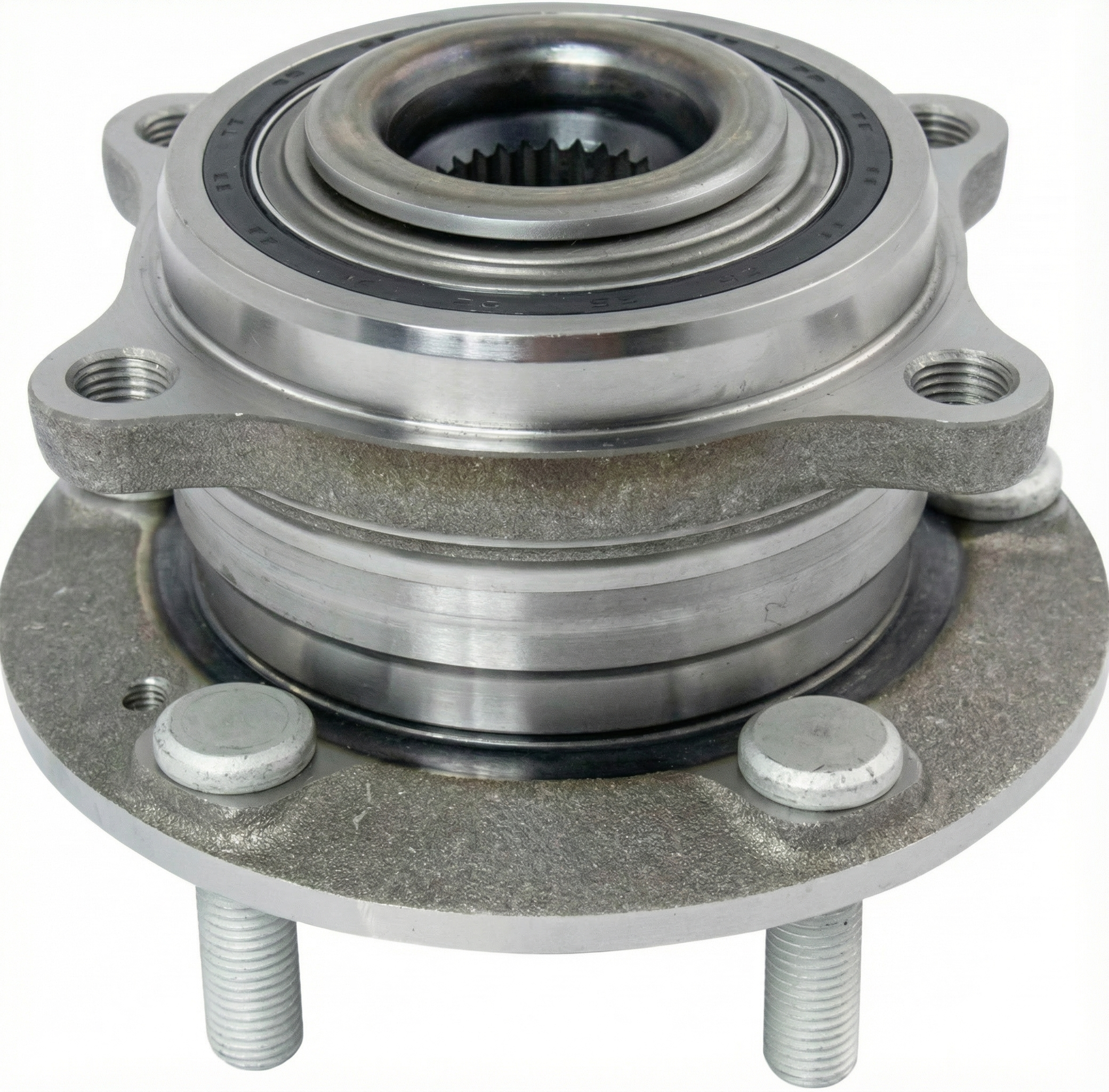
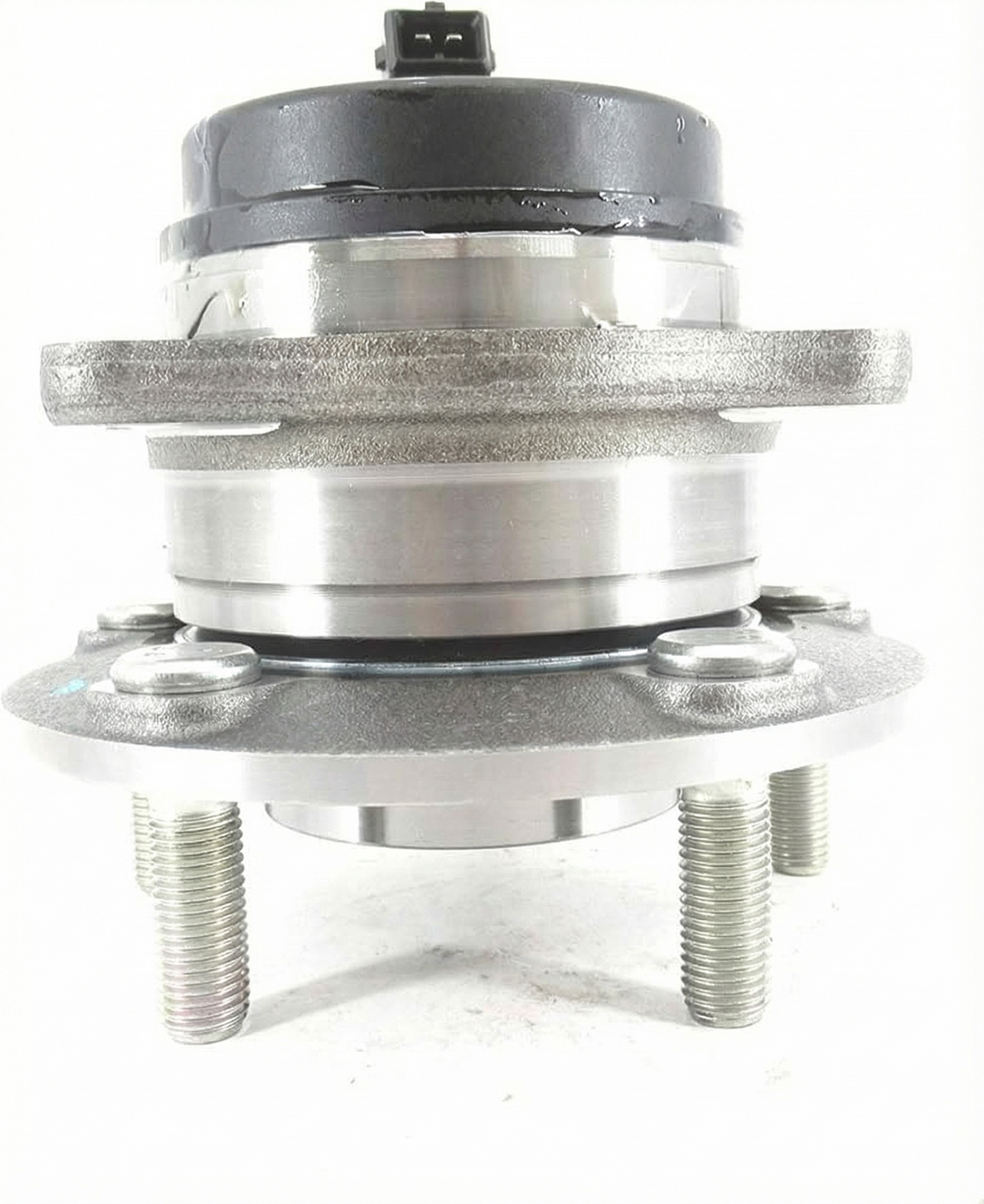
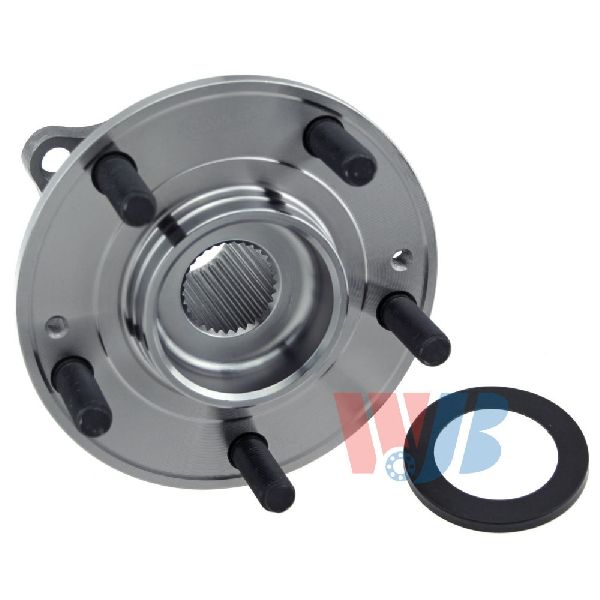
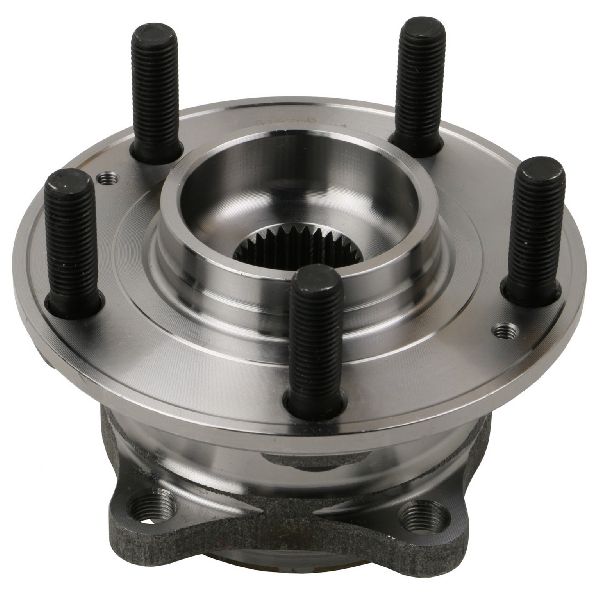
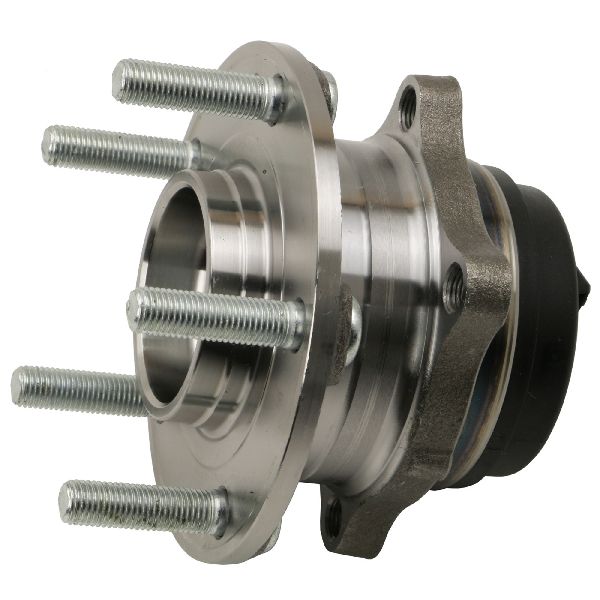
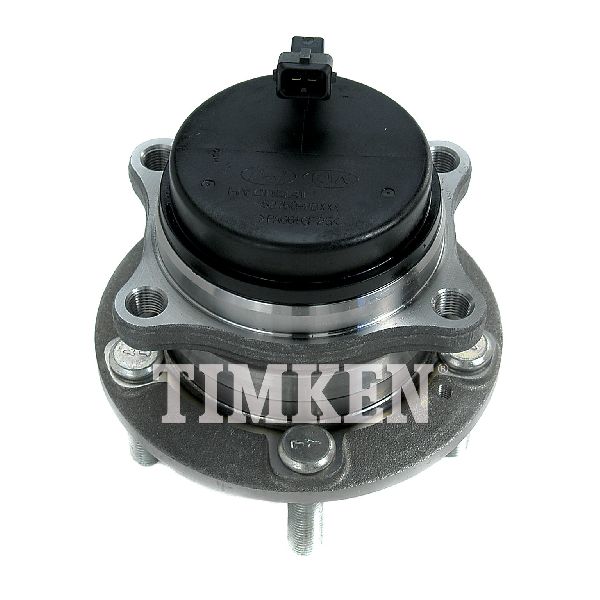
Aftermarket price range: $25-$75 - Rear Wheel Hub and Bearing Assembly
(OEM #52730-2B100 (FWD), 52730-3J000 (AWD))— Replaced if the integrated magnetic encoder ring is damaged, which is the second most likely hardware failure. Part numbers differ between Front-Wheel Drive and All-Wheel Drive models.
Trusted brands: Timken, SKF, MOOG, WJB, Detroit Axle
OEM price range: $200-$300
Aftermarket price range: $80-$200
Technical Service Bulletins (TSBs) & Recalls
- SC148 - Voluntary Service Campaign to inspect, clean, seal, or replace rear wheel speed sensor housing covers on certain 2011-2015 MY Sorento 2WD vehicles due to potential seawater intrusion.
Platform-Specific Known Issues
- Kia Service Campaign SC148 was issued for 2011-2015 Sorento 2WD models in coastal states (AL, FL, GA, HI, LA, MS, NC, SC, TX) due to water intrusion into the rear wheel speed sensor housing. The fix involves inspection and sealing the housing covers with silicone, or replacement if certain DTCs are present.
Documented NHTSA Reports
While C0050 is primarily a wheel speed sensor code on the Kia Sorento, cross-manufacturer records illustrate how this code can manifest in different ways. For instance, NHTSA ODI #11649367 describes a scenario where the vehicle disables ABS and supporting systems, setting codes C0050 and C2227, which a technician attributed to extra brake fluid required to return caliper piston contact to the brake pad after service. In another case, NHTSA ODI #11693418 reports that a diagnostic showed C0050-00 when the rotors, rear brake pads, and adapter plate required replacement. Furthermore, NHTSA ODI #11228687 notes C0050 appearing alongside several other codes including C0035 and C0040. It is also important to note that on some platforms, this code can have entirely different meanings; NHTSA ODI #10763888 describes C0050 as identifying a faulty power steering control module (PSCM) requiring the replacement of the entire steering column.
Mechanic-Grade Diagnostic Values
- Sensor Supply Voltage — expected: ~12V (Battery Voltage) at the harness-side connector with key on, engine off.. Failure: No voltage or significantly low voltage indicates a wiring or ABS module power supply issue.
- Sensor Internal Resistance — expected: There are conflicting reports from DIY sources. One owner measured ~640-660 Ohms on a 2011 Sorento AWD. Another video showed a correct reading of approximately 450-500 k-Ohms (500,000 Ohms). A reading far outside these ranges or showing an open loop (OL) indicates a failed sensor.. Failure: A reading of 0 Ohms (short circuit), OL (open circuit), or a value drastically different from the expected range. A known bad sensor was measured at 450 Ohms in one case.
Hidden / Shadow Codes Worth Checking
- C0050-00: General circuit malfunction. This often points to an open circuit, short to ground, or high resistance in the wiring harness. (see via Professional-level scan tool (like Kia GDS/KDS) that can read manufacturer-specific symptom bytes.)
- C0050-5A: Signal Plausibility Failure. The sensor signal is present but doesn't make sense compared to other wheel speeds. This strongly suggests a mechanical issue with the magnetic encoder ring on the hub (cracks, rust, debris) rather than a purely electrical fault. (see via Professional-level scan tool (like Kia GDS/KDS) that can read manufacturer-specific symptom bytes.)
- C0050-18: Low Signal Amplitude. The signal from the sensor is weak or erratic. This can be caused by an excessive air gap, metallic debris on the sensor tip, or a failing sensor. (see via Professional-level scan tool (like Kia GDS/KDS) that can read manufacturer-specific symptom bytes.)
Scan Tool Commands That Help
- Kia GDS (Global Diagnostic System) / KDS: Data Analysis (Live Data) — This is the primary function used to diagnose C0050. It allows a technician to view and graph the speed of all four wheels in real-time while driving. A faulty right rear sensor circuit will show a reading of 0, or a signal that is erratic or drops out compared to the other three wheels.
- Kia GDS (Global Diagnostic System) / KDS: DTC Analysis — Used to read the specific fault code, including any hidden symptom bytes (sub-codes), and to clear the code after the repair is complete to turn off the warning lights.
Wiring & Ground Locations
- Rear WSS Harness Connector — The wheel speed sensor harness runs from the sensor at the hub, is clipped along the rear suspension components, and passes through the body into the cabin. The main connector is typically located behind the interior trim panel in the rear passenger or cargo area.. Technicians must know that to test continuity to the main harness, removal of interior trim panels is required. The external portion of the harness is highly susceptible to damage from road debris and suspension movement, while the internal connector is a key test point.
Real Owner Repair Stories
- Mitchell1 SureTrack Community Fix (2014 Chevrolet Tahoe (Principle applies to Sorento)) — ABS light was on, code C0050 stored.
❌ Tried (didn't work) Visual inspection of wiring showed no faults.
✅ What actually fixed it Testing revealed no 12V supply at the sensor connector. Further testing showed no 12V output from the ABS control module's specific pin for that sensor. The fix required replacing and reprogramming the ABS control module. After replacement, the new sensor was also found to be faulty (producing an erratic signal on a lab scope). The final fix was replacing BOTH the ABS module and the right rear wheel speed sensor. - YouTube Repair Channel (GM vehicle) (Cadillac CTS (Principle applies to Sorento)) — ABS and Traction Control lights on, codes C0045 and C0050 for both rear sensors.
❌ Tried (didn't work) Assuming it was a bad sensor without inspecting the hub.
✅ What actually fixed it The technician noted that having both rear sensors fail simultaneously was unlikely. Upon inspection, the magnetic encoder ring integrated into the wheel hub assembly was found to be broken and worn. Replacing the entire wheel hub assembly (which included a new ring) resolved the codes for good. This is a common misdiagnosis where the sensor is blamed for a mechanical failure of the tone ring.
OEM Part Supersession History
52751-2B100→52751-B8100— Part has been updated or consolidated by the manufacturer.
Heads up: While the new part number is the official replacement, always verify fitment with the vehicle's VIN, especially around the 2014 model year refresh, as connector designs can sometimes change mid-generation.
Model Year Variations Within This Range
- 2014-2015: The 2014 model year marked a major refresh with a new chassis, re-engineered suspension, and new electrical systems. While the fundamental ABS design is similar, technicians should be aware that wiring harness connectors and sensor mounting could differ from the 2011-2013 models. Aftermarket parts are sometimes listed for '2011-2012' or '2013-2014' separately, indicating a running change. Always confirm part compatibility using the VIN.
Diagnostic Flowchart
Other Known Issues on This Vehicle
Issues unrelated to this code that are worth knowing about as an owner of this generation:
- Theta II Engine Failure 🔴 High — Widespread across 2.0L Turbo and 2.4L GDI engines, often occurring before 100,000 miles. Caused by manufacturing debris blocking oil passages, leading to bearing failure and engine seizure. (Ref: Multiple recalls (e.g., 17V-224, 20V-750) and a major class-action lawsuit settlement provide extended warranties and potential engine replacement.)
- Faulty Exterior Door Latches 🟠 Medium — Common on 2011 models, where the exterior door handle may fail to open the door, particularly after extended use. (Ref: Kia Customer Satisfaction Program CS1603 was issued to inspect, upgrade (with a spacer clip), or replace the front door latches and extend the warranty on the rear latches.)
- ABS Module Fire Risk 🔴 High → Shop ABS Control Module — Affects 2014-2015 models. Brake fluid can leak inside the Hydraulic Electronic Control Unit (HECU), causing an electrical short and potential engine compartment fire, even when the vehicle is parked. (Ref: NHTSA Recall 20V-519 and subsequent recalls were issued to inspect the module and replace it or a related fuse.)
- Peeling 'Snow White Pearl' Paint 🟡 Low — Common on models with the 'Snow White Pearl' paint code, where the paint can delaminate, bubble, or peel in large sheets, exposing the primer or bare metal.
Used vs. New Parts: Buying Guide for This Vehicle
When a used part is the smart pick: A used wheel hub/bearing assembly can be a cost-effective choice if the C0050 code is caused by a damaged encoder ring. This is only advisable if the donor vehicle has low mileage and comes from a dry, non-salt-belt climate to minimize the risk of bearing wear and rust damage to the encoder.
Donor-vehicle mileage cap: roughly under 60000 miles for the part to have meaningful remaining life.
What to inspect on the donor part:
- Visually inspect the magnetic encoder ring (the dark, rubberized ring on the hub face) for any cracks, chips, or signs of swelling/delamination from rust.
- Spin the hub by hand. It should be completely smooth with no grinding, roughness, or catching.
- Check for any side-to-side play in the bearing, which indicates wear.
- Ensure the ABS sensor mounting hole is clean and undamaged.
OEM-only on this vehicle (don't cheap out):
- ABS Control Module: Due to the need for VIN-specific programming and its critical safety function, a new OEM or professionally remanufactured and programmed unit is strongly recommended over a used one.
Aftermarket brands forum-validated for this vehicle:
- Timken, SKF, MOOG (For Wheel Hub Assemblies)
- Standard Motor Products (SMP), NTK, Walker (For Sensors and Connectors)
Brands owners have reported issues with on this vehicle:
- Be cautious with unbranded, generic sensors from online marketplaces. While often the cheapest, they have a higher reported failure rate and may not have the same signal precision as OEM or reputable aftermarket brands.
Real Owner Stories
Aggregated from forums and TSBs cited above. Mileages and costs reflect what owners reported in those sources.
2011-2015 Kia Sorento 2WD
Symptoms: Water intrusion into the rear wheel speed sensor housing causing sensor failure; specifically noted in coastal regions with potential seawater exposure.
What fixed it: Inspection, cleaning, and sealing the sensor housing covers with silicone, or replacement of the sensor as per Service Campaign SC148.
Source hint: SC148 - Voluntary Service Campaign to inspect, clean, seal, or replace rear wheel speed sensor housing covers
2014-2015 Kia Sorento
Symptoms: Potential for engine compartment fire even when parked due to brake fluid leaking into the Hydraulic Electronic Control Unit (HECU).
What fixed it: Inspection of the ABS module and replacement of the module or a related fuse.
Source hint: NHTSA Recall 20V-519
Related OBD-II Codes
Frequently Asked Questions
I live in a coastal state; is there a specific service campaign for my 2011-2015 Kia Sorento 2WD regarding the rear wheel speed sensors?
Can I just replace the magnetic encoder ring if it's rusted, or do I need a whole new hub?
Is there a risk of fire associated with the ABS system on my 2014 Sorento?
My ABS light is on, but I also have a 2.4L GDI engine; are these issues related?
What is the typical part cost for fixing a C0050 code on a Sorento?
Helpful Videos
Used OEM Parts in Stock
New Aftermarket Parts Available


The information in this article is provided for general reference and educational purposes only. Vehicle specifications, procedures, and part compatibility can vary by production date, trim level, and region. Always consult your vehicle's factory service manual and verify part numbers before purchasing or performing repairs. Safety-critical components such as airbags, seat belts, and braking systems should be installed by a qualified professional.
- Kia Sorento:
- 🧭 Diagnostic Flowchart
- 🎬 Helpful Videos
- 🛍️ Shop This Part
- What's Unique About the 2011-2015 Kia Sorento
- Symptoms You May Notice
- Most Likely Causes
- Rare But Worth Checking
- Diagnosis Steps
- Parts You'll Likely Need
- Technical Service Bulletins (TSBs) & Recalls
- Platform-Specific Known Issues
- Documented NHTSA Reports
- Mechanic-Grade Diagnostic Values
- Hidden / Shadow Codes Worth Checking
- Scan Tool Commands That Help
- Wiring & Ground Locations
- Real Owner Repair Stories
- OEM Part Supersession History
- Model Year Variations Within This Range
- Other Known Issues on This Vehicle
- Used vs. New Parts: Buying Guide for This Vehicle
- Real Owner Stories
- 2011-2015 Kia Sorento 2WD
- 2014-2015 Kia Sorento
- Related OBD-II Codes
- Frequently Asked Questions
- 🎟️ Get 5% Off