

C0050 on 2017-2022 Kia Sportage: Right Rear Wheel Speed Sensor Fault Causes and Fixes
Code C0050 on a 2017-2022 Kia Sportage means there's a problem with the right rear wheel speed sensor circuit. This disables the ABS and stability control systems. The most common fix is replacing the sensor itself, which costs about $40-$100 for the part and is a straightforward DIY job for many owners. Ensure you buy the correct part for your FWD or AWD model.
- C0050 means your 2017-2022 Sportage has a fault with the right rear wheel speed sensor, disabling ABS and stability control.
- The most common cause is a failed sensor, which is a relatively inexpensive and simple part to replace.
- Diagnosis with a scanner that can read live ABS data is the best way to confirm the fault before buying parts.
- Ensure you purchase the correct part number for your vehicle's FWD or AWD configuration.
- While drivable, the lack of safety systems means you should get the issue repaired promptly.
What's Unique About the 2017-2022 Kia Sportage
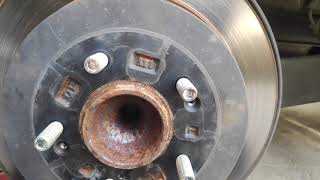
For the fourth-generation Kia Sportage (2017-2022), the C0050 code is a typical electronic fault. The wheel speed sensor reads a magnetic encoder ring integrated into the wheel hub bearing assembly. While the sensor itself is the most frequent point of failure, issues can also arise from debris on this magnetic ring or damage to the wiring harness, which is exposed to the elements near the wheel. The issue is also common on its platform-mate, the Hyundai Tucson.
Symptoms You May Notice
- ABS warning light is illuminated on the dashboard
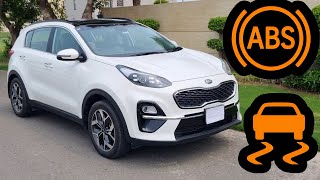
- Traction Control or Electronic Stability Control (ESC) warning light is on 🎬 Watch: Why your ABS and traction control lights are on.
- Cruise control may be disabled or not function
- ABS may not activate during hard braking, potentially causing wheels to lock up
- Forward Collision-Avoidance Assist (FCA) and other ADAS features may be disabled
- Replacing the wheel hub/bearing when only the sensor was bad.
- Replacing the sensor when the only issue was a dirty or damaged connector.
- Replacing the sensor when the actual fault was a broken wire further up the harness.
Most Likely Causes
- Failed Right Rear Wheel Speed Sensor 🔴 High Probability → Shop ABS Wheel Speed Sensor The sensor is an electronic component exposed to harsh conditions like water, salt, and road debris, which can cause internal failure over time. It is the most common point of failure for this code.
How to confirm: Use a scan tool with live data to observe the speed signal from the right rear sensor while driving or spinning the wheel. If the signal is zero, erratic, or doesn't match the other wheels, the sensor is the primary suspect. A definitive test involves using an oscilloscope to check for a clean square wave signal from the sensor's signal wire.
Typical fix: Replace the right rear wheel speed sensor. It is typically held in by a single 10mm bolt and has an electrical connector further up the chassis. 🎬 See this walkthrough for replacing the rear ABS sensor.
Est. part cost: $40-$110 - Damaged Wiring or Connector 🟡 Medium Probability The wiring harness runs down the suspension to the wheel hub and can be damaged by road debris, improper jacking, animal chews, or corrosion in the connector pins. Suspension movement can also cause wires to chafe or break internally over time.
How to confirm: Visually inspect the entire length of the wiring harness from the sensor to its connection point on the chassis. Look for frayed wires, melted insulation, or green/white corrosion on the connector pins. Perform a continuity and short-to-ground test on the wires if no visual damage is found.
Typical fix: Repair the damaged section of wire with solder and heat-shrink tubing or replace the pigtail connector. In some cases, the entire sensor and harness assembly is replaced as one unit.
Est. part cost: $15-$50 - Debris on or Damage to the Magnetic Encoder Ring ⚪ Low Probability Metallic debris from brake wear or the road can stick to the magnetic ring on the wheel hub, disrupting the sensor's reading. This is a common principle of operation for this type of ABS technology.
How to confirm: Remove the wheel speed sensor and visually inspect the magnetic encoder ring on the wheel hub assembly through the sensor mounting hole. Look for caked-on brake dust, metallic shavings, or cracks in the ring. A borescope can be helpful for a clearer view.
Typical fix: Carefully clean the magnetic encoder ring with a brake cleaner and a soft brush or compressed air. If the ring is cracked or damaged, the entire wheel hub and bearing assembly must be replaced as the ring is integrated.
Est. part cost: $0 for cleaning, $150-$250 for a new hub assembly
Rare But Worth Checking
- Faulty ABS Control Module (HECU): → Shop ABS Control Module This is very rare for a single-wheel fault. Before condemning the module, all other possibilities (sensor, wiring, hub) must be exhaustively ruled out. A faulty module will typically have multiple other error codes present or show no communication with a scan tool.
Diagnosis Steps
- Connect an OBD-II scanner capable of reading ABS/Chassis codes to confirm C0050 is the active fault. Check for any sub-codes like C0050-5A (plausibility) which can provide more clues.
- Access the live data stream for the ABS module. Observe the wheel speed readings from all four wheels while driving slowly in a straight line or with the vehicle raised and wheels spinning by hand.
- Confirm that the Right Rear (RR) wheel speed sensor reading is absent (0 mph), erratic, or does not match the other sensors.
- Raise and safely support the rear of the vehicle. Remove the right rear wheel.
- Visually inspect the wheel speed sensor and its wiring harness for any obvious damage, such as cracks, fraying, or melting. Check that the harness is properly secured in its clips.
- Disconnect the sensor and inspect the electrical connector for corrosion, moisture, or bent pins. Apply dielectric grease upon reassembly.
- Remove the sensor (typically one 10mm bolt) and inspect the magnetic encoder ring on the wheel hub for metallic debris or physical damage. Clean as necessary.
- With the ignition on, use a multimeter to test the harness connector (vehicle side). For this active sensor, you should find a power wire (often 5V or 12V) and a ground wire (check for continuity to chassis ground).
- The definitive test: Using an oscilloscope or a graphing scan tool, back-probe the signal wire at the sensor connector. Spin the wheel by hand. A good sensor will produce a clean, repeating square wave that increases in frequency as the wheel spins faster. No signal or a messy signal indicates a bad sensor.
- If the sensor produces a good signal but the code persists, the problem lies in the wiring between the sensor and the ABS module or, very rarely, the module itself.
Parts You'll Likely Need
- Right Rear Wheel Speed Sensor
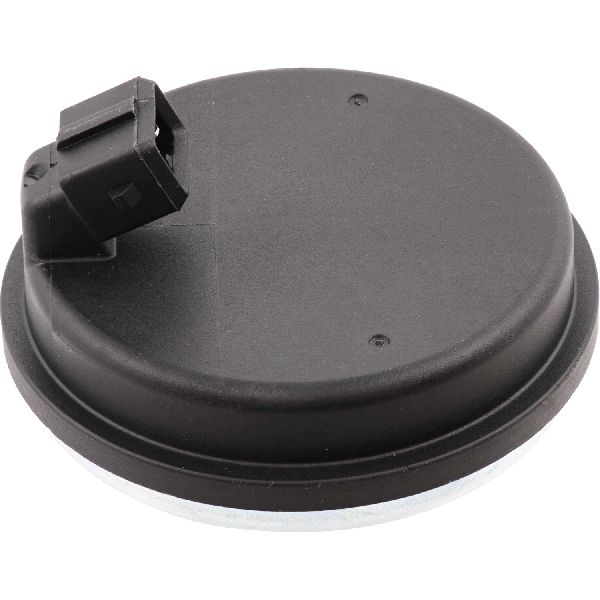
(OEM #95681-D9000 (FWD) or 95681-F1300 (AWD))— This is the most common failure point for the C0050 code. It is critical to verify the correct part number for the vehicle's drivetrain (FWD vs. AWD) using the VIN, as they are different.
Trusted brands: Kia (Genuine OEM), Mando, Standard Motor Products (SMP), Holstein, NTK
OEM price range: $80-$120
Aftermarket price range: $40-$75 - Rear Wheel Hub and Bearing Assembly
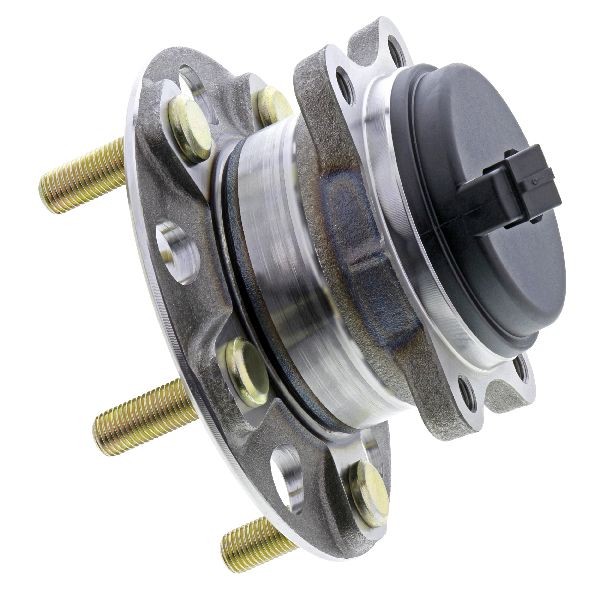
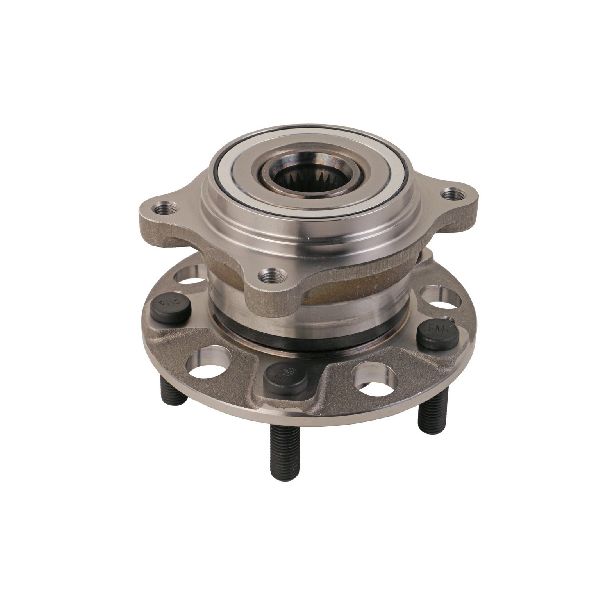
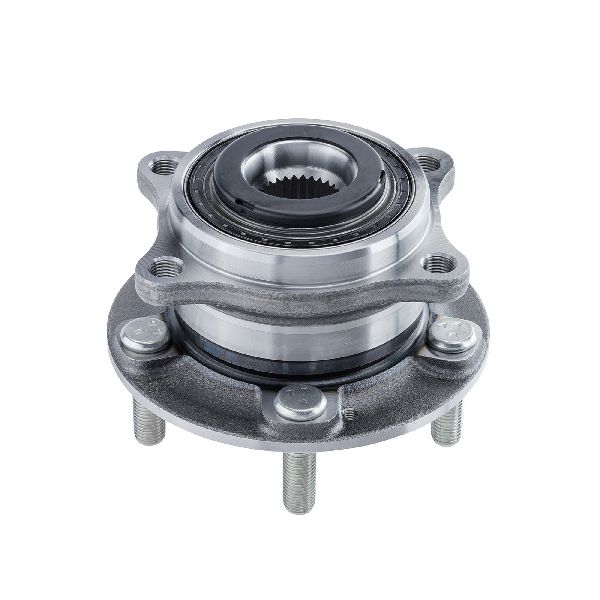
(OEM #52730-D9100 (FWD) or 52730-F1000 (AWD) - VIN verification is essential)— Needed only if the magnetic encoder ring, which is integrated into the hub, is found to be cracked or damaged, or if the wheel bearing itself has failed causing excessive play.
Trusted brands: Kia (Genuine OEM), Timken, SKF, MOOG
OEM price range: $200-$300
Aftermarket price range: $120-$200
Platform-Specific Known Issues
- Recall 21V-137 (NHTSA ID): While not directly causing code C0050, a recall was issued for 2017-2021 Sportage models for a fire risk related to a possible electrical short in the Hydraulic Electronic Control Unit (HECU) 🎬 Watch: Top causes for Sportage ABS lights and fuse locations., which is part of the ABS. It's critical to ensure this recall has been performed on your vehicle.
Mechanic-Grade Diagnostic Values
- Active Wheel Speed Sensor Harness Voltage — expected: One pin should show battery voltage (approx. 12V) or a reference voltage (approx. 5V), and another should show good continuity to ground (<1 Ohm).. Failure: No voltage or a lack of a solid ground connection points to a wiring issue upstream of the sensor connector.
- Active Wheel Speed Sensor Signal (Oscilloscope) — expected: A clean, repeating square wave that toggles between low (near 0V) and high (5V or 12V) as the wheel is spun. The frequency of the wave should increase with wheel speed.. Failure: A flat line (no signal), a noisy/messy waveform, or intermittent dropouts indicate a faulty sensor or a problem with the magnetic encoder ring.
Hidden / Shadow Codes Worth Checking
- C0050-5A: Indicates a 'not plausible' signal. The ABS module compares all four wheel speeds, and this code sets when the right rear signal is illogical compared to the others (e.g., reading 5 MPH when others read 50 MPH). This often points to a mechanically-induced issue like a damaged magnetic ring or excessive wheel bearing play, rather than a simple electrical open/short. (see via Professional scan tools like the Kia GDS or advanced OBD-II scanners (Autel, Launch) with ABS system capabilities.)
- C0050-18: Indicates 'low signal amplitude,' meaning the signal from the sensor is weak or erratic. This can be caused by an increased air gap between the sensor and ring, metallic debris on the magnetic ring, or an internally failing sensor. (see via Professional scan tools with manufacturer-specific code reading capabilities.)
- C121181: This is a more specific Hyundai/Kia code for 'RR wheel speed sensor - invalid/no signal' and is often the underlying manufacturer code that triggers the generic C0050. (see via Advanced OBD-II scanner with ABS/Chassis system capabilities.)
Scan Tool Commands That Help
- Kia GDS, Autel, Launch, or similar: Live Data Graphing — This is the primary diagnostic step. Graphing all four wheel speed sensors simultaneously while driving allows you to instantly see if the right rear sensor is dropping out, reading zero, or providing an erratic signal compared to the other three wheels.
- Kia GDS or equivalent bidirectional scanner: Automated Bleed Procedure — This is not for diagnosing C0050, but it is mandatory if the ABS Hydraulic Unit (HECU) is replaced for any reason. The procedure cycles the internal pump and valves to purge trapped air from the new unit, which cannot be done with a manual bleed.
Wiring & Ground Locations
- ABS Control Module (HECU) — In the engine bay, located under the hood near the rear or side of the engine compartment, close to the firewall. It is a metal block with multiple brake lines and a large electrical connector attached. On the 2021 petrol model, it is behind the air filter box.. This is the destination for the wheel speed sensor signal. If the sensor and wiring test good, the fault could be in the connector at this module or, rarely, the module itself.
- Sensor-to-Harness Connector — In the right rear wheel well. The sensor wire runs from the hub and connects to the main vehicle harness a short distance up the chassis/suspension arm.. This connector is a common point for corrosion or damage due to its exposed location. It's the first place to check for electrical issues and to perform voltage/signal tests.
- Engine Compartment Fuse Box — Located under the hood, near the battery.. This box contains the main fuses and relays for the ABS system (often labeled 'ABS' or 'ESC'). A blown fuse here would typically cause a loss of communication with the module or multiple wheel sensor codes, not just C0050 alone.
Real Owner Repair Stories
- YouTube video by 'Reparando con Isma' (2018 Kia Sportage) — ABS warning light on.
✅ What actually fixed it The right rear wheel speed sensor was replaced. The video highlights that the sensor is a press-in 'cap' style that fits into the hub assembly. The technician notes the importance of marking the orientation before removal and demonstrates a method of pressing the new sensor in carefully using the hub assembly itself as a press. - YouTube video by 'Car & Man' (2016 Kia Sportage (same generation)) — ABS, traction control, and other 'Christmas tree' lights on the dash.
✅ What actually fixed it The owner replaced both the right rear ABS sensor cable and the separate magnetic hub sensor ring it reads. The video shows that to access the sensor's electrical connector, the rear seat bottom cushion must be removed.
Model Year Variations Within This Range
- 2020-2022: The Kia Sportage received a mid-cycle refresh for the 2020 model year, which included revised front and rear bumpers, new wheel designs, and an updated interior with a standard 8-inch touchscreen. However, the core ABS system, sensors, and underlying mechanicals related to code C0050 remained unchanged from the 2017-2019 models.
Diagnostic Flowchart
Other Known Issues on This Vehicle
Issues unrelated to this code that are worth knowing about as an owner of this generation:
- Theta II GDI Engine Failure / Excessive Oil Consumption 🔴 High — Widespread issue affecting 2.0L and 2.4L GDI engines, particularly in 2017-2019 models. Can lead to catastrophic engine failure at various mileages. (Ref: Subject of multiple recalls (e.g., 18V907000), a Knock Sensor Detection System (KSDS) software update campaign, and a major class-action settlement extending the engine warranty for original and subsequent owners.)
- HECU Electrical Short Fire Risk 🔴 High — Affects 2017-2021 models. An electrical short can occur in the Hydraulic Electronic Control Unit (HECU), potentially causing an engine compartment fire even when the vehicle is parked and off. (Ref: NHTSA Recall 21V-137. The fix involves replacing fuses in the junction box.)
- A/C Compressor or System Failure 🟠 Medium — Owners report intermittent or total loss of air conditioning. Causes range from refrigerant leaks to faulty pressure switches or complete compressor failure, sometimes at low mileage.
- Faulty Power Door Lock Actuators 🟡 Low — Some owners of earlier models in this generation (approx. 2017-2019) report premature failure of door lock actuators, causing doors to fail to lock or unlock electronically.
- Tow Hitch Harness Fire Risk 🔴 High — Affects vehicles with a factory-installed or dealer-accessory tow hitch wiring harness. Debris and moisture can cause an electrical short in the harness module, leading to a fire risk. (Ref: NHTSA Recall SC249 (22V703000).)
Used vs. New Parts: Buying Guide for This Vehicle
When a used part is the smart pick: A used wheel speed sensor from a reputable salvage yard is a reasonable choice for this repair. It is a simple electronic component, and a used OEM part is often more reliable than a new, low-quality aftermarket alternative. It's a good way to save money, especially if you are unsure if the sensor is the root cause.
Donor-vehicle mileage cap: roughly under 60000 miles for the part to have meaningful remaining life.
What to inspect on the donor part:
- Verify the donor vehicle's mileage is reasonably low.
- Inspect the part for any physical damage, cracks, or signs of extreme heat.
- Check the electrical connector pins for any corrosion, moisture, or damage.
- Ensure the wiring pigtail is intact with no cuts or frayed insulation.
OEM-only on this vehicle (don't cheap out):
- ABS Control Module (HECU): If the module itself is diagnosed as faulty, it is critical to use a new or professionally remanufactured OEM unit. These modules require VIN-specific programming ('Variant Coding') to function correctly with the vehicle's features, and a used module may not be programmable or could carry the same internal defect (e.g., fire risk).
Aftermarket brands forum-validated for this vehicle:
- Mando (often the Original Equipment Manufacturer for Hyundai/Kia)
- Standard Motor Products (SMP)
- NTK
- Delphi
Brands owners have reported issues with on this vehicle:
- Avoid unbranded, 'white-box' parts from online marketplaces. While extremely cheap, they have a high rate of premature failure and may not produce an accurate signal, leading to the code returning quickly.
Documented NHTSA Reports
While C0050 is a specific wheel speed sensor fault on Kia vehicles, cross-manufacturer records provide insight into how this code behaves across different platforms. For instance, NHTSA ODI #11649367 describes a scenario where the vehicle disables ABS and supporting systems after setting codes C0050 and C2227, noting that extra brake fluid required to return caliper piston contact after service may be a factor. Another report, NHTSA ODI #11693418, mentions C0050-00 appearing alongside the need to replace rotors, rear brake pads, and adapter plates.
In some cases, C0050 can appear with a cluster of other communication and chassis codes. NHTSA ODI #11228687 notes C0050 appearing with C0035, C0040, and several "U" communication codes. Furthermore, it is important to ensure the diagnostic is accurate for your specific make; for example, NHTSA ODI #10763888 describes a case where a dealership identified C0050 as a faulty power steering control module (PSCM) on a different manufacturer's vehicle, requiring a steering column replacement.
Real Owner Stories
Aggregated from forums and TSBs cited above. Mileages and costs reflect what owners reported in those sources.
2017 Kia Sportage
Symptoms: ABS and Traction Control lights illuminated on the dashboard.
What fixed it: Replacing the right rear wheel speed sensor.
Source hint: https://www.kia-forums.com/threads/abs-and-traction-control-lights-on.352723/
2022 Kia Sportage
Symptoms: Various electronic gremlins and troubleshooting of modern electronic component failures.
What fixed it: Diagnostic troubleshooting of electronic components.
Source hint: https://www.kia-forums.com/threads/failures-troubleshooting-sportage-v-my2022.352935/
2017-2021 Hyundai Tucson (Platform Mate)
Symptoms: A cascade of warning lights including ABS and AEB (Autonomous Emergency Braking).
What fixed it: Replacement of the wheel speed sensor after observing erratic live data.
Source hint: r/HyundaiTucson
Related OBD-II Codes
Frequently Asked Questions
Is there a recall for my 2017-2021 Kia Sportage that could be related to the ABS system failing?
Can I just clean the sensor, or do I need to spend $40-$110 on a new one?
Why did my cruise control and Forward Collision-Avoidance Assist (FCA) stop working at the same time as the ABS light?
Is this C0050 code common on other similar vehicles?
My Sportage has a factory tow hitch; could that be causing my ABS electrical issues?
Helpful Videos
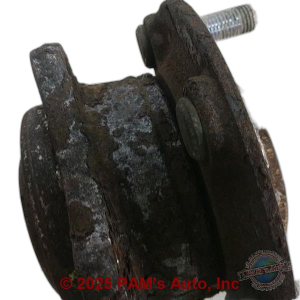
Used OEM Parts in Stock
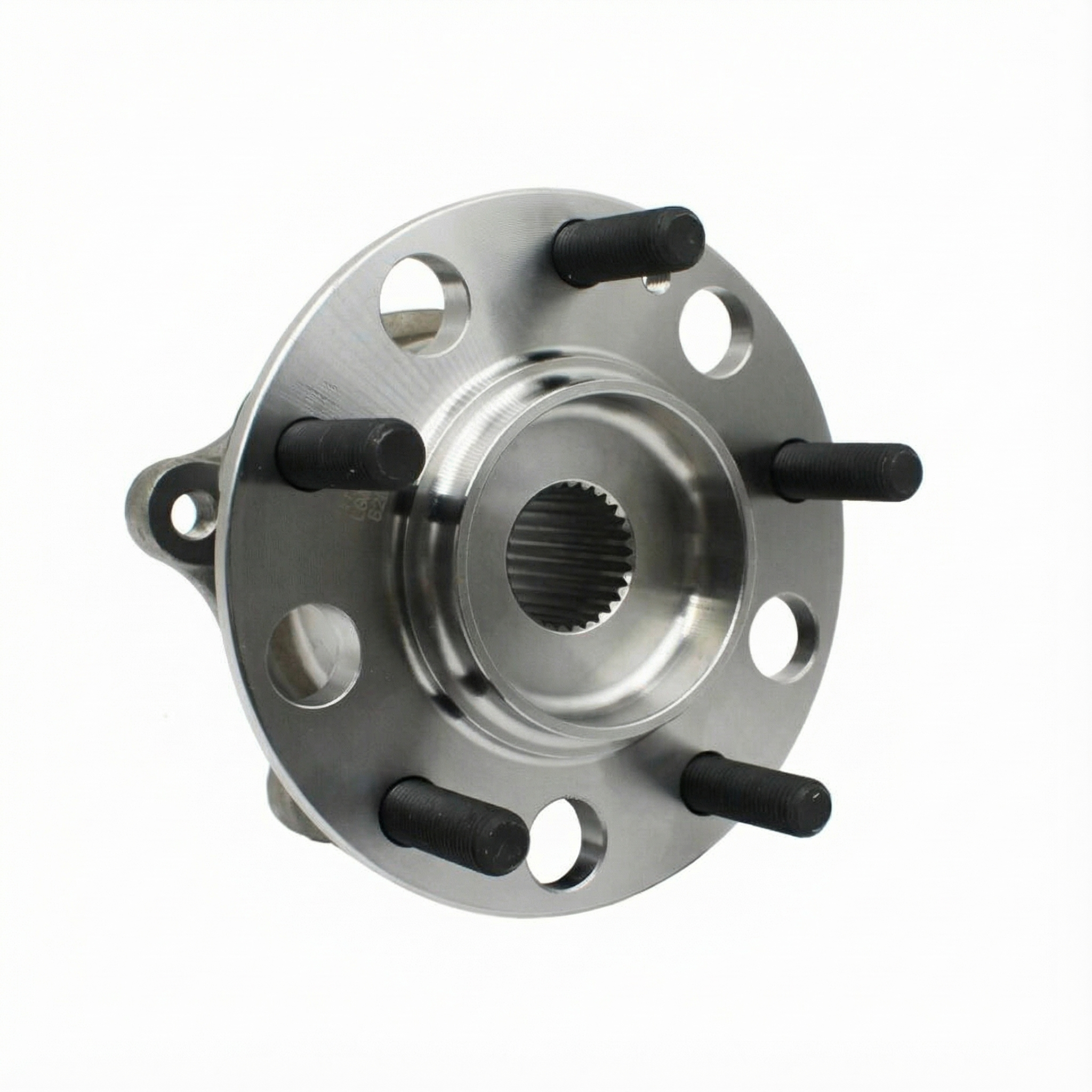
New Aftermarket Parts Available

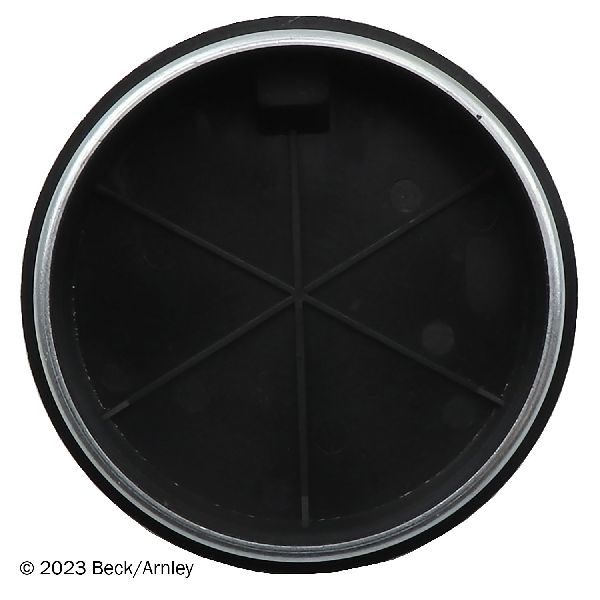

The information in this article is provided for general reference and educational purposes only. Vehicle specifications, procedures, and part compatibility can vary by production date, trim level, and region. Always consult your vehicle's factory service manual and verify part numbers before purchasing or performing repairs. Safety-critical components such as airbags, seat belts, and braking systems should be installed by a qualified professional.
- Kia Sportage:
- 🧭 Diagnostic Flowchart
- 🎬 Helpful Videos
- 🛍️ Shop This Part
- What's Unique About the 2017-2022 Kia Sportage
- Symptoms You May Notice
- Most Likely Causes
- Rare But Worth Checking
- Diagnosis Steps
- Parts You'll Likely Need
- Platform-Specific Known Issues
- Mechanic-Grade Diagnostic Values
- Hidden / Shadow Codes Worth Checking
- Scan Tool Commands That Help
- Wiring & Ground Locations
- Real Owner Repair Stories
- Model Year Variations Within This Range
- Other Known Issues on This Vehicle
- Used vs. New Parts: Buying Guide for This Vehicle
- Documented NHTSA Reports
- Real Owner Stories
- 2017 Kia Sportage
- 2022 Kia Sportage
- 2017-2021 Hyundai Tucson (Platform Mate)
- Related OBD-II Codes
- Frequently Asked Questions
- 🎟️ Get 5% Off