

C0050 on 2005-2010 Pontiac G6: Right Rear Wheel Speed Sensor Circuit Causes and Fixes
Code C0050 on a Pontiac G6 means there's a fault with the right rear wheel speed sensor circuit. This usually triggers the ABS and Traction Control lights. The most common cause is ferrous metallic debris accumulating on the magnetic encoder ring on the wheel hub. Cleaning this ring is the first step. If the ring is damaged or the sensor has failed, the entire wheel hub assembly often needs replacement, as the ring is integrated.
- Code C0050 on your G6 disables your ABS and StabiliTrak systems, so address it promptly.
- Before buying any parts, ALWAYS inspect and clean the magnetic ring on the back of the right rear wheel hub; metallic debris is the most common cause.
- If the magnetic ring is physically cracked or has chunks missing, you must replace the entire wheel hub and bearing assembly.
- If the ring is clean and intact, inspect the wiring harness for damage, especially near the connector, before assuming the sensor itself has failed.
What's Unique About the 2005-2010 Pontiac G6
On the Pontiac G6 and similar GM Epsilon platforms, the C0050 code is very frequently caused by an issue with the magnetic encoder ring that is integrated into the wheel hub/bearing assembly, rather than just a simple sensor failure. A widely circulated GM Technical Service Bulletin, PIC5428G, points to ferrous metallic debris accumulating on this magnetic ring, which disrupts the sensor's reading. This makes a visual inspection and cleaning of the hub a critical first diagnostic step before replacing any parts.
Symptoms You May Notice
- ABS warning light is on
- Traction Control or StabiliTrak warning light is on
- "Service Brake Assist," "Service StabiliTrak," or similar messages on the Driver Information Center (DIC)
- ABS and Traction Control systems are inoperative
- Intermittent grinding or ABS pump motor noises at low speeds as the system incorrectly tries to activate.
- Replacing the wheel speed sensor when the actual fault is a damaged or dirty magnetic ring on the wheel hub assembly. This is a common mistake that leads to the code returning immediately, as the root cause (the ring) was not addressed.
- Replacing the wheel hub assembly when the actual fault is a simple break in the wiring harness or a corroded connector pigtail.
Most Likely Causes
- Debris on Magnetic Encoder Ring 🔴 High Probability The design of the hub assembly allows ferrous metallic debris (brake dust, road grime) to stick to the magnetic ring, disrupting the sensor's signal. This is a well-documented issue across many GM vehicles of this period, as detailed in TSB PIC5428G.
How to confirm: Remove the right rear wheel speed sensor. Use a flashlight to visually inspect the magnetic ring on the inboard side of the hub for any metallic shavings or buildup. A scan tool may show an erratic signal (symptom byte 0F) or low signal amplitude (symptom byte 18).
Typical fix: Clean the magnetic encoder ring thoroughly with a non-metallic brush and brake cleaner, taking care not to damage the bearing seal. Clear the codes and test drive. This often resolves the issue without replacing parts.
Est. part cost: $0 - Damaged Wheel Hub / Bearing Assembly 🔴 High Probability → Shop Hub Assembly The magnetic encoder ring integrated into the hub can become brittle over time, cracking or flaking apart. This causes a permanent signal loss or a highly erratic signal that cleaning cannot fix. This is a common failure point discussed in owner forums.
How to confirm: Visually inspect the magnetic ring for cracks, missing sections, or physical damage. If the ring is damaged, the hub must be replaced. A scan tool will show an erratic or missing signal from the right rear wheel while others read correctly. Symptom byte 5A (Signal Plausibility Failure) can also point to a damaged ring.
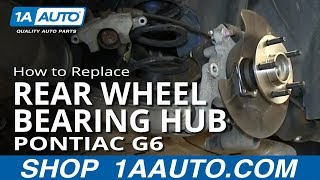
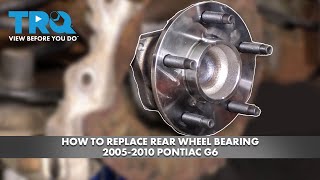
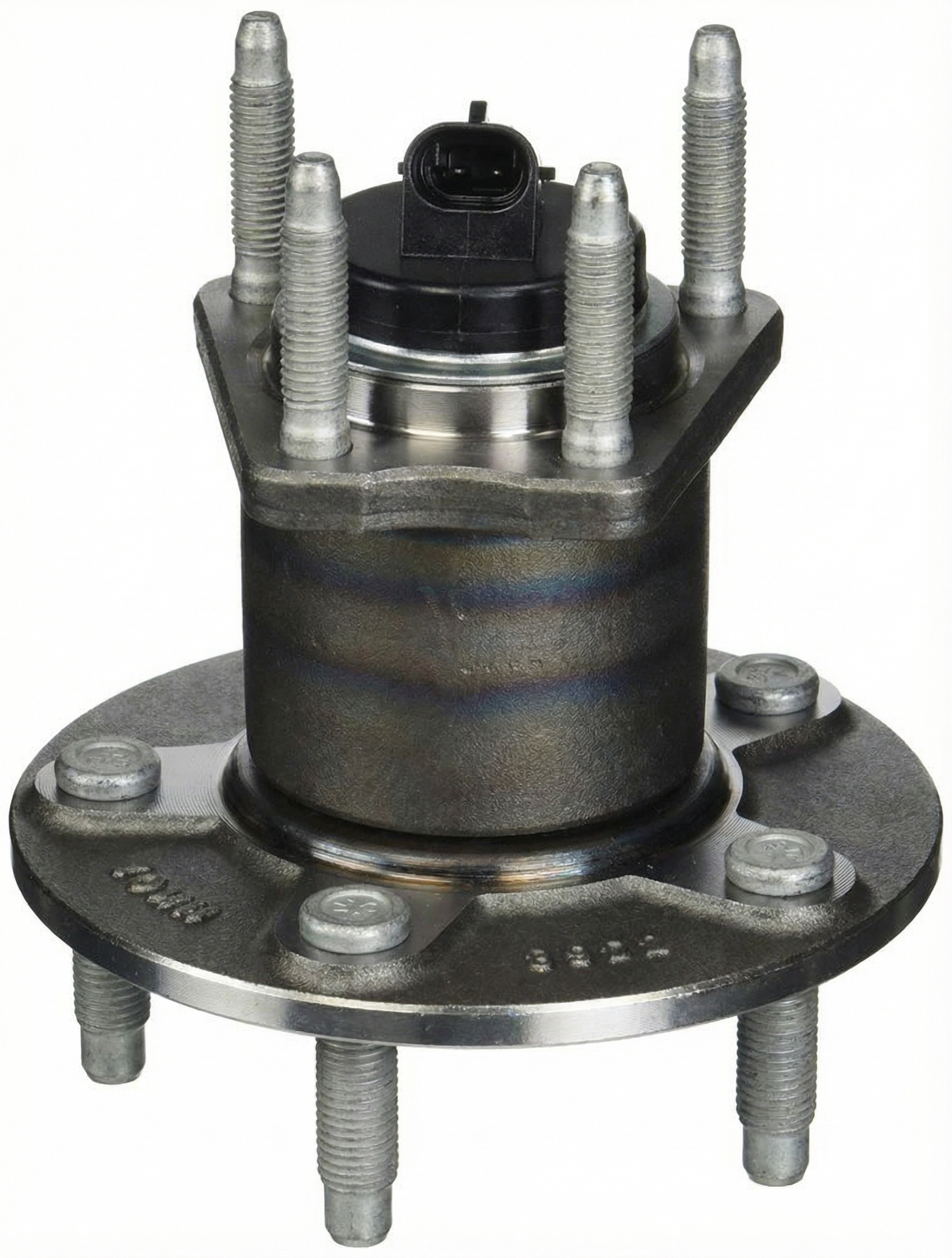
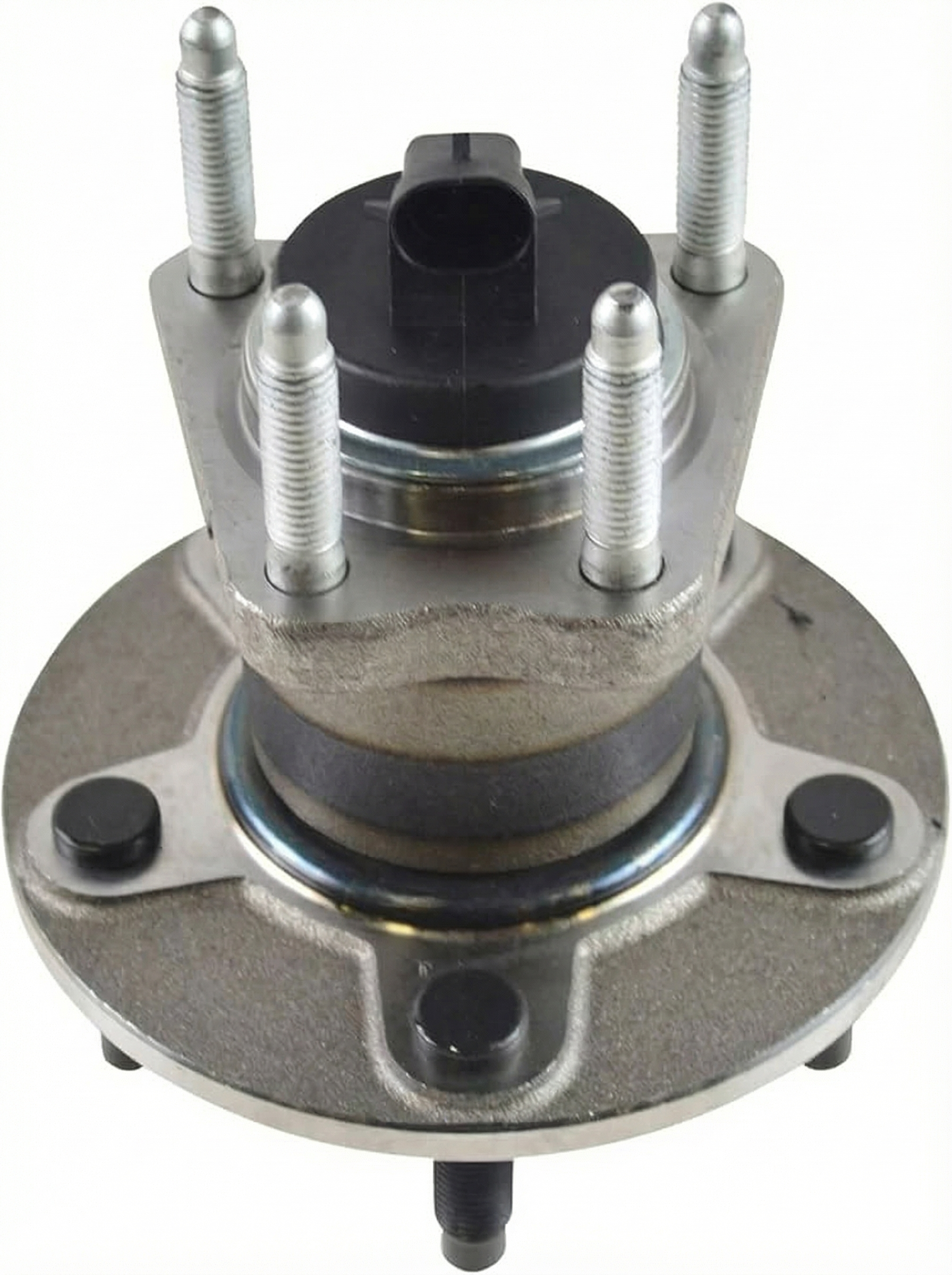
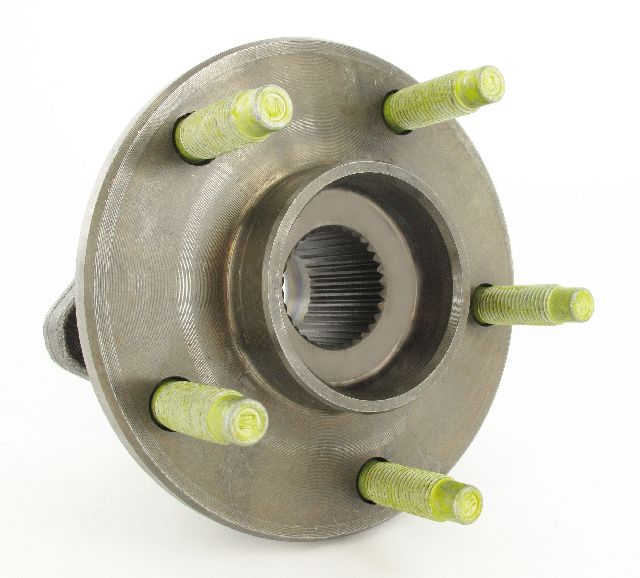
Typical fix: Replace the entire right rear wheel hub and bearing assembly. The sensor and magnetic ring are typically included with the new hub. An ACDelco replacement is part number FW301 🎬 Watch: Step-by-step guide to replacing the rear wheel hub assembly. (GM 25832364).
Est. part cost: $80-$200 - Damaged Wiring Harness or Connector 🟡 Medium Probability The wiring harness runs through the wheel well and is susceptible to damage from road debris, corrosion, or stress from suspension movement. Wires often break right at the connector where they are most exposed. Water intrusion into the connector is also a known issue.
How to confirm: Visually inspect the wiring from the sensor to where it enters the main body harness. Look for chafed wires, corrosion in the connector pins, or broken wires. Perform a continuity and resistance test on the signal and power wires between the EBCM and the sensor connector. 🎬 Watch: How to diagnose ABS sensor circuit codes C0050 and C0045.
Typical fix: Repair the broken wire(s) or replace the pigtail connector. While the Dorman 970-040 is a common pigtail for many GM vehicles, its fitment for the G6 rear is not explicitly confirmed. The safer repair is replacing the entire rear ABS harness (GM Part #22723717) if the damage is extensive.
Est. part cost: $20-$60 for a pigtail, $100+ for a harness - Failed Right Rear Wheel Speed Sensor 🟡 Medium Probability → Shop ABS Wheel Speed Sensor The sensor is exposed to harsh conditions in the wheel well, leading to internal failure over time. However, it's less common than hub or wiring issues.
How to confirm: After confirming the wiring and magnetic ring are good, test the sensor itself. A multimeter can be used to check for resistance (if specs are known) or a scan tool can monitor its live data output. Swapping the sensor with the left side (if compatible) and seeing if the code changes to C0045 is another diagnostic trick. A sensor may also fail only when hot; this can be tested by carefully using a heat gun on the sensor while monitoring its signal.
Typical fix: Replace the right rear wheel speed sensor. On many G6 models, the sensor is sold as part of the hub assembly, but can sometimes be purchased separately. Check with parts suppliers like AutoZone or Advance Auto Parts.
Est. part cost: $25-$75
Rare But Worth Checking
- Faulty Electronic Brake Control Module (EBCM): → Shop ABS Control Module This is rare. Before condemning the EBCM, all other possibilities (sensor, hub, wiring) must be exhaustively ruled out. An EBCM failure will typically set other codes as well. A confirmed failure mode is the module failing to provide the 12V supply to the sensor, which can be verified by back-probing the EBCM connector. Replacement requires programming to the vehicle.
Diagnosis Steps
- Connect an ABS-capable scan tool and confirm C0050 is the active code. Note any symptom bytes (e.g., 00, 0F, 18, 5A) as they can help pinpoint the issue.
- Use the scan tool to monitor live data from all four wheel speed sensors while driving in a straight line. Confirm that the Right Rear sensor reads 0 mph or has an erratic/inconsistent reading compared to the other three.
- Raise and secure the rear of the vehicle. Visually inspect the wheel speed sensor wiring harness for any obvious signs of damage, chafing, or corrosion, paying close attention to the area near the connector and where it's secured to the chassis.
- Unbolt and remove the right rear wheel speed sensor (typically a single 10mm bolt).
- Shine a light into the sensor mounting hole and slowly rotate the wheel hub. Carefully inspect the brown magnetic encoder ring on the hub for any attached metallic debris or physical damage like cracks or missing chunks.
- If debris is present, clean it off thoroughly with a non-metallic brush and brake cleaner, being careful not to damage the seal. Reinstall the sensor, clear the codes, and test drive to see if the fault returns.
- If the ring is clean but damaged (cracked, missing pieces), the entire wheel hub assembly must be replaced.
- If the ring is clean and undamaged, proceed to test the circuit. Disconnect the sensor and EBCM connectors. Check for continuity, shorts to ground, and shorts to power on the signal and reference voltage wires between the two connectors. Check for corrosion inside the connector plugs. Refer to specific diagnostic values for pin numbers and expected readings.
- If the wiring and hub are confirmed to be good, the wheel speed sensor itself is the most likely culprit and should be replaced.
Parts You'll Likely Need
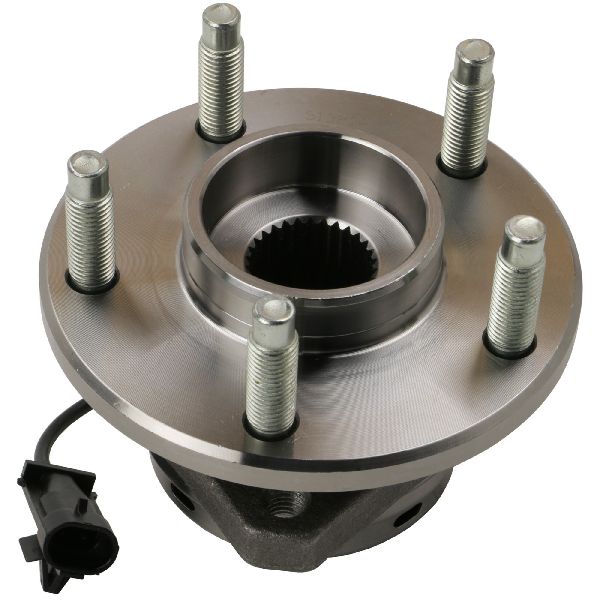
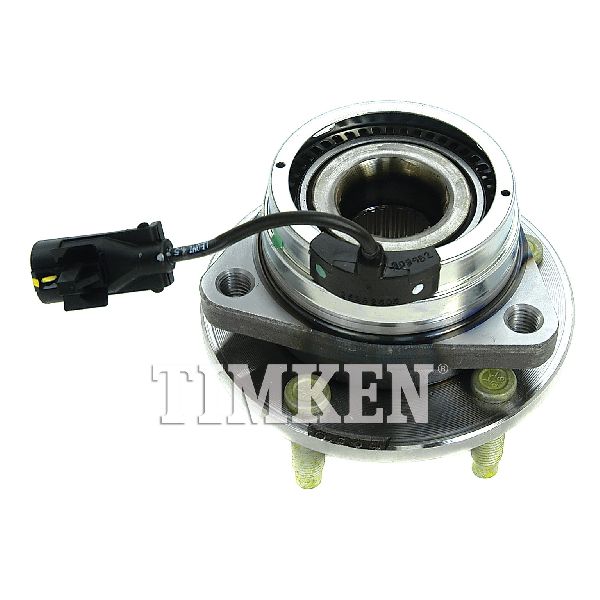
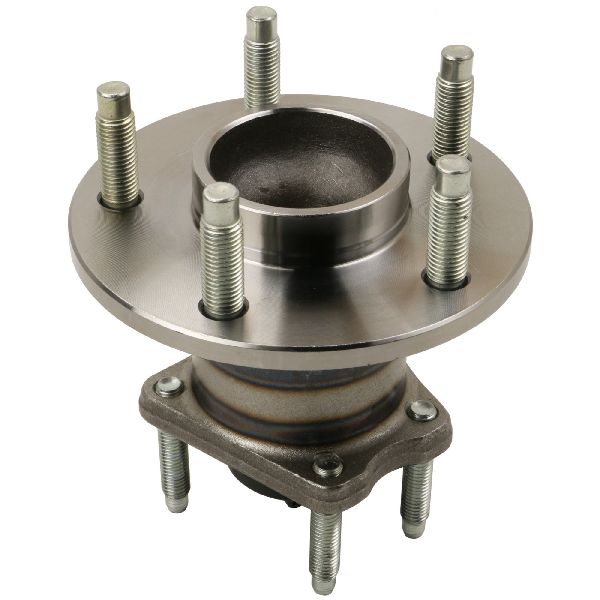
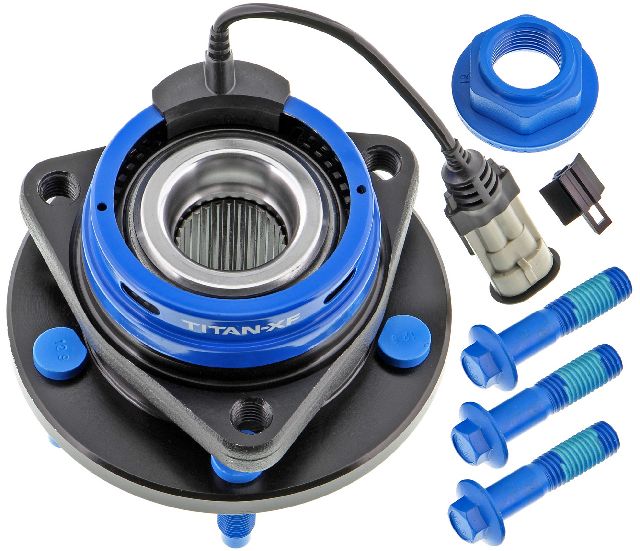
- Rear Wheel Hub and Bearing Assembly
(OEM #ACDelco FW301 (GM 25832364))— This is the most common repair, as it replaces the failure-prone magnetic encoder ring along with the bearing and often includes a new wheel speed sensor.
Trusted brands: ACDelco, Timken, MOOG, Dorman
OEM price range: $150-$250
Aftermarket price range: $80-$200 - Rear ABS Wheel Speed Sensor Wire Harness
(OEM #22723717)— Replaces the connector and a section of wire if it is found to be broken, corroded, or damaged. Aftermarket pigtails like the Dorman 970-040 are available for many GM cars but fitment for the G6 rear should be verified before purchase.
Trusted brands: ACDelco (GM Genuine), Dorman, Standard Motor Products
OEM price range: $50-$100
Aftermarket price range: $20-$60
Related Codes That Often Appear With This One
- C0045 — This is the code for the Left Rear Wheel Speed Sensor. Seeing both codes together could indicate a shared wiring problem, or that both rear hubs are suffering from similar debris buildup or wear.
- U0415 — On some GM vehicles with electric power steering, a loss of a wheel speed sensor signal can cause the Power Steering Control Module to set this code, resulting in a 'Service Steering' message and increased steering effort at low speeds. This is noted in TSB PIC5428G.
Technical Service Bulletins (TSBs) & Recalls
- PIC5428G: Covers DTCs C0035-C0050 with symptom bytes 18, 5A, or 0F. States the primary cause is often ferrous debris on the wheel bearing's magnetic encoder ring and provides a detailed cleaning procedure as the primary fix, often avoiding part replacement.
Platform-Specific Known Issues
- A GM Technical Service Bulletin (PIC5428G) directly addresses codes C0035-C0050 with symptom bytes 18, 5A, or 0F. It states that in most cases, the fault can be repaired by cleaning accumulated ferrous debris from the magnetic encoder ring on the hub assembly.
- GM Recall 13036 addresses an issue with the Body Control Module (BCM) connector that can cause voltage fluctuations, leading to the disabling of traction control and other systems. While it doesn't directly set C0050, it can cause similar symptoms and is a known electronic issue on this platform. The fix involves a spacer and dielectric lubricant applied by a dealer.
Mechanic-Grade Diagnostic Values
- RR Wheel Speed Sensor Ignition Voltage — expected: 12 Volts. Failure: 0 Volts or significantly low voltage indicates an open/short in the supply wire or a faulty EBCM.
- RR Wheel Speed Sensor Signal Circuit Resistance — expected: Less than 2.0 Ohms. Failure: Resistance greater than 2.0 Ohms indicates high resistance or an open in the signal wire.
- Wheel Speed Sensor Signal (Oscilloscope) — expected: A clean DC square wave that increases in frequency as the wheel is spun.. Failure: A missing, erratic, or distorted waveform indicates a failed sensor, damaged magnetic ring, or wiring issue.
Hidden / Shadow Codes Worth Checking
- C0050 0F: Erratic Signal. The EBCM sets this if it detects a wheel speed change of 20 km/h (12 mph) or more within 10 milliseconds, occurring 3 times in under 0.2 seconds. Often caused by wiring issues or a cracked encoder ring. (see via GM-specific scan tool (e.g., Tech 2, GDS2) or high-end professional scanner.)
- C0050 18: Signal Amplitude Less Than Minimum. The signal from the sensor is too weak. This is the classic symptom of metallic debris on the magnetic ring increasing the air gap. (see via GM-specific scan tool (e.g., Tech 2, GDS2) or high-end professional scanner.)
- C0050 5A: Signal Plausibility Failure. The signal from this wheel doesn't make sense when compared to the other wheels. Often indicates a physically damaged/cracked encoder ring. (see via GM-specific scan tool (e.g., Tech 2, GDS2) or high-end professional scanner.)
- C0050 06: Low Voltage / Open Circuit. This symptom byte points directly to an electrical circuit failure, such as a broken wire or complete sensor failure. (see via GM-specific scan tool (e.g., Tech 2, GDS2) or high-end professional scanner.)
Scan Tool Commands That Help
- GM Tech 2 / GDS2: Automated Bleed / ABS Pump Activation — This bidirectional command is required after replacing the EBCM or the Brake Pressure Modulator Valve (BPMV) to purge air trapped inside the hydraulic unit that cannot be removed by manual bleeding.
Wiring & Ground Locations
- EBCM — On the driver's side of the engine compartment, mounted to the back of the strut tower, as part of the Brake Pressure Modulator Valve (BPMV) assembly.. This module powers the wheel speed sensor and interprets its signal. All circuit tests originate or terminate at its connector.
- G103 — On the left (driver's) side of the engine compartment, on top of the strut tower.. This is a major chassis ground point for multiple electronic modules. A loose or corroded G103 can cause erratic behavior in the ABS and other systems, mimicking component failure.
- EBCM Pin 43 — At the main EBCM connector.. This is the 12V ignition voltage supply circuit for the Right Rear wheel speed sensor. It connects to Pin A at the sensor.
- EBCM Pin 44 — At the main EBCM connector.. This is the signal circuit for the Right Rear wheel speed sensor. It connects to Pin B at the sensor.
Real Owner Repair Stories
- YouTube user 'Terence The DIY' (2007 GMC Sierra 1500 4x4 (Similar GM ABS system)) — ABS light came on intermittently, code C0050 stored in history.
❌ Tried (didn't work) Initial scan tool check with key-on-engine-off showed no speed signal from the rear wheels, causing confusion. Discovered that on this platform, the engine must be running and in gear for the rear sensors to report speed.
✅ What actually fixed it The technician suspected a heat-related failure. While monitoring live data with the truck running on a hoist, he used a heat gun on the right rear speed sensor. The sensor's signal immediately dropped to zero. Replacing the faulty sensor resolved the code.
Diagnostic Flowchart
Used vs. New Parts: Buying Guide for This Vehicle
When a used part is the smart pick: For electronic modules like the EBCM or wiring harnesses, a used part from a reputable salvage yard can be a cost-effective option. A used harness should be inspected for flexibility and lack of corrosion.
Donor-vehicle mileage cap: roughly under 100000 miles for the part to have meaningful remaining life.
What to inspect on the donor part:
- For a hub assembly: Ask for the donor vehicle's mileage. Lower is better. Avoid parts from vehicles in heavy salt-belt regions due to corrosion.
- For a wiring harness: Inspect for brittle plastic, cracked insulation, and green corrosion on the connector pins. The harness should be pliable.
- For an EBCM: Ensure the connector housing isn't cracked and pins are straight. Note that it will require professional programming to your vehicle's VIN.
Aftermarket brands forum-validated for this vehicle:
- For wheel hub assemblies, brands like Timken, SKF, and National have a strong reputation among technicians and forum users.
- ACDelco is the GM original equipment supplier and a reliable choice.
Brands owners have reported issues with on this vehicle:
- Generic, unbranded 'white box' wheel hub assemblies often have lower quality bearings and encoder rings that may fail prematurely.
- Some users have reported premature failures with MOOG hub assemblies on GM platforms, though others have had success. Quality may be inconsistent.
Real Owner Stories
Aggregated from forums and TSBs cited above. Mileages and costs reflect what owners reported in those sources.
Pontiac G8
Symptoms: Owner diagnosed a C0050 code.
What fixed it: The owner found and repaired a wire that was broken right at the wheel speed sensor connector.
Source hint: GRRRR8.net thread titled 'C0050 - broken rear wheel speed sensor harness wire. - GRRRR8.net'
Corvette C6
Symptoms: Vehicle presented with a C0050 'Rear Wheel Speed Sensor Fault'.
What fixed it: The cause was determined to be a chewed wiring harness leading to the EBCM, which was then repaired.
Source hint: CorvetteForum thread titled 'C0050 Rear Wheel Speed Sensor Fault - CorvetteForum'
Documented NHTSA Reports
Chevrolet HHR (Cross-Manufacturer Reference)
Symptoms: An owner reported the ABS light illuminated and the vehicle was diagnosed with code C0050.
What fixed it: NHTSA ODI #10763888 describes this code identifying a problem as a faulty Power Steering Control Module (PSCM), requiring replacement of the entire steering column.
Chevrolet Silverado 1500 (Cross-Manufacturer Reference)
Symptoms: Multiple warning lights illuminated on the dashboard.
What fixed it: NHTSA ODI #11228687 notes a diagnostic scan showing codes C0035, C0040, and C0050, along with several U-series communication codes.
Jeep Grand Cherokee L (Cross-Manufacturer Reference)
Symptoms: ABS and supporting systems were disabled, setting codes C0050 and C2227.
What fixed it: NHTSA ODI #11649367 suggests that extra brake fluid required to return caliper piston contact to the brake pad after service may trigger these faults.
Jeep Grand Cherokee L (Cross-Manufacturer Reference)
Symptoms: A diagnostic scan showed code C0050-00.
What fixed it: NHTSA ODI #11693418 reports that the rear brake pads, rear rotors, and adapter plate needed to be replaced to address the issue.
Related OBD-II Codes
Frequently Asked Questions
I have a C0050 code on my G6. Is there a specific TSB I should know about?
My scan tool shows C0050 with symptom byte 5A. What does that mean for my Pontiac G6?
Do I have to replace the whole wheel hub for a C0050 code, or can I just replace the sensor?
My ABS and StabiliTrak lights are on. Could this be related to the GM Recall 13036 for the BCM?
The mechanic says the wiring harness is bad. What's the part number for a replacement on my G6?
What's the very first thing I should check myself for a C0050 code on my G6 before buying parts?
Helpful Videos
Used OEM Parts in Stock
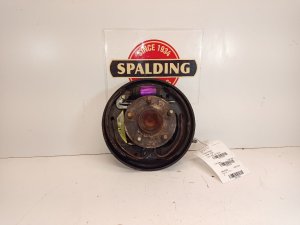
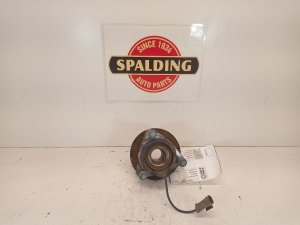
New Aftermarket Parts Available
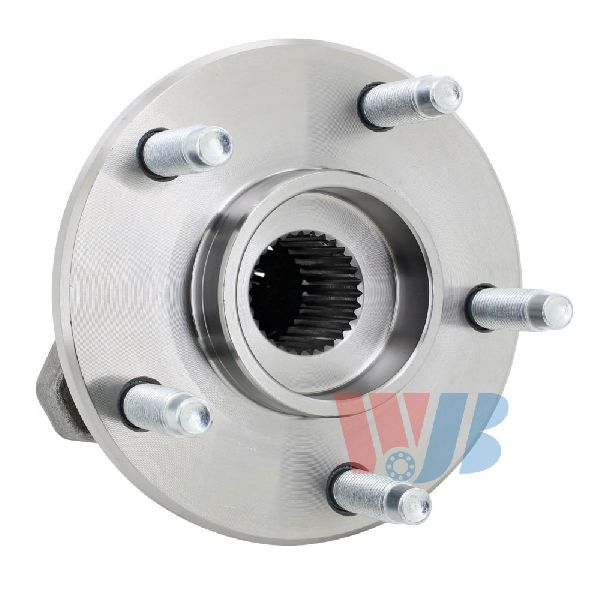

The information in this article is provided for general reference and educational purposes only. Vehicle specifications, procedures, and part compatibility can vary by production date, trim level, and region. Always consult your vehicle's factory service manual and verify part numbers before purchasing or performing repairs. Safety-critical components such as airbags, seat belts, and braking systems should be installed by a qualified professional.
- Pontiac G6:
- 🧭 Diagnostic Flowchart
- 🎬 Helpful Videos
- 🛍️ Shop This Part
- What's Unique About the 2005-2010 Pontiac G6
- Symptoms You May Notice
- Most Likely Causes
- Rare But Worth Checking
- Diagnosis Steps
- Parts You'll Likely Need
- Related Codes That Often Appear With This One
- Technical Service Bulletins (TSBs) & Recalls
- Platform-Specific Known Issues
- Mechanic-Grade Diagnostic Values
- Hidden / Shadow Codes Worth Checking
- Scan Tool Commands That Help
- Wiring & Ground Locations
- Real Owner Repair Stories
- Used vs. New Parts: Buying Guide for This Vehicle
- Real Owner Stories
- Pontiac G8
- Corvette C6
- Documented NHTSA Reports
- Chevrolet HHR (Cross-Manufacturer Reference)
- Chevrolet Silverado 1500 (Cross-Manufacturer Reference)
- Jeep Grand Cherokee L (Cross-Manufacturer Reference)
- Jeep Grand Cherokee L (Cross-Manufacturer Reference)
- Related OBD-II Codes
- Frequently Asked Questions
- 🎟️ Get 5% Off