

P0012 on 2011-2019 Ford Explorer 3.5L EcoBoost: Causes and Fixes for Over-Retarded Cam Timing
On a 2011-2019 Ford Explorer with the 3.5L EcoBoost, P0012 is most often caused by low or dirty engine oil, or a sticking Bank 1 intake VCT solenoid. If you hear a rattling noise on cold starts, the cause is likely a more serious stretched timing chain or failing cam phaser, both known issues with this engine. Always check oil first.
- Always check your engine oil level and condition first. An oil change with high-quality, correct-viscosity oil can sometimes fix this code on its own.
- A rattling noise from the engine on a cold start is a critical symptom. It elevates the problem from a likely bad solenoid to a probable stretched timing chain, which is a much more urgent and expensive repair.
- The most common failed part is the Bank 1 (firewall side) intake VCT solenoid. Due to the difficult access on the Explorer, diagnosis should be thorough to avoid unnecessary labor.
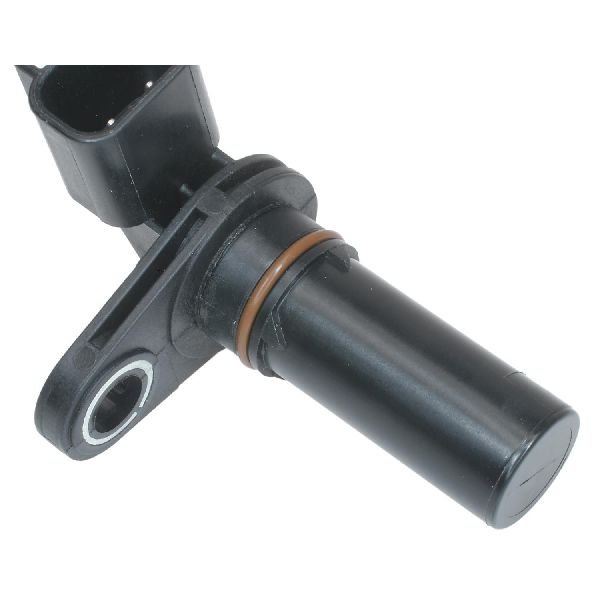
- Do not mistakenly replace the camshaft position sensor; it is very rarely the cause of a P0012 code.
What's Unique About the 2011-2019 Ford Explorer
The 3.5L EcoBoost engine is well-known for two primary issues that directly cause the P0012 code. The first is the sensitivity of the Variable Camshaft Timing (VCT) solenoids to oil contamination, which Ford has acknowledged in multiple Technical Service Bulletins (TSBs) like SSM 48423. The second, and more severe issue, is a known propensity for the timing chain to stretch prematurely, particularly on first-generation (pre-2017) engines. This often leads to a distinct rattling sound on cold startups and can cause this code to appear even when the VCT solenoids are functional.
Symptoms You May Notice
- Check Engine Light is on
- Rough, uneven, or low idle
- Engine stalling, especially when coming to a stop
- Poor acceleration and loss of power
- Decreased fuel economy
- Rattling noise from the engine for 2-5 seconds on a cold startup
- Engine struggles or hesitates under load.
- Replacing the camshaft position sensor. This sensor is almost always functioning correctly and simply reporting the mechanical timing error. P0012 is a correlation code, not a sensor circuit code.
Most Likely Causes
- Low, Dirty, or Incorrect Viscosity Engine Oil 🔴 High Probability The VCT system is hydraulic and extremely sensitive to oil pressure and cleanliness. Turbocharged engines like the EcoBoost degrade oil more quickly, and infrequent changes can lead to sludge that clogs the VCT solenoid screens.
How to confirm: Check the oil level on the dipstick. Examine the oil's color and condition. If it is low, dark, gritty, or past its recommended change interval, this is the first item to address. Also check for a milky or 'chocolate milk' appearance, which indicates coolant contamination from a failed internal water pump.
Typical fix: Perform an oil and filter change using the manufacturer-specified full synthetic 5W-30 oil and a quality filter like the Motorcraft FL-500S. If the oil was contaminated with coolant, the water pump and timing components must be replaced.
Est. part cost: $40-$80 - Failing Bank 1 Intake VCT Solenoid 🔴 High Probability → Shop Engine Variable Valve Timing (VVT) Solenoid Ford has issued multiple TSBs (e.g., SSM 47170, SSM 48423, SSM 50067) confirming that debris in the oil can cause these solenoids to stick, which is a well-documented issue on this platform. The screens on the solenoid become clogged, restricting oil flow.
How to confirm: After confirming oil is good, a technician can use a scan tool (like Ford's IDS or FORScan) to perform a VCT solenoid command test (Pinpoint Test HK11 or HK12) to cycle the solenoid and attempt to clear debris. It can also be removed and inspected for clogged screens or tested for resistance (typically 6.9-7.9 ohms). On the Explorer, this solenoid is on the firewall side (Bank 1), making access difficult and requiring removal of the valve cover.
Typical fix: Replace the Bank 1 intake VCT solenoid. Since the valve cover must be removed, it is wise to also replace the valve cover gasket and spark plug tube seals.
Est. part cost: $50-$150 - Stretched Timing Chain and/or Failed Phasers 🟡 Medium Probability → Shop Engine Timing Chain The 1st generation 3.5L EcoBoost (2011-2016) is known for premature timing chain stretch. The 2nd generation (2017+) is more known for cam phaser failure, but both can cause timing codes. These issues are often accelerated by oil degradation or coolant contamination from a failing water pump.
How to confirm: The most common symptom is a distinct rattle from the front of the engine that lasts for 2-5 seconds upon a cold start. This is a strong indicator of a mechanical timing issue that requires professional diagnosis by inspecting the chain for slack.
Typical fix: This is a major repair that involves replacing the timing chains, guides, tensioners, and often the cam phasers and water pump. It is a labor-intensive job, often costing over $2,000.
Est. part cost: $400-$700 for a full kit
Rare But Worth Checking
- Failed Camshaft Phaser: → Shop Engine Camshaft While often replaced during a full timing chain job, a phaser can fail on its own, especially on 2nd gen (2017+) engines. It is the mechanical gear that the VCT solenoid controls. A failure here will cause timing issues even with a good solenoid and chain.
- PCM Software Calibration Issue: For early-build 2016 models (built on or before 9/12/2015), Ford issued TSB 15-0151 indicating that a PCM reprogram could resolve P0012.
- Wiring Harness Issue: Though less common, a damaged wire or loose connection in the VCT solenoid circuit can cause intermittent operation and trigger P0012. This could be from chafing or corrosion.
Diagnosis Steps
- Check the engine oil level and condition. If it is low, dirty, or the wrong viscosity, perform an oil and filter change, clear the codes, and see if P0012 returns. Check for a milky consistency, indicating coolant contamination.
- Listen carefully for any rattling noises from the engine during a cold start. A 2-5 second rattle is a classic sign of a stretched timing chain or bad phasers on this engine.
- If the oil is good and there is no rattle, the next step is to inspect the Bank 1 intake VCT solenoid. This is located on the rear valve cover (firewall side).
- A technician can use a high-end scan tool to perform the VCT solenoid command test (as noted in Ford TSBs like SSM 48423) to see if it's sticking.
- If the solenoid is suspected, remove the valve cover to access and replace it. Inspect the old solenoid's screens for sludge or debris. It is highly recommended to replace the valve cover gasket at the same time.
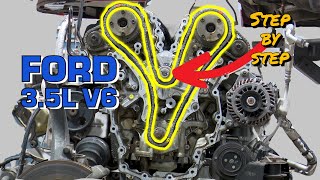
- If a cold start rattle is present, the front engine cover will need to be removed to inspect the timing chain, guides, and tensioners for wear and slack. This is a complex job best left to a professional.
- If all mechanical parts check out, check for any available PCM updates, especially on 2016 models.
Parts You'll Likely Need
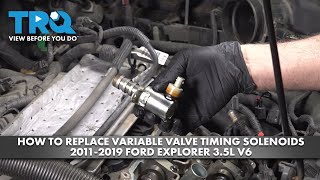
- Engine Variable Camshaft Timing (VCT) Solenoid
(OEM #AT4Z-6M280-A (Note: Part numbers can be superseded, always verify with VIN))— This is the most common part to fail. It gets clogged with oil debris, causing it to stick. Ford has issued multiple TSBs about this specific part causing P0012.
Trusted brands: Motorcraft, Dorman
OEM price range: $80-$150
Aftermarket price range: $40-$100 - Timing Chain Kit — A stretched timing chain is a well-known issue on the 3.5L EcoBoost that causes this code, typically accompanied by a cold-start rattle. A full kit is needed for the repair.
Trusted brands: Motorcraft, Cloyes
OEM price range: $400-$700
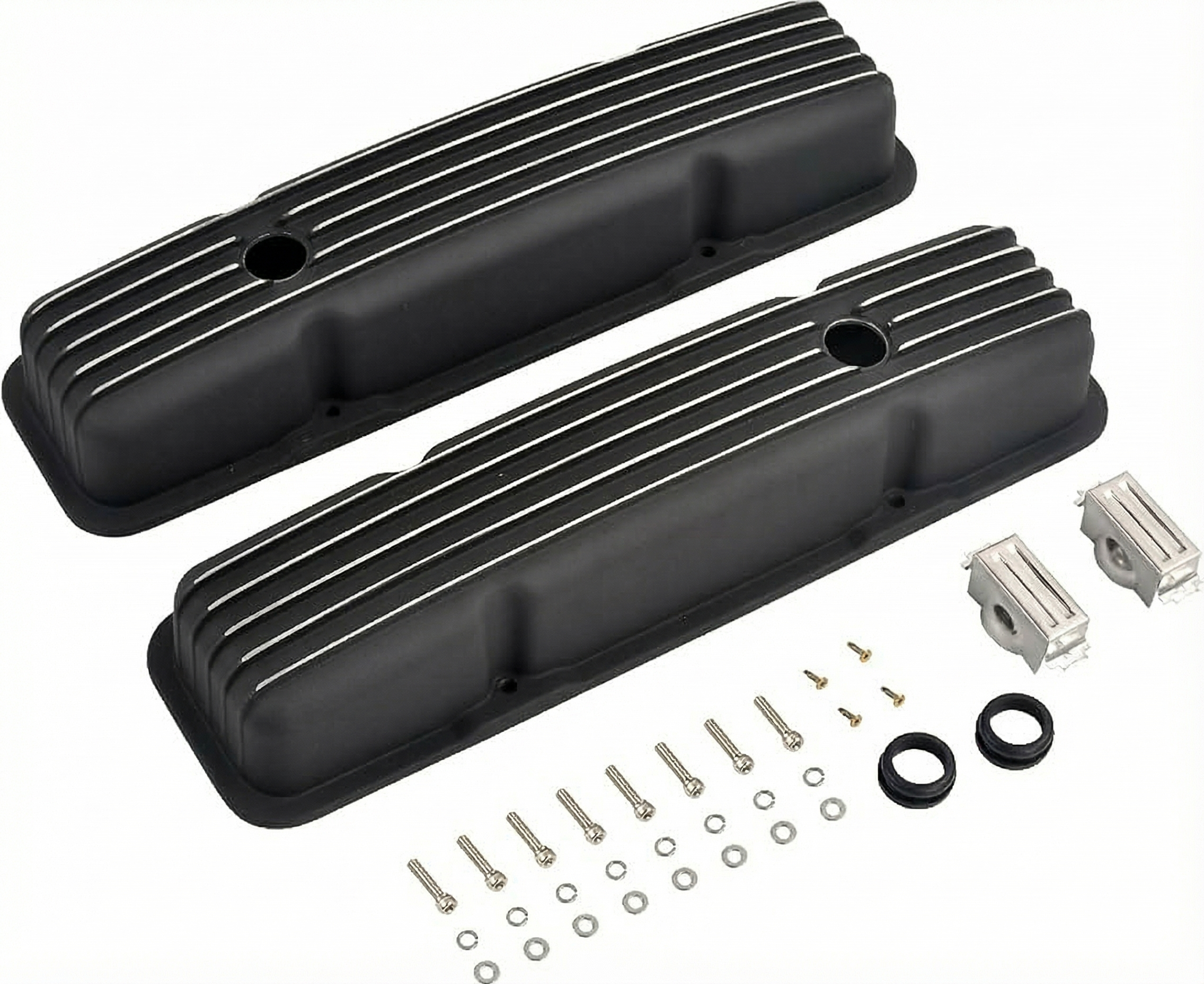
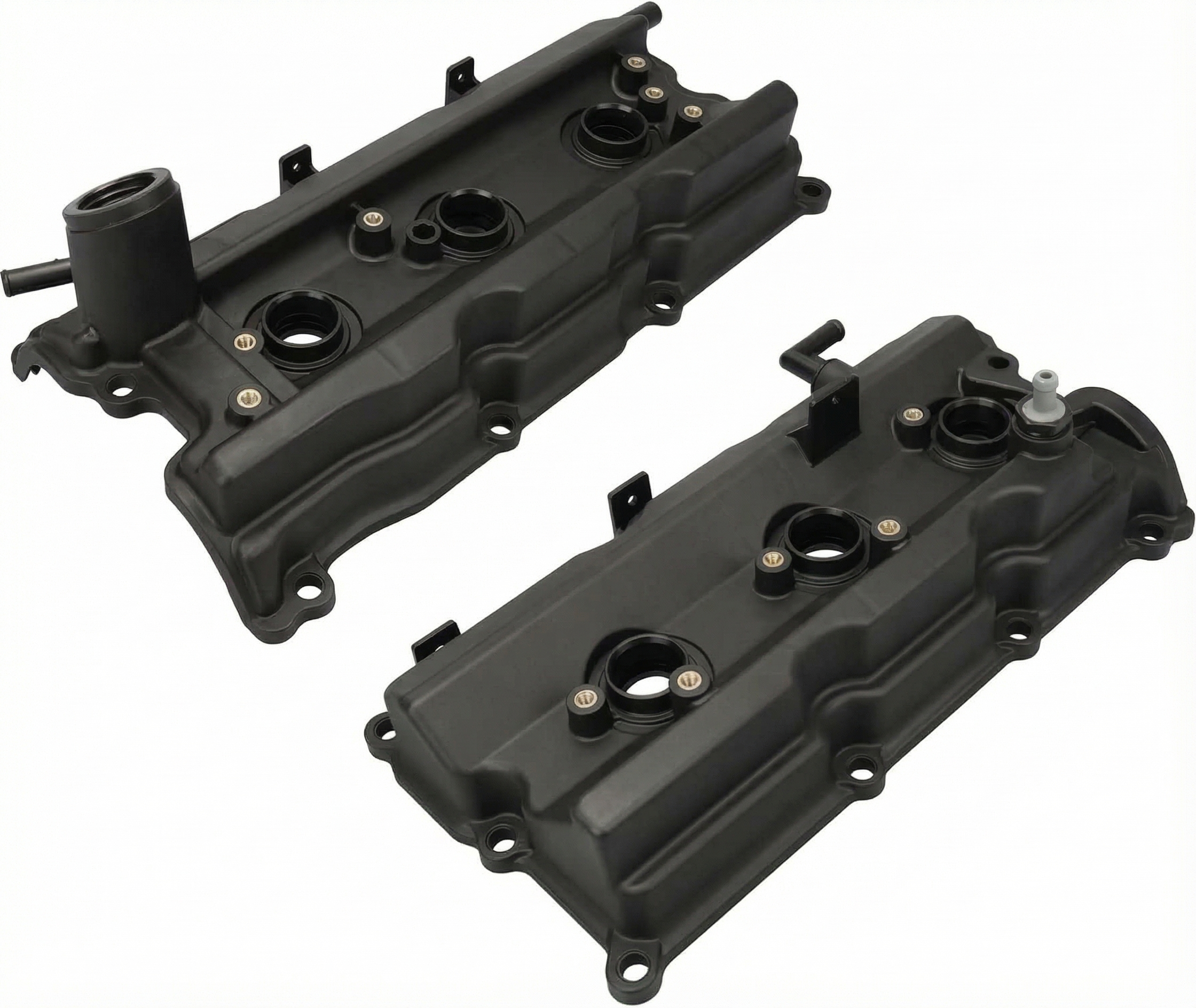
Aftermarket price range: $250-$500 - Valve Cover Gasket — The VCT solenoids are located under the valve covers. The gasket must be replaced anytime the valve cover is removed to prevent future oil leaks.
Trusted brands: Motorcraft, Fel-Pro
OEM price range: $60-$100
Aftermarket price range: $30-$70
Related Codes That Often Appear With This One
- P0022 — This is the identical 'over-retarded' code for Bank 2 (front of the engine). Seeing both P0012 and P0022 together strongly points to a systemic issue like low/dirty oil or a stretched timing chain affecting the entire engine.
- P052B — This code is 'Cold Start 'A' Camshaft Position Timing Over-Retarded Bank 1'. It specifically indicates the fault happens during startup and often appears with the tell-tale cold start rattle, reinforcing a diagnosis of a failing phaser or timing chain.
- P0016 — This code indicates a general correlation error between the crankshaft and the Bank 1 intake camshaft. It often appears with P0012 when the timing chain has stretched significantly or jumped a tooth.
Technical Service Bulletins (TSBs) & Recalls
- TSB 15-0151: For 2016 Explorer 3.5L GTDI models built before 9/12/2015, addresses P0012 with a PCM reprogram.
- SSM 48423: For 2015-2020 vehicles, notes that P0012 and other VCT DTCs may be due to small debris causing the VCT solenoid to stick. Recommends using a scan tool to cycle the solenoid 10 times to attempt to clear it before replacement.
- SSM 47170: An earlier bulletin with similar guidance to SSM 48423, acknowledging that debris in VCT solenoids can lead to an illuminated MIL and DTC P0012.
- SSM 54366: Notes that various Ford vehicles may exhibit P0012 and other VCT codes, recommending Pinpoint test HK in the PC/ED manual for proper diagnosis.
Platform-Specific Known Issues
- Premature timing chain stretch is a widely documented problem on the 1st Gen (2011-2016) 3.5L EcoBoost engine, often signaled by a cold start rattle and codes like P0012.
- The internal water pump on the transversely mounted 3.5L engine can fail and leak coolant into the oil, creating a 'milkshake' consistency that clogs VCT solenoids and rapidly destroys the timing chain and guides. This is a major design flaw and a common cause for catastrophic failure.
- Access to Bank 1 (firewall side) components, including the VCT solenoids for P0012, is significantly more difficult than Bank 2, increasing labor time and cost for repairs.
Mechanic-Grade Diagnostic Values
- VCT Solenoid Resistance — expected: 6.9 to 7.9 Ohms is the Ford-specific range. General ranges are cited between 5.0 and 15.0 Ohms.. Failure: A reading of 0 Ohms (short circuit) or infinite resistance (open circuit) indicates a failed solenoid.
- VCT Solenoid Connector Voltage — expected: Approximately 12V (battery voltage) on the power supply wire with the key on, engine off.. Failure: No voltage suggests a wiring issue, a blown fuse, or a problem in the power supply circuit.
- Scan Tool VCT Error PID (VCT_ERR, VCT_DIF) — expected: Close to 0 degrees at a stable, hot idle when the system is not commanding a change.. Failure: A persistent, large, or erratic degree value on Bank 1 indicates the camshaft is not matching the PCM's commanded position, confirming a timing deviation.
Hidden / Shadow Codes Worth Checking
- Mode $06, Test ID $81: This is not a shadow code, but a diagnostic test monitor for Variable Camshaft Timing (VCT). It monitors the difference between the desired and actual cam position. A failing test here can precede a full-blown P0012 code or confirm a borderline condition. (see via Requires a professional scan tool or an advanced consumer tool like FORScan that can access Mode $06 test results.)
Scan Tool Commands That Help
- Ford IDS / FORScan: VCT Solenoid On/Off Bidirectional Control — Used to manually command the solenoid on and off at idle. A functional solenoid will cause a noticeable change in engine idle (stumble or roughness) when activated. No change suggests the solenoid is stuck or electrically failed.
- Ford IDS: Pinpoint Test HK11 / HK12 — This is a guided diagnostic routine referenced in Ford TSBs (like SSM 48423) for VCT codes. The test cycles the solenoid rapidly (e.g., 10 times) to dislodge small debris. If the code is cleared and does not return, it can prevent an unnecessary solenoid replacement.
- Ford IDS / FORScan: Clear VCT Adaptive Tables — This should be performed after replacing VCT solenoids or timing components. The PCM learns and stores adaptive values for the VCT system; failing to clear them can cause the new parts to be controlled with old, incorrect data, potentially causing the code to return.
Wiring & Ground Locations
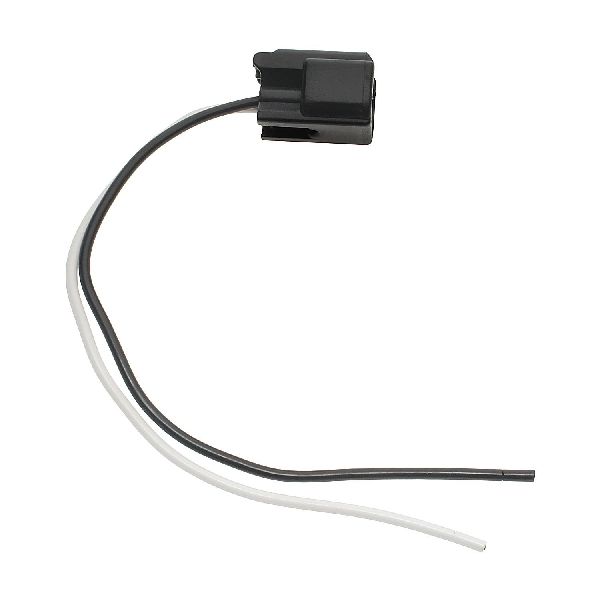
- Bank 1 Intake VCT Solenoid Connector — Under the Bank 1 (firewall side) valve cover, connected to the intake VCT solenoid.. This is the primary two-wire connector for testing voltage and resistance of the solenoid. One wire is a ~12V power supply (key on), and the other is a ground wire that is pulse-width modulated by the PCM to control the solenoid.
- G105 — Typically located on the left (driver's side) of the engine block or cylinder head on related platforms like the F-150.. This is a major engine ground point. While not directly for the Bank 1 VCT circuit, a poor or corroded engine ground can cause a host of unpredictable electrical issues and incorrect sensor readings, making it a worthwhile check if direct circuit testing is inconclusive.
Real Owner Repair Stories
- Ford Expedition Forum user (2018 Ford Expedition (Gen 2 3.5L EcoBoost) with 51k miles) — P0012 code, cold start noise.
❌ Tried (didn't work) Initial diagnosis pointed to solenoid.
✅ What actually fixed it The dealer replaced the faulty VCT solenoid and also performed the cam phaser replacement TSB. This combination resolved both the P0012 code and the cold start rattle, indicating the phaser was also failing. - Reddit user in r/AskAMechanic (2009 Ford Flex (similar 3.5L V6 engine and VCT system)) — P0012, P0016, P0022, rough running.
❌ Tried (didn't work) A complete timing job (chains, guides, tensioners, water pump) was performed and the VCT solenoids were cleaned. The engine ran smoothly initially.
✅ What actually fixed it The P0012 code returned a few days after the major repair. The final conclusion was that debris knocked loose during the timing job likely traveled through the oil and re-clogged the VCT solenoid screen, demonstrating the system's extreme sensitivity to contamination. - NHTSA ODI #11611949 — An owner reported a loss of acceleration on the highway and had the vehicle towed. A technician found a P0012 code and suggested a tensioner may have broken off on the timing belt, causing low oil pressure, engine rattling, and the timing fault.
"I Checked Everything" — The Actual Cause
- A common scenario for this code is not a failed diagnostic test, but a recurring failure after a repair. Owners have reported completing a full, expensive timing chain and phaser replacement, only to have P0012 return within a few days or weeks. The root cause is often microscopic debris or sludge dislodged during the repair, which then circulates in the fresh oil and clogs the tiny screens on the brand new VCT solenoids. This highlights the absolute necessity of a thorough engine flush and ensuring oil passages are clear before reassembly.
When the Usual Fixes Don't Work
- While a full timing chain and phaser replacement is considered the ultimate fix for mechanical timing issues on this engine, it is not always the final step. Forum reports indicate that P0012 can return even after this expensive repair. The likely cause is debris dislodged during the procedure contaminating the oil and clogging the new VCT solenoids. This proves that even with all new timing hardware, the VCT system's sensitivity to oil cleanliness remains a critical failure point that can override the primary repair.
OEM Part Supersession History
N/A→AT4Z-6M280-A— This is the current and long-standing part number for the VCT solenoid for the 3.5L/3.7L Cyclone engine family.
Heads up: Do not use part number 8L3Z-6M280-B. While it is also a Ford VCT solenoid, it is designed for the older 4.6L/5.4L 3-Valve V8 engines and is not compatible with the 3.5L EcoBoost.
Model Year Variations Within This Range
- 2011-2016: These Gen 1 engines use a single, long primary timing chain that is well-documented to stretch over time, causing the classic 'cold start rattle' and timing codes like P0012. TSB 18-2305 (which supersedes 16-0027) specifically addresses this on pre-May 2015 engines.
- 2017-2019: These Gen 2 engines feature a significantly redesigned timing system with two shorter, more robust primary chains instead of one long one. While chain stretch is less common, these engines are more known for cam phaser failures, which can also cause a cold start rattle and trigger P0012. They also feature a roller-rocker valvetrain instead of the Gen 1's shimless buckets.
Diagnostic Flowchart
Other Known Issues on This Vehicle
Issues unrelated to this code that are worth knowing about as an owner of this generation:
- Internal Water Pump Failure 🔴 High — Common after 80,000-120,000 miles. Failure is considered inevitable.
- Power Transfer Unit (PTU) Failure 🔴 High — Common on AWD models, especially if the fluid is never changed. Failures can occur from 70,000 miles onward.
- Intake Valve Carbon Buildup 🟠 Medium — A gradual issue on all direct-injection engines. Performance degradation is often noticeable by 60,000-80,000 miles.
- Cracked Valve Covers 🟡 Low → Shop Engine Valve Cover — Can occur at various mileages due to heat cycles.
Used vs. New Parts: Buying Guide for This Vehicle
When a used part is the smart pick: For this specific repair, using used parts is highly discouraged. The only potential exception might be a major structural component like a valve cover if the original was cracked, but never the active components.
What to inspect on the donor part:
- Not applicable. Do not use used parts for this repair.
OEM-only on this vehicle (don't cheap out):
- Cam Phasers: Aftermarket phasers have a poor reputation for premature failure and noise. OEM (Motorcraft) is the only reliable choice.
- VCT Solenoids: Given their sensitivity to oil contamination and their critical function, OEM (Motorcraft) solenoids (Part No. AT4Z-6M280-A) are strongly recommended to avoid repeat failures.
- Water Pump: As the water pump is internal and its failure contaminates the oil, using a new OEM pump during a timing job is critical insurance against catastrophic engine failure.
Aftermarket brands forum-validated for this vehicle:
- Cloyes: Generally considered a reputable brand for timing chain kits, offering complete sets that are widely used. However, be aware that even top aftermarket brands can have isolated quality issues.
Brands owners have reported issues with on this vehicle:
- Unnamed/white-box eBay or Amazon kits: For a repair as labor-intensive as a timing job on the 3.5L EcoBoost, using cheap, unverified timing components is extremely risky and likely to lead to failure in a short period.
Real Owner Stories
Aggregated from forums and TSBs cited above. Mileages and costs reflect what owners reported in those sources.
2017 Ford F-150 3.5L EcoBoost
Symptoms: Owner reported a P0012 and P052B code occurring simultaneously along with a distinct startup rattle.
What fixed it: The combination of the startup rattle and VCT codes pointed toward a failure of the cam phasers.
Source hint: f150forum.com thread titled 'VCT Solenoid Code P0012 & P052B'
2011-2019 Ford Explorer 3.5L
Symptoms: Owners discussed the frequency of internal water pump failure and how it leaks coolant into the oil.
What fixed it: Replacement of the internal water pump and timing components after coolant contaminated the oil.
Source hint: reddit.com/r/FordExplorer thread titled 'How common is the water pump issue in the 3.5?'
NHTSA ODI #11611949
Symptoms: An owner reported a sudden loss of acceleration on the highway, forcing them to the shoulder.
What fixed it: A service shop identified a P0012 code and determined a timing chain tensioner may have broken, leading to low oil pressure and engine rattling.
Related OBD-II Codes
Frequently Asked Questions
I have a 2016 Explorer 3.5L EcoBoost with P0012. Is there a software fix for this?
My mechanic says the VCT solenoid is stuck on Bank 1. Can it be cleaned without replacement?
Why is the repair for P0012 more expensive on my Explorer than on an F-150?
I see 'chocolate milk' on my dipstick along with the P0012 code. What does this mean?
What specific oil and filter should I use to prevent VCT issues on my 3.5L EcoBoost?
Is the rattling sound I hear for 3 seconds at startup related to P0012?
Helpful Videos
Used OEM Parts in Stock
New Aftermarket Parts Available


The information in this article is provided for general reference and educational purposes only. Vehicle specifications, procedures, and part compatibility can vary by production date, trim level, and region. Always consult your vehicle's factory service manual and verify part numbers before purchasing or performing repairs. Safety-critical components such as airbags, seat belts, and braking systems should be installed by a qualified professional.
- Ford Explorer:
- 🧭 Diagnostic Flowchart
- 🎬 Helpful Videos
- 🛍️ Shop This Part
- What's Unique About the 2011-2019 Ford Explorer
- Symptoms You May Notice
- Most Likely Causes
- Rare But Worth Checking
- Diagnosis Steps
- Parts You'll Likely Need
- Related Codes That Often Appear With This One
- Technical Service Bulletins (TSBs) & Recalls
- Platform-Specific Known Issues
- Mechanic-Grade Diagnostic Values
- Hidden / Shadow Codes Worth Checking
- Scan Tool Commands That Help
- Wiring & Ground Locations
- Real Owner Repair Stories
- "I Checked Everything" — The Actual Cause
- When the Usual Fixes Don't Work
- OEM Part Supersession History
- Model Year Variations Within This Range
- Other Known Issues on This Vehicle
- Used vs. New Parts: Buying Guide for This Vehicle
- Real Owner Stories
- 2017 Ford F-150 3.5L EcoBoost
- 2011-2019 Ford Explorer 3.5L
- NHTSA ODI #11611949
- Related OBD-II Codes
- Frequently Asked Questions
- 🎟️ Get 5% Off