

P0013 on 2015-2018 Ford Edge 2.0L EcoBoost: Exhaust VCT Solenoid Circuit Causes and Fixes
P0013 on a 2015-2018 Ford Edge with the 2.0L EcoBoost engine indicates an electrical fault in the exhaust camshaft position actuator circuit. The most common fix is replacing the exhaust VCT solenoid, which requires removing the valve cover. Always check your oil level and condition first, as low or dirty oil is a primary contributor to VCT system faults.
- P0013 specifically points to an electrical circuit issue with the exhaust VCT solenoid, not the camshaft sensor.
- Before attempting any repairs, check your engine oil level and condition, as low or dirty oil is a common contributing factor.
- The most likely fix is replacing the exhaust VCT solenoid.
- On the 2.0L EcoBoost engine, this repair requires removing the valve cover, so you must also replace the valve cover gasket to prevent future leaks.
What's Unique About the 2015-2018 Ford Edge
On the 2.0L EcoBoost engine used in the Ford Edge, the VCT solenoids are located underneath the valve cover. This makes replacing them more labor-intensive than on many other engines where they are externally accessible. Ford has also issued service bulletins for similar VCT-related codes on this platform, often pointing to the solenoids being sensitive to oil contamination or small debris, which can cause them to stick or fail. This sensitivity to oil quality is a critical factor for EcoBoost engines.
Symptoms You May Notice
- Check Engine Light illuminated
- Rough engine idle
- Engine hesitation or stalling, especially under load
- Reduced engine power and sluggish acceleration
- Decreased fuel economy
- Rattling noise from the engine area
- Replacing the camshaft position *sensor*. P0013 is a code for the actuator *solenoid circuit*, not the position sensor. While they work together, this code points specifically to an electrical fault with the solenoid or its wiring, not the sensor that reads the camshaft's position.
Most Likely Causes
- Faulty Exhaust VCT Solenoid 🔴 High Probability These solenoids are known to fail electrically or become clogged with oil debris, a common issue noted in Ford service bulletins for this engine family. The internal coil windings can fail, leading to an open or short circuit that the PCM detects.
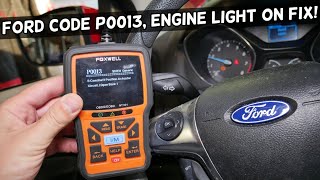
How to confirm: Disconnect the solenoid and test its resistance with a multimeter. 🎬 Watch: A quick video guide on testing your VVT solenoid. Compare the reading to the manufacturer's specification (typically 6.9-7.9 ohms for this platform). An open circuit (infinite resistance) or a short (near-zero resistance) indicates a failed solenoid. You can also briefly apply 12V power to see if the solenoid 'clicks', indicating mechanical movement.
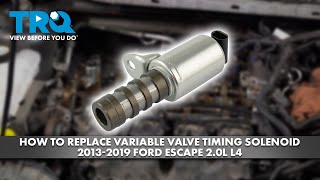
Typical fix: Replace the exhaust VCT solenoid. This requires removing the valve cover for access. 🎬 See this step-by-step walkthrough for replacing the solenoid.
Est. part cost: $30-$80 - Low or Dirty Engine Oil 🟡 Medium Probability The VCT system is hydraulic and relies on clean oil of the correct viscosity. Sludge, debris, or incorrect oil can clog the fine mesh screens on the solenoid, impeding its function and potentially leading to an electrical fault code if the valve gets stuck. EcoBoost engines are known to be sensitive to oil quality and maintenance intervals.
How to confirm: Check the engine oil level on the dipstick and inspect its color and consistency. If the oil is low, dark, or sludgy, it needs to be changed. This is the first and most important check.
Typical fix: Perform an engine oil and filter change using the correct grade of oil specified by Ford (typically SAE 5W-30 Full Synthetic). Clear the codes and see if the issue returns.
Est. part cost: $40-$70 - Wiring or Connector Damage ⚪ Low Probability The wiring harness is located on top of the engine and exposed to heat and vibration, which can cause wires to become brittle or connectors to loosen over time. Oil leaks from the valve cover gasket can also contaminate the connector.
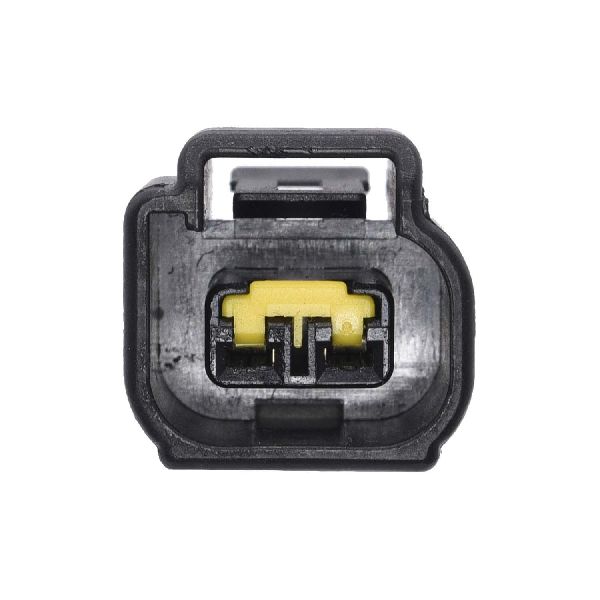
How to confirm: Visually inspect the wiring harness and connector leading to the exhaust VCT solenoid for any signs of fraying, melting, corrosion, or loose pins. Perform a continuity test on the wires from the solenoid connector to the PCM.
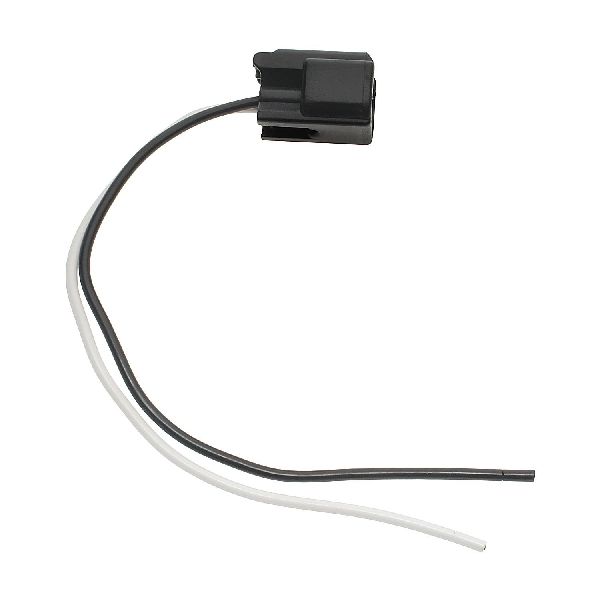
Typical fix: Repair the damaged section of wiring or replace the pigtail connector.
Est. part cost: $15-$40
Rare But Worth Checking
- Faulty Powertrain Control Module (PCM): This is very rare. The PCM is the last item to suspect after all other possibilities (solenoid, wiring, oil) have been thoroughly ruled out. A PCM failure would likely present with multiple other codes and symptoms.
Diagnosis Steps
- Read the code with an OBD-II scanner to confirm P0013 is present.
- Check the engine oil level and condition. Top off or change the oil and filter if necessary, using Ford-specified SAE 5W-30 oil. This is the easiest and cheapest first step and solves the problem in some cases.
- Locate the exhaust VCT solenoid connector. On the 2.0L EcoBoost, it is under the valve cover, but its connector is accessible externally. The exhaust side is toward the firewall.
- Inspect the electrical connector and wiring going to the solenoid for any visible damage, corrosion, or loose connections. Check for oil contamination in the connector.
- If wiring looks good, test the solenoid itself. This requires removing the valve cover. Once accessed, remove the single bolt holding the solenoid.
- Test the resistance of the solenoid's two pins with a multimeter. Compare the reading to the factory specification (typically 6.9-7.9 ohms). An open circuit (infinite resistance) or a short (zero resistance) indicates a failed solenoid.
- If the solenoid tests good, the problem lies in the wiring between the connector and the PCM. A wiring diagram is needed to test for continuity and shorts to ground/power.
- If the solenoid is bad, replace it, reassemble the valve cover with a new gasket, clear the codes, and perform a test drive to confirm the fix.
Parts You'll Likely Need
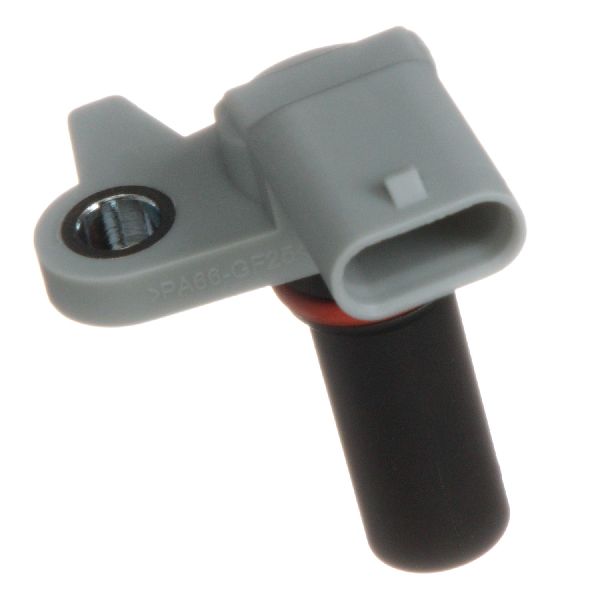
- Engine Variable Camshaft Timing (VCT) Solenoid (Exhaust)
(OEM #CM5Z-6M280-C (supersedes CM5Z-6M280-A))— This is the component that fails most often, either electrically or by getting clogged with debris, triggering the P0013 circuit code.
Trusted brands: Motorcraft, Dorman, Standard Motor Products (SMP), NGK
OEM price range: $60-$100
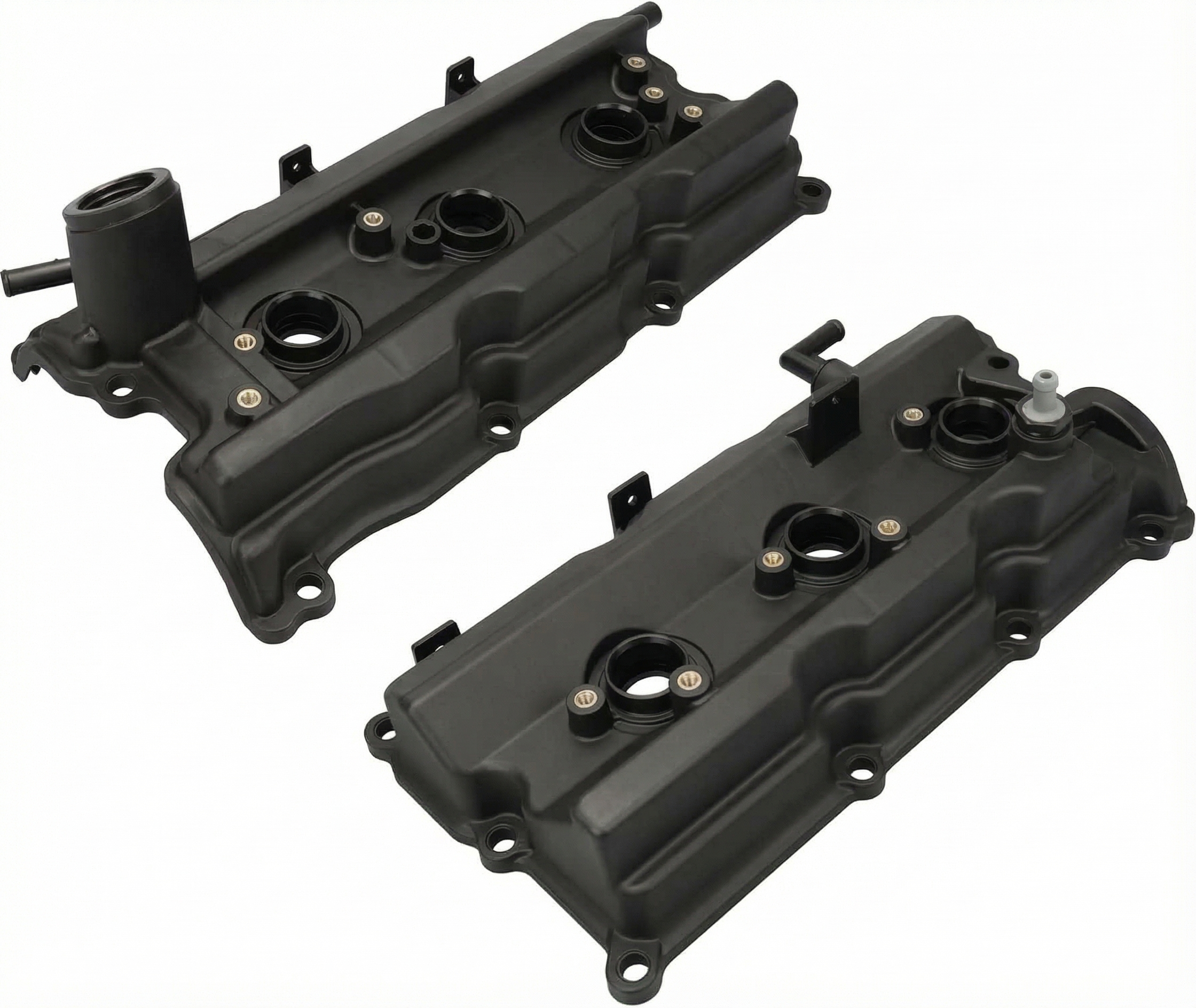
Aftermarket price range: $30-$70 - Valve Cover Gasket Set
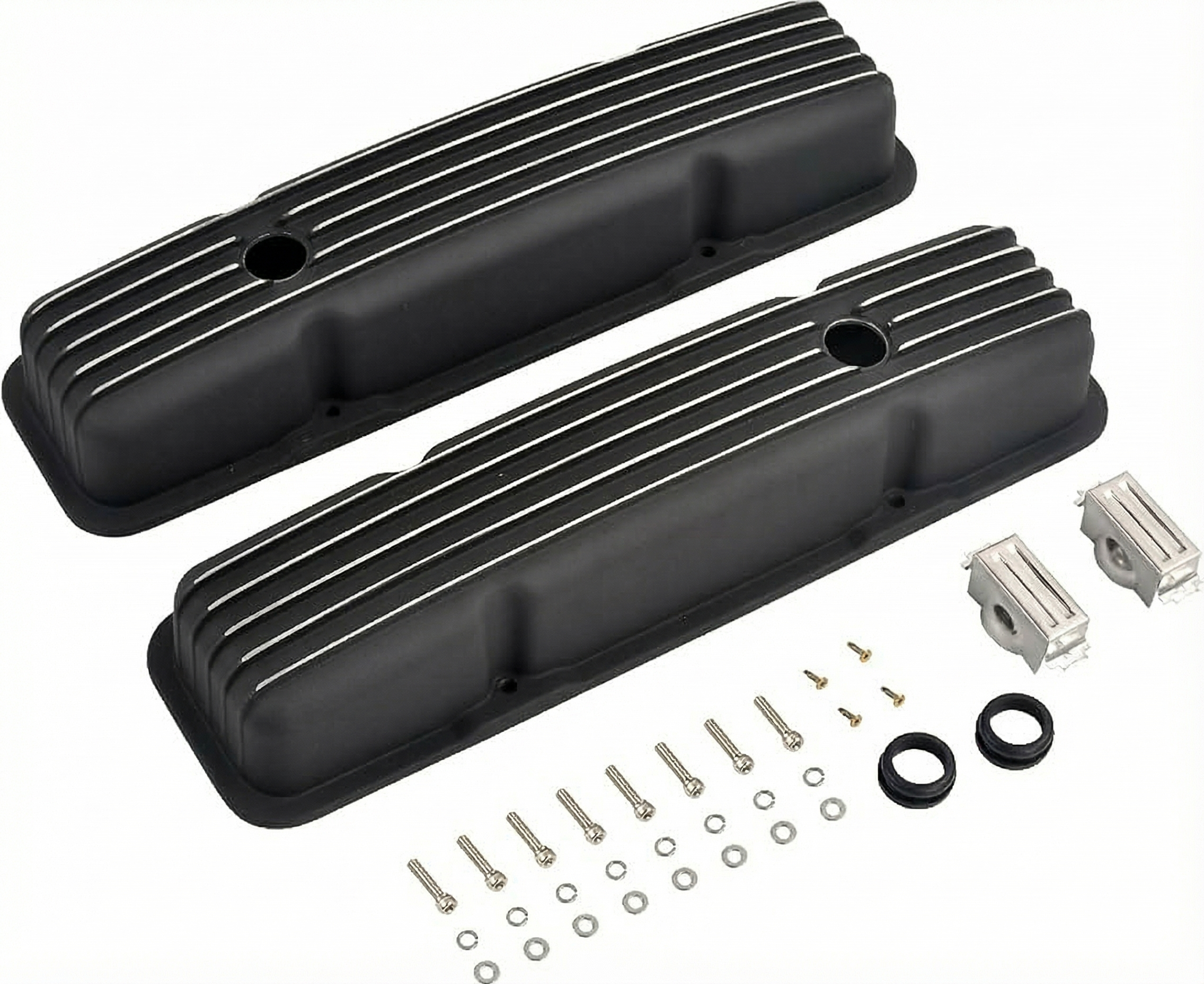
(OEM #9G9Z-6584-A or similar)— The valve cover must be removed to access the VCT solenoid on the 2.0L EcoBoost engine. The gasket is a one-time use part and should always be replaced during this procedure 🎬 Watch: How to properly remove the valve cover and gasket. to prevent oil leaks.
Trusted brands: Motorcraft, Fel-Pro, Mahle
OEM price range: $40-$60
Aftermarket price range: $25-$45
Related Codes That Often Appear With This One
- P0010 — This code is for the Intake ('A') Camshaft Position Actuator Circuit. If both solenoids are failing, are affected by the same dirty oil, or there is a common wiring issue, you might see both codes together.
- P0014 — This code indicates 'Exhaust Camshaft Timing - Over-Advanced'. A failing or sticking VCT solenoid can cause both electrical circuit codes (P0013) and mechanical timing position codes (P0014) as the PCM struggles to control the camshaft.
- P0015 — This code indicates 'Exhaust Camshaft Timing - Over-Retarded'. Similar to P0014, this points to a mechanical timing issue that can be caused by the same faulty VCT solenoid responsible for P0013.
Technical Service Bulletins (TSBs) & Recalls
- SSM 50067: A broad TSB covering 2015-2021 Ford/Lincoln vehicles for various VCT codes (P0011, P0012, P0014, P0015, etc.). It notes that small debris can cause the VCT solenoid to stick and advises using a diagnostic tool to cycle the solenoid 10 times to clear it before replacement. This reinforces the 'dirty oil' cause.
- SSM 47170: Similar to SSM 50067, this earlier bulletin also attributes various VCT codes to sticking solenoids caused by debris, highlighting the sensitivity of the VCT system.
Mechanic-Grade Diagnostic Values
- VCT Solenoid Resistance — expected: 6.9 - 7.9 Ohms at 68°F (20°C). Failure: An open circuit (infinite resistance) or a reading significantly outside the specified range indicates a failed solenoid coil.
- VCT Advance Error PID (VCT_ADV_ERR) — expected: Should be close to 0° (+/- 5°) at hot idle in closed-loop operation.. Failure: A consistent, large deviation from 0° indicates the PCM is unable to control the camshaft to its desired position.
- VCT Solenoid Duty Cycle PID — expected: The duty cycle for intake and exhaust solenoids should be similar. The PCM will increase the duty cycle to compensate for a sticking or failing solenoid.. Failure: A significant disparity in duty cycle between banks (on a V-engine) or a consistently high duty cycle on the exhaust solenoid suggests a problem.
Scan Tool Commands That Help
- Ford IDS (Integrated Diagnostic System): Monitor VCT PIDs (VCT_ADV_ERR, VCT_SO2_DC) — Use during a test drive or at idle to see live data on how the PCM is commanding the solenoid and how the camshaft is responding. This helps differentiate between a circuit fault and a mechanical timing issue. The system must be in closed-loop for data to be valid.
- Professional Scan Tool (e.g., Launch, Autel): VCT Solenoid Bidirectional Test — This command actively cycles the VCT solenoid on and off. It can be used to check if the solenoid is mechanically stuck or to attempt to clear minor debris as suggested by Ford TSBs. A change in engine idle or a clicking sound from the solenoid indicates it is responding.
Wiring & Ground Locations
- PCM Main Grounds — On the main PCM connector, pins 1, 2, and 4 are typically the main grounds for the module.. A poor ground at the PCM can cause erratic behavior and incorrect voltage readings for various sensor and actuator circuits, including the VCT solenoid driver.
- PCM V-Power (from relay) — On the main PCM connector, pins 5 and 6 are typically the main power inputs from the PCM power relay.. Loss of stable power to the PCM will prevent it from correctly operating its internal drivers that control the VCT solenoid.
- VCT Solenoid Control Wire — Runs from a specific pin on the PCM connector to the VCT solenoid connector. The PCM provides a ground-side control to activate the solenoid.. This specific wire is what the P0013 code monitors. An open or short on this wire between the PCM and the solenoid is a direct cause of the code.
- Engine Bay Ground Point — A common primary ground connection point is located in the engine bay, to the right of the battery and near the under-hood fuse box.. While the PCM has its own grounds, other related components rely on chassis grounds. A corroded or loose main ground can cause widespread electrical issues.
Real Owner Repair Stories
- Mustang6G.com forum user (Ford Mustang (with similar VCT system)) — P0013 Check Engine Light, rough idle.
❌ Tried (didn't work) Replacing the exhaust VCT solenoid.
✅ What actually fixed it The root cause was a spun reluctor wheel that is pressed onto the exhaust camshaft. The wheel could be spun by hand, meaning the camshaft position sensor was getting an incorrect reading relative to the actual cam lobes. The entire camshaft had to be replaced to fix the issue.
"I Checked Everything" — The Actual Cause
- A technician may find that the VCT solenoid tests correctly for resistance and the wiring shows good continuity back to the PCM, leading to a dead end. In one documented case, the actual cause was a mechanical failure where the reluctor wheel on the camshaft had spun, so while the electrical circuit was perfect, the timing information being generated was false. This required camshaft replacement.
OEM Part Supersession History
CM5Z-6M280-A→CM5Z-6M280-C— Standard part revision by the manufacturer, likely for improved reliability or manufacturing process.
Model Year Variations Within This Range
- 2015-2018: The 2.0L EcoBoost engine in the 2015+ Edge is a significant redesign from the engine used in the 2011-2014 Edge. The 2015+ version is an all-Ford design featuring a twin-scroll turbocharger and a higher compression ratio (10.1:1 vs 9.3:1). Parts are generally not interchangeable between these two generations.
- 2015-2017: Some owner communities and reliability reports suggest avoiding the 2015-2017 model years due to a higher frequency of problems, including issues with the 6-speed automatic transmission that was paired with the 2.0L EcoBoost during this period.
Diagnostic Flowchart
Other Known Issues on This Vehicle
Issues unrelated to this code that are worth knowing about as an owner of this generation:
- Engine Coolant Intrusion 🔴 High — A well-documented design flaw in 2015-2019 2.0L EcoBoost engines where coolant leaks into the cylinders, often requiring complete engine replacement. (Ref: Ford TSB 23-2077 addresses this issue for some models, but it remains a major concern for owners outside of warranty.)
- Cracked Flexplate 🟠 Medium — Can cause a rattling or grinding noise from the transmission bellhousing area, especially at idle. Can lead to loss of power if it fails completely. (Ref: Ford Customer Satisfaction Program 22N12 provides a one-time repair for affected vehicles.)
- Panoramic Vista Roof Leaks/Rattles 🟠 Medium — The large panoramic sunroof is prone to developing leaks, often due to clogged drain tubes or failed seals, and can also develop rattles. (Ref: Recall 16V695 for improper bonding on some models. TSB 16-0079 for a rattle/pop noise.)
- 6F35 Transmission Problems 🟠 Medium — The 6-speed automatic transmission can exhibit harsh shifting, shuddering, or premature failure of the torque converter. (Ref: Multiple TSBs and a class-action lawsuit have been filed regarding the reliability of this transmission.)
Used vs. New Parts: Buying Guide for This Vehicle
When a used part is the smart pick: A used VCT solenoid from a verified low-mileage donor vehicle could be a cost-saving option. However, given the significant labor involved in removing the valve cover for access, the risk of a used part failing prematurely often outweighs the savings compared to a new aftermarket part.
Donor-vehicle mileage cap: roughly under 60000 miles for the part to have meaningful remaining life.
What to inspect on the donor part:
- Inspect the fine mesh screens on the solenoid; they should be perfectly clean, free of sludge, and have no tears or damage.
- Check the electrical connector pins for any signs of corrosion or oil contamination.
- Ask for the VIN of the donor car to verify it had a clean history and was not involved in a major engine failure.
OEM-only on this vehicle (don't cheap out):
- Powertrain Control Module (PCM) - Used or aftermarket PCMs often lead to programming, security system (PATS), and communication issues. A new, VIN-matched OEM unit is the only reliable choice.
Aftermarket brands forum-validated for this vehicle:
- Dorman
- Standard Motor Products (SMP)
- NGK/NTK
Real Owner Stories
Aggregated from forums and TSBs cited above. Mileages and costs reflect what owners reported in those sources.
2017 Ford Edge Titanium 2.0L EcoBoost
Symptoms: Check Engine Light came on with Code P0013 (B Camshaft Position Actuator Circuit / Open Bank 1) immediately after a brand new long block was installed due to coolant seepage into cylinder 2.
What fixed it: The owner identified the issue at the sensor on top protruding from the valve cover towards the exhaust cam, suggesting a circuit or connection issue during the engine swap.
Source hint: Ford Edge Forum (fordedgeforum.com) thread titled 'Code P0013 B Camshaft Position Actuator Circuit Open Bank 1 2.0L EcoBoost'
Related OBD-II Codes
Frequently Asked Questions
Is there a TSB for the VCT solenoid sticking on my 2015-2018 Ford Edge?
What specific oil should I use in my 2.0L EcoBoost to prevent P0013?
Where is the exhaust VCT solenoid located on the Edge 2.0L EcoBoost engine?
Can I test the solenoid myself with a multimeter?
Is the P0013 code related to the common coolant intrusion issue on these engines?
Does the 2015-2018 Ford Edge have a program for transmission or flexplate issues that might occur alongside engine codes?
Helpful Videos

Used OEM Parts in Stock
New Aftermarket Parts Available


The information in this article is provided for general reference and educational purposes only. Vehicle specifications, procedures, and part compatibility can vary by production date, trim level, and region. Always consult your vehicle's factory service manual and verify part numbers before purchasing or performing repairs. Safety-critical components such as airbags, seat belts, and braking systems should be installed by a qualified professional.
- Ford Edge:
- 🧭 Diagnostic Flowchart
- 🎬 Helpful Videos
- 🛍️ Shop This Part
- What's Unique About the 2015-2018 Ford Edge
- Symptoms You May Notice
- Most Likely Causes
- Rare But Worth Checking
- Diagnosis Steps
- Parts You'll Likely Need
- Related Codes That Often Appear With This One
- Technical Service Bulletins (TSBs) & Recalls
- Mechanic-Grade Diagnostic Values
- Scan Tool Commands That Help
- Wiring & Ground Locations
- Real Owner Repair Stories
- "I Checked Everything" — The Actual Cause
- OEM Part Supersession History
- Model Year Variations Within This Range
- Other Known Issues on This Vehicle
- Used vs. New Parts: Buying Guide for This Vehicle
- Real Owner Stories
- 2017 Ford Edge Titanium 2.0L EcoBoost
- Related OBD-II Codes
- Frequently Asked Questions
- 🎟️ Get 5% Off