

P0013 on 2010-2011 Mercedes-Benz E-Class: Exhaust Camshaft Actuator Fixes
On a 2010-2011 E-Class with the M272 V6, P0013 is almost always caused by a faulty exhaust camshaft adjuster magnet (solenoid) on the passenger side (Bank 1). This is a very common failure, and the part is relatively inexpensive and easy to replace for a DIYer. Often, oil leaking from the magnet into the wiring harness is a related issue that must be addressed.
- P0013 on a 2010-2011 E350 points to an electrical fault with the passenger-side exhaust camshaft actuator (magnet).
- The most likely cause is a failed magnet, which is a cheap and easy part to replace.
- Before replacing parts, check the engine oil level and inspect the magnet's electrical connector for oil contamination.
- A simple and effective diagnostic is to swap the suspect magnet with the intake magnet on the same side; if the code follows the part, you've found the problem.
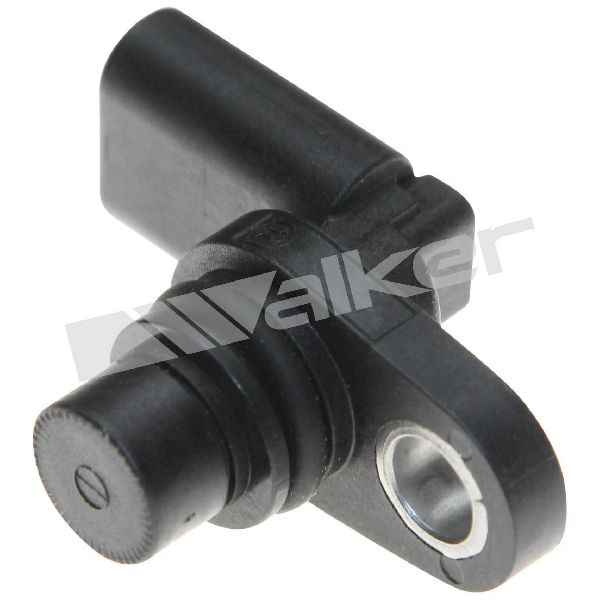
- Do not confuse the camshaft adjuster magnet (solenoid) with the camshaft position sensor; they are different parts, and the magnet is the usual culprit for P0013.
What's Unique About the 2010-2016 Mercedes-Benz E-Class
The M272 V6 engine, used in the E-Class through the 2011 model year, is well-known for issues with its camshaft adjuster magnets (solenoids). These components frequently fail electrically or begin to leak oil directly into the engine wiring harness, a chronic issue on many Mercedes engines of this era. This oil wicking can cause a variety of timing-related fault codes. While the code points to a circuit fault, the root cause is overwhelmingly the magnet itself rather than the wiring or the engine computer. This is a common and well-documented issue across many Mercedes-Benz models that use this engine.
Generation note: The 2010-2016 E-Class range covers the W212 generation. However, the M272 V6 engine was only used in the E350 model up to the 2011 model year. From 2012 onwards, the E350 used the newer M276 engine, which also suffers from similar camshaft magnet issues. This guide specifically addresses the M272 engine found in the 2010-2011 models.
Symptoms You May Notice
- Check Engine Light (Malfunction Indicator Lamp) is on
- Rough engine idle
- Poor acceleration and reduced engine performance
- Decreased fuel economy
- Engine may hesitate or stall
- Rattling noise from the engine on startup
- Replacing the camshaft position sensor. The P0013 code specifically refers to the actuator (solenoid/magnet) circuit, not the position sensor. While the sensor can also fail and leak oil, it is a separate component and is less likely to be the cause of this specific code.
- Ignoring oil in the harness. If oil contamination is present, simply replacing the magnet without cleaning the connector and installing a pigtail harness will likely result in the code returning.
Most Likely Causes
- Faulty Exhaust Camshaft Adjuster Magnet (Solenoid) 🔴 High Probability → Shop Engine Camshaft The camshaft adjuster magnets are a very common failure point on the M272 engine. They can fail internally, causing an open or short circuit, which directly triggers the P0013 code. This is a widely reported issue across multiple Mercedes models sharing this engine.
How to confirm: Swap the suspected faulty magnet (passenger side, exhaust) with an identical one from another position (e.g., the intake magnet on the same bank). Clear the codes and run the engine. If the code changes to P0010 🎬 Watch: How to diagnose and fix these circuit codes ('A' Camshaft Position Actuator Circuit), the magnet is confirmed to be faulty. This is a common DIY diagnostic step mentioned in owner forums.
Typical fix: Replace the faulty camshaft adjuster magnet. All four magnets are often replaced at the same time as a preventative measure, as they tend to fail 🎬 See this step-by-step sensor and magnet replacement guide around the same time.
Est. part cost: $30-$60 per magnet - Oil Contamination in Wiring Connector 🟡 Medium Probability The seals on the camshaft magnets and camshaft position sensors are known to fail, allowing engine oil to seep into the electrical connector and travel down the wiring harness via capillary action. This oil can disrupt the electrical signals and cause the circuit fault. Mercedes-Benz has issued service bulletins regarding this exact problem.
How to confirm: Unplug the electrical connector from the Bank 1 exhaust camshaft magnet and the nearby camshaft position sensor. Visually inspect the inside of the connector and the harness pins for any sign of engine oil.
Typical fix: Replace the leaking magnet or sensor. Clean the oil out of the connector and harness using an electrical contact cleaner. If the oil has wicked far down the harness, a 'pigtail' harness extension (also called an adapter harness or isolation wire) must be installed to prevent oil from reaching the ECM. The pigtail acts as a sacrificial component.
Est. part cost: $15-$30 for a pigtail harness, if needed - Low or Dirty Engine Oil ⚪ Low Probability
How to confirm: The Variable Valve Timing system is hydraulic and relies on clean oil at the correct pressure. Check the engine oil level on the dipstick and review vehicle service records to ensure the correct specification oil (e.g., MB 229.5) and filter are being used and that changes are performed on schedule.
Typical fix: Perform an oil and filter change using manufacturer-approved products.
Est. part cost: $80-$150
Rare But Worth Checking
- Damaged Wiring Harness: While less common than a failed magnet, the wiring leading to the solenoid can become brittle from heat and age, causing an open or short circuit. This should be suspected if a new magnet does not resolve the code.
- Faulty Camshaft Adjuster (Phaser): → Shop Engine Camshaft This is the mechanical gear on the end of the camshaft, not the electronic solenoid. A mechanical failure is rare but possible, and is a much more involved and expensive repair. This is usually accompanied by rattling noises from the front of the engine.
- Faulty Powertrain Control Module (PCM): It is very rare for the PCM itself to fail. This should only be considered after all other possibilities, including the wiring, have been exhaustively tested.
Diagnosis Steps
- Check the engine oil level and condition. Ensure it is full and clean.
- Using an OBD-II scanner, confirm P0013 is the active code and check for any other related codes.
- Locate the exhaust camshaft adjuster magnet on Bank 1 (passenger side of the engine, it's typically the lower of the two magnets on the front of the cylinder head). The magnets are held in by three E8 external Torx bolts.
- Disconnect the electrical connector from the magnet. Inspect the connector and the magnet's pins for any signs of engine oil.
- If no oil is present, swap the exhaust magnet with the intake magnet (the upper one) on the same cylinder head. They are identical parts.
- Clear the fault codes with the scanner, start the engine, and let it run for a minute.
- Re-scan for codes. If the code has changed to P0010, the magnet you moved is faulty and needs to be replaced.
- If the P0013 code returns, the problem is likely in the wiring or the PCM. Test the wiring harness for continuity and shorts between the ECM and the magnet connector.
- If oil was found in the connector, replace the leaking magnet and thoroughly clean the connector with electrical contact cleaner. It is highly recommended to install a pigtail adapter harness (Part No. A2711500156) to prevent future oil contamination of the main harness. 🎬 Watch: Official fix for Mercedes solenoid oil leaks
Parts You'll Likely Need
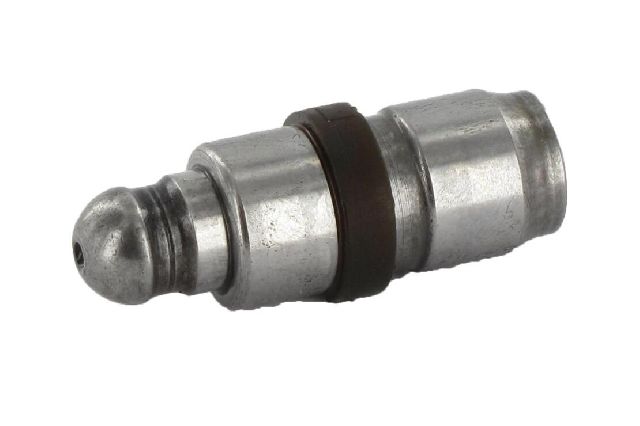
- Camshaft Adjuster Magnet (Solenoid)
(OEM #A2720510177)— This is the most common failure point for the P0013 code on the M272 engine due to internal electrical failure or leaking seals.
Trusted brands: Mercedes-Benz (OEM), Bosch, Pierburg
OEM price range: $45-$65
Aftermarket price range: $30-$50 - Wiring Harness Pigtail Connector
(OEM #A2711500156)— If oil from a leaking magnet has contaminated the engine wiring harness, this pigtail is installed to prevent the oil from wicking further and reaching the main engine computer. This is a preventative measure recommended by Mercedes-Benz service bulletins.
Trusted brands: Mercedes-Benz (OEM)
OEM price range: $20-$40
Related Codes That Often Appear With This One
- P0010 — 'A' Camshaft Position Actuator Circuit (Bank 1). This refers to the intake magnet on the same bank. It's common for these magnets to fail around the same time.
- P0023 — 'B' Camshaft Position Actuator Circuit (Bank 2). This is the same exhaust magnet but on the driver's side. It indicates another magnet is also failing.
- P0014/P0015 — These are timing performance codes ('Over-Advanced' or 'Over-Retarded') for the same camshaft. An electrical fault in the magnet (P0013) can prevent it from controlling the camshaft properly, leading to a performance code.
Technical Service Bulletins (TSBs) & Recalls
- S-B-03.30/08i: This service bulletin from 2009 addresses oil leaking at the camshaft adjustment solenoids for M272 and M273 engines. It recommends replacing the solenoid if it leaks from the electrical connector and installing improved camshaft adjustment solenoids (part number A272 051 01 77).
- A related TSB (LI05.10-P-052093) also discusses the problem of oil in the engine wiring harness due to leaking camshaft adjuster solenoids and recommends installing adapter plugs (pigtails) as a remedy.
Platform-Specific Known Issues
- A user on MBWorld.org with a 2011 C300 (same M272 engine) reported a persistent P0013 code. After swapping sensors with no change and checking wiring, the issue remained. This highlights that while the magnet is the most common cause, wiring issues can still occur, especially after front-end damage.
- Another MBWorld.org user asked for help with P0013 after swapping sensors didn't fix the issue, demonstrating a common misdiagnosis step (swapping sensors instead of the actuator magnets).
Mechanic-Grade Diagnostic Values
- Camshaft Adjuster Magnet (Solenoid) Resistance — expected: 8-15 Ohms. Failure: A reading of infinity (open circuit) or near zero (short circuit) indicates a failed solenoid.
- Voltage at Magnet Connector (Key On, Engine Off) — expected: One pin should have battery voltage (~12V).. Failure: No voltage suggests a wiring or fuse issue upstream from the connector.
- Camshaft Adjuster Magnet Actuation Current (via advanced scan tool) — expected: ~500-600 mA at ~40% duty cycle when warm.. Failure: Inability to draw current, or drawing excessive current, points to an internal failure of the solenoid.
Scan Tool Commands That Help
- XENTRY / DAS (Mercedes Dealer Tool): Camshaft Position Actuation Test — This function allows a technician to directly command the camshaft adjuster magnets to advance or retard timing while observing the live data from the camshaft position sensors. This definitively tests the solenoid's operation, the oil passages, and the mechanical phaser, isolating the fault.
- XENTRY / DAS (Mercedes Dealer Tool): View Camshaft Position Commanded vs. Actual — This live data parameter is crucial for diagnosis. By comparing the ECM's target camshaft angle with the actual angle reported by the sensor, a technician can see if the adjuster is stuck, slow to respond, or not responding at all, which can help differentiate between a circuit fault (P0013) and a performance fault (P0014/P0015).
Wiring & Ground Locations
- Y49/7 (Right Exhaust Camshaft Solenoid) — Front of the passenger side (Bank 1) cylinder head, the lower of the two solenoids.. This is the component directly referenced by the P0013 code. The wiring harness connector at this location is the primary point for voltage, resistance, and oil contamination checks.
- W11 (ECU/ECM Ground) — Located in the engine bay, often near the ECU box or on the firewall. It is a ground point for the engine wiring assembly.. A poor ECU ground can cause erratic behavior and false circuit codes for any sensor or actuator it controls, including the camshaft magnets. Verifying this ground is clean and tight is a crucial step if direct testing of the magnet and its wiring shows no faults.
- W16/5 (Left Major Assembly Compartments Electronics Ground Point) — A critical but difficult-to-locate ground point for the Engine Control Module (ECM).. As a main ground for the ECM, corrosion or looseness here can cause a wide range of difficult-to-diagnose electrical issues, including intermittent actuator circuit faults like P0013.
Real Owner Repair Stories
- YOUCANIC video on YouTube (2015 Mercedes GL450 (with M276 engine, but demonstrates the same diagnostic principle for P0013)) — Check Engine Light with P0013 and P0010 codes stored.
✅ What actually fixed it The video walks through replacing the Bank 1 intake and exhaust camshaft magnets as the primary fix. However, it importantly notes that if the code returns after replacement, the next step is to investigate a stretched timing chain or a pinched/damaged wiring harness.
OEM Part Supersession History
A2720510077→A2720510177— The original magnets were prone to internal oil leaks through the electrical connector. The updated part number features improved seals to mitigate this common failure.
Model Year Variations Within This Range
- 2010-2011: These model years use the M272 V6 engine, which is the focus of this guide. The camshaft adjuster magnet is part number A2720510177.
- 2012-2016: These model years use the newer M276 V6 engine. While it suffers from very similar camshaft magnet and sensor failures, the part numbers are different. The magnet for the M276 was updated from A2761560490 to A2761560790. The diagnostic principles are nearly identical.
Diagnostic Flowchart
Other Known Issues on This Vehicle
Issues unrelated to this code that are worth knowing about as an owner of this generation:
- Balance Shaft Gear Wear 🔴 High — Common on M272 engines manufactured between 2004 and 2008. The issue stems from a prematurely worn balance shaft sprocket. While the 2010-2011 E-Class should be outside the primary failure window, vehicles with early-production replacement engines or those with poor service history could still be at risk. (Ref: Multiple TSBs exist, but no recall was issued. A class-action lawsuit was filed regarding this issue.)
- Intake Manifold Tumbler Flap Failure 🟠 Medium → Shop Engine Intake Manifold — Very common across all years of the M272 engine. The plastic lever and arms that control the variable-length intake runners break, causing performance issues and fault codes like P2004, P2005, or P2006.
- Crankshaft Position Sensor Failure 🟡 Low — A common failure item that can cause no-start or stalling conditions, often with little warning. It's a relatively inexpensive and easy part to replace.
- Front Thrust Link Bushings Wear 🟡 Low — The rubber bushings on the front suspension thrust links (control arms) can wear out, causing clunking noises over bumps and premature inner tire wear.
Used vs. New Parts: Buying Guide for This Vehicle
When a used part is the smart pick: For this specific repair, buying used camshaft adjuster magnets is not recommended. The part is a known high-failure item with a specific design flaw (leaking seals) that was corrected in later revisions. A used part is likely to have the same issue or fail shortly after installation.
What to inspect on the donor part:
- Not applicable as used parts are not advised for this repair.
OEM-only on this vehicle (don't cheap out):
- While not strictly OEM-only, it is highly recommended to use either a Genuine Mercedes-Benz part or a part from the original equipment manufacturer (OEM), such as Pierburg or Bosch, for the camshaft adjuster magnets. This ensures the updated seal design is present.
Aftermarket brands forum-validated for this vehicle:
- Pierburg (often the OEM supplier)
- Bosch
Brands owners have reported issues with on this vehicle:
- Unknown, no-name brands found on online marketplaces should be avoided, as their quality control and seal material may be inferior, leading to a repeat failure.
Real Owner Stories
Aggregated from forums and TSBs cited above. Mileages and costs reflect what owners reported in those sources.
2011 Mercedes-Benz C300 M272 V6
Symptoms: Persistent P0013 code that remained even after swapping sensors and checking wiring.
What fixed it: The source indicates that while magnets are common, this specific case required further wiring investigation, potentially due to previous front-end damage.
Source hint: vehicle_specific_issues citing MBWorld.org
2010-2016 Mercedes-Benz E-Class M272 V6
Symptoms: Owner attempted to fix P0013 by swapping camshaft position sensors, but the code persisted.
What fixed it: The issue was a misdiagnosis; the owner needed to swap or replace the camshaft actuator magnets (solenoids) rather than the sensors.
Source hint: vehicle_specific_issues citing MBWorld.org user query
Related OBD-II Codes
Frequently Asked Questions
Which specific service bulletins address the oil leaking into the wiring harness on my M272 engine?
What is the recommended replacement part number for the camshaft adjustment solenoids to prevent P0013?
Is there a specific part to stop oil from reaching the ECM if my magnets are leaking?
Can I swap parts to confirm if the Bank 1 exhaust magnet is actually the cause of my P0013 code?
My 2010 E-Class has a P0013 code; could this be related to the balance shaft gear issue?
What type of engine oil should I use to ensure the Variable Valve Timing system functions correctly?
Helpful Videos
We Have This Part in Stock

The information in this article is provided for general reference and educational purposes only. Vehicle specifications, procedures, and part compatibility can vary by production date, trim level, and region. Always consult your vehicle's factory service manual and verify part numbers before purchasing or performing repairs. Safety-critical components such as airbags, seat belts, and braking systems should be installed by a qualified professional.
- Mercedes-Benz E-Class:
- 🧭 Diagnostic Flowchart
- 🎬 Helpful Videos
- 🛍️ Shop This Part
- What's Unique About the 2010-2016 Mercedes-Benz E-Class
- Symptoms You May Notice
- Most Likely Causes
- Rare But Worth Checking
- Diagnosis Steps
- Parts You'll Likely Need
- Related Codes That Often Appear With This One
- Technical Service Bulletins (TSBs) & Recalls
- Platform-Specific Known Issues
- Mechanic-Grade Diagnostic Values
- Scan Tool Commands That Help
- Wiring & Ground Locations
- Real Owner Repair Stories
- OEM Part Supersession History
- Model Year Variations Within This Range
- Other Known Issues on This Vehicle
- Used vs. New Parts: Buying Guide for This Vehicle
- Real Owner Stories
- 2011 Mercedes-Benz C300 M272 V6
- 2010-2016 Mercedes-Benz E-Class M272 V6
- Related OBD-II Codes
- Frequently Asked Questions
- 🎟️ Get 5% Off