

P0014 on 2014-2020 Chevrolet Impala 2.5L: Causes and Fixes for Over-Advanced Camshaft Timing
On a 2014-2020 Impala with the 2.5L engine, code P0014 is most often caused by a faulty exhaust camshaft position actuator solenoid. Before replacing any parts, check that your engine oil is clean, full, and of the correct dexos1 specification. Replacing the solenoid is a common DIY fix, with the genuine ACDelco part costing between $45 and $70. Some 2014 models may be covered by GM's Special Coverage N192289160 for a related valve.
- First, check your engine oil. Low or dirty oil is a very common cause for P0014 and is the easiest thing to fix.
- The most likely failed part is the exhaust camshaft position actuator solenoid. Replacing both the intake and exhaust solenoids at the same time is recommended.
- Use the 'solenoid swap test' to confirm a bad solenoid before buying parts. If the code moves from P0014 (exhaust) to P0011 (intake), the solenoid is definitely bad.
- If you have a 2014 model, contact a GM dealer with your VIN to check for eligibility under Special Coverage N192289160, which might cover the repair for free.
What's Unique About the 2014-2020 Chevrolet Impala
The 2.5L LCV engine in the tenth-generation Impala is known to be sensitive to oil quality and level, which directly impacts the VVT system and can easily trigger a P0014 code. The camshaft actuator solenoids are a very common failure point. GM also issued a special coverage program (N192289160) for the 2014 Impala and Malibu with the 2.5L engine for a related component, the rocker arm oil control valve, which can cause similar symptoms like a rough running engine and check engine light. This indicates a known pattern of issues within the engine's oil control systems. Furthermore, manufacturer documentation such as Bulletin #GCUS-9-3286 notes that a P0014 code may set specifically as a result of a sticking exhaust camshaft position actuator.
Symptoms You May Notice
- Check Engine Light is on
- Rough, unstable, or shaking idle
- Poor engine performance, including hesitation or sluggish acceleration
- Decreased fuel economy
- Engine stalling, especially at idle
- Rattling or knocking noise from the engine
- Replacing the camshaft position sensor when the actual problem is the camshaft position actuator solenoid. The 'swap test' between the intake and exhaust solenoids is the best way to avoid this.
- Replacing timing components (phasers, chain) before thoroughly diagnosing the much more common and cheaper VVT solenoids and oil condition.
- Assuming the code means the timing has jumped. While possible, it is far more likely to be an oil pressure or solenoid control issue.
Most Likely Causes
- Low or Dirty Engine Oil 🔴 High Probability The VVT system is hydraulically operated, making it extremely sensitive to oil pressure, viscosity, and cleanliness. Sludge from old or incorrect oil can clog the fine mesh screens on the solenoids, impeding their function.
How to confirm: Check the engine oil dipstick for the correct level and examine the oil's color and consistency. If it is dark, thick, or below the 'add' line, it needs to be addressed. Ensure the oil life monitor has not been ignored.
Typical fix: Perform an oil and filter change using a full synthetic 5W-20 oil that meets GM's dexos1 specification. Clear the code and drive to see if it returns.
Est. part cost: $40-$70 - Faulty Exhaust Camshaft Position Actuator Solenoid 🔴 High Probability → Shop Engine Camshaft This is the most common component failure for this code on this engine. The solenoids can fail electrically (open circuit) or become mechanically stuck or clogged with debris. GM TSB PIP5162 specifically advises inspecting the solenoid screens for debris on the 2.5L engine. Additionally, Bulletin #PIP5167 indicates that technicians should remove the camshaft solenoids and inspect the screens for debris when P0014 is present alongside misfire codes.
How to confirm: Remove the solenoid and inspect its screens for sludge or metallic debris. A definitive test is to swap the exhaust solenoid with the intake solenoid. Clear the codes and run the engine. If the code changes to P0011 (Intake Camshaft Position), the solenoid is confirmed to be bad. 🎬 See this video for a step-by-step solenoid diagnosis and fix. You can also test the solenoid's resistance with a multimeter; an open circuit or a reading outside of the 8-13 Ohm range indicates failure.
Typical fix: Replace the exhaust camshaft position actuator solenoid. It is often recommended to replace both the intake and exhaust solenoids at the same time as they experience similar wear and are subjected to the same oil conditions.
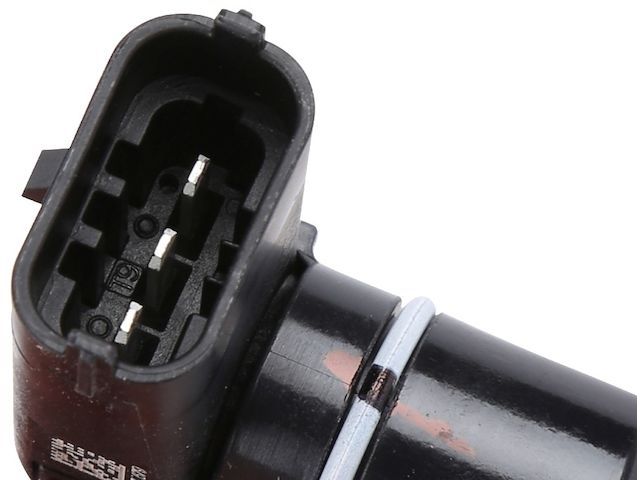
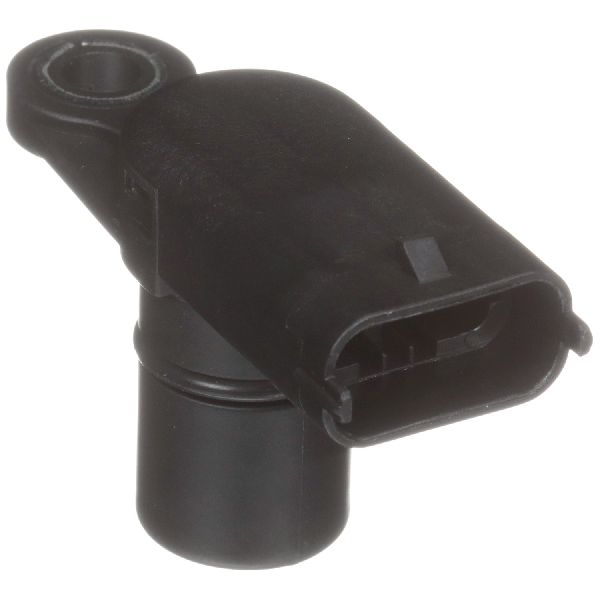
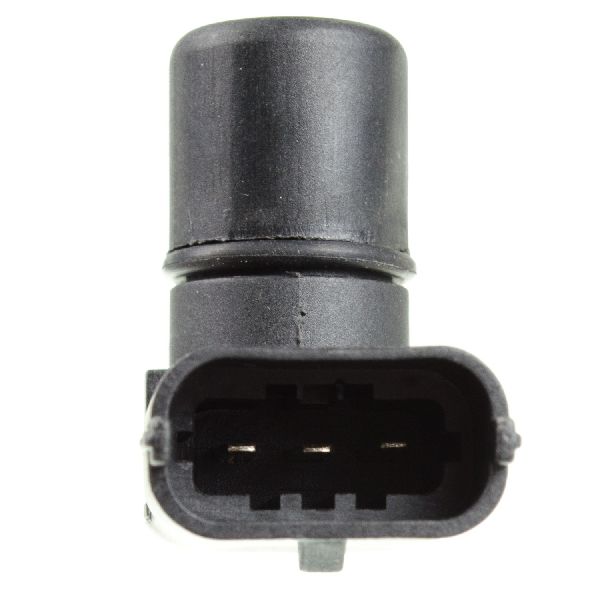
Est. part cost: $25-$70 - Faulty Exhaust Camshaft Position Sensor ⚪ Low Probability → Shop Engine Camshaft Position Sensor While less common than a solenoid failure, the sensor that reads the camshaft's position can fail, sending incorrect data to the ECM. However, this is often misdiagnosed when the solenoid is the real issue.
How to confirm: Test the sensor's circuit and signal with a multimeter or oscilloscope. Often, a failing sensor will also trigger specific sensor circuit codes like P0365 or P0366.
Typical fix: Replace the exhaust camshaft position sensor.
Est. part cost: $20-$60
Rare But Worth Checking
- Stretched Timing Chain: → Shop Engine Timing Chain On higher-mileage engines (over 100,000 miles) or those with a history of poor oil maintenance, the timing chain can stretch. This causes a correlation issue between the crankshaft and camshaft that can trigger P0014. This is a much more involved and expensive repair, often accompanied by a rattling noise on startup.
- Corroded ECM Connector Terminals: A GM document for the Cadillac ATS with the same 2.5L LCV engine indicates that corrosion in the Engine Control Module (ECM) connectors (X1, X2, X3) can cause a wide variety of codes, including P0014. This should be considered if multiple unrelated codes are present.
- Faulty Camshaft Phaser (Actuator): → Shop Engine Camshaft The mechanical gear (phaser) on the end of the camshaft can fail. It can get stuck in the advanced position due to internal debris or a failure of its locking pin. This is a more complex mechanical repair than replacing the solenoid.
- Engine Identification Discrepancies: According to Bulletin #PIP5096C, if no other drivability concerns are found during inspection for P0014, technicians are advised to inspect the engine EUN sticker for an (A) before the sequence number as part of the diagnostic process.
Diagnosis Steps
- Check Engine Oil: Verify the oil level is full and the oil is clean. If it's low, dirty, or past its service life, perform an oil and filter change with full synthetic 5W-20 dexos1 oil, clear the code, and see if it returns.
- Scan for Other Codes: Check for any other stored codes that could provide more clues, such as circuit codes (P0013) or sensor codes (P0365).
- Inspect Solenoid Wiring: Visually inspect the wiring and connector for the exhaust camshaft actuator solenoid (the rearmost of the two solenoids on top of the valve cover) 🎬 Watch: How to locate and replace the 2.5L solenoids. for any signs of damage, corrosion, or loose connections.
- Perform the Solenoid Swap Test: The 2.5L engine has two easily accessible solenoids on top of the engine. Unplug both, remove their single 10mm retaining bolt, and swap their positions (put the intake solenoid in the exhaust spot and vice-versa). Reinstall and clear the codes. Drive the vehicle. If the code changes to P0011 (Intake), you have confirmed the solenoid is faulty.
- Test or Replace the Solenoid: If the swap test confirms a bad solenoid, replace it. While TSB PIP5162 suggests cleaning the screens can sometimes work, replacement is the reliable fix.
- Test the Camshaft Position Sensor: If the solenoid is not the issue, test the camshaft position sensor and its circuit to ensure it is sending a correct signal to the ECM.
- Mechanical Inspection: If all electrical components and sensors check out, the issue may be mechanical, such as a stretched timing chain or a faulty camshaft phaser. This level of diagnosis often requires professional tools and expertise.
Parts You'll Likely Need
- Exhaust Camshaft Position Actuator Solenoid
(OEM #12662737)— This is the most frequent cause of code P0014 on this engine due to electrical failure or clogging from oil debris.
Trusted brands: ACDelco (GM Genuine), Delphi, Dorman
OEM price range: $45-$70
Aftermarket price range: $25-$50 - Intake Camshaft Position Actuator Solenoid
(OEM #12662736)— It is highly recommended to replace both solenoids as a pair since they are the same age and operate under the same conditions. The original part number 12655434 has been superseded by 12662736.
Trusted brands: ACDelco (GM Genuine), Delphi, Dorman
OEM price range: $45-$70
Aftermarket price range: $25-$50
Related Codes That Often Appear With This One
- P0013 — This is an electrical circuit code for the same exhaust camshaft actuator solenoid. Seeing P0013 and P0014 together strongly points to a faulty solenoid or a wiring issue to it.
- P0011 — This is the 'over-advanced' code for the intake camshaft. If you see P0011 and P0014 together, it may indicate a systemic issue like very low/dirty oil affecting both VVT solenoids, or a more serious timing correlation problem.
- P0300 — This indicates a random engine misfire. Incorrect camshaft timing disrupts the air/fuel mixture and combustion events, which can cause misfires. Bulletin #PIP5167 specifically links P0300 with P0011 and P0014, requiring an inspection of the solenoid screens.
Technical Service Bulletins (TSBs) & Recalls
- N192289160: Special Coverage for a faulty rocker arm oil control valve on 2014 models, which can cause similar symptoms to a P0014 fault.
- PIP5162: Advises inspection and cleaning of VVT solenoid screens for debris as a first step for P0011/P0014 codes before part replacement. 🎬 Watch: A breakdown of common causes for the P0014 code.
- Bulletin #GCUS-9-3286: Identifies that P0014 may set as a result of a sticking exhaust camshaft position actuator.
- Bulletin #PIP5167: Provides information for vehicles with P0300 and P0014, instructing technicians to remove camshaft solenoids and inspect screens for debris.
- Bulletin #PIP5096C: Advises technicians to check the engine EUN sticker for specific sequence markings if P0014 is found without other drivability concerns.
Platform-Specific Known Issues
- Special Coverage N192289160: GM issued this program for the 2014 Chevrolet Impala and Malibu with the 2.5L engine. It covers the failure of the 'rocker arm oil control valve,' which can cause a rough running engine and set a DTC. The coverage is for 10 years or 120,000 miles from the vehicle's in-service date. Owners should check with a GM dealer to see if their specific vehicle is covered and if their symptoms apply.
- TSB PIP5162 - Solenoid Debris: This Technical Service Bulletin applies to the 2.5L LCV engine and specifically addresses DTC P0014. It instructs technicians to remove the camshaft solenoids, inspect the screens for debris, and clean them as a potential fix before replacing parts. If cleaning does not work, the TSB advises blowing out oil passages with light air pressure before installing a new camshaft actuator (phaser).
Mechanic-Grade Diagnostic Values
- VVT Actuator Solenoid Resistance — expected: 8 to 13 Ohms. Some sources state a tighter OEM range of 6.9 to 7.9 Ohms.. Failure: A reading of 0 Ohms (short), OL/infinite (open), or a meter reading that bounces around erratically.
- Camshaft Position Sensor Signal Circuit Voltage (Key On, Engine Off) — expected: 4.8 to 5.2 Volts on the 5V reference wire.. Failure: Voltage significantly outside this range points to a wiring or ECM issue, not necessarily the sensor itself.
Scan Tool Commands That Help
- GDS2 (or equivalent professional scan tool): Camshaft Position Actuator Control — This is a bidirectional test used to command the VVT solenoid on and off while the engine is running. A technician can observe the engine's response; a functioning solenoid and phaser should cause the engine to hesitate or run rough when activated. If there is no change, it points to a faulty solenoid, clogged oil passage, or stuck phaser.
- GDS2 (or equivalent professional scan tool): Desired vs. Actual Camshaft Angle Data — This live data parameter shows what the ECM is commanding the camshaft angle to be versus what the camshaft position sensor is actually reading. For P0014, you would expect to see the 'Actual' angle significantly more advanced than the 'Desired' angle, confirming the fault condition.
Wiring & Ground Locations
- G122 — Rear center of the engine compartment.. This is a primary engine ground. A loose or corroded G122 can cause a variety of sensor and actuator issues, including erratic behavior of the VVT solenoids and camshaft position sensors.
- ECM (Engine Control Module) — Inside the air cleaner assembly for the 2.5L LCV engine.. The ECM provides the power, ground, and control signal to the VVT solenoids. Knowing its location is critical for advanced diagnostics like checking for voltage and signal integrity directly at the ECM pins to rule out harness damage.
- Exhaust Camshaft Position Actuator Solenoid Valve Connector — On the rear of the cylinder head, on top of the camshaft cover.. This is the connector for the component most likely to have failed. Technicians will test for battery voltage on the power supply pin (with ignition on) and check the integrity of the control wire back to the ECM.
Real Owner Repair Stories
- GMTNation Forum User / GM TSB PIP4548F (2014 Chevrolet Malibu 2.5L LCV (same engine and VVT system)) — P0016 and P0017 codes stored.
❌ Tried (didn't work) Replaced timing chain, guides, and tensioners., Replaced both VVT solenoids (intake and exhaust).
✅ What actually fixed it The codes returned immediately after the timing chain service. The final solution was replacing the intake camshaft. The reluctor wheel (the part the sensor reads) had spun on the camshaft itself, causing a permanent correlation error even with all new timing components.
OEM Part Supersession History
12627116, 12655433→12662737— Part consolidation and potential design/material improvements.
Model Year Variations Within This Range
- 2014-2015: The 2014-2015 Impala with the 2.5L engine may be affected by TSB 18-NA-367, which addresses DTCs related to the dual battery control module for the start-stop system. While not directly causing P0014, electrical issues stemming from loose grounds or battery monitor faults could potentially affect overall vehicle electrical stability.
Diagnostic Flowchart
Other Known Issues on This Vehicle
Issues unrelated to this code that are worth knowing about as an owner of this generation:
- Loose Intake Manifold Bolts 🟠 Medium → Shop Engine Intake Manifold — Common issue, can occur at various mileages. Causes vacuum leaks leading to lean codes (P0171) and rough idle. (Ref: TSB #PIP5529B)
- Clogged Secondary Air Injection (SAI) Ports 🟡 Low — More common on vehicles with frequent short trips. Causes carbon buildup in the cylinder head ports, triggering code P0411.
- Debris in Water Outlet Assembly 🟠 Medium — A known issue on 2014-2015 models where manufacturing debris can clog the water outlet, causing cooling system performance codes like P2181. (Ref: TSB #PIP5300)
- Internal Piston Oil Nozzle Failure 🔴 High — A less common but severe issue where internal parts of the piston oil squirters can detach, leading to low oil pressure and potential for major engine damage. (Ref: TSB #PIP5247A)
- Premature Water Pump Failure 🟠 Medium — The water pump on the 2.5L engine is known to become noisy and develop coolant leaks, often before 100,000 miles.
Used vs. New Parts: Buying Guide for This Vehicle
When a used part is the smart pick: For this specific repair (P0014), using a used part from a junkyard is NOT recommended for the VVT solenoids. These are sensitive electro-hydraulic parts that are highly affected by the maintenance history (oil quality, change intervals) of the donor vehicle. The risk of getting a part that is already clogged, worn, or near failure is very high.
Donor-vehicle mileage cap: roughly under 30000 miles for the part to have meaningful remaining life.
What to inspect on the donor part:
- If forced to use a used solenoid, pull it from the lowest-mileage vehicle possible.
- Visually inspect the mesh screens on the solenoid; they should be perfectly clean, intact, and free of any sludge or metallic debris.
- Avoid any part that comes from an engine with visible oil sludge under the oil cap.
OEM-only on this vehicle (don't cheap out):
- Camshaft Position Actuator Solenoid
Aftermarket brands forum-validated for this vehicle:
- ACDelco (GM Genuine OE)
- Delphi (Often an OEM supplier)
- Dorman (OE Solutions line)
- Standard Motor Products (SMP)
Brands owners have reported issues with on this vehicle:
- Unnamed or generic 'white-box' brands from online marketplaces. Forum and user experiences frequently report these parts failing quickly or being dead-on-arrival.
Real Owner Stories
Aggregated from forums and TSBs cited above. Mileages and costs reflect what owners reported in those sources.
2014 Chevrolet Malibu 2.5L LCV
Symptoms: The owner experienced both P0013 and P0014 codes simultaneously. After replacing both solenoids with aftermarket parts, the P0014 code persisted.
What fixed it: The story highlights the importance of using quality OEM parts or ensuring proper diagnosis, as the persistent code suggested the aftermarket part or underlying oil condition remained an issue.
Source hint: ChevroletForum.com thread titled 'Chevy Malibu 2014 (2.5L) - P0013 and P0014'
2014 Chevrolet Malibu 2.5L LCV
Symptoms: The vehicle triggered a P0014 code, and the owner was seeking advice on whether to replace the sensor or the solenoid.
What fixed it: The owner was advised to target the VVT actuator solenoid rather than the sensor, as the solenoid is the common point of failure for this engine.
Source hint: 2CarPros.com
Related OBD-II Codes
Frequently Asked Questions
I have a 2014 Impala 2.5L with a rough idle and P0014. Is there a special warranty for this?
My mechanic wants to replace the exhaust camshaft sensor for code P0014. Is this the right move for the 2.5L LCV engine?
What kind of oil should I use in my 2015 Impala 2.5L to prevent VVT codes like P0014?
Can I just clean the parts instead of replacing them on my 2.5L engine?
Is it true that I should replace both solenoids even if only the exhaust one is failing?
Where is the exhaust camshaft actuator solenoid located on the 2.5L Impala?
Helpful Videos
We Have This Part in Stock


The information in this article is provided for general reference and educational purposes only. Vehicle specifications, procedures, and part compatibility can vary by production date, trim level, and region. Always consult your vehicle's factory service manual and verify part numbers before purchasing or performing repairs. Safety-critical components such as airbags, seat belts, and braking systems should be installed by a qualified professional.
- Chevrolet Impala:
- 🧭 Diagnostic Flowchart
- 🎬 Helpful Videos
- 🛍️ Shop This Part
- What's Unique About the 2014-2020 Chevrolet Impala
- Symptoms You May Notice
- Most Likely Causes
- Rare But Worth Checking
- Diagnosis Steps
- Parts You'll Likely Need
- Related Codes That Often Appear With This One
- Technical Service Bulletins (TSBs) & Recalls
- Platform-Specific Known Issues
- Mechanic-Grade Diagnostic Values
- Scan Tool Commands That Help
- Wiring & Ground Locations
- Real Owner Repair Stories
- OEM Part Supersession History
- Model Year Variations Within This Range
- Other Known Issues on This Vehicle
- Used vs. New Parts: Buying Guide for This Vehicle
- Real Owner Stories
- 2014 Chevrolet Malibu 2.5L LCV
- 2014 Chevrolet Malibu 2.5L LCV
- Related OBD-II Codes
- Frequently Asked Questions
- 🎟️ Get 5% Off