

P0014 on 2010-2011 Mercury Milan 2.5L: Exhaust Camshaft Timing Over-Advanced Causes and Fixes
On a 2010-2011 Mercury Milan 2.5L, P0014 is almost always caused by low or dirty engine oil, or a sticking exhaust VCT solenoid. Start by checking the oil; an oil and filter change with the correct 5W-20 oil may fix it. If not, the exhaust VCT solenoid is the next likely part to replace. This is a very common failure point acknowledged in Ford TSBs. The OEM part number is BR3Z-6M280-E, which has been superseded by BR3Z-6M280-F.
- P0014 on your Milan 2.5L points to the exhaust camshaft timing being too far advanced.
- Before buying any parts, check your engine oil. Low, old, or dirty oil is the most frequent cause.
- The next most likely culprit is a sticking exhaust VCT solenoid, a known issue on this engine.
- A simple DIY diagnostic is to swap the intake and exhaust VCT solenoids to see if the code changes to P0011.
- The OEM VCT solenoid part number BR3Z-6M280-E has been updated to BR3Z-6M280-F.
What's Unique About the 2010-2011 Mercury Milan
The Mercury Milan is a direct rebadge of the Ford Fusion, and they share the same Duratec 2.5L engine and Ti-VCT system. This engine platform, also known as the Mazda L-engine, is generally reliable but its VCT system is highly sensitive to oil quality, level, and cleanliness. Unlike some engines where this code points to complex mechanical failure, on the Duratec 2.5, the cause is very frequently a simple maintenance issue like old oil or a solenoid contaminated by that oil. Ford has issued multiple Technical Service Bulletins (TSBs) like SSM 48423 and SSM 47170 for similar engines, acknowledging that debris in the oil can cause the VCT solenoids to stick and trigger this code.
Symptoms You May Notice
- Check Engine Light is on
- Rough or unstable idle
- Engine may be hard to start
- Stalling, especially at low speeds or when stopping
- Reduced fuel economy
- A rattling or ticking noise from the engine, particularly on startup
- Loss of power
- Replacing the camshaft position sensor first. While related, the sensor just reads the position; it doesn't cause it to be over-advanced. The problem is usually mechanical or hydraulic (oil-related).
- Replacing the timing chain or phaser before thoroughly diagnosing the VCT solenoids. The solenoid swap is a free and effective diagnostic step that should always be performed first. 🎬 Watch: A simple 'free fix' to try before replacing parts.
Most Likely Causes
- Low, Dirty, or Incorrect Viscosity Engine Oil 🔴 High Probability The VCT system is hydraulic and extremely dependent on oil pressure and cleanliness. Sludge from overdue oil changes is the primary enemy of this system, clogging the fine passages in the VCT solenoids.
How to confirm: Check the oil dipstick. The level should be between the 'add' and 'full' marks. The oil should be amber/brown, not black, thick, or gritty. Review service records to see if an oil change is overdue. This is the first and most important check.
Typical fix: Perform an engine oil and filter change using the manufacturer-specified SAE 5W-20 synthetic blend or full synthetic oil and a quality filter.
Est. part cost: $30-$70 - Sticking or Failing Exhaust VCT Solenoid 🔴 High Probability → Shop Engine Variable Valve Timing (VVT) Solenoid This is the component that directs oil flow to the cam phaser. It has very fine internal passages and screens that can easily get clogged with debris or sludge from dirty oil, causing it to stick. This is a widely acknowledged failure point by Ford across many models with VCT.
How to confirm: After confirming oil is clean and full, this is the next step. A common DIY method is to swap the exhaust VCT solenoid with the identical intake VCT solenoid. They are located on top of the valve cover, each held by one bolt. If the code changes to P0011 (Intake Over-Advanced), the solenoid is confirmed bad. A professional can command the solenoid with a scan tool to check its response.
Typical fix: Replace the exhaust VCT solenoid. It is located on the top of the valve cover and is easily accessible.
Est. part cost: $30-$90 - Worn Timing Components ⚪ Low Probability On higher mileage engines (typically 150k+ miles), the timing chain can stretch and the plastic guides can wear, causing slack in the system that affects camshaft timing. This is less common on the 2.5L Duratec, which is known for durability, but can happen with severe maintenance neglect.
How to confirm: This is usually diagnosed after the oil and VCT solenoid have been addressed. A persistent rattling noise from the side of the engine is a strong indicator. Confirmation requires removing the valve cover to inspect the chain for slack.
Typical fix: Replace the timing chain, guides, and tensioners. This is a labor-intensive job.
Est. part cost: $150-$300
Rare But Worth Checking
- Failed Camshaft Phaser: → Shop Engine Camshaft The phaser itself (the gear on the end of the camshaft) can fail mechanically or get stuck, but it's much less common than the solenoid that controls it. This is usually a last resort after other causes are ruled out.
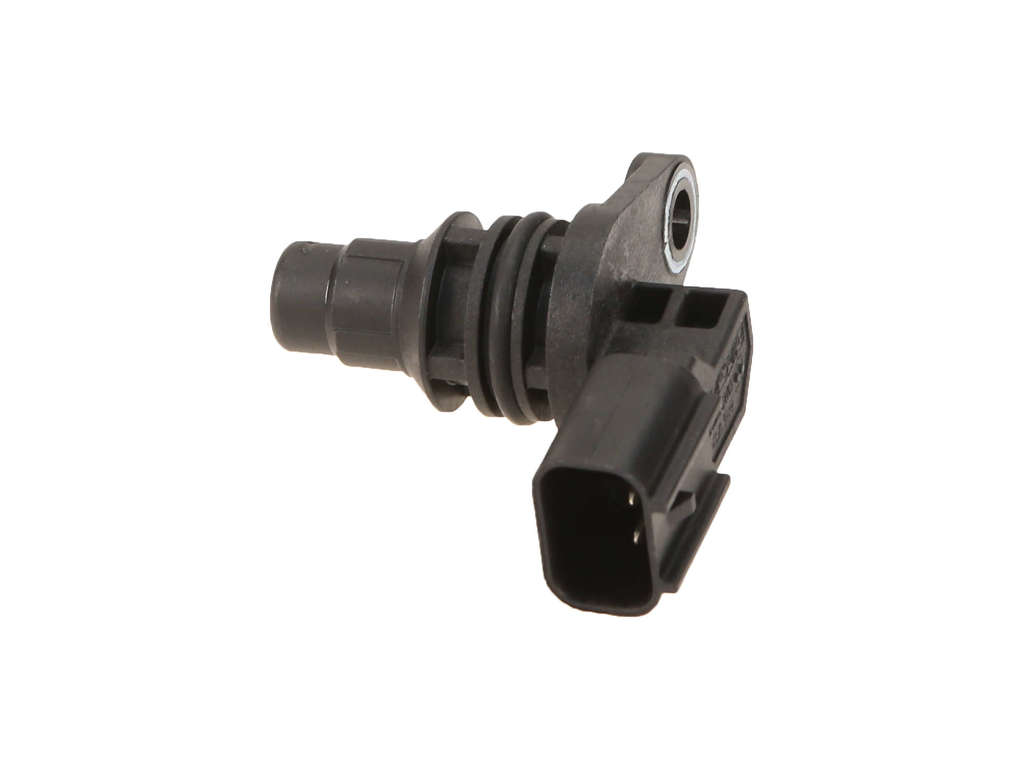
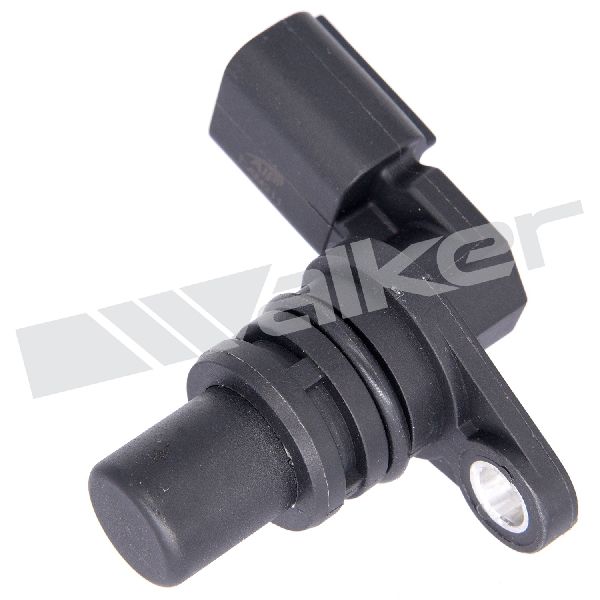
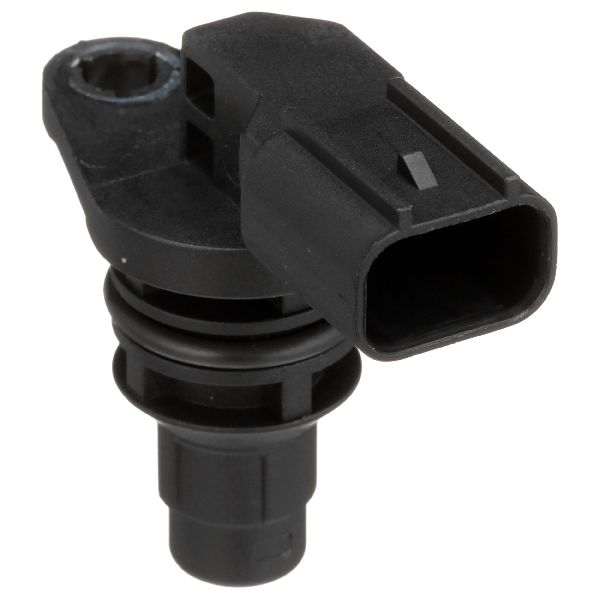
- Faulty Camshaft Position Sensor: → Shop Engine Camshaft Position Sensor A bad sensor usually triggers a different code (like P0340 or P0344). It's rare for it to fail in a way that causes P0014, but not impossible.
- Clogged Oil Passages: In cases of severe engine sludge, the oil passages within the cylinder head that feed the VCT system can become blocked. This typically requires significant engine disassembly to clean.
Diagnosis Steps
- Check Engine Oil: Verify the oil level is correct and the oil is clean. If low, top it off, clear the code, and drive. If dirty or past its service interval, proceed to the next step. This is the most common cause.
- Change Oil and Filter: Replace the engine oil and filter with a high-quality SAE 5W-20 oil and a new filter. Clear the code and drive the vehicle to see if it returns.
- Inspect VCT Solenoid Connector: Check the wiring and connector for the exhaust VCT solenoid (top of the engine, on the exhaust side) for any damage, corrosion, or oil contamination.
- Test/Swap VCT Solenoid: The most definitive DIY test is to swap the exhaust VCT solenoid with the identical intake solenoid. They are next to each other on the valve cover. Clear the codes. If the trouble code changes to P0011, you have a bad solenoid. If P0014 returns, the problem lies elsewhere.
- Replace VCT Solenoid: If the solenoid is confirmed to be faulty, replace it. It is held in by a single bolt (often 8mm or 10mm) and is easy to access. Lubricate the new O-rings with clean engine oil before installation.
- Advanced Diagnosis: If the code persists after the above steps, the issue may be with the timing chain, tensioner, or the cam phaser itself. This is a more advanced diagnosis and repair, often requiring professional help.
Parts You'll Likely Need
- Engine Oil and Filter — This is the most common cause and the first step in diagnosis. The VCT system requires clean oil at the proper viscosity (SAE 5W-20) to function.
Trusted brands: Motorcraft, Mobil 1, Valvoline
OEM price range: $50-$70
Aftermarket price range: $30-$60 - Exhaust Variable Camshaft Timing (VCT) Solenoid
(OEM #BR3Z-6M280-E (Superseded by BR3Z-6M280-F))— This is the most commonly failed component that causes P0014, usually due to contamination from engine oil. The part number has been updated by Ford, indicating revisions to the part.
Trusted brands: Motorcraft, Dorman, Standard Motor Products (SMP)
OEM price range: $50-$80
Aftermarket price range: $25-$50
Related Codes That Often Appear With This One
- P0011 — Intake Camshaft Position Timing Over-Advanced. If seen with P0014, it points to a systemic issue affecting both camshafts, like severe oil sludge or low oil pressure. It will also appear if you swap a bad exhaust solenoid to the intake side for diagnosis.
- P0015 — Exhaust Camshaft Position Timing Over-Retarded. Seeing both P0014 and P0015 can indicate a very erratic VCT solenoid or a failing cam phaser that isn't holding its position.
Technical Service Bulletins (TSBs) & Recalls
- SSM 48423: Notes that VCT-related DTCs like P0014 may be caused by small debris causing the VCT solenoid to stick. Recommends an oil and filter change and attempting to cycle the solenoid with a scan tool to clear it before replacement.
- SSM 47170: An earlier bulletin with similar information to SSM 48423, indicating this has been a known issue pattern for some time.
Platform-Specific Known Issues
- Ford TSBs on VCT Solenoid Debris: → Shop Engine Variable Valve Timing (VVT) Solenoid Ford has issued multiple Special Service Messages (SSMs) and TSBs (e.g., SSM 48423, SSM 47170) for various models that use engines with the Ti-VCT system. These bulletins state that codes like P0014 can be set by small debris causing the VCT solenoid to stick. They recommend performing an oil change and even using a scan tool to cycle the solenoid multiple times to try and dislodge debris before replacing the part.
Mechanic-Grade Diagnostic Values
- VCT Solenoid Internal Resistance — expected: 7 to 14 Ohms. Failure: A reading of 0 Ohms (short circuit) or OL/infinite resistance (open circuit) indicates a failed solenoid coil.
- VCT Solenoid Connector Voltage — expected: Approximately 12V (Battery Voltage). Failure: No voltage or significantly low voltage on the power supply pin indicates a problem with the wiring, fuse, or PCM power relay.
- Scan Tool PID: VCT Exhaust Error (RCAM_ERR or similar) — expected: Close to 0 degrees (+/- 5 degrees) during closed-loop operation.. Failure: A large, persistent deviation indicates the PCM cannot control the camshaft's position to match the target.
Hidden / Shadow Codes Worth Checking
- Mode 6, Test ID $81 (TID $81): Ford vehicles use Mode 6 data to show results from non-continuous monitor tests. For VCT systems, specific Test IDs (like TID $81 for Camshaft Position) will show raw test values, including the degrees of error. A value outside the allowable min/max threshold can confirm a VCT system fault even before a DTC sets. (see via A professional scan tool with Mode 6 data capability (e.g., Ford IDS, high-end Autel/Launch scanners).)
Scan Tool Commands That Help
- Ford IDS (or equivalent professional scanner): VCT Solenoid Bidirectional Control / Output State Control (OSC) — This command allows a technician to manually cycle the VCT solenoid on and off while the engine is idling. A noticeable change or stumble in the idle proves the solenoid is receiving the signal and the cam phaser is mechanically capable of moving. No change in idle points to a stuck solenoid, clogged oil passage, or a failed phaser. This is also the procedure recommended by Ford TSBs to attempt to dislodge debris before replacing the solenoid.
Wiring & Ground Locations
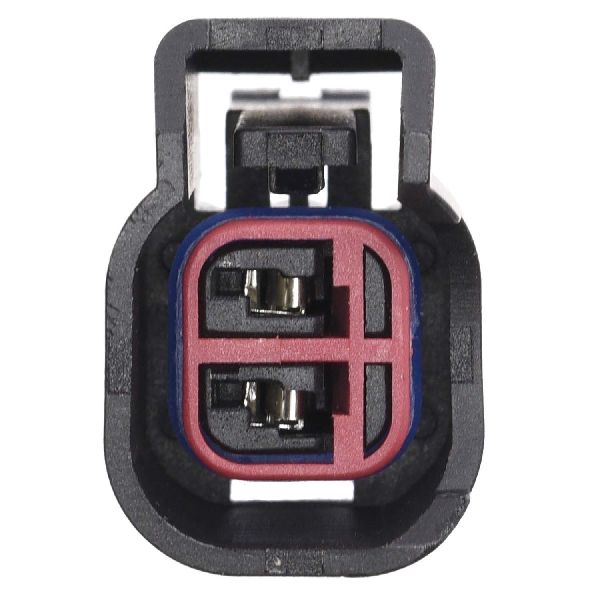
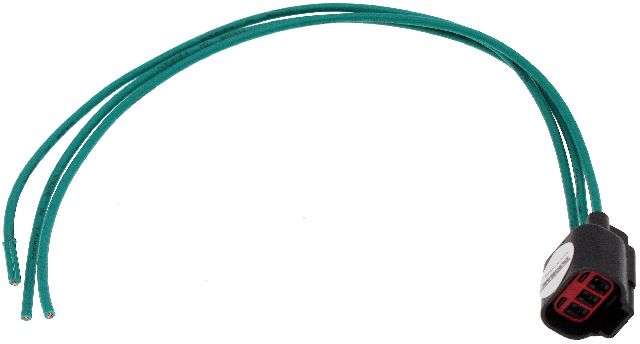
- VCT Solenoid Connector — On top of the valve cover, plugged into the VCT solenoid.. This 2-pin connector provides power and control. Pin 1 is typically the power supply (VPWR) from the PCM power relay, and Pin 2 is the ground-side control signal from the PCM. Checking for battery voltage at Pin 1 (Key On, Engine Off) is a primary electrical test.
- G104 — On the right front of the engine compartment.. This is a primary engine-area ground point. A poor connection here can cause erratic behavior in various engine sensors and actuators controlled by the PCM, including the VCT system.
- G202 — On the left side of the dash, behind the kick panel.. This is an interior ground point that serves various modules. While less likely to be the direct cause, poor grounds can create unpredictable electrical issues that are difficult to diagnose.
Real Owner Repair Stories
- Ford F-150 Forum / Ford Truck Enthusiasts Forums (Ford F-150 5.4L V8 (Note: Different engine, but illustrates a critical diagnostic step for similar VCT systems)) — Engine began sounding like a diesel at idle, rough idle.
❌ Tried (didn't work) Replacing the VCT solenoid. The noise and code returned shortly after.
✅ What actually fixed it The root cause was the discovery of aluminum shavings packed into the VCT solenoid screens. This indicated a catastrophic internal engine failure, specifically the timing chain eating through the aluminum timing chain cover due to broken plastic guides. The fix was a complete timing job (chains, guides, tensioners, phasers) and in severe cases, engine replacement. The key takeaway is that inspecting the old solenoid's screens for metal debris is a critical diagnostic step.
"I Checked Everything" — The Actual Cause
- The equivalent for this hydraulic code is 'Oil is clean and solenoids were replaced, but P0014 persists.' In this scenario, the cause is almost always a deeper mechanical failure. The two most common culprits are a camshaft phaser that is internally clogged or mechanically stuck in the advanced position, or a timing chain that has stretched enough to cause a constant timing deviation that the VCT system cannot compensate for. Diagnosis requires moving beyond simple part swaps to measuring timing chain slack or monitoring commanded vs. actual cam angles with a high-level scan tool.
OEM Part Supersession History
BR3Z-6M280-D→BR3Z-6M280-E— Part revision by manufacturer for improved performance or durability.BR3Z-6M280-E→BR3Z-6M280-F— Part revision by manufacturer for improved performance or durability.
Heads up: While cited in TSBs for the 2.5L engine family, many aftermarket catalogs associate this part number with Ford's 5.0L and 6.2L V8 engines. An alternative part number for the 2.5L is 6M8Z-6M280-B. Always verify with a dealer using the VIN.
Model Year Variations Within This Range
- 2010-2011: The 2010 model year marked a significant refresh, introducing the 2.5L I4 engine which replaced the previous 2.3L. The 2010 and 2011 models are functionally identical regarding the engine and VCT system, so diagnosis for P0014 is the same for both years.
Diagnostic Flowchart
Real Owner Stories
Aggregated from forums and TSBs cited above. Mileages and costs reflect what owners reported in those sources.
Ford Fusion 2.5L
Symptoms: Check engine light with a P0014 code.
What fixed it: Performed an oil change and replaced one or both VCT solenoids as a pair.
Source hint: fordfusionforum.com
Ford models with Duratec 2.5L
Symptoms: Triggered a P0014 code.
What fixed it: Checked the oil, performed an oil change, and swapped/replaced the VCT solenoids.
Source hint: blueovalforums.com
Related OBD-II Codes
Frequently Asked Questions
Do Ford SSM 48423 or SSM 47170 apply to my 2010-2011 Mercury Milan 2.5L?
How can I test if the exhaust VCT solenoid is bad on my Milan's 2.5L engine?
My Milan has over 150,000 miles and a P0014 code. Do I need a new timing chain?
What type of oil should I use to prevent VCT solenoid sludge in my Mercury Milan?
My 2010 Milan is rattling on startup and stalling at low speeds. Is this normal for a P0014 code?
Can I use repair guides for the Ford Fusion to fix the P0014 code on my Mercury Milan?
Helpful Videos
We Have This Part in Stock


The information in this article is provided for general reference and educational purposes only. Vehicle specifications, procedures, and part compatibility can vary by production date, trim level, and region. Always consult your vehicle's factory service manual and verify part numbers before purchasing or performing repairs. Safety-critical components such as airbags, seat belts, and braking systems should be installed by a qualified professional.
- Mercury Milan:
- 🧭 Diagnostic Flowchart
- 🎬 Helpful Videos
- 🛍️ Shop This Part
- What's Unique About the 2010-2011 Mercury Milan
- Symptoms You May Notice
- Most Likely Causes
- Rare But Worth Checking
- Diagnosis Steps
- Parts You'll Likely Need
- Related Codes That Often Appear With This One
- Technical Service Bulletins (TSBs) & Recalls
- Platform-Specific Known Issues
- Mechanic-Grade Diagnostic Values
- Hidden / Shadow Codes Worth Checking
- Scan Tool Commands That Help
- Wiring & Ground Locations
- Real Owner Repair Stories
- "I Checked Everything" — The Actual Cause
- OEM Part Supersession History
- Model Year Variations Within This Range
- Real Owner Stories
- Ford Fusion 2.5L
- Ford models with Duratec 2.5L
- Related OBD-II Codes
- Frequently Asked Questions
- 🎟️ Get 5% Off