

P0015 on 2013-2019 Ford Flex 3.5L: Exhaust Cam Timing Over-Retarded Causes and Fixes
On a 2013-2019 Ford Flex with the 3.5L V6, code P0015 is almost always caused by a dirty or failed exhaust VCT solenoid on Bank 1 (the firewall side). Start with an oil and filter change using Ford-spec oil. If the code returns, the solenoid likely needs replacement. This is a labor-intensive job because accessing the solenoid requires removing the upper intake manifold and valve cover.
- P0015 on your Ford Flex points to the exhaust camshaft timing on the firewall-side cylinder bank (Bank 1).
- Always start your diagnosis by checking the engine oil level and condition. An oil and filter change is a cheap and easy first step.
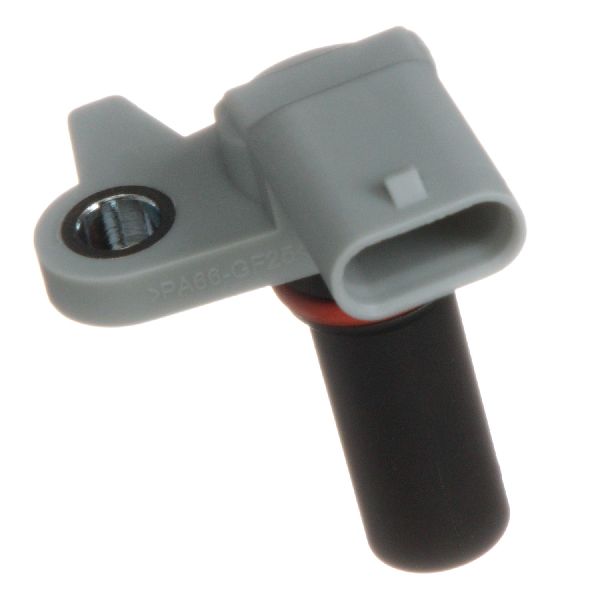
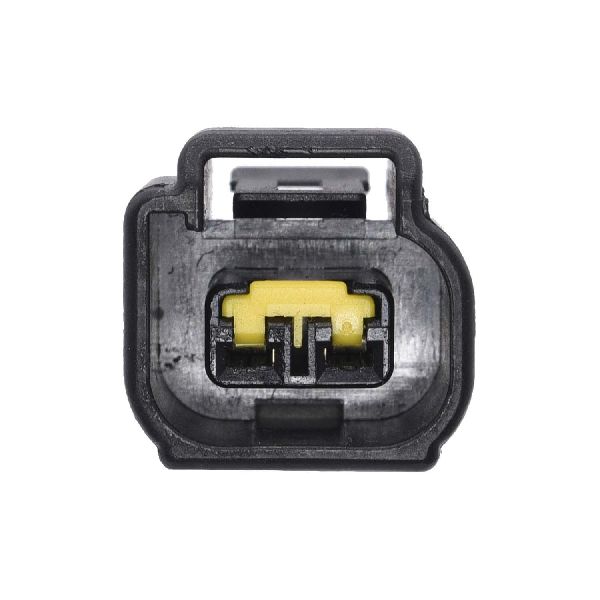
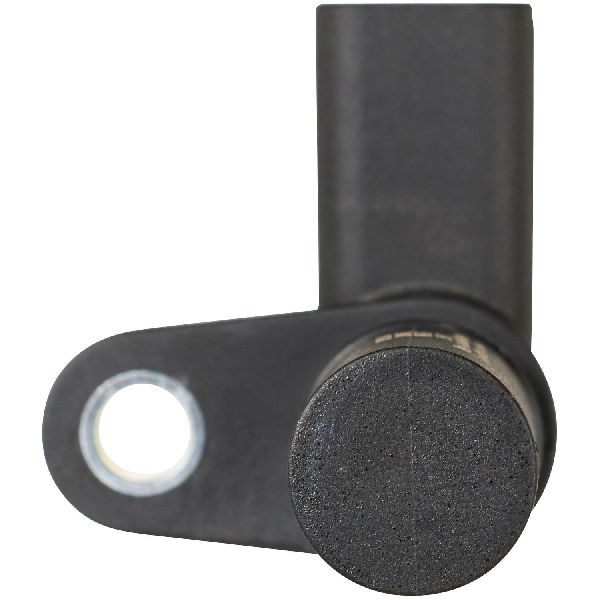
- The most likely culprit is a sticking VCT solenoid. Do not replace the camshaft position sensor, as it is rarely the cause.
- Replacing the Bank 1 VCT solenoids is a labor-intensive job (DIY difficulty 4/5) due to the need to remove the upper intake manifold.
- If an oil change and new solenoid do not fix the code, the problem could be a more serious mechanical issue like a stretched timing chain, which requires professional diagnosis.
What's Unique About the 2013-2019 Ford Flex
The 3.5L 'Cyclone' V6 engine family is well-known for the sensitivity of its Variable Camshaft Timing (VCT) system to oil quality and maintenance schedules. Ford has issued multiple service bulletins (SSM 47170, SSM 48423) acknowledging that small debris in the oil can cause the VCT solenoids to stick, leading directly to codes like P0015. These TSBs specifically recommend using a scan tool to cycle the solenoid multiple times to attempt to dislodge debris before proceeding with replacement, confirming this is a known pattern failure. A critical design feature of this transverse engine is an internal, timing-chain-driven water pump; a failure of this pump can leak coolant into the oil, creating sludge that rapidly clogs the VCT system.
Symptoms You May Notice
- Check Engine Light is on
- Rough or unstable idle
- Poor acceleration and loss of power
- Decreased fuel economy
- Engine hesitation or stalling, especially at low speeds
- Rattling or knocking noise from the engine, particularly from the valve cover area
- Replacing the camshaft position sensor. This sensor is usually working correctly by detecting and reporting the timing discrepancy. The fault lies with the mechanical parts (solenoid, phaser) that control the timing, not the sensor that reads it. 🎬 Watch: Why you shouldn't just replace the camshaft sensor first
Most Likely Causes
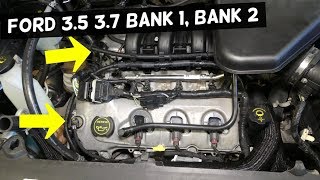
- Dirty or Failed Bank 1 Exhaust VCT Solenoid 🔴 High Probability → Shop Engine Variable Valve Timing (VVT) Solenoid The 3.5L V6's VCT system is sensitive to oil contamination. Ford has issued TSBs (e.g., SSM 47170, SSM 48423) noting that small debris can cause the solenoids to stick. Bank 1 is on the firewall side, making it a more difficult repair. 🎬 Watch: How to identify Bank 1 and Bank 2 on this engine
How to confirm: After checking oil, the most common method is to swap the suspect exhaust solenoid with the intake solenoid on the same bank. If the code changes to P0011 (Intake Cam Position Timing Over-Advanced), the solenoid is confirmed faulty. An advanced scan tool can also be used to command the solenoid on and off to check for a delayed or non-existent response, as recommended in TSB SSM 48423. The solenoid's internal resistance should be between 7-14 Ohms.
Typical fix: Replace the Bank 1 exhaust VCT solenoid. Since accessing it requires removing the upper intake manifold and valve cover, it is highly recommended to replace both the intake and exhaust solenoids on Bank 1 at the same time, along with the valve cover gasket and 🎬 See this step-by-step VCT solenoid replacement walkthrough intake manifold gaskets.
Est. part cost: $30-$80 per solenoid - Low or Dirty Engine Oil 🟡 Medium Probability The VCT system is entirely dependent on oil pressure to adjust camshaft timing. Low levels or degraded, sludgy oil cannot operate the VCT phasers and solenoids correctly, causing them to stick or respond slowly. This is the number one cause of VCT-related codes on this engine.
How to confirm: Check the oil level on the dipstick and inspect its color and consistency. If the level is low or the oil is dark, gritty, or past its service interval, this is a likely contributor.
Typical fix: Perform a complete engine oil and filter change using the Ford-specified full synthetic oil (typically 5W-20) and a quality filter. Clear the code and drive to see if it returns before attempting more expensive repairs.
Est. part cost: $40-$70
Rare But Worth Checking
- Stretched Timing Chain or Failed Chain Tensioner: → Shop Engine Timing Chain While less common than a solenoid failure, timing chain issues can occur on higher mileage 3.5L engines. This is a much more serious and expensive repair. This issue is often accompanied by rattling noises on startup and additional crankshaft-camshaft correlation codes like P0016 or P0017.
- Failed Camshaft Phaser: → Shop Engine Camshaft The phaser is the gear at the end of the camshaft that is hydraulically adjusted by the VCT solenoid. It can get stuck or fail internally, but this is less frequent than a solenoid failure. A failing phaser often produces a distinct knocking or ticking sound.
- Damaged Wiring to VCT Solenoid: → Shop Engine Variable Valve Timing (VVT) Solenoid The wiring harness or connector for the Bank 1 exhaust solenoid could be damaged, corroded, or have a loose connection, preventing the PCM from controlling it properly. This is especially possible given the tight access on the firewall side.
Diagnosis Steps
- Check Engine Oil: Verify the oil level is correct and the oil quality is good. If low, top it off. If old or dirty, perform an oil and filter change with the correct grade oil (typically 5W-20 full synthetic). This simple step resolves the issue in some cases.
- Scan for Other Codes: Check for any other pending or active codes that could point to a larger issue (e.g., P0016, P0017, P0025).
- Use Scan Tool to Cycle Solenoid: Following Ford's TSB SSM 48423, use a bidirectional scan tool to command the Bank 1 exhaust solenoid on and off 10 times (Pinpoint Test HK11). This can sometimes dislodge debris and restore function.
- Inspect Solenoid Wiring: Visually inspect the wiring harness and connector for the Bank 1 exhaust VCT solenoid for any signs of damage, corrosion, or loose connections.
- Test by Swapping Solenoids: The most definitive DIY test is to swap the Bank 1 exhaust solenoid with the Bank 1 intake solenoid. This requires removing the upper intake manifold and valve cover. Clear the codes and run the engine. If the code changes to P0011, the solenoid you moved is faulty and needs replacement.
- Check Oil Pressure: If solenoids and oil level are good, check the engine's oil pressure with a mechanical gauge to ensure it's within specification. Low pressure will disable the VCT system. A minimum of 15-25 PSI at idle is expected.
- Inspect Timing Components: If all else fails, the issue is likely mechanical. This requires removing the valve cover and potentially the timing cover to inspect the camshaft phaser and timing chain for wear or damage. This step is best left to a professional.
Parts You'll Likely Need
- Variable Camshaft Timing (VCT) Solenoid / Oil Control Valve
(OEM #7T4Z-6M280-C (Motorcraft))— This is the most common failure point for P0015 on this engine, as it gets stuck from oil debris. This part number supersedes previous versions 7T4Z-6M280-A, 7T4Z-6M280-AA, and 7T4Z-6M280-B.
Trusted brands: Motorcraft (OEM), Dorman, Standard Motor Products (SMP), Gates, Holstein
OEM price range: $50-$90
Aftermarket price range: $25-$60 - Valve Cover Gasket Set — Required for accessing the VCT solenoids, which are located underneath the valve cover.
Trusted brands: Fel-Pro, Mahle, Motorcraft
OEM price range: $40-$70
Aftermarket price range: $20-$40 - Upper Intake Manifold Gasket Set
(OEM #Fel-Pro MS 97224 (example))— Required for accessing the Bank 1 (rear) valve cover. The intake manifold must be removed.
Trusted brands: Fel-Pro, Motorcraft
OEM price range: $30-$50
Aftermarket price range: $15-$30
Related Codes That Often Appear With This One
- P0011 — This code for 'Intake Camshaft Position Timing Over-Advanced' on the same bank can appear if a technician swaps the intake and exhaust solenoids for diagnostic purposes. If P0015 disappears and P0011 appears, the solenoid is confirmed bad.
- P0016 / P0017 — These crankshaft-camshaft correlation codes indicate a more fundamental timing problem. Seeing them with P0015 significantly increases the likelihood of a stretched timing chain or a failed phaser, as the engine's core mechanical timing is out of sync.
- P0025 — This is the same 'over-retarded' code but for Bank 2 (radiator side). If both P0015 and P0025 are present, it strongly points to a systemic issue affecting the whole engine, like severe oil degradation, low oil pressure from a failing pump, or clogged oil passages.
Technical Service Bulletins (TSBs) & Recalls
- SSM 48423 / SSM 47170: For various 2015-2020 Ford/Lincoln vehicles, these bulletins state that codes like P0015 may be due to small debris causing the VCT solenoid to stick. It explicitly advises technicians to use a scan tool to cycle the solenoid 10 times (Pinpoint Test HK11) to attempt to clear the debris before replacing the part.
- SSM 49821: Acknowledges that VCT solenoid issues are common on the 3.5L/3.7L Cyclone engine family due to oil debris.
Platform-Specific Known Issues
- Access to the Bank 1 (firewall side) VCT solenoids is difficult and labor-intensive, requiring the removal of the upper intake manifold. This turns a simple part swap into a multi-hour job.
- Ford has issued multiple Special Service Messages (SSMs) and TSBs (SSM 47170, SSM 48423) related to VCT codes caused by debris in the oil, confirming this is a known pattern failure and providing specific diagnostic steps.
Mechanic-Grade Diagnostic Values
- VCT Solenoid Internal Resistance — expected: 7-14 Ohms at ~68°F (20°C). Some sources state a tighter range of 6.9-7.9 Ohms.. Failure: A reading of 0 Ohms (short), OL/infinite resistance (open circuit), or a value significantly outside the expected range.
- VCT Solenoid Connector Voltage (Key On, Engine Off) — expected: ~12V (Battery Voltage) on the power supply pin (typically Blue/Green wire).. Failure: Voltage below 10.5V suggests a wiring or power supply issue upstream of the solenoid.
- Engine Oil Pressure at Idle (Hot) — expected: Minimum 15-25 PSI.. Failure: Pressure below this threshold can cause the VCT system to malfunction, leading to timing codes.
- Scan Tool PID: VCT_ERR (VCT Error) — expected: Should hover near 0 degrees at idle and steady driving.. Failure: A consistent error of more than +/- 5 degrees indicates a correlation fault that the PCM cannot correct.
- Scan Tool PID: CAMDCR (Commanded VCT Duty Cycle) — expected: The duty cycle percentage for Bank 1 and Bank 2 should be similar under the same conditions.. Failure: A significant disparity where the PCM commands a much higher duty cycle for one bank suggests that bank is struggling to achieve the desired timing, pointing to a mechanical or hydraulic restriction.
Hidden / Shadow Codes Worth Checking
- Mode $06, TID $83, CID $01-$04: Mode $06 contains non-continuous monitor test results. For Ford, Test ID $83 relates to VCT system monitoring. The Component IDs correspond to the different camshafts (Intake/Exhaust, Bank 1/2). Comparing the test value against the min/max limits can show a component that is close to failing even before a DTC is set. (see via A professional scan tool or an advanced DIY tool/app (like FORScan) that can access Mode $06 data.)
Scan Tool Commands That Help
- Ford IDS / FORScan: Variable Camshaft Timing Control (VCT) — This bidirectional control allows the technician to command the VCT solenoids on and off. It is used to verify if the solenoid is electrically responding (an audible click should be heard) and to see if the commanded action affects engine performance or scan tool PIDs. Ford's own TSBs recommend cycling the solenoid multiple times with this function to attempt to dislodge debris.
- Ford IDS: Datalogger with Histogram — When diagnosing intermittent VCT issues, a technician can use the IDS datalogger to record VCT error PIDs while driving. The histogram function can then be used to visualize anomalies and pinpoint the exact conditions under which the timing error occurs.
Wiring & Ground Locations
- G106 — Top front of the left cylinder head (Bank 2, radiator side).. This is a primary engine ground. While not on the affected bank, a poor connection here can introduce electrical noise and voltage issues that affect sensor readings and actuator performance across the entire engine management system.
- G107 — Rear of the right cylinder head (Bank 1, firewall side).. This is the main ground point for Bank 1. A loose or corroded G107 is a critical check for any electrical fault, including VCT solenoid control issues, on the firewall side of the engine.
- VCT Solenoid Connector — Under the valve cover for Bank 1 (firewall side). The exhaust solenoid has a black or blue connector, while the intake solenoid often has a white or gray connector.. This is the direct electrical connection to the failed component. The power supply wire is typically Blue/Green, and the other wire is the ground control from the PCM. Testing for voltage and ground pulse at this connector is a key diagnostic step.
OEM Part Supersession History
7T4Z-6M280-A, 7T4Z-6M280-AA, 7T4Z-6M280-B→7T4Z-6M280-C— Standard part revision and improvement by the manufacturer to address reliability.
Heads up: The newest part number, 7T4Z-6M280-C, is the correct service replacement and is backwards compatible with the older versions. Some aftermarket parts may reference interchange numbers like AT4E-6B297-KA.
Diagnostic Flowchart
Other Known Issues on This Vehicle
Issues unrelated to this code that are worth knowing about as an owner of this generation:
- Internal Water Pump Failure 🔴 High — Common on engines over 100,000 miles. Failure can be accelerated by high idle hours or infrequent coolant changes.
- Power Transfer Unit (PTU) Failure (AWD Models) 🔴 High — Commonly occurs between 60,000 and 120,000 miles. The unit is considered 'non-serviceable' by Ford but is prone to fluid breakdown from overheating.
- Electronic Throttle Body Failure 🟠 Medium — Widespread issue across many Ford models with 3.5L/3.7L engines, typically occurring between 70,000 and 150,000 miles. (Ref: Customer Satisfaction Program 13N03)
- Cracked Rear Toe Link (Suspension) 🔴 High — Affects 2013-2018 models, particularly those in regions where road salt is used. (Ref: Ford Safety Recall 19S18 / NHTSA 19V435000)
Used vs. New Parts: Buying Guide for This Vehicle
When a used part is the smart pick: For this specific repair, sourcing used parts is generally not recommended for the core components. The only part where a used component might be considered is the valve cover or intake manifold itself, if the original was physically cracked or damaged during removal.
Donor-vehicle mileage cap: roughly under 80000 miles for the part to have meaningful remaining life.
What to inspect on the donor part:
- For structural parts like a valve cover, ensure there are no cracks, especially around bolt holes.
- Check for signs of extreme heat (discoloration, brittleness).
- Avoid parts from engines that show heavy sludge buildup under the oil cap, as this indicates poor maintenance that could affect any component.
OEM-only on this vehicle (don't cheap out):
- Variable Camshaft Timing (VCT) Solenoid: While high-quality aftermarket options exist, OEM Motorcraft solenoids are strongly recommended due to the known sensitivity of this system and the high labor cost to re-do the job if an aftermarket part fails prematurely.
- Gaskets (Valve Cover, Intake Manifold): These are single-use items and must always be purchased new.
Aftermarket brands forum-validated for this vehicle:
- Gaskets: Fel-Pro, Mahle
- Solenoids (if OEM is unavailable): Standard Motor Products (SMP), Dorman (often with a good warranty)
Brands owners have reported issues with on this vehicle:
- No-name, unbranded VCT solenoids from online marketplaces. The risk of premature failure is very high, and the labor to replace the Bank 1 solenoid is too significant to justify the small cost savings.
Real Owner Stories
Aggregated from forums and TSBs cited above. Mileages and costs reflect what owners reported in those sources.
2013 Ford Flex 3.5L V6
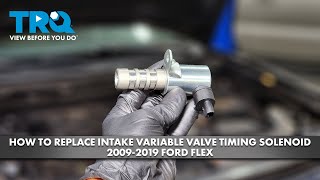
Symptoms: The owner demonstrated the replacement process for a VVT solenoid located under the valve cover.
What fixed it: Replacement of the VVT solenoid.
Source hint: YouTube - How to Replace Intake VVT Solenoid 2009-2019 Ford Flex by TRQ
2015-2020 Ford/Lincoln vehicles (3.5L/3.7L Cyclone V6)
Symptoms: Codes like P0015 occurring due to small debris causing the VCT solenoid to stick.
What fixed it: Using a scan tool to cycle the solenoid 10 times (Pinpoint Test HK11) to clear debris as an initial step before replacement.
Source hint: SSM 48423 / SSM 47170
Ford 3.5L / 3.7L Cyclone V6 — ~100000 miles
Symptoms: Internal water pump failure leading to coolant leaking directly into the engine oil.
What fixed it: Extremely labor-intensive repair of the internal water pump driven by the timing chain.
Source hint: Bob Is The Oil Guy Forums - Ford 3.5L / 3.7L water pump failures?
Related OBD-II Codes
Frequently Asked Questions
My 2015 Ford Flex is throwing P0015; does Ford have a specific procedure for this?
Why is the repair for P0015 more expensive on the Bank 1 side of my 3.5L Cyclone V6?
What type of oil should I use in my 2013-2019 Ford Flex to prevent VCT issues?
If I have to remove the valve cover to fix P0015, should I replace other parts while I'm in there?
Can I just swap parts to confirm the solenoid is bad on my Flex?
What is the acceptable oil pressure for the 3.5L V6 VCT system to function?
Helpful Videos


Used OEM Parts in Stock
New Aftermarket Parts Available


The information in this article is provided for general reference and educational purposes only. Vehicle specifications, procedures, and part compatibility can vary by production date, trim level, and region. Always consult your vehicle's factory service manual and verify part numbers before purchasing or performing repairs. Safety-critical components such as airbags, seat belts, and braking systems should be installed by a qualified professional.
- Ford Flex:
- 🧭 Diagnostic Flowchart
- 🎬 Helpful Videos
- 🛍️ Shop This Part
- What's Unique About the 2013-2019 Ford Flex
- Symptoms You May Notice
- Most Likely Causes
- Rare But Worth Checking
- Diagnosis Steps
- Parts You'll Likely Need
- Related Codes That Often Appear With This One
- Technical Service Bulletins (TSBs) & Recalls
- Platform-Specific Known Issues
- Mechanic-Grade Diagnostic Values
- Hidden / Shadow Codes Worth Checking
- Scan Tool Commands That Help
- Wiring & Ground Locations
- OEM Part Supersession History
- Other Known Issues on This Vehicle
- Used vs. New Parts: Buying Guide for This Vehicle
- Real Owner Stories
- 2013 Ford Flex 3.5L V6
- 2015-2020 Ford/Lincoln vehicles (3.5L/3.7L Cyclone V6)
- Ford 3.5L / 3.7L Cyclone V6 — ~100000 miles
- Related OBD-II Codes
- Frequently Asked Questions
- 🎟️ Get 5% Off