

P0015 on 2015-2021 Lincoln Navigator 3.5L GTDI: Causes, Fixes, and TSBs
On a 2015-2021 Lincoln Navigator, code P0015 almost always points to a sticking or failed exhaust VCT solenoid on the passenger side (Bank 1), often due to dirty oil. An oil change and a new solenoid (around $40-$100 for the part) is the most common fix. If a cold-start rattle is present, the issue could be a more serious timing chain or cam phaser problem.
- P0015 on a 2015-2021 Navigator indicates the exhaust camshaft timing on the passenger side (Bank 1) is delayed.
- The most probable cause is a sticking exhaust VCT solenoid, a known issue documented in Ford/Lincoln service bulletins.
- Always check your engine oil level and condition first. An oil and filter change is a crucial first step and may resolve the issue.
- Replacing the Bank 1 exhaust VCT solenoid is the most common repair. This part is relatively inexpensive, but requires removing the valve cover for access.
- If you hear a rattling noise from the engine, especially at startup, it could signal a more severe timing chain or phaser issue that requires immediate professional attention.
What's Unique About the 2015-2021 Lincoln Navigator
The 3.5L GTDI (EcoBoost) engine in this generation of Navigator is known for sensitivity in its Variable Camshaft Timing (VCT) system, which is operated by engine oil pressure. Ford and Lincoln have issued multiple Technical Service Bulletins (TSBs) acknowledging that codes like P0015 can be triggered by small debris in the engine oil causing the VCT solenoids to stick. This makes low or dirty oil a primary suspect and points diagnosis towards the VCT solenoid first, rather than more complex mechanical timing components. The 2018-2021 models with the second-generation 3.5L EcoBoost are also particularly known for cam phaser issues that can cause a distinct cold-start rattle alongside this code.
Generation note: The 2015-2021 year range covers two generations of the Lincoln Navigator: the third generation (2015-2017) with the first-gen 3.5L EcoBoost, and the fourth generation (2018-2021) with the second-gen 3.5L EcoBoost. While the causes and fixes for P0015 are largely consistent, the first-gen engine is more noted for timing chain stretch, while the second-gen is well-known for cam phaser rattle (Ford's Customer Satisfaction Program 21N03). The second-generation engine (2017+) also introduced a more complex dual-injection system (port and direct) and a 10-speed transmission.
Symptoms You May Notice
- Check Engine Light illuminated
- Rough idling
- Poor acceleration and reduced engine power
- Decreased fuel economy
- Engine stalling
- Rattling noise from the engine, especially on a cold start, which may indicate a more serious timing chain or cam phaser issue
- Replacing the Camshaft Position Sensor. The sensor is usually just reporting the problem that the timing is off; it is rarely the cause of the P0015 code itself. Swapping the sensor with another is a valid diagnostic step if other tests fail.
- Immediately assuming a major timing chain job is required. One F-150 owner was quoted $5900 for a timing job but fixed the issue by replacing the VCT solenoids for around $110. Always diagnose the simpler, more common failures (oil, solenoids) first.
Most Likely Causes
- Sticking or Failed Exhaust VCT Solenoid (Bank 1) 🔴 High Probability → Shop Engine Variable Valve Timing (VVT) Solenoid Multiple Ford/Lincoln TSBs (e.g., SSM 48423, SSM 47170, SSM 50067) confirm that VCT solenoids on this engine are prone to sticking due to small debris in the engine oil. The VCT system is highly sensitive to oil contamination.
How to confirm: Check engine oil level and condition first. An oil change may resolve the issue. A common diagnostic step is to swap the Bank 1 exhaust and intake VCT solenoids; if the code changes to P0011 or P0012, the solenoid is faulty. A scan tool can also be used to command the solenoid and check its response; TSB SSM 48423 specifically recommends cycling the solenoid 10 times to try and clear debris before replacement.
Typical fix: Replace the Bank 1 exhaust VCT solenoid and perform an engine oil and filter change. The solenoid is located under the passenger-side valve cover.
Est. part cost: $40-$100 - Low or Dirty Engine Oil 🟡 Medium Probability The VCT system is hydraulically operated by engine oil. Low pressure or contaminants from old oil can prevent the VCT solenoids and phasers from operating correctly. The 3.5L EcoBoost is known to be sensitive to oil condition and viscosity.
How to confirm: Check the oil level on the dipstick and inspect the oil's condition. If it is low, dark, or gritty, it needs to be changed. One owner on an Expedition forum noted their issue appeared after being two quarts low on oil.
Typical fix: Perform an engine oil and filter change using the manufacturer-specified full-synthetic oil (typically 5W-30) and a quality filter like the Motorcraft FL-500S.
Est. part cost: $50-$100
Rare But Worth Checking
- Worn Timing Chain or Failed Cam Phaser: → Shop Engine Timing Chain While less common than a solenoid failure, a stretched timing chain (more common on 2015-2017 models) or a faulty cam phaser (a known issue on 2018-2021 models) can cause this code. This is often accompanied by a distinct rattling noise on startup for 2-5 seconds. If a new solenoid and oil change do not fix the code, this is the next area to investigate. This is a significant, labor-intensive repair.
- Damaged VCT Solenoid Wiring or Connector: → Shop Engine Variable Valve Timing (VVT) Solenoid Check the wiring harness and connector for the Bank 1 exhaust VCT solenoid for any visible damage, corrosion, or loose connections. A multimeter can be used to check for resistance, which should be between 5-14 Ohms.
Diagnosis Steps
- Check the engine oil level and condition. Top off or change the oil and filter if necessary, using the correct 5W-30 full-synthetic oil. This simple step can sometimes fix the problem.
- Use a diagnostic scan tool to check for any other stored trouble codes and monitor the desired vs. actual camshaft position for Bank 1 Exhaust. A significant lag confirms the issue.
- As per Ford TSB SSM 48423, use the scan tool's bidirectional controls to cycle the Bank 1 exhaust VCT solenoid 10 times to attempt to dislodge any debris.
- Locate the Bank 1 (passenger side) exhaust VCT solenoid. Inspect the electrical connector and wiring for any damage.
- For a definitive test, swap the Bank 1 exhaust VCT solenoid with the Bank 1 intake VCT solenoid. Clear the codes and drive the vehicle. If the code changes to P0011 or P0012, the solenoid is confirmed to be faulty and needs replacement.
- If the code remains P0015 after the swap, the issue is likely more complex, such as a clogged oil passage, a failing cam phaser, or a stretched timing chain, and may require professional diagnosis. Listen for a cold-start rattle.
Parts You'll Likely Need
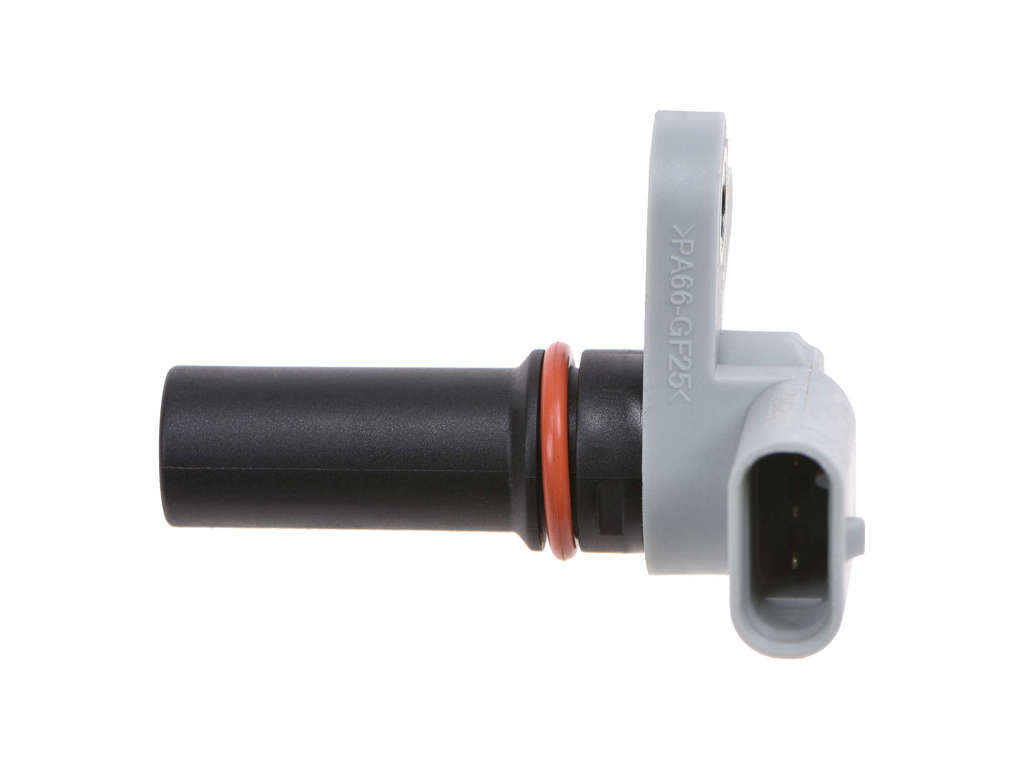
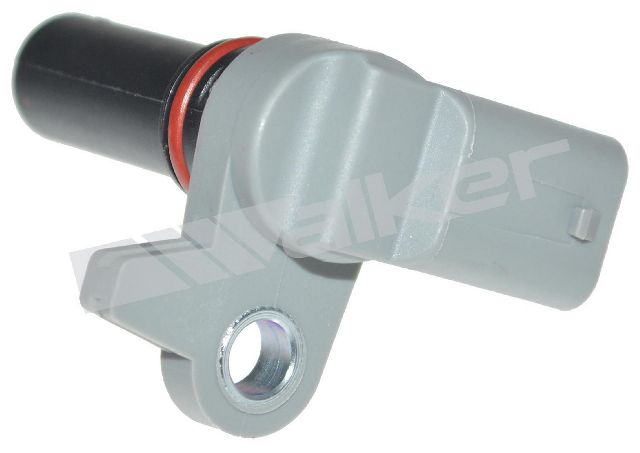
- Variable Camshaft Timing (VCT) Solenoid
(OEM #AT4Z-6M280-C)— This is the most frequent point of failure for code P0015 on this engine, as confirmed by multiple Ford TSBs. It controls oil flow to the cam phaser and is prone to sticking from oil debris. TSB 16-0093 specifically lists this part for a 2016 model with P0015.
Trusted brands: Motorcraft, Dorman, SKP
OEM price range: $60-$100
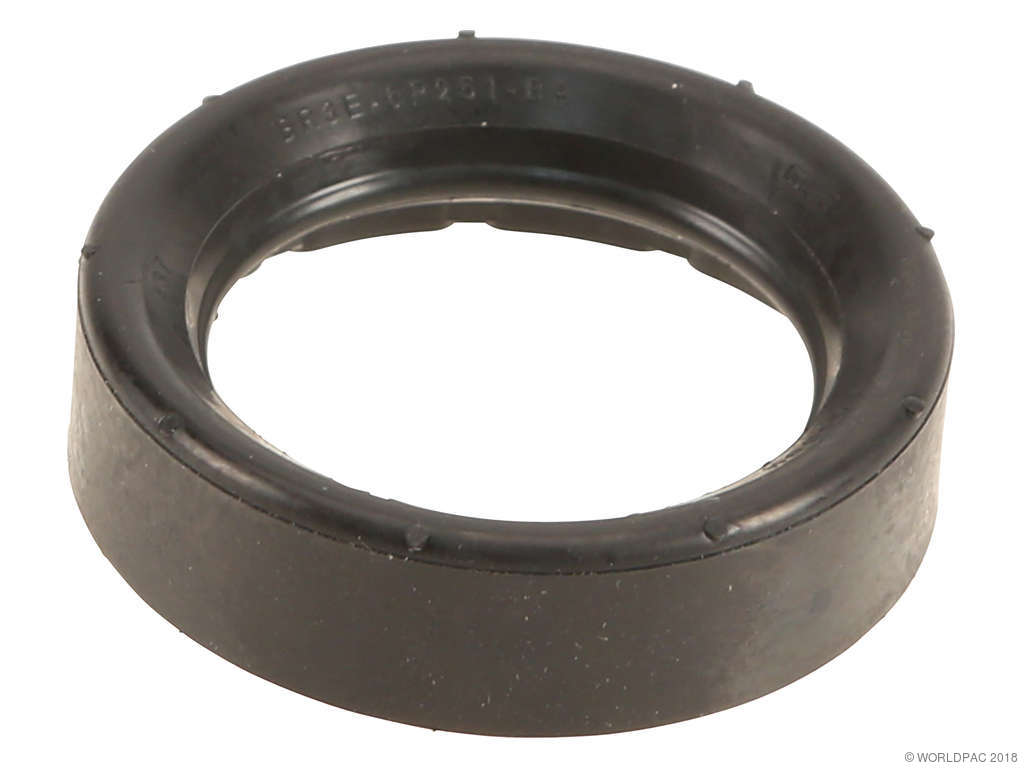
Aftermarket price range: $30-$70 - Valve Cover Gasket
(OEM #DL3Z-6584-B)— The VCT solenoids are located under the valve covers. The gasket must be replaced when removing the cover to access the solenoid to prevent future oil leaks.
Trusted brands: Motorcraft, Fel-Pro
OEM price range: $30-$50
Aftermarket price range: $20-$40
Related Codes That Often Appear With This One
- P0017 — This code indicates a correlation problem between the crankshaft and the Bank 1 exhaust camshaft. It often appears with P0015 because if the cam timing is retarded, its position will not align correctly with the crankshaft's position. TSB 16-0093 and TSB 16-0038 specifically mention this pairing and advise replacing the Bank 1 exhaust VCT solenoid.
- P0011, P0012, P0014 — These are other VCT-related codes for Bank 1. Seeing them together can point to a more significant issue like low oil pressure or sludge affecting the entire cylinder bank.
- P0025 — This is the equivalent 'over-retarded' code for Bank 2 (driver's side). If both P0015 and P0025 are present, it strongly suggests a global issue like very low/dirty oil or low oil pressure affecting the entire engine.
Technical Service Bulletins (TSBs) & Recalls
- TSB 22-2104 / SSM 49821: Notes that various VCT codes, including P0015, on 2015-2021 Ford/Lincoln vehicles may be due to small debris causing the VCT solenoid to stick.
- SSM 48423: Specifically mentions that P0015 on 2015-2020 vehicles can be caused by debris. Recommends using a scan tool to cycle the solenoid 10 times to attempt to clear it before replacement.
- TSB 16-0093: For 2016 models with less than 2,000 miles, this TSB recommends replacing the affected solenoid for a stored VCT code like P0015, confirming it can be an early-life failure.
- SSM 50067: Supersedes older TSBs and advises technicians to use Pinpoint Test HK12 to cycle the solenoid before replacement, reinforcing the debris-related cause.
Mechanic-Grade Diagnostic Values
- VCT Solenoid Internal Resistance — expected: 5 - 14 Ohms. Failure: A reading of 0, infinite, or outside this range indicates a failed solenoid coil.
- Engine Oil Pressure at Hot Idle — expected: Minimum 15 PSI (per Ford guidance), ideally 20-25 PSI or higher.. Failure: Pressure below 15 PSI at normal operating temperature can cause the VCT system to malfunction and set timing codes.
- Scan Tool PID: VCT_EXH_CAM_ERR1 (Bank 1 Exhaust Cam Error) — expected: Close to 0 degrees at warm idle.. Failure: A consistent, significant deviation from 0 degrees confirms the camshaft is not at its commanded position.
- VCT Solenoid Connector Voltage — expected: Approximately 12V (battery voltage) on one pin with Key On, Engine Off.. Failure: No voltage suggests a problem with the wiring harness, a blown fuse, or a PCM power supply issue.
Hidden / Shadow Codes Worth Checking
- Mode $06, Test ID (TID) for VCT: Mode $06 provides raw data from the PCM's non-continuous self-tests. For the VCT system, it can show the raw test value of cam timing deviation against the PCM's minimum and maximum allowable limits. A value approaching the limit can indicate a marginal failure before a persistent P-code is set. (see via Requires a professional-grade scan tool or advanced DIY software (like FORScan) that can access and interpret Global OBD-II Mode $06 data.)
Scan Tool Commands That Help
- Ford IDS / FORScan: VCT Solenoid On/Off State Control / Output Test Mode (OTM) — This is a key bidirectional control used to diagnose a sticking solenoid. With the engine idling, a technician can command the Bank 1 exhaust solenoid on and off. A healthy solenoid will cause the engine to stumble or run rough when activated. No change in engine operation points to a stuck solenoid, clogged oil passage, or wiring issue.
- Ford IDS / FORScan: Datalogger with VCT PIDs (e.g., VCT_EXH_DIF, VCTADVERR) — Used during a road test or while recreating symptoms to graph the desired vs. actual camshaft position in real-time. This helps visualize if the phaser is slow to respond, sticking, or not moving at all, confirming a performance issue.
Wiring & Ground Locations
- VCT Solenoid Connector (e.g., C139) — The VCT solenoids are located on or under the valve covers. The wiring harness for each solenoid has a connector that can be a point of failure.. The PCM controls the solenoid by providing a ground signal. A break, short-to-ground, or corrosion in the control wire between the PCM and the solenoid connector will prevent the solenoid from actuating, mimicking a failed part.
- Engine Ground Points — Multiple ground points exist on the engine block, cylinder heads, and chassis. Specific locations can be found in the official factory wiring diagram manual for the specific model year.. A poor engine ground can cause a variety of electrical issues, including erratic sensor readings and incorrect actuator commands from the PCM. While not a primary cause for a single-bank code like P0015, it should be checked if multiple, seemingly unrelated electrical codes are present.
Real Owner Repair Stories
- YouTube user 'LETMELIVE' (2015 Ford F-150 3.5L EcoBoost) — Rough idle, strong fuel smell, codes P0015 and P0017.
❌ Tried (didn't work) Owner had recently changed the oil, so oil quality was known to be good.
✅ What actually fixed it The owner manually energized the sticking VCT solenoid using a 12V battery connected to its pins. After hearing it click multiple times, he reconnected it, cleared the codes, and the problem was resolved, indicating the solenoid was stuck with debris that was freed by the manual cycling. - Ford F150 Forum user (2013 Ford F-150 3.5L EcoBoost (Gen 1, similar architecture)) — Started as a no-crank issue, then progressed to starting but running very rough with a loud knock/rattle, and stalling. Code P0015 was present.
❌ Tried (didn't work) Initial diagnosis focused on the starter and battery cables due to the no-crank symptom.
✅ What actually fixed it The combination of P0015 and a severe mechanical rattle correctly pointed to a major timing system failure. The fix was a complete timing job, including the timing chain, guides, and cam phasers. - YouTube Commenter (2015 Ford F-150 3.5L EcoBoost) — Check engine light with codes P0015 and P0016.
❌ Tried (didn't work) A Ford dealer quoted a $5,900 primary timing chain overhaul.
✅ What actually fixed it The owner independently chose to replace all four VCT solenoids and all four camshaft position sensors. The total cost for parts was $110 from RockAuto, and this repair successfully resolved all codes.
When the Usual Fixes Don't Work
- While a sticking VCT solenoid is the most common cause, a significant number of owners, particularly those with the 2018+ second-generation 3.5L EcoBoost, find that P0015 is the first sign of a failing cam phaser. A user on the F150 Forum with a 2013 model experienced a P0015 code that rapidly progressed to a loud engine rattle and stalling, ultimately requiring a full timing chain and phaser replacement. This highlights that if mechanical noise is present, the problem is likely beyond a simple solenoid swap and should be treated as a potential major mechanical failure to avoid catastrophic engine damage.
OEM Part Supersession History
AT4Z-6M280-A / AT4Z-6M280-B→AT4Z-6M280-C— Ford often updates electronic components like solenoids to improve durability and resistance to failure from heat and contaminants.DL3Z-6584-B→DL3Z-6584-C— Minor design or material update for the passenger side valve cover gasket.
Model Year Variations Within This Range
- 2015-2017: These models use the first-generation 3.5L EcoBoost. While still susceptible to VCT solenoid failure, they are more commonly associated with primary timing chain stretch over high mileage, which can also trigger P0015.
- 2018-2021: These models use the second-generation 3.5L EcoBoost, which features a redesigned fuel system (adding port injection to the direct injection), new turbochargers, and is mated to a 10-speed automatic transmission. This generation is more widely known for cam phaser failures that cause a distinct cold-start rattle, which is often seen with VCT codes like P0015.
Diagnostic Flowchart
Other Known Issues on This Vehicle
Issues unrelated to this code that are worth knowing about as an owner of this generation:
- Cam Phaser Rattle on Cold Start (2nd Gen EcoBoost) 🔴 High — Very common on 2018-2020 models. Can occur at relatively low mileage. Often leads to timing-related codes. (Ref: Ford Customer Satisfaction Programs 21N03 & 21B10)
- Intake Valve Carbon Buildup (1st Gen EcoBoost) 🟠 Medium — Common on higher-mileage 2015-2017 models due to the direct-injection-only design. Leads to rough idle, misfires, and power loss.
- Brake Master Cylinder Leaks 🔴 High — Affects 2016-2017 models. Can lead to loss of front brake function. (Ref: Ford Recall 22S11 (expands on 20V-332))
- Harsh or Delayed Shifting (10R80 Transmission) 🟠 Medium — Reported on 2018-2021 models with the 10-speed automatic transmission. Can be caused by software or internal transmission issues. (Ref: TSB 21-2315, TSB 23-2350)
- Failing Front Blower Motor 🟡 Low — Affects 2015-2017 models. The motor behind the glove box can fail, leading to loss of HVAC fan function. (Ref: Ford Recall 22S56)
- High-Pressure Fuel Pump Weld Fracture 🔴 High — Affects certain 2018 models. Can cause a fuel or oil leak, increasing fire risk. (Ref: Ford Recall (July 2018))
Used vs. New Parts: Buying Guide for This Vehicle
When a used part is the smart pick: For this specific repair, using used parts is generally not recommended. The primary failure parts (VCT solenoids, timing chains, phasers) are wear items or fail due to contamination. A used part carries a high risk of having the same issue or a very short remaining service life.
Donor-vehicle mileage cap: roughly under 50000 miles for the part to have meaningful remaining life.
What to inspect on the donor part:
- If considering a used engine component, seek a donor vehicle with documented, regular oil change history.
- Avoid parts from engines that show signs of heavy oil sludge or varnish when the valve cover or oil cap is removed.
- For electronic parts like sensors, ensure connectors are free of corrosion and wiring pigtails are not brittle or cracked.
OEM-only on this vehicle (don't cheap out):
- Cam Phasers: Aftermarket cam phasers for the 3.5L EcoBoost have a poor reputation on owner forums. Sticking with OEM (Motorcraft) parts is strongly advised for this critical, labor-intensive job.
- Timing Chain Kit: Given the complexity and labor cost of a timing job, using an OEM or a highly reputable kit (like Melling) is the safest bet to ensure longevity.
Aftermarket brands forum-validated for this vehicle:
- VCT Solenoids: Dorman is a widely available aftermarket option that many DIYers use successfully, though OEM Motorcraft is the preferred choice for reliability.
- Gaskets: Fel-Pro is a well-regarded brand for valve cover and timing cover gaskets.
Brands owners have reported issues with on this vehicle:
- Unbranded/white-box VCT solenoids and cam phasers from online marketplaces are a significant gamble and frequently lead to repeat failures.
Real Owner Stories
Aggregated from forums and TSBs cited above. Mileages and costs reflect what owners reported in those sources.
2015 Ford F-150 3.5L EcoBoost
Symptoms: Check Engine Light illuminated with codes P0015 and P0017.
What fixed it: After verifying the engine oil level was correct, the owner replaced the Bank 1 camshaft position sensors and VCT solenoids.
Source hint: F150forum.com / YouTube video by user 'LETMELIVE' titled '2015 F150 3.5 ecoboost VVT solenoid P0015 P0017 DO THIS FIRST Camshaft position sensor'
Ford Expedition 3.5L EcoBoost
Symptoms: The Check Engine Light for P0015 appeared after the owner discovered the engine was two quarts low on oil.
What fixed it: Performing an engine oil and filter change to restore the proper oil level resolved the issue.
Source hint: Expedition forum owner report
Ford F-150 3.5L EcoBoost
Symptoms: The vehicle had a P0015 code along with audible rattling noises from the engine.
What fixed it: The owner reported that when a simple VCT solenoid replacement did not resolve the code and noise, the symptoms pointed toward a more significant timing chain and cam phaser replacement job.
Source hint: Ford F150 Forum thread on 3.5L EcoBoost with P0015 and rattling noises
Related OBD-II Codes
Frequently Asked Questions
My 2019 Navigator is making a rattling noise on startup. Is this related to the P0015 code?
I just got a P0015 code. Is it worth just changing the oil first?
What do Ford's TSBs, like SSM 48423, recommend for fixing P0015?
How can I be 100% sure the VCT solenoid is bad before I replace it?
My 2016 Navigator has very low mileage and already has a P0015 code. Is that normal?
Is this P0015 problem also common on the Ford F-150 or Expedition?
Used OEM Parts in Stock
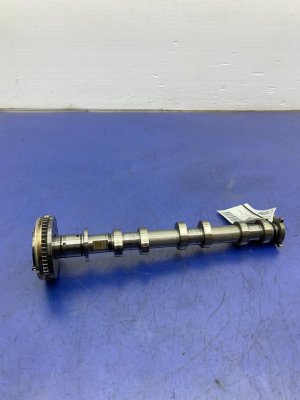
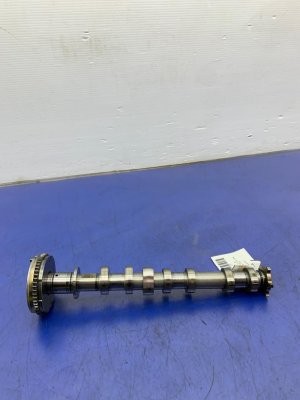
New Aftermarket Parts Available
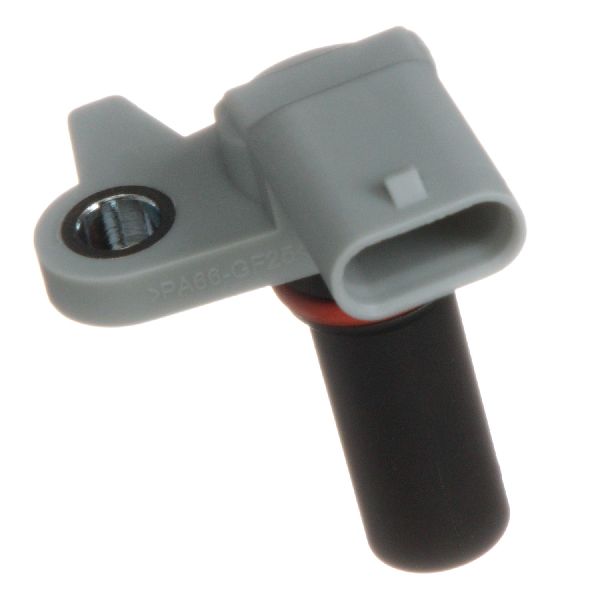

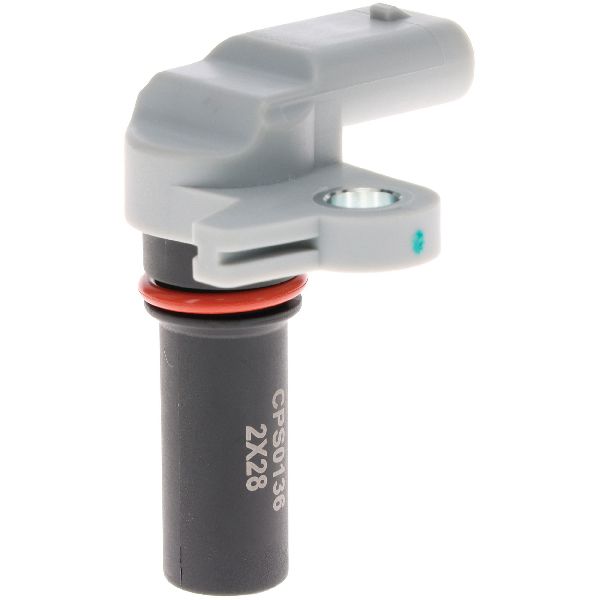

The information in this article is provided for general reference and educational purposes only. Vehicle specifications, procedures, and part compatibility can vary by production date, trim level, and region. Always consult your vehicle's factory service manual and verify part numbers before purchasing or performing repairs. Safety-critical components such as airbags, seat belts, and braking systems should be installed by a qualified professional.
- Lincoln Navigator:
- 🧭 Diagnostic Flowchart
- 🛍️ Shop This Part
- What's Unique About the 2015-2021 Lincoln Navigator
- Symptoms You May Notice
- Most Likely Causes
- Rare But Worth Checking
- Diagnosis Steps
- Parts You'll Likely Need
- Related Codes That Often Appear With This One
- Technical Service Bulletins (TSBs) & Recalls
- Mechanic-Grade Diagnostic Values
- Hidden / Shadow Codes Worth Checking
- Scan Tool Commands That Help
- Wiring & Ground Locations
- Real Owner Repair Stories
- When the Usual Fixes Don't Work
- OEM Part Supersession History
- Model Year Variations Within This Range
- Other Known Issues on This Vehicle
- Used vs. New Parts: Buying Guide for This Vehicle
- Real Owner Stories
- 2015 Ford F-150 3.5L EcoBoost
- Ford Expedition 3.5L EcoBoost
- Ford F-150 3.5L EcoBoost
- Related OBD-II Codes
- Frequently Asked Questions
- 🎟️ Get 5% Off