

P0015 on 2011-2016 Toyota Sienna: Exhaust Camshaft Timing Fixes
On the 2011-2016 Sienna, P0015 is almost always caused by a failing exhaust Oil Control Valve (OCV) on Bank 1 (the rear cylinder bank) or by low/dirty engine oil. Replacing the OCV is a common fix, but requires removing the intake manifold for access.
- P0015 points to the exhaust camshaft timing on Bank 1 (rear bank) being over-retarded.
- The most frequent culprits are low/dirty oil or a faulty Bank 1 exhaust Oil Control Valve (OCV).
- Accessing the Bank 1 OCV is labor-intensive as it requires removing the upper intake manifold.
- Always use a high-quality, OEM-spec oil filter, as an incorrect aftermarket filter can get crushed and restrict oil flow, causing this code.
- Before replacing expensive parts, perform an oil change, inspect/test the OCV, and check its filter screen.
What's Unique About the 2011-2016 Toyota Sienna
The 2GR-FE engine in the Sienna is known for its reliability, but it is sensitive to oil quality and level for its Variable Valve Timing (VVT) system to function correctly. A unique quirk noted by owners is that code P0015 can appear intermittently, sometimes only after long highway drives. The code points to the rear cylinder bank (Bank 1), where the Oil Control Valve is located under the intake manifold, making it a more labor-intensive repair than the more easily accessible valves on the front bank (Bank 2).
Symptoms You May Notice
- Check Engine Light is on
- "TRAC OFF" light illuminates on the dashboard
- Engine may idle roughly or hesitate on acceleration
- Reduced fuel economy
- Difficulty starting the engine (hard start)
- A rattling or ticking noise from the engine, sometimes a brief 'death rattle' on cold startup indicating a VVT gear issue.
- Replacing the camshaft position sensor. The sensor is usually not the cause for a 'performance' or 'timing' code like P0015. A faulty sensor would typically set a 'circuit' code (e.g., P034x).
Most Likely Causes
- Low or Dirty Engine Oil 🔴 High Probability The VVT system is hydraulically operated and highly sensitive to oil pressure and cleanliness. Old oil loses viscosity and can't operate the VVT components effectively, while sludge can clog passages.
How to confirm: Check the oil level on the dipstick and examine its color and consistency. If the level is low or the oil is dark and thick, it needs to be changed.
Typical fix: Perform an oil and filter change using a high-quality 0W-20 or 5W-30 synthetic oil (check owner's manual for spec) and a quality OEM or equivalent filter.
Est. part cost: $40-$80 - Faulty Bank 1 Exhaust Oil Control Valve (OCV) 🔴 High Probability → Shop Engine Variable Valve Timing (VVT) Solenoid The OCV (or VVT solenoid) is an electronic part that lives in a hot engine environment. Over time, its internal coil can fail or the mechanical valve can get stuck from oil sludge or debris.
How to confirm: A mechanic can use a scan tool to perform an Active Test, commanding the solenoid to activate. A DIY method is to apply 12V directly to the valve's pins to see if it clicks. You can also check its internal resistance with a multimeter; it should be between 6.9-7.9 ohms at 68°F (20°C). Swapping the Bank 1 exhaust OCV with the Bank 2 (front bank) exhaust OCV and seeing if the code changes to P0025 is a definitive diagnostic step.
Typical fix: Replace the Bank 1 exhaust Oil Control Valve. This requires removing the upper intake manifold for access.
Est. part cost: $50-$150 - Clogged OCV Filter Screen 🟡 Medium Probability A small mesh filter protects the OCV from debris. If the engine has any sludge buildup, this filter can become clogged, starving the OCV of the oil pressure it needs to function.
How to confirm: When the OCV is removed for inspection or replacement, the filter screen (located in the cylinder head port below the OCV) should be inspected for blockage.
Typical fix: Carefully remove, clean, or replace the small filter screen. This is typically done at the same time as OCV replacement.
Est. part cost: $5-$15 - Crushed or Incorrect Aftermarket Oil Filter ⚪ Low Probability The 2GR-FE uses a specific cartridge-style oil filter. Some aftermarket filters are dimensionally incorrect and can be crushed or twisted during installation of the filter housing cap, severely restricting oil flow to the VVT system.
How to confirm: This issue often appears immediately after an oil change. Remove the oil filter housing and inspect the filter element. If it is deformed, crushed, or twisted, it is the likely cause.
Typical fix: Replace the damaged filter with a new, correct OEM-spec oil filter (e.g., Toyota part # 04152-YZZA1) and ensure it is installed correctly without binding.
Est. part cost: $10-$20
Rare But Worth Checking
- Failing Camshaft Timing Gear Assembly (VVT Phaser): → Shop Engine Camshaft If the OCV has been replaced and the oil is clean, but the code persists, the issue may be the mechanical VVT gear on the camshaft itself. This is often accompanied by a startup rattle and is a much more complex and expensive repair that involves removing the timing cover.
- Stretched Timing Chain or Worn Guides: → Shop Engine Timing Chain While the 2GR-FE uses a durable timing chain, extreme mileage or poor maintenance can lead to stretch or guide failure, causing timing deviations that trigger codes like P0015. This is usually accompanied by rattling noises.
Diagnosis Steps
- Check Engine Oil: Verify the oil level is correct and the oil quality is good. If low or dirty, perform an oil and filter change with an OEM-spec filter, clear the code, and drive to see if it returns.
- Scan for Codes: Confirm P0015 is the only code present. If other codes exist, address them first.
- Inspect OCV: Locate the Bank 1 (rear) exhaust OCV. Inspect the electrical connector and wiring for damage or corrosion.
- Perform Active Test: Use a bidirectional scan tool (like Toyota Techstream) to command the Bank 1 exhaust OCV. Listen for a click and watch for a change in engine RPM or a stall. This confirms the ECM can control the valve and the valve can physically move.
- Test the OCV: If a scan tool is unavailable, remove the OCV. Check its resistance with a multimeter (should be ~7-8 ohms). Apply 12V power to its terminals to confirm it actuates.
- Inspect OCV and Port: While the OCV is out, inspect it and its filter screen in the cylinder head for sludge or debris.
- Swap OCVs for Diagnosis: A highly effective test is to swap the Bank 1 (rear) exhaust OCV with the identical Bank 2 (front) exhaust OCV. Clear codes and drive. If the code returns as P0025 ('B' Camshaft Position - Timing Over-Retarded Bank 2), the OCV is definitively faulty.
- Replace OCV: If the OCV fails tests or is confirmed bad by swapping, replace it. Since accessing the rear bank is labor-intensive, it's often recommended to replace both the intake and exhaust OCVs on Bank 1 at the same time.
- Advanced Diagnosis: If a new OCV and clean oil do not resolve the issue, the problem likely lies with the VVT camshaft gear or the timing chain, which requires professional diagnosis.
Parts You'll Likely Need
- Engine Camshaft Timing Oil Control Valve (VVT Solenoid)
(OEM #15330-0P030)— This solenoid is the most common failure point for code P0015. It controls the oil flow that adjusts the camshaft timing. Part number 15330-0P030 supersedes 15330-31030.
Trusted brands: Toyota (OEM), Denso, Aisin
OEM price range: $90-$140
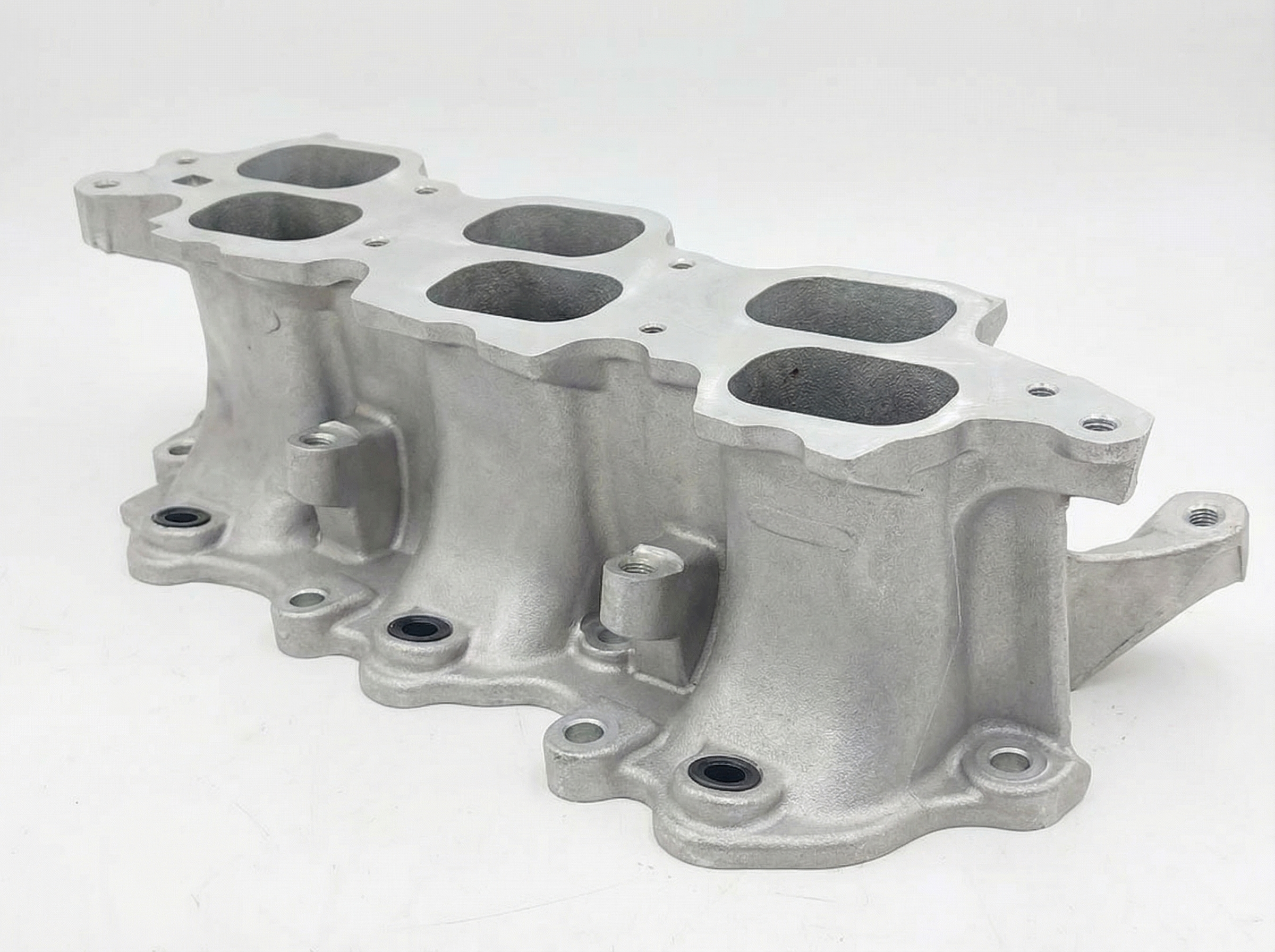
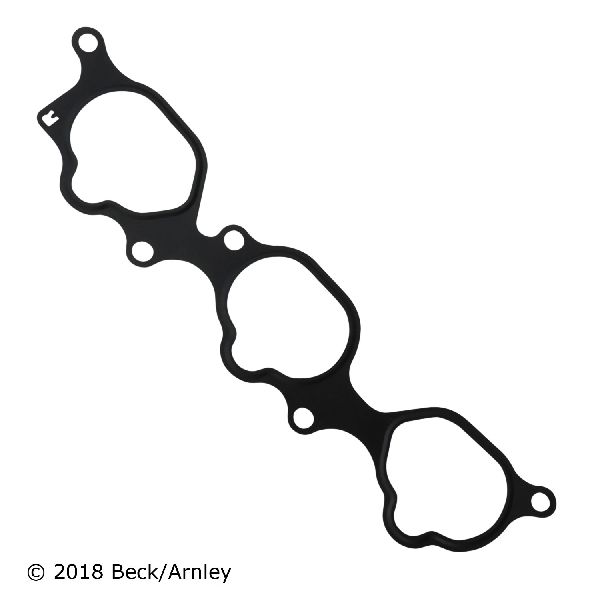
Aftermarket price range: $40-$80 - Upper Intake Manifold Gasket Set — Required for re-installing the intake manifold after accessing the Bank 1 OCVs.
Trusted brands: Fel-Pro, Mahle, Toyota OE
OEM price range: $30-$50
Aftermarket price range: $15-$30
Technical Service Bulletins (TSBs) & Recalls
- T-SB-0105-11: Relevant for VVT codes including P0015 on the 2GR-FE engine, guiding technicians to inspect the OCV for debris or sticking.
- T-SB-0094-09: While for earlier models, this TSB is highly relevant as it addresses a ticking/clicking noise from the VVT gear area accompanied by codes like P0015, P0017, etc., pointing toward potential VVT gear assembly issues.
Platform-Specific Known Issues
- Intermittent Code on Long Highway Drives: Multiple owners on forums for the Sienna and other 2GR-FE vehicles report that code P0015, along with the TRAC OFF light, can appear suddenly during or after a long, steady-state highway drive and may not return during normal city driving.
- Real Repair Story: Crushed Oil Filter: A technical tip from DENSO documented a case on a 2GR-FE engine where a P0015 code appeared immediately after an oil change. The cause was found to be an incorrect aftermarket oil filter cartridge that was crushed during installation, blocking oil flow. Replacing it with an OEM-spec filter fixed the issue.
Mechanic-Grade Diagnostic Values
- Bank 1 Exhaust Oil Control Valve (OCV) Resistance — expected: 6.9 to 7.9 Ω at 20°C (68°F). Failure: A reading outside this range, or an open/short circuit, indicates a failed solenoid coil.
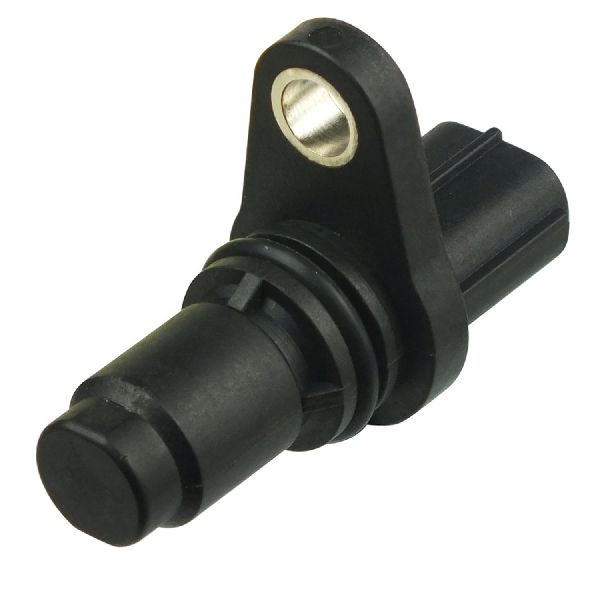
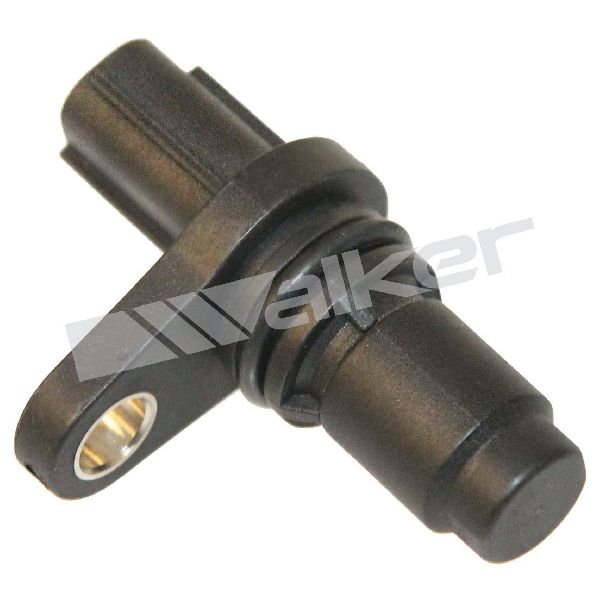
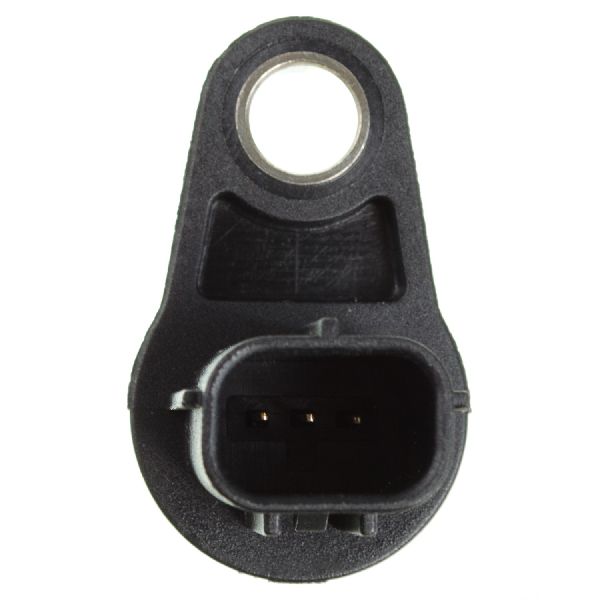
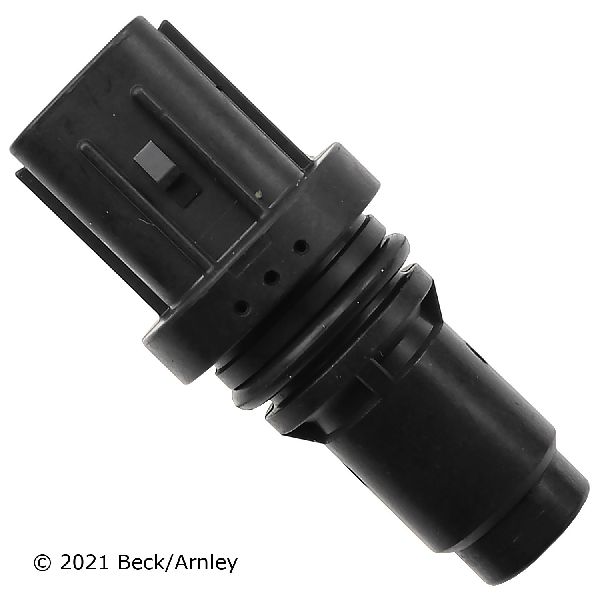
- Camshaft Position Sensor Resistance (Inductive Type) — expected: 1,630 to 2,740 Ω (cold) or 2,065 to 3,225 Ω (hot). Failure: A reading outside these ranges suggests a faulty sensor coil. Note: This test applies to inductive sensors; Hall-effect sensors are tested differently.
- Bank 1 Exhaust OCV - ECM Pin Voltage — expected: Pulsating DC voltage (duty cycle) when the engine is running. A specific voltage is not as useful as observing the duty cycle change with RPM on a scope.. Failure: No voltage, or a constant 12V/0V, indicates a wiring problem or a failed ECM driver.
Hidden / Shadow Codes Worth Checking
- Mode $06 Data: While not a 'hidden code', Toyota's Mode $06 data contains detailed test results for the VVT system. A technician can view the raw values for camshaft angle deviation from target, which can show a marginal failure before it consistently trips the P0015 code. (see via A professional scan tool with Mode $06 capability, including Toyota Techstream.)
Scan Tool Commands That Help
- Toyota Techstream: Active Test: "Control the VVT System (Bank 1)" or "Operate OCV" — This command allows a technician to manually activate the Bank 1 exhaust OCV. A successful test will cause a noticeable change in engine idle, or even stall the engine, confirming the solenoid is mechanically functioning and the ECM driver is working.
- Toyota Techstream: Data List: "VVT Exhaust #1 Target Angle" vs. "VVT Exhaust #1 Actual Angle" — This is the primary data to watch when diagnosing a P0015. While driving, a large and persistent deviation between the target and actual angle for Bank 1 exhaust confirms the over-retarded condition reported by the code.
Wiring & Ground Locations
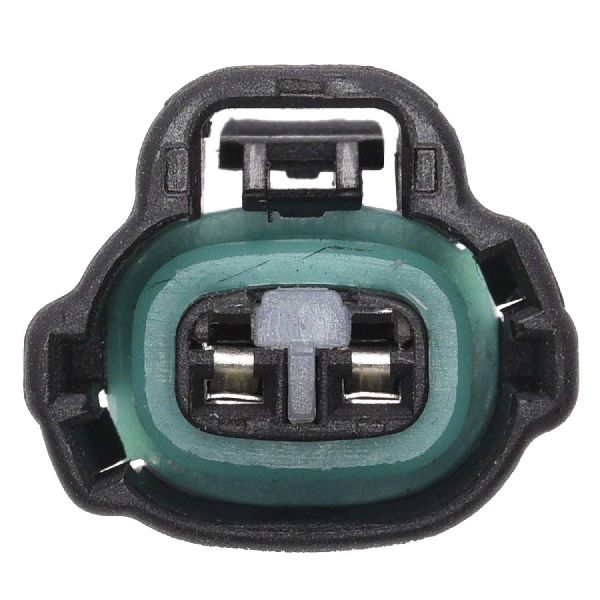
- Bank 1 Exhaust OCV Connector — On the rear cylinder head (Bank 1), under the intake manifold. It is the solenoid for the exhaust camshaft.. This is the primary component connector to test. The two pins are for the ECM's control circuit (OC1+ and OC1-).
- ECM Connector B30 (for Sienna) — At the Engine Control Module (ECM).. For the Bank 1 Exhaust OCV, Pin 58 (OC1+) and Pin 57 (OC1-) on connector B30 connect to the OCV. This is where continuity and short-to-ground tests would be performed if a wiring fault is suspected.
- Engine Harness Grounds — The 2GR-FE has several critical ground points. One is on the side of the cylinder head directly under the throttle body. Another is on the front head. Valve cover grounds also connect to the strut tower.. A poor engine ground can cause erratic sensor readings and incorrect operation of solenoids, potentially leading to false VVT codes. Ensuring these grounds are clean and tight is a crucial step in diagnosing electrical gremlins.
Real Owner Repair Stories
- Reddit user in r/MechanicAdvice (2015 Toyota Sienna, 97k miles) — Check Engine Light and 'TRAC OFF' light appeared suddenly on a road trip.
❌ Tried (didn't work) User initially cleared the code, but it was expected to return.
✅ What actually fixed it The consensus from multiple mechanics in the thread was that the issue is almost certainly the Bank 1 VVT solenoid (OCV). The user was advised this is the most common failure for this exact symptom. - Bob Is The Oil Guy forum user (2012 Toyota Sienna 3.5L V6 AWD) — P0015 and 'TRAC OFF' light appeared after a 200-mile highway trip.
❌ Tried (didn't work) Clearing the code (it did not return during short trips, only after long drives)., Checking oil level (it was full).
✅ What actually fixed it The thread did not have a final confirmed fix from the original poster, but the discussion highlights the difficult choice owners face: trying a relatively cheap OCV replacement versus the very expensive VVT gear replacement suggested by a TSB for similar symptoms. This story exemplifies the intermittent nature of the problem. - Reddit user in r/sienna (2015 Toyota Sienna, <60k miles) — Check Engine Light, TRAC OFF message, P0015 code.
❌ Tried (didn't work) Clearing the code.
✅ What actually fixed it The user was advised to take it to the dealer as it should be covered under the powertrain warranty. Another user commented that the likely fix would be replacing the camshaft gears, which is a major, engine-out repair. This points to the VVT gear being the root cause in some low-mileage cases.
OEM Part Supersession History
15330-31030→15330-0P030— Updated design for the Bank 1 (Right Side) Exhaust Oil Control Valve.
Heads up: The new part number is a direct replacement for the old one.13080-0P010, 13080-0P020, 13080-0P040→13080-31050— Updated design for the VVT Exhaust Camshaft Gear/Phaser assembly.
Heads up: 13080-31050 is the current replacement for several previous versions of the exhaust VVT gear.
Model Year Variations Within This Range
- 2011-2016: There are no significant documented changes to the 2GR-FE VVT system, OCVs, or related components within the 2011-2016 model year range that would alter the diagnosis of P0015. The issue and fixes are consistent across this generation.
Diagnostic Flowchart
Other Known Issues on This Vehicle
Issues unrelated to this code that are worth knowing about as an owner of this generation:
- Power Sliding Door Failure 🔴 High — Very common across the 2011-2016 model years. The door may fail to latch or could open while driving. (Ref: Safety Recall G04 / NHTSA Campaign 16V858000.)
- Torque Converter Shudder/Vibration 🟠 Medium — Common enough for Toyota to issue a warranty extension. Owners report a shudder or vibration under light throttle between 25-50 mph. (Ref: Warranty Enhancement Program ZH1.)
- VVT-i Gear Rattle on Cold Start 🟠 Medium — A well-known issue on 2GR-FE engines where a brief, loud rattle occurs for a few seconds on a cold start. It can be a precursor to VVT gear failure. (Ref: T-SB-0094-09 (for earlier models, but describes the same phenomenon).)
- Rubber VVT-i Oil Line Leak/Rupture 🔴 High — More prevalent on pre-2011 models which used a rubber hose section that could rupture, causing catastrophic oil loss. Most 2011+ Siennas should have the updated all-metal line, but it's a critical check for any 2GR-FE owner. (Ref: Limited Service Campaign (LSC) 90K was issued for earlier vehicles to replace the line.)
Used vs. New Parts: Buying Guide for This Vehicle
When a used part is the smart pick: For the Oil Control Valve (OCV/VVT Solenoid), a used part from a reputable salvage yard with a known low-mileage donor vehicle can be a cost-effective diagnostic step or a temporary fix. Since the part is relatively easy to swap on the front bank (Bank 2) and can be tested, the risk is moderate. For the rear bank (Bank 1), the high labor cost of access makes a new, high-quality part (OEM or Denso) a much smarter investment to avoid doing the job twice.
Donor-vehicle mileage cap: roughly under 80000 miles for the part to have meaningful remaining life.
What to inspect on the donor part:
- Ask for the VIN of the donor vehicle to verify mileage and check for accident history (avoid heavy front-end collisions).
- Inspect the OCV's electrical connector for cracks or corrosion.
- Check the small filter screens on the valve body; they should be perfectly clean and free of metallic debris or sludge.
- If possible, test the resistance with a multimeter before purchase; it should be within the 6.9-7.9 ohm range.
OEM-only on this vehicle (don't cheap out):
- VVT Camshaft Gear (Phaser): Due to the extremely high labor cost to replace this part (timing cover removal), using a used gear is strongly discouraged. The internal locking pin and hydraulic chambers are wear items, and a used part carries a high risk of premature failure, leading to catastrophic engine damage or a repeat of the costly repair.
- Timing Chain and Guides: These are wear items. Never install a used timing chain or tensioners.
Aftermarket brands forum-validated for this vehicle:
- Denso (for Oil Control Valves - often the OEM supplier)
- Aisin (for Oil Control Valves - often the OEM supplier)
Brands owners have reported issues with on this vehicle:
- Unnamed, 'white box' or no-brand oil control valves from online marketplaces are a significant gamble. While they may work initially, failure rates are reportedly higher, and given the labor to access the rear bank on a Sienna, the savings are not worth the risk.
Real Owner Stories
Aggregated from forums and TSBs cited above. Mileages and costs reflect what owners reported in those sources.
2012 Toyota Sienna 2GR-FE
Symptoms: The P0015 code appeared specifically after a long trip. The owner was debating between a simple OCV fix and a more expensive VVT gear replacement.
What fixed it: The context discusses the dilemma but points to OCV replacement or oil service as the primary diagnostic path for this specific scenario.
Source hint: BobIsTheOilGuy.com: A thread titled '2012 Sienna P0015 after long trip'
2015 Toyota Sienna 2GR-FE
Symptoms: The Check Engine Light came on with a 'TRAC OFF' message displayed on the dashboard.
What fixed it: The issue was identified as a bad or sludged VVT solenoid (Oil Control Valve).
Source hint: Reddit (r/MechanicAdvice): In a thread titled 'random P0015 and "TRAC OFF" displayed on '15 Toyota Sienna'
Toyota Sienna 2GR-FE 3.5L V6
Symptoms: A P0015 code appeared immediately after the vehicle received an oil change.
What fixed it: Replacing a crushed aftermarket oil filter cartridge with a correct OEM-spec filter.
Source hint: Real Repair Story: Crushed Oil Filter (DENSO technical tip)
Related OBD-II Codes
Frequently Asked Questions
Why did my 'TRAC OFF' light come on at the same time as the P0015 Check Engine Light?
Does TSB-0105-11 apply to my 2GR-FE engine for a P0015 code?
I just changed my oil and now I have a P0015 code. What happened?
Can I test the Bank 1 Exhaust Oil Control Valve myself?
Why does my Sienna make a brief 'death rattle' noise when I start it in the morning?
Is it true that P0015 only happens during long highway trips?
Helpful Videos
Used OEM Parts in Stock
New Aftermarket Parts Available

The information in this article is provided for general reference and educational purposes only. Vehicle specifications, procedures, and part compatibility can vary by production date, trim level, and region. Always consult your vehicle's factory service manual and verify part numbers before purchasing or performing repairs. Safety-critical components such as airbags, seat belts, and braking systems should be installed by a qualified professional.
- Toyota Sienna:
- 🧭 Diagnostic Flowchart
- 🎬 Helpful Videos
- 🛍️ Shop This Part
- What's Unique About the 2011-2016 Toyota Sienna
- Symptoms You May Notice
- Most Likely Causes
- Rare But Worth Checking
- Diagnosis Steps
- Parts You'll Likely Need
- Technical Service Bulletins (TSBs) & Recalls
- Platform-Specific Known Issues
- Mechanic-Grade Diagnostic Values
- Hidden / Shadow Codes Worth Checking
- Scan Tool Commands That Help
- Wiring & Ground Locations
- Real Owner Repair Stories
- OEM Part Supersession History
- Model Year Variations Within This Range
- Other Known Issues on This Vehicle
- Used vs. New Parts: Buying Guide for This Vehicle
- Real Owner Stories
- 2012 Toyota Sienna 2GR-FE
- 2015 Toyota Sienna 2GR-FE
- Toyota Sienna 2GR-FE 3.5L V6
- Related OBD-II Codes
- Frequently Asked Questions
- 🎟️ Get 5% Off