

P0017 on 2012-2018 Ford Focus 2.0L: Crank-Cam Correlation Causes and Fixes
On a 2012-2018 Ford Focus with the 2.0L engine, code P0017 is most often caused by low or dirty engine oil, or a failing exhaust VCT solenoid. Always check your oil first; if the level and condition are good, replacing the exhaust VCT solenoid is the next most likely fix, costing around $40-$80 for the part. Ford has acknowledged this issue in TSBs, noting oil debris can cause the solenoid to stick.
- Always check your engine oil level and condition first. An oil change with the correct 5W-20 synthetic oil can fix this code.
- The most likely failed part is the exhaust VCT solenoid, which gets stuck from oil debris.
- A simple DIY diagnostic is to swap the intake and exhaust VCT solenoids; if the code changes to P0016, the solenoid is bad.
- Do not replace the camshaft or crankshaft sensors unless you have ruled out oil issues and a faulty VCT solenoid.
- If both P0016 and P0017 codes are present, the problem is more likely a stretched timing chain.
What's Unique About the 2012-2018 Ford Focus
The 2.0L Ti-VCT (Twin Independent Variable Camshaft Timing) engine in this generation of Ford Focus is known for being highly sensitive to engine oil quality, level, and pressure. Ford has issued multiple Technical Service Bulletins (TSBs), such as SSM 47170 and SSM 49821, acknowledging that small debris from old oil can cause the Variable Camshaft Timing (VCT) solenoids to stick, which is a primary trigger for the P0017 code. Because of this sensitivity, an oil-related issue or a sticking VCT solenoid is a much more common cause for this code than a faulty sensor or a major mechanical failure like a stretched timing chain, especially on vehicles under 100,000 miles.
Symptoms You May Notice
- Check Engine Light is on
- Rough or uneven idle, with possible RPM fluctuations
- Reduced engine power and poor acceleration
- Decreased fuel economy
- Engine may stall at low speeds or when stopping
- Rattling noise from the engine, especially on startup
- Engine is difficult to start or has an extended crank time
- Replacing the camshaft position sensor or crankshaft position sensor before checking the engine oil and testing the VCT solenoid. The sensors are often correctly reporting a mechanical or hydraulic problem, making their replacement a waste of money.
Most Likely Causes
- Low, Dirty, or Incorrect Viscosity Engine Oil 🔴 High Probability The Ti-VCT system is hydraulic and extremely sensitive to oil pressure and cleanliness. Ford TSBs (like SSM 47170) confirm that oil debris is a primary cause of VCT system faults.
How to confirm: Check the engine oil dipstick for level and condition. If the oil is below the minimum mark, dark black, gritty, or sludgy, it needs to be changed. This should always be the first diagnostic step.
Typical fix: Perform an engine oil and filter change using the correct OEM-specified full synthetic 5W-20 oil and a high-quality filter.
Est. part cost: $30-$70 - Failing Exhaust Variable Camshaft Timing (VCT) Solenoid 🔴 High Probability → Shop Engine Camshaft This is the most common component failure for P0017 on the 2.0L GDI engine. The solenoid gets stuck from debris in the oil, preventing it from adjusting cam timing correctly. This is documented in Ford TSBs.
How to confirm: A common and effective DIY test is to swap the exhaust VCT solenoid (closer to the firewall) with the identical intake VCT solenoid (closer to the front). Clear the codes and drive the vehicle. If the trouble code changes to P0016 (Intake Cam Correlation), you have confirmed the solenoid is faulty. You can also test its resistance with a multimeter; it should be between 6.9 and 7.9 ohms.
Typical fix: Replace the exhaust VCT solenoid. It is often recommended to replace both the intake and exhaust solenoids at the same time, along with their seals. The valve cover must be removed for access.
Est. part cost: $40-$80 - Stretched Timing Chain or Worn Timing Components 🟡 Medium Probability → Shop Engine Timing Chain Over time, especially at higher mileage (over 100,000 miles), the timing chain can stretch, and plastic guides or the hydraulic tensioner can fail, causing a permanent correlation error.
How to confirm: This is a more advanced diagnosis. If both P0016 and P0017 codes are present simultaneously, a base mechanical timing issue is strongly suspected. A mechanic would need to perform a physical inspection, which involves significant engine disassembly to check timing marks and chain tension.
Typical fix: Replace the timing chain, guides, and tensioners. This is a labor-intensive job.
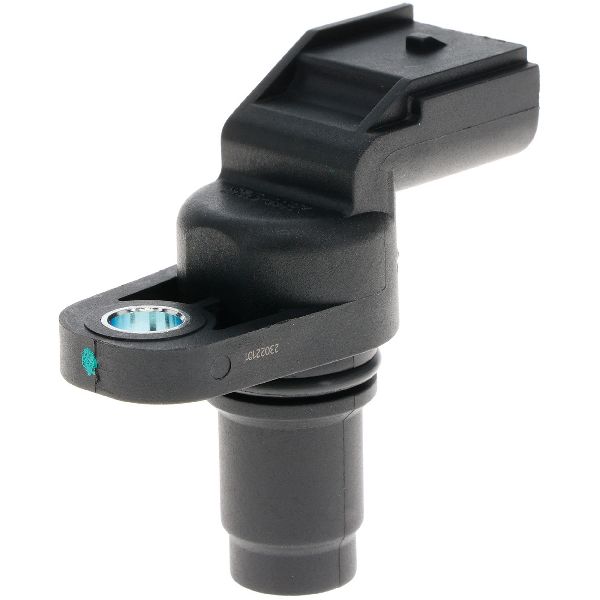
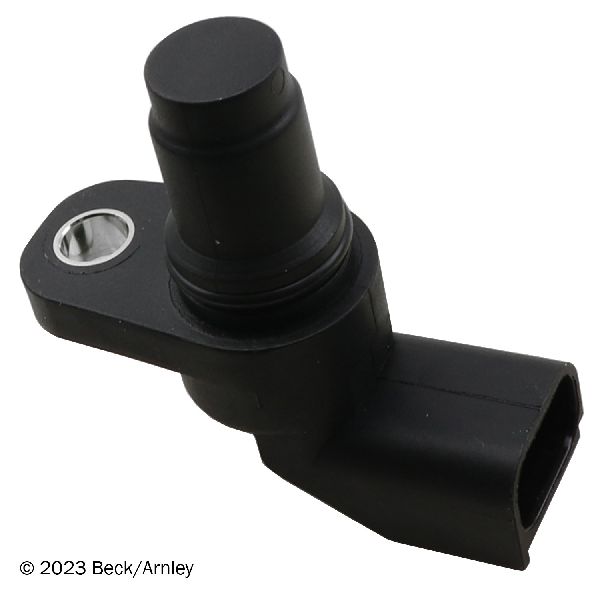
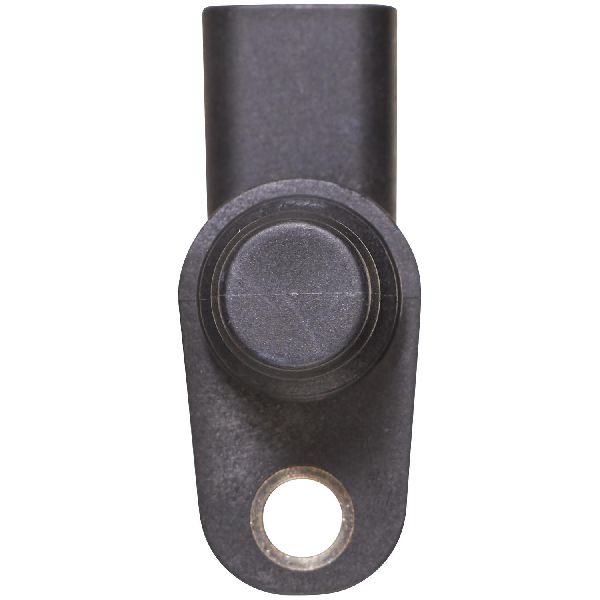
Est. part cost: $200-$400 - Faulty Camshaft Position (CMP) Sensor ⚪ Low Probability → Shop Engine Camshaft Position Sensor
How to confirm: The sensor's signal can be tested with an oscilloscope for a clean square wave pattern. A simpler, though less definitive, test is to check for resistance or swap it with the intake CMP sensor (if they are identical and accessible) to see if the code changes. However, this is rarely the cause.
Typical fix: Replace the Bank 1 exhaust camshaft position sensor.
Est. part cost: $25-$60
Rare But Worth Checking
- Failed Camshaft Phaser: → Shop Engine Camshaft The phaser (cam gear) that the VCT solenoid controls can fail mechanically, getting stuck in one position or having a broken internal pin. This is much less common than a solenoid failure and usually produces more noise.
- Clogged Oil Passages: In cases of severe engine sludge from extreme lack of maintenance, the small oil passages leading to the VCT solenoids and phasers can become blocked, starving the system of oil pressure.
- Damaged Crankshaft or Camshaft Reluctor Wheel: → Shop Engine Crankshaft The toothed 'tone ring' that the position sensor reads can become damaged, bent, or slip on its shaft, causing incorrect signals even with a good sensor. This is very rare without other signs of major engine work or damage.
Diagnosis Steps
- Check Engine Oil: Verify the oil level is full and the oil is clean. If low, dirty, or past its service interval, perform an oil and filter change with 5W-20 synthetic oil. Clear the codes and see if P0017 returns. This is the most critical first step.
- Scan for Other Codes: Check if other codes, especially P0016, are present. The combination of codes can help pinpoint the root cause (e.g., P0016 + P0017 suggests a timing chain issue).
- Inspect Wiring: Visually inspect the wiring harnesses and connectors for the crankshaft sensor, camshaft sensor, and both VCT solenoids for any signs of damage, corrosion, or loose connections.
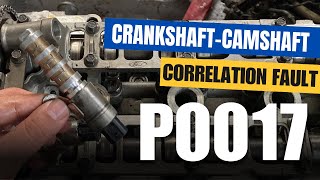
- Test the VCT Solenoid: The easiest test is to swap the intake and exhaust VCT solenoids. They are located under the valve cover and are identical. Clear the codes. If P0017 is gone and P0016 appears, the solenoid you moved is bad and needs replacement. Ford TSB SSM 48423 also suggests using a scan tool to command the solenoid to cycle 10 times 🎬 Watch: How to test and fix the P0017 correlation code to try and clear debris before replacement.
- Advanced Diagnostics (Professional): If the above steps do not resolve the issue, further testing is needed. This includes testing the sensor signals with an oscilloscope, checking engine oil pressure with a mechanical gauge, and finally, inspecting the timing chain, tensioners, and phasers for wear or damage.
Parts You'll Likely Need
- Variable Camshaft Timing (VCT) Solenoid
(OEM #CM5Z-6M280-C (supersedes CM5Z-6M280-A))— This is the most common component to fail and cause P0017 on this engine, typically due to sticking from oil debris.
Trusted brands: Motorcraft, Dorman, Standard Motor Products (SMP)
OEM price range: $35-$70
Aftermarket price range: $25-$50 - Engine Oil and Filter
(OEM #Oil: XO-5W20-QFS, Filter: FL-910S)— Low or dirty oil is the leading cause of VCT system problems and this code. An oil change is the first and most important step.
Trusted brands: Motorcraft
OEM price range: $40-$70
Aftermarket price range: $30-$50 - Valve Cover Gasket Kit
(OEM #CP9Z-6584-A)— Required when replacing the VCT solenoids, as they are located under the valve cover. The kit typically includes the main gasket and spark plug tube seals.
Trusted brands: Motorcraft, Fel-Pro, Mahle
OEM price range: $30-$50
Aftermarket price range: $20-$40
Related Codes That Often Appear With This One
- P0016 — This is the correlation code for the intake camshaft. If P0016 and P0017 appear together, it strongly suggests a base mechanical timing issue (like a stretched timing chain) or a systemic oil pressure problem affecting the entire VCT system.
- P0014 or P0015 — These codes indicate the exhaust camshaft timing is stuck over-advanced (P0014) or over-retarded (P0015). They often appear with P0017 and point more specifically to a stuck VCT solenoid or a failing cam phaser.
- P0365 or P0369 — These codes indicate a circuit malfunction for the exhaust camshaft position sensor itself. A faulty sensor or wiring can be the direct cause of the P0017 correlation error, though this is less common than a VCT solenoid issue.
Technical Service Bulletins (TSBs) & Recalls
- SSM 48423: Advises that VCT codes (P0011-P0025) may be due to debris causing the VCT solenoid to stick. Recommends cycling the solenoid with a scan tool to attempt to clear it before replacement.
- SSM 47170: An earlier bulletin with the same guidance as SSM 48423, pointing to oil debris as the cause of sticking VCT solenoids.
- SSM 54366: A more general bulletin that includes P0017 and directs technicians to standard diagnostic procedures for VCT codes.
Platform-Specific Known Issues
- Temporary Fix with Engine Flush Confirms Sticking Solenoid: An owner on a Reddit forum reported that their P0017 code, accompanied by engine rattling, would disappear for a day or two after performing an oil change with an engine cleaning chemical. This strongly indicated the root cause was a VCT solenoid sticking due to sludge or debris, which the flush temporarily cleared.
Mechanic-Grade Diagnostic Values
- VCT Solenoid Resistance — expected: 6.9 to 7.9 ohms at 68°F (20°C). Failure: An open circuit (infinite resistance) or a short circuit (near zero ohms) indicates a failed solenoid.
- Scan Tool Live Data: VCT Advance Error PID (VCT_ADV_ERR) — expected: Should hover around 0° at idle in closed-loop operation.. Failure: A significant, persistent error value (greater than +/- 5 degrees) when the PCM is commanding 0° advance indicates a correlation problem.
- Camshaft Position Sensor (CMP) Power Supply — expected: Approximately 5V reference voltage at the sensor connector with key on, engine off.. Failure: No voltage or significantly lower voltage may indicate a wiring or PCM issue.
Scan Tool Commands That Help
- Ford IDS (or FORScan): VCT Solenoid Bidirectional Control / Output State Control (OSC) — This command allows a technician to manually cycle the exhaust VCT solenoid on and off at idle. A functional solenoid will cause a noticeable change in engine RPM or may cause it to stall. No change in RPM suggests a stuck solenoid or clogged oil passage. Ford TSBs recommend cycling it 10 times to try and dislodge debris before replacement.
- Ford IDS (or FORScan): Live Data Graphing (VCT_EXH_DSD, VCT_EXH_ACT, VCT_EXH_ERR) — Graphing the Desired, Actual, and Error PIDs for the exhaust camshaft is crucial. This allows you to see if the phaser is slow to respond, not moving, or stuck, which helps differentiate between a solenoid, phaser, or oil pressure issue.
Wiring & Ground Locations
- G104 — On the left side of the engine compartment.. This is a primary power ground point for various engine components. A loose or corroded G104 can cause erratic sensor readings and intermittent faults for the CMP, CKP, and VCT solenoid circuits that rely on a clean ground path.
- Exhaust CMP Sensor Connector — On the back side of the engine (towards the firewall), on the top of the valve cover.. This is the direct connection point for the sensor reporting the fault. The connector and its wiring should be inspected for damage, corrosion, or oil contamination which can disrupt the signal to the PCM.
- Exhaust VCT Solenoid Connector — Under the valve cover, closer to the firewall. Access requires removing the valve cover.. This connector provides power and control to the VCT solenoid. A poor connection here can cause a circuit fault, but more commonly, oil can leak through a failing solenoid and contaminate the connector, causing issues.
Real Owner Repair Stories
- Reddit user in r/fordexpedition (on a similar Ford engine) (Ford Expedition with a similar VCT system) — Code P0017 appeared immediately after a full timing chain and cam phaser replacement job. The code was not present before the job.
❌ Tried (didn't work) Verified timing marks were aligned during installation., Tested VCT solenoids by applying voltage; they clicked., Tested for voltage at the camshaft position sensor connector.
✅ What actually fixed it The user's post was a request for help and did not have a final resolution, but it highlights a critical scenario: the P0017 code appearing *after* a timing job often points to an installation error (e.g., off by one tooth) or a component that was disturbed or failed during the repair, rather than a new, unrelated problem.
OEM Part Supersession History
CM5Z-6M280-A→CM5Z-6M280-C— Part revision by Ford, likely for improved durability or internal design to better resist sticking from oil debris.
Heads up: The parts are interchangeable. CM5Z-6M280-C is the current recommended replacement for -A.CM5Z-6M280-C→CM5Z-6M280-D— Further part revision by Ford.
Heads up: The parts are interchangeable. CM5Z-6M280-D is a newer revision, though -C is still widely available and used.
Diagnostic Flowchart
Other Known Issues on This Vehicle
Issues unrelated to this code that are worth knowing about as an owner of this generation:
- DPS6 'PowerShift' Automatic Transmission Failure 🔴 High — Extremely common across all years. Shuddering can start as early as 15,000 miles. TCM failures are also frequent. (Ref: Multiple class-action lawsuits, warranty extensions (e.g., 14M01, 14M02), and TSBs were issued. Problems include shuddering, slipping, delayed engagement, and complete failure.)
- Faulty Canister Purge Valve 🟠 Medium — Common issue causing stalling at idle, rough running, and difficulty starting after refueling. (Ref: Subject of NHTSA recall 18V-735 (Ford recall 18S32), which involves reprogramming the PCM and replacing the valve if it has failed. Can lead to a deformed fuel tank if not addressed.)
- Loss of Power Steering Assist 🔴 High — Less common than transmission issues, but occurs without warning. (Ref: A 'Steering Assist Fault' warning often appears. The typical fix is a costly replacement of the entire electronic steering rack.)
- Failing Passenger Side Engine Mount 🟡 Low — Very common. The hydraulic mount collapses over time, leading to significant vibration in the cabin at idle and during acceleration. (Ref: No specific recall, but a widely documented failure. Replacement is a common maintenance item.)
- Coolant Leaks from Degas Bottle/Reservoir 🟡 Low — The plastic coolant expansion tank is prone to developing hairline cracks, causing slow coolant leaks. (Ref: No recall, but a frequent and inexpensive DIY repair.)
Used vs. New Parts: Buying Guide for This Vehicle
When a used part is the smart pick: For this repair, using a used part is generally not recommended for electronic components like sensors or solenoids. The cost savings are minimal compared to the risk of the used part failing quickly. The only scenario where a used part might be considered is for a major mechanical component like a cylinder head if the original is damaged, but this is not a typical fix for P0017.
Donor-vehicle mileage cap: roughly under 60000 miles for the part to have meaningful remaining life.
What to inspect on the donor part:
- For VCT Solenoids: Avoid used parts. The failure is internal and cannot be visually inspected.
- For Sensors: Avoid used parts. Age and heat cycles degrade electronic components.
- Look for donor vehicles with documented, regular oil change histories if possible.
- Inspect the area under the oil cap of the donor engine for signs of heavy sludge, which would indicate poor maintenance and likely compromised VCT components.
OEM-only on this vehicle (don't cheap out):
- While not strictly 'OEM-only', using Motorcraft (Ford's OEM brand) for VCT solenoids and sensors is highly recommended. These parts are critical to engine timing and have been revised by Ford over time to improve reliability. Aftermarket parts may not have the same durability or precise calibration.
Aftermarket brands forum-validated for this vehicle:
- Dorman (specifically their OE FIX line if available)
- Standard Motor Products (SMP)
- Delphi
Brands owners have reported issues with on this vehicle:
- No-name, unbranded parts from online marketplaces should be avoided. The VCT solenoids are located under the valve cover, and the labor to replace a cheap, failed part a second time negates any initial savings.
Real Owner Stories
Aggregated from forums and TSBs cited above. Mileages and costs reflect what owners reported in those sources.
2014 Ford Focus SE 2.0L GDI
Symptoms: Check engine light with code P0017.
What fixed it: The owner was advised that 'Sensor B' refers to the exhaust side and that correlation codes often point to mechanical issues like timing chain stretch rather than just a bad sensor.
Source hint: r/MechanicAdvice: 2014 Ford Focus SE. code P0017. Which sensor to replace?
2016 Ford Focus ST 2.0L EcoBoost
Symptoms: Rattling sounds and RPM fluctuations at idle; check engine light P0017.
What fixed it: Using an engine cleaning additive temporarily resolved the issue, suggesting the problem was oil sludge or a sticking VCT solenoid.
Source hint: r/FocusST: Ford focus st p0017 check engine light
2012-2018 Ford Focus 2.0L Ti-VCT GDI
Symptoms: P0017 code accompanied by engine rattling.
What fixed it: An oil change combined with an engine cleaning chemical temporarily cleared the code, confirming the root cause was a VCT solenoid sticking due to sludge or debris.
Source hint: Vehicle-specific issues: Temporary Fix with Engine Flush Confirms Sticking Solenoid
2011 Ford Focus 1.6L EcoBoost
Symptoms: Experienced both P0016 and P0017 after a battery reset.
What fixed it: The community pointed toward checking timing components (timing belt/chain) because both intake and exhaust codes appeared together.
Source hint: FocusFanatics: P0016 & P0017 fault codes
Related OBD-II Codes
Frequently Asked Questions
My 2012-2018 Ford Focus has a P0017 code; should I replace the sensors first?
How can I tell if the exhaust VCT solenoid is actually bad on my 2.0L GDI engine?
Does Ford have a specific procedure to fix a sticking VCT solenoid without replacing it?
What does it mean if my Focus shows both P0016 and P0017 at the same time?
Is there a specific oil I should use to prevent P0017 on my Ti-VCT engine?
Helpful Videos
We Have This Part in Stock


The information in this article is provided for general reference and educational purposes only. Vehicle specifications, procedures, and part compatibility can vary by production date, trim level, and region. Always consult your vehicle's factory service manual and verify part numbers before purchasing or performing repairs. Safety-critical components such as airbags, seat belts, and braking systems should be installed by a qualified professional.
- Ford Focus:
- 🧭 Diagnostic Flowchart
- 🎬 Helpful Videos
- 🛍️ Shop This Part
- What's Unique About the 2012-2018 Ford Focus
- Symptoms You May Notice
- Most Likely Causes
- Rare But Worth Checking
- Diagnosis Steps
- Parts You'll Likely Need
- Related Codes That Often Appear With This One
- Technical Service Bulletins (TSBs) & Recalls
- Platform-Specific Known Issues
- Mechanic-Grade Diagnostic Values
- Scan Tool Commands That Help
- Wiring & Ground Locations
- Real Owner Repair Stories
- OEM Part Supersession History
- Other Known Issues on This Vehicle
- Used vs. New Parts: Buying Guide for This Vehicle
- Real Owner Stories
- 2014 Ford Focus SE 2.0L GDI
- 2016 Ford Focus ST 2.0L EcoBoost
- 2012-2018 Ford Focus 2.0L Ti-VCT GDI
- 2011 Ford Focus 1.6L EcoBoost
- Related OBD-II Codes
- Frequently Asked Questions
- 🎟️ Get 5% Off