

P0017 on 2014-2021 Mazda 6 SKYACTIV-G 2.5L: Causes and Fixes for Cam/Crank Correlation
Code P0017 on a Mazda 6 with the 2.5L SKYACTIV-G engine most often points to a faulty exhaust Oil Control Valve (OCV) or low/dirty engine oil. An OCV replacement is around $100-$150 for the part and is a relatively simple DIY fix. Always check your oil level and condition first, as low oil pressure is a primary trigger for this code.
- P0017 on your Mazda 6 indicates a timing mismatch between the crankshaft and the exhaust camshaft.
- Before buying any parts, check your engine oil. Low or dirty oil is the most common cause and the easiest fix.
- The second most likely culprit is a faulty exhaust Oil Control Valve (OCV), part number PE01-14-420A. This can be diagnosed at home by swapping it with the intake OCV.
- If you hear a rattling noise from the engine on startup, the issue could be a more serious stretched timing chain, which requires professional repair.
- Do not ignore this code, as it can lead to reduced performance, poor fuel economy, and potential engine damage if left unaddressed.
What's Unique About the 2014-2021 Mazda 6
Mazda's SKYACTIV engines are engineered with high compression ratios (up to 14:1) and rely on a 4-2-1 exhaust manifold to reduce combustion temperatures and prevent knock. This design, combined with a sophisticated variable valve timing (VVT) system, is crucial for efficiency and power. The VVT system is hydraulically operated and extremely sensitive to engine oil pressure and cleanliness. Consequently, issues that might be minor on other engines, like slightly dirty oil or a marginal drop in oil pressure, can impede VVT actuator response and trigger timing correlation codes like P0017 on this platform. While a stretched timing chain is a possible cause, problems with the oiling system, including the Oil Control Valve (OCV), are a more frequent and less severe source of this code.
Symptoms You May Notice
- Check Engine Light is on
- Rough or unstable idle
- Loss of power or hesitation during acceleration
- Reduced fuel economy
- Engine stalling at low speeds
- Rattling noise from the engine, especially on startup
- Oil pressure light illuminates during acceleration (indicates low oil level)
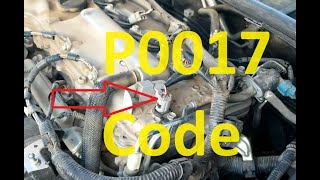
- Replacing the camshaft or crankshaft position sensors when the root cause is actually low/dirty oil or a faulty OCV. Always check the oil and test 🎬 Watch: How to diagnose and fix the P0017 code the OCV before replacing sensors.
Most Likely Causes
- Low or Dirty Engine Oil 🔴 High Probability The SKYACTIV VVT system is highly dependent on oil pressure and cleanliness to function correctly. Low levels or contaminated oil can impede the operation of the VVT actuator and Oil Control Valve, causing a timing correlation fault.
How to confirm: Check the engine oil dipstick for proper level and inspect the oil's color and consistency. If it is dark, thick, or below the minimum level, this is the likely starting point. A Reddit user with a 2017 Mazda 6 reported P0017 along with an oil light during acceleration, which points directly to a low oil level.
Typical fix: Perform an engine oil and filter change. Use the manufacturer-specified full synthetic 0W-20 oil. Clear codes and perform a test drive.
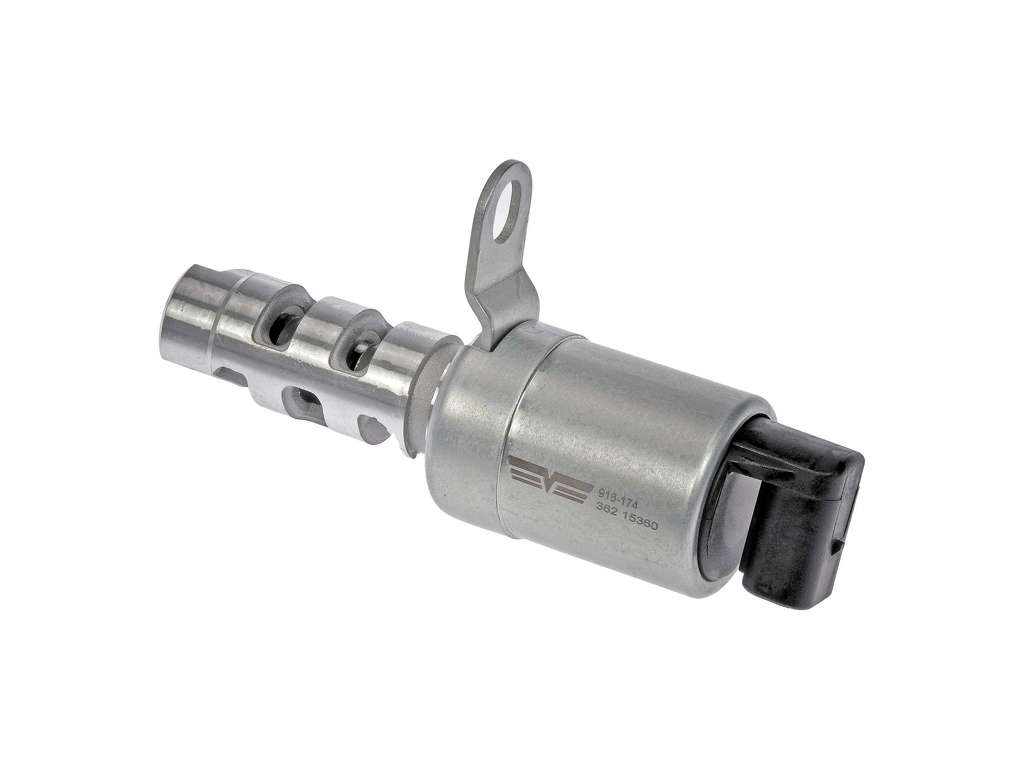
Est. part cost: $40-$80 - Faulty Exhaust Oil Control Valve (OCV) / VVT Solenoid 🔴 High Probability → Shop Engine Variable Valve Timing (VVT) Solenoid The OCV can become clogged with sludge or debris from the oil, or it can fail electrically, preventing it from properly regulating oil flow to the camshaft phaser. It's a very common failure point for this code.
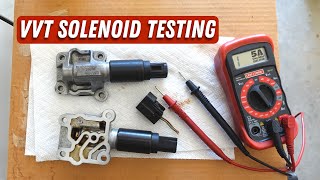
How to confirm: Swap the exhaust OCV with the identical intake OCV. They are located on the valve cover and are interchangeable for testing. Clear the codes and drive the vehicle. If the code changes to P0016 (Intake Camshaft Correlation), the OCV is confirmed to be faulty. You can also test the solenoid's resistance with a multimeter; 🎬 Watch: 3 easy ways to test a VVT solenoid it should be between 6.9 and 7.5 ohms at 68°F (20°C).
Typical fix: Replace the exhaust Oil Control Valve.
Est. part cost: $90-$160 - Stretched Timing Chain or Failed Tensioner 🟡 Medium Probability → Shop Engine Timing Chain While less common than oil-related issues on the SKYACTIV-G, timing chains can stretch over time, especially on higher mileage vehicles (>100k miles) or those with a history of infrequent oil changes. A failed hydraulic tensioner can also cause slack in the chain.
How to confirm: This is a more involved diagnosis. A key symptom is a distinct rattling noise from the front of the engine on cold starts that may last for a few seconds. A mechanic can remove the valve cover to physically inspect the chain for slack. If P0016 (intake side) is also present, a stretched chain is more likely as it affects both cams.
Typical fix: Replace the timing chain, guides, and tensioner. This is a complex job best left to a professional. 🎬 See this Mazda Skyactiv timing chain calibration procedure
Est. part cost: $300-$600 - Faulty Camshaft or Crankshaft Position Sensor ⚪ Low Probability → Shop Engine Crankshaft Position Sensor
How to confirm: If the engine is running perfectly smoothly with no noticeable performance issues, a sensor failure is more likely than a mechanical timing problem. A technician can use an oscilloscope to check the patterns from both sensors to identify an erratic signal. Swapping the suspect cam sensor with a known good one can also help diagnose.
Typical fix: Replace the faulty sensor (either camshaft or crankshaft).
Est. part cost: $40-$150
Rare But Worth Checking
- Damaged VVT Actuator (Cam Phaser): The VVT actuator is the gear on the end of the camshaft. It can get stuck or fail internally, but this is less common than an OCV failure.
- Clogged Engine Oil Passages: In cases of severe sludge from neglected oil changes, the small oil passages leading to the VVT system can become blocked, starving the components of oil pressure. This usually requires significant engine cleaning or repair.
- Oil Filter Failure: → Shop Engine Oil Filter Adapter A user on the r/mazda6 subreddit reported experiencing P0017 due to an oil filter failure, which can cause a sudden loss of oil pressure.
Diagnosis Steps
- Check the engine oil level and condition. If it's low or dirty, perform an oil change with the correct 0W-20 synthetic oil and a new, quality filter. Clear the code and see if it returns.
- Scan for any other trouble codes. The presence of P0016 or P0524 can help pinpoint the root cause.
- Listen for any rattling noises from the engine, particularly during a cold start, which could indicate a timing chain issue.
- If the oil is fine, test the exhaust Oil Control Valve (OCV). The easiest method is to swap the exhaust OCV with the intake OCV (they are identical parts). Clear the codes and drive the car. If the code returns as P0016, you have confirmed the OCV is bad and needs replacement.
- If the OCV swap does not change the code, test the OCV resistance using a multimeter. It should be between 6.9 and 7.5 ohms. Also test for battery voltage at the OCV connector's power pin with the ignition on.
- If the OCV tests fine, inspect the wiring and connectors for both the camshaft and crankshaft position sensors for any damage or corrosion.
- If all the above steps fail to identify the issue, a more advanced mechanical inspection is needed to check for a stretched timing chain, failed tensioner, or a problem with the VVT actuator (phaser). This is best left to a professional.
Parts You'll Likely Need
- Engine Variable Valve Timing (VVT) Solenoid / Oil Control Valve (OCV)
(OEM #PE01-14-420A)— This solenoid is a very common failure point. It gets clogged with debris or fails electrically, leading to incorrect exhaust cam timing. Part number PE01-14-420A supersedes the older PE01-14-420.
Trusted brands: Mazda (OEM), Denso, Dorman
OEM price range: $120-$160
Aftermarket price range: $50-$100 - Engine Timing Chain Kit — If the timing chain has stretched or the tensioner has failed, a full kit including the chain, guides, and tensioner is required to restore proper engine timing.
Trusted brands: Mazda (OEM), Cloyes
OEM price range: $400-$600
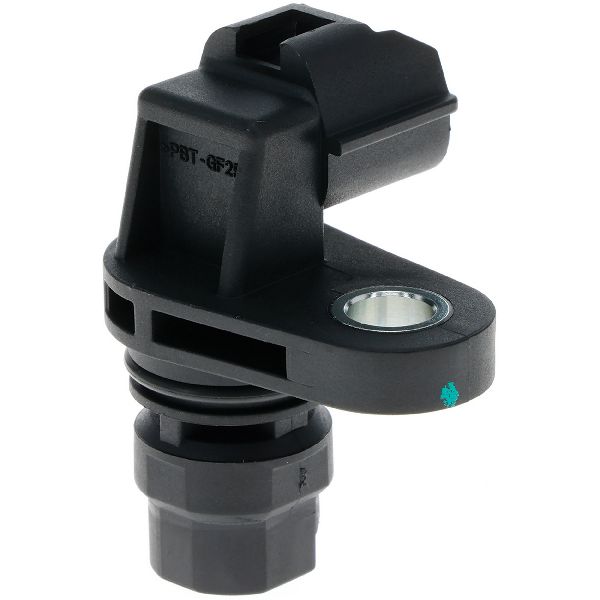
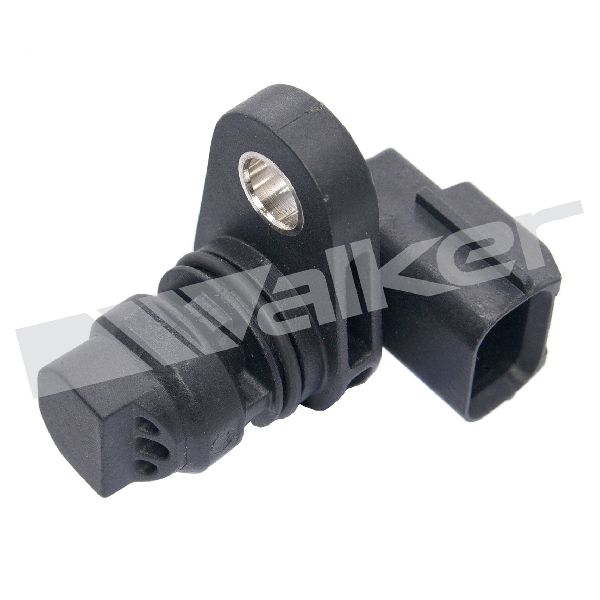
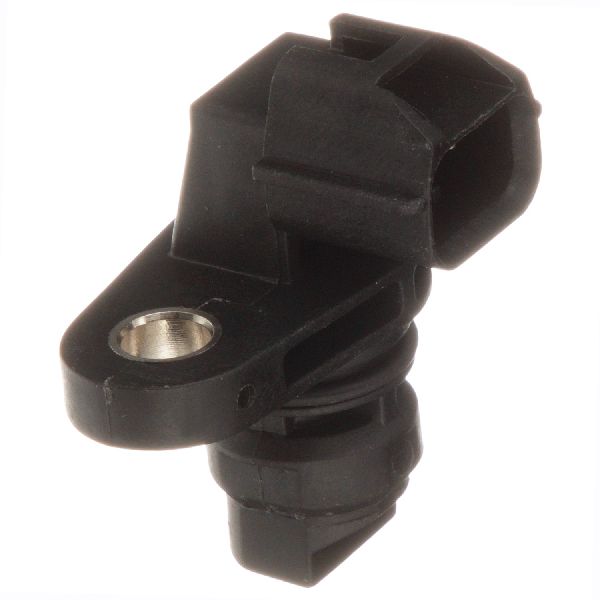
Aftermarket price range: $250-$400 - Exhaust Camshaft Position Sensor — Though less common, the sensor itself can fail, sending incorrect data to the ECM. It's often replaced as part of diagnosis but is not usually the root cause.
Trusted brands: Mazda (OEM), Bosch, NGK/NTK
OEM price range: $80-$120
Aftermarket price range: $40-$70
Related Codes That Often Appear With This One
- P0016 — This is the correlation code for the intake camshaft. If both P0016 and P0017 appear together, it strongly suggests a base timing issue, such as a stretched timing chain, that is affecting both camshafts.
- P0524 — This code indicates 'Engine Oil Pressure Too Low'. Since the VVT system is oil-operated, low pressure is a direct cause for timing correlation faults. Mazda TSB 01-009/16 for a related code (P0015) links it directly to low oil pressure caused by debris in the oil pump.
Technical Service Bulletins (TSBs) & Recalls
- TSB 01-009/16: While for code P0015, this TSB is highly relevant as it details a known issue where debris can get stuck in the oil pump relief valve, causing low oil pressure (P0524) and retarded camshaft timing (P0015). This highlights the system's sensitivity to oil pressure and contamination.
- TSB 01-012/20: This TSB addresses several DTCs, including P0524 (Engine Oil Pressure Too Low), on various 2018-2020 Mazda models by recommending a PCM software update. This indicates Mazda has addressed logic issues related to oil pressure monitoring.
Platform-Specific Known Issues
- The issue is not unique to the Mazda 6 but is common across the entire Mazda lineup that uses the 2.5L SKYACTIV-G engine, including the Mazda 3 and CX-5. The diagnostic process is identical across these models.
Mechanic-Grade Diagnostic Values
- Oil Control Valve (OCV) / VVT Solenoid Resistance — expected: 6.9 - 7.5 Ohms at 20°C (68°F). Failure: A reading outside this range indicates an electrical failure in the solenoid coil.
- OCV / VVT Solenoid Power Supply Voltage — expected: Battery voltage (approx. 12V). Failure: No voltage or low voltage suggests a wiring issue, blown fuse, or problem with the power source.
Scan Tool Commands That Help
- Mazda IDS / FORScan / Advanced Scan Tools: VVT System Actuation Test / Output State Control — After confirming oil level and OCV electrical integrity, use this command to force the VVT phaser to actuate. With the engine running, activating the solenoid should cause a noticeable change in idle (e.g., rough idle or stall). If the idle does not change, it points to a mechanical problem like a stuck VVT phaser or clogged oil passages, rather than an electrical or sensor issue.
Wiring & Ground Locations
- General Engine Grounds — Key grounding points for the engine harness include a ground on the passenger side motor mount, a large ground near the starter/transmission, and multiple grounds on the harness that attach to the engine block and chassis.. A poor engine ground can cause erratic signals from the crankshaft and camshaft position sensors, potentially leading to a false correlation code. While not a common cause, verifying major grounds are clean and tight is a valid step if sensor signals appear noisy on an oscilloscope.
Real Owner Repair Stories
- Reddit user in r/mazda6 (2017 Mazda 6 GT at 32,000 miles) — Check Engine Light with P0017, sporadic rattling noises from engine, oil light comes on during acceleration at higher speeds.
✅ What actually fixed it The issue was diagnosed by the community as being caused by a low engine oil level. The oil light illuminating during acceleration was the key indicator that the oil pump was sucking in air, causing a drop in pressure that disrupted the VVT system and triggered the P0017 code. The fix was to top off or change the engine oil. - Reddit user in r/MechanicAdvice (Unknown year/model, likely Hyundai/Kia based on 'infamous dowel pin' comment, but the principle applies to any engine with this failure mode.) — Car started running badly after oil was found to be very low, timing had jumped 2 teeth.
❌ Tried (didn't work) Clearing the code with a reader after repairs.
✅ What actually fixed it The user performed a major timing job, replacing the chain, tensioners, and both CVVT sprockets. Critically, they also had to replace the exhaust camshaft because the 'infamous dowel pin' had broken off. Even after all this work, the P0017 code remained, highlighting that sometimes a PCM relearn procedure is needed or another subtle issue exists.
OEM Part Supersession History
PE01-14-420→PE01-14-420A— Standard part revision, likely for improved reliability or manufacturing process.
Heads up: None. The parts are interchangeable, but PE01-14-420A should always be used if available.
Model Year Variations Within This Range
- 2018-2021: A mid-cycle refresh occurred for the 2018 model year. For the naturally-aspirated 2.5L SKYACTIV-G, this included a minor power increase from 184 hp to 187 hp. However, the core engine architecture, VVT system, sensors, and OCVs related to code P0017 remained the same. The diagnostic procedure is identical for all 2014-2021 models.
Diagnostic Flowchart
Other Known Issues on This Vehicle
Issues unrelated to this code that are worth knowing about as an owner of this generation:
- Infotainment 'Ghost Touch' and Delamination 🟠 Medium — Common on 2016-2021 models. The screen registers phantom touches or becomes unresponsive. Caused by screen delamination/corrosion. (Ref: Mazda issued a Customer Service Program (CSP13) and warranty extensions for this issue, not a formal recall.)
- Intake Valve Carbon Buildup 🟡 Low — A potential long-term issue for all direct-injection (GDI) engines, including SKYACTIV-G. Can cause rough idle or misfires at high mileage (100k+ miles). Mazda's design mitigates it, but it's not immune.
- Prematurely Noisy Wheel Bearings 🟠 Medium — A noted issue across the 3rd generation Mazda 6, where wheel bearings can become noisy and fail earlier than expected.
- Cracked Drive Plate / Flexplate 🟡 Low — Not common, but can occur. Symptoms include a metallic rattling noise from the transmission area at idle. Not a known defect, but a possible high-mileage failure. (Ref: No specific TSBs or recalls, but TSB 05-005/23 exists for a related torque converter noise.)
- Excessive Oil Consumption (2.5T Engine) 🔴 High — Primarily affects 2021 models with the 2.5L Turbo engine due to faulty valve stem seals. The naturally aspirated 2.5L in most Mazda 6s is not affected. (Ref: TSB 01-012/21.)
Used vs. New Parts: Buying Guide for This Vehicle
When a used part is the smart pick: For this repair, buying used parts is generally not recommended. However, a used Camshaft or Crankshaft Position Sensor from a low-mileage, verified-running donor vehicle could be a cost-effective diagnostic step or replacement, as they are typically reliable components.
Donor-vehicle mileage cap: roughly under 60000 miles for the part to have meaningful remaining life.
What to inspect on the donor part:
- For sensors, ensure the connector is not cracked or corroded.
- Check for any signs of physical damage to the sensor housing.
- If possible, confirm the donor vehicle did not have any engine-related trouble codes.
OEM-only on this vehicle (don't cheap out):
- Timing Chain Kit
- VVT Actuator (Phaser)
Aftermarket brands forum-validated for this vehicle:
- Denso (For OCV/VVT Solenoid)
- NGK/NTK (For Cam/Crank Sensors)
- Bosch (For Cam/Crank Sensors)
- Cloyes (For Timing Chain Kits)
Brands owners have reported issues with on this vehicle:
- Unnamed, 'white box' sensors and solenoids from online marketplaces often have high failure rates and may not perform to OEM specifications, causing the code to return.
Real Owner Stories
Aggregated from forums and TSBs cited above. Mileages and costs reflect what owners reported in those sources.
2017 Mazda 6 2.5L — 32000 miles
Symptoms: Check engine light P0017 accompanied by a rattling engine noise and the oil pressure light illuminating specifically during acceleration.
What fixed it: Correcting a low engine oil level.
Source hint: r/mazda6 - 'Anyone else deal with a P0017 diagnostic code? 2017 Mazda 6 GT at 32000 miles.'
Related OBD-II Codes
Frequently Asked Questions
My 2017 Mazda 6 is showing P0017 and the oil pressure light flashes when I accelerate. What is the most likely cause?
Can I test the Exhaust Oil Control Valve (OCV) myself on my Mazda 6?
Is there a TSB for oil pressure logic issues that might cause codes like P0017 on newer Mazda 6 models?
What type of oil should I use to prevent VVT timing codes in my 2.5L SKYACTIV-G?
My Mazda 6 has over 100,000 miles and makes a rattling noise on cold starts. Could this be P0017?
Does TSB 01-009/16 apply to my P0017 code?
Helpful Videos
![How to Fix P0017 Engine Code in 6 Minutes [4 DIY Methods / Only $6.81]](https://img.youtube.com/vi/Vcj-f_J2hyo/mqdefault.jpg)



We Have This Part in Stock


The information in this article is provided for general reference and educational purposes only. Vehicle specifications, procedures, and part compatibility can vary by production date, trim level, and region. Always consult your vehicle's factory service manual and verify part numbers before purchasing or performing repairs. Safety-critical components such as airbags, seat belts, and braking systems should be installed by a qualified professional.
- Mazda 6:
- 🧭 Diagnostic Flowchart
- 🎬 Helpful Videos
- 🛍️ Shop This Part
- What's Unique About the 2014-2021 Mazda 6
- Symptoms You May Notice
- Most Likely Causes
- Rare But Worth Checking
- Diagnosis Steps
- Parts You'll Likely Need
- Related Codes That Often Appear With This One
- Technical Service Bulletins (TSBs) & Recalls
- Platform-Specific Known Issues
- Mechanic-Grade Diagnostic Values
- Scan Tool Commands That Help
- Wiring & Ground Locations
- Real Owner Repair Stories
- OEM Part Supersession History
- Model Year Variations Within This Range
- Other Known Issues on This Vehicle
- Used vs. New Parts: Buying Guide for This Vehicle
- Real Owner Stories
- 2017 Mazda 6 2.5L — 32000 miles
- Related OBD-II Codes
- Frequently Asked Questions
- 🎟️ Get 5% Off