

P0017 on 2013-2018 Toyota RAV4 2.5L: Crank/Cam Correlation Causes and Fixes
On a 2013-2018 RAV4, P0017 is most often caused by a faulty exhaust camshaft oil control valve (OCV) or low/dirty engine oil. An OCV is about $40-$90 for an aftermarket part and is a straightforward DIY replacement. If oil is clean and the OCV is good, the next suspect is a failing VVT gear (phaser), especially if a rattle is heard.
- Always check your engine oil level and condition first; it's the easiest and cheapest potential fix.
- The most likely failed part is the exhaust Oil Control Valve (OCV). You can confirm this by swapping it with the intake OCV to see if the code changes to P0016.
- If you hear a rattling noise from the engine, especially when starting it cold, the problem is more likely a mechanical issue with the VVT phaser (gear) or the timing chain itself.
- Do not immediately replace the camshaft sensor. It is a less likely cause than the OCV or oil-related issues.
What's Unique About the 2013-2018 Toyota RAV4
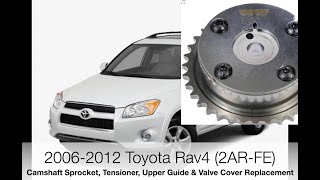
The Toyota 2AR-FE engine, which replaced the problematic 2AZ-FE, is generally reliable and does not suffer from the same systemic oil burning issues. However, its Dual VVT-i system is highly dependent on clean oil and correct oil pressure to operate its phasers and oil control valves (solenoids). While the timing chain is durable, the VVT actuators (phasers) and OCVs are the most common failure points for timing correlation codes. A notable Technical Service Bulletin (T-SB-0012-11) for earlier RAV4s with this engine points to failures in the exhaust VVT gear assembly, causing rattles 🎬 Watch: How to fix the common VVT gear start-up rattle. and setting P0017, highlighting a known weak point.
Symptoms You May Notice
- Check Engine Light is on
- Rough or unstable idle
- Hesitation or loss of power during acceleration
- Reduced fuel economy
- Engine is difficult to start or cranks but won't start
- Rattling, ticking, or knocking noise from the engine, especially on a cold start
- Engine stalling, particularly at stops
- Replacing the camshaft or crankshaft position sensors when the actual fault is with the oil control valve (OCV), low/dirty oil, or a mechanical timing component.
- Replacing the crankshaft position sensor, which rarely fails in a way that only sets P0017 without other codes.
- Assuming a timing chain replacement is needed before thoroughly diagnosing the much more common and cheaper OCV failure.
Most Likely Causes
- Low or Dirty Engine Oil 🔴 High Probability The VVT system is entirely operated by oil pressure. Insufficient or contaminated oil directly impacts its ability to adjust cam timing correctly, and is a primary cause of VVT-related codes.
How to confirm: Check the engine oil dipstick for proper level and inspect the oil's condition. If it is low, black, or sludgy, this is a likely contributor. An oil change is the cheapest and easiest first step.
Typical fix: Top up or perform an engine oil and filter change. Use the manufacturer-recommended oil viscosity (0W-20). Clear codes and see if P0017 returns.
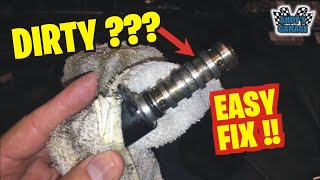
Est. part cost: $30-$70 - Faulty Exhaust Oil Control Valve (OCV) 🔴 High Probability → Shop Engine Variable Valve Timing (VVT) Solenoid The OCV (or VVT solenoid) is a very common failure point. It can get stuck or clogged with sludge from infrequent oil changes, preventing correct oil flow to the VVT phaser.
How to confirm: You can test the solenoid by applying 12V to see if it actuates. A more common and effective method is to swap the exhaust OCV with the identical intake OCV. 🎬 See this walkthrough on testing and fixing P0017 correlation codes. Clear the codes and run the engine. If the code changes to P0016 (Intake Cam Correlation), the OCV you moved to the intake side is faulty. Visually inspect the OCV's screen for sludge upon removal.
Typical fix: Replace the Bank 1 (exhaust) Oil Control Valve. It is recommended to replace it with an OEM part (Denso or Aisin).
Est. part cost: $40-$120 - Stretched Timing Chain or Worn Timing Components 🟡 Medium Probability → Shop Engine Timing Chain While less common than OCV failure, timing chains can stretch over time (typically over 100k-150k miles), causing a correlation error. A rattling noise on startup is a strong indicator of a chain or guide issue.
How to confirm: This requires removing the valve cover and timing cover to physically inspect the chain for slack and check timing marks against their reference points on the gears. This is an advanced diagnostic step.
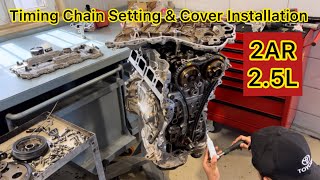
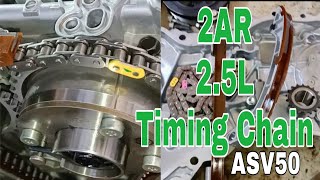
Typical fix: Replace the timing chain, guides, and tensioner. This is a labor-intensive job. 🎬 Watch: Full timing chain replacement details for the 2AR engine.
Est. part cost: $200-$400 - Faulty Exhaust Camshaft Position Sensor ⚪ Low Probability → Shop Engine Camshaft Position Sensor
How to confirm: This is often misdiagnosed. Only suspect the sensor if the OCV swap test does not change the code and the oil is clean. It can be tested with a multimeter or swapped with the intake sensor to see if the code follows.
Typical fix: Replace the Bank 1 (exhaust) camshaft position sensor.
Est. part cost: $50-$150
Rare But Worth Checking
- Failed VVT Camshaft Gear (Phaser): → Shop Engine Camshaft A known issue on 2AR-FE engines (per TSB T-SB-0012-11) where the exhaust VVT gear can fail internally, causing a rattle and setting P0015 and/or P0017. If you hear a significant rattle from the engine and have ruled out the OCV, this is a strong possibility. The repair involves replacing the gear assembly, which is a complex job similar to a timing chain replacement.
- Clogged OCV Filter Screen: There is a small, thimble-shaped filter screen for the VVT oil supply located on the cylinder head, often near the OCV. If this screen gets clogged with debris or sludge, it can starve the OCV and phaser of oil, causing timing issues. It's often overlooked and should be cleaned or replaced when servicing the OCV.
Diagnosis Steps
- Check Engine Oil: Verify the oil level is full and the oil is clean. An oil and filter change is the cheapest first step. If the code appeared after a recent oil change, ensure the correct viscosity oil (0W-20) and a quality filter were used.
- Scan Tool Data: Use a scan tool to observe live data for desired vs. actual camshaft angles for Bank 1 Exhaust. A significant lag between the two values confirms a timing control problem.
- Inspect and Swap OCV/VVT Solenoid: Locate the exhaust OCV on the top of the valve cover. Inspect the wiring and connector. Remove the OCV and check its filter screen for sludge or debris. For a definitive test, swap the exhaust OCV with the identical intake OCV. Clear the codes and run the engine. If the code changes to P0016, the OCV you moved to the intake side is faulty and must be replaced.
- Inspect OCV Filter: Check for the separate, thimble-sized VVT oil filter screen in the cylinder head. Remove and clean it thoroughly, as it can get clogged and restrict oil flow to the entire VVT assembly.
- Inspect Camshaft Position Sensor: If the OCVs and filters are good, inspect the wiring for the exhaust camshaft position sensor. You can also swap the intake and exhaust cam sensors to see if the code changes to P0016.
- Mechanical Inspection: If the code persists, a mechanical issue is likely. Listen for a rattling noise on startup, which points towards a failing VVT phaser (cam gear) or a stretched timing chain. This requires removing the valve cover for a visual inspection of the timing components, which is best left to a professional if you are not experienced.
Parts You'll Likely Need
- Engine Camshaft Timing Oil Control Valve (OCV)
(OEM #15330-0T010 (or superseded by 15330-36011))— This is the most common electrical/mechanical failure point for P0017, as it directly controls the exhaust cam phasing by regulating oil flow. It often gets clogged with sludge.
Trusted brands: Denso (OEM), Aisin (OEM), Dorman
OEM price range: $90-$140
Aftermarket price range: $40-$90 - Camshaft Timing Gear Assembly (Exhaust VVT Phaser)
(OEM #13070-0V013)— This is the mechanical actuator that physically changes the cam timing. It can fail internally, causing a rattle and setting P0017, as documented in TSBs.
Trusted brands: Toyota (OEM)
OEM price range: $150-$250
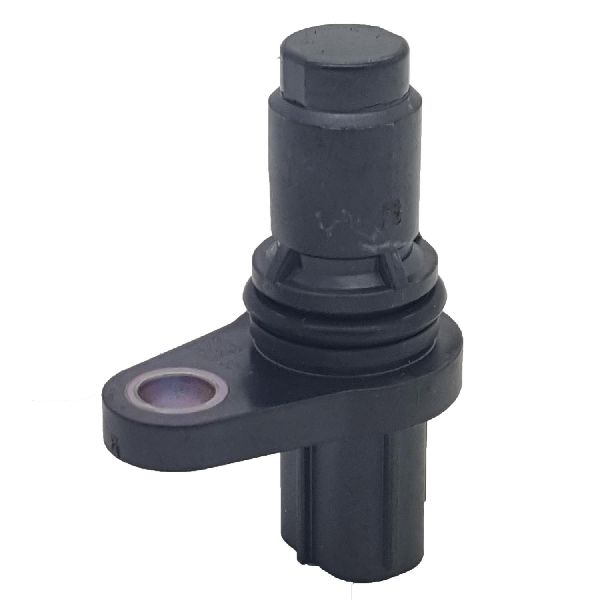
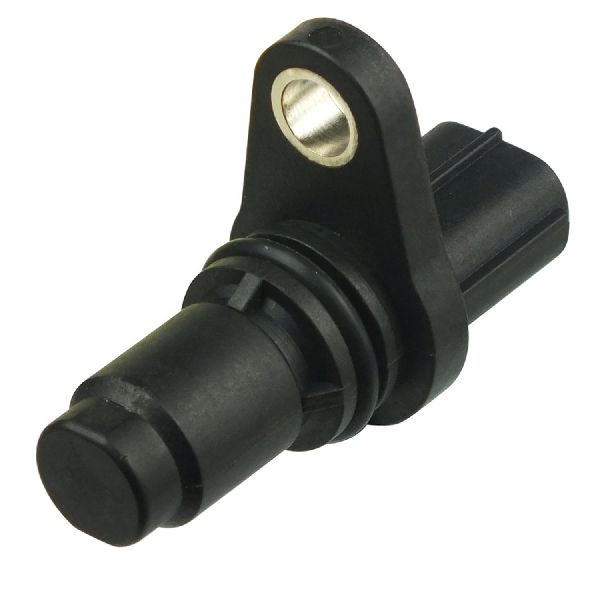
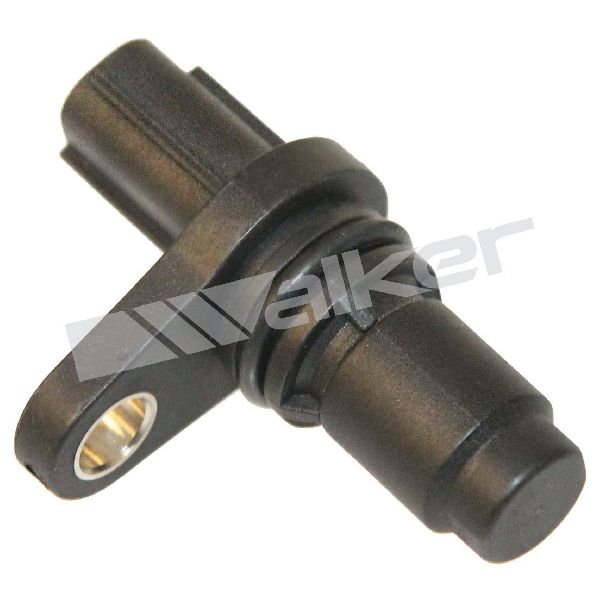
Aftermarket price range: $80-$150 - Engine Camshaft Position Sensor
(OEM #90919-T5005)— If the OCV is confirmed to be working, the sensor that reads the camshaft's position is the next logical part to fail, though it is less common than the OCV.
Trusted brands: Denso (OEM), NTK/NGK
OEM price range: $100-$150
Aftermarket price range: $50-$90 - Timing Chain Kit — For higher-mileage vehicles or if a rattle is present and the VVT gear is not the sole cause, a stretched chain or failed guide can cause this code. A kit includes the chain, guides, and tensioner.
Trusted brands: Aisin, Cloyes
OEM price range: $300-$450
Aftermarket price range: $150-$250
Related Codes That Often Appear With This One
- P0015 — Stands for 'Camshaft Position B - Timing Over-Retarded'. It often appears with P0017 because both codes relate to the exhaust camshaft's timing being incorrect. A failing VVT gear is a common cause for both codes appearing together, as noted in TSB T-SB-0012-11.
Technical Service Bulletins (TSBs) & Recalls
- T-SB-0012-11: Addresses MIL 'ON' with P0015/P0017 and/or an engine rattle on 2009-2011 RAV4s with the 2AR-FE engine, pointing to a faulty camshaft timing exhaust gear assembly. While for earlier years, it's highly relevant as it documents a known failure mode of the VVT phaser on this exact engine platform.
- T-SB-0041-13: Addresses a brief engine knock/rattle at cold startup on 2009-2013 models with the 2AR-FE engine, related to the VVT-i controller assembly. This supports the diagnosis of VVT gear failure as a cause for timing-related noises and codes.
Mechanic-Grade Diagnostic Values
- Oil Control Valve (OCV / VVT Solenoid) Internal Resistance — expected: 6.9 to 7.9 Ω at 20°C (68°F). Some sources suggest a wider acceptable range up to 12 Ω.. Failure: A reading of 0 Ω indicates a short, while an infinite reading (O.L.) indicates an open circuit. A reading outside the specified range suggests a faulty solenoid.
- Camshaft Position Sensor 'B' (Exhaust) Power Supply Voltage — expected: Approximately 5.0V DC with the ignition ON, engine OFF.. Failure: Significantly lower or no voltage indicates a wiring or ECM power supply issue, not a faulty sensor.
- Camshaft Position Sensor 'B' (Exhaust) Signal Voltage — expected: A square wave that switches between approximately 0V and 5V as the engine is cranked or running.. Failure: A flat line at 0V or 5V, or a distorted waveform, indicates a failed sensor or an issue with the reluctor wheel on the camshaft.
Hidden / Shadow Codes Worth Checking
- Pending DTC: A fault that has been detected by the ECM on the current or previous drive cycle but has not yet met the full criteria to illuminate the Check Engine Light. P0017 may appear as a pending code before it becomes an active code. (see via Using a professional scan tool like Toyota Techstream, navigate to the 'Trouble Codes' or 'DTC Info' menu and select 'Pending'.)
- Permanent DTC (p-DTC): Once a code like P0017 is set, it may be stored as a permanent DTC that cannot be cleared by simply using the 'Clear Codes' function on a basic scanner. It requires the ECM to run its internal monitor and confirm the fault is gone over a specific drive cycle. (see via Visible on most modern OBD-II scanners after a code clear has been attempted. A specific drive cycle (e.g., warm-up, idle for 5+ minutes, drive at steady speed) must be completed to clear it.)
Scan Tool Commands That Help
- Toyota Techstream: Active Test: 'Control the VVT System (Bank 1)' or 'Operate Camshaft Timing Oil Control Valve Assembly' — This command allows the technician to manually activate the exhaust OCV. If the OCV and VVT phaser are working mechanically, activating the solenoid while the engine is idling should cause the engine to run rough or stall. If there is no change in engine operation, it points to a stuck OCV, a clogged oil passage, or a failed VVT phaser.
- Toyota Techstream: Utility: 'All Readiness' — After a repair, this function is used to check the status of the onboard diagnostic monitors. A technician can input DTC P0017 to see if the monitor for that fault has completed and if the judgment result is 'NORMAL' or 'ABNORMAL', confirming if the fix was successful without waiting for the MIL to come back on.
Wiring & Ground Locations
- Engine Control Module (ECM) — Located in the engine compartment, on the left (driver's) side.. The ECM receives signals from the cam and crank sensors and sends the control signal to the OCV. All related wiring terminates here.
- Engine Harness Ground Points — Key grounds for the engine harness are typically bolted to the cylinder head and/or valve cover. A video for the 2AR/2GR family shows ground wires attached to studs on the valve covers which then bolt to the chassis near the strut tower.. A poor ground connection for the engine sensors or ECM can introduce electrical noise or incorrect voltage offsets, potentially causing the ECM to misinterpret the cam/crank signals and set a false P0017 code.
- Exhaust Camshaft Position Sensor Connector — On the top of the engine, at the end of the cylinder head on the exhaust side (towards the firewall). It is a 3-wire connector.. This is the connector for 'Sensor B'. Technicians will back-probe this connector to test for power, ground, and the signal waveform.
- Exhaust Oil Control Valve (OCV) Connector — On the top of the valve cover, typically near the exhaust camshaft position sensor. It is a 2-wire connector.. This connector provides power and the control signal to the OCV. It's the point where a technician would test for voltage and command signals from the ECM, or apply 12V directly to test the solenoid's mechanical function.
Real Owner Repair Stories
- YouTube channel 'Pine Hollow Auto Diagnostics' (2011 Toyota Camry with 2AR-FE engine (same engine family)) — Persistent P0017 and P0014 codes after the engine was replaced twice.
❌ Tried (didn't work) Swapping VVT solenoids (OCVs), Clearing codes (they would return immediately as permanent DTCs)
✅ What actually fixed it The replacement engine was a Federal emissions spec engine, but the car was originally a California emissions vehicle with a California-spec ECU. The VVT components or their expected operational parameters were different. Replacing the car's original California ECU with a used Federal-spec ECU to match the engine finally resolved the codes. - Car Talk Community Forum (Toyota with 2AR-FE engine) — Rattle noise on startup and VVT-related trouble codes.
❌ Tried (didn't work) Considering replacement of the VVT actuator (phaser).
✅ What actually fixed it The user was advised to first check the small, often-overlooked VVT oil filter screen located in the cylinder head. This screen being clogged with sludge was identified as a common cause for VVT issues that is much cheaper and easier to fix than replacing the phaser.
OEM Part Supersession History
15330-37010→15330-0T010, 15330-36011— Part revision and consolidation for multiple models.13070-0V010, 13070-0V011, 13070-0V012, 13070-36010, 13070-36011→13070-0V013— Updated design to address failures noted in TSB T-SB-0012-11, likely improving the internal locking pin mechanism that caused rattling and timing correlation faults.
Heads up: Using an older, pre-supersession part number, even if new-old-stock, may lead to a recurrence of the original problem.
Model Year Variations Within This Range
- 2013-2018: Vehicles were manufactured to either Federal (FED) or California (CARB) emissions standards. While mechanically similar, the ECU software and potentially some VVT components may have different part numbers and operational parameters. Swapping an engine or ECU from a Federal car into a California car (or vice-versa) can trigger a P0017 code if the components are not compatible.
Diagnostic Flowchart
Other Known Issues on This Vehicle
Issues unrelated to this code that are worth knowing about as an owner of this generation:
- Torque Converter Shudder 🟠 Medium — Common on 2013-2015 models. A shudder or vibration is felt under light throttle between 25-50 mph. (Ref: T-SB-0023-15 (Rev2) and Warranty Enhancement Program (ZH1) were issued, involving replacing the torque converter and updating ECM logic.)
- Minor Oil Consumption 🟡 Low — While vastly improved over the previous 2AZ-FE engine, some 2AR-FE owners report consuming oil, especially with extended 10,000-mile oil change intervals or at high mileage. It is not considered a widespread defect like its predecessor.
- Brief Engine Rattle at Cold Startup 🟡 Low — A brief (approx. 1 second) rattle/knock noise immediately after a cold start. This is a known issue affecting the intake VVT gear. (Ref: T-SB-0041-13)
- EVAP Canister Failure 🟡 Low — Can fail around 100,000 miles, leading to EVAP-related codes like P0441, P0442, or P0446.
Used vs. New Parts: Buying Guide for This Vehicle
When a used part is the smart pick: A used part is a reasonable choice for the Engine Control Module (ECU), provided the part number matches your vehicle's original exactly, including the emissions type (Federal vs. California). For major mechanical parts like the VVT phaser or timing chain components, a used part is only advisable if it comes from a very low-mileage, verified running donor vehicle.
Donor-vehicle mileage cap: roughly under 75000 miles for the part to have meaningful remaining life.
What to inspect on the donor part:
- For a VVT phaser, ensure there is no visible damage or scoring on the gear teeth.
- For an ECU, verify the part number sticker is legible and matches your original part.
- Ask for the VIN of the donor vehicle to check its service history and confirm mileage if possible.
- Avoid parts from engines that show signs of heavy oil sludge or overheating (discoloration).
OEM-only on this vehicle (don't cheap out):
- Camshaft Timing Gear Assembly (VVT Phaser): While aftermarket options exist, the OEM part has been revised to fix known issues. Using a cheap aftermarket phaser is a significant risk given the labor-intensive nature of the replacement.
- Timing Chain and Tensioner: This is a critical engine system. OEM (Aisin is an OEM supplier) kits are strongly recommended for reliability.
Aftermarket brands forum-validated for this vehicle:
- Denso (for sensors and OCVs - often the original OEM)
- Aisin (for OCVs and timing components - also an OEM supplier)
Brands owners have reported issues with on this vehicle:
- Unnamed, no-brand 'white box' sensors and solenoids from online marketplaces. These frequently fail prematurely or are dead-on-arrival, causing wasted time in diagnosis.
Real Owner Stories
Aggregated from forums and TSBs cited above. Mileages and costs reflect what owners reported in those sources.
2013-2018 Toyota RAV4 2AR-FE 2.5L
Symptoms: The owner ran the engine with low oil, which caused the timing to jump. Even after replacing the chain, tensioners, and CVVT sprockets, the P0017 code remained.
What fixed it: The discussion highlights that once mechanical timing is compromised, the issue becomes highly complex, emphasizing the need to check Oil Control Valves (OCVs) first.
Source hint: Reddit r/MechanicAdvice - P0017 code still on after I changed timing components.
2013-2018 Toyota RAV4 2AR-FE 2.5L
Symptoms: The owner performed cleaning and swapping of the OCVs and camshaft position sensors, but the P0017 code did not follow the swapped parts.
What fixed it: The lack of change after swapping parts led to the suspicion of a deeper mechanical issue, such as a stretched timing chain.
Source hint: Reddit r/AskMechanics - Camshaft / Crankshaft Correlation Code P0017. Bad experience at the dealership...
2013-2018 Toyota RAV4 2AR-FE 2.5L
Symptoms: A dealership replaced an aftermarket crankshaft sensor for a P0017 code, but the light remained on.
What fixed it: The source notes this as a misdiagnosis, suggesting the VVT system (OCV, phasers) or mechanical timing should have been checked instead of the sensor.
Cost: $1800-$1800
Source hint: Car Talk Community - Code p0017 dealership is clueless
Related OBD-II Codes
Frequently Asked Questions
Does T-SB-0041-13 apply to my 2013 Toyota RAV4 with the 2AR-FE engine?
I have a rattling noise on cold start in my RAV4; is this related to P0017?
Can I test if the Exhaust Oil Control Valve is the problem without buying a new part?
What oil viscosity should I use to prevent VVT issues in my 2.5L RAV4?
Is there a specific filter I should check besides the main oil filter?
Should I replace the camshaft position sensor first to fix P0017?
Helpful Videos

We Have This Part in Stock


The information in this article is provided for general reference and educational purposes only. Vehicle specifications, procedures, and part compatibility can vary by production date, trim level, and region. Always consult your vehicle's factory service manual and verify part numbers before purchasing or performing repairs. Safety-critical components such as airbags, seat belts, and braking systems should be installed by a qualified professional.
- Toyota RAV4:
- 🧭 Diagnostic Flowchart
- 🎬 Helpful Videos
- 🛍️ Shop This Part
- What's Unique About the 2013-2018 Toyota RAV4
- Symptoms You May Notice
- Most Likely Causes
- Rare But Worth Checking
- Diagnosis Steps
- Parts You'll Likely Need
- Related Codes That Often Appear With This One
- Technical Service Bulletins (TSBs) & Recalls
- Mechanic-Grade Diagnostic Values
- Hidden / Shadow Codes Worth Checking
- Scan Tool Commands That Help
- Wiring & Ground Locations
- Real Owner Repair Stories
- OEM Part Supersession History
- Model Year Variations Within This Range
- Other Known Issues on This Vehicle
- Used vs. New Parts: Buying Guide for This Vehicle
- Real Owner Stories
- 2013-2018 Toyota RAV4 2AR-FE 2.5L
- 2013-2018 Toyota RAV4 2AR-FE 2.5L
- 2013-2018 Toyota RAV4 2AR-FE 2.5L
- Related OBD-II Codes
- Frequently Asked Questions
- 🎟️ Get 5% Off