

P0018 on 2007-2013 Toyota Tundra 5.7L V8: Crank-Cam Correlation Causes and Fixes
On a 2007-2013 Tundra 5.7L, P0018 is most often caused by low/dirty engine oil or a failing Bank 2 (driver's side) intake Oil Control Valve (OCV). Before buying parts, check your oil. If the oil is fine, the OCV is the next likely culprit, costing around $70-$120 for an OEM part and is easy to replace.
- Always check your engine oil level and condition first. A simple oil change with a quality filter often fixes P0018.
- The most likely failed component is the driver's side intake Oil Control Valve (OCV). Diagnose it by swapping it with the passenger side OCV before buying parts.
- Avoid cheap, low-quality aftermarket oil filters, as they are known to collapse and cause this specific code on the 5.7L V8.
- If you hear a rattling noise from the engine on cold starts, the problem could be a more serious timing chain issue requiring professional diagnosis.
What's Unique About the 2007-2013 Toyota Tundra
The Toyota 3UR-FE 5.7L V8 is a robust engine, but its Dual VVT-i system is very sensitive to oil pressure and cleanliness. A unique issue on these Tundras is the tendency for low-quality aftermarket oil filters to collapse, which can starve the VVT system of oil and trigger this code. Additionally, the factory wiring harness for the camshaft position sensors can be short, leading to wires fatiguing and breaking internally over time, causing an intermittent P0018 code. Another common mistake during maintenance is swapping the identical connectors for the intake and exhaust camshaft position sensors on the driver's side head, which will immediately set this code.
Symptoms You May Notice
- Check Engine Light is on
- Rough or unstable idle
- Reduced engine power and poor acceleration
- Engine may hesitate or stall
- Decreased fuel economy
- Rattling noise from the front of the engine on startup (in cases of timing chain issues)
- Immediately replacing the camshaft or crankshaft position sensors without first checking the oil level, quality, and filter type.
- Assuming the timing chain has jumped without first testing the much more common and easier-to-fix Oil Control Valves (OCVs).
Most Likely Causes
- Low or Dirty Engine Oil 🔴 High Probability The VVT-i system uses oil pressure to adjust cam timing and is highly sensitive to oil viscosity, level, and cleanliness. Sludge can clog the small passages in the OCVs and cam phasers.
How to confirm: Check the engine oil dipstick. Note the level and the color/condition of the oil. If it is low, black, or sludgy, this is the likely cause.
Typical fix: Top off the oil or perform a complete oil and filter change using the manufacturer-specified grade (SAE 0W-20) and a high-quality filter.
Est. part cost: $40-$80 - Failed Oil Control Valve (OCV) / VVT Solenoid 🔴 High Probability → Shop Engine Variable Valve Timing (VVT) Solenoid The OCV can become clogged with sludge or fail electronically, preventing it from properly directing oil to the cam phaser. This is a very common failure point on Toyota VVT-i engines.
How to confirm: Swap the Bank 2 (driver's side) intake OCV with the Bank 1 (passenger's side) intake OCV. They are identical parts (Part No. 15340-0S010). Clear the codes and drive. If the code returns as P0016 (the Bank 1 equivalent), the OCV you moved is confirmed faulty. You can also test the solenoid's resistance with a multimeter (should be around 6.9-7.9 Ohms at 68°F) or by applying 12V power to see if the plunger actuates.
Typical fix: Replace the faulty Oil Control Valve. It is held in by a single 10mm bolt. The intake OCV for P0018 is Toyota Part No. 15340-0S010.
Est. part cost: $70-$120 - Collapsed or Incorrect Oil Filter 🟡 Medium Probability The 3UR-FE uses a cartridge-style filter. Some lower-quality aftermarket filters have been known to collapse or disintegrate, restricting oil flow and causing oil pressure problems for the VVT-i system.
How to confirm: Remove the oil filter housing and inspect the filter element for any signs of collapse, tearing, or deformity. Compare it to an OEM or high-quality aftermarket filter.
Typical fix: Replace the collapsed filter with a high-quality OEM or reputable aftermarket brand (e.g., Denso) and change the engine oil.
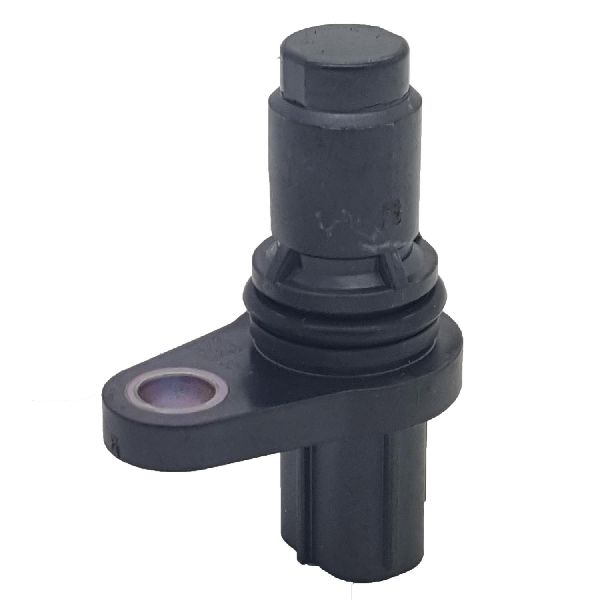
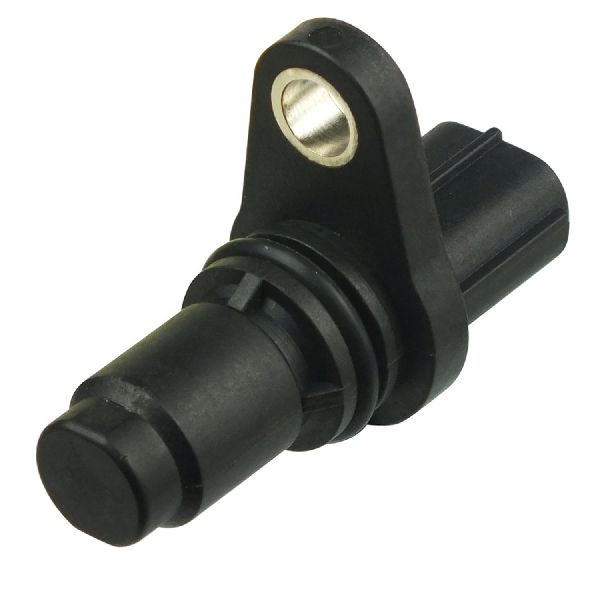
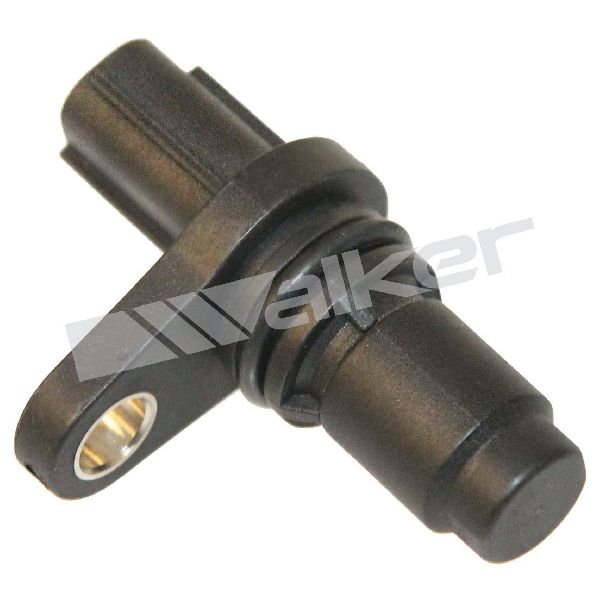
Est. part cost: $10-$25 - Faulty Camshaft Position Sensor ⚪ Low Probability → Shop Engine Camshaft Position Sensor
How to confirm: After confirming the OCV is good, you can swap the Bank 2 intake cam sensor with the Bank 1 intake sensor. If the code changes to P0016, the sensor is bad.
Typical fix: Replace the faulty camshaft position sensor. It is held by a single 10mm bolt. The OEM part number is 90919-A5003.
Est. part cost: $80-$150
Rare But Worth Checking
- Stretched Timing Chain or Failed Tensioner: → Shop Engine Timing Chain While not common on these durable engines until very high mileage (>200k miles), this is a serious mechanical issue. A key symptom is a rattling noise from the front of the engine, especially on cold starts. A user on Tundras.com confirmed this was the cause after a tensioner replacement; the timing was off by one tooth, requiring a full teardown to correct.
- Damaged Wiring or Swapped Connectors: The wiring harness to the cam sensors on the 5.7L is known to be short and can fatigue over time. Also, if recent work was done, it's possible the intake and exhaust sensor connectors on Bank 2 were accidentally swapped. They are located close to each other and can be mixed up.
Diagnosis Steps
- Check Engine Oil: Verify the oil level is correct and the oil is clean. If low or dirty, perform an oil and filter change with SAE 0W-20 oil and a quality filter, clear the codes, and re-test.
- Inspect Oil Filter: If the oil was recently changed, inspect the oil filter to ensure it is not a low-quality unit that may have collapsed.
- Inspect Wiring: Visually check the wiring and connectors for the camshaft position sensors and Oil Control Valves on the driver's side valve cover for any damage or loose connections. Ensure the intake and exhaust cam sensor connectors are not swapped.
- Test the Oil Control Valve (OCV): Swap the Bank 2 (driver's side) intake OCV with the Bank 1 (passenger's side) intake OCV. The intake OCVs are the same part number (15340-0S010). Clear the codes, drive the truck, and see if the code changes to P0016. If it does, the OCV you moved is faulty and needs to be replaced.
- Test the Camshaft Position Sensor: If the OCV swap does not isolate the problem, swap the Bank 2 and Bank 1 intake camshaft position sensors. If the code moves to P0016, the sensor is faulty.
- Check Mechanical Timing: If all other steps fail to resolve the code, the issue is likely mechanical (stretched chain, failed tensioner, incorrect timing). This was confirmed by a forum user to be the fix after a DIY tensioner replacement resulted in a P0018 code. This requires significant disassembly to inspect the timing marks and should be performed by a qualified mechanic.
Parts You'll Likely Need
- Engine Oil Control Valve (VVT Solenoid), Intake
(OEM #15340-0S010)— This is the most common part to fail or clog, causing the P0018 code. The intake solenoids (Sensor 'A') are a different part from the exhaust solenoids (Sensor 'B').
Trusted brands: Toyota (Genuine), Denso, Aisin
OEM price range: $70-$120
Aftermarket price range: $40-$90 - Engine Oil and Filter — Low or dirty oil is a primary cause of VVT system faults. Using a high-quality filter is critical to prevent oil flow blockages.
Trusted brands: Toyota (Genuine Filter), Mobil 1, Pennzoil
OEM price range: $50-$90
Aftermarket price range: $40-$80 - Camshaft Position Sensor
(OEM #90919-A5003)— Though less common than OCV failure, a faulty sensor can send incorrect data to the ECM, triggering the correlation code. It's a common misdiagnosis but does fail occasionally.
Trusted brands: Toyota (Genuine), Denso
OEM price range: $80-$150
Aftermarket price range: $50-$100
Related Codes That Often Appear With This One
- P0019 — This is the correlation code for the Bank 2 exhaust camshaft. Seeing P0018 and P0019 together strongly suggests a base timing issue on Bank 2, like a jumped tooth or stretched chain.
- P0016 — This is the correlation code for Bank 1 (passenger side). It will typically appear after you swap a faulty Bank 2 OCV or sensor to Bank 1 for diagnostic purposes.
- P0300, P0302, P0304, P0306, P0308 — These are random or specific misfire codes for the cylinders on Bank 2. Incorrect valve timing on that bank will directly cause misfires.
- P0021 / P0022 — These codes indicate Bank 2 camshaft timing is over-advanced or over-retarded. They often appear with P0018 and point to the VVT system's inability to control the cam phaser, frequently due to a faulty OCV.
Technical Service Bulletins (TSBs) & Recalls
- CSP ZHA: Warranty extension for Air Injection Pumps and Air Switching Valves, a common failure on this platform that can cause limp mode, though not directly related to P0018.
- T-SB-0350-09: Addresses MIL 'ON' with various P244# codes due to water intrusion in the air injection pump assembly.
Mechanic-Grade Diagnostic Values
- Oil Control Valve (VVT Solenoid) Resistance — expected: 6.9 - 7.9 Ω at 68°F (20°C). Failure: A reading outside this range, or an open/short circuit, indicates a failed solenoid coil.
- Camshaft Position Sensor Connector Voltage (Key On, Engine Off) — expected: One pin at ~5V (reference), one pin at <0.1V (ground), one pin at ~5V (signal).. Failure: Missing 5V reference or a bad ground points to a wiring or ECM issue, not a faulty sensor.
- ECM VVT Learning Value (via Techstream) — expected: Between 22.5°CA and 45.2°CA (Crankshaft Angle) after idling for 5 minutes.. Failure: If the learning value is outside this range for 18 seconds or more, the ECM will set DTC P0018.
Hidden / Shadow Codes Worth Checking
- Mode $06, Test ID $82: This is a non-DTC monitor for the VVT system. It displays raw test data, including measured vs. target camshaft angles, allowing a technician to see how far out of spec the system is performing, even before a code is set. (see via Requires a professional scan tool capable of displaying Mode $06 data, such as Toyota Techstream.)
Scan Tool Commands That Help
- Toyota Techstream: Active Test: Control the VVT System (Bank 2) — This bidirectional command allows a technician to manually command the Bank 2 intake OCV to advance or retard cam timing while the engine is idling. By observing live data PIDs like 'Intake VVT Change Angle (Bank 2)', you can confirm if the OCV and cam phaser are mechanically responding. If the angle doesn't change, it points to a stuck OCV, clogged oil passage, or failed phaser.
- Toyota Techstream: Utility: Reset Memory / Clear VVT Learned Value — After replacing a VVT component like an OCV or cam phaser, it's good practice to clear the ECM's learned values. This forces the system to re-learn the camshaft's base position at idle. This can also be done by disconnecting the battery for over a minute.
Wiring & Ground Locations
- Engine Ground Points — The main engine grounds are located on the rear of the cylinder heads, one on each side, near where the engine mates to the transmission. Additional grounds are on the engine block.. A poor ground connection can cause erratic sensor readings, potentially leading to a false correlation code. While not a primary cause, it's a critical check for persistent, hard-to-diagnose electrical faults.
- Camshaft Position Sensor Connector (D41 for Bank 2 Exhaust) — On the front of the driver's side (Bank 2) cylinder head. The connector housing part number is 90980-12353.. The wiring to these sensors is a known weak point. Wires can break internally or pull out of the connector. Knowing the connector number (e.g., D41) and part number helps in sourcing a replacement pigtail for repair.
Real Owner Repair Stories
- Tundras.com forum user (2007-2013 Toyota Tundra 5.7L V8) — Check Engine Light with code P0018 appeared immediately after replacing a noisy timing chain tensioner on the passenger side.
❌ Tried (didn't work) Clearing the code (it returned within minutes)., Swapping the Bank 1 and Bank 2 camshaft position sensors (code remained P0018).
✅ What actually fixed it A complete engine teardown to re-time the engine. The timing was found to be off by one tooth. After resetting the timing correctly, the P0018 code was resolved.
Model Year Variations Within This Range
- 2011-2013: The base 4.0L 1GR-FE V6 engine (not the 5.7L V8 this article focuses on) was updated from single VVT-i to Dual VVT-i in 2011. While not directly affecting the 3UR-FE, it's a notable change within the 2007-2013 Tundra generation. No significant VVT system changes are documented for the 3UR-FE within this specific year range.
Diagnostic Flowchart
Other Known Issues on This Vehicle
Issues unrelated to this code that are worth knowing about as an owner of this generation:
- Air Injection Pump (AIP) Failure 🔴 High — Very common, especially on earlier models. Can occur anytime after 50k miles. Often caused by moisture intrusion. (Ref: Toyota issued a warranty extension (CSP ZHA) for this issue, extending coverage to 10 years/150,000 miles for certain model years. T-SB-0350-09 and T-SB-0160-11 also address this.)
- Cam Tower Seal Leak 🟠 Medium — A well-documented issue where the sealant between the cam tower and cylinder head fails, causing an oil leak. Can occur as early as 60k miles but is more common at higher mileage. Many owners report it as a slow seep that doesn't require immediate repair.
- Water Pump Failure 🟠 Medium → Shop Engine Water Pump — Common failure point, typically between 60k-120k miles. Usually presents as a coolant leak from the weep hole or a growling noise from the bearing.
- Cracked Exhaust Manifolds 🟡 Low — Can develop cracks over time, leading to an exhaust ticking noise that is most noticeable when the engine is cold.
Used vs. New Parts: Buying Guide for This Vehicle
When a used part is the smart pick: For this repair, used parts are generally not recommended due to the critical nature of engine timing and the low cost of new, reliable aftermarket parts. A used Camshaft Position Sensor from a low-mileage, verified-running donor vehicle could be a viable option if sourced from a reputable salvage yard with a warranty.
Donor-vehicle mileage cap: roughly under 50000 miles for the part to have meaningful remaining life.
What to inspect on the donor part:
- For a sensor, ensure the connector is not cracked or brittle.
- Check for signs of oil leakage around the sensor's O-ring, which could indicate it's old and failing.
- Verify the donor vehicle was not in a severe front-end collision that could have damaged engine components.
OEM-only on this vehicle (don't cheap out):
- Oil Control Valve (OCV) Filter Screens: These are inexpensive and should always be replaced with new OEM parts (e.g., #15678-46020) if they are removed or found to be clogged.
- Timing Chain and Tensioners: If a mechanical timing job is required, using OEM or a complete, high-quality kit from a reputable brand like Aisin is critical for long-term reliability.
Aftermarket brands forum-validated for this vehicle:
- Denso (for OCVs and Camshaft Sensors - often the OEM supplier)
- Aisin (for OCVs and timing components - also an OEM supplier)
Brands owners have reported issues with on this vehicle:
- Unnamed, 'white box' sensors and solenoids from online marketplaces. These often have high failure rates and incorrect resistance values, leading to repeat repairs.
- Low-quality, cheap cartridge oil filters, which are known to collapse and cause oil pressure issues in the 3UR-FE engine.
Real Owner Stories
Aggregated from forums and TSBs cited above. Mileages and costs reflect what owners reported in those sources.
2007-2013 Toyota Tundra 5.7L V8 — 115000 miles
Symptoms: Check Engine Light came on with code P0018; truck idles fine with no real loss in power, but experienced one weird stutter in the throttle.
What fixed it: The owner inspected the timing belt (noting it looked good) and planned for further diagnosis of the Crankshaft position - Camshaft position correlation.
Source hint: Tundras.com forum post quoted in owner_reports
Toyota Tundra 5.7L V8
Symptoms: A ticking noise was coming from the engine, which led to a DIY tensioner replacement. After the repair, the noise was gone but a P0018 code appeared.
What fixed it: A complete teardown to re-time the engine was required; the timing was found to be off by one tooth.
Source hint: Tundras.com: 'P0018 after Timing Chain Tensioner replacement 5.7L'
Toyota Tundra 4.6L (1UR-FE)
Symptoms: Check Engine light appeared with a cluster of codes: P0018, P0021, and P0022.
What fixed it: The failure of the Bank 2 intake VVT system to respond to commands strongly suggested a bad Oil Control Valve (OCV).
Source hint: Tundras.com: 'Check Engine light appeared yesterday - Codes P0018, P0021, and P0022.'
Related OBD-II Codes
Frequently Asked Questions
Can I swap parts between Bank 1 and Bank 2 to diagnose P0018 on my 5.7L Tundra?
Does the Air Injection Pump warranty extension (CSP ZHA) cover my P0018 code?
What specific oil should I use in my 3UR-FE engine to prevent VVT-i issues?
I have a rattling noise from the front of my engine at startup along with P0018. What does this mean?
Could a cheap oil filter cause a P0018 code on my Tundra?
Is the 'Cam Tower Seal Leak' related to my P0018 code?
Helpful Videos
![How to Fix P0018 Engine Code in 6 Minutes [4 DIY Methods / Only $6.99]](https://img.youtube.com/vi/Q5hH0fs65Y8/mqdefault.jpg)
We Have This Part in Stock


The information in this article is provided for general reference and educational purposes only. Vehicle specifications, procedures, and part compatibility can vary by production date, trim level, and region. Always consult your vehicle's factory service manual and verify part numbers before purchasing or performing repairs. Safety-critical components such as airbags, seat belts, and braking systems should be installed by a qualified professional.
- Toyota Tundra:
- 🧭 Diagnostic Flowchart
- 🎬 Helpful Videos
- 🛍️ Shop This Part
- What's Unique About the 2007-2013 Toyota Tundra
- Symptoms You May Notice
- Most Likely Causes
- Rare But Worth Checking
- Diagnosis Steps
- Parts You'll Likely Need
- Related Codes That Often Appear With This One
- Technical Service Bulletins (TSBs) & Recalls
- Mechanic-Grade Diagnostic Values
- Hidden / Shadow Codes Worth Checking
- Scan Tool Commands That Help
- Wiring & Ground Locations
- Real Owner Repair Stories
- Model Year Variations Within This Range
- Other Known Issues on This Vehicle
- Used vs. New Parts: Buying Guide for This Vehicle
- Real Owner Stories
- 2007-2013 Toyota Tundra 5.7L V8 — 115000 miles
- Toyota Tundra 5.7L V8
- Toyota Tundra 4.6L (1UR-FE)
- Related OBD-II Codes
- Frequently Asked Questions
- 🎟️ Get 5% Off