

P0019 on 2007-2018 Ford Edge 3.5L/3.7L: Crank/Cam Correlation Causes and Fixes
On a Ford Edge with the 3.5L or 3.7L V6, P0019 is most often caused by a sticking VCT solenoid due to dirty oil, a relatively cheap fix. However, it can also be a serious warning of a stretched timing chain or a failing internal water pump, which is a very expensive repair. Multiple Ford TSBs confirm the VCT solenoid issue.
- P0019 on a 2007-2018 Ford Edge means the exhaust camshaft on the radiator-side cylinder bank is out of sync with the crankshaft.
- Always check your engine oil level and condition first. Low, old, or milky-looking oil is a major red flag.
- The most common fix is replacing the Bank 2 exhaust VCT solenoid, which is relatively inexpensive and accessible.
- This code can be an early warning for a failing internal water pump, a critical issue on this engine. If your oil looks like chocolate milk, the repair is urgent and expensive.
- Do not immediately assume the timing chain needs replacement. Diagnose the simple and cheap problems (oil, VCT solenoid) before committing to a major repair.
What's Unique About the 2007-2018 Ford Edge
The 3.5L/3.7L 'Cyclone' V6 engine family has two well-documented vulnerabilities that directly lead to code P0019. First, the Variable Camshaft Timing (VCT) solenoids are highly sensitive to oil cleanliness and are known to stick from small debris, an issue noted by Ford in service bulletins like SSM 50067 and SSM 48423. More critically, these engines feature an internal, timing-chain-driven water pump. When this pump's bearing seal fails, it leaks coolant directly into the engine oil. This coolant contamination destroys the oil's viscosity, leading to sludge that quickly damages the entire timing system, including the chains, phasers, and VCT solenoids, making P0019 a potential early warning of catastrophic engine failure.
Generation note: This guide covers the first (2007-2014) and second (2015-2018) generations of the Ford Edge. Both generations used the 3.5L Cyclone V6 (with the 3.7L as an option), and the engine design, including the VCT system and internal water pump, is fundamentally the same. The causes and fixes are consistent across this entire year range.
Symptoms You May Notice
- Check Engine Light is on
- Rough or vibrating idle.
- Hesitation or stumbling during acceleration.
- Reduced engine power
- Poor fuel economy.
- Engine may be hard to start or may stall.
- Rattling noise from the engine, especially a 2-4 second rattle on cold startup, which strongly indicates a timing chain tensioner or guide issue.
- Replacing the camshaft position sensor without first checking the engine oil condition or testing the VCT solenoid.
- Replacing the VCT solenoid when the actual problem is a stretched timing chain or coolant-contaminated oil from a bad water pump.
- Performing a full timing chain job but not replacing the internal water pump at the same time, leading to a repeat failure.
Most Likely Causes
- Low or Dirty Engine Oil 🔴 High Probability The VCT system is hydraulically actuated and extremely sensitive to oil pressure and contamination. Ford TSBs like SSM 50067 and SSM 47170 directly cite oil debris as a cause for VCT solenoids sticking. This is the first and most important check.
How to confirm: Check the oil level on the dipstick and examine its color and consistency. Oil should be at the full mark and look clean. Milky, 'chocolate-milk' colored oil indicates coolant contamination from a likely water pump failure. Cutting open the old oil filter to check for metal shavings is also a good diagnostic step.
Typical fix: Perform an oil and filter change with the correct grade of oil specified by Ford (typically 5W-20 or 5W-30 synthetic blend) and a high-quality filter.
Est. part cost: $40-$80 - Sticking or Failed VCT Solenoid (Bank 2 Exhaust) 🔴 High Probability Ford has issued multiple Technical Service Bulletins (TSBs) acknowledging that VCT solenoids on these engines can stick due to oil debris. TSB 16-0038 even directs technicians to replace the Bank 2 exhaust VCT solenoid if P0019 is present with P0025 on a low-mileage vehicle. Additionally, Bulletin #SSM 48423 notes that small debris can cause the VCT solenoid to stick, triggering an illuminated MIL.
How to confirm: A professional can command the solenoid on and off with a high-end scan tool. A common DIY method is to swap the Bank 2 exhaust solenoid with the nearby intake solenoid. If the code changes to P0018 (Bank 2 Intake), the solenoid is confirmed bad. The Bank 2 solenoids are on the front-facing (radiator side) valve cover and are relatively accessible.
Typical fix: Replace the Bank 2 exhaust VCT solenoid. It is located on the front-facing (radiator side) valve cover. This is often a DIY-friendly repair.
Est. part cost: $30-$100 - Stretched Timing Chain 🟡 Medium Probability → Shop Engine Timing Chain The 3.5L engine family is known for timing chain stretch, especially on vehicles over 100,000 miles. This can be accelerated by a failing tensioner, worn guides, or poor oil quality from long oil change intervals or coolant contamination. A stretched chain creates slack, causing the cam/crank correlation to fall out of spec.
How to confirm: This is a difficult diagnosis. The most common symptom is a distinct rattle on startup that lasts for a few seconds. A professional can use a scan tool to monitor VCT error PIDs (e.g., VCT_EXH_ERR_B2); a persistent deviation over 5-8 degrees at idle points to a stretched chain. Physical inspection is the definitive confirmation.
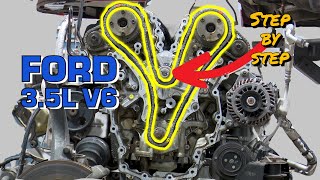
Typical fix: Replace the primary and secondary timing chains, all guides, and tensioners. This is a major repair that should always include replacing the water pump and cam phasers 🎬 Watch this walkthrough of the timing chain and pump replacement at the same time.
Est. part cost: $400-$900 for a full kit - Failing Internal Water Pump 🟡 Medium Probability → Shop Engine Water Pump This is a critical design flaw of the transverse 3.5L/3.7L engine. The pump is inside the timing cover and driven by the timing chain. A weep hole is designed to show a seal failure, but if it clogs, coolant leaks directly into the oil pan. This contaminated oil then causes the VCT solenoids and timing chain to fail, triggering P0019.
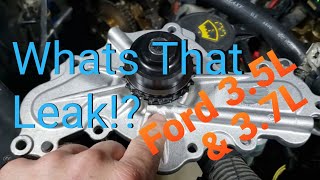
How to confirm: Check the engine oil and oil cap for a milky, frothy, or 'milkshake' appearance. Also check for unexplained coolant loss from the reservoir. A borescope inspection of the weep hole area (behind the alternator/AC compressor) can sometimes spot the leak before it enters the oil. 🎬 Watch: How to spot a leaking internal water pump
Typical fix: The water pump and the entire timing chain set must be replaced. The oil system must be thoroughly flushed. This is a very labor-intensive job, often costing over $2,500.
Est. part cost: $600-$1200 for water pump and timing kit
Rare But Worth Checking
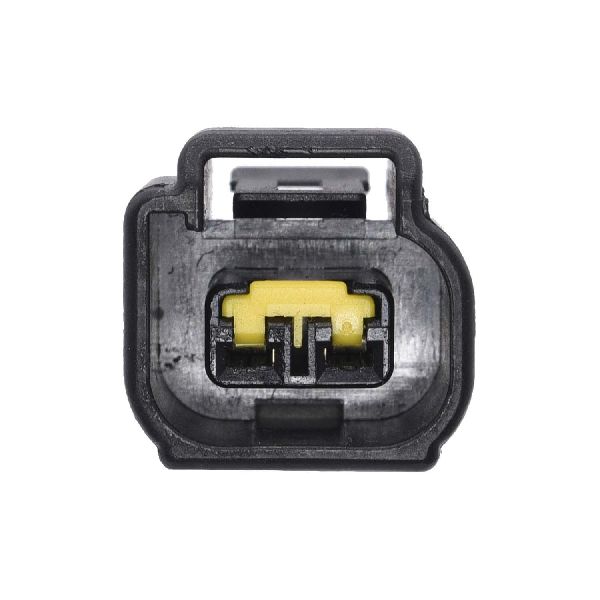
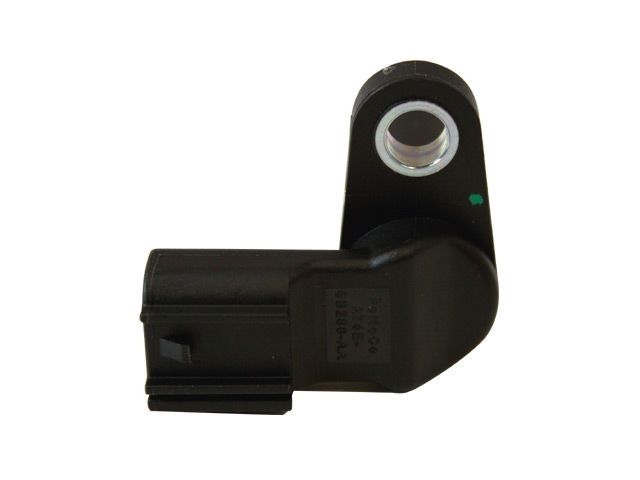
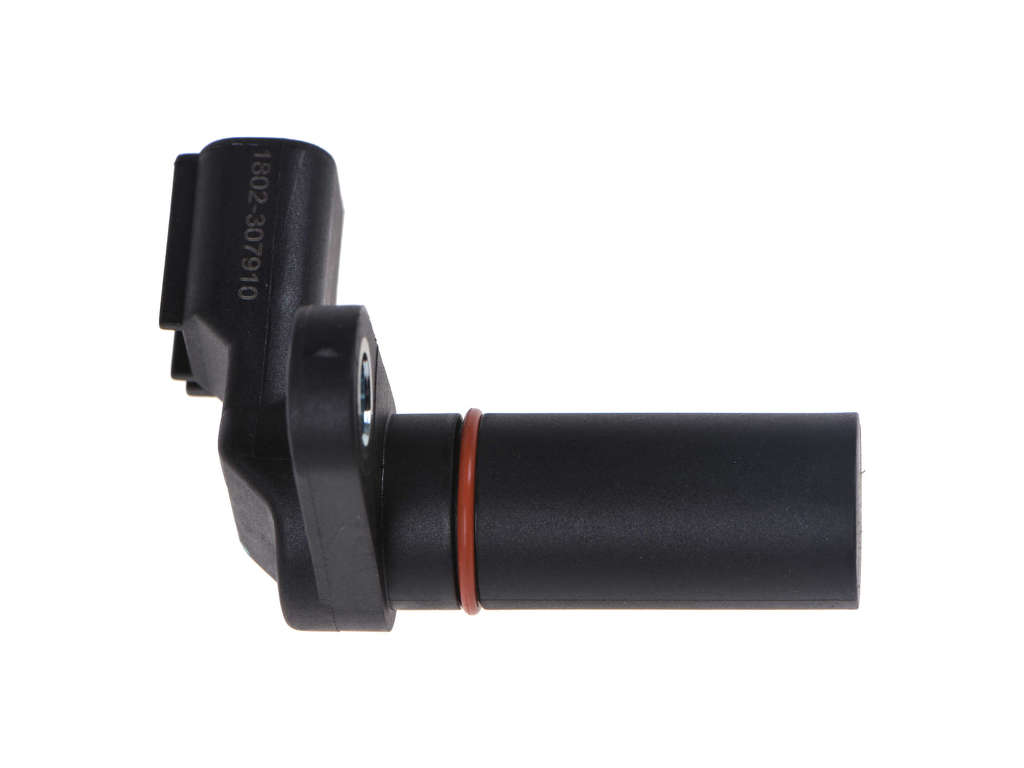
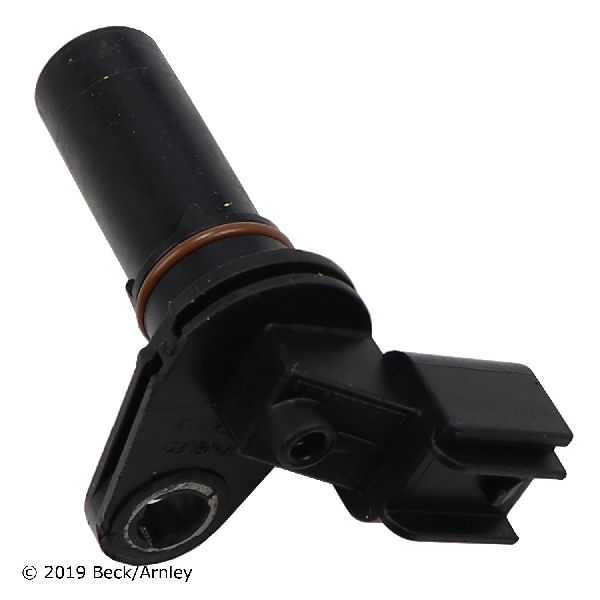
- Failed Camshaft Position Sensor (Bank 2 Exhaust): → Shop Engine Camshaft Position Sensor While possible, sensors are often replaced unnecessarily. It's more common for the sensor to be reporting a real mechanical problem than for the sensor itself to be bad. As one forum user found, replacing sensors for a correlation code often results in the check engine light returning. Test or swap the sensor before replacing.
- Damaged Cam Phaser: The phaser is the gear on the end of the camshaft that adjusts timing. It can get stuck or damaged by dirty oil or debris, but this is less common than a solenoid or chain failure. It is typically replaced during a full timing chain job.
- Wiring Harness Issue: A damaged wire or corroded connector for the VCT solenoid or camshaft sensor can cause this code, but it's less likely than a component failure. Bulletin #SSM 54366 suggests that technicians refer to pinpoint test HK in the Powertrain Control and Emissions Diagnosis (PC/ED) manual when diagnosing these correlation codes.
Diagnosis Steps
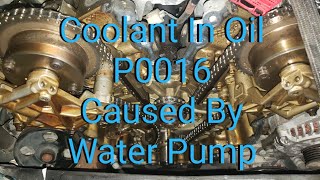
- Check Engine Oil: Verify the oil level is full and the condition is good. If it's low, top it off. If it looks like 'chocolate milk', stop immediately. This indicates coolant contamination from a failing water pump, and the engine should not be run. 🎬 See how a pro diagnoses a failing water pump
- Scan for Other Codes: Check for other related codes (like P0017, P0018, P0025 or misfire codes) that can help pinpoint the problem's scope. The presence of P0025 strongly suggests a VCT solenoid issue. Manufacturer Bulletin #TSB-16-0093 notes that vehicles with very low mileage (under 2000 miles) may exhibit P0019 alongside other timing codes.
- Inspect VCT Solenoid Wiring: Check the connector and wiring to the Bank 2 exhaust VCT solenoid (on the radiator-side valve cover) for any visible damage or corrosion.
- Test the VCT Solenoid: The easiest way to test is by swapping the exhaust VCT solenoid with the intake VCT solenoid on the same bank (Bank 2). They are often the same part number. Clear the codes and drive the vehicle. If the code returns as P0018, the solenoid is faulty and needs replacement.
- Test the Camshaft Position Sensor: If the solenoid swap doesn't change the code, you can perform a similar swap with the intake camshaft position sensor to see if the code follows t
Parts You'll Likely Need
- Variable Camshaft Timing (VCT) Solenoid (Bank 2 Exhaust)
- Variable Camshaft Timing (VCT) Solenoid (Bank 2 Intake)
- Engine Oil and Filter
- Timing Chain and Water Pump Kit
Related Codes That Often Appear With This One
- P0017 — Indicates a similar correlation error on Bank 1's exhaust camshaft. Seeing both codes could point to a systemic issue like low/dirty oil or a stretched primary timing chain affecting the whole engine.
- P0018 — Indicates a correlation error on the intake camshaft of the same bank (Bank 2). This often appears with P0019 and strengthens the diagnosis of a localized issue on Bank 2, such as a bad phaser or timing problem on that bank.
- P0025 — Indicates 'Camshaft Position B - Over-Retarded (Bank 2)'. TSB 16-0038 specifically notes that P0019 and P0025 appearing together on a low-mileage vehicle points directly to a faulty Bank 2 exhaust VCT solenoid.
- P0300, P0304, P0305, P0306 — Misfire codes for Bank 2 cylinders (4, 5, 6). Incorrect camshaft timing on Bank 2 can easily lead to misfires on that cylinder bank.
Technical Service Bulletins (TSBs) & Recalls
- TSB 16-0038: Advises replacing the Bank 2 exhaust VCT solenoid if P0019 and P0025 are present on a low-mileage vehicle.
- SSM 50067, SSM 48423, SSM 47170: A series of Special Service Messages from Ford acknowledging that VCT solenoids can stick due to small debris in the oil, causing correlation codes.
- Bulletin #TSB-16-0093: Notes that vehicles with as little as 2000 miles may exhibit an illuminated MIL with DTC P0019 stored in the PCM memory.
- Bulletin #SSM 54366: Directs technicians to pinpoint test HK in the PC/ED or Section 303-14 of the Workshop Manual for vehicles exhibiting P0019 and related timing codes.
Platform-Specific Known Issues
- Internal Water Pump: → Shop Engine Water Pump The most significant vehicle-specific issue is the internal, timing-chain-driven water pump. Its failure is a common cause of P0019, not directly, but by contaminating the oil with coolant, which then destroys the timing components.
- VCT Solenoid Accessibility: On the transverse V6, the Bank 2 (radiator side) VCT solenoids and sensors are relatively easy to access. However, if an issue arises on Bank 1 (firewall side), the intake manifold must be removed, significantly increasing labor time and complexity.
Mechanic-Grade Diagnostic Values
- VCT Solenoid Internal Resistance — expected: 5 - 14 Ohms. Failure: A reading outside this range, or an open/short circuit, indicates a faulty solenoid coil.
- Camshaft Position (CMP) Sensor Resistance (2-wire VR type) — expected: 586 - 2,033 Ohms. Failure: Resistance outside this range indicates a faulty sensor.
- VCT Solenoid Control Voltage (Key On, Engine Off) — expected: Greater than 10.5 V. Failure: Voltage below 10.5 V points to an open circuit in the power feed wiring.
- Ford IDS Live Data: VCT Error PID (e.g., VCT_EXH_ERR_B2) — expected: Should remain close to 0 degrees at idle.. Failure: A consistent deviation greater than 5-8 degrees at idle strongly suggests a mechanical timing issue like a stretched chain, not a solenoid.
Scan Tool Commands That Help
- Ford IDS (or equivalent): VCT Solenoid Actuator Test / Bidirectional Control — This command manually cycles the VCT solenoid while the engine is running. If the engine stumbles or stalls, the solenoid is mechanically functional. If there is no change in engine operation, the solenoid is likely stuck, clogged, or has failed. Some TSBs advise cycling the solenoid 10 times to dislodge debris as a potential fix before replacement.
Wiring & Ground Locations
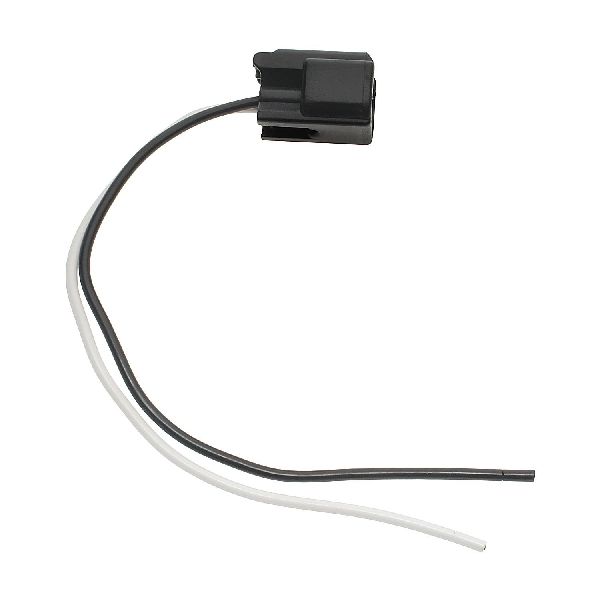
- VCT Solenoid Connector (Bank 2) — On the front-facing (radiator side) valve cover. It is a 2-pin connector.. This connector provides power and the control signal from the PCM to the exhaust VCT solenoid. Damage, corrosion, or oil saturation at this connector can cause an open or short, mimicking a failed solenoid. Pin 1 is typically the 12V+ power supply and Pin 2 is the ground-side control wire pulsed by the PCM.
Real Owner Repair Stories
- Ford Truck Enthusiasts Forums (2012 F-150 3.5L EcoBoost (engine shares architecture)) — P0019 error code, delay in acceleration, and overheating after a timing chain replacement.
❌ Tried (didn't work) Replacing the Camshaft Position Sensor (CPS)., Replacing the VVT (VCT) solenoid, even though the original tested bad (would not actuate with 12V).
✅ What actually fixed it The user tore the engine down a second time to re-time it, suspecting blocked oil passages or incorrectly placed phaser gears. The final outcome was not posted, but the story is a critical example of how P0019 can persist even after replacing a confirmed bad solenoid, pointing to a deeper mechanical timing or oil flow issue.
OEM Part Supersession History
7T4Z-6M280-B→7T4Z-6M280-C— Part revision/update by Ford.
Heads up: Part 7T4Z-6M280-B has been discontinued. The current replacement, 7T4Z-6M280-C, replaces previous versions including 7T4Z-6M280-A and 7T4Z-6M280-AA.
Model Year Variations Within This Range
- 2007-2010: The base 3.5L V6 produced 265 hp.
- 2011-2014: The first-generation Edge received a facelift. The 3.5L V6 was updated with Ti-VCT (Twin Independent Variable Camshaft Timing), boosting power to 285 hp. The Sport model received the 3.7L V6 with 305 hp. The diagnostic process for P0019 remains largely the same, but the introduction of Ti-VCT makes the system more sensitive to oil quality and pressure.
- 2015-2018: The second-generation Edge was introduced. The base 3.5L V6 was retained but slightly detuned to 280 hp. The fundamental engine design and the causes for P0019 (VCT solenoids, timing chain, internal water pump) remained consistent with the earlier generation.
Diagnostic Flowchart
Real Owner Stories
Aggregated from forums and TSBs cited above. Mileages and costs reflect what owners reported in those sources.
2008 Ford Edge 3.5L
Symptoms: Triggered a P0019 code.
What fixed it: Advised by the community that VCT solenoids are a common failure point and should be checked before assuming sensor failure.
Source hint: fordedgeforum.com - 'Engine CEL/MIL code P0019 - 3.5L'
2008 Ford Edge 3.5L
Symptoms: Triggered a similar correlation code (P0016).
What fixed it: Replaced the camshaft position sensors first with no luck, illustrating the common misdiagnosis of blaming sensors instead of the more likely solenoids or mechanical timing.
Source hint: reddit.com/r/mechanics - '08 ford edge 3.5L cam position sensor'
2011 Ford Edge
Symptoms: Triggered code P0019.
What fixed it: Replaced five sensors with no success. A mechanic then suggested an engine flush to fix a stuck VVT actuator caused by sludge.
Source hint: 2carpros.com - 'Code P0019?: What Does This Mean and How Do It Fix It?'
Ford Edge 3.5L/3.7L (Low Mileage)
Symptoms: Vehicle presented with both P0019 and P0025 codes.
What fixed it: Replaced the Bank 2 exhaust VCT solenoid as directed by Ford's technical service bulletin.
Source hint: TSB 16-0038
Related OBD-II Codes
Frequently Asked Questions
Does TSB 16-0038 apply to my Ford Edge with a P0019 code?
Why does my 3.5L Edge have milky oil with this code?
Can I replace the VCT solenoid myself on my Edge?
What do SSM 50067 and SSM 47170 mean for my vehicle?
I hear a 2-4 second rattle on cold startup. Is this related to P0019?
Helpful Videos
We Have This Part in Stock


The information in this article is provided for general reference and educational purposes only. Vehicle specifications, procedures, and part compatibility can vary by production date, trim level, and region. Always consult your vehicle's factory service manual and verify part numbers before purchasing or performing repairs. Safety-critical components such as airbags, seat belts, and braking systems should be installed by a qualified professional.
- Ford Edge:
- 🧭 Diagnostic Flowchart
- 🎬 Helpful Videos
- 🛍️ Shop This Part
- What's Unique About the 2007-2018 Ford Edge
- Symptoms You May Notice
- Most Likely Causes
- Rare But Worth Checking
- Diagnosis Steps
- Parts You'll Likely Need
- Related Codes That Often Appear With This One
- Technical Service Bulletins (TSBs) & Recalls
- Platform-Specific Known Issues
- Mechanic-Grade Diagnostic Values
- Scan Tool Commands That Help
- Wiring & Ground Locations
- Real Owner Repair Stories
- OEM Part Supersession History
- Model Year Variations Within This Range
- Real Owner Stories
- 2008 Ford Edge 3.5L
- 2008 Ford Edge 3.5L
- 2011 Ford Edge
- Ford Edge 3.5L/3.7L (Low Mileage)
- Related OBD-II Codes
- Frequently Asked Questions
- 🎟️ Get 5% Off