

P0019 on 2011-2019 Ford Explorer 3.5L V6: Crank/Cam Timing Causes and Fixes
On a 2011-2019 Ford Explorer with the 3.5L V6, P0019 is most often caused by a sticking Bank 2 exhaust VCT solenoid due to dirty oil. However, it can be a critical warning of a failing internal water pump leaking coolant into the oil, which requires immediate attention to prevent catastrophic engine failure. Always check your oil condition first; if it appears milky or like 'chocolate milk', the water pump has likely failed. A less common but tricky cause can be a slipped reluctor ring on the ca
- Before buying any parts, check your engine oil. If it looks milky, your vehicle has a serious internal water pump failure and should not be driven.
- P0019 on the 3.5L Explorer is most commonly caused by a sticking Bank 2 (front/radiator side) exhaust VCT solenoid.
- A rattling noise on cold starts is a strong sign of a stretched timing chain, which is another common cause of this code.
- Do not simply replace the camshaft position sensor; it is almost always reporting a real mechanical problem, not a sensor failure.
- If a timing chain replacement is needed, the internal water pump must be replaced at the same time to prevent a repeat failure.
What's Unique About the 2011-2019 Ford Explorer
The 3.5L Cyclone V6 has a critical design feature that makes P0019 a potentially severe code: the water pump is located inside the engine and is driven by the timing chain. When the water pump seal fails, it leaks coolant directly into the engine oil. This contamination destroys the oil's ability to lubricate, causing rapid wear of the timing chain, guides, tensioners, and Variable Camshaft Timing (VCT) components, leading directly to this code. What might be a simple sensor or solenoid issue on other vehicles can be an early warning of catastrophic engine failure on this specific platform. This internal water pump design has been the subject of class-action lawsuits.
Symptoms You May Notice
- Check Engine Light illuminated
- Rough, uneven, or vibrating idle
- Hesitation or stumbling during acceleration
- Reduced engine power
- Decreased fuel economy
- Engine stalling
- In some cases, the engine cranks but won't start
- Rattling noise from the engine on cold startups, lasting 2-5 seconds
- Replacing the camshaft position sensor first. The sensor is usually just doing its job of reporting the correlation error. The actual cause is almost always mechanical or hydraulic (oil-related).
- Replacing only the VCT solenoid when the oil is clearly contaminated with coolant. The new solenoid will likely fail quickly, and the underlying catastrophic issue (water pump failure) is not addressed.
Most Likely Causes
- Failing Internal Water Pump Leaking Coolant into Oil 🔴 High Probability → Shop Engine Water Pump The 3.5L V6 features an internal, timing-chain-driven water pump. When its seal fails, it contaminates the engine oil with coolant, destroying its lubricating properties and causing rapid wear on all timing components. This is a well-documented design flaw and the subject of multiple class-action lawsuits.
How to confirm: Check the oil dipstick and oil filler cap for a milky, 'chocolate milk' appearance. The oil level may also be overfull. A definitive but destructive method is to cut open the oil filter and inspect the pleats for metallic debris, which indicates severe internal engine wear. A visible coolant leak from the front right corner of the engine, below the A/C compressor, can be from the water pump weep hole, indicating imminent failure.
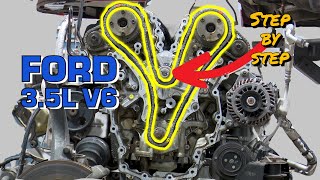
Typical fix: This requires a complete timing system overhaul: replace the timing chain, tensioners, guides, cam phasers, and the water pump. The engine oil and coolant must be flushed and replaced. This is a major repair with labor costs often exceeding $2,000. 🎬 See this complete walkthrough of the water pump and timing replacement.
Est. part cost: $400-$900 for a complete timing and water pump kit. - Stretched Timing Chain 🔴 High Probability → Shop Engine Timing Chain This is a common issue on higher-mileage (over 100,000 miles) 3.5L engines. Wear is accelerated by long oil change intervals or oil contamination from a failing water pump. Forum users frequently report this as the ultimate cause for P0019 after VCT solenoid replacement fails to solve the issue.
How to confirm: A distinct rattling noise from the front of the engine for 2-5 seconds on a cold startup is a classic symptom. A mechanic can use a scan tool to monitor camshaft deviation PIDs like VCT_EXH_ERR_B2. Physical inspection requires removing the engine's front (timing) cover.
Typical fix: Replace the timing chain, tensioners, guides, and often the cam phasers and water pump at the same time. This is a major, labor-intensive repair. One owner on explorerforum.com detailed their experience, which ultimately required this full timing job to resolve P0019. 🎬 Watch: A real-world diagnosis and repair of the P0019 code.
Est. part cost: $350-$700 for a timing chain kit. - Sticking or Failed Bank 2 Exhaust VCT Solenoid 🔴 High Probability The VCT system is hydraulic and highly sensitive to oil debris. Ford has issued multiple Technical Service Bulletins (TSBs like SSM 50067, SSM 49821, TSB 16-0093) acknowledging that small particles in the oil can cause these solenoids to stick.
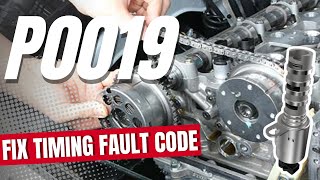
How to confirm: Use a bidirectional scan tool to command the solenoid on and off; if the timing angle doesn't change or the engine note doesn't change, the solenoid is likely stuck. TSB SSM 50067 specifically advises cycling the solenoid 10 times to attempt to clear debris. Another method is to swap the Bank 2 exhaust solenoid with the Bank 2 intake solenoid. If the code changes to P0018, the solenoid is confirmed bad. 🎬 Watch: How to test and fix the Bank 2 exhaust sensor.
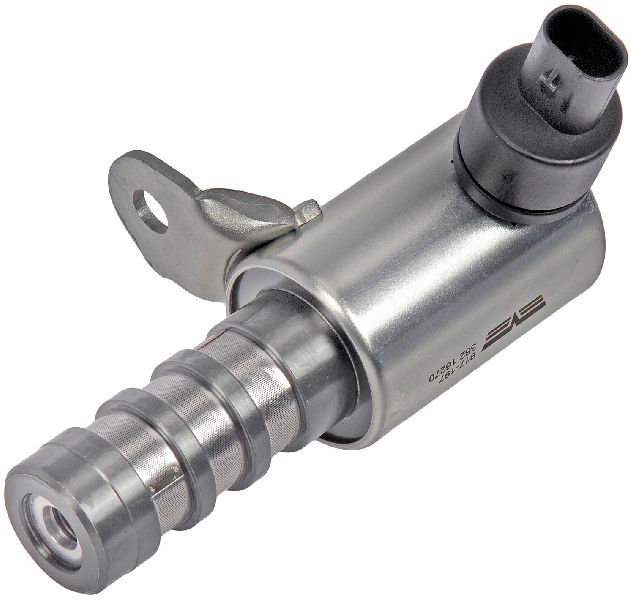
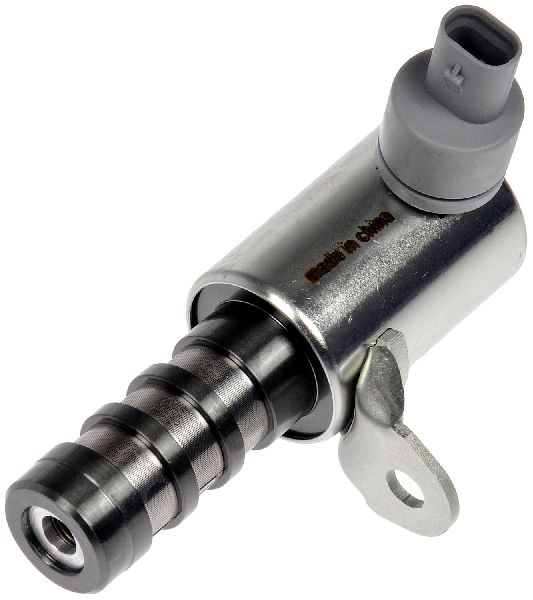
Typical fix: Replace the Bank 2 exhaust VCT solenoid. This requires removing the front valve cover. The OEM part number is AT4Z-6M280-C, which supersedes previous versions.
Est. part cost: $30-$90 - Low, Dirty, or Incorrect Viscosity Engine Oil 🟡 Medium Probability The entire VCT system relies on clean oil with the correct pressure and viscosity to function. Neglecting oil changes is a primary contributor to VCT solenoid failure and subsequent timing codes.
How to confirm: Check the oil level on the dipstick and inspect its condition. If it's low, black, sludgy, or has a milky appearance, it needs to be addressed immediately.
Typical fix: Perform an engine oil and filter change using the correct Ford-specified full synthetic or synthetic blend oil (typically Motorcraft 5W-20 or 5W-30) and a quality filter like the Motorcraft FL-500S.
Est. part cost: $40-$80
Rare But Worth Checking
- Failed Camshaft Position Sensor: → Shop Engine Camshaft Position Sensor The sensor itself can fail, but it's much more common for it to be accurately reporting a mechanical timing issue. Do not replace the sensor without ruling out oil issues, VCT solenoids, and timing chain problems first. Swapping the sensor with the one on the intake cam or the opposite bank can help diagnose a faulty sensor.
- Damaged Wiring or Connectors: Check the wiring harness and connector for the Bank 2 exhaust camshaft sensor and VCT solenoid for any signs of damage, corrosion, or loose pins. One owner reported finding a pinched pigtail harness after other repairs, which caused the code to appear.
- Failed Cam Phaser (VCT Actuator): The actuator on the camshaft itself can fail or become clogged with debris, preventing it from adjusting timing correctly. This is usually replaced during a full timing chain job. In rare cases, the reluctor ring on the back of the camshaft can move, causing a persistent correlation code even with a healthy timing chain, as documented in one YouTube repair video.
Diagnosis Steps
- Check Engine Oil: Immediately inspect the oil dipstick. Is the oil level correct? Is the oil clean or black? Most importantly, does it look milky or like chocolate milk? If it's milky, stop and assume a water pump failure. This is the most critical first step.
- Scan for Codes: Use an OBD-II scanner to confirm P0019 and look for any other related codes, such as misfires (P030x) or other timing faults (P0017/P0018/P0025).
- Inspect Wiring: Visually inspect the wiring harness and connector for the Bank 2 exhaust VCT solenoid and camshaft position sensor for any obvious damage, especially near the front valve cover.
- Test VCT Solenoid: If you have a bidirectional scan tool, follow the procedure in Ford TSB SSM 50067 and command the Bank 2 exhaust VCT solenoid on and off 10 times to see if it can be unstuck. Monitor the VCT error PIDs (e.g., VCT_EXH_ERR_B2) to see if the timing angle corrects itself.
- Swap VCT Solenoids: If the solenoid is suspected, a common diagnostic step is to swap the Bank 2 exhaust solenoid with the intake solenoid on the same bank. Clear the codes and drive the vehicle. If the code returns as P0018 (for the intake cam), the solenoid is faulty and needs to be replaced.
- Listen for Timing Chain Rattle: On a cold engine, listen for a distinct rattle from the front of the engine that lasts for 2-5 seconds after startup. This is a strong indicator of a stretched timing chain or failing tensioner.
- Cut Open Oil Filter: If severe wear is suspected, carefully cut open the old oil filter and inspect the filter media for excessive metal shavings. A large amount of 'glitter' confirms significant internal engine damage.
- Professional Diagnosis: If the oil is contaminated or a timing chain is suspected, the vehicle should be taken to a professional. Confirming these issues requires significant engine disassembly and specialized tools.
Parts You'll Likely Need
- Bank 2 Exhaust VCT Solenoid
- Timing Chain and Water Pump Kit
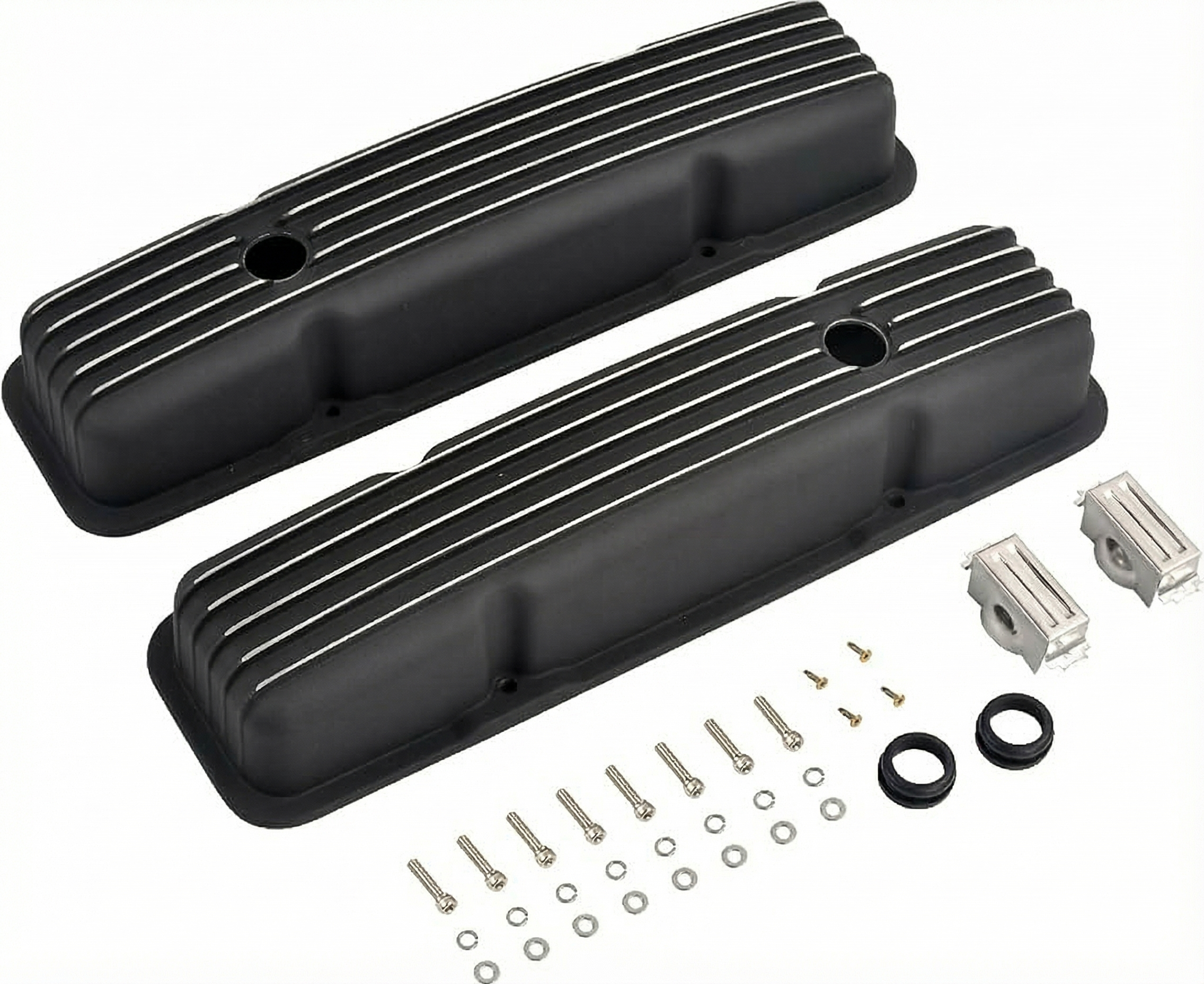
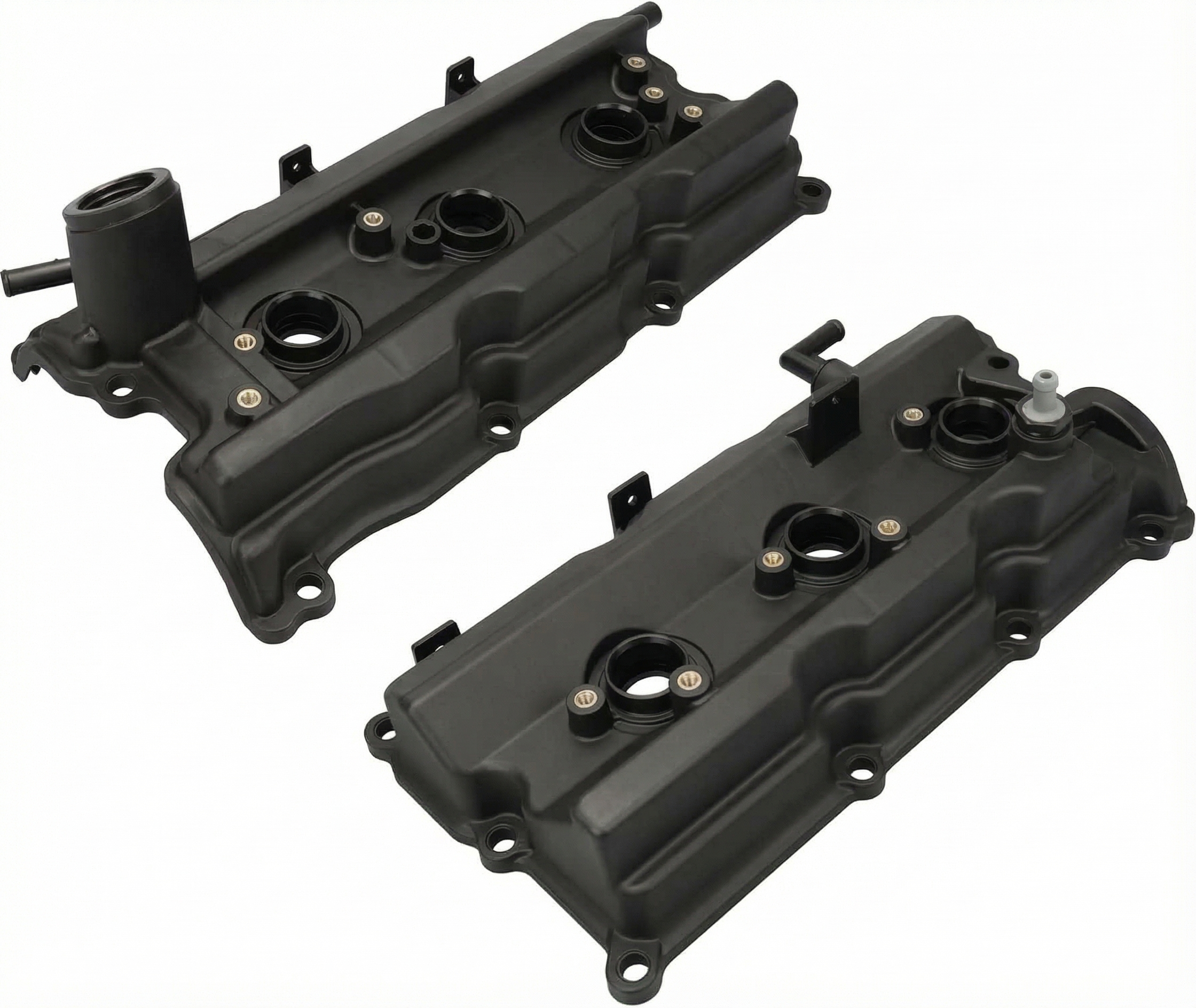
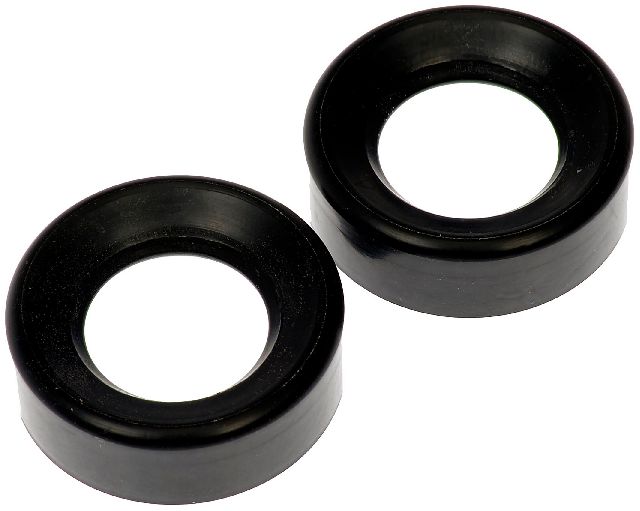
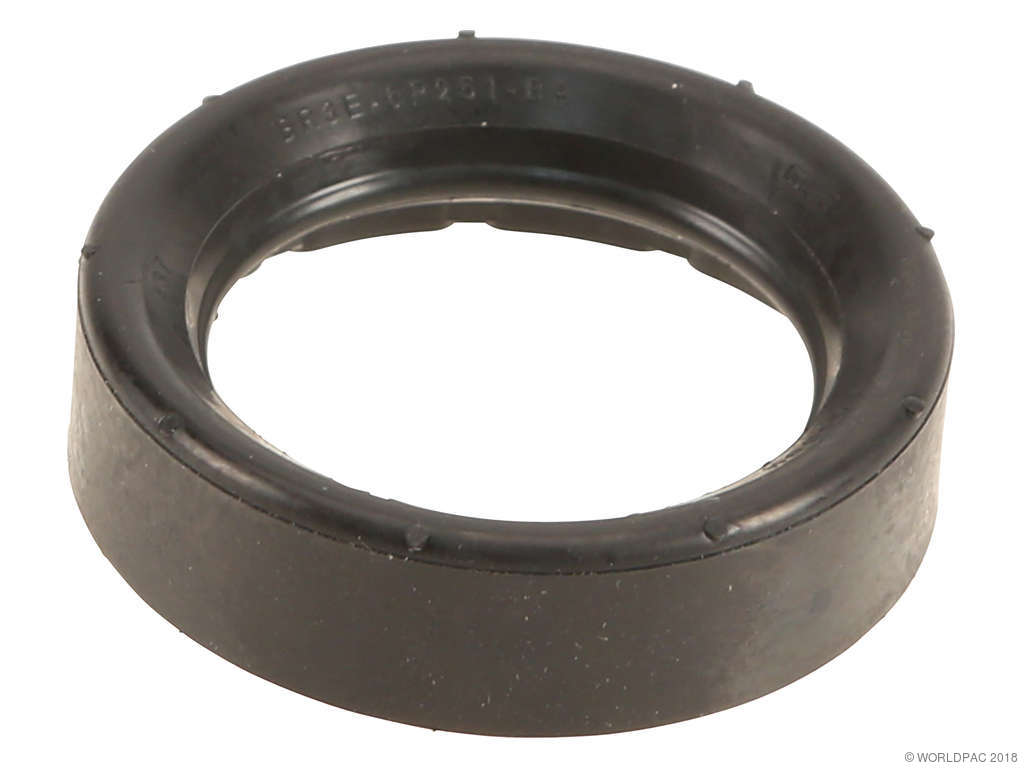
- Valve Cover Gasket Set
- Engine Oil and Filter
Related Codes That Often Appear With This One
- P0300 — Random Misfire. Incorrect cam timing can disrupt the combustion process across multiple cylinders.
- P0304, P0305, P0306 — Cylinder Misfire on Bank 2. These codes pinpoint misfires to the specific cylinders on Bank 2, which are directly affected by the mistimed exhaust camshaft.
- P0017, P0018 — Other Cam/Crank Correlation Codes. These may appear if there are multiple timing issues or if parts are swapped for diagnosis (e.g., swapping a bad solenoid from exhaust to intake may trigger P0018).
- P0025 — Bank 2 Exhaust Camshaft Position Timing - Over-Retarded. This code is closely related and often points to the same VCT solenoid or phaser issues as P0019.
Technical Service Bulletins (TSBs) & Recalls
- SSM 50067: Notes that VCT codes can be caused by small debris causing the solenoid to stick. Recommends cycling the solenoid with a scan tool 10 times before replacement.
- TSB 16-0093: Mentions that some 2016 models may exhibit P0019 at very low mileage, directing an immediate replacement of the VCT solenoid.
- SSM 49821 / SSM 48423 / SSM 47170: Earlier bulletins also pointing to oil debris causing VCT solenoids to stick across many Ford/Lincoln models.
Platform-Specific Known Issues
- Internal Water Pump Failure: → Shop Engine Water Pump The timing-chain-driven water pump is the Achilles' heel of the transverse 3.5L V6. Its failure contaminates the oil, leading to P0019 and potentially total engine failure. This has been the subject of class-action lawsuits in the US and Canada.
- VCT Solenoid Sensitivity: The VCT system is highly sensitive to oil quality and debris. Ford has released numerous TSBs acknowledging that solenoids can stick, making an oil change and solenoid cycling a key diagnostic step before major repairs.
Mechanic-Grade Diagnostic Values
- VCT Solenoid Internal Resistance — expected: 6.9 - 7.9 Ohms. Failure: A reading of 0 Ohms indicates a short, while an infinite or OL (Open Line) reading indicates an open circuit.
- Camshaft Position (CMP) Sensor Power Supply Voltage — expected: 4.8 to 5.2 Volts DC (with key on, engine off, measured at the sensor connector). Failure: Voltage outside this range suggests a problem with the wiring or the Powertrain Control Module (PCM).
- Camshaft Position (CMP) Sensor Signal Wire Voltage (Hall-Effect Sensor) — expected: Should toggle between approximately 0V and 5V as the engine is cranked.. Failure: Voltage that is stuck high (5V) or low (0V) and does not change indicates a faulty sensor or a short/open in the signal wire.
- Scan Tool PID: VCT_EXH_ACT2 (Exhaust Actual Angle, Bank 2) — expected: Should be near 0 degrees at idle.. Failure: A reading significantly deviated from zero at idle (e.g., 50 degrees as seen in one diagnostic video) indicates the cam is stuck in an advanced or retarded position.
- Scan Tool PID: VCT_EXH_ERR_B2 (Exhaust Error, Bank 2) — expected: Should remain close to 0 degrees during operation.. Failure: A sustained, non-zero value indicates a deviation between the commanded and actual camshaft position.
Scan Tool Commands That Help
- Ford IDS (or equivalent bidirectional scanner): VCT Solenoid Actuator Test / On-Off Command — This is a primary diagnostic step to test the mechanical function of the VCT solenoid. While the engine is running at idle, commanding the exhaust solenoid on should cause the engine to run rough or stall. If there is no change, the solenoid is likely stuck, clogged, or has failed electrically.
- Ford IDS (or equivalent bidirectional scanner): Pinpoint Test HK11 / HK12: VCT Solenoid Cycle — Referenced in Ford TSBs (like SSM 50067), this function cycles the solenoid rapidly (e.g., 10 times) to dislodge small debris. This should be attempted before replacing the solenoid, as it can sometimes resolve the issue without parts replacement.
Wiring & Ground Locations
- G104 / G105 — G104 is on the right side of the engine compartment; G105 is on the top right side of the engine.. These are primary engine and PCM ground points. A poor or corroded connection at these locations can cause erratic voltage and faulty signals for sensors and actuators, including the VCT solenoids and CMP sensors, potentially leading to false correlation codes.
- Bank 2 VCT Solenoid Connectors — On the front (radiator side) valve cover. On some related platforms, the intake solenoid has a black connector and the exhaust has a white/gray connector.. This is the direct electrical connection for the solenoid. It's exposed to heat and potential oil leaks, making it a point of failure for brittle wiring or poor connections. Color coding helps prevent swapping intake and exhaust solenoids during service.
Real Owner Repair Stories
- YouTube channel 'The Mechanic Club' (2014 Ford Explorer 3.5L) — P0019, rough running, scan tool showed Bank 2 exhaust cam fixed at 51 degrees at idle instead of fluctuating near 0-2 degrees.
❌ Tried (didn't work) Corrected timing chain alignment, Swapped VCT solenoids, Swapped camshaft position sensors
✅ What actually fixed it The reluctor ring on the Bank 2 exhaust camshaft had physically slipped out of position. The mechanic compared it to a new camshaft, saw the misalignment, and used a chisel to tap the ring back into its correct orientation, which solved the code. - YouTube channel 'Rain City Wrench' (2014 Ford Explorer 3.5L) — P0019, running horribly, scan tool showed Bank 2 exhaust cam at 50 degrees advanced at idle.
❌ Tried (didn't work) Tapping on the solenoid housing to try and free it.
✅ What actually fixed it Using a bidirectional scan tool (Ford IDS) to command the solenoid on and off caused the cam angle to return to normal, confirming the solenoid was sticking. The final fix was replacing the Bank 2 exhaust VCT solenoid.
OEM Part Supersession History
AT4Z-6M280-A, AT4Z-6M280-B→AT4Z-6M280-C— Standard part revision and improvement by the manufacturer to increase durability and resistance to sticking.
Heads up: The newest part number, AT4Z-6M280-C, is the correct replacement for all previous versions and should be used for all repairs.
Model Year Variations Within This Range
- 2011-2019: While the internal water pump design is a consistent issue across the generation, Ford did introduce Ti-VCT (twin-independent variable cam timing) in 2011, which made the system more complex than earlier Cyclone V6 engines. However, for the purpose of diagnosing P0019, the causes and procedures are largely identical across the 2011-2019 model years.
Diagnostic Flowchart
Other Known Issues on This Vehicle
Issues unrelated to this code that are worth knowing about as an owner of this generation:
- Power Transfer Unit (PTU) Failure 🔴 High — Common on AWD models, especially over 70,000 miles. Fluid is considered 'lifetime' by Ford but gets cooked by the nearby exhaust, leading to failure. (Ref: No recall, but a known issue in the repair community.)
- Exhaust Odor in Cabin 🟠 Medium — Widespread issue, particularly on 2011-2017 models, leading to a NHTSA investigation. Can be caused by cracked exhaust manifolds or poor body sealing. (Ref: Multiple TSBs issued (e.g., TSB 17-0044, 16-0166) to address sealing issues.)
- Electronic Throttle Body Failure 🟠 Medium — Common on 5th generation models, causing sudden power loss or 'limp mode'. Often triggers codes P2111 or P2112. (Ref: Ford extended warranty coverage for this part on some models.)
- Power Steering Failure 🔴 High — Affects models with electronic power steering, leading to loss of assist. Multiple recalls were issued for related components. (Ref: Several recalls (e.g., for rear suspension toe links that affect steering) have been issued.)
- MyFord Touch / SYNC System Glitches 🟡 Low — Very common across the generation; involves screen freezes, unresponsiveness, and connectivity problems. Often fixed with software updates. (Ref: Numerous software updates released by Ford.)
Used vs. New Parts: Buying Guide for This Vehicle
When a used part is the smart pick: For external, easily accessible components like the Camshaft Position Sensor (CMP) or VCT solenoid, a used part from a low-mileage donor vehicle can be a cost-effective diagnostic tool (e.g., to confirm a failure by swapping) or a temporary fix. However, given the low cost of new sensors and solenoids, buying new is generally recommended.
Donor-vehicle mileage cap: roughly under 75000 miles for the part to have meaningful remaining life.
What to inspect on the donor part:
- For a VCT solenoid, inspect the mesh screens for any tears or metallic debris. Avoid any part that looks sludged up.
- For a CMP sensor, check the plastic housing for cracks and the connector pins for corrosion.
- Ask for the VIN of the donor vehicle to verify it had a low-mileage history and no reported major engine issues.
OEM-only on this vehicle (don't cheap out):
- Timing Chain Kit: Due to the critical nature of this repair and the high labor cost, using OEM (Motorcraft) or a top-tier aftermarket brand with a strong reputation (like Cloyes) is essential to avoid premature failure.
- Water Pump: This is a catastrophic failure point. Do not use a used or cheap aftermarket water pump. An OEM Motorcraft pump is the safest choice given the labor involved to replace it.
- Cam Phasers (VCT Actuators): Aftermarket phasers have a poor reputation for failure. Stick with OEM Motorcraft parts, especially on the 3.5L EcoBoost variant.
Aftermarket brands forum-validated for this vehicle:
- Cloyes (for timing chain kits)
- Melling (for timing components and oil pumps)
Brands owners have reported issues with on this vehicle:
- Unbranded, 'white box' timing chain kits and VCT solenoids from online marketplaces are a significant risk and frequently lead to repeat failures.
Real Owner Stories
Aggregated from forums and TSBs cited above. Mileages and costs reflect what owners reported in those sources.
2013 Ford Explorer 3.5L EcoBoost
Symptoms: The owner experienced a P0019 code and sought advice on troubleshooting the VCT system.
What fixed it: While the specific resolution isn't finalized in the snippet, the context notes that for this platform, a full timing job is often required if solenoid replacement fails.
Source hint: blueovalforums.com thread titled '13-explorer35l-ecoboostp0019-code/'
2011-2019 Ford Explorer 3.5L V6 — ~100000 miles
Symptoms: A distinct rattling noise from the front of the engine lasting 2-5 seconds on a cold startup.
What fixed it: A full timing job including replacement of the timing chain, tensioners, guides, cam phasers, and water pump.
Source hint: explorerforum.com
2015 Ford Explorer 3.5L V6
Symptoms: Starter system fault after potential electrical or timing-related issues.
What fixed it: Diagnostic steps involving checking for timing-related codes and oil condition.
Source hint: Reddit r/MechanicAdvice
Related OBD-II Codes
Frequently Asked Questions
My 2016 Explorer has a P0019 code at very low mileage; is there a specific bulletin for this?
What does Ford recommend doing before replacing parts for a P0019 code on the 3.5L Cyclone engine?
Is there a specific oil filter I should use to prevent timing issues on my Explorer?
I've heard about a 'chocolate milk' appearance in the oil; what does this mean for my 3.5L V6?
What is the specific replacement part number for the Bank 2 exhaust VCT solenoid?
Why is the water pump failure on the Explorer 3.5L V6 so expensive to fix?
Helpful Videos
![How to Fix P0019 Engine Code in 6 Minutes [4 DIY Methods / Only $6.85]](https://img.youtube.com/vi/RxW2-XX97dY/mqdefault.jpg)
Used OEM Parts in Stock
New Aftermarket Parts Available


The information in this article is provided for general reference and educational purposes only. Vehicle specifications, procedures, and part compatibility can vary by production date, trim level, and region. Always consult your vehicle's factory service manual and verify part numbers before purchasing or performing repairs. Safety-critical components such as airbags, seat belts, and braking systems should be installed by a qualified professional.
- Ford Explorer:
- 🧭 Diagnostic Flowchart
- 🎬 Helpful Videos
- 🛍️ Shop This Part
- What's Unique About the 2011-2019 Ford Explorer
- Symptoms You May Notice
- Most Likely Causes
- Rare But Worth Checking
- Diagnosis Steps
- Parts You'll Likely Need
- Related Codes That Often Appear With This One
- Technical Service Bulletins (TSBs) & Recalls
- Platform-Specific Known Issues
- Mechanic-Grade Diagnostic Values
- Scan Tool Commands That Help
- Wiring & Ground Locations
- Real Owner Repair Stories
- OEM Part Supersession History
- Model Year Variations Within This Range
- Other Known Issues on This Vehicle
- Used vs. New Parts: Buying Guide for This Vehicle
- Real Owner Stories
- 2013 Ford Explorer 3.5L EcoBoost
- 2011-2019 Ford Explorer 3.5L V6 — ~100000 miles
- 2015 Ford Explorer 3.5L V6
- Related OBD-II Codes
- Frequently Asked Questions
- 🎟️ Get 5% Off