

P0019 on 2008-2019 Ford Taurus: Crank-Cam Correlation Causes and Fixes
On a Ford Taurus with a 3.5L V6, P0019 most often points to a faulty VCT solenoid on the front (radiator side) of the engine. Before major repairs, check your engine oil level and condition, as low or dirty oil is a primary cause. A solenoid replacement costs roughly $250-$450, while a more serious timing chain issue can exceed $2,000.
- P0019 on a 2011-2019 Taurus 3.5L means the timing is off on the exhaust camshaft of the front (radiator-side) cylinder bank.
- Always check your oil level and condition first. Low or dirty oil is the most common and cheapest fix.
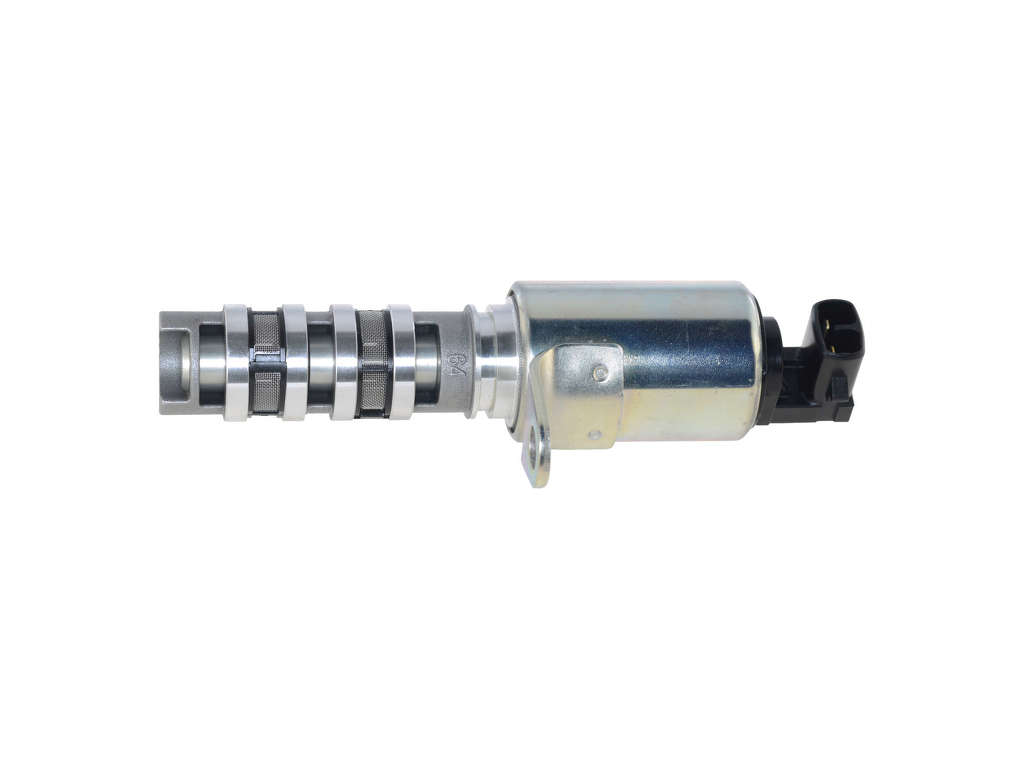
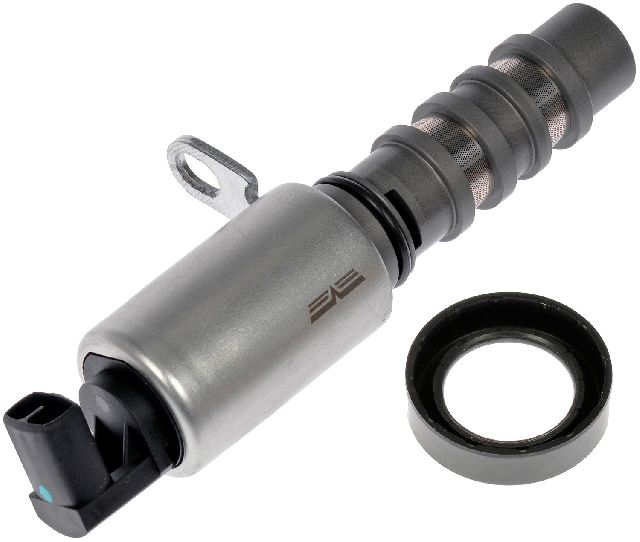
- The most likely faulty part is the Bank 2 exhaust VCT solenoid (OEM part AT4Z-6M280-C), which is located under the front valve cover.
- A rattling noise on startup, especially if the oil looks milky, points to a stretched timing chain and a likely failed internal water pump, which requires immediate and extensive repair.
- Do not replace the camshaft position sensor unless you have proven it is faulty by swapping it with a known good sensor.
What's Unique About the 2008-2019 Ford Taurus
The Ford 3.5L V6 engine family (both naturally aspirated and EcoBoost) is known for timing chain issues, which are a primary cause of P0019. This is often accelerated by a unique and critical design flaw: the water pump is located inside the engine and is driven by the timing chain. When the water pump fails, it can leak coolant directly into the engine oil, severely compromising lubrication and rapidly wearing out the timing chain, guides, and phasers. Therefore, this code on a Taurus, especially with higher mileage, warrants an immediate check of oil quality for any signs of coolant contamination, which often looks 'milky' or like a milkshake.
Generation note: This guide covers the fifth (2008-2009) and sixth (2010-2019) generations of the Ford Taurus. However, the P0019 code specifically relates to the exhaust camshaft timing. The Twin Independent Variable Camshaft Timing (Ti-VCT) system, which controls both intake and exhaust cams, was introduced on the standard 3.5L V6 for the 2011 model year. Therefore, this code is primarily applicable to 2011-2019 models. While it could theoretically appear on a 2010-2019 SHO with the 3.5L EcoBoost, it is unlikely to appear on 2008-2010 models with the standard 3.5L engine, as they may lack variable exhaust timing.
Symptoms You May Notice
- Check Engine Light is on
- Rough or uneven idle
- Engine hesitation or stumbling on acceleration
- Reduced fuel economy
- Loss of engine power
- Engine may stall at low speeds
- Rattling noise from the engine on startup (if related to timing chain)
- Engine knocking or tapping noises
- Replacing the camshaft position sensor first. While possible, it's less likely to be the cause of a correlation code than a VCT solenoid or a mechanical timing issue. The sensor is usually just reporting the fault it sees.
- Replacing the crankshaft position sensor. A fault with this sensor would typically affect both banks and set different codes.
- Ignoring the water pump. On the 3.5L/3.7L engines, performing a timing chain replacement without also replacing the internal water pump is a major risk, as a future pump failure will ruin the new timing components.
Most Likely Causes
- Low or Dirty Engine Oil 🔴 High Probability The Variable Camshaft Timing (VCT) system is hydraulically operated by engine oil. Low levels or oil that is dirty, sludgy, or of the incorrect viscosity can prevent the VCT solenoids and phasers from operating correctly. This is the first and most important check.
How to confirm: Check the oil dipstick for proper level and examine the oil's condition. If it is dark, gritty, or milky (indicating coolant contamination from the internal water pump), it needs to be changed immediately.
Typical fix: Perform an oil and filter change using the manufacturer-specified grade of oil (e.g., Motorcraft Synthetic Blend).
Est. part cost: $40-$80 - Failing VCT Solenoid (Bank 2 Exhaust) 🔴 High Probability These solenoids can get clogged with debris from the oil or fail electrically, causing them to stick. Ford issued TSB 16-0093 for some 2016 models with low mileage, recommending solenoid replacement for this code. The basic part number associated with this TSB is 6M280.
How to confirm: After checking oil, the easiest way to confirm is to swap the Bank 2 exhaust solenoid with the Bank 2 intake solenoid. Clear the codes and drive. If the code changes to P0018 (Bank 2, Intake), the solenoid is bad. The Bank 2 solenoids are located under the valve cover on the front (radiator) side of the engine. A multimeter can also be used to check resistance, which should be between 5 and 14 Ohms.
Typical fix: Replace the Bank 2 exhaust VCT solenoid and the valve cover gasket. The OEM Motorcraft part is often recommended.
Est. part cost: $40-$90 - Stretched Timing Chain / Worn Timing Components 🟡 Medium Probability → Shop Engine Timing Chain The 3.5L engine is known for timing chain stretch, especially over 100,000 miles. This is often caused or worsened by a failing internal water pump leaking coolant into the oil, which accelerates wear on the chain, guides, and tensioners. A startup rattle is a key symptom.
How to confirm: This is a complex diagnosis. A mechanic can use a scan tool to observe camshaft deviation data. Physical inspection for chain slack is the definitive confirmation, but this requires significant engine disassembly (removing the front engine cover). A rattling noise on startup is a strong indicator. One owner on a forum noted that even after replacing the chain, the code returned because the cam phaser was installed incorrectly, highlighting the difficulty of the job.
Typical fix: Replace the timing chain, tensioners, guides, and phasers. It is highly recommended to replace the internal water pump at the same time.
Est. part cost: $300-$800 - Faulty Camshaft Position Sensor (Bank 2 Exhaust) ⚪ Low Probability → Shop Engine Camshaft Position Sensor
How to confirm: A correlation code like P0019 is less commonly caused by the sensor itself. A failing sensor would typically set a sensor-specific circuit code (e.g., P0345, P0349). However, you can swap the sensor with another one (e.g., the intake sensor on the same bank) to see if the code follows the sensor. The sensor for Bank 2 is located on the front (radiator side) cylinder head.
Typical fix: Replace the Bank 2 exhaust camshaft position sensor.
Est. part cost: $25-$60
Rare But Worth Checking
- Failed Camshaft Phaser: → Shop Engine Camshaft The phaser is the gear on the end of the camshaft that actually adjusts the timing. It can get clogged with debris or fail mechanically, getting stuck in one position. A user on Ford Truck Enthusiasts forums reported doing a timing job twice because a phaser was misaligned on the camshaft dowel pin, causing a persistent P0019. This part is often replaced during a full timing chain job.
- Damaged Wiring or Connectors: Check the wiring going to the VCT solenoid and camshaft position sensor on the front of the engine for any signs of corrosion, damage, or loose connections before replacing parts.
Diagnosis Steps
- Check Engine Oil: Verify the oil level is correct and the oil is clean. If the oil is low, top it off, clear the code, and see if it returns. If the oil is dirty or milky, perform an oil and filter change immediately, as this points to a potential water pump failure.
- Scan for Other Codes: Check for any other pending or active trouble codes. Additional codes like P0017, P0018, or misfire codes can provide valuable clues to the root cause.
- Inspect Wiring: Visually inspect the wiring harnesses and connectors for the VCT solenoid and camshaft position sensor on the front (radiator side) valve cover. Look for any breaks, corrosion, or oil contamination.
- Test the VCT Solenoid: The easiest DIY test is to swap the Bank 2 exhaust VCT solenoid with the Bank 2 intake solenoid. They are located next to each other under the front valve cover. Clear the codes and drive the vehicle. If code P0019 is gone and P0018 appears, you have confirmed a bad solenoid.
- Test the Camshaft Position Sensor: While less likely, you can perform a similar swap test by swapping the exhaust and intake camshaft position sensors on Bank 2. If the code changes from P0019 to P0018, the sensor is faulty.
- Professional Diagnosis: If simple checks and component swaps do not resolve the issue, the problem is likely mechanical (stretched timing chain, bad tensioner, or failed phaser). This requires professional diagnosis with tools to measure cam/crank deviation and physical inspection, which involves significant engine disassembly. A repair shop can quote between $1,586 and $2,146 for a timing chain job.
Parts You'll Likely Need
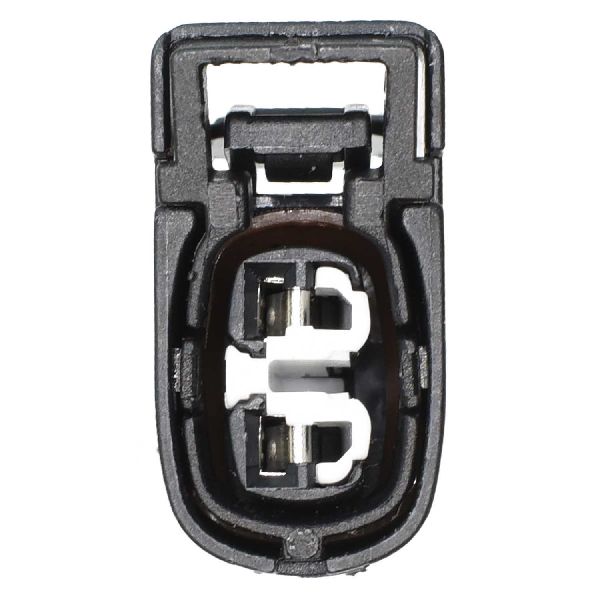
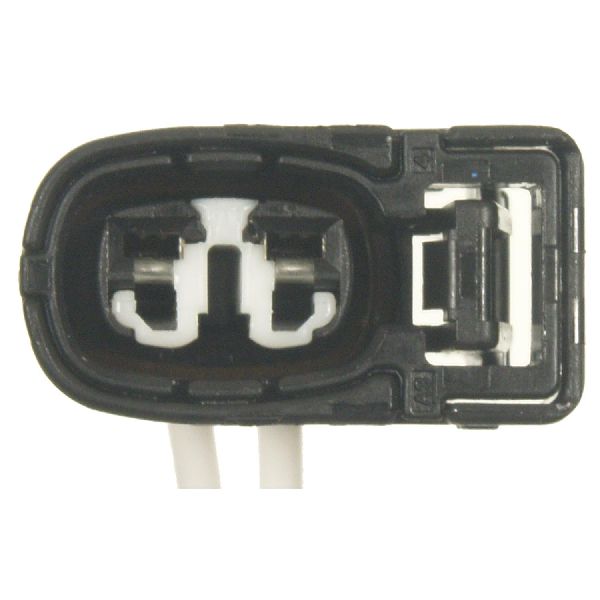
- Bank 2 Exhaust VCT Solenoid
Related Codes That Often Appear With This One
- P0017 — Crankshaft Position - Camshaft Position Correlation Bank 1 Sensor B. This is the same exhaust cam correlation error, but on the opposite bank (rear/firewall side). Seeing both may point to a systemic issue like low oil pressure or a stretched primary timing chain.
- P0018 — Crankshaft Position - Camshaft Position Correlation Bank 2 Sensor A. This indicates a timing issue with the intake camshaft on the same bank (Bank 2). Seeing both P0018 and P0019 strongly suggests a mechanical timing issue on Bank 2, like a jumped chain or bad phasers.
- P0304, P0305, P0306 — Cylinder misfire codes for Bank 2. Incorrect cam timing can lead to poor combustion and misfires on the affected cylinders (4, 5, and 6).
- P0016 — Crankshaft Position - Camshaft Position Correlation Bank 1 Sensor A. This is an intake cam timing error on the opposite bank. Seeing multiple correlation codes (P0016, P0017, P0018, P0019) together strongly points to a base timing issue like a stretched primary chain or low oil pressure affecting the entire VCT system.
Technical Service Bulletins (TSBs) & Recalls
- TSB 16-0093: For some 2016 models with the 3.5L Ti-VCT or GTDI engine and very low mileage (<2000 miles), this TSB addresses codes P0011, P0015, P0016, P0017, P0018, P0019, P0021, and/or P0025 by recommending replacement of the affected VCT solenoid.
- TSB 16-0038: An earlier version of TSB 16-0093, this also points to VCT solenoid replacement for a cluster of cam/crank correlation codes on low-mileage 3.5L engines.
Platform-Specific Known Issues
- Internal Water Pump Failure: The timing-chain-driven water pump is a known major failure point. When its seal fails, it leaks coolant directly into the oil pan, destroying the oil's viscosity and leading to rapid wear of all timing components, which triggers codes like P0019.
- Timing Chain Stretch: Even without water pump failure, the timing chains on these engines are known to stretch over time, typically after 100,000 miles, leading to correlation codes.
Mechanic-Grade Diagnostic Values
- VCT Solenoid Internal Resistance — expected: 5 - 14 Ohms. Failure: A reading outside this range, or infinite resistance (open circuit), indicates a failed solenoid.
- Engine Oil Pressure at Idle (Hot) — expected: Minimum 15-25 PSI. Failure: Pressure below this range indicates oil starvation, which will cause VCT system malfunctions and can trigger correlation codes.
- Scan Tool PID: VCT_EXH_ERR_B2 — expected: Should hover around 0° during closed-loop VCT operation.. Failure: A consistent, significant deviation (e.g., more than +/- 5 degrees) indicates a correlation error that will eventually set P0019.
- Camshaft Position Sensor (CMP) Voltage — expected: Signal wire should produce a square wave, switching between approximately 0V and 5V as the engine cranks or runs.. Failure: A signal that is stuck high (5V), stuck low (0V), or has a distorted waveform.
Hidden / Shadow Codes Worth Checking
- Mode $06, TID $81 (or similar): Mode $06 contains data from the PCM's non-continuous self-tests. For the VCT system, this can include statistical data on camshaft timing error that may show a problem developing before the deviation is large enough to set a standard DTC like P0019. (see via A professional scan tool like Ford IDS or an advanced consumer tool like FORScan is required to access and correctly interpret manufacturer-specific Mode $06 test results.)
Scan Tool Commands That Help
- Ford IDS, FORScan: VCT Solenoid On/Off Command / Duty Cycle Control — This bidirectional control allows a technician to manually command the VCT solenoid to actuate while the engine is at idle. A corresponding change in idle quality (stumble or roughness) confirms the solenoid is mechanically moving and oil is flowing. No change in idle indicates a stuck solenoid, clogged oil passage, or wiring issue.
- Ford IDS: PC/ED Pinpoint Test HK12 (Solenoid Cycling) — Per Ford's own Special Service Message (SSM 50067), this test cycles the suspect VCT solenoid 10 times. It's intended to dislodge small debris that may be causing the solenoid to stick, potentially fixing the issue without replacing the part.
- Ford IDS, FORScan: Misfire Monitor Neutral Profile Correction (Crankshaft Position Sensor Relearn) — This procedure should be performed after any major timing component replacement, or if the crankshaft pulley/harmonic balancer was removed. It allows the PCM to relearn the precise profile of the crankshaft reluctor wheel, which is essential for accurate cam/crank correlation.
Real Owner Repair Stories
- Ford Truck Enthusiasts Forums (2012 Ford F-150 3.5L EcoBoost (shares engine architecture)) — P0019 error code, delayed acceleration, and overheating immediately after a DIY timing chain replacement.
❌ Tried (didn't work) Replacing the Bank 2 exhaust Camshaft Position Sensor (CPS)., Replacing the Bank 2 exhaust VCT solenoid (the old one failed a bench test, but a new one didn't fix the code)., Tearing down and re-doing the entire timing job a second time, even after finding and correcting a phaser that appeared to be installed wrong initially.
✅ What actually fixed it The user confirmed the cam phaser on the exhaust camshaft was installed incorrectly on the dowel pin during the initial timing job. Even after a second attempt to fix it, the code returned, indicating extreme difficulty in getting the alignment perfect without proper tools or experience. The story highlights that P0019 immediately after a timing job is almost certainly a mechanical timing error.
OEM Part Supersession History
AT4Z-6M280-A→AT4Z-6M280-B— Part revision for improved durability and performance. The original -A part often had a black connector, while the updated -B revision may have a gray connector.
Heads up: The -A and -B parts are generally interchangeable, but using the latest -B or -C revision is always recommended.AT4Z-6M280-B→AT4Z-6M280-C— Further revision. The -C part is specified for the Bank 2 (front/radiator side) exhaust camshaft position on this engine.
Heads up: While solenoids may look identical, different part numbers can have different internal flow rates. It is critical to use the correct part number for the specific bank and cam (intake/exhaust). For P0019, AT4Z-6M280-C is the correct part.
Model Year Variations Within This Range
- 2011-2019: The 3.5L V6 received Twin-Independent Variable Cam Timing (Ti-VCT) starting in the 2011 model year. This means 2011-2019 models have four VCT solenoids. Pre-2011 models may not have variable exhaust timing and would be less likely to set this specific code.
- 2016: Ford TSB 16-0093 specifically calls out 2016 models for potentially setting P0019 at very low mileage, recommending a direct replacement of the VCT solenoid.
Diagnostic Flowchart
Other Known Issues on This Vehicle
Issues unrelated to this code that are worth knowing about as an owner of this generation:
- Internal Water Pump Failure 🔴 High → Shop Engine Water Pump — Common on 3.5L/3.7L engines over 80,000-100,000 miles. Failure involves coolant leaking internally into the engine oil.
- AWD PTU (Power Transfer Unit) Failure 🔴 High — Common on AWD models. The PTU fluid overheats and breaks down, leading to gear and bearing failure. Often requires complete PTU replacement.
- Electronic Throttle Body Failure 🟠 Medium — Can occur at various mileages, causing the vehicle to enter 'limp mode' with sudden loss of power. Often sets codes like P2111 and P2112. (Ref: Ford had a Customer Satisfaction Program (13N03) for some earlier models.)
- EcoBoost Timing Chain Rattle / Stretch 🔴 High → Shop Engine Timing Chain — More prevalent on the 3.5L EcoBoost variant. A distinct rattling noise on cold startups is the primary symptom, indicating a stretched timing chain that requires replacement.
- Cracked Flex Plate (SHO Models) 🟠 Medium — Primarily affects 2010-2012 SHO models. A cracked flex plate between the engine and transmission can cause a knocking or ticking sound. (Ref: TSB 14-0123 was issued for this concern.)
Used vs. New Parts: Buying Guide for This Vehicle
When a used part is the smart pick: Used parts are generally NOT recommended for fixing a P0019 code. The primary causes are wear-and-tear items (timing chain) or parts sensitive to contamination (VCT solenoids, phasers). A used solenoid or phaser carries the same risk of being clogged or worn as the part being replaced. The only exception might be a low-mileage engine wiring harness if a connector is physically broken.
Donor-vehicle mileage cap: roughly under 30000 miles for the part to have meaningful remaining life.
What to inspect on the donor part:
- For any used electronic part, check for non-brittle connectors and intact wire insulation.
- If considering a used engine component, look for proof of low mileage and ask for the VIN to check the vehicle's history.
- Avoid parts from engines that show signs of heavy oil sludge or 'milky' oil/coolant mixing.
OEM-only on this vehicle (don't cheap out):
- Timing Chain Kit (Chain, Guides, Tensioners)
- Camshaft Phasers
- Internal Water Pump
Aftermarket brands forum-validated for this vehicle:
- Cloyes (Timing Chain Kits) - Generally well-regarded, though some users report issues, OEM is safer.
- Melling (Timing Components, Oil Pumps) - Often manufactures parts for Ford (OEM) and is considered a high-quality alternative.
Brands owners have reported issues with on this vehicle:
- Unbranded/white-box timing chain kits from online marketplaces. Forum discussions consistently warn that cheap timing kits are a gamble that can lead to catastrophic engine failure.
Real Owner Stories
Aggregated from forums and TSBs cited above. Mileages and costs reflect what owners reported in those sources.
2016 Ford Taurus 3.5L — ~1500 miles
Symptoms: Check engine light on with cam/crank correlation codes at very low mileage.
What fixed it: Replacement of the VCT solenoid as per TSB 16-0093.
Source hint: TSB 16-0093
Ford Taurus 3.5L EcoBoost
Symptoms: Persistent P0019 error code even after a DIY timing chain replacement.
What fixed it: Correcting a misaligned cam phaser that was installed incorrectly during the initial timing job.
Source hint: Ford Truck Enthusiasts Forums - 'Timing Chain Replacement P0019 error'
2008 Ford Edge 3.5L (Cyclone V6)
Symptoms: Engine CEL/MIL code P0019; potential causes discussed included stretched chains, faulty sensors, and stuck VCT actuators.
What fixed it: Diagnosis of the VCT system and timing components (shared architecture with Taurus).
Source hint: Ford Edge Forum - 'Engine CEL/MIL code P0019 - 3.5L'
Related OBD-II Codes
Frequently Asked Questions
My 2016 Ford Taurus has very low mileage and just threw a P0019 code. Is there a specific bulletin for this?
I see milky residue on my dipstick along with the P0019 code. What does this mean for my 3.5L engine?
Can I test if the Bank 2 exhaust VCT solenoid is the problem without buying a new part?
Is a rattling noise on startup related to the P0019 code on a Taurus 3.5L?
Where is the Bank 2 exhaust camshaft position sensor located on my Taurus?
What is the estimated cost to fix a P0019 if it requires a full timing chain replacement?
Helpful Videos
We Have This Part in Stock


The information in this article is provided for general reference and educational purposes only. Vehicle specifications, procedures, and part compatibility can vary by production date, trim level, and region. Always consult your vehicle's factory service manual and verify part numbers before purchasing or performing repairs. Safety-critical components such as airbags, seat belts, and braking systems should be installed by a qualified professional.
- Ford Taurus:
- 🧭 Diagnostic Flowchart
- 🎬 Helpful Videos
- 🛍️ Shop This Part
- What's Unique About the 2008-2019 Ford Taurus
- Symptoms You May Notice
- Most Likely Causes
- Rare But Worth Checking
- Diagnosis Steps
- Parts You'll Likely Need
- Related Codes That Often Appear With This One
- Technical Service Bulletins (TSBs) & Recalls
- Platform-Specific Known Issues
- Mechanic-Grade Diagnostic Values
- Hidden / Shadow Codes Worth Checking
- Scan Tool Commands That Help
- Real Owner Repair Stories
- OEM Part Supersession History
- Model Year Variations Within This Range
- Other Known Issues on This Vehicle
- Used vs. New Parts: Buying Guide for This Vehicle
- Real Owner Stories
- 2016 Ford Taurus 3.5L — ~1500 miles
- Ford Taurus 3.5L EcoBoost
- 2008 Ford Edge 3.5L (Cyclone V6)
- Related OBD-II Codes
- Frequently Asked Questions
- 🎟️ Get 5% Off