

P0019 Hyundai Genesis Coupe (2009-2016) 3.8L: Crank-Cam Correlation Causes and Fixes
P0019 on a 3.8L Genesis Coupe indicates the driver's side exhaust camshaft is out of sync with the crankshaft. The most common causes are low or dirty engine oil or a failing Bank 2 exhaust Oil Control Valve (OCV). Start by checking your oil; if it's clean and full, the OCV is the next likely part to replace. This is a very common failure point.
- P0019 means the driver's side exhaust cam timing is off.
- First, check your engine oil level and condition. This is the easiest and a very common fix.
- The next most likely culprit is the Bank 2 (driver's side) exhaust Oil Control Valve (OCV).
- If you also have a P0018 code, the problem is more likely a mechanical timing chain issue affecting the entire driver's side bank.
- Do not drive with this code for long, as it can lead to poor performance and potential engine damage.
What's Unique About the 2009-2016 Hyundai Genesis Coupe
The Hyundai Lambda V6 engine, in both its early MPI (BK1) and later GDI (BK2) forms, uses a sophisticated dual CVVT system that relies heavily on oil pressure to adjust cam timing for performance and efficiency. This system can be sensitive to oil quality and level. While timing chains are generally robust, issues with the oil control valves (solenoids) that direct oil to the cam phasers are a well-documented weak point. A specific forum post regarding a 2014 Genesis Coupe with this code pointed to the OCV as the problem "9 times out of ten." For the GDI engines (2013+), carbon buildup on intake valves is a known issue, which can lead to increased oil contamination and potentially clog the fine mesh screens on the OCVs.
Generation note: This guide covers both the BK1 (2009-2012) with the 3.8L Lambda II MPI engine and the BK2 (2013-2016) with the 3.8L Lambda II GDI (G6DJ) engine. While the fuel delivery system is different (Multi-Port vs. Direct Injection), the underlying dual CVVT and timing chain architecture that causes this code is fundamentally the same across both generations. The GDI models may be slightly more susceptible to oil contamination issues due to carbon buildup.
Symptoms You May Notice
- Check Engine Light is on
- Rough or erratic idle, sometimes fluctuating between 500-1000 RPM.
- Engine hesitation or stumbling on acceleration
- Reduced engine power
- Increased fuel consumption, potentially by 10-25%.
- Engine rattling or knocking noise, most noticeable at idle or low RPM.
- In rare, severe cases, the engine may be hard to start or may stall.
- Replacing the crankshaft position sensor. While possible, it's a less frequent cause for a single-bank correlation code like P0019. A failing crank sensor usually affects both banks or causes other codes.
- Replacing the ECM. This is extremely rare and should only be considered after all other mechanical and electrical possibilities have been exhaustively tested and ruled out.
Most Likely Causes
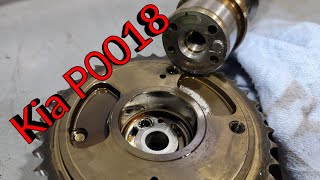
- Low or Dirty Engine Oil 🔴 High Probability The CVVT system is hydraulic and requires clean oil at the correct pressure to function. Sludge or low oil levels can starve the cam phasers and OCVs, or clog the small passages and filter screens within them, causing timing correlation errors. 🎬 Watch: Understanding camshaft correlation and timing issues
How to confirm: Check the engine oil dipstick for level and inspect the oil's color and consistency. If it is low, black, or sludgy, this is very likely a contributing factor.
Typical fix: Perform an oil and filter change using a high-quality full synthetic oil that meets Hyundai's specifications (e.g., 5W-30). Clear the code and see if it returns.
Est. part cost: $50-$100 - Faulty Bank 2 Exhaust Oil Control Valve (OCV) 🔴 High Probability These solenoids control oil flow to the cam phasers. They are known to fail in two ways: electrically (internal coil breaks) or mechanically (internal plunger gets stuck or the small filter screen at the base gets clogged with debris). This is widely considered the most common cause after ruling out oil level/quality.
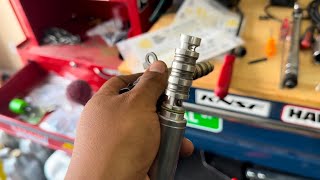
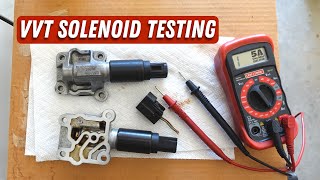
How to confirm: You can test the solenoid's resistance with a multimeter (typically 6.9-7.9 ohms at room temperature). A definitive test is to swap the Bank 2 exhaust OCV with the Bank 1 exhaust OCV (passenger side). Clear the codes and run the engine. If the code changes to P0017 (Bank 1 Exhaust Correlation), the OCV is confirmed bad. You can also 🎬 Watch: How to replace the oil control valve solenoid use a scan tool to command the solenoid on and observe engine behavior; it should cause the engine to hesitate or stall.
Typical fix: Replace the Bank 2 (driver's side) exhaust Oil Control Valve. It is recommended to use an OEM part.
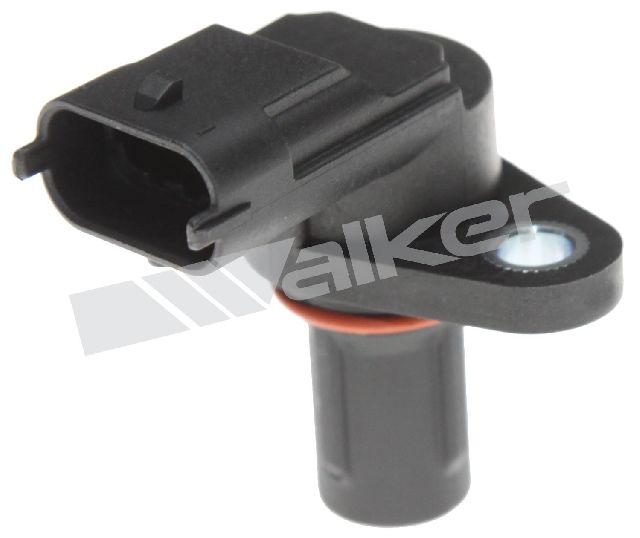
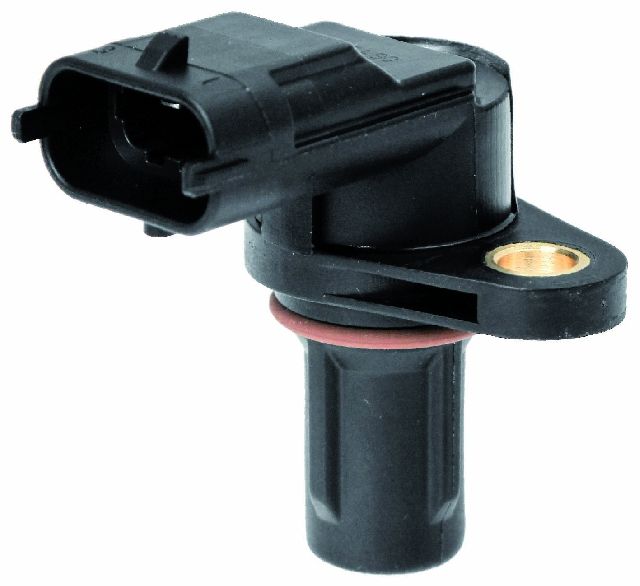
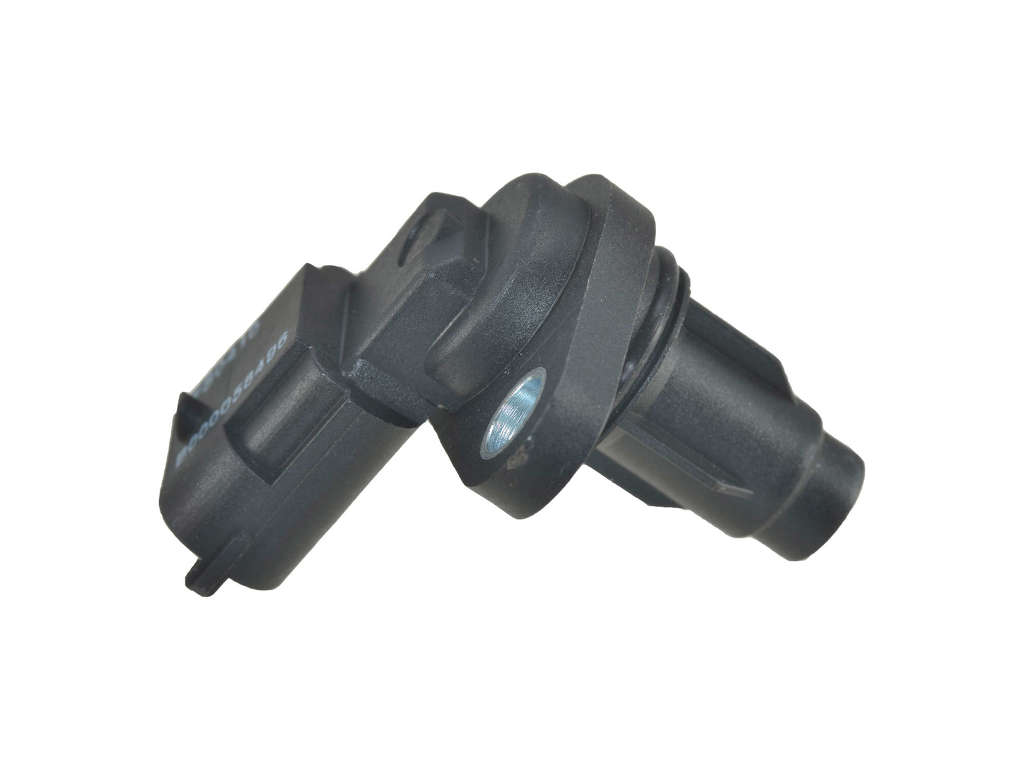
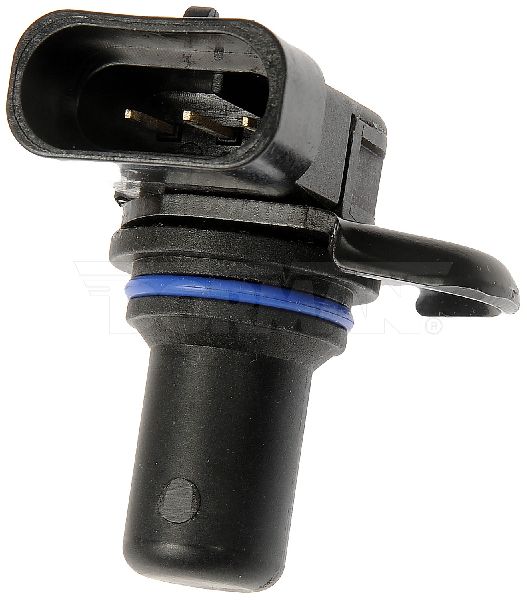
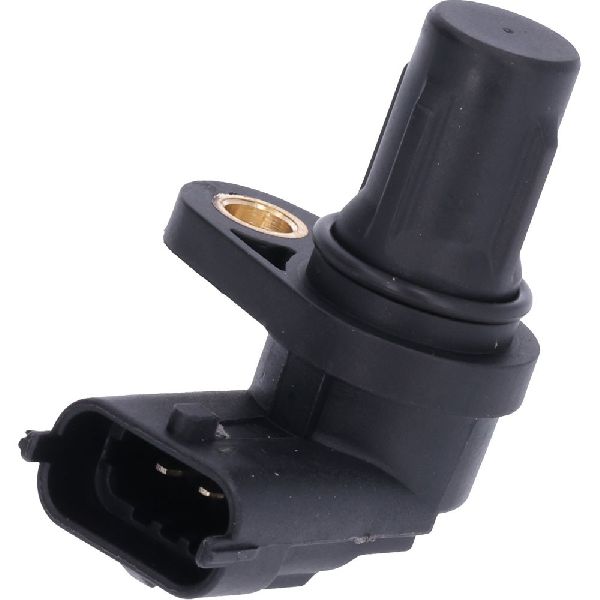
Est. part cost: $70-$150 - Faulty Bank 2 Exhaust Camshaft Position Sensor (CPS) 🟡 Medium Probability → Shop Engine Camshaft Position Sensor The sensor that reads the camshaft's position can fail, sending incorrect or no data to the ECM, which then flags a correlation error.
How to confirm: A scan tool can monitor the live data from the sensor. An oscilloscope provides the most definitive test by checking the sensor's waveform. Swapping it with the corresponding sensor from Bank 1 is also a valid diagnostic step; if the code follows the sensor, it is faulty.
Typical fix: Replace the Bank 2 (driver's side) exhaust camshaft position sensor.
Est. part cost: $40-$90 - Stretched Timing Chain or Failed Tensioner ⚪ Low Probability → Shop Engine Timing Chain Over many miles (typically 100,000+), the timing chains can stretch, or the hydraulic tensioners can weaken, creating slack. This directly causes a mechanical misalignment between the crank and cams that the CVVT system cannot compensate for. Failing tensioners are a known weak point on the 3.8L Lambda engine.
How to confirm: This is a complex diagnosis. It often starts with a persistent rattling noise from the front of the engine, especially on cold starts. Confirmation requires removing the timing cover to physically inspect the chain guides for wear and the tensioners for proper extension. This is a labor-intensive job.
Typical fix: Replace the timing chains, guides, and tensioners.
Est. part cost: $400-$800
Rare But Worth Checking
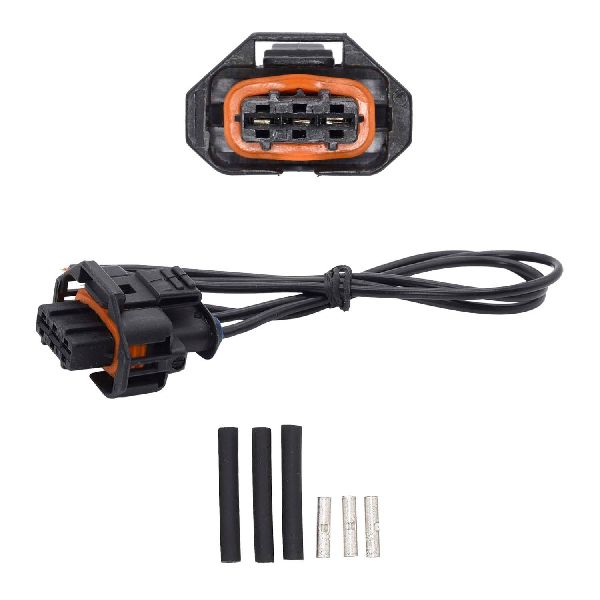
- Damaged Wiring or Connector: A Reddit user with a 2015 Genesis Coupe 3.8 fixed their P0019 code by replacing the connector for the Bank 2 VVT solenoid, which had become damaged. Always inspect the wiring harness for cracks, corrosion, or loose pins before replacing parts.
- Failed Camshaft Phaser (CVVT Actuator): → Shop Engine Camshaft The mechanical gear on the camshaft itself can fail internally, getting stuck in one position or having damaged vanes. This is less common than an OCV failure and is a much more involved repair, requiring removal of the timing chain.
- Clogged CVVT Oil Passages: Severe engine sludge can block the oil passages within the cylinder head or camshafts that feed the CVVT phasers. This can happen even if the OCV itself is clean and functional. An engine flush may help but is sometimes insufficient.
Diagnosis Steps
- Check Engine Oil: Verify the oil level is full and the oil is clean. If low or dirty, perform an oil change with a quality filter and the correct spec synthetic oil. Clear the codes and drive. This simple step solves the problem more often than people think.
- Scan Tool Analysis: Use an OBD-II scanner to confirm P0019 is the active code. Check for related codes like P0018, which would point towards a larger bank-wide issue.
- Inspect Wiring: Visually inspect the wiring harness and connector for the Bank 2 (driver's side) exhaust OCV and camshaft position sensor. Look for any signs of damage, corrosion, oil contamination, or loose connections.
- Test the Oil Control Valve (OCV): The Bank 2 exhaust OCV is the most likely culprit. The best DIY test is to swap it with the Bank 1 exhaust OCV (passenger side). Clear the codes and run the engine. If the code returns as P0017 (Bank 1 Exhaust Correlation), you have confirmed the OCV is faulty. Alternatively, you can remove the OCV, inspect its screen for sludge, and test it by applying 12V power to see if the internal plunger actuates with an audible click. 🎬 See three easy ways to test your VVT solenoid
- Test the Camshaft Position Sensor (CPS): If the OCV swap does not move the fault, perform a similar swap with the camshaft position sensors between banks to see if the code follows the sensor.
- Mechanical Timing Inspection: If all sensors and solenoids test good, the issue is likely mechanical. This involves a more in-depth diagnosis of the timing chain, tensioners, and phasers, which typically requires removing the valve cover and timing cover for visual inspection. Listen for chain rattle on startup.
Parts You'll Likely Need
- Engine Oil Control Valve (VVT Solenoid), Bank 2 Exhaust
(OEM #24360-3CAA2)— This solenoid is the most common failure point for P0019 after ruling out oil issues. It gets clogged with sludge or fails electrically, preventing proper cam phasing. This part number is confirmed for BK2 (2012-2016) and many other Hyundai/Kia models.
Trusted brands: Hyundai (OEM), Beck/Arnley, Standard Motor Products (SMP), MOTIV8
OEM price range: $90-$160
Aftermarket price range: $60-$110 - Camshaft Position Sensor, Bank 2 Exhaust
(OEM #39350-3F000)— If the sensor itself fails, it will send incorrect data to the ECM, triggering the correlation code. Note: Part number is not 100% verified; confirm with VIN.
Trusted brands: Hyundai (OEM), Hitachi
OEM price range: $40-$90
Aftermarket price range: $25-$60
Related Codes That Often Appear With This One
- P0018 — P0018 is the correlation code for Bank 2 Intake Camshaft. Seeing both P0018 and P0019 together strongly points to a base timing issue on all of Bank 2, such as a stretched timing chain, a problem with the primary tensioner for that bank, or a severe oil flow/pressure issue affecting the entire bank.
Technical Service Bulletins (TSBs) & Recalls
- No specific Technical Service Bulletins (TSBs) directly addressing the P0019 code on the Genesis Coupe were identified during research. Diagnostic procedures typically follow standard workshop manual steps for cam/crank correlation faults.
Mechanic-Grade Diagnostic Values
- Camshaft Position Sensor (CPS) Signal Voltage — expected: 0.5V - 4.5V with engine running.. Failure: Voltage that is stuck high, stuck low, or has an erratic/noisy waveform when viewed on an oscilloscope indicates a failing sensor or wiring issue.
- ECM Timing Misalignment Fault Trigger Threshold — expected: The ECM will tolerate less misalignment when the oil is at optimal operating temperature.. Failure: DTC P0019 is set if the ECM detects a 1-tooth misalignment when oil temperature is between 80-90°C (176-194°F), or a 2-tooth misalignment when the oil is colder or hotter than that range.
Scan Tool Commands That Help
- Hyundai GDS (or equivalent professional scanner): Actuator Test: Bank 2 Exhaust CVVT Solenoid — This command is used to directly test the mechanical function of the Oil Control Valve (OCV). When activated with the engine at idle, a functioning OCV will cause a noticeable change in engine operation, such as hesitation or stalling. If there is no change, it confirms a problem with the OCV itself or the oil passages it controls, even if it passes an electrical resistance test.
Wiring & Ground Locations
- Camshaft Position Sensor (CPS) Circuit — The sensor is located on the Bank 2 (driver's side) cylinder head, reading the exhaust camshaft. The wiring runs from the sensor to the main Engine Control Module (ECM).. The CPS is a 3-wire Hall effect sensor. Pin 1: 5V Reference from ECM, Pin 2: Signal to ECM, Pin 3: Sensor Ground from ECM. Damage to any of these wires will cause a loss of signal or incorrect data, triggering P0019.
- Oil Control Valve (OCV) Circuit — The solenoid is located on the front of the Bank 2 (driver's side) cylinder head/timing cover. The wiring runs from the solenoid to the ECM.. This is a 2-wire solenoid. The ECM sends a pulse-width modulated (PWM) signal to control the plunger's position and regulate oil flow. A short, open, or high resistance in this circuit will prevent the ECM from correctly phasing the camshaft.
"I Checked Everything" — The Actual Cause
- A common dead-end in diagnosing P0019 occurs when both the Camshaft Position Sensor and the Oil Control Valve (solenoid) test good both electrically (resistance) and functionally (actuator tests/swapping). When these easily-checked components are ruled out, the root cause is almost always a deeper mechanical issue. This includes a stretched primary timing chain, a failed hydraulic chain tensioner that has lost pressure, or a mechanically failed/stuck CVVT phaser (the gear on the cam itself). These issues require significant labor to access and inspect the timing components.
When the Usual Fixes Don't Work
- While the Bank 2 exhaust OCV is the most common culprit, if P0019 is accompanied by P0018 (Crank-Cam Correlation, Bank 2 Intake), it is much less likely that two separate solenoids failed simultaneously. In this scenario, the diagnostic focus should shift immediately to a bank-wide problem. The most probable causes become a stretched timing chain affecting Bank 2, a failed tensioner or guide for that bank, or a significant oil pressure/flow problem within the Bank 2 cylinder head. Replacing just one OCV in this situation is unlikely to resolve the codes.
OEM Part Supersession History
24350-3C100, 24350-3C101, 24350-3C112→24350-3C113— This is the part number for the mechanical CVVT phaser/actuator (cam gear), not the OCV solenoid. The multiple revisions suggest ongoing design improvements by Hyundai to address reliability or performance of the phaser mechanism itself.
Model Year Variations Within This Range
- 2009-2012 (BK1) vs. 2013-2016 (BK2): The engine was significantly updated for the BK2 generation, moving from Multi-Port Injection (MPI) to Gasoline Direct Injection (GDI). The BK2 GDI engine has a higher compression ratio (11.5:1 vs 10.4:1) and is known to be more susceptible to intake valve carbon buildup. This can accelerate oil contamination, potentially leading to more frequent clogging of the fine mesh screens on the Oil Control Valves (OCVs) compared to the BK1 MPI engine.
Diagnostic Flowchart
Real Owner Stories
Aggregated from forums and TSBs cited above. Mileages and costs reflect what owners reported in those sources.
2015 Hyundai Genesis Coupe 3.8L R-Spec
Symptoms: Check engine light came on after purchasing the vehicle with a brand new motor from a dealer.
What fixed it: Traced the issue to a damaged electrical connector for the VVT solenoid.
Source hint: Reddit r/genesiscoupe
2014 Hyundai Genesis Coupe
Symptoms: Vehicle presented with both P0018 and P0019 codes.
What fixed it: Mechanic advised removing the OCV to inspect and clean the oil screen, noting the OCV is the cause '9 times out of ten'.
Source hint: 2carpros.com
2010 Hyundai Genesis Coupe 3.8L
Symptoms: Struggled with persistent P0018 and P0019 codes.
What fixed it: Attempted a timing chain change and sensor replacements to resolve a difficult mechanical timing issue.
Source hint: Reddit r/genesiscoupe
Related OBD-II Codes
Frequently Asked Questions
Are there any specific TSBs for the P0019 code on my 2009-2016 Genesis Coupe 3.8L?
I have a P0019 on my 3.8L Lambda II engine. Which Oil Control Valve (OCV) is usually the culprit?
How can I test if the Bank 2 exhaust OCV is bad on my Genesis Coupe without buying a new part?
My 3.8L Genesis Coupe has over 100,000 miles and a rattling noise on cold starts along with the P0019 code. What does this mean?
Can low engine oil really cause a P0019 code on the 3.8L V6?
Do other Hyundai or Kia models share this exact P0019 issue and parts?
Helpful Videos
We Have This Part in Stock

The information in this article is provided for general reference and educational purposes only. Vehicle specifications, procedures, and part compatibility can vary by production date, trim level, and region. Always consult your vehicle's factory service manual and verify part numbers before purchasing or performing repairs. Safety-critical components such as airbags, seat belts, and braking systems should be installed by a qualified professional.
- Hyundai Genesis Coupe:
- 🧭 Diagnostic Flowchart
- 🎬 Helpful Videos
- 🛍️ Shop This Part
- What's Unique About the 2009-2016 Hyundai Genesis Coupe
- Symptoms You May Notice
- Most Likely Causes
- Rare But Worth Checking
- Diagnosis Steps
- Parts You'll Likely Need
- Related Codes That Often Appear With This One
- Technical Service Bulletins (TSBs) & Recalls
- Mechanic-Grade Diagnostic Values
- Scan Tool Commands That Help
- Wiring & Ground Locations
- "I Checked Everything" — The Actual Cause
- When the Usual Fixes Don't Work
- OEM Part Supersession History
- Model Year Variations Within This Range
- Real Owner Stories
- 2015 Hyundai Genesis Coupe 3.8L R-Spec
- 2014 Hyundai Genesis Coupe
- 2010 Hyundai Genesis Coupe 3.8L
- Related OBD-II Codes
- Frequently Asked Questions
- 🎟️ Get 5% Off