

P0024 on 2007-2012 Lexus ES 350: Exhaust Cam Timing Over-Advanced Causes and Fixes
On a 2007-2012 Lexus ES 350, code P0024 is most often caused by a faulty Bank 2 exhaust Oil Control Valve (OCV), also known as a VVT solenoid. This is a relatively easy DIY fix with the part costing between $40 and $120. Always check your engine oil level and condition first, as low or dirty oil is another common cause. For 2007-2008 models, it is critical to verify the VVT-i oil line has been updated to the all-metal version to prevent catastrophic engine failure.
- First, check your engine oil. Low or dirty oil is a very common and simple-to-fix cause for P0024.
- The most likely failed part is the Bank 2 (front/radiator side) exhaust Oil Control Valve (OCV). Swapping it with the Bank 1 OCV is a definitive, no-cost diagnostic step.
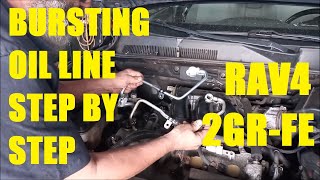
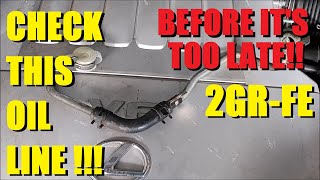
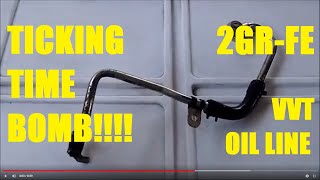
- For 2007-2008 models, immediately inspect the VVT-i oil line on the passenger side of the engine. If it has a rubber section, replace it with the all-metal line (part no. 15772-31030) to prevent sudden, catastrophic oil loss.
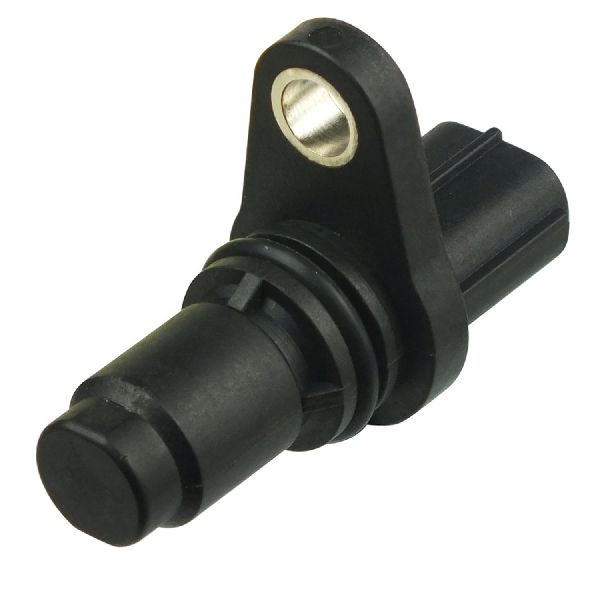
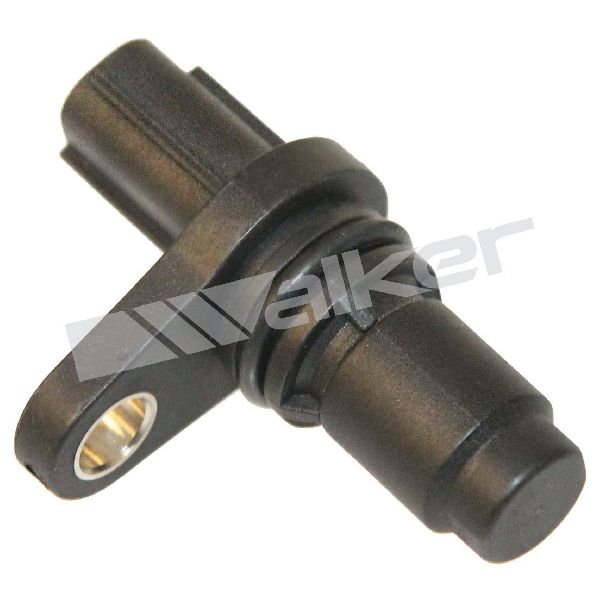
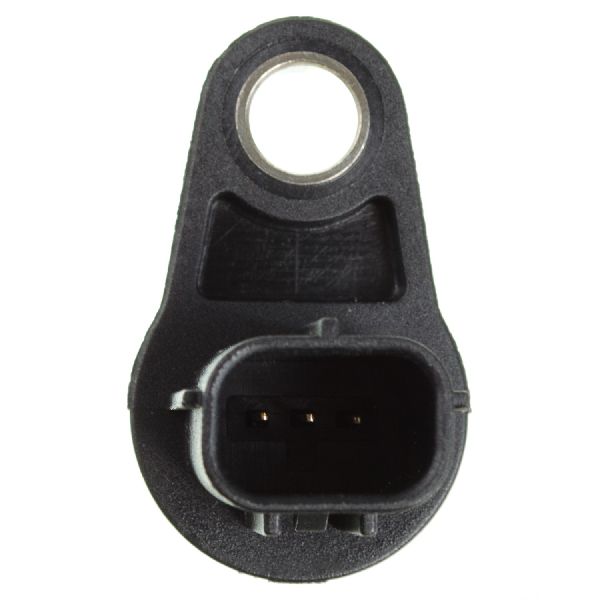
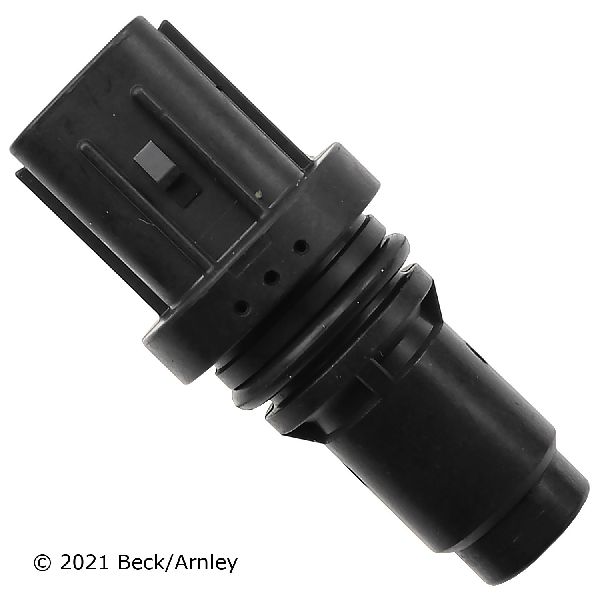
- Do not rush to replace the camshaft position sensor; it is rarely the cause of this specific code.
What's Unique About the 2007-2012 Lexus ES 350
The 2GR-FE engine in this Lexus is generally very reliable, but it is sensitive to oil quality and level. The most critical issue for 2007-2008 models is a factory VVT-i oil supply line made with a rubber section that can rupture without warning, causing rapid oil loss and catastrophic engine failure. This part was subject to a recall (Lexus LSC 9LH / Toyota LSC 90K) and any vehicle that has not had the rubber line replaced with the updated all-metal version is a 'ticking time bomb'. While this leak would likely trigger other oil pressure warnings, the resulting loss of oil pressure can also cause VVT system faults like P0024.
Symptoms You May Notice
- Check Engine Light is on
- Rough or unstable idle
- Engine hesitation or stumbling on acceleration
- Reduced engine power
- Decrease in fuel economy
- Engine may be hard to start
- Engine rattling or knocking, especially on cold start (if phaser is failing).
- Replacing the camshaft position sensor. While a sensor can fail, it is not a common cause for P0024 on this engine. The code indicates a mechanical timing issue, not necessarily a sensor reading error. Forum discussions confirm that replacing the sensor alone often fails to fix the code.
Most Likely Causes
- Low or Dirty Engine Oil 🔴 High Probability The VVT-i system uses engine oil pressure to actuate the camshaft phasers. If the oil is low, dirty, or the wrong viscosity, it cannot operate the system correctly, often clogging the small passages in the OCV solenoids.
How to confirm: Check the engine oil dipstick for proper level and inspect the oil's color and consistency. If it is dark, thick, or below the 'add' line, it needs to be changed or topped off.
Typical fix: Perform an oil and filter change using the manufacturer-specified oil (typically SAE 5W-30).
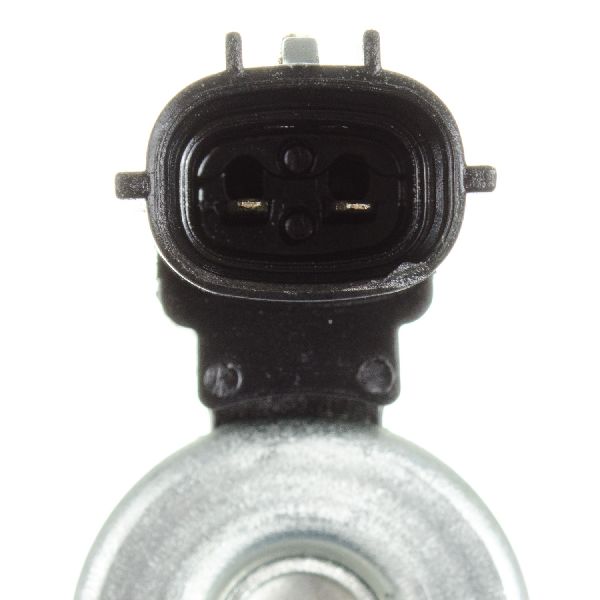
Est. part cost: $40-$80 - Faulty Bank 2 Exhaust Oil Control Valve (OCV/VVT Solenoid) 🔴 High Probability → Shop Engine Variable Valve Timing (VVT) Solenoid These solenoids can become clogged with sludge or fail electrically over time, causing them to stick in one position and prevent proper oil flow.
How to confirm: The Bank 2 exhaust OCV is on the front-facing cylinder head. A simple test is to swap it with the Bank 1 exhaust OCV (on the rear head). If the trouble code changes to P0014 (the Bank 1 equivalent), the OCV is faulty. You can also test its resistance with a multimeter (should be 6.9-7.9 ohms) or apply 12V to see if the internal plunger clicks.
Typical fix: Replace the Bank 2 exhaust Oil Control Valve.
Est. part cost: $40-$120 - Failing Camshaft Phaser (VVT Actuator) 🟡 Medium Probability → Shop Engine Camshaft The internal locking pin or vanes within the phaser can wear out or get stuck due to oil sludge, preventing it from returning to the default position. A common symptom is a distinct rattling noise from the engine on a cold start. In rare cases on the 2GR-FE, the bolts holding the phaser together can back out, causing a complete loss of timing control and leading to bent valves.
How to confirm: This is typically diagnosed after confirming the OCV is working correctly. Diagnosis requires a professional-grade scan tool to command and observe phaser angles or physical inspection, which involves removing the valve cover.
Typical fix: Replace the Bank 2 exhaust camshaft phaser. This is a labor-intensive job that also requires replacing the valve cover gasket.
Est. part cost: $150-$300
Rare But Worth Checking
- Stretched Timing Chain: → Shop Engine Timing Chain While the 2GR-FE uses a durable timing chain, very high mileage or poor maintenance can cause it to stretch, leading to incorrect timing readings that can trigger this code.
- Clogged OCV Filter: There is a small filter screen for the OCV that can become clogged with debris, restricting oil flow. It can often be removed and cleaned during OCV replacement.
Diagnosis Steps
- Verify Engine Oil: Check the oil level and condition on the dipstick. If low or dirty, perform an oil change with the correct viscosity oil (SAE 5W-30) and clear the code to see if it returns.
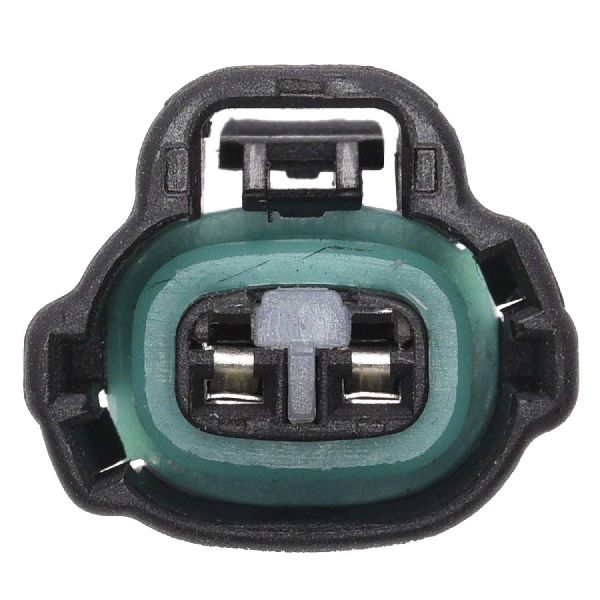
- Inspect OCV Wiring: Locate the Bank 2 (front) exhaust OCV and inspect its electrical connector and wiring for any damage or corrosion.
- Test the OCV: Use a scan tool to command the solenoid on and off, listening for a click. Alternatively, remove the solenoid and apply 12V directly to its pins to check for plunger actuation.
- Swap the OCVs: The easiest confirmation test is to swap the Bank 2 exhaust OCV with the Bank 1 exhaust OCV (on the rear cylinder head). Clear the codes and drive the vehicle. If the code returns as P0014, the OCV you moved is the problem.
- Inspect OCV Filter: When the OCV is removed, check its small filter screen for sludge or debris and clean or replace as needed.
- Advanced Diagnosis: If the OCV is confirmed to be good and the problem persists, the issue likely lies with the camshaft phaser or timing chain. This may manifest as a cold-start rattle. Diagnosis typically requires a professional scan tool to monitor commanded vs. actual cam angles or physical inspection of the timing components.
Parts You'll Likely Need
- Engine Oil Control Valve (VVT Solenoid)
(OEM #15330-0P020)— This is the most common part to fail for code P0024. It gets stuck or clogged, preventing proper control of the camshaft timing. This part number supersedes the older number 15330-31020.
Trusted brands: Denso, Aisin, Toyota Genuine
OEM price range: $90-$150
Aftermarket price range: $40-$80 - Camshaft Timing Gear Assembly (Exhaust Phaser)
(OEM #13080-31020)— If the OCV is not the cause, the mechanical phaser is the next most likely culprit, often due to internal wear or sludge causing it to stick.
Trusted brands: Toyota Genuine
OEM price range: $200-$300
Aftermarket price range: $150-$220
Related Codes That Often Appear With This One
- P0014 — This is the equivalent code for Bank 1 ('B' Camshaft, Bank 1). If you swap the Bank 2 exhaust OCV with the Bank 1 exhaust OCV for diagnosis and this code appears, it confirms the OCV is the faulty part.
Technical Service Bulletins (TSBs) & Recalls
- Lexus Limited Service Campaign (LSC) 9LH - VVT-i Oil Line Replacement for 2007-2008 ES 350.
- Toyota Limited Service Campaign (LSC) 90K - VVT-i Oil Line Replacement, which covered many 2GR-FE powered vehicles.
- T-SB-0094-09 Rev1 - Addresses a ticking noise and VVT-related DTCs (including P0024) on 2005-2009 2GR-FE engines, which may require phaser replacement.
Platform-Specific Known Issues
- A Limited Service Campaign (LSC 9LH for Lexus, LSC 90K for Toyota) was issued for 🎬 See this breakdown of the VVT-i oil line TSB and recall. 2007-2008 ES 350 models for a VVT-i oil line that could rupture. The original part has a rubber hose section, while the updated part is all-metal (Part No. 15772-31030). A rupture causes 🎬 Watch: Step-by-step walkthrough for replacing the VVT-i oil line. catastrophic oil loss and engine seizure, often with little warning. The campaign extension ran until December 31, 2021, so any vehicle that missed the recall should be inspected immediately.
Mechanic-Grade Diagnostic Values
- Oil Control Valve (OCV) resistance — expected: 6.9 to 7.9 Ohms at 68°F (20°C). Failure: A reading outside of this range, or an open/short circuit, indicates a faulty solenoid coil.
- Camshaft Position Sensor Voltage — expected: Typically 0.5V to 4.5V. Failure: A voltage that is consistently high, low, or erratic can indicate a sensor failure.
- Techstream Live Data: Commanded vs. Actual Cam Angle — expected: The actual angle should closely follow the target angle commanded by the ECM.. Failure: A difference of more than 5-10 degrees between the target and actual angle for several seconds can trigger the DTC.
Scan Tool Commands That Help
- Toyota Techstream: Active Test: Control the VVT System (VVT CTRL B2) — This function allows a technician to command the Bank 2 OCV solenoid ON or OFF to verify its operation. This helps determine if the solenoid is physically capable of actuating, isolating a stuck solenoid from a wiring or ECM problem. The engine may run rough or stall during this test.
- Toyota Techstream: Data List: VVT Target Angle vs. VVT Change Angle — This allows for monitoring the ECM's commanded camshaft angle versus the actual angle reported by the camshaft position sensor in real-time. This is critical for diagnosing a lazy or stuck phaser when the OCV itself tests good.
Wiring & Ground Locations
- Bank 2 Exhaust OCV Connector — On the front-facing (Bank 2) cylinder head, connected to the exhaust VVT solenoid.. This is the primary connector to inspect for corrosion, damage, or loose pins when diagnosing P0024. A poor connection here can mimic a failed solenoid.
- Engine Ground Points — Multiple ground points exist. Key grounds for the engine control system are typically located on the cylinder heads, engine block, and chassis near the battery. For example, on a 2008 ES 350, ground point 'A1' is behind the left headlamp assembly.. A poor engine ground can cause a variety of electrical issues, including erratic sensor readings and incorrect actuator operation, potentially leading to VVT-related codes.
Real Owner Repair Stories
- YouTube channel 'speedkar99' (2007 Lexus ES 350 with 213,000 km) — Difficulty starting, running on three cylinders, horrible engine noise.
❌ Tried (didn't work) Initial diagnosis pointed towards a timing issue, but the specific cause was internal.
✅ What actually fixed it The bolts on the rear bank (Bank 1, but illustrates the failure mode) intake camshaft VVT gear had backed out completely, causing the phaser to lose control, leading to piston-to-valve contact and bent valves. The engine required replacement. This is a catastrophic failure mode that can result from VVT issues.
OEM Part Supersession History
15330-31020→15330-0P020— This is a common supersession for Toyota parts, likely indicating a minor revision or change in supplier. The parts are interchangeable.VVT-i Oil Line (with rubber section)→15772-31030 (all-metal)— The original rubber section was prone to rupturing, leading to catastrophic oil loss. The all-metal line is a reliability and safety update.
Heads up: The old rubber line should never be used as a replacement.
Model Year Variations Within This Range
- 2007-2008: These model years were equipped with the problematic VVT-i oil line containing a rubber section that is prone to rupture. Models from 2009-2012 came from the factory with the updated all-metal line.
Diagnostic Flowchart
Used vs. New Parts: Buying Guide for This Vehicle
When a used part is the smart pick: For this repair, used parts are generally not recommended for the key components. However, if a connector or a section of the wiring harness is damaged, sourcing one from a junkyard vehicle can be a cost-effective and viable repair.
Donor-vehicle mileage cap: roughly under 100000 miles for the part to have meaningful remaining life.
What to inspect on the donor part:
- For an OCV/solenoid, inspect the screen for metal debris or sludge.
- For a wiring connector, ensure the plastic is not brittle and the locking tab is intact.
- Check the donor vehicle's oil cap and dipstick for signs of heavy sludge, which would indicate poor maintenance and suggest avoiding all engine components from that vehicle.
OEM-only on this vehicle (don't cheap out):
- Camshaft Phaser (VVT Actuator): Due to the complexity and precision required for this part, OEM (Toyota Genuine) is strongly recommended for reliability and to avoid immediate repeat failure.
- Timing Chain: Given the labor-intensive nature of a timing chain replacement, using a high-quality OEM part is critical to ensure longevity.
Aftermarket brands forum-validated for this vehicle:
- Denso: Denso is an original equipment manufacturer (OEM) for Toyota, so their VVT solenoids are considered equivalent to Toyota Genuine parts.
- Aisin: Aisin is another OEM supplier for Toyota and their parts are held in high regard for quality and fitment.
- NTK (NGK): Some users report positive experiences with NTK VVT solenoids, which are from the same parent company as NGK spark plugs.
Brands owners have reported issues with on this vehicle:
- Dorman (for solenoids): While Dorman makes a wide range of parts, their electronic components and solenoids have a mixed reputation. Some users report premature failure compared to OEM or OEM-supplier brands, making the lower cost a poor value if the repair has to be done twice.
- Unbranded/White-Box eBay/Amazon parts: These parts often have questionable quality control and may not perform correctly or fail quickly. It is generally advised to avoid them for critical engine components.
Real Owner Stories
Aggregated from forums and TSBs cited above. Mileages and costs reflect what owners reported in those sources.
Lexus ES 350
Symptoms: Owner complained of 'stuttering and delay in starting', with the check engine light on. Codes P0390, P0023, and P0024 were present.
What fixed it: Repaired a broken or disconnected wire in the wiring harness leading to the camshaft position sensor. After the wiring repair, all problems were resolved.
Source hint: YouTube comment from مبرمج شمال الرياض _ TAREK ALBASHI
Lexus ES 350 2GR-FE 3.5L V6
Symptoms: An intermittent P0024 code that would appear randomly and not stay on consistently.
What fixed it: The owner initially considered replacing the camshaft position sensor, but was advised by other owners that the service manual does not list the sensor as a likely cause, pointing instead to the OCV solenoid or related timing components as the true culprits.
Source hint: ClubLexus - 'P0024 Code (Random & Doesn't Stay)'
Related OBD-II Codes
Frequently Asked Questions
Where is the Bank 2 exhaust Oil Control Valve (OCV) located on my ES 350?
I heard about a VVT-i oil line recall for the ES 350. Does this apply to my car?
Is it a good diagnostic test to swap the front and rear exhaust OCV solenoids?
My ES 350 makes a rattling noise on a cold start. Is this related to the P0024 code?
Could a bad camshaft position sensor cause the P0024 code on this engine?
Does TSB T-SB-0094-09 apply to my ES 350 with a P0024 code?
What is the correct engine oil to use to prevent VVT system problems?
Helpful Videos
We Have This Part in Stock

The information in this article is provided for general reference and educational purposes only. Vehicle specifications, procedures, and part compatibility can vary by production date, trim level, and region. Always consult your vehicle's factory service manual and verify part numbers before purchasing or performing repairs. Safety-critical components such as airbags, seat belts, and braking systems should be installed by a qualified professional.
- Lexus ES 350:
- 🧭 Diagnostic Flowchart
- 🎬 Helpful Videos
- 🛍️ Shop This Part
- What's Unique About the 2007-2012 Lexus ES 350
- Symptoms You May Notice
- Most Likely Causes
- Rare But Worth Checking
- Diagnosis Steps
- Parts You'll Likely Need
- Related Codes That Often Appear With This One
- Technical Service Bulletins (TSBs) & Recalls
- Platform-Specific Known Issues
- Mechanic-Grade Diagnostic Values
- Scan Tool Commands That Help
- Wiring & Ground Locations
- Real Owner Repair Stories
- OEM Part Supersession History
- Model Year Variations Within This Range
- Used vs. New Parts: Buying Guide for This Vehicle
- Real Owner Stories
- Lexus ES 350
- Lexus ES 350 2GR-FE 3.5L V6
- Related OBD-II Codes
- Frequently Asked Questions
- 🎟️ Get 5% Off