

P0025 on 2010-2016 Hyundai Genesis Coupe 3.8L: Exhaust Timing Over-Retarded Causes and Fixes
On a Genesis Coupe 3.8L V6, P0025 is almost always caused by low/dirty engine oil or a faulty Bank 2 (driver's side) exhaust Oil Control Valve (OCV). First, check your oil. If the oil is clean and full, the OCV is the likely culprit. However, it is located under the driver's side valve cover, making replacement a 2-3 hour job that also requires replacing the valve cover gasket.
- This code only applies to the 3.8L V6 engine, not the 2.0T.
- Always check your oil level and condition first. Low or dirty oil is the leading cause of P0025.
- The most likely failed part is the Bank 2 (driver's side) exhaust Oil Control Valve (OCV).
- Be aware that replacing the exhaust OCV is a significant job, as it is located under the valve cover and requires replacing the gasket as well.
- Do not replace the camshaft position sensor; it is rarely the cause of this specific code.
What's Unique About the 2010-2016 Hyundai Genesis Coupe
This code is exclusive to the 3.8L V6 engine; it will not appear on the 2.0T model. The key challenge on the Genesis Coupe's Lambda V6 (both the 2010-2012 MPI and 2013-2016 GDI versions) is the location of the exhaust OCVs. Unlike the easily accessible intake OCVs on the front of the engine, the exhaust OCVs are located *under* the valve covers. This means replacing the most common failed part for P0025 requires removing the driver's side valve cover, significantly increasing the labor, complexity, and cost of the fix compared to many other vehicles where OCVs are externally mounted.
Generation note: This range covers the BK1 (2010-2012) and BK2 (2013-2016) generations. The 3.8L V6 engine was updated from Multi-Port Injection (MPI) in the BK1 to Gasoline Direct Injection (GDI) in the BK2. However, for this specific code, the primary causes and the challenging location of the exhaust Oil Control Valve (under the valve cover) are consistent across both generations.
Symptoms You May Notice
- Check Engine Light is on
- Rough or unstable idle
- Engine hesitation or bogging down, especially at cruising speeds
- Reduced engine power and poor acceleration
- Worse fuel economy
- Engine may be hard to start
- Engine may stall at low speeds
- Rattling or knocking noise from the front of the engine, especially on cold starts (if timing chain or phaser is the cause)
- Replacing the Camshaft Position Sensor. While a sensor can fail, it is not a common cause for a P0025 performance code. A failing sensor would typically generate its own specific circuit code (like P0365 or P0390).
- Replacing the ECM. ECM failure is extremely rare and should only be considered after all other mechanical and electrical possibilities have been exhaustively ruled out.
Most Likely Causes
- Low, Dirty, or Incorrect Viscosity Engine Oil 🔴 High Probability The CVVT system is hydraulic and extremely sensitive to oil pressure and cleanliness. Sludge or low oil levels can clog the small passages and filter screens in the Oil Control Valve (OCV) and cam phaser, causing them to stick or respond slowly. Using oil thicker than the recommended 5W-30 can also impede the system's operation.
How to confirm: Check the oil level on the dipstick. Inspect the oil's color and condition on a white paper towel. Dark, thick, or sludgy oil is a clear indicator. Ensure the correct oil (typically 5W-30 full synthetic) and a quality OEM-style cartridge filter are used. Incorrectly installed aftermarket filters have been known to cause oil pressure issues.
Typical fix: Perform an engine oil and filter change using a high-quality, full synthetic oil of the correct viscosity and a new OEM-spec filter. Ensure the cartridge filter and its center pin are installed correctly to prevent oil pressure issues. Clear the code and drive to see if it returns.
Est. part cost: $50-$100 - Faulty Bank 2 Exhaust Oil Control Valve (OCV) 🔴 High Probability → Shop Engine Variable Valve Timing (VVT) Solenoid The OCV (also called a VVT solenoid) is an electromechanical part that frequently fails from internal clogging due to oil sludge, debris, or electrical failure. It is the most commonly replaced part for this code after an oil change fails to resolve it.
How to confirm: After confirming the oil is good, the OCV is the next suspect. Accessing it requires removing the driver's side valve cover. Once accessed, you can test its internal resistance with a multimeter. The spec is approximately 6.7-7.7 ohms at 68°F (20°C). A definitive but labor-intensive test is swapping it with the Bank 1 exhaust OCV; if the code changes to P0015 (Bank 1 exhaust retarded), the OCV is faulty.
Typical fix: Replace the Bank 2 (driver's side) exhaust Oil Control Valve. Since the valve cover must be removed, the valve cover gasket and spark plug tube seals should also be replaced to prevent future oil leaks.
Est. part cost: $120-$200 - Worn Timing Chain, Guides, or Tensioner ⚪ Low Probability → Shop Engine Timing Chain Over time, especially with high mileage (100k+ miles) or a history of poor oil change intervals, the timing chain can stretch and the plastic guides can wear out. This causes slack in the chain, leading to incorrect camshaft timing that the CVVT system cannot compensate for.
How to confirm: Listen for a persistent rattling or scraping noise from the front of the engine, especially on a cold start. Diagnosis requires removing the timing cover to physically inspect the chain for slack and check guide wear. This is a significant undertaking.
Typical fix: Replace the timing chain, tensioners, and all guides. This is a complex and labor-intensive job, often costing over $1,500-$2,500 at a shop.
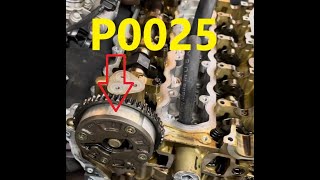
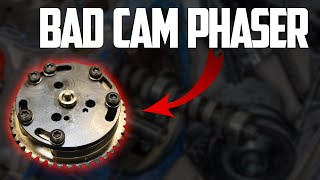
Est. part cost: $400-$800 - Failed CVVT Cam Phaser (Actuator) ⚪ Low Probability → Shop Engine Timing Gear The phaser is the gear on the end of the camshaft. It can fail mechanically, getting stuck in one position due to internal debris, a broken locking pin, or worn internal seals.
How to confirm: This is often diagnosed after replacing the OCV does not fix the code. A loud, diesel-like rattling noise on startup that goes away after a few seconds is a strong indicator of a failing phaser. Advanced diagnostics may involve using a scan tool to monitor commanded vs. actual cam angle.
Typical fix: Replace the Bank 2 exhaust cam phaser. This is a very involved repair that requires removing the timing cover and re-timing the engine.
Est. part cost: $150-$250
Rare But Worth Checking
- Clogged oil passages within the cylinder head or camshaft, restricting flow to the phaser.
- Wiring harness damage or corrosion at the OCV connector.
Diagnosis Steps
- Check Engine Oil: Verify the engine oil level is correct and the oil is clean. If it is low, dirty, or the wrong viscosity, perform an oil and filter change with OEM-spec 5W-30 full synthetic oil and a quality filter. Clear the code and test drive.
- Inspect OCV Wiring: If the code returns, inspect the electrical connector and wiring going to the Bank 2 (driver's side) exhaust OCV. The connector is on the valve cover. Look for damage, corrosion, or loose pins.
- Test/Replace the OCV: If wiring is intact, the OCV is the primary suspect. This requires removing the driver's side valve cover. You can test the resistance of the old OCV (should be ~6.7-7.7 ohms). Given the labor involved to access it, most mechanics and experienced owners recommend replacing it as a preventative measure.
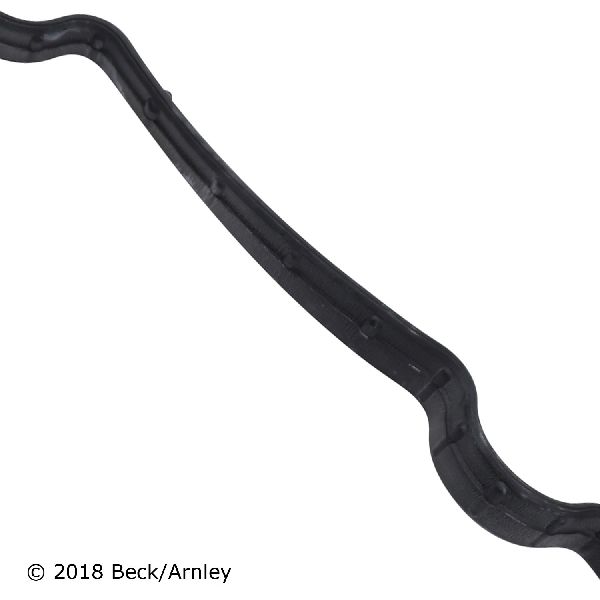
- Replace Valve Cover Gasket: When replacing the OCV, it is mandatory to also install a new valve cover gasket and spark plug tube seals to prevent oil leaks. Some mechanics also apply a small amount of RTV sealant at the corners where the timing cover meets the head.
- Inspect Timing Components: If a new OCV does not resolve the code, the issue is likely more serious. The next step is to inspect the timing chain for stretch and the cam phaser for damage. This is a complex job best left to a professional.
- Inspect Cam Phaser: While the valve cover is off, a visual inspection of the cam phaser can sometimes reveal issues, though many failures are internal.
Parts You'll Likely Need
- Engine Oil Control Valve (OCV), Bank 2 Exhaust
(OEM #24375-3CGA1)— This solenoid is the most common part to fail, either by clogging with sludge or electrical fault, directly causing the P0025 code. It is located under the valve cover.
Trusted brands: Hyundai (OEM), Mando
OEM price range: $90-$150
Aftermarket price range: $50-$100 - Valve Cover Gasket, Bank 2 (Driver's Side)
(OEM #22441-3CGA1)— This gasket must be replaced anytime the valve cover is removed to access the exhaust OCV, preventing future oil leaks.
Trusted brands: Hyundai (OEM), Fel-Pro, Mahle
OEM price range: $30-$50
Aftermarket price range: $20-$40 - Engine Oil and Filter
(OEM #Filter: 26320-3C30A)— The first and most important diagnostic step. Dirty, low, or incorrect viscosity oil is a primary cause of all CVVT-related fault codes.
Trusted brands: Hyundai/Kia OEM Filter, Pennzoil Platinum, Mobil 1
OEM price range: $50-$100
Aftermarket price range: $40-$80
Related Codes That Often Appear With This One
- P0024 — ('B' Camshaft Position - Timing Over-Advanced, Bank 2). This code relates to the same components (Bank 2 exhaust OCV and phaser). Seeing both may indicate an erratic OCV or severe oiling issue causing the phaser to get stuck or react incorrectly.
- P0015 — ('B' Camshaft Position - Timing Over-Retarded, Bank 1). If you see both P0025 and P0015, it suggests a problem affecting both exhaust camshafts, such as systemic low oil pressure, severe oil sludging, or an issue with an incorrectly installed oil filter.
Mechanic-Grade Diagnostic Values
- Exhaust Oil Control Valve (OCV) Coil Resistance — expected: 6.7 - 7.7 Ohms at 20°C (68°F). Failure: A reading of infinity (open circuit) or significantly outside the specified range indicates a failed solenoid coil.
- Scan Tool: Cam Position Error (Desired vs. Actual) — expected: Less than 15-20 degrees of difference.. Failure: The ECM will set the P0025 fault when the difference between the commanded camshaft position and the actual position exceeds a threshold of approximately 15-20 degrees for a set period of time.
Scan Tool Commands That Help
- Hyundai GDS (Global Diagnostic System): Actuation Test for CVVT Solenoid — This bidirectional test allows a technician to command the Bank 2 exhaust OCV to activate while the engine is running. A healthy system will cause the engine to stumble or run rough. If there is no change in engine operation, it confirms a fault in the OCV itself, the oil passages leading to it, or the cam phaser.
Wiring & Ground Locations
- Bank 2 Exhaust OCV Connector — On the top of the driver's side (Bank 2) valve cover. The OCV itself is located underneath the cover.. This is the primary external electrical connection for the Bank 2 exhaust OCV. Any corrosion, damage, or loose pins at this connector will prevent the ECM from controlling the valve, directly causing a P0025 code.
- Bank 2 Exhaust Camshaft Position Sensor (CMPS) — Located on the rear of the driver's side (Bank 2) cylinder head.. The ECM uses the signal from this sensor to monitor the actual position of the exhaust camshaft. While a sensor failure usually sets a different code, damage to its wiring could contribute to timing-related faults.
- Engine Control Module (ECM) — Typically located in the engine bay on the driver's side, near the firewall or battery.. The ECM is the source of the control signal for the OCV. A wiring fault between the ECM and the OCV connector would prevent the valve from operating correctly.
Real Owner Repair Stories
- Reddit user /u/jabber-w0cky on r/genesiscoupe (2010 Hyundai Genesis Coupe 3.8 GT, 98k miles) — RPM fluctuations of 100-200 at cruising speeds (1500-2k RPM), change in exhaust tone, shaking/bogging down.
❌ Tried (didn't work) A local shop replaced an 'oil control sensor' (presumably the OCV), spark plugs, and performed a fuel system cleaning.
✅ What actually fixed it The user reported the symptoms returned the day after the repair, even without the Check Engine Light immediately reappearing. Another user suggested the next step should be to inspect the camshaft phaser, as it could be faulty and stuck, which is the next logical step if a new OCV doesn't resolve the issue. The thread did not have a final confirmed fix from the original poster.
OEM Part Supersession History
24360-3CAA2→24375-3CGA1— Part number update/revision by Hyundai/Kia for the exhaust OCV.
Heads up: While they may appear similar, it is critical to use the part number specified for your exact year and engine (MPI vs. GDI) to ensure correct operation. Using the wrong OCV could lead to incorrect timing control.22441-3C710→22441-3CGA1— Part number update/revision for the Bank 2 (right side when viewed from front, but driver's side on a RWD car) valve cover gasket.
Model Year Variations Within This Range
- 2010-2012 (BK1) vs. 2013-2016 (BK2): The primary difference is the fuel delivery system: the BK1 3.8L uses Multi-Port Injection (MPI) while the BK2 3.8L uses Gasoline Direct Injection (GDI). This resulted in a significant power increase from 306 hp to 348 hp. While the fundamental CVVT system design and the location of the exhaust OCVs under the valve covers remain the same, some internal engine components like pistons were strengthened for the GDI engine. Part numbers for sensors and solenoids may differ, so verifying by VIN is crucial.
Diagnostic Flowchart
Other Known Issues on This Vehicle
Issues unrelated to this code that are worth knowing about as an owner of this generation:
- Manual Transmission Grind / Lockout 🟠 Medium — Very common, especially on BK1 (2010-2012) models. Often occurs shifting into 2nd, 3rd, or 5th gear. Can be improved with better fluid (e.g., Redline MT-85) and transmission mounts.
- Taillight Gasket Failure & Water Leak 🟡 Low — Extremely common. The foam gaskets for the taillights degrade, allowing water into the trunk and causing condensation in the lights. Often fixed with new gaskets or silicone sealant. (Ref: A general TSB (22-BD-002G) exists for condensation, but not a specific recall for this model's gasket failure.)
- Interior Trim Peeling/Fading 🟡 Low — Common complaint. The silver/chrome finish on the steering wheel, door handles, and center console is known to flake or peel off over time.
- Interior Rattles and Noises 🟡 Low — Frequently reported by owners. Rattles can develop from the dashboard, sunroof area, and other trim panels due to chassis flex and plastic components.
Used vs. New Parts: Buying Guide for This Vehicle
When a used part is the smart pick: Given the high failure rate and the significant labor required for access, buying a used Oil Control Valve (OCV) is generally not recommended. The risk of installing a used part that is already clogged or near the end of its life outweighs the cost savings. A used cam phaser could be considered if it comes from a very low-mileage, verified running engine with a clean maintenance history, but it is still a high-risk component.
Donor-vehicle mileage cap: roughly under 50000 miles for the part to have meaningful remaining life.
What to inspect on the donor part:
- For a cam phaser, look for a donor vehicle with no timing-related codes.
- Ask for the maintenance history of the donor car; regular oil changes are a must.
- Visually inspect the part for any signs of heavy sludge or varnish, which indicates poor maintenance.
OEM-only on this vehicle (don't cheap out):
- Oil Control Valve (OCV) / VVT Solenoid
- Camshaft Position Sensor
- Oil Filter Cartridge
Aftermarket brands forum-validated for this vehicle:
- Mando (often the OEM supplier for Hyundai)
- Fel-Pro (for gaskets)
- Mahle (for gaskets)
Brands owners have reported issues with on this vehicle:
- Unbranded, 'white-box' electronic parts from online marketplaces. Forum users frequently report that cheap, non-OEM sensors and solenoids either fail quickly or are dead-on-arrival.
Real Owner Stories
Aggregated from forums and TSBs cited above. Mileages and costs reflect what owners reported in those sources.
2010-2016 Hyundai Genesis Coupe 3.8L V6
Symptoms: Owner experienced both P0024 and P0025 codes.
What fixed it: Community discussion pointed towards faulty Oil Control Valves (OCVs) or the need for an oil change as the most likely solutions, noting the difficulty of accessing the exhaust-side valves.
Source hint: Gencoupe.com Forum Discussion on P0024/P0025
2010-2016 Hyundai Genesis Coupe 3.8L V6 — ~110000 miles
Symptoms: Owner reported a P0024 code, which is related to P0025.
What fixed it: The cause was confirmed to be timing component wear, specifically a stretched timing chain and worn guides, which is a more serious cause for these types of codes at higher mileage.
Source hint: Reddit r/genesiscoupe - P0024 Diagnosis
Related OBD-II Codes
Frequently Asked Questions
Where is the Bank 2 exhaust OCV located on my 3.8L Genesis Coupe?
What is the correct engine oil to use in my 2010-2016 Genesis Coupe to help prevent P0025?
If I'm replacing the exhaust OCV for code P0025, what other parts must I replace at the same time?
My Genesis Coupe makes a rattling noise on a cold start. Is this related to the P0025 code?
How can I test the Bank 2 exhaust OCV to see if it's bad?
Is this P0025 code a common problem on other Hyundai or Kia V6 models?
Helpful Videos
We Have This Part in Stock

The information in this article is provided for general reference and educational purposes only. Vehicle specifications, procedures, and part compatibility can vary by production date, trim level, and region. Always consult your vehicle's factory service manual and verify part numbers before purchasing or performing repairs. Safety-critical components such as airbags, seat belts, and braking systems should be installed by a qualified professional.
- Hyundai Genesis Coupe:
- 🧭 Diagnostic Flowchart
- 🎬 Helpful Videos
- 🛍️ Shop This Part
- What's Unique About the 2010-2016 Hyundai Genesis Coupe
- Symptoms You May Notice
- Most Likely Causes
- Rare But Worth Checking
- Diagnosis Steps
- Parts You'll Likely Need
- Related Codes That Often Appear With This One
- Mechanic-Grade Diagnostic Values
- Scan Tool Commands That Help
- Wiring & Ground Locations
- Real Owner Repair Stories
- OEM Part Supersession History
- Model Year Variations Within This Range
- Other Known Issues on This Vehicle
- Used vs. New Parts: Buying Guide for This Vehicle
- Real Owner Stories
- 2010-2016 Hyundai Genesis Coupe 3.8L V6
- 2010-2016 Hyundai Genesis Coupe 3.8L V6 — ~110000 miles
- Related OBD-II Codes
- Frequently Asked Questions
- 🎟️ Get 5% Off