

P0025 on 2010-2016 Hyundai Genesis Coupe 3.8L: Exhaust Timing Over-Retarded Causes and Fixes
On a 2010-2016 Genesis Coupe 3.8L, P0025 is almost always caused by low or dirty engine oil, or a faulty Bank 2 (driver's side) exhaust Oil Control Valve (OCV). An oil change is the first step. If that doesn't work, replacing the OCV is the likely fix, which costs around $70-$150 for the part but requires 2-3 hours of labor as it's under the valve cover.
- Always check your engine oil level and condition first. A simple oil change with full synthetic 5W-30 oil and an OEM filter resolves many CVVT-related codes.
- The most likely failed part is the Bank 2 (driver's side) exhaust Oil Control Valve (OCV).
- Replacing the exhaust OCV is a labor-intensive job because it is located underneath the valve cover, requiring the gasket to be replaced as well.
What's Unique About the 2010-2016 Hyundai Genesis Coupe
The 3.8L Lambda V6 engine's CVVT system is highly sensitive to oil pressure and cleanliness. Because of this, low, dirty, or incorrect viscosity oil is a primary trigger for the P0025 code. A key characteristic of this platform is the location of the exhaust Oil Control Valve (OCV); it is situated underneath the valve cover, making its replacement a more involved job than on many other engines where it is externally accessible.
Generation note: This range covers both the BK1 (2010-2012) and BK2 (2013-2016) generations. The BK2 features a Gasoline Direct Injection (GDI) version of the 3.8L engine, which can be more prone to oil contamination, potentially leading to more frequent clogging of OCV filters. However, the fundamental causes and fixes for P0025, including the difficult-to-access exhaust OCV, remain the same across both generations.
Symptoms You May Notice
- Check Engine Light is on
- Rough idle or engine running rough
- Engine RPM 'hunting' or fluctuating at idle, sometimes between 600-1000 RPM 🎬 Watch: How to diagnose and fix a hunting engine idle
- Poor acceleration and reduced engine power
- Potential for engine stalling, especially at low speeds
- Reduced fuel economy
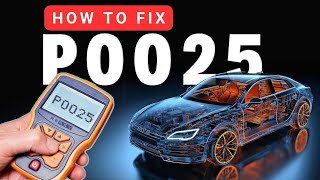
- Replacing the Camshaft Position Sensor. The sensor's job is to report the camshaft's position. It is accurately reporting that the timing is over-retarded. The sensor itself is rarely the cause of this specific code. 🎬 Watch: A complete diagnostic breakdown of the P0025 code
Most Likely Causes
- Low, Dirty, or Incorrect Viscosity Engine Oil 🔴 High Probability The CVVT system is hydraulic and extremely sensitive to oil pressure and cleanliness. Sludge from infrequent oil changes can clog the tiny passages in the OCV and cam phaser. The GDI version of this engine (2013-2016) can be more susceptible to oil contamination.
How to confirm: Check the oil level on the dipstick and examine the oil's condition. If it is low, black, or sludgy, it needs to be changed.
Typical fix: Perform an engine oil and filter change using a high-quality, full synthetic 5W-30 oil and an OEM-spec filter. Ensure the cartridge filter and its center pin are installed correctly, as improper installation can cause system-wide oil pressure issues.
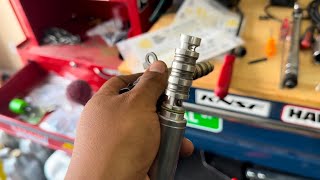
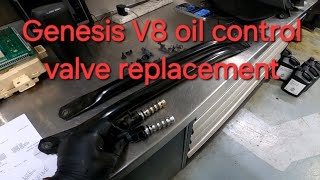
Est. part cost: $40-$80 - Faulty Bank 2 Exhaust Oil Control Valve (OCV) 🔴 High Probability → Shop Engine Variable Valve Timing (VVT) Solenoid The OCV (also called a VVT solenoid) is a common failure point. 🎬 See this step-by-step guide on replacing the oil control valve It can become clogged with sludge or debris from the engine oil, or it can fail electrically.
How to confirm: After confirming the oil is clean and full, the OCV is the next suspect. It can be tested for resistance with a multimeter; the specification is approximately 6.7-7.7 ohms at 68°F (20°C). A definitive test is to swap it with the Bank 1 exhaust OCV; if the code changes to P0015, the OCV is faulty. This requires removing both valve covers.
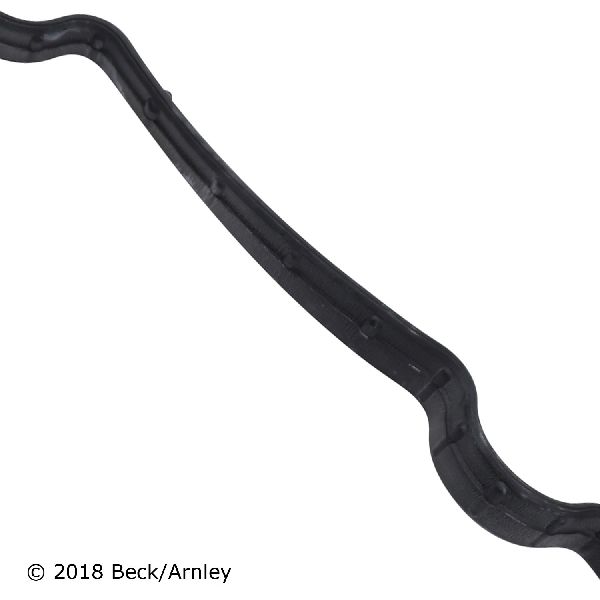
Typical fix: Replace the Bank 2 (driver's side) exhaust Oil Control Valve. Since this requires removing the valve cover, the valve cover gasket and spark plug tube seals must also be replaced to prevent leaks.
Est. part cost: $70-$150 for the OCV, $25-$50 for the gasket
Rare But Worth Checking
- Stretched Timing Chain or Worn Timing Components: → Shop Engine Timing Chain At higher mileage (typically over 100,000 miles), the timing chain can stretch or the guides/tensioners can wear out. This is often preceded by a distinct rattling noise on cold startups. This is a much more complex and expensive repair that can also trigger codes like P0008.
- Failed CVVT Cam Phaser: → Shop Engine Timing Gear The phaser itself, which is the gear on the end of the camshaft, can become stuck or damaged due to sludge or internal failure. This usually causes a rattling or diesel-like noise, especially on startup. This is a significant repair requiring timing chain removal.
Diagnosis Steps
- Check the engine oil level and condition. If it is low, dirty, or the wrong viscosity, perform an oil and filter change with the manufacturer-recommended oil. Clear the code and see if it returns.
- If the oil is clean and full, inspect the wiring and connector for the Bank 2 (driver's side) exhaust Oil Control Valve (OCV) for any damage or corrosion. The connector is located on the valve cover.
- If the wiring is okay, the OCV is the most likely culprit. The most definitive test is to swap the Bank 2 exhaust OCV with the Bank 1 exhaust OCV. This requires removing both valve covers. If the code changes to P0015, the OCV you moved is bad and needs to be replaced.
- As a preliminary check before removing the valve cover, you can test the OCV's resistance at the connector. It should be between 6.7 and 7.7 ohms.
- If the OCV is not the issue, listen for a rattling noise from the front of the engine on a cold start. This could indicate a stretched timing chain or a bad CVVT phaser, which would require professional diagnosis.
Parts You'll Likely Need
- Bank 2 Exhaust Oil Control Valve (OCV)
(OEM #24375-3CGA1)— This solenoid is the most common part to fail, either by clogging with sludge or through an electrical fault, directly causing the P0025 code.
Trusted brands: Hyundai (OEM), Kia (OEM), Mando, Dorman
OEM price range: $80-$150
Aftermarket price range: $50-$100 - Bank 2 (Driver's Side) Valve Cover Gasket
(OEM #22441-3CGA1)— This gasket must be replaced anytime the valve cover is removed to access the exhaust OCV, which is required to fix this code.
Trusted brands: Hyundai (OEM), Fel-Pro, Mahle
OEM price range: $25-$40
Aftermarket price range: $15-$30 - Engine Oil and Filter
(OEM #26320-3C30A (Filter))— Low, dirty, or incorrect oil is the leading cause of all CVVT-related fault codes. An oil change is the first and most critical diagnostic step.
Trusted brands: Hyundai (OEM Filter), Mobil 1, Pennzoil, Castrol
OEM price range: $15-$25 (Filter)
Aftermarket price range: $40-$80 (Oil & Filter Kit)
Related Codes That Often Appear With This One
- P0024 — This code is for 'B' Camshaft Position - Timing Over-Advanced (Bank 2). Since it relates to the same components (Bank 2 exhaust OCV and phaser), seeing both may indicate an erratic OCV or a severe oiling issue causing the phaser to get stuck.
- P0015 — This is the same 'over-retarded' code but for Bank 1. If you see both P0025 and P0015, it points to a problem affecting both exhaust camshafts, such as systemic low oil pressure or severe oil sludging. An incorrectly installed oil filter cartridge is a known cause for this combination on this platform.
Technical Service Bulletins (TSBs) & Recalls
- Hyundai TSB 09-EM-002: While not for this specific vehicle or code, this TSB provides the generic diagnostic procedure for Hyundai Oil Control Valves (OCVs), including the resistance check (specifying 6.7-7.7 ohms) and a direct 12V power application test to check for mechanical movement of the valve. This procedure is directly applicable to diagnosing the OCV in the Genesis Coupe.
Platform-Specific Known Issues
- Incorrect Oil Filter Installation: The 3.8L engine uses a cartridge-style oil filter. If the filter or the plastic center cage inside the housing is installed incorrectly or damaged, it can lead to severe oil pressure problems that trigger CVVT codes like P0025. This is a common mistake made at non-specialist shops.
- Hunting Idle: A very common symptom reported by owners with P0024/P0025 codes is a 'hunting' or surging idle, where the RPMs fluctuate between approximately 600 and 1000 RPM as the computer struggles to maintain stable timing.
Mechanic-Grade Diagnostic Values
- Bank 2 Exhaust OCV Coil Resistance — expected: 6.7 - 7.7 Ohms @ 20°C (68°F) for GDI engines (2013-2016). 9.4 - 10.4 Ohms @ 20°C (68°F) for MPI engines (2010-2012).. Failure: A reading of infinity (open circuit), zero (short circuit), or a value significantly outside the specified range for the engine type.
- Scan Tool Live Data: Cam Position Error — expected: The difference between 'Cam Actual Position' and 'Cam Desired Position' should be less than 15-20 degrees.. Failure: A persistent difference greater than 15 CAD (Crankshaft Angle Degrees) will trigger the fault code.
Scan Tool Commands That Help
- Hyundai GDS (Global Diagnostic System): Active Test / CVVT Control — This function allows a technician to command the OCV solenoid to a specific duty cycle (e.g., 100%) while monitoring engine RPM and live cam position data. A change in engine note or RPM indicates the CVVT phaser is mechanically responding. If the engine sound doesn't change, it points to a stuck phaser, a clogged oil passage, or a non-functional OCV, helping to differentiate between a mechanical and electrical fault.
Wiring & Ground Locations
- Bank 2 Exhaust OCV Connector — On the front of the driver's side valve cover. The exhaust OCV connector is typically for the lower of the two solenoids on that side.. This is the primary point for testing the OCV's resistance without removing the valve cover and for checking the control signal from the ECM.
- ECM (Engine Control Module) — Located in the engine compartment, typically at the left rear near the firewall or battery.. The ECM sends the control signal to the OCV. Testing for continuity between the appropriate pin at the ECM connector and the OCV connector can rule out a wiring harness break.
- Engine/Chassis Grounds — Key grounds are located at the left rear of the engine and on the cowl above the brake booster. A main ground strap connects the engine block to the chassis frame, often near the crank pulley.. A poor engine ground can cause a host of electrical issues, including erratic sensor and solenoid behavior. Verifying a clean, tight ground connection is a crucial step in diagnosing any electrical fault.
Real Owner Repair Stories
- Toyotanation forum user (with shared 2GR-FE engine design principles) (2007 Toyota Sienna V6) — P0025 code and an intermittent startup rattle.
❌ Tried (didn't work) Initial replacement of the Bank 2 exhaust OCV with an aftermarket part.
✅ What actually fixed it The P0025 code returned shortly after installing the new aftermarket OCV. The technician then swapped the new aftermarket OCV with the old OEM OCV from the other bank (Bank 1). The trouble code followed the aftermarket part (changing to P0015). Replacing the faulty new aftermarket solenoid with a genuine OEM (Denso) part permanently resolved the issue, highlighting the risk of poor quality control in some aftermarket electronic parts.
OEM Part Supersession History
24360-3CAA2→24375-3CGA1— Part revision and update by the manufacturer for improved performance or reliability.
Heads up: While both may fit, it is critical to use the part number specified for the GDI (BK2, 2013-2016) vs MPI (BK1, 2010-2012) engines, as internal calibration may differ. The valve cover gaskets also have different part numbers between MPI (22441-3C110) and GDI (22441-3CGA1) engines.
Model Year Variations Within This Range
- 2013-2016 (BK2): The BK2 generation uses a Gasoline Direct Injection (GDI) version of the 3.8L Lambda V6. This engine has a higher compression ratio (11.5:1 vs 10.4:1 for the MPI BK1) and is generally considered more susceptible to oil contamination and sludge due to the nature of direct injection. This can increase the likelihood of OCV screens clogging. The OCV resistance specification also differs from the earlier MPI engine.
Diagnostic Flowchart
Other Known Issues on This Vehicle
Issues unrelated to this code that are worth knowing about as an owner of this generation:
- GDI Engine Intake Valve Carbon Buildup 🟠 Medium — Common on 2013-2016 GDI models, typically requiring cleaning every 60,000-80,000 miles. Causes rough idle, misfires (P0300), and power loss.
- Timing Chain Tensioner Wear 🔴 High → Shop Engine Timing Chain — Can occur at higher mileage (80,000-120,000+ miles), often presenting as a brief rattling noise on cold startups. If ignored, can lead to stretched chain and serious engine damage (P0008 code).
- Manual Transmission Second Gear Lockout 🟠 Medium — A widely reported issue where shifting into second gear, especially during aggressive driving or when cold, is difficult or impossible. Often addressed with upgraded transmission mounts.
- Taillight Gasket Failure / Water Leak 🟡 Low — Extremely common across all years. The foam gaskets for the taillights degrade, allowing water to enter the taillight housing and potentially the trunk.
- Interior Chrome Finish Peeling 🟡 Low — The chrome-like finish on interior plastic pieces (door handles, steering wheel trim, cupholders) is known to flake and peel over time.
Used vs. New Parts: Buying Guide for This Vehicle
When a used part is the smart pick: For this repair, using a used part is generally not recommended for the Oil Control Valve (OCV) itself. However, if other components like the valve cover were damaged during the repair, a used valve cover from a reputable salvage yard is a perfectly acceptable and cost-effective replacement.
Donor-vehicle mileage cap: roughly under 80000 miles for the part to have meaningful remaining life.
What to inspect on the donor part:
- For an OCV, avoid used parts entirely due to the high risk of internal sludge and electrical wear.
- If sourcing a valve cover, ensure there are no cracks, especially around bolt holes.
- Verify the donor vehicle was not in a severe front-end collision that could have damaged engine components.
OEM-only on this vehicle (don't cheap out):
- Oil Control Valve (OCV) / VVT Solenoid: While good aftermarket options exist, owner and mechanic experiences strongly suggest that using a genuine Hyundai/Kia OEM part minimizes the risk of premature failure or out-of-box defects.
- Oil Filter: Using an OEM Hyundai oil filter (P/N 26320-3C30A) is highly recommended by the enthusiast community. Some aftermarket filters have been linked to startup rattle and oil pressure issues that can trigger CVVT codes.
Aftermarket brands forum-validated for this vehicle:
- Mando: Mando is an OEM supplier for Hyundai/Kia for many parts, including suspension and brake components. Their OCVs are generally considered a reliable alternative to dealer parts.
Brands owners have reported issues with on this vehicle:
- Unbranded / 'White-box' parts: Avoid generic, no-name OCVs from online marketplaces. While inexpensive, they have a high failure rate and can lead to repeated repairs.
- Dorman: While Dorman offers a wide range of 'OE-Fix' parts, some owners have reported quality control issues with the rubber components (like boots and seals) on their products, which could be a concern for the seals on an OCV.
Real Owner Stories
Aggregated from forums and TSBs cited above. Mileages and costs reflect what owners reported in those sources.
2010 Hyundai Genesis Coupe 3.8L
Symptoms: The car went into limp mode and threw the P0025 code.
What fixed it: The owner followed the standard diagnostic path, starting with an oil change and then checking the OCV.
Source hint: Gencoupe.com - 'P0025 Code Help'
2010 Hyundai Genesis Coupe 3.8L
Symptoms: Experienced both over-advanced and over-retarded timing codes (P0024 and P0025).
What fixed it: The community identified the OCVs as the likely culprit, noting the difficulty of accessing the exhaust-side valves under the valve covers.
Source hint: Gencoupe.com - 'P0024 and P0025'
2010 Hyundai Genesis Coupe 3.8L
Symptoms: Reported RPM fluctuations (hunting idle) and engine bogging.
What fixed it: The owner confirmed the fix was replacing the Bank 2 exhaust OCV after an initial oil change.
Source hint: Reddit r/genesiscoupe - 'P0025 Code'
Related OBD-II Codes
Frequently Asked Questions
Does Hyundai TSB 09-EM-002 apply to my Genesis Coupe 3.8L for diagnosing P0025?
Why is my 3.8L Lambda engine 'hunting' between 600 and 1000 RPM at idle?
Can a simple oil filter change fix a P0025 code on my 2013 Genesis Coupe?
Is the Bank 2 Exhaust Oil Control Valve easy to replace on the 3.8L V6?
Should I use 5W-30 oil for my 2015 GDI Genesis Coupe to prevent P0025?
How can I be sure the OCV is the problem before buying a new one?
Helpful Videos
We Have This Part in Stock

The information in this article is provided for general reference and educational purposes only. Vehicle specifications, procedures, and part compatibility can vary by production date, trim level, and region. Always consult your vehicle's factory service manual and verify part numbers before purchasing or performing repairs. Safety-critical components such as airbags, seat belts, and braking systems should be installed by a qualified professional.
- Hyundai Genesis Coupe:
- 🧭 Diagnostic Flowchart
- 🎬 Helpful Videos
- 🛍️ Shop This Part
- What's Unique About the 2010-2016 Hyundai Genesis Coupe
- Symptoms You May Notice
- Most Likely Causes
- Rare But Worth Checking
- Diagnosis Steps
- Parts You'll Likely Need
- Related Codes That Often Appear With This One
- Technical Service Bulletins (TSBs) & Recalls
- Platform-Specific Known Issues
- Mechanic-Grade Diagnostic Values
- Scan Tool Commands That Help
- Wiring & Ground Locations
- Real Owner Repair Stories
- OEM Part Supersession History
- Model Year Variations Within This Range
- Other Known Issues on This Vehicle
- Used vs. New Parts: Buying Guide for This Vehicle
- Real Owner Stories
- 2010 Hyundai Genesis Coupe 3.8L
- 2010 Hyundai Genesis Coupe 3.8L
- 2010 Hyundai Genesis Coupe 3.8L
- Related OBD-II Codes
- Frequently Asked Questions
- 🎟️ Get 5% Off