

P0025 on 2008-2011 Lexus GS460: Exhaust Camshaft Timing Over-Retarded Causes and Fixes
On a 2008-2011 Lexus GS460, code P0025 is most often caused by a faulty or clogged Bank 2 (driver's side) exhaust Oil Control Valve (VVT solenoid). Start by checking your engine oil level and condition, then inspect and likely replace the solenoid, which costs about $70-$150 for an OEM part. Cleaning or replacing the small OCV filter is also a crucial and inexpensive step.
- First, check your oil. Low, old, or incorrect viscosity oil is a primary cause of P0025.
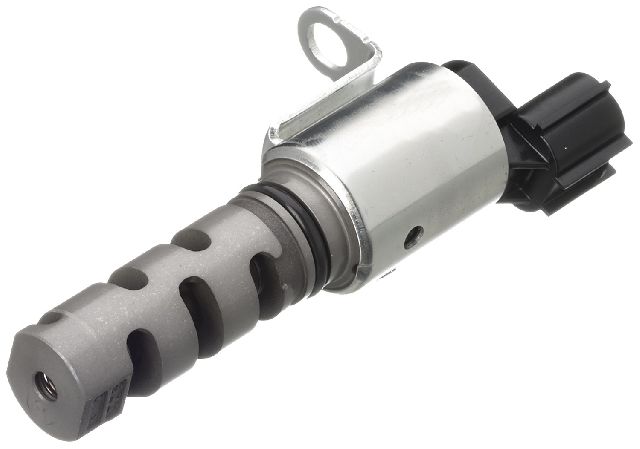
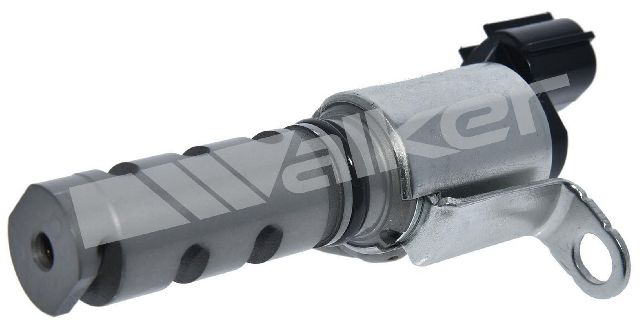
- The most likely failed part is the Bank 2 (driver's side) exhaust Oil Control Valve (OCV), part #15330-0S010.
- A simple and effective diagnostic is to swap the driver's side exhaust OCV with the passenger's side OCV to see if the code follows the part (changing to P0015).
- While you are servicing the OCV, always remove and clean the small mesh filter that supplies it with oil.
- This code relates to the hydraulic exhaust VVT system, not the electric VVT-iE intake system.
What's Unique About the 2008-2011 Lexus GS460
The 1UR-FSE V8 engine in the GS460 features a sophisticated "Dual VVT-i" system. What's unique is that it uses two different technologies: VVT-iE (an electric motor) controls the *intake* camshafts for fast, precise adjustments independent of oil pressure, while a conventional hydraulic, oil-pressure-driven system controls the *exhaust* camshafts. Since P0025 relates to the exhaust cam ('B' camshaft), the problem lies within the hydraulic circuit, making oil quality, the oil control valve (OCV), and its filter the primary focus, not the more complex electric VVT-iE motors.
Symptoms You May Notice
- Check Engine Light is on
- Rough or unstable idle
- Engine may be hard to start
- Reduced engine power and poor acceleration
- Engine hesitation or bucking
- Stalling at low speeds or when stopping
- Increased fuel consumption
- Engine knocking or pinging sound, as reported by an LS460 owner with the same engine and code
- Replacing the Camshaft Position Sensor. This sensor is usually reliable. It is correctly reading that the timing is wrong; it is not the cause of the wrong timing. A bad sensor would typically trigger a different code related to the sensor circuit itself.
- Replacing the VVT-iE motor. People may confuse the intake and exhaust VVT systems. The P0025 code on this engine is for the hydraulic exhaust cam, so the electric VVT-iE intake motor is not involved.
Most Likely Causes
- Low, Dirty, or Incorrect Viscosity Engine Oil 🔴 High Probability The exhaust VVT system is entirely dependent on clean oil of the correct viscosity (SAE 0W-20 or 5W-20) to function. Sludge or low pressure directly impacts the system's ability to adjust timing. Debris in the oil is a common reason for the OCV to stick or its passages to become obstructed.
How to confirm: Check the oil level on the dipstick and inspect the oil's color and consistency. If it's low, black, or thick, it needs to be changed. The 1UR-FSE engine has a large oil capacity of over 7 quarts, so low oil levels can significantly impact pressure.
Typical fix: Perform an engine oil and filter change using a high-quality, full synthetic oil that meets Lexus specifications.
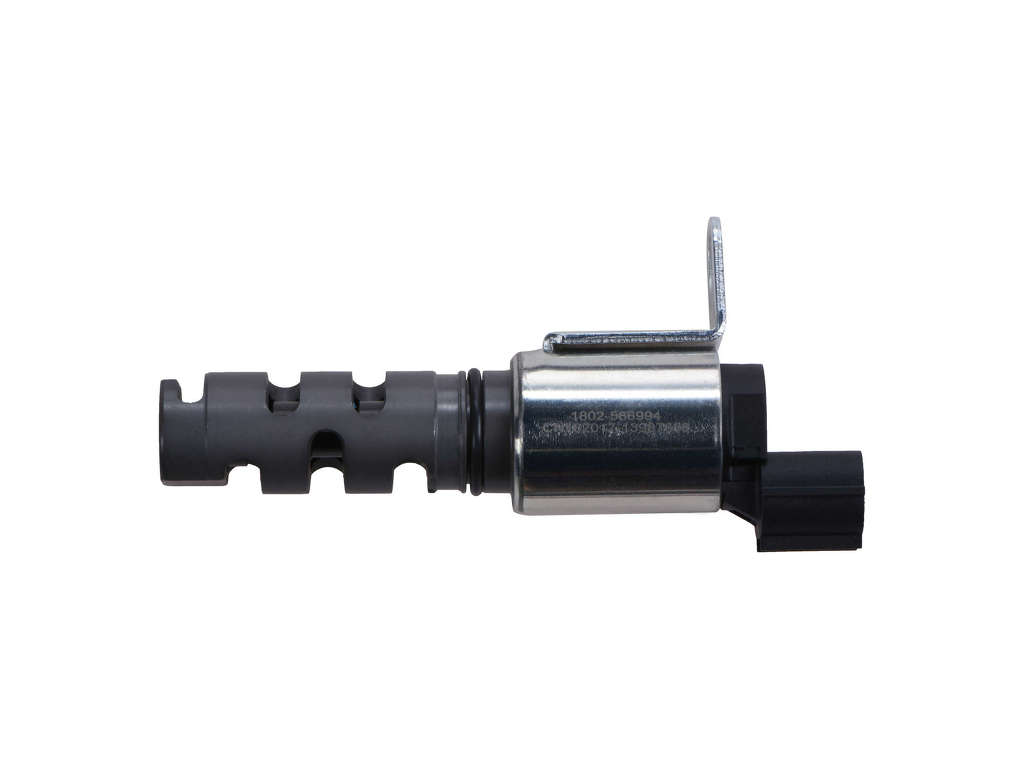
Est. part cost: $50-$100 - Failed Bank 2 Exhaust Oil Control Valve (VVT Solenoid) 🔴 High Probability → Shop Engine Variable Valve Timing (VVT) Solenoid These solenoids are a common failure point across many Toyota/Lexus models. They can get clogged with debris from the oil or fail electrically, causing them to stick open or closed. This directly prevents the ECM's commands from being carried out.
How to confirm: Swap the Bank 2 (driver's side) exhaust OCV with the Bank 1 (passenger's side) exhaust OCV. Clear the codes and drive the vehicle. If the code changes to P0015 (Bank 1 Over-Retarded), the solenoid is confirmed bad. You can also test it by applying 12V power to see if the internal valve clicks, or check its resistance with a multimeter (typically 6.9-7.9 ohms).
Typical fix: Replace the faulty Oil Control Valve.
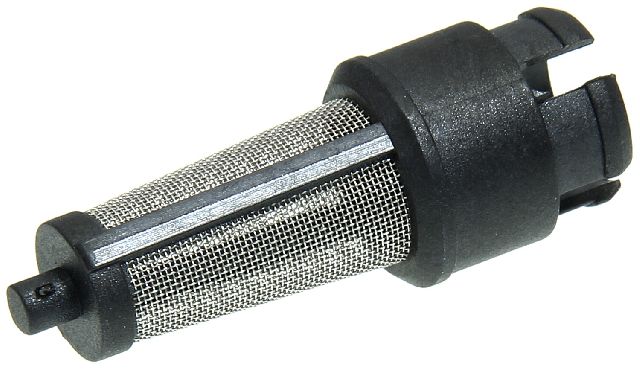
Est. part cost: $70-$180 - Clogged VVT Solenoid Filter (OCV Filter) 🟡 Medium Probability Each OCV is protected by a small, thimble-like filter screen that can become clogged with sludge, restricting oil flow to the solenoid and VVT phaser. This is a very common issue, especially if oil change intervals have been extended.
How to confirm: The filter is located near the OCV, typically under a banjo bolt or a separate plug. On the 1UR-FSE, it is often located in the oil line union leading to the OCV. Remove the bolt/plug and extract the filter. Visually inspect it for blockage. It may be difficult to access on the V8.
Typical fix: Clean the filter thoroughly with brake cleaner or replace it. It is an inexpensive part and should always be checked when replacing an OCV.
Est. part cost: $10-$25
Rare But Worth Checking
- Failed Camshaft Timing Gear Assembly (VVT Phaser/Actuator): → Shop Engine Camshaft If the OCV and oil are good, the mechanical phaser on the end of the camshaft may be stuck. This is a more complex and expensive repair that involves removing the valve cover and potentially the timing chain.
- Stretched Timing Chain or Failed Tensioner: → Shop Engine Timing Chain While the 1UR-FSE has a durable timing chain, very high mileage or severe oil sludge can cause chain stretch or tensioner issues, leading to incorrect base timing that the VVT system cannot overcome.
- Wiring or Connector Issues: Damage to the wiring harness or corrosion in the connector for the Bank 2 exhaust OCV can cause an open or short circuit, preventing the solenoid from actuating.
Diagnosis Steps
- Check Engine Oil: Verify the oil level is full and the oil is clean. The 1UR-FSE engine has a large capacity, so ensure it is properly filled. If in doubt, perform an oil and filter change with the correct viscosity oil (SAE 0W-20 or 5W-20).
- Scan for Codes: Use a quality OBD-II scanner to confirm P0025 is the primary code. Note any other codes present, like P0174 or P0019. Check for any manufacturer-specific detail codes using a tool like Techstream.
- Inspect Connectors: Check the electrical connector for the Bank 2 (driver's side) exhaust OCV for any damage, corrosion, or loose connection.
- Swap OCVs: The easiest diagnostic test is to swap the Bank 2 exhaust OCV with the Bank 1 exhaust OCV. They are the same part. Clear the codes and drive. If the fault returns as P0015, you have confirmed the OCV is the problem.
- Inspect OCV Filter: Before replacing the OCV, locate the small filter screen for the Bank 2 OCV. On many Toyota/Lexus V8s, this is located in the oil line union near the valve. Remove and inspect it for sludge or debris. Clean or replace as needed.
- Test OCV directly: If you don't swap them, you can remove the suspect OCV and apply 12V to its terminals. You should hear and feel a distinct 'click' as the valve actuates. A sluggish or silent valve is faulty. Resistance should be between 6.9 and 7.9 ohms.
- Advanced Diagnostics: If the OCV and filter are good, the issue may be mechanical. This involves using a diagnostic tool like Techstream to perform an active test on the OCV circuit and monitor live data. If that passes, checking the camshaft phaser and timing chain is the next step, which is best left to a professional.
Parts You'll Likely Need
- Engine Oil Control Valve (VVT Solenoid)
(OEM #15330-38010 (superseded by 15330-0S010))— This solenoid is the most common point of failure, either electrically or by getting clogged with oil debris, directly causing the over-retarded timing condition.
Trusted brands: Denso (OEM), Aisin
OEM price range: $70-$150
Aftermarket price range: $30-$80 - VVT Solenoid Filter
(OEM #15678-20010)— This small screen filters oil for the VVT solenoid and can become clogged with sludge, starving the system of oil pressure. It's an inexpensive part that is wise to clean or replace when servicing the OCV.
Trusted brands: Genuine Lexus, Dorman (e.g., 926-126, verify fitment)
OEM price range: $15-$25
Aftermarket price range: $5-$15
Related Codes That Often Appear With This One
- P0174 — Bank 2 System Too Lean. A ClubLexus forum member with an LS460 (same 1UR-FSE engine) reported this code alongside P0025. Incorrect exhaust valve timing can disrupt air/fuel mixture calculations, potentially leading to a lean or rich condition on that bank.
- P0015 — 'B' Camshaft Position - Timing Over-Retarded (Bank 1). This code will appear if you swap a faulty Bank 2 OCV to Bank 1 for diagnostic purposes.
- P0019 — Crankshaft Position - Camshaft Position Correlation (Bank 2 Sensor B). This code can appear with P0025, indicating a more significant timing discrepancy between the crank and the bank 2 exhaust cam.
Platform-Specific Known Issues
- Real-World Diagnosis on a 1UR-FSE: A ClubLexus user with a 2007 LS460 (same engine) experienced code P0025 along with P0174 (Bank 2 Lean) and an engine knock. They first replaced the VVT solenoid and changed the oil, which temporarily resolved the issue, but the codes and knock returned. This indicates that if a new solenoid doesn't fix the problem, the root cause could be more severe, such as a failing camshaft actuator (phaser) or a timing chain issue, or even oil pressure problems related to other seals in the valvetrain.
Mechanic-Grade Diagnostic Values
- Exhaust OCV (VVT Solenoid) Resistance — expected: 6.9 - 7.9 Ω at 68°F (20°C). Failure: A reading outside this range indicates a faulty solenoid coil.
- Techstream Mode 6 Monitor Data for 'VVT stuck' — expected: Less than 9.5 seconds. Failure: A test value of 9.5 seconds or more indicates the VVT system is responding too slowly and will flag a fault.
- Techstream Active Test - OCV Operation — expected: Engine RPM should change noticeably when the OCV is commanded ON or OFF.. Failure: No change in engine RPM suggests a stuck OCV, clogged oil passage, or a failed VVT phaser.
- OCV Control Circuit Continuity — expected: < 1.0 Ω (ideally < 0.2 Ω). Failure: High resistance indicates corrosion or a break in the wiring between the ECM and the OCV.
Hidden / Shadow Codes Worth Checking
- INF 59: This is a 'Detail Code' or 'Information Code' that can accompany P0025. It specifically points to 'VVT Controller Stuck Malfunction', helping to distinguish between a simple circuit fault and a mechanical issue with the VVT system. (see via Toyota Techstream or a compatible high-end professional scan tool.)
Scan Tool Commands That Help
- Toyota Techstream: Active Test: 'Control the VVT Exhaust Linear (Bank 2)' — Use this bidirectional command to manually operate the Bank 2 exhaust OCV with the engine idling. It is the definitive way to test if the solenoid is responding to commands from the ECM and if the oil passages are clear enough to affect engine timing.
Wiring & Ground Locations
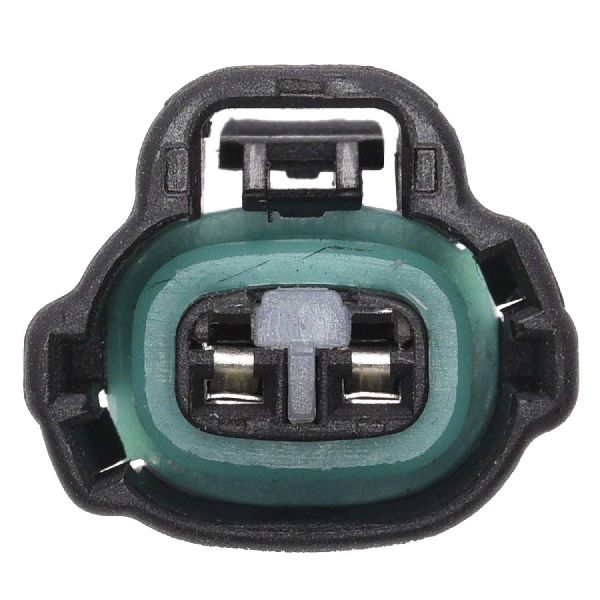
- Bank 2 Exhaust OCV Connector — On the top of the driver's side (Bank 2) cylinder head cover, connected to the exhaust VVT solenoid.. This is the 2-pin connector for the solenoid. A wiring diagram for the GS460 shows wires going to the ECM. Damage or corrosion here will prevent the solenoid from receiving power and ground, directly causing P0025.
- Engine Ground Points (e.g., E2) — Various points on the engine block and cylinder heads, typically bolted to the chassis. For the 1UR-FSE, key grounds are located on the left and right sides of the engine compartment.. The ECM and its sensors rely on clean ground connections. A corroded or loose engine ground can cause erratic sensor readings and actuator behavior, potentially contributing to timing codes, although it's a less common cause for a specific code like P0025.
Real Owner Repair Stories
- ClubLexus user 'jaydfresh' (2007 Lexus LS460 (1UR-FSE engine) with 149,000 miles) — Engine knock/ping under light load, Check Engine Light with codes P0025 and P0174 (Bank 2 Lean), delayed acceleration.
❌ Tried (didn't work) Replaced the Bank 2 exhaust VVT solenoid (OCV)., Performed an engine oil change.
✅ What actually fixed it The issue was not resolved by the common fixes. An independent Lexus shop was unable to find the cause and recommended a dealer visit, suspecting a more serious issue with the camshaft actuators (phasers) or the timing chains, requiring valve cover removal for further diagnosis. This highlights a scenario where the root cause is mechanical and beyond a simple solenoid replacement.
When the Usual Fixes Don't Work
- In a case documented on ClubLexus for the same 1UR-FSE engine, a user with P0025 and an engine knock replaced the OCV solenoid and changed the oil. While this is the most common fix, the problem returned shortly after. This demonstrates that while the OCV is the highest probability cause, a persistent P0025 code can be a symptom of a deeper mechanical issue like a failing VVT phaser or timing chain problem, which are significantly more expensive and labor-intensive to resolve.
OEM Part Supersession History
15330-38010→15330-0S010— The exact reason for the supersession is not officially documented, but it is a common practice for parts consolidation or minor manufacturing improvements. Both parts are interchangeable.
Heads up: There are no known incompatibilities. Some forum users speculate the manufacturing location may have changed, but both OEM part numbers are considered reliable.
Diagnostic Flowchart
Other Known Issues on This Vehicle
Issues unrelated to this code that are worth knowing about as an owner of this generation:
- Coolant Valley Plate Leak 🔴 High — Common on 1UR/2UR/3UR engines, often appearing after 100,000 miles. A pink crusty residue in the engine valley is a key sign.
- Melting / Sticky Dashboard and Interior Panels 🟠 Medium — Widespread issue on many Lexus/Toyota models from this era due to material degradation from heat and humidity. (Ref: Lexus initiated a Warranty Enhancement Program (ZLD/ZLZ), but it has since expired for this model year.)
- Brake Actuator Failure 🔴 High — A known, though not universal, issue on this generation of GS/LS. It is an expensive repair if it fails outside of warranty. (Ref: An extended warranty was offered for some models, but its applicability may vary.)
- Starter Motor Failure 🟠 Medium — Some owners report failure around 150,000-170,000 miles. Due to the tight engine bay of the V8, replacement is labor-intensive.
- Suspension Rattles and Worn Struts 🟡 Low — Owners report rattles from the dash and suspension, often after 50,000-100,000 miles. The factory adjustable (AVS) shocks are expensive to replace, with many owners opting for non-adjustable KYB struts from the GS350 as an alternative.
Used vs. New Parts: Buying Guide for This Vehicle
When a used part is the smart pick: For the Oil Control Valve (VVT Solenoid), a used part from a reputable salvage yard with a known low-mileage donor vehicle can be a cost-effective option. It is an external, bolt-on part that is relatively easy to replace if the used part is faulty.
Donor-vehicle mileage cap: roughly under 100000 miles for the part to have meaningful remaining life.
What to inspect on the donor part:
- Ensure the electrical connector is not cracked or brittle.
- Inspect the solenoid screen (if visible) for metal shavings or heavy sludge.
- Ask for a short warranty period (e.g., 30 days) from the seller.
OEM-only on this vehicle (don't cheap out):
- Camshaft Timing Gear Assembly (VVT Phaser/Actuator)
- Timing Chain and Tensioners
- Engine Control Module (ECM)
Aftermarket brands forum-validated for this vehicle:
- Denso (often the original OEM manufacturer)
- Aisin (another OEM supplier for Toyota/Lexus)
Brands owners have reported issues with on this vehicle:
- Unnamed or 'white box' brands from online marketplaces are a gamble for critical engine timing components. It is generally recommended to stick with OEM or OEM-supplier brands.
Real Owner Stories
Aggregated from forums and TSBs cited above. Mileages and costs reflect what owners reported in those sources.
2007 Lexus LS460 1UR-FSE 4.6L V8
Symptoms: Check Engine Light with code P0025, accompanied by P0174 (Bank 2 Lean) and an engine knock.
What fixed it: Replacing the VVT solenoid and performing an oil change only resolved the issue temporarily. The codes and the knock returned, indicating the root cause was likely a more severe mechanical issue, such as a failing camshaft actuator (phaser) or a timing chain problem.
Source hint: ClubLexus - "Code P0025 and engine knock"
Related OBD-II Codes
Frequently Asked Questions
What is the correct engine oil to use in my GS460 to prevent code P0025?
Where is the Bank 2 exhaust VVT solenoid located on the 1UR-FSE engine?
Is it a good idea to swap the VVT solenoids on my GS460 to diagnose P0025?
Should I check the small OCV filter before replacing the entire VVT solenoid?
I have a P0025 code and also hear an engine knock. What could this mean for my GS460?
My Lexus is a 2008 model. Does the expired dashboard warranty enhancement program (ZLD/ZLZ) affect this P0025 code?
We Have This Part in Stock


The information in this article is provided for general reference and educational purposes only. Vehicle specifications, procedures, and part compatibility can vary by production date, trim level, and region. Always consult your vehicle's factory service manual and verify part numbers before purchasing or performing repairs. Safety-critical components such as airbags, seat belts, and braking systems should be installed by a qualified professional.
- Lexus GS460:
- 🧭 Diagnostic Flowchart
- 🛍️ Shop This Part
- What's Unique About the 2008-2011 Lexus GS460
- Symptoms You May Notice
- Most Likely Causes
- Rare But Worth Checking
- Diagnosis Steps
- Parts You'll Likely Need
- Related Codes That Often Appear With This One
- Platform-Specific Known Issues
- Mechanic-Grade Diagnostic Values
- Hidden / Shadow Codes Worth Checking
- Scan Tool Commands That Help
- Wiring & Ground Locations
- Real Owner Repair Stories
- When the Usual Fixes Don't Work
- OEM Part Supersession History
- Other Known Issues on This Vehicle
- Used vs. New Parts: Buying Guide for This Vehicle
- Real Owner Stories
- 2007 Lexus LS460 1UR-FSE 4.6L V8
- Related OBD-II Codes
- Frequently Asked Questions
- 🎟️ Get 5% Off