

P0025 on 2020-2021 Lincoln Aviator 3.0L V6: Exhaust Cam Timing Causes and Fixes
For a 2020-2021 Lincoln Aviator, P0025 is almost always caused by low/dirty engine oil or a sticking Bank 2 (driver's side) exhaust VCT solenoid. Before buying parts, check the oil. If an oil change doesn't fix it, the solenoid is the next likely culprit, costing about $40-$100. This is a well-documented issue in Ford/Lincoln service bulletins.
- P0025 on a 2020-2021 Aviator means the driver's side exhaust camshaft timing is lagging.
- Your first and most important step is to check the engine oil level and condition. A simple oil change with the correct full synthetic oil can often fix the problem.
- If an oil change doesn't work, the most likely culprit is a sticking Bank 2 (driver's side) exhaust VCT solenoid, a known issue on this engine.
- Before replacing the solenoid, a professional scan tool can be used to cycle it multiple times, which may clear the debris causing the problem.
- If the solenoid replacement doesn't fix it, the issue could be a more serious mechanical problem like a stretched timing chain, which has been seen on similar Ford V6 engines.
What's Unique About the 2020-2021 Lincoln Aviator
The 3.0L Twin-Turbo V6 in the Aviator, part of Ford's 'Nano' EcoBoost engine family, features a sophisticated Variable Camshaft Timing (VCT) system that is highly dependent on oil pressure and cleanliness. Ford and Lincoln have issued Technical Service Bulletins (TSBs) acknowledging that codes like P0025 are frequently caused by small debris in the oil that causes the VCT solenoids to stick. This makes a sticking solenoid a very probable cause on this specific engine, often more likely than a major mechanical failure. A Lincoln technician on a forum noted that Aviators can have unique and frustrating failures, setting them apart even from other Ford products.
🎬 Watch: A deep dive into 3.0 EcoBoost reliability and common issues.Symptoms You May Notice
- Check Engine Light is on
- Rough or unstable idle
- Engine may be hard to start
- Reduced engine power and poor acceleration
- Decreased fuel economy
- Engine stalling, especially when coming to a stop
- Engine hesitation
- Replacing the Camshaft Position Sensor. The sensor is usually doing its job by accurately reporting the timing problem. The code indicates a mechanical timing issue (retarded position), not an electrical sensor failure.
Most Likely Causes
- Low, Dirty, or Incorrect Viscosity Engine Oil 🔴 High Probability The VCT system is hydraulic and extremely sensitive to oil quality and pressure. TSBs for this engine family frequently cite oil debris as the root cause for VCT-related codes. Using an oil other than the specified full synthetic SAE 5W-30 (meeting Ford spec WSS-M2C961-A1) can also cause issues.
How to confirm: Check the engine oil dipstick. The level should be between the 'min' and 'max' marks. Inspect the oil's color and consistency; it should not be black, gritty, or sludgy. Verify service records for the last oil change.
Typical fix: Perform an engine oil and filter change using the manufacturer-specified full-synthetic SAE 5W-30 oil and a high-quality oil filter (e.g., Motorcraft FL-500S). Clear the code and see if it returns.
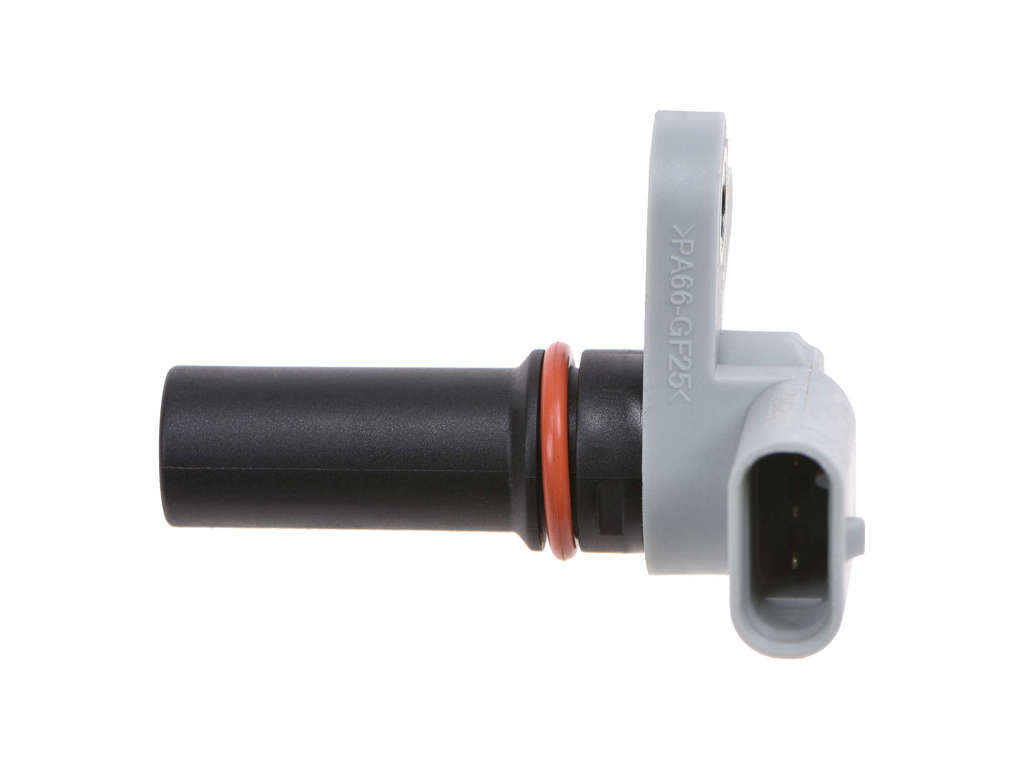
Est. part cost: $50-$100 - Failing Bank 2 Exhaust VCT Solenoid 🔴 High Probability → Shop Engine Variable Valve Timing (VVT) Solenoid As noted in Ford/Lincoln TSBs (like SSM 50067), these solenoids are known to stick or fail due to small particles in the oil, preventing them from accurately controlling oil flow to the cam phaser. This is the most common component failure for this code.
How to confirm: After confirming the oil is clean and full, this is the next logical step. A professional can use a scan tool to monitor the commanded vs. actual cam angle or even swap the intake and exhaust solenoids on Bank 2 to see if the code changes to P0022 (intake over-retarded).
Typical fix: Replace the Bank 2 (driver's side) exhaust VCT solenoid. Since the solenoid is under the valve cover, the valve cover gasket must also be replaced to prevent leaks.
Est. part cost: $40-$100
Rare But Worth Checking
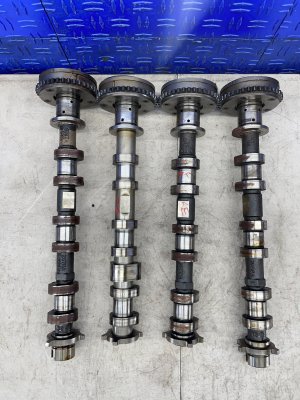
- Damaged Camshaft Phaser: → Shop Engine Camshaft While less common than a solenoid failure, the mechanical phaser at the end of the camshaft can fail. The 3.0L EcoBoost family has known issues with cam phaser rattle on cold starts (a diesel-like rattle), which is a primary symptom of a failing phaser. This is a more complex and expensive repair.
- Stretched Timing Chain or Worn Guides: → Shop Engine Timing Chain Over time, the timing chain can stretch, or the guides can wear, leading to incorrect base timing that the VCT system cannot overcome. This is usually accompanied by rattling noises from the front of the engine, especially on startup.
- Wiring Issue at VCT Solenoid Connector: → Shop Engine Variable Valve Timing (VVT) Solenoid Damage or oil contamination in the 2-pin connector for the VCT solenoid can interrupt the signal from the PCM, causing the solenoid to malfunction. A visual inspection of the harness is warranted, especially given the recall for harness chafing near the A/C compressor (Recall 21S44).
Diagnosis Steps
- Check engine oil level and condition. If low, dirty, or overdue for a change, perform an oil and filter change with the correct OEM-specified oil first.
- Connect an OBD-II scanner to verify the P0025 code and check for any other related codes, such as P0019.
- Using a scan tool with live data, monitor the commanded vs. actual camshaft position for the Bank 2 exhaust cam. A significant lag confirms the issue.
- Use the scan tool's bidirectional controls to command the Bank 2 exhaust VCT solenoid on and off. Per TSB SSM 50067, cycling the solenoid multiple times may dislodge debris and temporarily fix the issue, confirming a sticking solenoid.
- If the solenoid is suspected, inspect the electrical connector and wiring for damage or oil saturation.
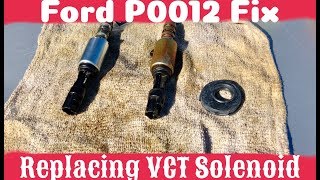
- If the wiring is good, the next step is to replace the Bank 2 exhaust VCT solenoid. 🎬 See this walkthrough on how to replace a sticking VCT solenoid.
- If a new solenoid does not fix the issue, more advanced mechanical diagnosis is needed. Listen for a cold-start rattle which would point towards a failing camshaft phaser or timing chain components.
Parts You'll Likely Need
- Variable Camshaft Timing (VCT) Solenoid
(OEM #FT4Z-6M280-B (supersedes FT4Z-6M280-A))— This is the most common part to fail for this code on this engine, typically by sticking due to oil debris, as acknowledged in manufacturer TSBs.
Trusted brands: Motorcraft, Dorman
OEM price range: $60-$100
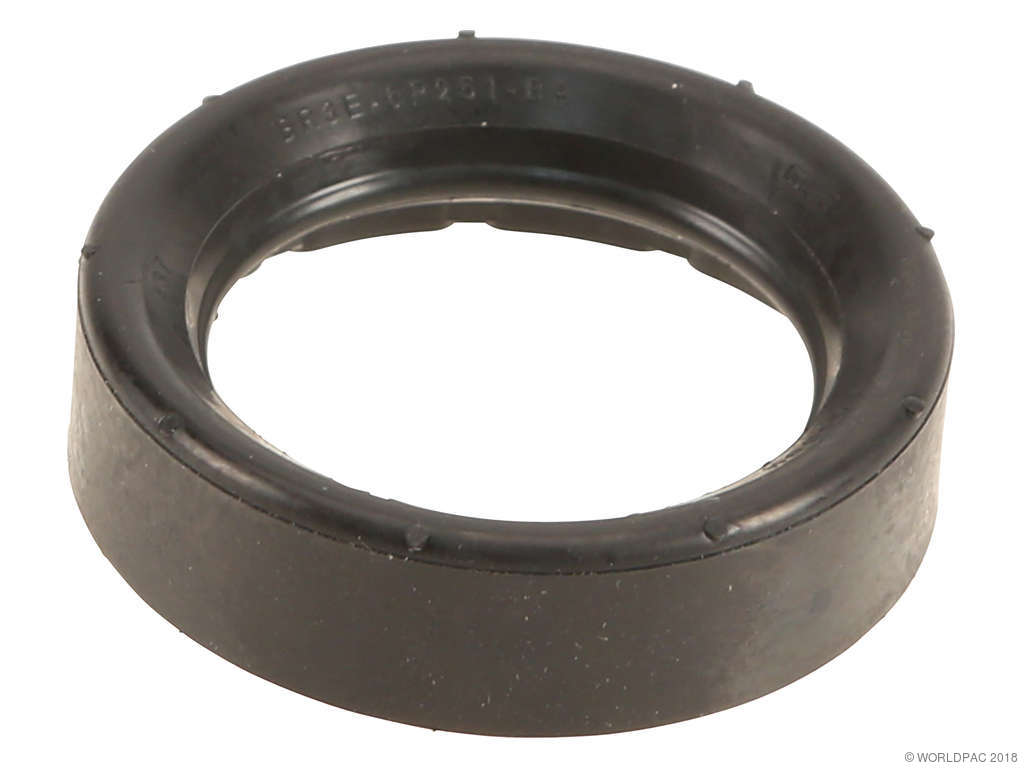
Aftermarket price range: $40-$80 - Valve Cover Gasket (Bank 2) — The VCT solenoids are located under the valve cover. The gasket is a one-time-use part and must be replaced to prevent oil leaks after accessing the solenoid.
Trusted brands: Motorcraft, Fel-Pro
OEM price range: $50-$80
Aftermarket price range: $30-$60 - Engine Oil and Filter — Low, dirty, or incorrect viscosity oil is a primary cause of VCT system malfunctions and this code. An oil change is a critical first step.
Trusted brands: Motorcraft, Mobil 1, Castrol
OEM price range: $50-$100
Aftermarket price range: $40-$80
Related Codes That Often Appear With This One
- P0019 — This code for 'Crankshaft Position - Camshaft Position Correlation Bank 2 Sensor B' often appears with P0025. If the cam timing is retarded, its correlation with the crankshaft will also be incorrect, triggering P0019.
- P0015 — This is the same over-retarded code but for Bank 1 (passenger's side). If both P0015 and P0025 are present, it strongly suggests a global issue like low/dirty oil or low oil pressure affecting the entire engine's VCT system.
Technical Service Bulletins (TSBs) & Recalls
- SSM 50067: Suggests P0025 may be caused by small debris causing the VCT solenoid to stick and advises a diagnostic cycling test with a scan tool to attempt to clear debris before component replacement. This TSB covers a wide range of 2015-2021 Ford and Lincoln vehicles.
- SSM 54366: Notes updated diagnostic pinpoint tests for a range of VCT codes including P0025, directing technicians to specific workshop manual procedures.
- TSB 22-2133: While written for 2.0L engines, its procedure for replacing the long block due to coolant intrusion highlights Ford's broader strategy for dealing with internal engine contamination issues that can affect oil-sensitive systems like VCT.
Platform-Specific Known Issues
- The 3.0L EcoBoost/Twin-Turbo V6 is known for the sensitivity of its VCT system to oil quality. Ford has issued multiple TSBs (such as SSM 50067 and SSM 54366) that address diagnostic procedures for VCT codes including P0025, often pointing to debris in the oil as the cause.
- A related TSB (22-2133) for similar Ford engines outlines an engine oil flush procedure to combat sludge and debris, further highlighting the importance of oil cleanliness for this engine family.
Mechanic-Grade Diagnostic Values
- VCT Solenoid Internal Resistance — expected: 6.9 to 7.9 Ohms at 68°F (20°C).. Failure: A reading of 0 ohms (short circuit) or OL/infinite (open circuit) indicates a failed solenoid.
- VCT Solenoid Connector Voltage (Key On, Engine Off) — expected: Battery voltage (approximately 12V) should be present at the power supply pin.. Failure: Voltage less than 10.5V points to a wiring issue, blown fuse, or problem with the PCM power relay.
- Engine Oil Pressure at Hot Idle — expected: Minimum of 15 PSI.. Failure: Pressure below the minimum specification can cause widespread VCT system malfunctions, including setting P0025.
- Scan Tool PID: VCT_EXH_ERR2 (Bank 2 Exhaust Cam Error) — expected: Should hover near 0 degrees at idle.. Failure: A consistent deviation greater than +/- 5 degrees at idle confirms a timing error and points to a mechanical, hydraulic, or solenoid issue.
Hidden / Shadow Codes Worth Checking
- Mode 6, Test ID $81: This test specifically monitors the Bank 2 variable camshaft timing position. A failure in this monitor can indicate an emerging VCT system issue before a persistent Check Engine Light and code like P0025 is set. (see via An advanced consumer scan tool with Mode 6 capabilities or a professional tool like Ford's IDS.)
Scan Tool Commands That Help
- Ford IDS or FORScan: VCT Solenoid Bidirectional Control / Output State Control (Pinpoint Test HK) — As recommended in TSB SSM 50067, this command cycles the solenoid on and off multiple times (e.g., 10 times) to dislodge small debris. If running this test temporarily resolves the code, it strongly confirms a sticking solenoid is the root cause, potentially avoiding an unnecessary replacement.
- Ford IDS or FORScan: Datalogger with VCT PIDs (e.g., VCT_EXH_ERR2, VCTDC2) — For diagnosing intermittent or complex VCT issues. By logging the VCT error and duty cycle PIDs during a drive, a technician can see exactly when the timing deviation occurs, helping to distinguish between a constantly stuck component and an intermittent wiring or pressure issue.
Wiring & Ground Locations
- Bank 2 Exhaust VCT Solenoid Connector — On the front of the driver's side (Bank 2) valve cover, plugging directly into the solenoid.. This 2-pin connector is the direct interface for the component most likely to fail. Check for oil contamination from a leaking valve cover gasket, corrosion, or damaged wires before replacing the solenoid.
- G105 (example) — On similar Ford platforms, a key engine ground (like G105) is located on the left (driver's) side of the engine compartment.. The PCM controls the VCT solenoid by modulating the ground signal. A poor or corroded engine ground can cause intermittent and incorrect solenoid operation, leading to timing codes like P0025. Verifying clean and tight main engine grounds is a crucial step in diagnosing electrical faults.
Real Owner Repair Stories
- Ford Edge Forum user (2016 Ford Edge Sport 2.7L EcoBoost (similar V6 architecture)) — Check Engine Light with codes P0019 and P0025.
❌ Tried (didn't work) Replaced all four VCT solenoids, Performed multiple oil changes
✅ What actually fixed it The timing chain had stretched. A technician replaced the timing chain, tensioners, and guides to resolve the codes.
When the Usual Fixes Don't Work
- While a sticking VCT solenoid is the most common fix, it is not a guaranteed solution. In a documented case on a similar Ford EcoBoost V6 engine, an owner with P0025 and a related correlation code (P0019) replaced all VCT solenoids and performed multiple oil changes with no success. The ultimate root cause was found to be a stretched timing chain, which required a major mechanical repair to fix. This highlights that if the common, high-probability fixes do not work, a more serious base timing issue should be investigated, especially if rattling noises are present.
OEM Part Supersession History
FT4Z-6M280-A→FT4Z-6M280-B— The exact reason for the revision is not publicly documented, but part supersessions typically indicate an improvement in design, materials, or manufacturing process to increase reliability and address known failure points, such as susceptibility to debris or internal coil failure.
Model Year Variations Within This Range
- 2020-2021: There are no significant mechanical or electrical differences reported between the 2020 and 2021 Lincoln Aviator models with the 3.0L V6 that would affect the cause, diagnosis, or repair of code P0025. Both years use the same engine, VCT system, and primary components.
Diagnostic Flowchart
Other Known Issues on This Vehicle
Issues unrelated to this code that are worth knowing about as an owner of this generation:
- Rearview Camera Malfunction 🟠 Medium — Widespread enough to trigger multiple recalls (e.g., 23V-342). The image may fail, become distorted, or show a blue screen. (Ref: Multiple recalls issued, including for incorrect repairs of a previous recall.)
- Wiring Harness Chafing 🔴 High — A recall was issued for the 3.0L gasoline engine models where a wiring harness was not properly secured and could contact the A/C compressor pulley, potentially causing a short circuit and fire risk. (Ref: NHTSA Recall 21V622000 / Ford Recall 21S44.)
- Premature 12V Battery Failure / Alternator Issues 🟠 Medium — Owners have reported premature failure of the 12V battery, sometimes leading to a cascade of electrical issues or vehicle shutdown. Some owners suspect issues with the 'smart' charging system not adequately charging the battery during short trips. (Ref: No specific TSB, but owner forums contain multiple reports of this issue.)
- Intake Valve Fracture 🔴 High — A recall was issued for some 2021-2022 models with the 3.0L engine due to intake valves that could fracture, potentially leading to catastrophic engine failure. (Ref: Recall mentioned in TSBs related to the engine family.)
- Loose Motor Mount Fasteners 🔴 High — A recall was issued for 2020-2021 models because the right-hand motor mount fasteners may have been incorrectly tightened and could loosen over time. (Ref: Ford Recall 21C09.)
Used vs. New Parts: Buying Guide for This Vehicle
When a used part is the smart pick: For this specific repair, using used parts is not recommended for any of the core functional components. A used valve cover (if undamaged) or engine cover could be considered, but the primary failure parts should be purchased new.
What to inspect on the donor part:
- Not applicable as used parts are not recommended for the VCT system.
OEM-only on this vehicle (don't cheap out):
- VCT Solenoid: Given the system's sensitivity to debris and oil flow, and the existence of updated part numbers, using a new OEM (Motorcraft) solenoid (FT4Z-6M280-B) is the most reliable choice.
- Camshaft Phaser: If required, this is a critical timing component. Aftermarket phasers have a poor reputation for reliability in many Ford engines; use OEM only.
- Timing Chain/Guides: These are critical wear items that determine engine longevity. Using new OEM or OEM-supplier parts is essential for a lasting repair.
Aftermarket brands forum-validated for this vehicle:
- Valve Cover Gasket: Fel-Pro is a highly reputable brand for gaskets and seals.
- VCT Solenoid (if OEM is unavailable): Standard Motor Products (SMP) and Gates are generally considered reliable aftermarket alternatives. Dorman is also widely available but can have mixed reviews depending on the specific part.
Brands owners have reported issues with on this vehicle:
- No-name or unbranded VCT solenoids and timing components from online marketplaces should be avoided. The risk of premature failure is high and can lead to more extensive engine damage.
Real Owner Stories
Aggregated from forums and TSBs cited above. Mileages and costs reflect what owners reported in those sources.
2021 Lincoln Aviator 3.0L V6
Symptoms: The Check Engine Light came on, and the engine had a rough, unstable idle. There was also noticeable hesitation during acceleration.
What fixed it: The technician followed the procedure in TSB SSM 50067. Using a scan tool, they cycled the Bank 2 exhaust VCT solenoid multiple times, which successfully dislodged internal debris and cleared the code without needing to replace the part.
Source hint: TSB SSM 50067
2022 Ford Bronco Raptor 3.0L V6 — ~32000 miles
Symptoms: Owner reported a distinct cold-start rattle along with the Check Engine Light, which showed a VCT-related code.
What fixed it: Diagnosis revealed a premature cam phaser failure, which is part of the same timing system that triggers code P0025. The cam phaser had to be replaced.
Source hint: platform_mates section regarding 2022-2024 Ford Bronco Raptor
Related OBD-II Codes
Frequently Asked Questions
My mechanic mentioned TSB SSM 50067 for my 2020 Aviator's P0025 code. What does it recommend?
What is the correct engine oil for my 2021 Lincoln Aviator 3.0L to avoid issues like P0025?
I have a P0025 code. What is the most common part that fails on the 3.0L V6 engine?
Is the P0025 problem unique to the Lincoln Aviator, or do other vehicles have it?
My Aviator has a P0025 code and I hear a rattling noise when I start it cold. What could this indicate?
How can a technician confirm the VCT solenoid is the problem without replacing it first?
Helpful Videos

Used OEM Parts in Stock
New Aftermarket Parts Available


The information in this article is provided for general reference and educational purposes only. Vehicle specifications, procedures, and part compatibility can vary by production date, trim level, and region. Always consult your vehicle's factory service manual and verify part numbers before purchasing or performing repairs. Safety-critical components such as airbags, seat belts, and braking systems should be installed by a qualified professional.
- Lincoln Aviator:
- 🧭 Diagnostic Flowchart
- 🎬 Helpful Videos
- 🛍️ Shop This Part
- What's Unique About the 2020-2021 Lincoln Aviator
- Symptoms You May Notice
- Most Likely Causes
- Rare But Worth Checking
- Diagnosis Steps
- Parts You'll Likely Need
- Related Codes That Often Appear With This One
- Technical Service Bulletins (TSBs) & Recalls
- Platform-Specific Known Issues
- Mechanic-Grade Diagnostic Values
- Hidden / Shadow Codes Worth Checking
- Scan Tool Commands That Help
- Wiring & Ground Locations
- Real Owner Repair Stories
- When the Usual Fixes Don't Work
- OEM Part Supersession History
- Model Year Variations Within This Range
- Other Known Issues on This Vehicle
- Used vs. New Parts: Buying Guide for This Vehicle
- Real Owner Stories
- 2021 Lincoln Aviator 3.0L V6
- 2022 Ford Bronco Raptor 3.0L V6 — ~32000 miles
- Related OBD-II Codes
- Frequently Asked Questions
- 🎟️ Get 5% Off