

P0025 on 2006-2012 Toyota RAV4 3.5L V6: Exhaust Cam Timing Fixes
On the 2006-2012 RAV4 V6, P0025 is most often caused by low or dirty engine oil, or a failing Bank 2 exhaust Oil Control Valve (OCV), also called a VVT solenoid. Bank 2 is the cylinder bank by the radiator, making this specific OCV easy to access. Always check the oil level and condition first. Replacing the OCV is a common DIY fix, with a quality Denso part costing between $50 and $150.
- Before buying any parts, check your engine oil. An oil and filter change is the cheapest and most common fix.
- P0025 refers to the exhaust camshaft on Bank 2, which is the cylinder bank closer to the radiator on your RAV4.
- The most likely failed part is the Bank 2 exhaust Oil Control Valve (OCV/VVT Solenoid).
- A simple way to confirm a bad OCV is to swap it with the OCV from Bank 1 and see if the trouble code follows the part (changing to P0015).
What's Unique About the 2006-2012 Toyota RAV4
The Toyota 2GR-FE engine's VVT-i system is generally robust but extremely sensitive to oil quality and level. Many reported cases of P0025 on this engine are resolved with a simple oil change, as sludge can clog the small passages in the Oil Control Valves (OCVs). Additionally, 2006-2009 models were fitted with a VVT-i oil line for Bank 1 that had a rubber section prone to rupturing. A sudden failure of this line causes catastrophic oil loss, which can trigger timing codes for both banks, including P0025. Verifying this line has been updated to the all-metal version (P/N 15772-31030) is a critical inspection point.
🎬 Watch: Step-by-step VVT oil line replacement guideSymptoms You May Notice
- Check Engine Light is on
- Rough or fluctuating idle
- Reduced engine power and poor acceleration
- Engine may be hard to start
- Increased fuel consumption
- Engine may stall
- Traction Control (VSC) light may also illuminate
- Replacing the camshaft position sensor without testing. A sensor failure usually produces a different set of codes.
- Replacing the VVT phaser (a costly repair) before thoroughly diagnosing the much cheaper and more common OCV/solenoid failure.
- Using a low-quality aftermarket OCV/solenoid, which may be faulty out of the box or fail prematurely, leading to the code's return.
Most Likely Causes
- Low or Dirty Engine Oil 🔴 High Probability The VVT-i system is hydraulic and highly sensitive to oil pressure, viscosity, and cleanliness. Sludge from delayed oil changes is a very common cause of blockages in the OCV screens and passages, leading directly to timing deviation codes.
How to confirm: Check the engine oil dipstick for level and condition. If the oil is below the 'add' mark, black, thick, or gritty, it needs to be changed immediately.
Typical fix: Change the engine oil and filter using the manufacturer-recommended viscosity (typically 5W-30). Clear codes and perform a test drive.
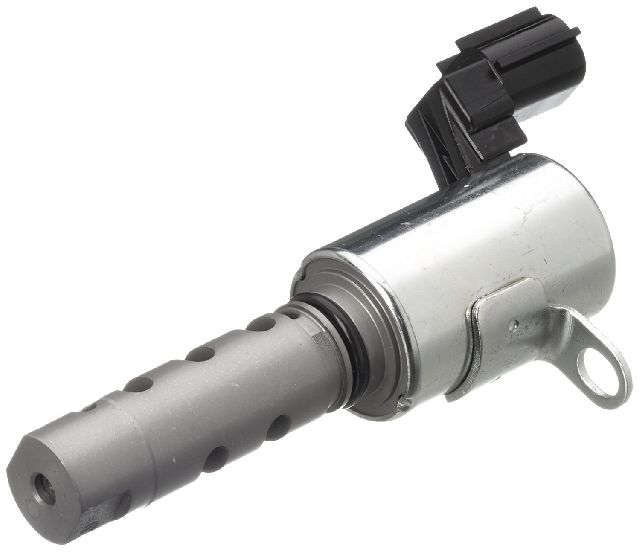
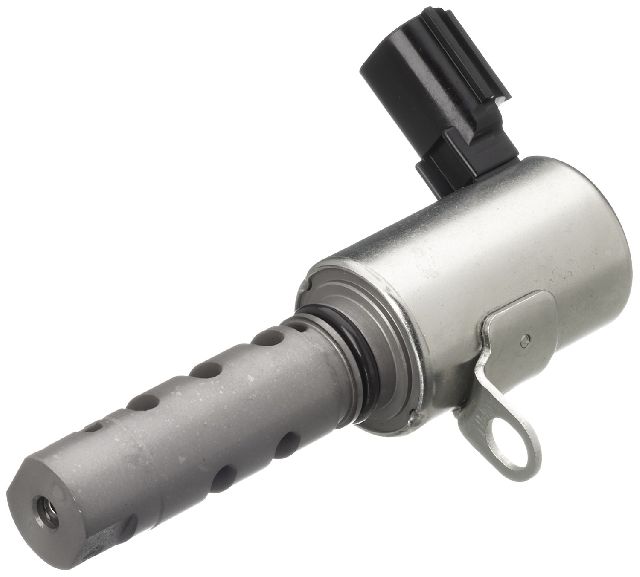
Est. part cost: $40-$80 - Faulty Bank 2 Exhaust Oil Control Valve (OCV) / VVT Solenoid 🔴 High Probability → Shop Engine Variable Valve Timing (VVT) Solenoid This solenoid controls the oil flow to the camshaft phaser. It can become clogged with sludge or fail electrically, causing it to get stuck. It's the most commonly replaced part for this code after an oil change fails to resolve the issue.
How to confirm: Swap the Bank 2 exhaust OCV with the Bank 1 exhaust OCV. Clear the codes and drive the vehicle. If the code changes to P0015 (the Bank 1 equivalent), the OCV is faulty. You can also test the solenoid's resistance with a multimeter (should be 6.9-7.9 ohms at 68°F).
Typical fix: Replace the Bank 2 exhaust Oil Control Valve. It is highly recommended to use an OEM (Toyota) or OEM-supplier (Denso, Aisin) part, as cheap aftermarket solenoids are known to fail quickly.
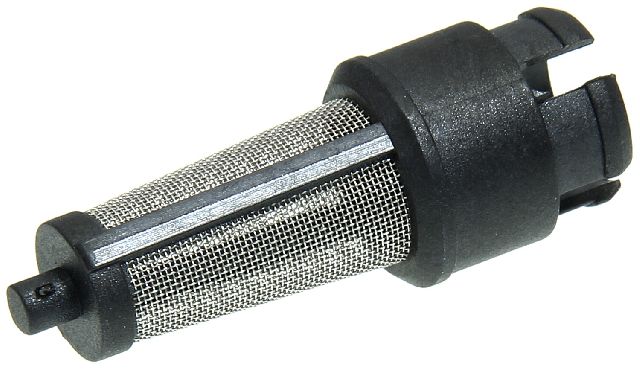
Est. part cost: $50-$150 - Clogged OCV Filter Screen 🟡 Medium Probability A small filter screen is located in the cylinder head beneath the OCV to protect it from debris. This screen can become clogged with sludge, restricting oil flow to the valve and cam phaser even if the OCV itself is functional. 🎬 Watch: Quick DIY fix for Toyota P0025
How to confirm: When the OCV is removed for inspection or replacement, inspect the filter screen in the cylinder head. Check if it is clogged with debris.
Typical fix: Carefully remove and clean the filter screen with brake cleaner. If it is damaged or cannot be cleaned, it should be replaced. This is a very inexpensive part.
Est. part cost: $5-$15
Rare But Worth Checking
- Failed VVT Camshaft Phaser (Actuator): → Shop Engine Camshaft The gear at the end of the camshaft can fail internally and get stuck. This is a more complex and expensive repair that should be considered after ruling out oil issues and a faulty OCV. A ticking noise accompanying the code can point towards a faulty phaser.
- Stretched Timing Chain or Failed Tensioner: → Shop Engine Timing Chain While less common on the 2GR-FE, significant wear in the timing components can cause the camshaft timing to be off, triggering the code. This usually presents with rattling noises on startup.
- Faulty Camshaft Position Sensor: → Shop Engine Camshaft Position Sensor This is an unlikely cause for P0025 alone, as a failing sensor typically triggers its own specific codes (e.g., P0349). However, it remains a remote possibility if other codes are present.
Diagnosis Steps
- Check Engine Oil: Verify the oil level is correct and the oil is clean. If low or dirty, perform an oil and filter change, clear the code, and see if it returns. This is the number one fix.
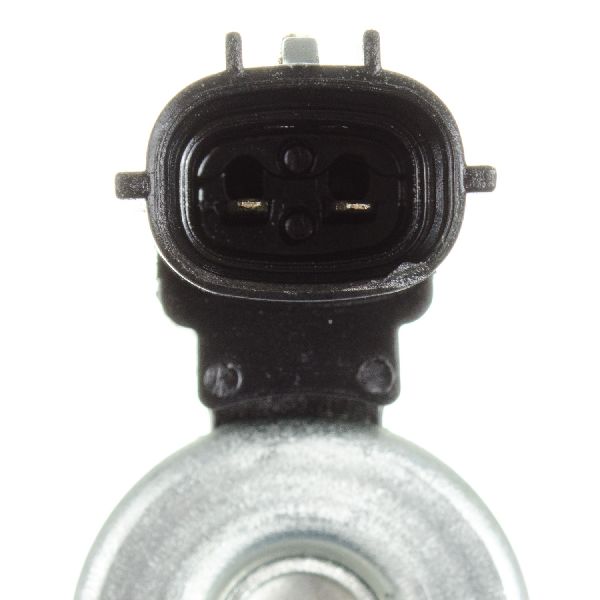
- Inspect OCV Wiring: Check the electrical connector and wiring to the Bank 2 exhaust OCV (front bank, passenger side of the cylinder head) for any damage or loose connections.
- Test the OCV (Diagnostic Swap): The easiest test is to swap the Bank 2 exhaust OCV with the Bank 1 exhaust OCV. They are identical parts. Clear codes and drive. If the code changes to P0015, the solenoid you moved is bad.
- Active Test (if available): Use a high-end scan tool like Toyota's Techstream to command the OCV to operate and observe the change in camshaft angle in the live data.
- Inspect OCV Filter: If the OCV is removed, inspect the small filter screen below it for sludge or debris. Clean or replace as needed.
- Check Mechanical Timing: If all else fails, the next step is to inspect the timing chain for excessive slack and the VVT phaser/actuator for damage. This is a more advanced procedure.
Parts You'll Likely Need
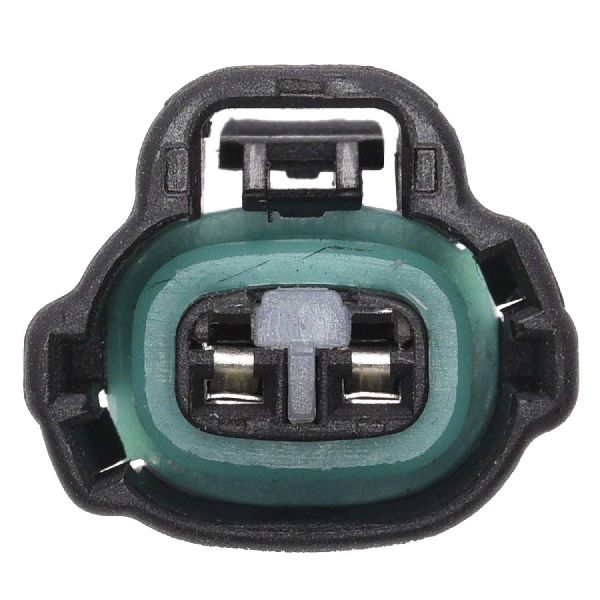
- Engine Variable Valve Timing (VVT) Solenoid / Oil Control Valve (Bank 2 Exhaust)
(OEM #15330-0P020)— This is the most common component to fail or become clogged, directly causing the P0025 code. This part number supersedes the older 15330-31020.
Trusted brands: Denso (OEM supplier), Aisin, Dorman
OEM price range: $100-$180
Aftermarket price range: $40-$90 - Engine Oil and Filter — Low or dirty oil is a primary cause of VVT system faults. An oil change is the first and most critical diagnostic and repair step.
Trusted brands: Mobil 1, Castrol, Valvoline, Toyota Genuine Motor Oil
OEM price range: $50-$80
Aftermarket price range: $40-$60
Related Codes That Often Appear With This One
- P0015 — 'B' Camshaft Position - Timing Over-Retarded (Bank 1). This code often appears after swapping a faulty Bank 2 OCV to the Bank 1 position as a diagnostic test.
- P0300, P0302, P0304, P0306 — Random or specific cylinder misfires on Bank 2 (the front bank). Incorrect camshaft timing can disrupt the combustion process, leading to misfires on the affected bank. 🎬 See: Diagnosing P0025 and engine misfires
Technical Service Bulletins (TSBs) & Recalls
- TSB-0105-11: While for the Camry, this TSB is relevant as it applies to the same 2GR-FE engine. It notes an updated Oil Control Valve was released to improve durability for VVT-related codes.
- LSC 90K: This was a Limited Service Campaign (not a recall) issued by Toyota to replace the faulty rubber VVT-i oil line on 2006-2009 RAV4s (and other models) with an improved all-metal part to prevent catastrophic oil leaks.
Platform-Specific Known Issues
- On models from 2006-2009, the original VVT-i oil supply line for Bank 1 (rear bank) contained a rubber section that was prone to rupture. While this directly affects Bank 1, a catastrophic oil leak from this line will starve the entire engine of oil, potentially triggering codes for both banks, including P0025. It is critical to ensure this has been replaced with the updated all-metal line, Toyota P/N 15772-31030.
Mechanic-Grade Diagnostic Values
- Bank 2 Exhaust Oil Control Valve (OCV) Resistance — expected: 6.9 - 7.9 Ω at 68°F (20°C). Failure: Resistance is outside the specified range, or the circuit is open (infinite resistance).
- Techstream Live Data: VVT Actual vs. Target Angle (Bank 2 Exhaust) — expected: The 'VVT Actual Angle Bank 2 Ex' should be within +/- 5 degrees of the 'VVT Target Angle Bank 2 Ex' when the system is active (above idle).. Failure: A persistent deviation greater than 5-10 degrees, or the actual angle does not change when commanded by an active test.
- Camshaft Position Sensor Voltage (at sensor connector) — expected: A fluctuating voltage signal between approximately 0.3V and 4.7V as the engine is running.. Failure: No voltage or a static voltage that does not change with engine rotation.
Hidden / Shadow Codes Worth Checking
- Mode $06, Test ID $81, Component ID $12: This refers to a non-continuous monitor test for the Bank 2 VVT system. A 'Fail' status indicates the system is operating at the edge of its specified parameters, even if a main trouble code like P0025 has not been set yet. (see via A professional scan tool capable of reading Mode $06 data.)
Scan Tool Commands That Help
- Toyota Techstream: Active Test: 'Control the VVT System (Bank 2)' — This is a critical bidirectional test used after checking oil and wiring. It directly commands the OCV solenoid to activate, allowing a technician to observe the 'Actual Angle' on live data to see if the camshaft phaser responds. If the command is sent but the angle doesn't change, it confirms a mechanical or hydraulic issue (bad OCV, clogged filter, or faulty phaser) rather than an electrical one.
Real Owner Repair Stories
- Toyotanation forum user (via Go-Parts article) (2007 Toyota Sienna with 2GR-FE engine) — P0025 code present.
❌ Tried (didn't work) Replacing the faulty OCV with a new, cheap aftermarket part. The P0025 code returned.
✅ What actually fixed it The new aftermarket OCV was found to be faulty. Replacing it with a genuine Denso part permanently resolved the P0025 code, highlighting the importance of using high-quality electronic parts for this repair.
OEM Part Supersession History
15330-31020→15330-0P020— Updated part for improved durability and reliability, as mentioned in TSB-0105-11 for the same engine.
Diagnostic Flowchart
Other Known Issues on This Vehicle
Issues unrelated to this code that are worth knowing about as an owner of this generation:
- VVT-i Oil Line Rupture 🔴 High — Common on 2006-2009 models that have not had the updated part installed. Failure can occur at any mileage and leads to rapid, catastrophic oil loss. (Ref: Limited Service Campaign (LSC) 90K)
- Water Pump Failure 🟠 Medium — A known weak point, particularly on earlier models (2006-2010). Leaks can start as early as 60,000 miles. Replacement is labor-intensive due to tight engine bay access.
- Steering Intermediate Shaft Clunk 🟡 Low — Common across many Toyota models of this era. A clunking or knocking noise is heard and felt through the steering wheel when turning at low speeds. (Ref: A revised part was issued to address this, though no specific TSB number is consistently cited for the RAV4 V6.)
Used vs. New Parts: Buying Guide for This Vehicle
When a used part is the smart pick: For this repair, a used OEM (Denso/Aisin) Oil Control Valve (OCV) from a reputable salvage yard can be a cost-effective option, especially if it comes from a lower-mileage, documented vehicle. The part is external to the engine and easy to replace if the used one is faulty.
Donor-vehicle mileage cap: roughly under 80000 miles for the part to have meaningful remaining life.
What to inspect on the donor part:
- Check for any physical damage to the solenoid body or electrical connector.
- Inspect the mesh filter screens on the solenoid; they should be clean and free of metallic debris or heavy sludge.
- If possible, test the resistance with a multimeter before purchase to ensure it's within the 6.9-7.9 ohm range.
OEM-only on this vehicle (don't cheap out):
- VVT Cam Phaser/Actuator: This is a critical internal timing component. Due to the complexity and labor involved, using a new OEM part is strongly advised to ensure longevity and proper function.
- Timing Chain and Tensioners: These are wear items critical to engine health. Never use used timing components.
Aftermarket brands forum-validated for this vehicle:
- Denso (OEM Supplier)
- Aisin
Brands owners have reported issues with on this vehicle:
- Unnamed or generic 'white-box' brands from online marketplaces. Forum and repair data show a high failure rate for these parts, often causing the code to return shortly after installation.
Real Owner Stories
Aggregated from forums and TSBs cited above. Mileages and costs reflect what owners reported in those sources.
2007 Toyota Sienna 2GR-FE
Symptoms: Experienced P0015 and P0025 codes along with CEL, VSC, and TRAC OFF lights.
What fixed it: Replacing both exhaust Oil Control Valves (OCVs).
Source hint: ToyotaNation Forum Thread (sienna-gen-2/300226-p0015-p0025-cel-vsc-trac-off-lights.html)
2008 Toyota Camry V6 2GR-FE
Symptoms: P0025 code triggered.
What fixed it: Replacing the Bank 2 exhaust Oil Control Valve located on the front bank.
Source hint: Toyotanation Forum Thread (camry-6th-gen-2007-2011/1650330-p0025-code-2008-camry-v6.html)
2006-2012 Toyota RAV4 2GR-FE
Symptoms: P0025 code returned shortly after a repair attempt.
What fixed it: Replacing a cheap aftermarket solenoid with a genuine Denso solenoid, as the aftermarket part failed almost immediately.
Source hint: Common cause description for Faulty Bank 2 Exhaust Oil Control Valve (OCV) / VVT Solenoid
2007-2016 Toyota Sienna 2GR-FE
Symptoms: P0025 code; inspection revealed potential blockages.
What fixed it: Removing and thoroughly cleaning both the OCV and the filter screen below it provided a temporary fix, though the solenoid eventually required replacement.
Source hint: Common cause description for Clogged OCV Filter Screen
Related OBD-II Codes
Frequently Asked Questions
Does TSB-0105-11 apply to my 2GR-FE engine in the RAV4?
My 2007 RAV4 V6 has a rubber oil line; could this cause my P0025 code?
Can I use any aftermarket VVT solenoid to fix this code?
Where is the Bank 2 exhaust Oil Control Valve located on the RAV4 3.5L V6?
Is there a filter I should check besides the main oil filter?
Why did my Traction Control (VSC) light come on at the same time as the P0025 code?
Helpful Videos
![How to Fix TOYOTA P0025 Engine Code in 4 Minutes [1 DIY Method / Only $19.45]](https://img.youtube.com/vi/y1D8ib3nStM/mqdefault.jpg)
We Have This Part in Stock


The information in this article is provided for general reference and educational purposes only. Vehicle specifications, procedures, and part compatibility can vary by production date, trim level, and region. Always consult your vehicle's factory service manual and verify part numbers before purchasing or performing repairs. Safety-critical components such as airbags, seat belts, and braking systems should be installed by a qualified professional.
- Toyota RAV4:
- 🧭 Diagnostic Flowchart
- 🎬 Helpful Videos
- 🛍️ Shop This Part
- What's Unique About the 2006-2012 Toyota RAV4
- Symptoms You May Notice
- Most Likely Causes
- Rare But Worth Checking
- Diagnosis Steps
- Parts You'll Likely Need
- Related Codes That Often Appear With This One
- Technical Service Bulletins (TSBs) & Recalls
- Platform-Specific Known Issues
- Mechanic-Grade Diagnostic Values
- Hidden / Shadow Codes Worth Checking
- Scan Tool Commands That Help
- Real Owner Repair Stories
- OEM Part Supersession History
- Other Known Issues on This Vehicle
- Used vs. New Parts: Buying Guide for This Vehicle
- Real Owner Stories
- 2007 Toyota Sienna 2GR-FE
- 2008 Toyota Camry V6 2GR-FE
- 2006-2012 Toyota RAV4 2GR-FE
- 2007-2016 Toyota Sienna 2GR-FE
- Related OBD-II Codes
- Frequently Asked Questions
- 🎟️ Get 5% Off