

P0036 on 2018-2024 Chevrolet Equinox 1.5L Turbo: Heater Circuit Causes and Fixes
On a 2018-2024 Equinox 1.5L, code P0036 almost always means the downstream oxygen sensor (Bank 1, Sensor 2) has failed. Replacing the sensor is the most common fix. Expect to pay $45-$75 for an aftermarket part or $90-$150 for an OEM ACDelco sensor. It's a DIY job with a difficulty of 2/5, though the sensor can be seized in the exhaust and may require heat to remove.
- P0036 on your Equinox points directly to an issue with the heater in the oxygen sensor located after the catalytic converter.
- The most likely solution is to replace the downstream oxygen sensor (Bank 1, Sensor 2).
- Before buying parts, always perform a quick visual inspection of the sensor's wiring for any obvious melting or damage, and check the related fuse.
- This is a DIY-friendly repair, but the sensor can be seized in the exhaust pipe and may require a special O2 sensor socket and significant force or heat from a torch to remove.
What's Unique About the 2018-2024 Chevrolet Equinox
For the 1.5L Turbo engine in the third-generation Equinox and its platform-mate, the GMC Terrain, this code is straightforward. There are no widespread, unique platform-specific issues that cause it. The diagnosis is typical for a P0036 code on most vehicles, with the downstream O2 sensor itself being the most frequent point of failure. A video of a 2019 Equinox with this exact engine confirmed that replacing the sensor fixed both P0036 and the related P0054 code, noting the sensor's voltage was stuck at 1.25V prior to the repair.
Symptoms You May Notice
- Check Engine Light is on
- Inability to pass a state emissions inspection
- Slight potential for decreased fuel economy
- Associated codes like P0054 or P0141 may be present.
- Replacing the upstream (Bank 1, Sensor 1) oxygen sensor instead of the downstream (Bank 1, Sensor 2) sensor.
- Replacing the oxygen sensor without first checking for a blown fuse or damaged wiring.
Most Likely Causes
- Failed Downstream Oxygen Sensor (Bank 1, Sensor 2) 🔴 High Probability → Shop Oxygen Sensor The sensor's internal heater element is a common failure point due to constant heat cycles and exposure to exhaust gases. This is the most frequent cause for P0036 on the Equinox and other GM vehicles.
How to confirm: After checking the fuse and wiring, test the resistance of the heater circuit within the sensor using a multimeter. An open circuit (infinite resistance) or a resistance value outside of the manufacturer's specification (typically 2-30 ohms) indicates a failed sensor. A scan tool may show the sensor voltage stuck at a high value, like 1.25V.
Typical fix: Replace the downstream (post-catalytic converter) oxygen sensor. This often requires a special O2 sensor socket and may require heating the exhaust bung with a torch to loosen the seized sensor.
Est. part cost: $45-$150 - Damaged Wiring or Connector 🟡 Medium Probability The wiring harness for the O2 sensor is routed near the hot exhaust system and can become brittle, melted, or chafed over time, leading to a short or open circuit.
How to confirm: Visually inspect the entire wiring harness from the O2 sensor to its connection point. Look for any signs of melting, chafing against the chassis or heat shields, or corrosion inside the connector pins.
Typical fix: Repair the damaged section of wire or replace the connector pigtail.
Est. part cost: $15-$40 - Blown Fuse ⚪ Low Probability
How to confirm: Locate the fuse for the O2 sensor heater circuit in the vehicle's fuse box (check the owner's manual for location) and visually inspect it. Test for continuity with a multimeter if a visual inspection is inconclusive.
Typical fix: Replace the blown fuse. If the fuse blows again immediately, it indicates a short circuit in the wiring or the sensor itself that must be diagnosed.
Est. part cost: $1-$5
Rare But Worth Checking
- Faulty Engine Control Module (ECM): → Shop Engine Control Module (ECM) This is very rare. The ECM should only be considered a potential cause after all other possibilities (sensor, wiring, fuses) have been thoroughly ruled out.
Diagnosis Steps
- Read the code with an OBD-II scanner to confirm P0036 is present. Check for other related codes like P0054 or P0141.
- Visually inspect the downstream O2 sensor's wiring harness and connector for any signs of melting, chafing, or corrosion.
- Check the owner's manual or a service manual to locate and inspect the fuse for the O2 sensor heater circuit. Replace if blown.
- If the wiring and fuse are good, disconnect the sensor and measure the resistance across the two heater circuit pins on the sensor side. A healthy sensor will have a specific resistance (typically 2-30 ohms); an infinite reading means the circuit is open and the sensor is bad.
- With the key on and engine off, check for battery voltage at the heater power wire on the vehicle's harness connector.
- If voltage is present and the sensor's resistance is out of spec, replace the oxygen sensor. Be prepared to use penetrating oil and/or heat from a torch, as they are often seized.
- If voltage is not present at the harness, there is a wiring issue between the fuse box/ECM and the sensor that needs to be traced.
- After repair, clear the code and perform a drive cycle to ensure the fix was successful.
Parts You'll Likely Need
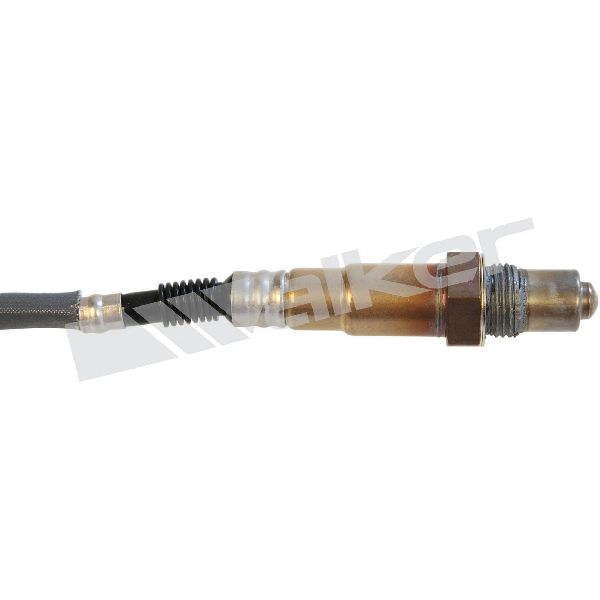
- Downstream Oxygen Sensor (Bank 1, Sensor 2)
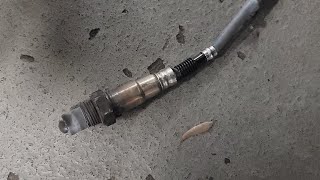
(OEM #12701634 (supersedes 12663317))— This is the most common failure for code P0036. The internal heater element fails, triggering the code.
Trusted brands: ACDelco (GM Genuine), Denso, Bosch, NGK/NTK, Walker
OEM price range: $90-$150
Aftermarket price range: $45-$75
Related Codes That Often Appear With This One
- P0054 — This code for 'HO2S Heater Resistance (Bank 1, Sensor 2)' is often set along with P0036 because both codes relate to the performance of the same heater element inside the downstream O2 sensor.
- P0141 — This is another code for 'O2 Sensor Heater Circuit Malfunction (Bank 1, Sensor 2)'. It is very similar to P0036 and points to the same component failure.
- P0137 — O2 Sensor Circuit Low Voltage (Bank 1, Sensor 2). This can sometimes appear if the sensor is failing entirely, not just the heater circuit.
- P0138 — O2 Sensor Circuit High Voltage (Bank 1, Sensor 2). This can be seen if the sensor has an internal short. One owner of a GM vehicle reported this code alongside P0036.
Technical Service Bulletins (TSBs) & Recalls
- Addresses high crankcase pressure from a plugged PCV orifice, which can affect overall engine health and sensor readings. While not a direct cause of P0036, it's a critical TSB for the LYX engine platform.
- Bulletin #PIT5336 — This manufacturer bulletin alerts technicians to vehicles exhibiting a Malfunction Indicator Lamp with codes including P0036 and P0054, indicating a need for systematic electrical diagnosis of the oxygen sensor heater circuits.
Mechanic-Grade Diagnostic Values
- Downstream O2 Sensor (B1S2) Heater Element Resistance — expected: 2-30 Ohms at room temperature. A common reading is around 6 Ohms.. Failure: A reading of 'OL' (Over Limit) or infinite resistance on a multimeter indicates a broken internal heater element. A reading significantly outside the expected range also indicates a fault.
- Downstream O2 Sensor (B1S2) Live Data Voltage (at idle, warm engine) — expected: A relatively stable voltage, typically between 0.6V and 0.8V, indicating the catalytic converter is working.. Failure: A voltage stuck at a high value, such as 1.25V, indicates a biased or failed sensor.
Wiring & Ground Locations
- Bank 1 Sensor 2 O2 Sensor Connector — The connector is located near the sensor, which is on the exhaust pipe after the catalytic converter. The connector is often clipped to a black metal bracket under the vehicle.. This is the primary point for testing. The connector has 4 terminals for the 4-wire sensor. Technicians test for power, ground, and sensor resistance at this connector.
Real Owner Repair Stories
- YouTube: Ford Boss Me - Auto / Politics / Family (2019 Chevrolet Equinox 1.5L Turbo) — Check Engine Light with codes P0036 and P0054. Live data showed the downstream O2 sensor voltage was stuck at 1.25V.
✅ What actually fixed it The downstream (Bank 1, Sensor 2) oxygen sensor was replaced. The mechanic noted that a torch was required to apply heat to the exhaust bung to remove the seized sensor. After replacement and clearing codes, the sensor began reading correctly and the Check Engine Light was resolved. - YouTube: Sloth King Garage (2014 Chevrolet Equinox (Note: older generation, but same code and component)) — Check Engine Light with multiple codes all pointing to the downstream O2 sensor.
✅ What actually fixed it Replaced the downstream O2 sensor (Bank 1 Sensor 2). The repair was done without jacking up the vehicle. After replacing the sensor and clearing the codes, the check engine light went off and stayed off after a drive cycle. - NHTSA ODI #11221744 — An owner of a related Chevrolet model reported an ongoing issue where the dashboard would go blank while driving, accompanied by a string of codes including P0036, P0138, and P0141.
OEM Part Supersession History
12663317→12701634— Unknown, likely a minor revision for improved durability or manufacturing consistency. No known incompatibility issues.
Model Year Variations Within This Range
- 2018-2022: These model years used the 1.5L LYX turbo I4 engine.
- 2023-2024: These model years switched to the 1.5L LSD turbo I4 engine. While the engine code changed, the downstream oxygen sensor and the P0036 code diagnosis remain fundamentally the same.
Diagnostic Flowchart
Other Known Issues on This Vehicle
Issues unrelated to this code that are worth knowing about as an owner of this generation:
- Brake Vacuum Pump Failure 🔴 High — Widespread issue. Failure can occur without warning, leading to a hard brake pedal and increased stopping distances. In severe cases, the pump disintegrates, sending metal fragments into the engine and causing camshaft damage. (Ref: TSB #PIP5835)
- Charge Air Cooler (CAC) Icing/Moisture Accumulation 🟠 Medium — Common, especially in cold and/or humid climates. Moisture builds up in the intercooler and can freeze or be ingested by the engine, causing misfires (P0300), underboost conditions (P0299), and reduced engine power. (Ref: TSB 18-NA-020, 22-NA-065)
- Plugged PCV Orifice 🟠 Medium — A known issue where the small PCV orifice in the camshaft cover gets clogged, leading to excessive crankcase pressure. This can cause oil leaks from seals and set a P1101 code. (Ref: TSB 20-NA-047)
- Cracked Pistons 🔴 High — Less common than other issues but severe when it occurs. Can be a consequence of other issues like high crankcase pressure. Often presents with a P0300 random misfire code. (Ref: TSB 18-NA-171, 19-NA-122)
Used vs. New Parts: Buying Guide for This Vehicle
When a used part is the smart pick: For this repair, sourcing a used wiring harness pigtail/connector from a junkyard is a smart choice if only the connector is damaged (e.g., broken clip, melted housing). The sensor itself should always be purchased new.
Donor-vehicle mileage cap: roughly under 100000 miles for the part to have meaningful remaining life.
What to inspect on the donor part:
- For a connector/pigtail, inspect for intact locking tabs and no signs of melting or brittleness.
- Ensure there is at least 4-6 inches of wire attached to the pigtail to allow for easy splicing.
- Check for any corrosion on the pins inside the connector housing.
OEM-only on this vehicle (don't cheap out):
- While not strictly required, using a GM Genuine / ACDelco oxygen sensor is often recommended for perfect fitment and to avoid potential compatibility issues with the ECM that can sometimes occur with budget aftermarket brands.
Aftermarket brands forum-validated for this vehicle:
- Denso
- Bosch
- NGK/NTK
- Walker
Brands owners have reported issues with on this vehicle:
- Unnamed, no-brand sensors from online marketplaces should be avoided as they have a high failure rate and may not meet OEM specifications for heater resistance or voltage signaling.
Real Owner Stories
Aggregated from forums and TSBs cited above. Mileages and costs reflect what owners reported in those sources.
2019 Chevrolet Equinox 1.5L
Symptoms: Check engine light was on with codes P0036 and P0054. Live data showed the bank 1 sensor 2 voltage was stuck at a high value like 1.25 volts and was not changing. The vehicle was running a 'little bit wonky'.
What fixed it: Replaced the downstream oxygen sensor (Bank 1, Sensor 2). The mechanic noted the old sensor was very difficult to remove and required heat from a torch.
Source hint: YouTube: Ford Boss Me - Auto / Politics / Family
NHTSA Reported Electrical Fault
Symptoms: An owner reported ongoing issues where the dashboard goes blank while driving, accompanied by several diagnostic codes including P0036, P0037, P0138, and P0141.
What fixed it: While multiple parts like the accelerator pedal were replaced, the presence of P0036 alongside other sensor codes often points to a broader circuit or sensor failure.
Source hint: NHTSA ODI #11221744
Related OBD-II Codes
Frequently Asked Questions
My 2019 Equinox has P0036 and the voltage is stuck at 1.25V. Is this a known issue?
Does TSB 20-NA-047 cause the P0036 code on my 1.5L Turbo Equinox?
I'm replacing the sensor myself on a 2018 Equinox; do I need any special tools?
Are there other GM vehicles that share this P0036 issue with the Equinox?
Could a blown fuse be the reason my Check Engine Light is on for P0036?
What is the recommended replacement part for the O2 sensor on the LYX engine?
Helpful Videos
![How to Fix CHEVROLET P0036 Engine Code in 2 Minutes [1 DIY Method / Only $19.64]](https://img.youtube.com/vi/l62zn5542H0/mqdefault.jpg)
We Have This Part in Stock

The information in this article is provided for general reference and educational purposes only. Vehicle specifications, procedures, and part compatibility can vary by production date, trim level, and region. Always consult your vehicle's factory service manual and verify part numbers before purchasing or performing repairs. Safety-critical components such as airbags, seat belts, and braking systems should be installed by a qualified professional.
- Chevrolet Equinox:
- 🧭 Diagnostic Flowchart
- 🎬 Helpful Videos
- 🛍️ Shop This Part
- What's Unique About the 2018-2024 Chevrolet Equinox
- Symptoms You May Notice
- Most Likely Causes
- Rare But Worth Checking
- Diagnosis Steps
- Parts You'll Likely Need
- Related Codes That Often Appear With This One
- Technical Service Bulletins (TSBs) & Recalls
- Mechanic-Grade Diagnostic Values
- Wiring & Ground Locations
- Real Owner Repair Stories
- OEM Part Supersession History
- Model Year Variations Within This Range
- Other Known Issues on This Vehicle
- Used vs. New Parts: Buying Guide for This Vehicle
- Real Owner Stories
- 2019 Chevrolet Equinox 1.5L
- NHTSA Reported Electrical Fault
- Related OBD-II Codes
- Frequently Asked Questions
- 🎟️ Get 5% Off