

P0036 on 2019-2024 Genesis G70 3.3T: HO2S Heater Circuit Causes and Fixes
P0036 on a Genesis G70 3.3T almost always indicates a failed downstream oxygen sensor on the passenger side (Bank 1, Sensor 2). The most common fix is to replace the sensor itself. Before replacing, check the 15A 'SENSOR 3' fuse in the engine bay fuse box. Expect to pay around $70-$150 for an aftermarket part or $180-$250 for an OEM sensor. This is a DIY-friendly repair for those with basic tools and an O2 sensor socket.
- P0036 points to a fault in the heater circuit for the passenger side, post-catalytic converter O2 sensor.
- The most probable cause is a failed oxygen sensor; it's a common repair.
- Before buying any parts, always check the 15A 'SENSOR 3' fuse in the engine bay fuse box first—it's a quick and cheap check.
- Driving with this code is safe, but you won't be able to pass an emissions test.
- Ensure you are replacing the correct sensor: Bank 1 (passenger side) and Sensor 2 (downstream/after the cat).
What's Unique About the 2019-2024 Genesis G70
On the Genesis G70 with the 3.3L Twin-Turbo V6, this code is straightforward. The engine's longitudinal layout makes identifying Bank 1 (passenger side) and Bank 2 (driver side) simple. This platform shares its core powertrain and emissions architecture with the Kia Stinger GT, making diagnostic patterns and failures for codes like P0036 nearly identical between them. While there are no specific TSBs for P0036, a recall for a leaking turbo oil feed pipe (NHTSA 24V-191) exists, which could potentially damage nearby wiring or sensors if the leak is severe, though this is not a direct cause. The underlying cause is almost always a burned-out heater element inside the O2 sensor, a common failure item on many modern vehicles due to extreme heat cycles.
Generation note: The 2019-2024 model years cover the first generation (IK) of the Genesis G70. A major facelift occurred in 2022, which included minor horsepower gains and a new exhaust system for the 3.3T. However, the core engine management system and oxygen sensor designs remained consistent, so the diagnosis and repair for P0036 are the same across this entire year range.
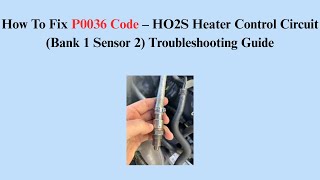
🎬 Watch: This troubleshooting guide shows how to fix the P0036 code.Symptoms You May Notice
- Check Engine Light is on.
- Vehicle will fail an emissions test.
- In rare cases, slightly reduced fuel economy.
- Replacing the wrong oxygen sensor (e.g., the upstream Sensor 1, or the sensor on Bank 2/driver's side). P0036 is specifically for Bank 1, Sensor 2.
- Replacing the catalytic converter. This code points to the sensor's heater circuit, not the efficiency of the converter itself.
Most Likely Causes
- Failed Bank 1, Sensor 2 Oxygen Sensor 🔴 High Probability → Shop Oxygen Sensor The internal heater element is a common failure point due to constant, extreme heat cycles in the exhaust stream. This is a wear-and-tear item.
How to confirm: After checking the fuse and wiring, unplug the sensor and measure the resistance across the two heater circuit pins (often the two same-colored wires) using a multimeter. A healthy sensor should have a resistance between 5 and 20 ohms when cold. An open circuit (infinite resistance or 'OL') or a shorted circuit (less than 2 ohms) confirms a failed heater element.
Typical fix: Replace the Bank 1, Sensor 2 (passenger side, downstream) oxygen sensor.
Est. part cost: $70-$250 - Blown Fuse for O2 Sensor Heater Circuit 🟡 Medium Probability → Shop Oxygen Sensor A short circuit in the sensor's heater element or its wiring harness can cause the protective fuse to blow as designed.
How to confirm: Locate the fuse panel in the engine compartment. Based on diagrams for this platform, the relevant fuse is likely labeled 'SENSOR 3' and is a 15A fuse. Visually inspect the fuse. Test with a multimeter for continuity if a visual check is inconclusive.
Typical fix: Replace the blown fuse. If the new fuse blows immediately, a short circuit exists in the wiring or the sensor itself that must be found and repaired.
Est. part cost: $1-$5 - Damaged Wiring or Connector ⚪ Low Probability The wiring harness is routed near hot exhaust components and under the vehicle, where it can become brittle, melt, or chafe over time, leading to a short or open circuit. Road debris can also cause physical damage.
How to confirm: Visually inspect the entire wiring harness and connector leading to the Bank 1 Sensor 2. Look for any signs of melting, chafing, corrosion in the connector pins, or broken wires.
Typical fix: Repair the damaged section of wire or replace the connector pigtail.
Est. part cost: $15-$50
Rare But Worth Checking
- Faulty Engine Control Module (ECM): → Shop Engine Control Module (ECM) This is extremely rare. The ECM's internal driver for the heater circuit can fail. All other possibilities, including the sensor, fuse, and wiring, must be exhaustively ruled out before condemning the ECM.
Diagnosis Steps
- Read the code with an OBD-II scanner to confirm P0036 is the only code present.
- Locate and inspect the fuse for the oxygen sensor heater circuit in the engine bay fuse box. Specifically check the 15A 'SENSOR 3' fuse. Replace it if it's blown.
- If the fuse is good, raise the vehicle safely and locate the Bank 1, Sensor 2 oxygen sensor. It is on the passenger side exhaust pipe, after the primary catalytic converter.
- Visually inspect the sensor's wiring harness and connector for any signs of melting, chafing, or corrosion. Repair as needed.
- If the wiring appears intact, disconnect the sensor. Use a multimeter set to Ohms (Ω) to measure the resistance between the two heater pins on the sensor side of the connector (typically the two wires of the same color). A reading between 5-20 Ohms is good. A reading of infinite resistance (OL) or near-zero resistance indicates a bad sensor that needs replacement.
- If the sensor resistance is within spec, check for 12V power at the vehicle-side connector with the ignition on. You will need a wiring diagram for your specific vehicle to identify the correct pins.
- If power is present and the sensor's resistance is good, the issue may be in the ground-side control wire leading back to the ECM. This is an advanced step and usually points back to the sensor being the issue intermittently.
- The most likely outcome is a failed sensor. Replace the Bank 1, Sensor 2 oxygen sensor using an O2 sensor socket.
- After replacement, clear the code with the OBD-II scanner and perform a test drive, including a cold start cycle, to ensure the Check Engine Light does not return.
Parts You'll Likely Need
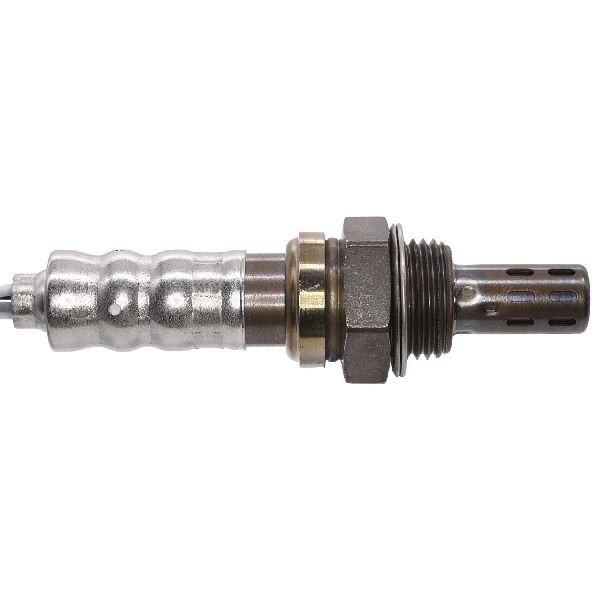
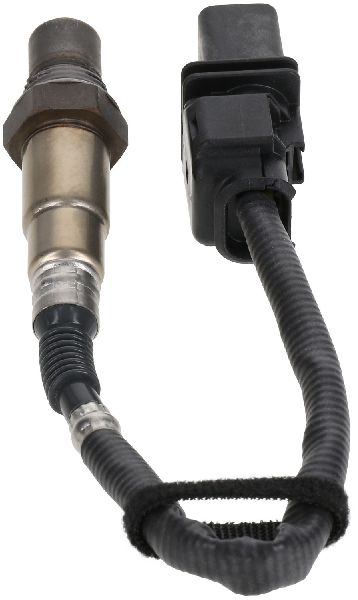
- Bank 1 Downstream Oxygen Sensor
(OEM #39210-3L550 (Verify with VIN))— This is the sensor specified by the code. Its internal heater element is the component that fails, making replacement of the entire sensor necessary. The part number 39210-3L550 is listed for the rear position on the 3.3L G70, but has also been noted as discontinued or used for multiple positions, so confirming with the vehicle's VIN is highly recommended.
Trusted brands: Genuine Hyundai/Genesis, Bosch, NTK/NGK, Denso
OEM price range: $160-$250
Aftermarket price range: $70-$150
Platform-Specific Known Issues
- Real-World Repair Story: While direct G70 forum posts for P0036 are sparse, owners of the mechanically identical Kia Stinger GT frequently report this code. One owner on a Stinger forum noted the P0036 code appeared intermittently at first, then became permanent. After confirming the fuse was intact, they replaced the Bank 1 Sensor 2 O2 sensor (passenger side, downstream). The repair was straightforward, requiring an O2 sensor socket, and permanently resolved the check engine light. This experience mirrors the expected repair path for a G70 owner.
Mechanic-Grade Diagnostic Values
- O2 Sensor Heater Element Resistance — expected: 5 to 20 Ohms (when cold). Failure: Infinite resistance (OL) indicates an open circuit; near-zero resistance indicates a short circuit.
- Heater Circuit Power Supply Voltage — expected: Battery voltage (~12V) with key on, engine off.. Failure: Zero or low voltage indicates a blown fuse or an open in the power supply wire.
- Live O2 Sensor Voltage (via Scan Tool) — expected: For a downstream sensor (Sensor 2), the voltage should be relatively stable, typically above 0.5V, once the catalyst is hot.. Failure: A voltage that mimics the rapid switching of the upstream sensor (Sensor 1) or is stuck low (near 0.1V) can indicate a failing catalytic converter, but a heater circuit code must be fixed first.
Scan Tool Commands That Help
- Hyundai/Genesis GDS (Global Diagnostic System): Actuation Test for O2 Sensor Heater — This function allows a technician to command the O2 sensor heater circuit on and off manually. It's used to verify that the ECM driver and the wiring are capable of activating the heater, which helps isolate the fault to the sensor itself if the command works but the sensor doesn't heat up.
- Advanced OBD-II Scanner (e.g., YOUCANIC Pro, Foxwell): Mode 6, Test ID for O2 Sensor Heater — Accessing Mode 6 data can show the results of the ECM's last self-test on the O2 sensor heater circuit. It may provide specific data points like on-time or current draw that failed, giving more insight than just the generic P-code.
Wiring & Ground Locations
- O2 Sensor Connector (C33-B) — On the vehicle harness side, connecting to the Bank 1 Sensor 2 O2 sensor.. This is the primary test point. For a typical 4-wire Hyundai/Kia sensor, the two same-colored wires (often black or white) are for the heater circuit. One will have 12V power with the key on, and the other is the ground-side control from the ECM.
- Engine Harness Ground — Typically bolted to the engine block or cylinder head near the back of the engine. Look for a black wire bolted directly to the metal of the engine.. A poor engine ground can cause a variety of electrical issues, including incorrect sensor readings and fault codes. While not a primary cause for a specific heater circuit code, it should be checked if multiple, seemingly unrelated electrical codes are present.
Real Owner Repair Stories
- StingerForum.org user (Kia Stinger GT (mechanically identical 3.3T engine)) — Check Engine Light with code P0036. The code appeared intermittently at first before becoming persistent.
❌ Tried (didn't work) Clearing the code (it returned).
✅ What actually fixed it After verifying the fuse was good, the owner replaced the Bank 1, Sensor 2 (passenger side, downstream) oxygen sensor. This permanently resolved the code. - Reddit user on r/genesiscoupe (Genesis Coupe 2.0T (different engine, but relevant diagnostic process)) — O2 heater monitor would not set to 'Ready' for an emissions test, even after replacing both O2 sensors with Denso parts and driving over 400 miles.
❌ Tried (didn't work) Replacing both O2 sensors., Performing multiple drive cycles., Taking it to a Hyundai dealership, who cleared the ECU and told the owner to drive up to 1000 more miles.
✅ What actually fixed it The final resolution was not posted, but the experience highlights a key frustration: sometimes the monitor readiness test can be difficult to complete even after replacing the correct part. One suggestion was to check for an ECM software update, as that can sometimes resolve stubborn monitor readiness issues.
OEM Part Supersession History
39210-3L550→Unknown, part is listed as discontinued by some Hyundai sources but still available from Kia and aftermarket.— Part lifecycle/consolidation.
Heads up: This part number is listed for the Kia Stinger 3.3T rear O2 sensors and the Genesis G70. Some parts catalogs list it for multiple positions (Left Rear, Right Rear), indicating it is likely the same part for both downstream sensors. Always verify fitment with a VIN, as there can be mid-year production changes.
Model Year Variations Within This Range
- 2022-2024: The 2022 facelift introduced a new valved sport exhaust system. While the O2 sensor part numbers and function remain the same, the physical access and surrounding components may differ slightly from the 2019-2021 models. However, this does not change the diagnosis for P0036.
Diagnostic Flowchart
Other Known Issues on This Vehicle
Issues unrelated to this code that are worth knowing about as an owner of this generation:
- Jerky/Harsh Transmission Downshifts 🟠 Medium — Commonly reported, especially in stop-and-go traffic when the transmission is shifting from 3-2 and 2-1. Some owners note it improves or changes after brake pad replacement. (Ref: Multiple TSBs exist for incorrect gear ratio codes, but none specifically address the harsh downshift feel.)
- Interior Rattles (Sunroof/Headliner) 🟡 Low — Frequently mentioned by owners. The sunroof assembly and headliner area are known sources of creaks and rattles, particularly in changing temperatures. (Ref: A TSB exists for sunroof noise, which involves removing the glass and replacing mechanisms.)
- Left Turbocharger Oil Feed Pipe Leak 🔴 High — Affects enough vehicles to warrant a recall. The pipe can deteriorate and leak oil, posing a fire risk. (Ref: NHTSA Recall 24V-191 / OEM Recall 019G)
- Thin/Easily Chipped Paint 🟡 Low — An anecdotal but common complaint among owners of early models, similar to the related Kia Stinger. Black paint on pre-facelift models was also noted for fading on certain panels.
- Failing Fuel Pump 🔴 High — A recall was issued for a failing fuel pump that can result in a loss of drive power. (Ref: NHTSA 24V-528 / OEM 262-023G)
Used vs. New Parts: Buying Guide for This Vehicle
When a used part is the smart pick: A used wiring harness pigtail from a junkyard is a smart choice if only the connector is damaged. Buying a used oxygen sensor is generally not recommended.
Donor-vehicle mileage cap: roughly under 40000 miles for the part to have meaningful remaining life.
What to inspect on the donor part:
- For a wiring pigtail, ensure the plastic is not brittle or cracked.
- Check that the locking tab on the connector is intact.
- Inspect the pins for any signs of corrosion (green or white powder).
- Ensure there are at least 6 inches of wire attached to allow for easy splicing.
OEM-only on this vehicle (don't cheap out):
- Engine Control Module (ECM) - Used ECMs often require expensive dealer programming to work with the vehicle's immobilizer system.
Aftermarket brands forum-validated for this vehicle:
- NTK/NGK
- Denso
- Bosch
Brands owners have reported issues with on this vehicle:
- No-name, unbranded sensors from online marketplaces. These often have high failure rates or incorrect heater resistance values, causing the code to return.
Real Owner Stories
Aggregated from forums and TSBs cited above. Mileages and costs reflect what owners reported in those sources.
2018-2023 Kia Stinger GT (3.3T)
Symptoms: The P0036 code appeared intermittently at first, then became permanent, triggering the Check Engine Light.
What fixed it: After confirming the fuse was intact, the Bank 1 Sensor 2 O2 sensor (passenger side, downstream) was replaced using an O2 sensor socket.
Source hint: StingerForum.org: Discussions for the Kia Stinger GT, which shares the 3.3T engine
Related OBD-II Codes
Frequently Asked Questions
Which side of the 3.3T engine is Bank 1 for the P0036 code?
Is there a specific fuse I should check for the O2 sensor heater circuit on my G70?
Can I use a used oxygen sensor from a donor Kia Stinger GT?
Are there any recalls for the 2019-2024 G70 that I should be aware of while diagnosing engine issues?
What are the recommended aftermarket brands for replacing the Bank 1 Sensor 2 O2 sensor?
Does the P0036 code relate to the common G70 issue of jerky transmission downshifts?
Helpful Videos
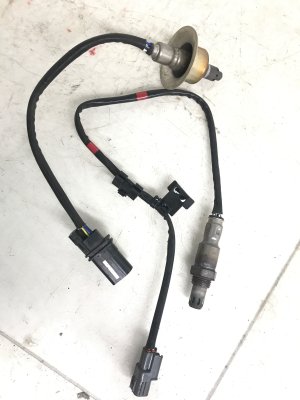
Used OEM Parts in Stock
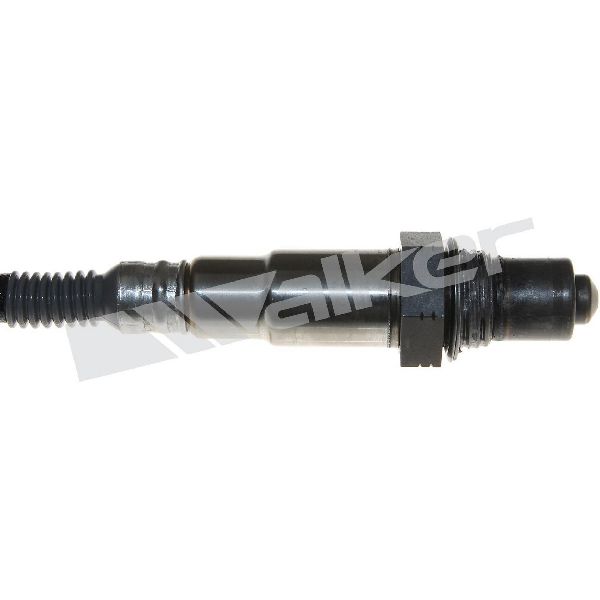
New Aftermarket Parts Available

The information in this article is provided for general reference and educational purposes only. Vehicle specifications, procedures, and part compatibility can vary by production date, trim level, and region. Always consult your vehicle's factory service manual and verify part numbers before purchasing or performing repairs. Safety-critical components such as airbags, seat belts, and braking systems should be installed by a qualified professional.
- Genesis G70:
- 🧭 Diagnostic Flowchart
- 🎬 Helpful Videos
- 🛍️ Shop This Part
- What's Unique About the 2019-2024 Genesis G70
- Symptoms You May Notice
- Most Likely Causes
- Rare But Worth Checking
- Diagnosis Steps
- Parts You'll Likely Need
- Platform-Specific Known Issues
- Mechanic-Grade Diagnostic Values
- Scan Tool Commands That Help
- Wiring & Ground Locations
- Real Owner Repair Stories
- OEM Part Supersession History
- Model Year Variations Within This Range
- Other Known Issues on This Vehicle
- Used vs. New Parts: Buying Guide for This Vehicle
- Real Owner Stories
- 2018-2023 Kia Stinger GT (3.3T)
- Related OBD-II Codes
- Frequently Asked Questions
- 🎟️ Get 5% Off