

P0036 on 2008-2013 Mazda 6 3.7L V6: Causes and Fixes for O2 Sensor Heater Fault
This code indicates a failure in the heater circuit of the rear downstream oxygen sensor (Bank 1, Sensor 2). The most common fix is replacing the sensor itself. Expect to pay $40-$70 for an aftermarket part or around $150-$180 for an OEM sensor. It's a DIY-friendly job if the sensor isn't seized by rust. Before replacing, check the 'A/F Heater' fuse.
- P0036 points to a problem with the heater in the REAR, DOWNSTREAM oxygen sensor (Bank 1, Sensor 2).
- The most likely fix by a wide margin is replacing the sensor itself. This is a common failure from age.
- Before buying a new s
What's Unique About the 2008-2013 Mazda 6
On the Mazda 6 with the 3.7L V6 engine (part of the Ford Cyclone family), the most critical platform-specific detail for this code is correctly identifying the sensor's location. Bank 1 is the rear cylinder bank against the firewall, which makes Sensor 2 (the downstream sensor) more difficult to access than its counterpart on the front bank (Bank 2). Technicians and DIYers often need to work from underneath the car, and sometimes remove the passenger-side wheel for better access. Soaking the sensor threads with a quality penetrating oil (like PB Blaster) for several hours or overnight is highly recommended to prevent stripping the threads in the exhaust bung. A specialized O2 sensor socket with a slit for the wire is also crucial for removal and installation.
Symptoms You May Notice
- Check Engine Light is on
- Failure to pass an emissions/smog test
- Slightly reduced fuel economy, especially during the engine warm-up period
- Replacing the wrong oxygen sensor (e.g., Bank 2 Sensor 2, or the upstream Sensor 1). Bank 1 is the rear bank on the 3.7L V6.
- Replacing the catalytic converter. This code relates to the sensor's heater circuit, not the performance of the converter itself.
Most Likely Causes
- Failed Bank 1, Sensor 2 Oxygen Sensor 🔴 High Probability → Shop Oxygen Sensor The internal heating element is a common wear-and-tear item with a finite lifespan. Given the age of this vehicle generation (2008-2013), sensor failure from normal heat cycles is the most frequent cause. Using low-quality aftermarket sensors can also lead to premature failure or persistent codes.
How to confirm: Disconnect the sensor and test the resistance across the two heater circuit pins (usually the two wires of the same color, often black) with a multimeter. An open circuit (infinite resistance or 'OL') confirms the heater element has failed. A good sensor should have a resistance reading typically between 2.8 and 6.0 Ohms when cold, though some general manuals cite a wider range of 3-25 Ohms.
Typical fix: Replace the Bank 1, Sensor 2 (rear, downstream) oxygen sensor. It is highly recommended to use an OEM or reputable aftermarket brand like Denso or NTK to avoid compatibility issues.
Est. part cost: $40-$180 - Damaged Wiring or Connector 🟡 Medium Probability The sensor's wiring harness is routed underneath the car near hot exhaust components and is exposed to road debris, moisture, and oil. This can lead to melted wires, frayed insulation, or corrosion in the connector pins. A visual inspection is key.
How to confirm: Visually inspect the entire wiring harness from the sensor to where it connects to the main loom. Look for any signs of melting, chafing, or broken wires. Unplug the connector and check for green or white corrosion, bent pins, or pushed-out pins.
Typical fix: Repair the damaged section of wiring or replace the connector pigtail.
Est. part cost: $10-$30 - Blown Fuse ⚪ Low Probability
How to confirm: Check the vehicle's fuse box in the engine bay for a fuse labeled 'A/F Heater' or similar. Pull the fuse and visually inspect if the internal filament is broken. If a new fuse blows immediately, it indicates a short circuit in the wiring or within the O2 sensor itself, which will require further diagnosis.
Typical fix: Replace the blown fuse. If it blows again, diagnose the short circuit.
Est. part cost: $1-$5
Rare But Worth Checking
- Faulty Powertrain Control Module (PCM): → Shop Engine Control Module (ECM) This is extremely rare. The internal driver for the heater circuit can fail, sometimes due to a shorted ignition coil which is a known issue on this engine platform. This should only be considered after all other possibilities (sensor, wiring, fuse) have been definitively ruled out by professional-level diagnostics.
Diagnosis Steps
- Scan the vehicle for any other stored trouble codes to ensure P0036 is the only issue.
- Locate and check the fuse for the oxygen sensor heater circuit (often labeled 'A/F Heater' or similar in the under-hood fuse box). Replace if blown.
- Safely raise the vehicle and visually inspect the Bank 1, Sensor 2 (rear, downstream) oxygen sensor wiring and connector. Look for any signs of melting, chafing, corrosion, or loose connections.
- If the fuse and wiring are good, disconnect the O2 sensor connector. Use a multimeter set to Ohms to measure the resistance between the two heater pins (same color wires) on the sensor side. A reading of infinite resistance (OL) means the heater is burned out and the sensor must be replaced. A typical good reading is between 2.8 and 6.0 Ohms.
- If the sensor resistance is within spec, the problem is likely on the vehicle side of the harness. Turn the ignition to the 'ON' position (engine off). Use a multimeter set to DC Volts to check for battery voltage (approx. 12V) on one of the heater circuit pins on the vehicle's harness connector.
- Check for a good ground on the other heater circuit pin on the harness connector by measuring resistance between the pin and the chassis ground. It should be near zero Ohms.
- If voltage or ground is missing, the fault lies in the wiring between the fuse/PCM and the sensor. If both are present and the sensor's resistance is good, the issue could be an intermittent connection or, very rarely, the PCM itself.
Parts You'll Likely Need
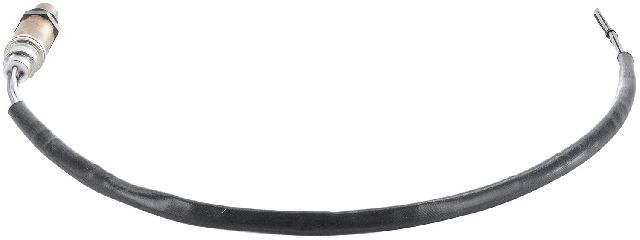
- Bank 1, Sensor 2 Oxygen Sensor (Rear, Downstream)
(OEM #CY03-18-861B)— The internal heater element is the most common failure point for this code, typically due to age and wear.
Trusted brands: Denso (e.g., 234-4337), NGK/NTK, Bosch
OEM price range: $150-$180
Aftermarket price range: $40-$70
Technical Service Bulletins (TSBs) & Recalls
- While not for P0036 specifically, Mazda issued TSB 01-032/10 and 01-003/15 regarding the proper procedure for removing seized oxygen sensors using penetrating oil to avoid damaging exhaust threads, which is highly relevant to this repair.
Platform-Specific Known Issues
- The 3.7L V6 in the Mazda 6 is known for having a catastrophic internal water pump failure that can leak coolant into the engine oil. While unrelated to P0036, it's a critical maintenance item to be aware of on this engine.
- A user on a Mazda forum reported chasing P0036 and P0056 codes, which were ultimately caused by a faulty, cheap replacement sensor. The issue was resolved by installing a reputable Denso sensor.
Mechanic-Grade Diagnostic Values
- O2 Sensor Heater Element Resistance — expected: 2.8 to 6.0 Ohms when cold. A wider general range is 3-25 Ohms.. Failure: An open circuit (infinite resistance, 'OL' on a multimeter) or a dead short (near zero resistance) indicates a failed heater element.
- Voltage at Heater Circuit Harness Connector (Power Pin) — expected: Approximately 12V (battery voltage) with the key in the 'ON' position, engine off.. Failure: No voltage or significantly low voltage points to a blown fuse or a break in the power wire from the fuse box.
- Heater Circuit Ground (PCM Control Side) — expected: The PCM provides a ground to activate the heater. With the sensor disconnected and a test light connected to battery positive, probing the ground pin on the harness should show the light pulsing or turning on when the engine is started, indicating the PCM driver is attempting to control the circuit.. Failure: No ground signal from the PCM (test light does not illuminate) when commanded suggests a wiring issue between the PCM and the connector, or a failed PCM driver.
Wiring & Ground Locations
- G2 / G3 — G2 is at the left front of the engine compartment; G3 is on the left side of the engine compartment.. These are primary engine compartment grounds. Poor contact at these points can cause a variety of electrical issues, including erratic sensor behavior or incorrect fault codes. Verifying they are clean and tight is a good practice for any electrical diagnosis.
- Exhaust System Ground Strap — A braided metal strap connecting the exhaust system to the vehicle's chassis or subframe.. While the sensor heater has its own ground wire in the harness, the sensor body itself requires a good ground through the exhaust pipe for the sensing element to function correctly. A corroded or broken strap can cause erratic sensor readings, although it is less likely to cause a specific heater circuit code.
- A/F Heater Fuse — Located in the under-hood fuse box.. This fuse provides the 12V power to the oxygen sensor's heater element. If this fuse is blown, the heater will not operate and the P0036 code will be set.
Real Owner Repair Stories
- Go-Parts Forum Summary (Mazda 6 3.7L (year not specified)) — Recurring P0036 and P0056 (Bank 2 equivalent) codes after replacing sensors.
❌ Tried (didn't work) Replacing the oxygen sensors with cheap parts from an online marketplace.
✅ What actually fixed it The issue was resolved by replacing the budget sensors with reputable brand-name sensors, specifically mentioning Denso or NTK.
OEM Part Supersession History
cy0318861b→CY03-18-861B-9U— Part number update or revision by Mazda. Often indicates minor changes in manufacturing or supplier.
Diagnostic Flowchart
Other Known Issues on This Vehicle
Issues unrelated to this code that are worth knowing about as an owner of this generation:
- Internal Water Pump Failure 🔴 High — Common between 80,000 and 120,000 miles. Failure can be catastrophic, leaking coolant directly into the engine oil. (Ref: A TSB was issued to help diagnose leaks, but no recall was issued for the design flaw.)
- Electronic Throttle Body Failure 🟠 Medium — Fairly common at various mileages. Can cause stalling, rough idle, poor acceleration, and limp mode. (Ref: A recall was issued for some models, but applicability must be checked by VIN.)
- Timing Chain Wear / VVT Rattle 🟠 Medium — Can occur, especially on higher-mileage engines or those with poor oil maintenance history. Often presents as a startup rattle.
- Failing Power Brake Booster 🔴 High — Less common than engine issues, but a critical safety failure. Symptoms include a hissing noise and a very hard brake pedal. A recall (09V120000) was issued for some 2009-2010 models for potential loss of power brake assist in certain cold conditions. (Ref: NHTSA Recall 09V120000)
- Front Crossmember Corrosion 🔴 High — Affects vehicles in salt-belt states. Severe corrosion can cause the crossmember to fail. (Ref: NHTSA Recall 15V869000 was issued for 2009-2013 Mazda 6 vehicles in specific states.)
Used vs. New Parts: Buying Guide for This Vehicle
When a used part is the smart pick: For this specific repair, using a used oxygen sensor is never a smart choice. O2 sensors are wear-and-tear items with a finite lifespan determined by heat cycles and mileage. A used sensor has an unknown amount of life left and is very likely to fail soon, causing the code to return.
What to inspect on the donor part:
- Not applicable, as used sensors are not recommended.
OEM-only on this vehicle (don't cheap out):
- While not strictly OEM-only, this repair is highly sensitive to sensor quality. Using a cheap, unbranded sensor from an online marketplace is a common cause of recurring codes. Sticking to the OEM Mazda part or a first-tier OEM supplier is strongly advised.
Aftermarket brands forum-validated for this vehicle:
- Denso (e.g., 234-4337)
- NGK/NTK
Brands owners have reported issues with on this vehicle:
- Unbranded, generic sensors from online marketplaces like eBay or Amazon have a high failure rate and often do not meet the specific switching parameters required by the Mazda ECU.
- Bosch sensors, while a major OEM supplier for many brands, have a mixed reputation as aftermarket replacements for Japanese vehicles, with some owners reporting compatibility issues.
Real Owner Stories
Aggregated from forums and TSBs cited above. Mileages and costs reflect what owners reported in those sources.
2009 Mazda 6 3.7L V6 — 126000 miles
Symptoms: Catastrophic engine failure due to internal water pump leak into the oil.
What fixed it: Not applicable (total engine failure), but highlights the critical nature of the 3.7L water pump maintenance while addressing other codes.
Source hint: BobIsTheOilGuy.com thread titled 'Ford Duratec 3.7 Water Pump Failure'
2011 Mazda 6 3.7L V6 — 76000 miles
Symptoms: Worst engine experience; required water pump and timing chain replacement at 71k miles followed by total failure at 76k miles.
What fixed it: Engine replacement (though the owner described it as a failed experience).
Source hint: Reddit user in r/mazda
2008-2013 Mazda 6 3.7L V6
Symptoms: Chasing persistent P0036 and P0056 codes after a recent repair.
What fixed it: Replacing a faulty, cheap aftermarket replacement sensor with a reputable Denso sensor.
Source hint: Mazda forum report cited in vehicle_specific_issues
Related OBD-II Codes
Frequently Asked Questions
Which oxygen sensor is Bank 1, Sensor 2 on the Mazda 6 3.7L V6?
Are there any TSBs for removing the O2 sensor on my 2008-2013 Mazda 6?
Can I use a generic aftermarket sensor to fix P0036?
Is there a specific fuse I should check for the P0036 heater circuit?
Could my P0036 code be related to the Mazda 6 front crossmember recall?
What resistance should I see when testing the heater circuit on a new sensor?
Helpful Videos
We Have This Part in Stock

The information in this article is provided for general reference and educational purposes only. Vehicle specifications, procedures, and part compatibility can vary by production date, trim level, and region. Always consult your vehicle's factory service manual and verify part numbers before purchasing or performing repairs. Safety-critical components such as airbags, seat belts, and braking systems should be installed by a qualified professional.
- Mazda 6:
- 🧭 Diagnostic Flowchart
- 🎬 Helpful Videos
- 🛍️ Shop This Part
- What's Unique About the 2008-2013 Mazda 6
- Symptoms You May Notice
- Most Likely Causes
- Rare But Worth Checking
- Diagnosis Steps
- Parts You'll Likely Need
- Technical Service Bulletins (TSBs) & Recalls
- Platform-Specific Known Issues
- Mechanic-Grade Diagnostic Values
- Wiring & Ground Locations
- Real Owner Repair Stories
- OEM Part Supersession History
- Other Known Issues on This Vehicle
- Used vs. New Parts: Buying Guide for This Vehicle
- Real Owner Stories
- 2009 Mazda 6 3.7L V6 — 126000 miles
- 2011 Mazda 6 3.7L V6 — 76000 miles
- 2008-2013 Mazda 6 3.7L V6
- Related OBD-II Codes
- Frequently Asked Questions
- 🎟️ Get 5% Off