

P0037 on 2014-2018 Chevrolet Silverado 1500 4.3L V6: O2 Sensor Heater Fixes
On a 2014-2018 Silverado with the 4.3L V6, code P0037 is almost always caused by a failed downstream oxygen sensor on the passenger side (Bank 1, Sensor 2). Expect to pay $45-$90 for an aftermarket sensor and $110-$150 for an OEM part. It's a straightforward DIY fix for most owners.
- P0037 on your Silverado almost certainly points to the downstream oxygen sensor on the passenger side.
- The most likely fix is replacing the sensor itself, which is a DIY-friendly job.
- Before buying a new sensor, take a moment to visually inspect the wiring for any obvious damage from heat or debris, especially at the known chafe points near the front of the engine.
- Also, check the emissions-related fuses in the under-hood fuse box as a quick, free diagnostic step, particularly if you have heater codes for both banks.
- Ignoring this code won't stop the truck from driving, but it will prevent you from passing an emissions test and may cause the remote start to be disabled.
What's Unique About the 2014-2018 Chevrolet Silverado 1500
For the 2014-2018 (K2XX generation) Silverado, the P0037 code is a very common and typically straightforward issue. The most frequent cause is simply the O2 sensor's internal heater element burning out from normal use. However, GM has issued a Technical Service Bulletin (PIT5713A) for the 4.3L LV3 engine regarding the engine wiring harness chafing on components like the cylinder head or brackets. This chafing can cause a short to ground and trigger P0037, among many other codes. While less common than a simple sensor failure, this is a key vehicle-specific issue to be aware of if the problem is not resolved by a new sensor.
Symptoms You May Notice
- Check Engine Light is on.
- Vehicle fails an emissions test.
- Remote start may be disabled by the system due to the active fault code.
- Slight decrease in fuel economy.
- Rough idling or hesitation in some rare cases.
- Replacing the wrong oxygen sensor. The 4.3L V6 has four O2 sensors. P0037 specifically refers to Bank 1 (passenger side), Sensor 2 (downstream/post-catalytic converter). Always verify the sensor location before replacing.
Most Likely Causes
- Failed Bank 1, Sensor 2 Oxygen Sensor 🔴 High Probability → Shop Oxygen Sensor The internal heater element of an oxygen sensor has a finite lifespan and will eventually burn out after thousands of heat cycles. This is a normal wear-and-tear item.
How to confirm: Using a multimeter, disconnect the sensor and measure the resistance between the two heater circuit pins (usually the two same-colored wires, e.g., black). A good heater should have a resistance of around 4-10 ohms. An open circuit (infinite resistance) or a dead short (zero resistance) confirms the sensor's heater element has failed.
Typical fix: Replace the Bank 1, Sensor 2 (passenger side, downstream) oxygen sensor.
Est. part cost: $45-$90 - Damaged Wiring or Connector 🟡 Medium Probability The wiring harness runs along the frame and near the hot exhaust system. TSB PIT5713A specifically notes that for the 4.3L LV3 engine, the engine harness can chafe on the front corner of the left-hand cylinder head, drive belt idler pulley bracket, or oil dipstick bracket, causing a short. This is a known issue that can trigger P0037 and a host of other electrical codes.
How to confirm: Visually inspect the entire wiring harness leading to the sensor for any signs of melting, chafing, or corrosion. Pay close attention to the areas mentioned in TSB PIT5713A. Check for 12V power at the connector with the key on, engine off. A short to ground will often blow the associated fuse.
Typical fix: Repair the damaged section of the wiring harness and secure it away from heat or physical hazards using zip ties or new retaining clips. If the connector is damaged, replace it with a new pigtail.
Est. part cost: $15-$30 - Blown Fuse ⚪ Low Probability A short in the wiring or the sensor itself can cause the associated fuse to blow. This is often a symptom of a larger problem (like chafed wiring) rather than the root cause.
How to confirm: Check the fuse for the O2 sensor heater circuit in the under-hood fuse box. For the K2XX platform, this is often a fuse labeled for emissions (EMIS) or O2 heaters. If multiple O2 heater codes are present simultaneously (e.g., P0037, P0056, P0057), a blown fuse is the most likely culprit. TSB PIT5713A lists F66UA and F72UA as potentially blowing due to harness chafing. Other sources point to fuses F46 and F50 as being related to O2 sensors for this truck.
Typical fix: Replace the blown fuse. If the fuse blows again immediately, it indicates a persistent short circuit that must be found and repaired. Do not simply install a larger fuse.
Est. part cost: $1-$5
Rare But Worth Checking
- Faulty Engine Control Module (ECM): → Shop Engine Control Module (ECM) This is extremely rare. The ECM should only be considered a potential cause after the sensor, wiring, and fuses have been thoroughly tested and confirmed to be good.
Diagnosis Steps
- Verify the code with an OBD-II scanner.
- Visually inspect the Bank 1, Sensor 2 (passenger side, downstream) oxygen sensor and its wiring harness. Look for any signs of physical damage, melting on the exhaust, or corrosion in the connector.
- Check the emissions-related fuses in the under-hood fuse block (e.g., F66UA, F72UA, F46, F50). This is a critical step, especially if multiple O2 heater codes are present.
- If wiring and fuses are okay, disconnect the sensor and test the resistance of the heater element with a multimeter. A reading of 4-10 ohms is typical; infinite resistance (open) means the sensor is bad.
- With the sensor disconnected and the ignition key in the 'On' position (engine off), carefully test for 12V power on the heater circuit feed wire (often pink) in the vehicle-side connector.
- If power is not present, and the fuse is good, inspect the wiring harness for chafing, paying special attention to the areas identified in TSB PIT5713A (front of the left cylinder head, idler pulley bracket, dipstick tube).
- If power and ground are present at the connector and the sensor's heater circuit is open, replace the oxygen sensor.
- After repair, clear the codes and perform a drive cycle to ensure the Check Engine Light does not return.
Parts You'll Likely Need
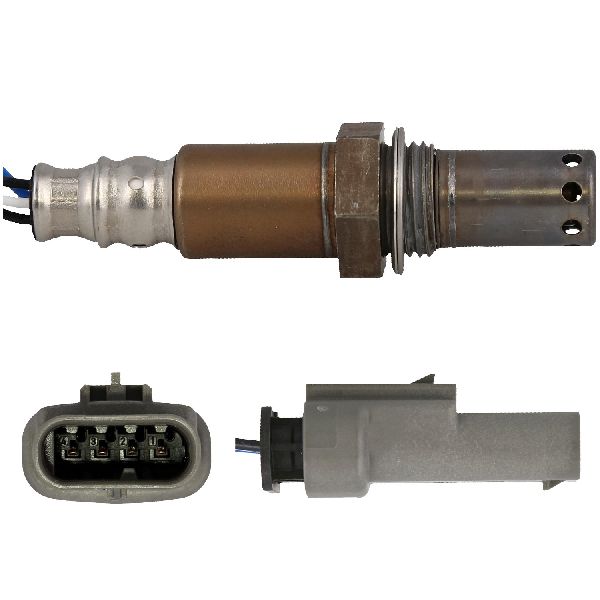
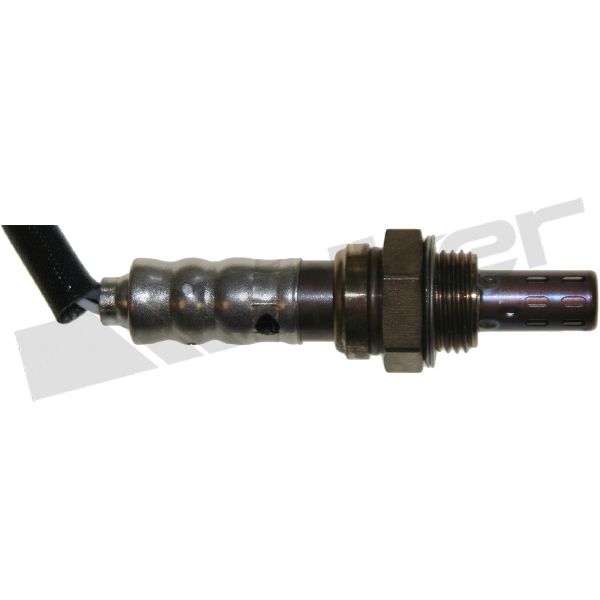
- Oxygen Sensor (Bank 1, Sensor 2)
(OEM #12659516 (may be superseded by 12676533))— The internal heater element is the most common failure point for the P0037 code.
Trusted brands: ACDelco (GM Genuine), Denso, Bosch, NTK
OEM price range: $110-$150
Aftermarket price range: $45-$90
Related Codes That Often Appear With This One
- P0036 — P0036 is a general fault for the same heater circuit. P0037 specifies a 'low' circuit condition, but they often point to the same root cause.
- P0056 / P0057 — These are the equivalent heater circuit codes for Bank 2, Sensor 2. If you see codes for both Bank 1 and Bank 2 heater circuits simultaneously, the problem is very likely a common power or ground issue, such as a blown fuse, and not multiple failed sensors.
Technical Service Bulletins (TSBs) & Recalls
- PIT5713A: A GM Preliminary Information bulletin that describes various electrical issues, including a long list of DTCs (P0037 included), that can be caused by the engine wiring harness chafing on engine components on 2019-2020 models with the 4.3L LV3 engine. The chafe points are relevant to the 2014-2018 models as well.
- Bulletin #PIT5336: A manufacturer service bulletin noting that technicians may find P0037 along with a wide array of other oxygen sensor heater codes (such as P0030, P0036, and P0050) on vehicles with the Service Engine Soon lamp illuminated.
Platform-Specific Known Issues
- Engine Harness Chafing: Per TSB PIT5713A, the 4.3L LV3 engine harness is known to chafe against several points in the engine bay, including the front corner of the left cylinder head, the drive belt idler pulley bracket, and the oil dipstick bracket. This can cause a short to ground in various circuits, including the O2 sensor heater circuit, leading to code P0037 and potentially blowing fuses like F66UA or F72UA. A thorough inspection of these specific areas is warranted if a new sensor or fuse does not fix the issue.
Mechanic-Grade Diagnostic Values
- O2 Sensor Heater Element Resistance — expected: 4.0 - 10.0 Ohms (at approx. 68°F / 20°C). Failure: An open circuit (infinite resistance) or a value significantly outside the expected range indicates a failed heater element.
- Heater Control Circuit Voltage (ECM Logic) — expected: When the ECM commands the heater OFF, it monitors the circuit. The voltage should not exceed a specific threshold.. Failure: The PCM will log code P0037 if it detects the control circuit voltage exceeds 57% of battery voltage when the heater is commanded OFF.
Scan Tool Commands That Help
- GDS2 (or equivalent professional scan tool): O2 Heater Bidirectional Control — After checking fuses, a technician can use this command to manually toggle the O2 heater circuit on and off. This allows for testing the circuit's integrity with a test light or multimeter at the sensor connector to confirm if the ECM is capable of commanding the circuit and if the wiring is intact.
Wiring & Ground Locations
- F66UA / F72UA — Under-hood fuse block.. TSB PIT5713A specifically identifies these fuses as potentially blowing due to the engine harness chafing issue on the 4.3L LV3 engine.
- F46 / F50 — Under-hood fuse block.. These are identified as the primary O2 sensor fuses for the 2014-2019 Silverado platform. If multiple heater codes are present, checking these fuses is a primary step.
- G103 — On the front of the right side (passenger side) cylinder head.. This is a primary engine-to-chassis ground. While not specific to the O2 sensor circuit alone, a poor connection here can cause numerous electrical issues, including erratic sensor readings and control problems. It's on the same bank as the sensor in question (Bank 1).
- B1S2 Connector Wires — At the 4-wire connector for the Bank 1, Sensor 2 oxygen sensor.. The heater circuit wires are typically the two wires of the same color (e.g., two black wires) on the sensor side. On the vehicle harness side, power is often a Pink wire, and the ground is controlled (pulsed) by the ECM. Knowing this is critical for testing.
Real Owner Repair Stories
- gm-trucks.com forum user 'Pierce Vaughn' (2014 Z71 Silverado) — Check Engine Light on. Remote start not working.
❌ Tried (didn't work) Replaced all four oxygen sensors.
✅ What actually fixed it The user reported codes P0036, P0037, P0056, and P0057 were all present simultaneously after replacing the sensors. While the final fix was not posted, this is a classic symptom of a blown fuse (like F46, F50, F66UA, or F72UA) or a common power/ground wiring issue, not four simultaneously failed sensors. The diagnostic path is to check the shared fuse first. - NHTSA ODI #11221744 — An owner reported an ongoing issue where the dashboard goes blank while driving, accompanied by a long list of codes including P0036, P0037, P0138, and P0141. The report notes that the accelerator pedal was replaced three times within a two-month timeframe.
OEM Part Supersession History
12659516→N/A— This appears to be the current, correct OEM part number for the downstream sensor on this application.
Heads up: Some parts catalogs may incorrectly list 12659516 as both an upstream and downstream sensor. It is critical to verify the specific position before purchase. For P0037, you need the downstream (post-cat) sensor.
Model Year Variations Within This Range
- 2014-2016 vs 2017-2019: The physical layout of the under-hood fuse block differs between these year groups. However, the relevant O2 sensor fuses (F46, F50) are reported to be in the same numbered slots, just in a visually different arrangement.
Diagnostic Flowchart
Other Known Issues on This Vehicle
Issues unrelated to this code that are worth knowing about as an owner of this generation:
- Torque Converter Shudder (6-speed & 8-speed) 🟠 Medium — Widespread, especially on 8-speed (8L90) transmissions. Can occur as early as 30,000 miles. Often described as driving over rumble strips. (Ref: TSB 18-NA-355 (recommends fluid flush with Mobil 1 Blue Label ATF), TSB 20-NA-142.)
- A/C Condenser Failure 🔴 High — Extremely common across the K2XX platform. The condenser is prone to cracking at the weld points, causing a leak of all refrigerant. (Ref: TSB PIT5331 addresses a leaking A/C line, while TSB 18-NA-156 addresses leaking seals at the receiver/dehydrator plug. The condenser crack itself is a well-documented design flaw.)
- Active Fuel Management (AFM) Lifter Failure 🔴 High — A significant issue, though more prevalent on the 5.3L and 6.2L V8s, the 4.3L V6 LV3 also has AFM and can suffer from collapsed lifters, leading to misfires, engine noise, and potential camshaft damage.
- Engine Wiring Harness Chafing 🟠 Medium — The engine harness can rub against sharp edges on the cylinder head, brackets, or the dipstick tube, causing shorts that can trigger a wide array of DTCs, including O2 sensor heater codes. (Ref: TSB PIT5713A)
- Carbon Buildup on Intake Valves 🟡 Low — As a direct-injection engine, the LV3 is susceptible to carbon buildup on the back of the intake valves over time, typically becoming noticeable after 80,000-100,000 miles, causing rough idle or performance loss.
Used vs. New Parts: Buying Guide for This Vehicle
When a used part is the smart pick: For this repair, a used part only makes sense for the wiring connector pigtail. If your vehicle-side connector is melted or damaged, a pigtail cut from a harness at a salvage yard is a cost-effective and reliable repair.
Donor-vehicle mileage cap: roughly under 150000 miles for the part to have meaningful remaining life.
What to inspect on the donor part:
- For a wiring pigtail, inspect for any signs of melting, brittleness, or corrosion on the pins.
- Ensure the locking tab is intact and functional.
- Get at least 6 inches of wire past the connector to make splicing easier.
Aftermarket brands forum-validated for this vehicle:
- NTK
- Denso
- Bosch
- ACDelco (GM Genuine)
Brands owners have reported issues with on this vehicle:
- Unbranded, no-name sensors from online marketplaces are frequently cited as having high failure rates or causing compatibility issues.
Real Owner Stories
Aggregated from forums and TSBs cited above. Mileages and costs reflect what owners reported in those sources.
2014 Chevrolet Silverado 1500 Z71
Symptoms: The vehicle reported codes P0036, P0037, P0056, and P0057 all at the same time.
What fixed it: The issue was identified as a shared power or ground problem, likely a blown fuse, rather than multiple sensor failures.
Source hint: silveradosierra.com - Thread 'All O2 sensors showing bad after replacing all of them ??'
2017 Chevrolet Silverado 1500
Symptoms: Check Engine Light active with codes P0036 and P0037.
What fixed it: Replacing the Bank 1 Sensor 2 O2 sensor.
Source hint: reddit.com/r/Silverado
2019-2020 Chevrolet Silverado 1500 4.3L LV3
Symptoms: A long list of DTCs including P0037 caused by electrical shorts.
What fixed it: Repairing the engine wiring harness where it was chafing on the cylinder head, idler pulley bracket, or oil dipstick bracket.
Source hint: TSB PIT5713A
Related OBD-II Codes
Frequently Asked Questions
Could TSB PIT5713A be the reason my 4.3L Silverado is throwing code P0037?
Why is my remote start disabled on my 2015 Silverado 1500?
Which fuses should I check for an O2 heater circuit issue on this truck?
Where is the Bank 1 Sensor 2 oxygen sensor located on the 4.3L V6 Silverado?
If I have P0037 along with P0036, P0056, and P0057, do I need to replace all four sensors?
What resistance should I see when testing the O2 sensor heater on my LV3 engine?
Helpful Videos
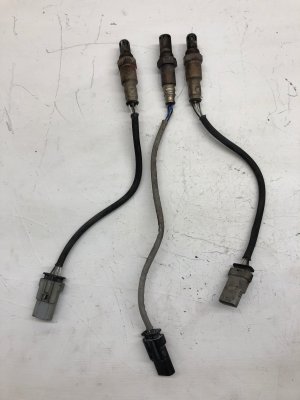
Used OEM Parts in Stock
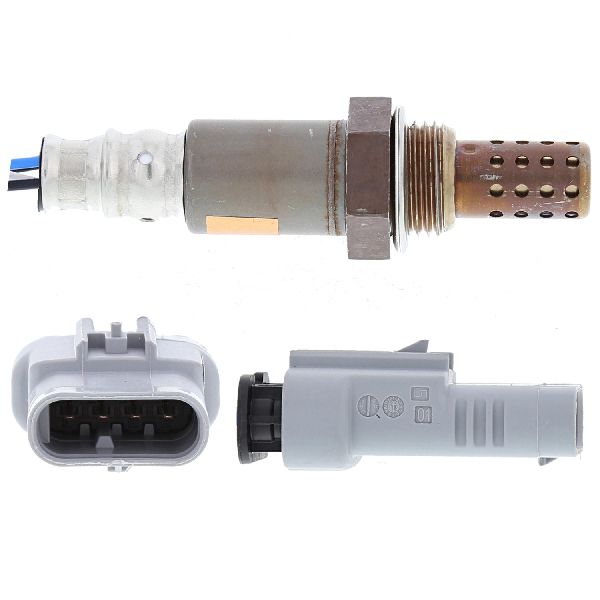
New Aftermarket Parts Available


The information in this article is provided for general reference and educational purposes only. Vehicle specifications, procedures, and part compatibility can vary by production date, trim level, and region. Always consult your vehicle's factory service manual and verify part numbers before purchasing or performing repairs. Safety-critical components such as airbags, seat belts, and braking systems should be installed by a qualified professional.
- Chevrolet Silverado 1500:
- 🧭 Diagnostic Flowchart
- 🎬 Helpful Videos
- 🛍️ Shop This Part
- What's Unique About the 2014-2018 Chevrolet Silverado 1500
- Symptoms You May Notice
- Most Likely Causes
- Rare But Worth Checking
- Diagnosis Steps
- Parts You'll Likely Need
- Related Codes That Often Appear With This One
- Technical Service Bulletins (TSBs) & Recalls
- Platform-Specific Known Issues
- Mechanic-Grade Diagnostic Values
- Scan Tool Commands That Help
- Wiring & Ground Locations
- Real Owner Repair Stories
- OEM Part Supersession History
- Model Year Variations Within This Range
- Other Known Issues on This Vehicle
- Used vs. New Parts: Buying Guide for This Vehicle
- Real Owner Stories
- 2014 Chevrolet Silverado 1500 Z71
- 2017 Chevrolet Silverado 1500
- 2019-2020 Chevrolet Silverado 1500 4.3L LV3
- Related OBD-II Codes
- Frequently Asked Questions
- 🎟️ Get 5% Off