

P0037 on 2012-2017 Hyundai Veloster: HO2S Heater Control Circuit Low (Bank 1 Sensor 2) Causes and Fixes
This code almost always means the downstream oxygen sensor (Bank 1, Sensor 2) has failed and needs to be replaced. It's a common, straightforward DIY repair. Expect to pay around $60-$100 for an aftermarket sensor or $180+ for an OEM part. Before replacing, do a quick check of the fuse and wiring for obvious damage.
- P0037 on a 2012-2017 Veloster points directly to an issue with the heater in the downstream oxygen sensor (Bank 1, Sensor 2).
- The most likely fix is replacing the sensor itself, which is a manageable DIY job for most people.
- Before buying a new sensor, always perform a quick visual inspection of the wiring for obvious damage and check the related fuse.
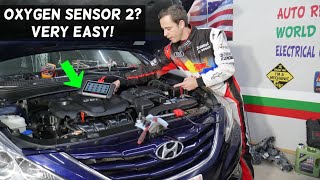
- Ensure you are replacing the correct sensor. 'Sensor 2' is the one located *after* the catalytic converter.
- The OEM part number for many of these models is 39210-2B210, but always verify fitment for your specific vehicle.
What's Unique About the 2012-2017 Hyundai Veloster
For the first-generation Hyundai Veloster with the 1.6L GDI engine, the P0037 code is a very common and typically straightforward fault. Unlike some vehicles where this code might point to complex wiring or computer issues, on the Veloster, the overwhelming cause is the failure of the O2 sensor's internal heater element. The repair is usually a direct replacement of the sensor. This issue is also common on platform-mates like the Hyundai Accent and Kia Rio with the same engine.
Symptoms You May Notice
- Check Engine Light is on
- Failing an emissions test
- Slight decrease in fuel economy (often not noticeable by the driver)
- Rough idle in some rare cases
- Momentary hesitation or power loss, especially when accelerating from a stop
- A burnt, plastic-like smell if wiring has melted on the exhaust
- Replacing the upstream oxygen sensor (Bank 1 Sensor 1) instead of the downstream one (Bank 1 Sensor 2).
- Replacing the oxygen sensor without first checking for a blown fuse or damaged wiring.
- Assuming the catalytic converter is bad. P0037 is an electrical circuit code for the sensor's heater, not a code for converter efficiency (like P0420).
Most Likely Causes
- Failed Downstream Oxygen Sensor (Bank 1 Sensor 2) 🔴 High Probability → Shop Oxygen Sensor The internal heater element of the oxygen sensor is a common failure point due to constant, extreme heat cycles and exposure to the elements under the car. The heater element simply burns out like a light bulb filament.
How to confirm: After visually checking the wiring, test the resistance of the heater circuit within the sensor using a multimeter. Disconnect the sensor and measure between the two heater pins (often the two same-colored wires). An infinite resistance reading (OL) means an open circuit, confirming the sensor is bad. A good sensor should have a resistance reading within the manufacturer's specification, typically between 8.0-14.0 ohms for this application.
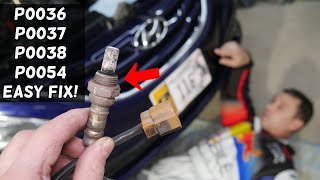
Typical fix: Replace the downstream oxygen sensor. This sensor is located on the exhaust pipe after the catalytic converter. An oxygen sensor socket is highly recommended for removal.
Est. part cost: $60-$185 - Damaged Wiring or Connector 🟡 Medium Probability The sensor wiring is located under the car and is exposed to road debris, moisture, and the heat of the exhaust, which can cause wires to melt, fray, or corrode over time. Sometimes the harness can be improperly secured and rub against the drive shaft or other moving parts.
How to confirm: Visually inspect the entire length of the wiring harness from the oxygen sensor to its connection point. Look for any signs of melting, chafing, breaks, or corrosion in the connector pins. Tug gently on the wires at the connector to ensure they are secure.
Typical fix: Repair the damaged section of wire or replace the connector pigtail.
Est. part cost: $10-$30 - Blown Fuse ⚪ Low Probability
How to confirm: Locate and check the fuse for the O2 sensor heater circuit in the vehicle's fuse box (both in the cabin and engine bay). The owner's manual should have a diagram. If the fuse is blown, it indicates a short circuit that must be found before replacing the fuse, otherwise the new fuse will blow as well.
Typical fix: Replace the blown fuse after diagnosing and fixing the underlying short circuit.
Est. part cost: $1-$5
Rare But Worth Checking
- Faulty Engine Control Module (ECM): → Shop Engine Control Module (ECM) This is extremely rare. The ECM's internal driver for the heater circuit can fail, but this should only be considered after all other possibilities, including the sensor, wiring, and fuse have been definitively ruled out.
Diagnosis Steps
- Scan the vehicle with an OBD-II scanner to confirm P0037 is the active code and check for any other codes.
- Visually inspect the downstream oxygen sensor (located after the catalytic converter), its wiring harness, and its connector for obvious physical damage like melting, fraying, or corrosion.
- Check the fuse box (engine compartment and interior) for a blown fuse related to the O2 sensor heater circuit. Refer to the owner's manual for the fuse location.
- If the visual inspection and fuse check pass, disconnect the sensor's electrical connector.
- Using a multimeter set to Ohms (Ω), measure the resistance between the two heater circuit pins on the sensor side of the connector (usually the two wires of the same color). A reading of infinite resistance (OL) or zero means the heater element is broken or shorted, and the sensor must be replaced. A good sensor should read between 8.0-14.0 Ω.
- If the sensor resistance is good, turn the ignition key to the 'ON' position (engine off). Use the multimeter set to DC Volts to check for power (around 12V) on one pin and a good ground on another pin of the vehicle's harness connector. This confirms the vehicle is supplying power to the heater circuit.
- If power or ground is missing, you have a wiring issue that needs to be traced back from the connector towards the ECM/fuse box.
- If the sensor's heater circuit has correct resistance and the vehicle harness has proper power and ground, the issue is intermittent or, in very rare cases, could be the ECM.
Parts You'll Likely Need
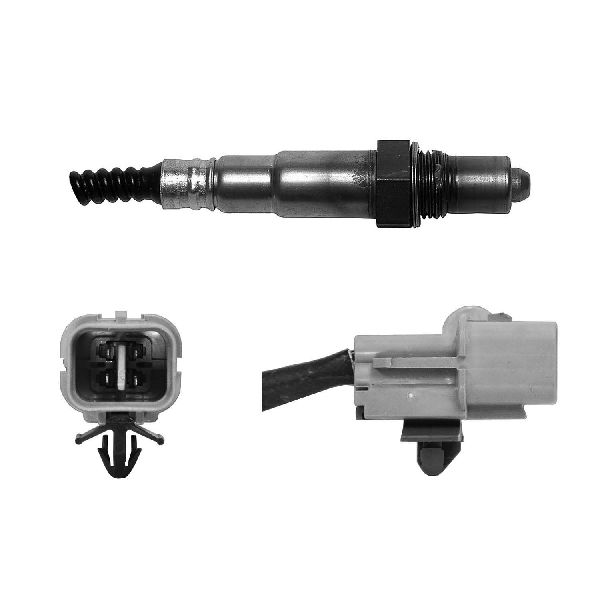
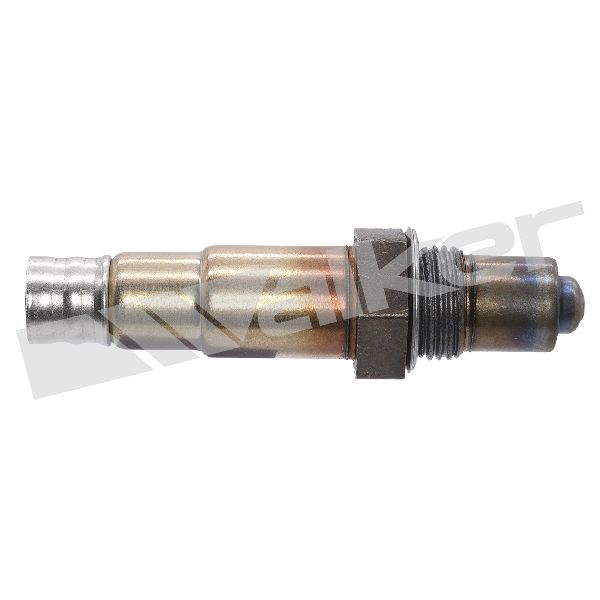
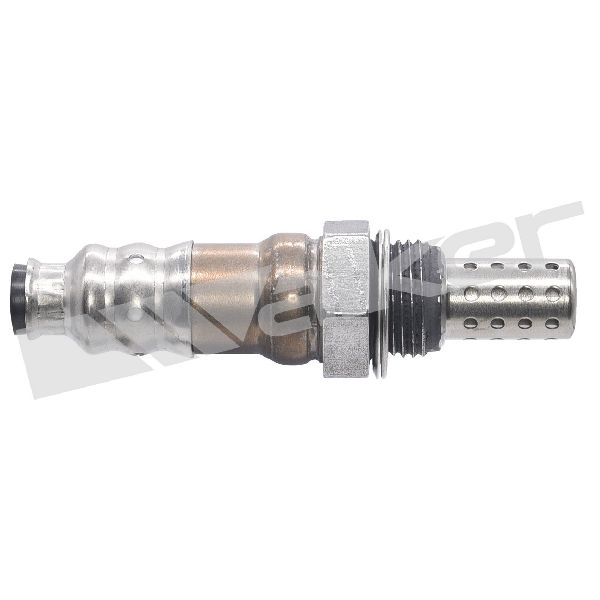
- Downstream Oxygen Sensor (Bank 1 Sensor 2)
(OEM #39210-2B210)— This is the most common cause for code P0037, as the internal heater element fails over time. This part number is also used on the Hyundai Accent and Kia Rio/Soul with the same engine.
Trusted brands: Bosch, Denso, NGK/NTK, Walker
OEM price range: $175-$260
Aftermarket price range: $60-$110
Technical Service Bulletins (TSBs) & Recalls
- 16-FL-002: Mentions a faulty oxygen sensor and required software update for some 2013-2015 turbo models.
Platform-Specific Known Issues
- There is a Technical Service Bulletin (TSB 16-FL-002) for 2013-2015 Veloster models with the 1.6L Turbo engine related to a faulty oxygen sensor and an ECM update, though it doesn't specifically name P0037.
Mechanic-Grade Diagnostic Values
- Downstream O2 Sensor (B1S2) Heater Element Resistance — expected: 8.0 - 14.0 Ω at 80°C (176°F). Failure: A reading of infinite resistance (OL) indicates an open circuit (burned out element). A reading near zero indicates a short circuit.
- Voltage at O2 Sensor Harness Connector (Heater Power Pin) — expected: ~12V (Battery Voltage) with key on, engine off. Failure: Significantly less than 12V or 0V indicates a wiring issue, blown fuse, or faulty ECM driver.
- ECM Diagnostic Threshold for P0037 — expected: Heater voltage should not be below 2.34V when the heater is commanded on.. Failure: The ECM sets P0037 if it detects the heater control line voltage is less than 2.34V.
Scan Tool Commands That Help
- Hyundai GDS (Global Diagnostic System): Actuation Test -> Heater (Bank 1 Sensor 2) — This bidirectional command allows a technician to manually turn the O2 sensor heater on and off to verify the circuit's integrity. You can monitor the voltage on the control circuit with a multimeter or on the scan tool's live data stream to see if it responds correctly to the on/off commands.
- Advanced OBD-II Scanner: Hyundai Drive Cycle Procedure — After replacing the sensor and clearing the code, a specific drive cycle must be completed to allow the car's computer to run its self-tests and set the emissions monitors to 'Ready'. This is required to pass a smog check. The procedure involves specific periods of idling, steady-speed driving, and coasting.
Wiring & Ground Locations
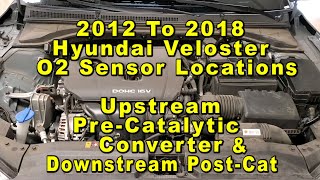
- Downstream O2 Sensor Connector — On the exhaust pipe, after the catalytic converter, underneath the vehicle. The connector is typically clipped to the underbody or a nearby bracket.. This is the primary point for testing both the sensor's internal heater resistance and the voltage/ground supply from the vehicle harness. The two same-colored wires (often black or white) are for the heater circuit.
- ECM Ground — The main ECM grounds are typically located on the left side of the engine compartment (e.g., Gggt01, Gggt06, Gggt07). There are also ground distribution points under the dash and in the driver's kick panel.. A poor ECM ground can cause a variety of incorrect sensor readings and false codes, including P0037. While rare, it's a critical check if the sensor and wiring test good but the problem persists.
- A/F Heater Fuse — In the engine compartment fuse/relay box. It may be labeled 'A/F HEATER' or similar.. This fuse supplies the 12V power to the oxygen sensor's heater circuit. If it blows, the heater will not operate, immediately triggering code P0037.
Real Owner Repair Stories
- Veloster.org forum user (2016 Hyundai Veloster Turbo) — Check Engine Light with code P0037.
❌ Tried (didn't work) Initial diagnosis was uncertain.
✅ What actually fixed it Replacing the downstream (post-catalytic converter) oxygen sensor resolved the code. Another user confirmed this is a very common failure point.
OEM Part Supersession History
39210-2B210→N/A— This part number appears to be stable for the specified model years.
Heads up: This part number is listed for the non-turbo Veloster and the Accent. The turbo model may use a different part number. Always verify with VIN.
Diagnostic Flowchart
Other Known Issues on This Vehicle
Issues unrelated to this code that are worth knowing about as an owner of this generation:
- Connecting Rod Bearing Failure / Engine Seizure 🔴 High — A well-documented issue, particularly in 2015-2016 models, but can affect the entire generation. Often occurs between 30,000 and 80,000 miles. Symptoms include engine knocking, loss of power, and potential for engine fire. (Ref: Subject of recall campaign 198 (NHTSA ID 20V746000) and a class-action lawsuit. Hyundai extended the powertrain warranty to 15 years/150,000 miles for affected vehicles that have the Knock Sensor Detection System (KSDS) software update installed.)
- Dual-Clutch Transmission (DCT) Problems 🟠 Medium — Commonly reported on early models (2012-2016). Issues include hesitation from a stop, jerking, shuddering, rough shifting, and complete loss of engagement. Some owners report transmission overheating warnings. (Ref: A 2016 service bulletin (#5NP-X7J3D-10) was issued for related issues on the Tucson, acknowledging that delayed engagement could increase crash risk. No specific recall for all Veloster models, but it's a widely discussed owner complaint.)
- Peeling Exterior Paint (Especially White) 🟡 Low — Widespread reports of paint, particularly 'Crystal White', peeling and flaking off in large sheets from the roof, hood, and fenders. This is a known issue across many Hyundai models from this era. (Ref: Hyundai extended the paint warranty for this issue from 3 years/36,000 miles to 10 years/unlimited miles for certain models and colors (TSB #22-BD-004H).)
- Engine Carbon Buildup 🟠 Medium — As a Gasoline Direct Injection (GDI) engine, the intake valves are prone to carbon buildup over time (typically noticeable after 60,000+ miles), which can lead to rough idle, misfires, and power loss.
Used vs. New Parts: Buying Guide for This Vehicle
When a used part is the smart pick: It is almost never a good idea to buy a used oxygen sensor. They are wear-and-tear items with a finite lifespan, and the labor to install one is the same whether the part is new or used. The risk of premature failure of a used sensor outweighs any small cost savings.
What to inspect on the donor part:
- Not applicable, as buying used is not recommended.
OEM-only on this vehicle (don't cheap out):
- While not strictly required, using an OEM sensor is the safest bet. However, high-quality aftermarket sensors from specific brands are widely accepted as reliable alternatives.
Aftermarket brands forum-validated for this vehicle:
- NTK (part of NGK) and Denso are highly regarded OEM suppliers and are considered the top choices for aftermarket oxygen sensors. Bosch is also a major OEM supplier, but some mechanics report occasional compatibility issues with certain vehicles.
Brands owners have reported issues with on this vehicle:
- Avoid generic, unbranded, or 'white-box' oxygen sensors. While they may be cheaper, they have a high failure rate and can have incorrect response characteristics, leading to persistent codes or poor engine performance.
Real Owner Stories
Aggregated from forums and TSBs cited above. Mileages and costs reflect what owners reported in those sources.
2016 Veloster Turbo
Symptoms: Experienced code P0037; the downstream O2 sensor was identified as a common failure point.
What fixed it: Replacing the downstream oxygen sensor.
Source hint: Veloster.org thread titled 'P0037 HO2S Heater Control Circuit Low (Bank 1 Sensor 2) on Veloster.org'
2012 Hyundai Veloster
Symptoms: Owner sought advice on diagnosing a suspected bad O2 sensor heater circuit.
What fixed it: The discussion confirmed the sensor itself is the most likely cause for heater circuit codes.
Source hint: Reddit r/MechanicAdvice thread titled 'Diagnosing a bad O2 sensor ('12 Hyundai Veloster)'
Related OBD-II Codes
Frequently Asked Questions
Does TSB 16-FL-002 apply to my 2012-2017 Hyundai Veloster regarding the P0037 code?
What is the specific OEM part number for the downstream oxygen sensor on my Veloster?
Where is the Bank 1 Sensor 2 located on the 1.6L Gamma GDI engine?
Can I test the O2 sensor heater circuit myself with a multimeter?
Is it common for the wiring to melt on the Veloster's exhaust?
Will a blown fuse cause a P0037 code on my Veloster?
Helpful Videos

We Have This Part in Stock



The information in this article is provided for general reference and educational purposes only. Vehicle specifications, procedures, and part compatibility can vary by production date, trim level, and region. Always consult your vehicle's factory service manual and verify part numbers before purchasing or performing repairs. Safety-critical components such as airbags, seat belts, and braking systems should be installed by a qualified professional.
- Hyundai Veloster:
- 🧭 Diagnostic Flowchart
- 🎬 Helpful Videos
- 🛍️ Shop This Part
- What's Unique About the 2012-2017 Hyundai Veloster
- Symptoms You May Notice
- Most Likely Causes
- Rare But Worth Checking
- Diagnosis Steps
- Parts You'll Likely Need
- Technical Service Bulletins (TSBs) & Recalls
- Platform-Specific Known Issues
- Mechanic-Grade Diagnostic Values
- Scan Tool Commands That Help
- Wiring & Ground Locations
- Real Owner Repair Stories
- OEM Part Supersession History
- Other Known Issues on This Vehicle
- Used vs. New Parts: Buying Guide for This Vehicle
- Real Owner Stories
- 2016 Veloster Turbo
- 2012 Hyundai Veloster
- Related OBD-II Codes
- Frequently Asked Questions
- 🎟️ Get 5% Off