

P0057 on 2012-2017 Hyundai Azera 3.3L V6: HO2S Heater Circuit Low Causes and Fixes
This code almost always means the Bank 2, Sensor 2 oxygen sensor has failed. This is the downstream sensor on the front (radiator side) of the engine. Replacing the sensor itself is the most common fix. The OEM part number is 39210-3CDB0. Aftermarket parts cost around $60-$120, and the repair is straightforward for a DIYer with an O2 sensor socket.
- P0057 points directly to the heater circuit of the downstream oxygen sensor on the front (radiator side) of the engine.
- The most likely cause is a failed sensor (OEM Part # 39210-3CDB0), which is a simple part to test with a multimeter by checking its resistance.
- Before buying a new sensor, always perform a quick visual check of the wiring for damage and verify the related fuse is not blown.
- This is a DIY-friendly repair that can be done with basic tools and an O2 sensor socket, and it will resolve a failed emissions test.
What's Unique About the 2012-2017 Hyundai Azera
On the transverse-mounted 3.3L Lambda V6, identifying the correct sensor is key. 🎬 Watch: How to identify the different O2 sensor locations. Bank 2 is the front bank, making this sensor (downstream) relatively easy to access from underneath the vehicle compared to Bank 1 sensors near the firewall. The problem is typically a simple component failure of the sensor's internal heater, a common issue across many modern vehicles, rather than a specific design flaw on the Azera platform. The diagnostic procedure is standard for this type of fault, and the issue is frequently reported on Hyundai/Kia V6 models.
Symptoms You May Notice
- Check Engine Light is on.
- Failing a state emissions inspection.
- Potentially a slight decrease in fuel economy (1-3 MPG).
- Rough idle in very rare cases, though not typical for a downstream sensor fault.
- Replacing the wrong oxygen sensor (e.g., replacing the upstream Sensor 1, or a sensor on Bank 1 near the firewall).
- Replacing the ECM before thoroughly testing the sensor and wiring.
- Assuming a new sensor is good without testing it; manufacturing defects can occur.
Most Likely Causes
- Failed Bank 2, Sensor 2 Oxygen Sensor 🔴 High Probability → Shop Oxygen Sensor The internal heater element within the oxygen sensor is a common failure point due to constant, rapid heat cycles and age. It can short out or burn out like a lightbulb filament, creating an open circuit.
How to confirm: Disconnect the sensor and measure the resistance between the two heater circuit wires (usually the two wires of the same color, often white or black). A Hyundai service document for a similar V6 specifies a resistance of approximately 8.1 to 11.1 Ohms at 21°C (70°F). An open circuit (infinite resistance, or 'OL' on a multimeter) or a reading near zero ohms confirms the sensor has failed. 🎬 See this breakdown of P0057 causes and common fixes.
Typical fix: Replace the Bank 2, Sensor 2 oxygen sensor. This sensor is located after the catalytic converter on the front (radiator side) of the engine. The OEM part number is 39210-3CDB0. 🎬 Watch: Step-by-step Bank 2 Sensor 2 replacement walkthrough.
Est. part cost: $60-$120 - Damaged Wiring or Connector 🟡 Medium Probability The wiring harness runs underneath the vehicle and is exposed to road debris, heat from the exhaust, and moisture. This can cause wires to fray, melt, or break. The connector itself can also become corroded or filled with debris, leading to a poor connection.
How to confirm: Visually inspect the entire wiring harness leading to the sensor for any signs of melting, chafing, or breaks. Unplug the connector and check for corroded, bent, or pushed-out pins. Use a multimeter to check for battery voltage (~12V) on the power supply wire of the harness-side connector with the key on, engine off.
Typical fix: Repair the damaged section of wire or clean/replace the connector. Use heat-shrink tubing and solder for durable repairs.
Est. part cost: $5-$25 - Blown Fuse ⚪ Low Probability
How to confirm: Check the fuse boxes for a fuse labeled for the O2 sensor heater circuit. On similar Hyundai V6 models, this is often a 15A fuse labeled 'SNSR 1' in the engine compartment fuse box. A blown fuse indicates a short circuit that needs to be found, which could be in the sensor itself or the wiring. If the fuse is blown, the sensor has likely shorted internally.
Typical fix: Replace the blown fuse after diagnosing the cause of the short. Simply replacing the fuse without finding the root cause will likely result in it blowing again.
Est. part cost: $1-$5
Rare But Worth Checking
- Faulty Engine Control Module (ECM): → Shop Engine Control Module (ECM) This is extremely rare. The internal driver circuit in the ECM that controls the sensor's heater can fail. This should only be considered after the sensor, wiring, and fuses have all been confirmed to be in good working order. ECM failure on this platform can also present with other symptoms like stalling or a no-start condition.
Diagnosis Steps
- Read the code with an OBD-II scanner to confirm P0057 is the only code present.
- Locate the Bank 2, Sensor 2 oxygen sensor. It is downstream (after) the catalytic converter on the front (radiator side) of the engine.
- Visually inspect the sensor's wiring harness and connector for any obvious damage, such as melting on the exhaust, chafing, corrosion, or loose connections.
- Check the fuse for the oxygen sensor heater circuit. This is likely a 15A fuse labeled 'SNSR 1' in the under-hood fuse box.
- If the wiring and fuse are okay, disconnect the sensor's electrical connector.
- Use a multimeter to test the sensor's internal heater circuit. Measure the resistance across the two same-colored wires leading into the sensor itself. The reading should be around 8-11 ohms. If it's infinite (OL) or near zero, the sensor is bad and needs to be replaced.
- If the sensor tests good, check for power at the vehicle-side harness connector. With the ignition on (engine off), use a multimeter to check for battery voltage (~12V) between the heater power wire and a known good ground. If power is missing, there is a wiring issue between the fuse box and the sensor.
- If all other steps pass, the issue may be a rare failure in the ECM's driver circuit, but this is highly unlikely.
Parts You'll Likely Need
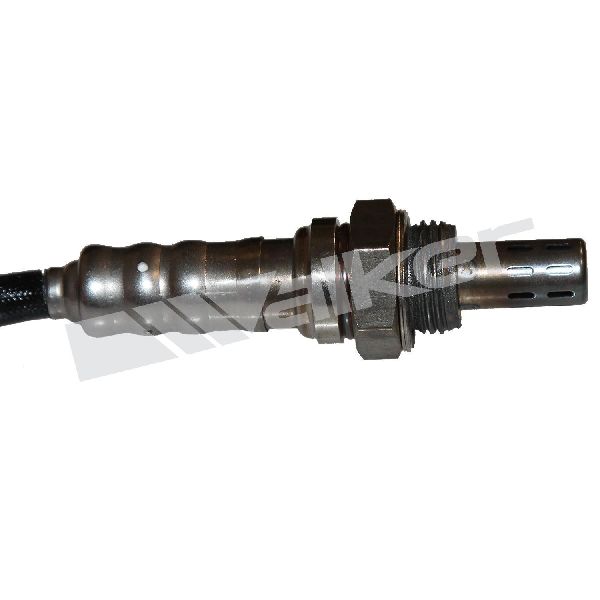
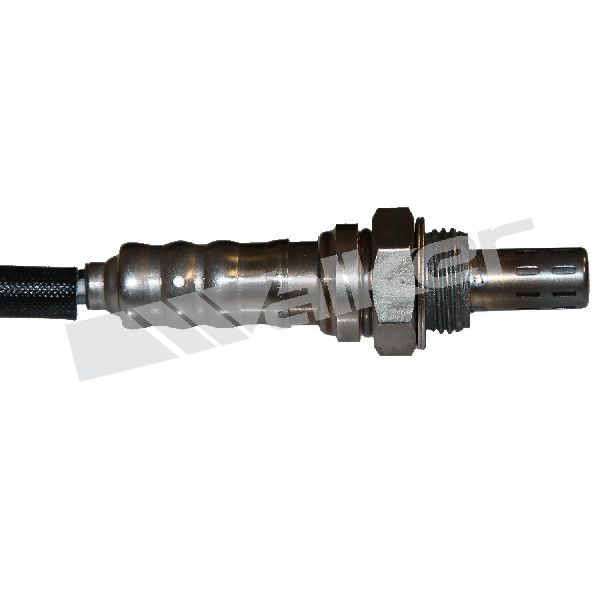
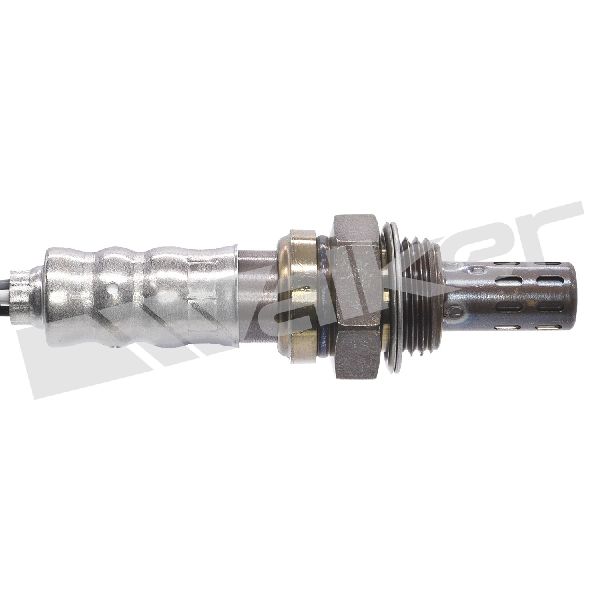
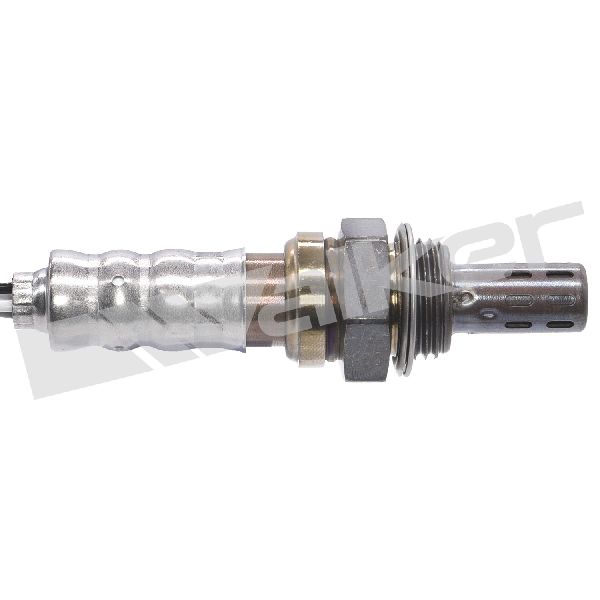
- Oxygen Sensor (Bank 2, Sensor 2)
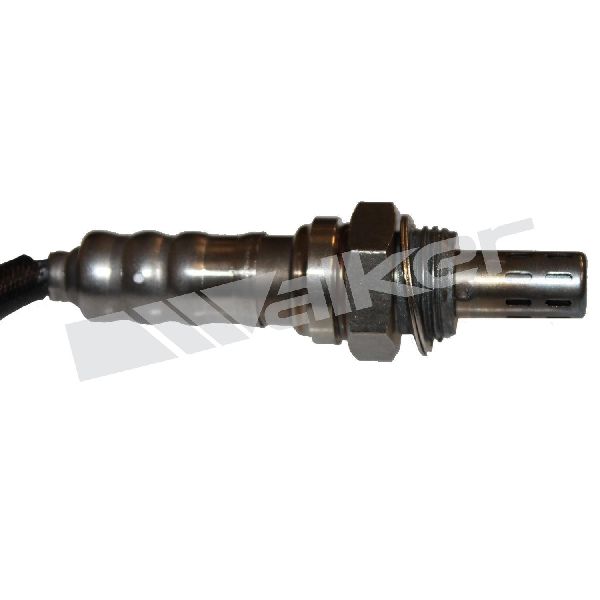
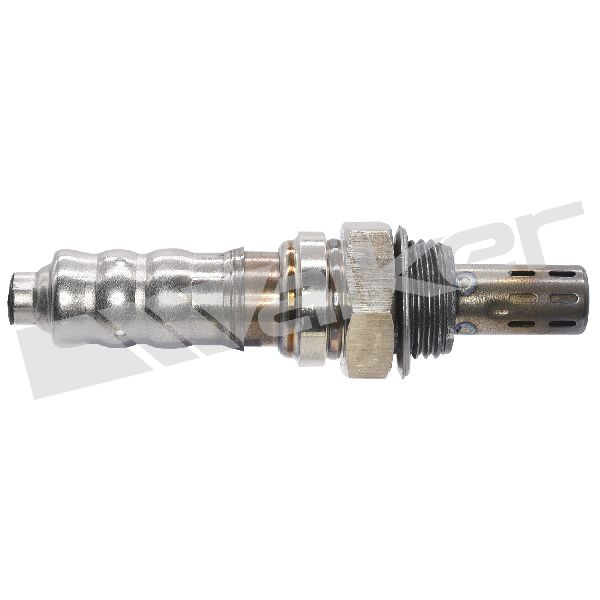
(OEM #39210-3CDB0)— This is the downstream (post-catalyst) sensor for the front cylinder bank. Its internal heater element is the most common point of failure for code P0057.
Trusted brands: Denso, Bosch, Walker Products, NGK/NTK
OEM price range: $120-$180
Aftermarket price range: $60-$120
Mechanic-Grade Diagnostic Values
- O2 Sensor Heater Element Resistance — expected: 8.1 to 11.1 Ω at 21°C (70°F). Failure: Infinite resistance (OL) indicates an open circuit (burned out element). Near-zero resistance indicates an internal short.
- Heater Circuit Voltage at Harness Connector — expected: ~12V (Battery Voltage) with Key On, Engine Off. Failure: 0V indicates a blown fuse or an open in the power supply wire from the fuse box.
- Heater Circuit Ground Control (Live Data) — expected: Active duty cycle percentage shown on a scan tool (like Hyundai GDS) when the engine is cold.. Failure: 0% or no activity indicates the ECM is not commanding the heater on, pointing to a potential ECM or wiring issue.
- Heater Circuit Ground Control (Back-probe) — expected: A pulse-width modulated (PWM) ground signal visible on a multimeter or oscilloscope when back-probing the ground wire at the connector with the engine running.. Failure: A steady 0V or steady battery voltage indicates a lack of control from the ECM.
Scan Tool Commands That Help
- Hyundai GDS (Global Diagnostic System): Actuation Test for O2 Sensor Heater — After verifying power and ground with a multimeter, this command directly tests the ECM's ability to control the heater circuit. It can force the heater 'ON' to confirm if the circuit is complete and the sensor responds, helping to isolate a faulty sensor from a wiring or ECM driver issue.
Wiring & Ground Locations
- SNSR 1 Fuse — Located in the engine compartment junction block (main fuse box).. This 15A fuse is the power source for the oxygen sensor heater circuits on many Hyundai V6 models. If it's blown, the heater will not receive power, directly causing a P0057.
- O2 Sensor Heater Wires — Within the 4-wire connector for the oxygen sensor.. The two wires of the same color (typically both white or both black) are for the heater circuit. These are the specific pins to probe for resistance on the sensor side and for voltage/ground on the harness side.
Real Owner Repair Stories
- YouTube channel 'Auto Repair Guys' (on a similar Hyundai engine) (2013 Hyundai Sonata 2.4L GDI) — Check Engine Light with O2 sensor heater circuit codes (P0036, P0037, etc.).
❌ Tried (didn't work) The video focused on direct diagnosis rather than listing failed parts.
✅ What actually fixed it The wiring harness for the downstream O2 sensor had come loose from its retaining clips, allowing it to rest against the hot exhaust pipe. This melted the wire insulation, causing the wires to short together. The fix was to cut out the damaged section, splice in new wire, and properly secure the harness away from the exhaust.
Model Year Variations Within This Range
- 2012-2017: While the Azera had a cosmetic and feature refresh for the 2015 model year, the 3.3L Lambda II GDi V6 engine and associated emissions components remained consistent. The diagnosis and repair for P0057 are identical for all years in this range.
Diagnostic Flowchart
Other Known Issues on This Vehicle
Issues unrelated to this code that are worth knowing about as an owner of this generation:
- GDI Intake Valve Carbon Buildup 🟠 Medium — Common on GDI engines, especially with high mileage (60k+ miles) or lots of short-trip driving. Can cause rough idle, hesitation, and reduced power. (Ref: No specific recall, but it is a widely acknowledged characteristic of GDI engines.)
- ABS Module Internal Short / Fire Risk 🔴 High — Subject of a major safety recall (NHTSA ID: 23V-651000). The ABS module can leak fluid internally, causing an electrical short and potential for an engine compartment fire, even when parked. (Ref: Recall 23V-651000 (Hyundai Campaign 251).)
- Alternator Failure Due to Oil Leak 🟠 Medium — A leaking valve cover gasket (particularly the front one) can drip oil directly onto the alternator, causing premature failure. This is a known issue on the related 3.8L engine and is reported by owners of the 3.3L as well. (Ref: No recall for the Azera, but a known pattern of failure.)
- Engine Knocking / Potential Failure 🔴 High — While more prominent on 4-cylinder Hyundai engines, some V6 models have been included in engine-related service campaigns. Symptoms include engine knocking, oil consumption, and potential for stalling. (Ref: Multiple engine-related campaigns exist; owners should check their VIN.)
- Trunk Latch Failure 🟡 Low — Affects 2016-2017 models. The trunk latch can become damaged, preventing the trunk from being opened from the inside. (Ref: Recall 21V619000 (Hyundai Campaign 208).)
Used vs. New Parts: Buying Guide for This Vehicle
When a used part is the smart pick: For this repair, using a used part is strongly discouraged. The primary failure is the internal heater element, which is a wear-and-tear component with a finite lifespan. A used sensor from a salvage yard has unknown remaining life and is very likely to fail soon after installation, causing the code to return.
What to inspect on the donor part:
- Not applicable, as used sensors are not recommended.
Aftermarket brands forum-validated for this vehicle:
- NTK (often the original equipment manufacturer)
- Denso
- Bosch
Brands owners have reported issues with on this vehicle:
- Generic, unbranded 'white-box' parts from online marketplaces should be avoided, as they have a high failure rate and may not meet OEM specifications for heater resistance and sensor accuracy.
Real Owner Stories
Aggregated from forums and TSBs cited above. Mileages and costs reflect what owners reported in those sources.
Hyundai Azera 3.3L V6
Symptoms: A user experienced the P0057 code immediately after having an exhaust pipe replaced.
What fixed it: The owner followed the standard diagnostic path, first replacing the oxygen sensor and then troubleshooting the wiring harness and PCM to find the fault.
Source hint: hyundai-forums.com - P0057 changed O2, checked PCM
Hyundai Azera (older model)
Symptoms: The P0057 code appeared along with an unusual no-start condition.
What fixed it: The experience highlighted the need to check fuses. A blown fuse in the O2 sensor heater circuit can sometimes affect other critical systems, leading to a no-start.
Source hint: reddit.com/r/MechanicAdvice - P0057 code
Related OBD-II Codes
Frequently Asked Questions
Where exactly is the Bank 2, Sensor 2 oxygen sensor located on my 3.3L Azera?
What is the official Hyundai part number for the P0057 oxygen sensor?
How can I test the oxygen sensor's heater with a multimeter to confirm it's bad?
Which fuse should I check for the P0057 code on my Azera?
Are there any major safety recalls I should know about for my 2012-2017 Azera?
Is it okay to buy a used oxygen sensor from a junkyard to fix this code?
What are some reliable aftermarket brands for this oxygen sensor if I don't want to buy OEM?
Helpful Videos

We Have This Part in Stock

The information in this article is provided for general reference and educational purposes only. Vehicle specifications, procedures, and part compatibility can vary by production date, trim level, and region. Always consult your vehicle's factory service manual and verify part numbers before purchasing or performing repairs. Safety-critical components such as airbags, seat belts, and braking systems should be installed by a qualified professional.
- Hyundai Azera:
- 🧭 Diagnostic Flowchart
- 🎬 Helpful Videos
- 🛍️ Shop This Part
- What's Unique About the 2012-2017 Hyundai Azera
- Symptoms You May Notice
- Most Likely Causes
- Rare But Worth Checking
- Diagnosis Steps
- Parts You'll Likely Need
- Mechanic-Grade Diagnostic Values
- Scan Tool Commands That Help
- Wiring & Ground Locations
- Real Owner Repair Stories
- Model Year Variations Within This Range
- Other Known Issues on This Vehicle
- Used vs. New Parts: Buying Guide for This Vehicle
- Real Owner Stories
- Hyundai Azera 3.3L V6
- Hyundai Azera (older model)
- Related OBD-II Codes
- Frequently Asked Questions
- 🎟️ Get 5% Off