

P0087 on 2011-2015 Kia Sorento: Fuel Pressure Too Low Causes and Fixes
On a 2011-2015 Sorento with a GDI engine, code P0087 is most often caused by a failing high-pressure fuel pump (HPFP). Before replacing parts, check if Kia's Service Campaign SC114 (ECU update) has been performed. A new HPFP can cost between $300 and $1,000+ for the part alone. A strong gasoline smell in the engine oil is a key indicator of a failed HPFP.
- First, always check if your Sorento has had the free SC114 software update from a Kia dealer before buying any parts.
- The most common mechanical failure is the engine-mounted high-pressure fuel pump (HPFP).
- Symptoms include serious drivability issues like stalling and power loss; do not ignore this code.
- A strong smell of gas in the engine oil is a classic sign of a failed HPFP.
- If replacing the HPFP, you must also replace the single-use high-pressure fuel pipe to prevent leaks.
What's Unique About the 2011-2015 Kia Sorento
The 2011-2015 Sorento (generation XM) transitioned to GDI engines, which rely on a camshaft-driven high-pressure fuel pump (HPFP). This pump is a known failure point across many Kia/Hyundai GDI engines and is the most common mechanical cause of P0087. Kia also issued a service campaign (SC114) for an ECU software update, as the original logic could incorrectly trigger this code due to normal wear. Therefore, diagnosis must include checking the software version before condemning the expensive HPFP. This issue is common enough that a Kia Master Technician on a Reddit forum confirmed the HPFP is the usual culprit after the software is ruled out. Manufacturer documentation such as TSB Bulletin #SC114QA and TSB Bulletin #TSBSC114R1 specifically address this voluntary service campaign to update the ECM software for the P0087 logic improvement.
Symptoms You May Notice
- Check Engine Light is on
- Engine hesitation or stumbling during acceleration
- Significant loss of engine power
- Engine stalling, sometimes unexpectedly
- Rough or unstable idle
- Extended cranking time before the engine starts
- Strong smell of gasoline in the engine oil
- Excessive black smoke from the exhaust upon acceleration
- Replacing the high-pressure fuel pump without first checking if the SC114 software update was performed.
- Replacing the in-tank (low-pressure) fuel pump when the fault is in the high-pressure system. A proper low-pressure test is required to differentiate.
- Replacing the Fuel Rail Pressure Sensor when the erratic readings are actually caused by a failing HPFP.
Most Likely Causes
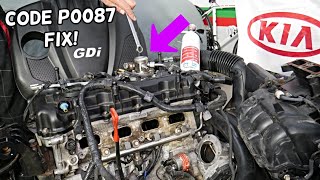
- Failing High-Pressure Fuel Pump (HPFP) 🔴 High Probability → Shop Fuel Pump The HPFP is a common failure item on Kia/Hyundai GDI engines of this era. Kia issued TSB Bulletin #TSB-FUE026 specifically identifying this part as the likely fix after basic checks are performed. Forum and video evidence show this is the most frequent repair for P0087 on these vehicles. 🎬 Watch: A technician explains why this pump fails on Sorentos.
How to confirm: After confirming low-pressure fuel supply is adequate (around 70-75 PSI), use a scan tool to monitor desired vs. actual fuel rail pressure. If actual pressure is consistently low or drops significantly under load, the HPFP is suspect. A critical secondary check is to inspect the engine oil for a strong gasoline smell, which indicates the pump's internal seals have failed and it's leaking fuel into the crankcase.
Typical fix: Replace the high-pressure fuel pump, the one-time-use high-pressure fuel pipe, and the two mounting bolts, as per TSB FUE 026. 🎬 Watch this step-by-step guide to replacing the high-pressure pump.
Est. part cost: $300-$1100 - Outdated Engine Control Module (ECM) Software 🟡 Medium Probability → Shop Engine Control Module (ECM) Kia issued Voluntary Service Campaign SC114 for 2012-2014 Sorentos because the original ECM logic was too sensitive and could trigger P0087 due to normal wear of the pump's internal Flow Control Valve (FCV). This should always be the first check.
How to confirm: A Kia dealership can check the vehicle's service history using the VIN to see if campaign SC114 has been completed. The update event is named '241. XMA 2.4GDI DTC(P0087) LOGIC IMPROVEMENT'.
Typical fix: Have a Kia dealer perform the free software update as specified in Service Campaign SC114.
Est. part cost: $0 - Faulty Fuel Rail Pressure Sensor (FRPS) ⚪ Low Probability → Shop Fuel Pressure Sensor While not as common as the pump, the sensor can fail and provide incorrect readings. Owners sometimes replace this first due to lower cost, but it's often not the root cause.
How to confirm: Monitor the fuel rail pressure reading on a scan tool with the key on, engine off. The reading should be near zero. If it shows high pressure when the engine is off or provides erratic readings that don't match the engine's behavior (e.g., reading high when the engine is stumbling from lack of fuel), the sensor may be faulty. 🎬 See how to diagnose fuel pressure sensor and pump codes.
Typical fix: Replace the fuel rail pressure sensor.
Est. part cost: $70-$200 - Weak In-Tank (Low-Pressure) Fuel Pump or Clogged Filter ⚪ Low Probability → Shop Fuel Pump
How to confirm: Connect a fuel pressure gauge to the low-pressure line feeding the HPFP. The pressure should be stable and hold around 70-75 PSI (at least 480 kPa). If the pressure is low or drops off significantly, the in-tank pump or its integrated filter is the issue.
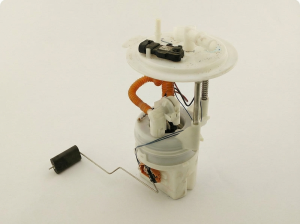
Typical fix: Replace the in-tank fuel pump module, which typically includes the pump, sender, and filter as one assembly.
Est. part cost: $150-$400
Rare But Worth Checking
- Missing HPFP Cam Follower / Tappet: → Shop Fuel Pump If the HPFP was recently replaced, it's possible the small roller tappet (cam follower) that sits between the pump and the camshaft was not installed or was dropped. This will result in the pump not being actuated by the camshaft, generating no high pressure and causing an immediate P0087 code and a car that barely runs. A diagnostic video on a 2016 Sportage with the same engine documented this exact scenario after a shop replaced the pump but forgot the tappet.
- Restricted Low-Pressure Fuel Line: → Shop Fuel Line Kia Bulletin #PS476_R1 notes that a kinked or restricted fuel line between the tank and the HPFP can mimic pump failure. This manufacturer bulletin states that customers may experience an intermittent lack of power or hesitation upon acceleration, and while the MIL may not illuminate, DTC P0087 may be stored in history. Always inspect the fuel lines for damage or sharp bends before replacing expensive components.
Diagnosis Steps
- Check Vehicle Service History: Contact a Kia dealer with your VIN to determine if Service Campaign SC114 has been completed. If not, have this free update performed first, as it can resolve the issue without parts replacement.
- Scan for Codes: Confirm P0087 is the primary code. Note any other codes like P0191, P1186, or misfire codes, as they provide additional diagnostic clues.
- Monitor Live Data: Use a scan tool to view live data for 'Desired Fuel Rail Pressure' and 'Actual Fuel Rail Pressure'.
- Evaluate Pressure Readings: At idle, the actual pressure should closely match the desired pressure. Rev the engine or drive under load. If the actual pressure cannot keep up with the desired pressure and falls significantly, there is a genuine pressure loss.
- Test the Low-Pressure System: Connect a mechanical fuel pressure gauge to the low-pressure feed line at the HPFP. Cycle the key and run the engine. You should see a steady 70-75 PSI (480-517 kPa). If pressure is low, the issue is the in-tank pump or a clogged filter.
- Inspect for Leaks and Wiring Issues: Visually inspect the HPFP, fuel rail, and lines for any signs of fuel leaks. Check the wiring connectors at the HPFP and the fuel rail pressure sensor for damage or corrosion.
- Check Engine Oil: Carefully smell the engine oil on the dipstick. A strong smell of gasoline is a definitive sign that the HPFP has failed internally and is leaking fuel into the crankcase.
- Condemn the HPFP: If the SC114 update is done, the low-pressure system is healthy, the oil smells like gas, and the actual high pressure is still low, the high-pressure fuel pump is the confirmed cause of the failure.
Parts You'll Likely Need
- High-Pressure Fuel Pump (HPFP)
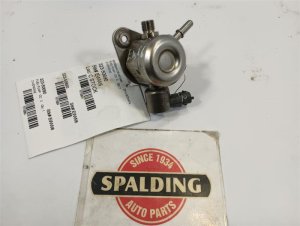
(OEM #35320-2G740 (or 35320-2G720 for 2.4L), 35320-3C400 (for 3.3L))— This is the most common mechanical failure for code P0087 on these engines, as documented in Kia TSB FUE 026 and numerous owner forums.
Trusted brands: Bosch, Delphi, Hyundai/Kia Genuine
OEM price range: $800-$1200
Aftermarket price range: $300-$900 - High-Pressure Fuel Pipe
(OEM #35305-3C200 (Example for 3.3L, check VIN))— This is a one-time-use part that connects the HPFP to the fuel rail. Kia mandates its replacement whenever the HPFP is changed to prevent dangerous, high-pressure leaks.
Trusted brands: Hyundai/Kia Genuine
OEM price range: $50-$100
Aftermarket price range: $30-$70 - Fuel Rail Pressure Sensor
(OEM #35342-2G710 (Example for 2.4L, check VIN))
Related Codes That Often Appear With This One
- P0191 — This code for 'Fuel Rail Pressure Sensor Circuit Range/Performance' can appear with P0087, indicating the sensor's signal is erratic, which could be the sensor itself or the result of the failing HPFP.
- P0300-P0306 — Random or specific cylinder misfire codes can be triggered because the low fuel pressure prevents proper fuel atomization, leading to incomplete combustion.
- P1186 — This is a Kia-specific code for 'Fuel Pressure Monitoring - Minimum Pressure at Engine Speed Too Low'. It often appears with P0087 and reinforces that the fuel pressure is not meeting the minimum required value for a given RPM.
Technical Service Bulletins (TSBs) & Recalls
- TSB Bulletin #TSB-FUE026: 'MIL ON WITH DTC P0087 - DIAGNOSIS AND REPAIR' - Outlines the diagnostic procedure and replacement of the high-pressure fuel pump for models including the Sorento (XM).
- TSB Bulletin #TSBSC114R1: 'VOLUNTARY SERVICE CAMPAIGN ECM UPGRADE –MIL ON WITH DTC P0087' - Details the free software update to correct faulty code logic for certain 2012-2014MY Sorento vehicles.
- Bulletin #SC114QA: Provides Q&A information regarding the Voluntary Service Campaign for the ECU update related to MIL on with DTC P0087.
Platform-Specific Known Issues
- Service Campaign SC114: An ECM update was issued to prevent false P0087 codes. This should always be checked first.
- TSB FUE 026: This Technical Service Bulletin was released by Kia to guide technicians in diagnosing P0087, directly pointing to HPFP failure as the primary cause after initial checks. It also mandates replacing the fuel pipe and mounting bolts.
- Internal HPFP Leakage: A very common failure mode for the HPFP on these engines is an internal leak that dilutes the engine oil with gasoline, which can be detected by smell.
Mechanic-Grade Diagnostic Values
- Low-Pressure Fuel System (In-tank pump) — expected: At least 480 kPa (approx. 70 PSI) at the feed line to the HPFP.. Failure: Pressure significantly below 70 PSI (e.g., 30-40 PSI) points to a failing in-tank pump or clogged filter.
- High-Pressure Fuel System (Scan Tool, at idle) — expected: Actual pressure should match the desired (setpoint) pressure, typically around 40 bar (580 PSI).. Failure: If actual pressure reads a low, fixed value (e.g., 4.5 bar) while desired is 40 bar, the high-pressure system is not functioning.
- High-Pressure Fuel System (Scan Tool, under load/acceleration) — expected: Actual pressure should track desired pressure, rising to 140-150 bar (2000-2175 PSI) or higher.. Failure: If actual pressure fails to rise with desired pressure or drops off significantly, the HPFP is unable to meet demand.
- Fuel Rail Pressure Sensor (FRPS) Voltage — expected: Signal voltage typically varies between 0.5V and 4.5V depending on pressure.. Failure: Voltage stuck at 0V, 5V, or a value that doesn't correspond to the actual measured pressure (when cross-checked with a mechanical gauge) indicates a faulty sensor or wiring issue.
Scan Tool Commands That Help
- Kia GDS (or advanced aftermarket scanner): Live Data Graphing: 'Fuel Rail Pressure' vs. 'Fuel Rail Pressure Setpoint' — This is the primary diagnostic method. Graphing both parameters while driving under load will clearly show if the actual pressure can keep up with the ECM's demand. A significant deviation confirms a pressure delivery problem.
Wiring & Ground Locations
- In-tank Fuel Pump Access — Underneath the rear driver's side seat. The seat bottom must be unbolted and removed to access the fuel pump cover plate.. This is the access point for testing the low-pressure fuel pump's electrical connector and for connecting a pressure gauge to its output line to rule out a low-side fuel delivery issue.
- High-Pressure Fuel Pump (HPFP) — Mounted on the engine, typically on the cylinder head, and driven by the camshaft.. This is the primary suspect for P0087. Its location is critical for inspection of fuel leaks, checking the electrical connector, and for replacement.
Real Owner Repair Stories
- YouTube channel 'Advanced Level Auto Diagnostics' (2016 Kia Sportage 2.4L GDI (same engine family and system)) — Extended crank, poor running, misfires, and immediate return of P0087.
❌ Tried (didn't work) Replaced in-tank (low-pressure) fuel pump, Replaced high-pressure fuel pump (HPFP), Replaced fuel rail pressure sensor
✅ What actually fixed it The small roller tappet (cam follower) that goes between the camshaft and the HPFP was missing. A previous shop had replaced the HPFP but forgot to install the tappet, so the pump was not being actuated at all. Installing the missing tappet resolved all issues. - NHTSA ODI #11581569 — An owner reported multiple codes including P0171, P0138, P0087, and P0036, noting frequent fuel pump and fuel injector replacements or services due to defects in the system.
OEM Part Supersession History
35320-2G720→35320-2G740— Likely an internal revision to improve durability and address the wear issues that can lead to code P0087.
Heads up: The parts are generally interchangeable for the 2.4L GDI engine within the specified model years, but using the latest revision (35320-2G740) is highly recommended.
Model Year Variations Within This Range
- 2014-2015: For the 2014 model year, Kia introduced the 3.3L GDI V6 engine (290 hp) as an option and revised the chassis for 18% greater rigidity. The steering was also changed from a hydraulic unit to an electric motor-driven system. While the P0087 code applies to both GDI engines, the 3.3L V6 uses a different HPFP (e.g., 35320-3C400) than the 2.4L I4.
- 2011-2014: A safety recall campaign (SC172) was issued for some 2012-2014 Sorentos that had prior engine replacement work. The high-pressure fuel pipe may have been damaged or improperly torqued during the engine swap, leading to leaks and potential fire risk. This is a critical check for any vehicle with a replaced engine in this range.
Diagnostic Flowchart
Real Owner Stories
Aggregated from forums and TSBs cited above. Mileages and costs reflect what owners reported in those sources.
Kia GDI Engine
Symptoms: Owner experienced a P0087 code and replaced the low-pressure fuel pump, but the issue persisted.
What fixed it: Replacing the high-pressure fuel pump and associated parts, as confirmed by a verified Kia Master Tech.
Source hint: Reddit r/MechanicAdvice - 'P0087 Code. Replaced Many Parts - Help!'
Kia Sportage GDI
Symptoms: Vehicle had a persistent P0087 code even after a previous shop had already replaced the high-pressure fuel pump, fuel rail pressure sensor, and the in-tank fuel pump.
What fixed it: Installing a missing HPFP tappet that was overlooked during previous repairs.
Source hint: YouTube - 'KIA SPORTAGE GDI FUEL RAIL PRESSURE TOO LOW P0087 DIAGNOSIS & FIX' by ADVANCED LEVEL AUTO
Kia Optima
Symptoms: Owner experienced a P0087 code related to low fuel rail pressure.
What fixed it: Performed a DIY replacement of the High-Pressure Fuel Pump (HPFP).
Source hint: YouTube - 'Kia Optima High Pressure Fuel Pump Replacement P0087' by Bentzy
Related OBD-II Codes
Frequently Asked Questions
Does Service Campaign SC114 apply to my 2011-2015 Kia Sorento for code P0087?
What does Kia TSB FUE 026 recommend for fixing P0087 on my Sorento?
Why does my engine oil smell strongly like gasoline when I have a P0087 code?
Should I replace the low-pressure fuel pump in the tank first to fix P0087?
Can a faulty fuel rail pressure sensor cause P0087 on my 2.4L or 3.3L GDI?
Are other Kia and Hyundai models affected by this same P0087 issue?
Helpful Videos


Used OEM Parts in Stock
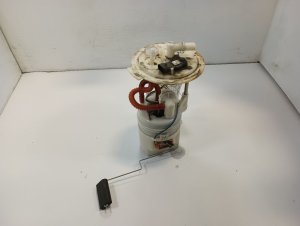
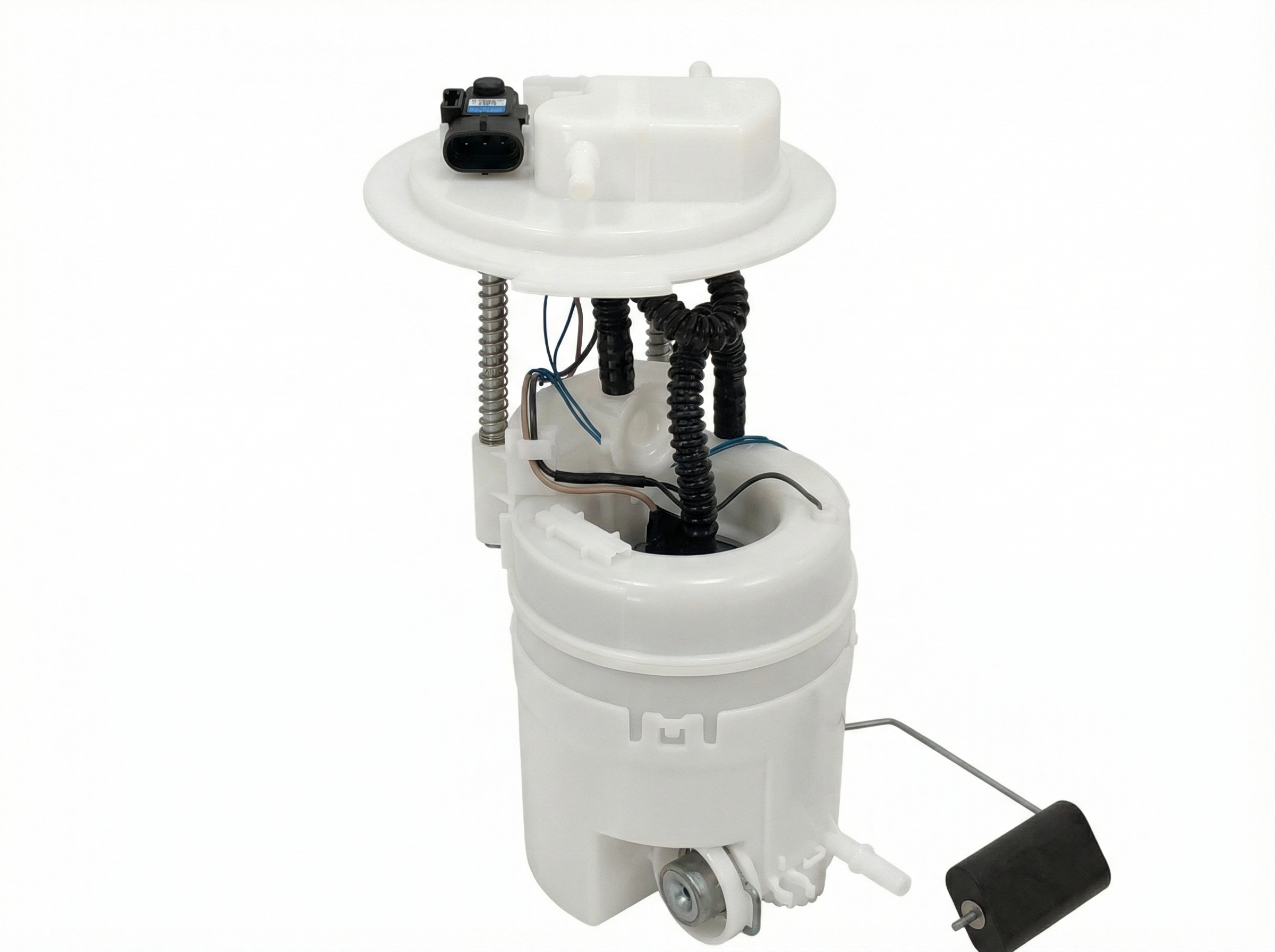
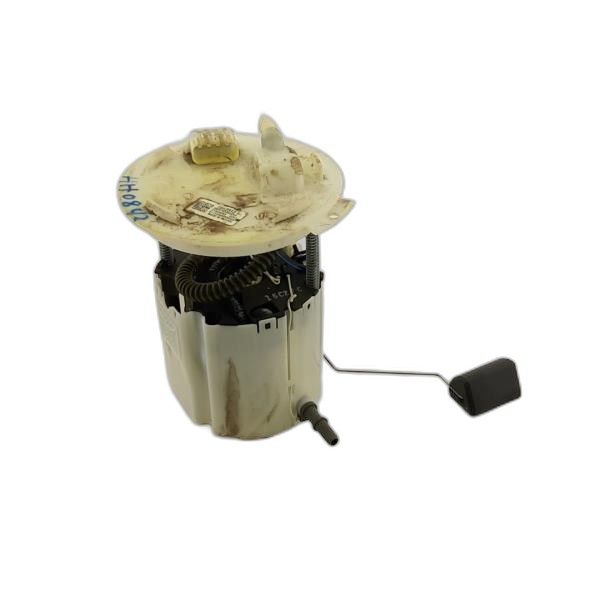
New Aftermarket Parts Available


The information in this article is provided for general reference and educational purposes only. Vehicle specifications, procedures, and part compatibility can vary by production date, trim level, and region. Always consult your vehicle's factory service manual and verify part numbers before purchasing or performing repairs. Safety-critical components such as airbags, seat belts, and braking systems should be installed by a qualified professional.
- Kia Sorento:
- 🧭 Diagnostic Flowchart
- 🎬 Helpful Videos
- 🛍️ Shop This Part
- What's Unique About the 2011-2015 Kia Sorento
- Symptoms You May Notice
- Most Likely Causes
- Rare But Worth Checking
- Diagnosis Steps
- Parts You'll Likely Need
- Related Codes That Often Appear With This One
- Technical Service Bulletins (TSBs) & Recalls
- Platform-Specific Known Issues
- Mechanic-Grade Diagnostic Values
- Scan Tool Commands That Help
- Wiring & Ground Locations
- Real Owner Repair Stories
- OEM Part Supersession History
- Model Year Variations Within This Range
- Real Owner Stories
- Kia GDI Engine
- Kia Sportage GDI
- Kia Optima
- Related OBD-II Codes
- Frequently Asked Questions
- 🎟️ Get 5% Off