

P0088 on 2008-2015 Mitsubishi Lancer Evolution: High Fuel Pressure Causes and Fixes
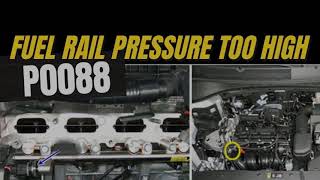
On the Lancer Evolution X, code P0088 usually points to a failing high-pressure fuel pump (HPFP) or a faulty fuel rail pressure sensor. The engine will likely enter a reduced-power 'limp mode'. Diagnosis involves checking live fuel pressure data before replacing parts.
- P0088 on an Evo X means the high-pressure fuel system is reading pressure above its maximum limit.
- The most likely causes are a failing high-pressure fuel pump (HPFP) or a bad fuel rail pressure sensor.
- Do not immediately replace parts. Use a scan tool to observe desired vs. actual fuel pressure to guide diagnosis.
- Driving is not recommended, as the car will be in a low-power limp mode and you risk long-term damage to other components.
- Due to the extreme pressures and fire risk, this is a repair best left to professional mechanics.
What's Unique About the 2008-2015 Mitsubishi Lancer Evolution
The 4B11T engine in the Lancer Evolution X was an early adopter of direct injection technology for Mitsubishi. This system uses two fuel pumps: a low-pressure pump in the tank and a high-pressure, mechanically-driven pump (HPFP) on the engine. Code P0088 specifically relates to the high-pressure side of this system. While many vehicles can get this code, on the Evo X, the issue is almost always isolated to the high-pressure pump, the rail pressure sensor, or the associated wiring. Upgraded fuel pump relays are a common preventative measure for the entire fuel system's health.
Symptoms You May Notice
- Check Engine Light is on
- Engine enters 'limp mode' with severely reduced power and torque
- Engine will not rev past a certain RPM (e.g., 2000-4500 RPM)
- Poor or hesitant acceleration
- Rough idle
- Engine stalling
- Reduced fuel economy
- Black smoke from the exhaust under some conditions
- Sputtering sound from the engine
- Replacing the in-tank (low-pressure) fuel pump. This code is specific to the high-pressure side of the system; a problem with the low-pressure pump would typically cause low pressure codes (like P0087) or no-start conditions.
- Replacing fuel injectors. While a faulty injector can cause issues, it's unlikely to cause a system-wide high-pressure code like P0088. The problem usually lies with the components that generate or measure the pressure for all injectors.
Most Likely Causes
- Faulty High-Pressure Fuel Pump (HPFP) 🔴 High Probability → Shop Fuel Pump The HPFP is a mechanical pump driven by the camshaft. Over time, internal components, particularly the inlet metering valve (often called a suction control valve) that regulates pressure, can wear or fail, causing it to generate excessive pressure or for its internal regulator to stick.
How to confirm: A technician will use a scan tool to monitor desired vs. actual fuel rail pressure. If the actual pressure is consistently and significantly higher than desired, and the sensor is confirmed to be working, the HPFP is the likely culprit.
Typical fix: Replace the high-pressure fuel pump.
Est. part cost: $400-$900 - Faulty Fuel Rail Pressure Sensor 🟡 Medium Probability → Shop Fuel Pressure Sensor The sensor is exposed to extreme pressure and heat cycles, which can cause its internal electronics to fail. It may send an erroneously high voltage signal to the ECM, tricking it into thinking the pressure is too high when it's actually normal.
How to confirm: With the engine off and ignition on, a scan tool should show a pressure reading near zero. If it shows a high reading, the sensor is likely faulty. A technician can also compare the sensor's voltage output to its specifications. A faulty sensor is a common cause of P0088 across many GDI platforms.
Typical fix: Replace the fuel rail pressure sensor. On the 4B11T, this sensor is located on the fuel rail and can be replaced independently.
Est. part cost: $70-$250 - Wiring or Connector Issues ⚪ Low Probability The wiring harness to the fuel rail pressure sensor or the HPFP control solenoid can become damaged from heat, vibration, or rodent activity, causing a short to power.
How to confirm: Visually inspect the wiring harness for any signs of damage, melting, or corrosion at the connectors. A multimeter can be used to check for shorts or opens in the circuit.
Typical fix: Repair the damaged section of the wiring harness or replace the connector.
Est. part cost: $20-$100
Rare But Worth Checking
- Clogged or Restricted Fuel Return Line: While the 4B11T has a complex pressure regulation system, a restriction preventing pressure relief could theoretically cause this code. This is less common than component failure. One user on EvolutionM.net with an older Evo reported this issue after installing a high-volume pump with a stock regulator.
- Failed Engine Control Module (ECM): → Shop Engine Control Module (ECM) In very rare cases, the ECM itself can fail, misinterpreting a correct signal from the pressure sensor. This should only be considered after all other possibilities have been exhaustively ruled out.
Diagnosis Steps
- Connect a high-quality OBD-II scan tool that can read live manufacturer-specific data.
- Check for any other stored trouble codes. Address codes for the fuel pressure sensor circuit (like P0193) first.
- Observe the live data for 'Desired Fuel Rail Pressure' and 'Actual Fuel Rail Pressure'.
- With the key on but the engine off, the actual pressure should be very low (near atmospheric). If it reads high, the sensor is likely bad.
- Start the engine and monitor both pressure readings at idle and while revving. If the actual pressure is consistently much higher than the desired pressure, the issue is likely a mechanical fault in the HPFP or a restriction.
- If the pressure readings seem plausible, inspect the wiring and connectors for the fuel rail pressure sensor and the high-pressure fuel pump for any visible damage.
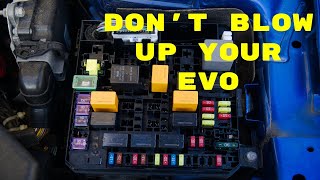
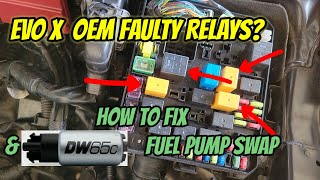
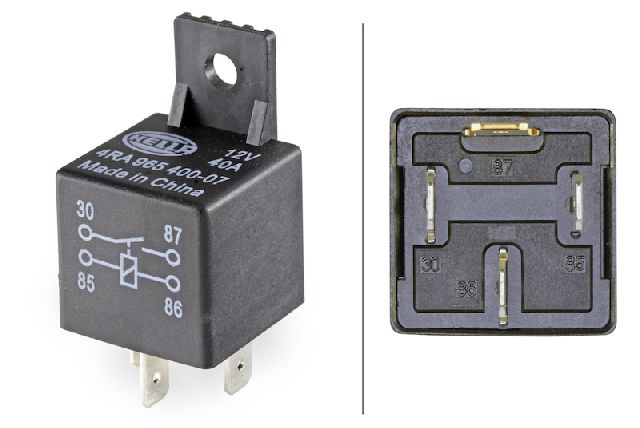
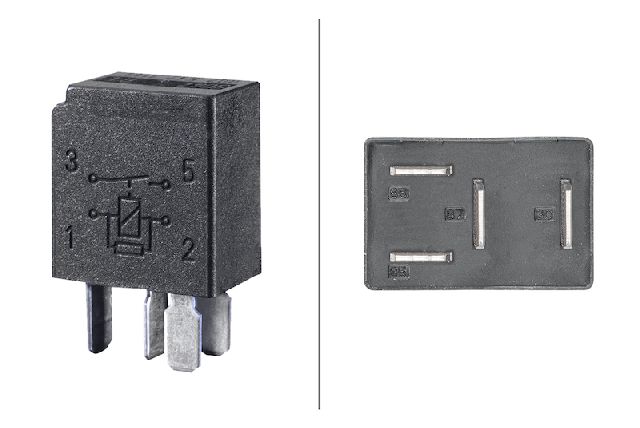
- Check the fuel pump relay. A faulty or failing original relay can cause erratic fuel system behavior. Consider replacing it with the updated blue relay (8627A024) as a diagnostic step or preventative measure.
- If the sensor and wiring are good, and the pressure is confirmed to be too high, the high-pressure fuel pump is the most probable cause of the failure.
Parts You'll Likely Need
- High-Pressure Fuel Pump (HPFP)
(OEM #1025A047)— This is the most common mechanical failure point that leads to excessive fuel pressure in the 4B11T engine.
Trusted brands: Mitsubishi Genuine
OEM price range: $600-$900
Aftermarket price range: $400-$700 - Fuel Rail Pressure Sensor
(OEM #1865A162)— This sensor can fail and send incorrect high-pressure readings to the ECM, triggering the code even if the mechanical pressure is normal.
Trusted brands: Bosch, Denso, Mitsubishi Genuine
OEM price range: $150-$250
Aftermarket price range: $70-$150 - Fuel Pump Relay
(OEM #8627A024 (Updated Blue Relay))— The original relays are a known failure point that can cause various fuel delivery issues. Replacing it is a cheap and easy preventative measure.
Trusted brands: Mitsubishi Genuine
OEM price range: $15-$30
Aftermarket price range: $10-$20
Related Codes That Often Appear With This One
- P0193 — This code means 'Fuel Rail Pressure Sensor Circuit High Input', which can be a direct cause of P0088 if the sensor is sending an abnormally high voltage signal.
- P0087 — While it means 'Fuel Rail Pressure Too Low', it can sometimes appear alongside P0088 if the fuel pressure is fluctuating wildly due to a failing HPFP or sensor, causing the ECM to see both high and low extremes.
Technical Service Bulletins (TSBs) & Recalls
- TSB-13-21-003 / Recall Campaign C1309T: While not for P0088, this recall addresses the failure-prone plastic clutch master cylinder on 2008-2013 manual transmission models, a critical reliability issue for the platform.
Platform-Specific Known Issues
- Owner Experience: Limp Mode and Diagnosis: A user on EvolutionM.net described an experience where their car suddenly entered limp mode, struggling to rev past 2,000 RPM. After shutting the car off and restarting, the issue temporarily resolved, only to return later. This intermittent behavior is characteristic of a failing component like the HPFP or sensor. The user was advised to check for boost leaks and vacuum lines as a first step, which is good general advice, though P0088 points more specifically to the fuel system.
Mechanic-Grade Diagnostic Values
- Fuel Rail Pressure Sensor (FRPS) Signal Voltage, Key On Engine Off (KOEO) — expected: ~0.5 V. Failure: Voltage is stuck near 0V or at the 5V reference voltage.
- Fuel Rail Pressure Sensor (FRPS) Signal Voltage, at Idle — expected: ~1.5 V to 1.8 V. Failure: Voltage does not rise from the KOEO reading, is erratic, or is significantly higher.
- Fuel Rail Pressure Sensor 5V Reference Voltage (at connector, unplugged) — expected: Steady 5.0 V. Failure: Voltage is significantly lower than 5V or is absent, indicating a wiring or ECM issue.
- DTC P0088 Judgment Criteria (Pressure) — expected: Actual pressure must stay below threshold.. Failure: Actual fuel rail pressure exceeds estimated pressure by a specified value for 2 seconds, or exceeds 20,000 kPa (approx. 2900 PSI) for 10 seconds.
Scan Tool Commands That Help
- Mitsubishi M.U.T.-III: Actuator Test - Item 20 (or 5): Fuel Pump — This command manually activates the low-pressure in-tank fuel pump. While P0088 is a high-pressure code, a technician uses this test to confirm the HPFP is receiving adequate fuel supply from the tank. If the low-pressure pump is weak or failing, it can cause erratic behavior throughout the system, so it must be ruled out before condemning the more expensive HPFP.
Wiring & Ground Locations
- Fuel Rail Pressure Sensor Connector (B-01) — On the high-pressure fuel rail, located under the intake manifold.. This is the primary connection point for the sensor. Any corrosion, damage, or looseness at these pins will directly cause incorrect pressure readings, leading to codes like P0088 or P0193.
- FRPS 5V Reference Wire — Pin 1 on the sensor connector (B-01) which runs to Pin 70 on the main Engine-ECU connector.. This wire supplies the 5V power from the ECU needed for the sensor to operate. A multimeter test here should show a steady 5V with the key on. No voltage indicates an open wire or an ECU fault.
- FRPS Signal Wire — Pin 2 on the sensor connector (B-01) which runs to Pin 64 on the main Engine-ECU connector.. This is the wire that sends the variable voltage signal back to the ECU. Back-probing this wire is the primary method for testing the sensor's live output against specifications. A short to power on this wire will cause a constant high reading, triggering P0088.
- FRPS Ground Wire — Pin 3 on the sensor connector (B-01) which runs to Pin 88 on the main Engine-ECU connector.. This is the sensor's dedicated ground provided by the ECU. A poor connection or break in this wire will cause the sensor's signal to be erratic or read incorrectly high, as the signal voltage has no stable reference.
Model Year Variations Within This Range
- 2008-2010: Early Evo X models were equipped with a black fuel pump relay that was prone to failure, causing a variety of fuel delivery issues including stalling and hesitation. This was addressed by an updated, more robust blue relay (PN: 8627A024). It is a common preventative maintenance item to replace the original black relay if it's still present.
- 2008: The factory ECU tune on the 2008 models was known to be particularly rich compared to later years. While not a direct cause of a P0088 fault code, it's a known characteristic of the first model year that was revised in subsequent software versions.
Diagnostic Flowchart
Other Known Issues on This Vehicle
Issues unrelated to this code that are worth knowing about as an owner of this generation:
- Active Yaw Control (AYC) / ACD Pump Failure 🔴 High — Extremely common. The pump is located in a vulnerable position under the car, exposed to road debris and moisture, leading to corrosion and failure. Many owners relocate the pump to the trunk as a preventative measure. (Ref: Mitsubishi extended the warranty for this part to 10 years / 100,000 miles in some markets due to the high failure rate.)
- Timing Chain Stretch 🔴 High → Shop Engine Timing Chain — More common on earlier models (2008-2011). The chain can elongate over time, potentially causing rough idle, CEL codes (P0012, P0016), and, in severe cases, catastrophic engine damage if it jumps timing. A revised, more robust chain was introduced for the 2012 model year. (Ref: No official recall, but a known issue acknowledged in service manuals. The ECM has logic to monitor chain elongation.)
- Plastic Clutch Master Cylinder (CMC) Failure (5-Speed Manual) 🔴 High — The OEM CMC is made of plastic and is prone to cracking or failing, especially with aftermarket clutches that have a higher clamping force. Failure results in the clutch pedal sticking to the floor and an inability to change gears. (Ref: A safety recall was issued for certain 2008-2013 models to replace the plastic unit with a more durable one.)
- Fuel Pump Relay Failure 🟠 Medium → Shop Fuel Pump — The original black or gray fuel pump relays are known to fail, which can cause the engine to run lean and lead to serious damage. It is a highly recommended preventative maintenance item. (Ref: No recall, but an updated, more reliable blue relay is available (Part No. 8627A024).)
- Cracked Exhaust Manifold 🟠 Medium — The stock cast exhaust manifold is known to develop hairline cracks, particularly on the runner for cylinder 3, due to heat cycles.
Used vs. New Parts: Buying Guide for This Vehicle
When a used part is the smart pick: For this repair, used parts are generally not recommended for the core components. A used wiring harness pigtail for the sensor or HPFP could be a viable option if the original connector is damaged. A used fuel pump relay is acceptable if it is the updated blue version.
Donor-vehicle mileage cap: roughly under 60000 miles for the part to have meaningful remaining life.
What to inspect on the donor part:
- For a wiring pigtail, ensure there is no corrosion on the pins and the plastic is not brittle or cracked.
- Verify the donor vehicle did not have a fire or major front-end damage.
- If considering any fuel line, inspect for kinks, rust, or signs of dry rot.
OEM-only on this vehicle (don't cheap out):
- High-Pressure Fuel Pump (HPFP): Due to the risk of system contamination from a previous failure ('swarf'), installing a used HPFP is extremely risky. A new OEM pump is the most reliable choice to avoid repeat failures.
- Fuel Rail Pressure Sensor: While some aftermarket options exist, the sensor is critical for engine performance and safety. An OEM or OEM-supplier (Bosch, Denso) part is strongly recommended for reliability and accurate readings.
Aftermarket brands forum-validated for this vehicle:
- Bosch (for Fuel Rail Pressure Sensor)
- Denso (for Fuel Rail Pressure Sensor)
Brands owners have reported issues with on this vehicle:
- Unbranded, no-name 'white box' high-pressure fuel pumps and sensors from online marketplaces should be avoided due to the critical nature of the high-pressure fuel system.
Real Owner Stories
Aggregated from forums and TSBs cited above. Mileages and costs reflect what owners reported in those sources.
2008-2015 Mitsubishi Lancer Evolution 4B11T
Symptoms: The car suddenly entered limp mode and was struggling to rev past 2,000 RPM. The issue temporarily resolved after restarting the car but eventually returned.
What fixed it: The user was advised to check for boost leaks and vacuum lines, though the symptoms specifically matched the intermittent behavior of a failing HPFP or fuel sensor.
Source hint: EvolutionM.net thread titled 'Somehow made evo go into limp mode' and 'Owner Experience: Limp Mode and Diagnosis' section
Related OBD-II Codes
Frequently Asked Questions
Is there a specific fuel pump relay I should use to prevent fuel system issues on my Evo X?
Does the recall for the clutch master cylinder (TSB-13-21-003) relate to my P0088 fuel pressure code?
Can I replace the fuel rail pressure sensor on my 4B11T without replacing the entire rail?
Is the P0088 code common on the Lancer Ralliart as well as the Evolution?
Could a timing chain issue cause fuel-related codes on my 2010 Evo?
Is there a warranty extension for the fuel pump on the Evo X?
Helpful Videos


We Have This Part in Stock

The information in this article is provided for general reference and educational purposes only. Vehicle specifications, procedures, and part compatibility can vary by production date, trim level, and region. Always consult your vehicle's factory service manual and verify part numbers before purchasing or performing repairs. Safety-critical components such as airbags, seat belts, and braking systems should be installed by a qualified professional.
- Mitsubishi Lancer Evolution:
- 🧭 Diagnostic Flowchart
- 🎬 Helpful Videos
- 🛍️ Shop This Part
- What's Unique About the 2008-2015 Mitsubishi Lancer Evolution
- Symptoms You May Notice
- Most Likely Causes
- Rare But Worth Checking
- Diagnosis Steps
- Parts You'll Likely Need
- Related Codes That Often Appear With This One
- Technical Service Bulletins (TSBs) & Recalls
- Platform-Specific Known Issues
- Mechanic-Grade Diagnostic Values
- Scan Tool Commands That Help
- Wiring & Ground Locations
- Model Year Variations Within This Range
- Other Known Issues on This Vehicle
- Used vs. New Parts: Buying Guide for This Vehicle
- Real Owner Stories
- 2008-2015 Mitsubishi Lancer Evolution 4B11T
- Related OBD-II Codes
- Frequently Asked Questions
- 🎟️ Get 5% Off