

P0089 on 2011-2023 Dodge Charger 3.6L: Fuel Pressure Regulator Performance Fixes
On the 3.6L Charger, P0089 is most often caused by a failing in-tank fuel pump module, as the regulator is built-in. A faulty fuel pump relay is another very common cause. Expect to replace the entire fuel pump assembly, which costs $250-$500 for the part. Before replacing the pump, first rule out the much cheaper and easier fuel pump relay, which is a known failure point in the TIPM (fuse box).
- P0089 means the fuel pressure regulator is not performing correctly.
- On your Charger, the regulator is part of the fuel pump module in the tank. The most common fix is replacing this entire module.
- Before replacing the pump, strongly consider the fuel pump relay. A faulty relay in the TIPM is a very common issue on these cars and produces the same symptoms.
- Symptoms include poor acceleration, rough idle, stalling, and difficulty starting.
- This issue is serious and can leave you stranded, so it should be addressed promptly.
What's Unique About the 2011-2023 Dodge Charger
On the 3.6L Pentastar engine, this code is a bit different than on older vehicles. There is no separate, easily-replaced fuel pressure regulator in the engine bay. Instead, the regulator is integrated into the main fuel pump assembly located inside the fuel tank. This means a faulty regulator requires replacing the entire fuel pump module. Furthermore, Chrysler vehicles from this era are known for issues with the fuel pump relay, often housed within the Totally Integrated Power Module (TIPM), which can mimic a fuel pump or regulator failure by providing intermittent power.
Generation note: The 2011-2023 Dodge Charger is a single generation (LD), but it has had updates over its long production run. However, the fundamental design of the 3.6L Pentastar's returnless fuel system, with the integrated fuel pump and regulator module, remains consistent across these years. The TIPM-related relay issue is most prevalent on 2011-2016 models.
Symptoms You May Notice
- Check Engine Light is on
- Engine hesitation or stumbling during acceleration
- Rough or unstable idle
- Difficulty starting the engine (long crank times)
- Engine stalling, especially under load or at idle
- Reduced engine power and sluggish performance
- Noticeable decrease in fuel economy
- Engine cranks but does not start, especially after the issue worsens over time
- Replacing only the fuel rail pressure sensor without testing fuel pressure. The sensor is rarely the root cause compared to the pump or relay.
- Replacing the fuel pump module when the actual problem is a failing fuel pump relay in the TIPM. This leads to the code returning with the new pump. This is a very common mistake reported by owners.
Most Likely Causes
- Failing Fuel Pump Module (with integrated Regulator) 🔴 High Probability → Shop Fuel Pump The fuel pressure regulator is a mechanical part within the fuel pump assembly that can wear out or fail. Since it's not sold separately, the entire module must be replaced. This is the most common direct cause of the code after the fuel pump relay has been ruled out.
How to confirm: Perform a fuel pressure test using a scan tool to monitor 'desired' vs 'actual' fuel pressure. If the actual pressure is erratic, unstable, or fails to meet the desired pressure of ~58 PSI, and the pump's voltage is stable, the pump module is likely faulty. A mechanical gauge can also be used to verify pressure at the rail.
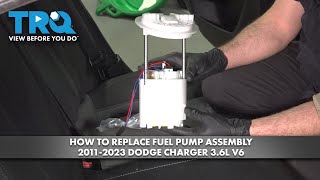
Typical fix: Replace the entire driver's side fuel pump module. The fuel filter is also part of this assembly, so it gets replaced at the same time. The Mopar part number for early models is 68159764AA, which has been superseded by 68159764AD.
Est. part cost: $250-$500 - Faulty Fuel Pump Relay / TIPM Issue 🔴 High Probability → Shop Fuel Pump Many Chrysler/Dodge/Jeep vehicles of this era have issues with the internal, non-serviceable fuel pump relay inside the Totally Integrated Power Module (TIPM). The relay can fail intermittently, providing inconsistent voltage to the fuel pump, which causes pressure fluctuations and triggers P0089. Symptoms often start as a long crank on cold starts and get progressively worse.
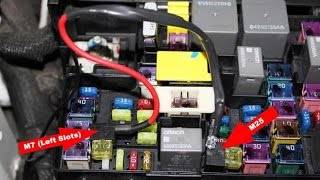
How to confirm: Monitor the voltage supplied to the fuel pump (at the M25 fuse slot in the TIPM) while observing fuel pressure data. If the voltage drops out or becomes erratic at the same time the fuel pressure drops, the relay is the likely culprit. You can also temporarily bypass the relay with an external fused jumper wire to see if the problem disappears.
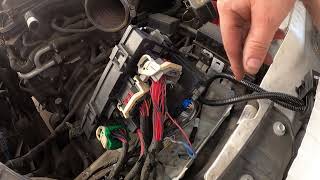
Typical fix: Install an external fuel pump relay bypass kit. This is a common, affordable, and reliable repair that avoids replacing the entire expensive TIPM. 🎬 Watch: How to install a remote fuel pump relay bypass Some vehicles were covered under a recall for this issue.
Est. part cost: $20-$60 for a bypass kit - Clogged Fuel Filter 🟡 Medium Probability → Shop Fuel Filter The fuel filter is a non-serviceable part of the fuel pump module. Over time, it can become clogged with debris, restricting fuel flow and preventing the pump from maintaining the commanded pressure.
How to confirm: This is difficult to confirm directly without removing the pump. It's typically diagnosed by eliminating other causes (like the relay) and then confirmed during the replacement of the fuel pump module, which is also the fix.
Typical fix: Replace the fuel pump module, as the filter is integrated within it.
Est. part cost: $250-$500
Rare But Worth Checking
- Faulty Fuel Rail Pressure Sensor: → Shop Fuel Pressure Sensor This sensor tells the PCM what the fuel pressure is. If it sends faulty data, the PCM might set P0089 even if the pump and regulator are working correctly. It's less common than pump or relay failure but worth checking if a new pump doesn't solve the issue. It is located on the fuel rail.
- Damaged Wiring or Connector: A corroded or loose pin in the connector at the fuel pump module (under the rear seat) can cause intermittent power loss and trigger this code. Always inspect the connector for signs of heat damage or corrosion when accessing the pump.
- PCM Software Issue: In some rare cases, a software glitch in the Powertrain Control Module can cause this code to be set erroneously. Checking for available PCM updates with a dealer or qualified shop can rule this out. TSBs have been issued for other fuel-related software updates, indicating this is a possibility.
Diagnosis Steps
- Scan for Codes: Use an OBD-II scanner to confirm P0089 and check for any other related codes like P0087 or misfire codes.
- Monitor Live Data: Use a scan tool that can display live data. Observe the 'Desired Fuel Pressure' and 'Actual Fuel Pressure' PIDs. Do they match at idle and under light load? Does the actual pressure drop or fluctuate wildly? On this platform, idle pressure should be stable around 58 PSI (400 kPa).
- Check the Fuel Pump Relay: This is a critical first diagnostic step for this vehicle. Check for power at the M25 fuse in the TIPM (fuse box) when the key is turned to 'ON'. If power is intermittent or absent, suspect the relay. Consider installing a relay bypass as a diagnostic step if you suspect an intermittent relay. 🎬 Watch: How to test and bypass the TIPM fuel relay
- Inspect the Fuel Pump Connector: Before replacing the pump, access it under the driver's side rear seat. Disconnect and inspect the electrical connector for any signs of melting, corrosion, or burnt pins. This is a known failure point.
- Test Mechanical Fuel Pressure: If possible, connect a mechanical fuel pressure gauge to the fuel rail's Schrader valve (if equipped). This verifies the electronic sensor's readings. Check if the pressure holds after the engine is turned off. A rapid drop in pressure can indicate a leak or a bad check valve in the pump assembly.
- Replace the Fuel Pump Module: If the relay and wiring are good, and the pressure is confirmed to be unstable or incorrect, the fuel pump module is the most likely cause. Replace the driver's side fuel pump assembly.
Parts You'll Likely Need
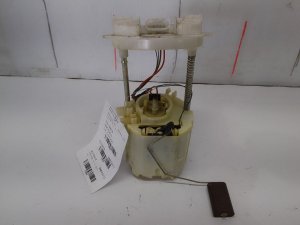
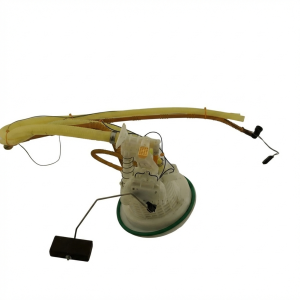
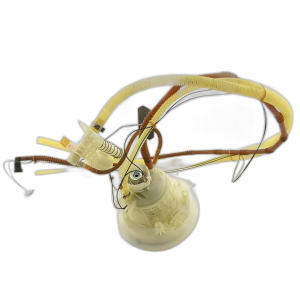
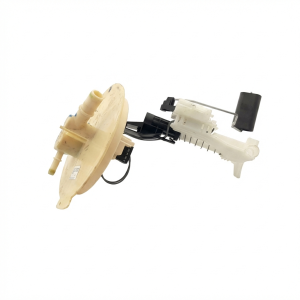
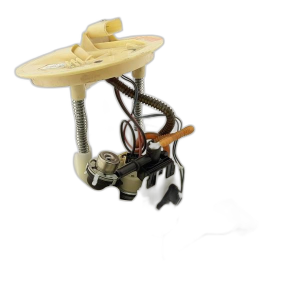
- Fuel Pump and Sender Assembly
(OEM #68159764AD (supersedes 68159764AA, 68159764AB, 68159764AC))— This is the most common fix because the fuel pressure regulator and filter are integrated into this single module. A failure of any one of those components requires replacing the whole assembly.
Trusted brands: Mopar, Bosch, Delphi, Carter
OEM price range: $310-$470
Aftermarket price range: $250-$400 - Fuel Pump Relay Bypass Kit
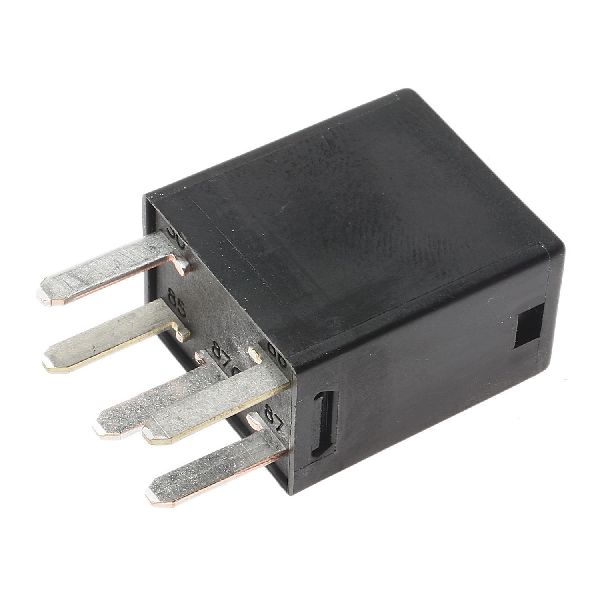
(OEM #N/A (Aftermarket solution))— Fixes the common problem of a failing internal relay in the TIPM, which causes intermittent power to the fuel pump and mimics a pump failure. This is a highly recommended first repair attempt due to its low cost and high probability of success.
Trusted brands: Dorman, Vertical Visions, MAKS TIPM Rebuilders
OEM price range: $30-$50
Aftermarket price range: $20-$60
Related Codes That Often Appear With This One
- P0087 — P0087 means 'Fuel Rail/System Pressure - Too Low'. This is a common companion code because the performance issue with the regulator often results in a low pressure condition.
- P0300, P0301-P0306 — These are misfire codes. Incorrect and unstable fuel pressure can lead to a lean air/fuel mixture, causing the engine to misfire.
Technical Service Bulletins (TSBs) & Recalls
- While no TSB directly addresses P0089 on this platform, TSBs related to PCM software updates for fuel system control and TIPM-related issues on other models exist, such as 18-024-16 REV. B and 08-024-16 REV. B. These highlight that software and module failures are recognized issues within the manufacturer's service network.
Platform-Specific Known Issues
- The fuel pump relay, which is integrated into the Totally Integrated Power Module (TIPM), is a well-documented weak point on many Chrysler products from 2007-2016. Its failure causes a no-start or stalling condition that is frequently misdiagnosed as a bad fuel pump. An external relay or bypass cable is the standard, cost-effective fix.
Mechanic-Grade Diagnostic Values
- Fuel Pressure at Idle (Mechanical Gauge or Scan Tool) — expected: ~58 PSI (400 kPa). Failure: Pressure is consistently low (e.g., 38-48 PSI), unstable, or drops under load.
- Fuel Level Sender Resistance (at pump module connector) — expected: Approximately 50 Ohms when full to 990 Ohms when empty.. Failure: Readings are open, shorted, or do not correspond to the known fuel level.
- Fuel Pump Connector Voltage (at pump module) — expected: Battery voltage (~12V) for 2-3 seconds when key is turned to 'ON', and continuous voltage when engine is running.. Failure: No voltage or intermittent voltage when commanded on by the PCM.
Scan Tool Commands That Help
- wiTECH or equivalent professional scan tool: Fuel Pump Actuator Test / Fuel Pump Relay Actuation — This command allows a technician to manually turn the fuel pump on and off without starting the engine. It is used to verify the integrity of the electrical circuit by confirming voltage reaches the pump connector and allows for checking the pump's amperage draw under a controlled state.
Wiring & Ground Locations
- Fuel Pump Module Connector — On top of the fuel pump module, accessed by removing the driver's side rear seat cushion.. This connector is a known failure point for melting/overheating, especially the power and ground pins. Visual inspection is critical. Furthermore, many aftermarket pumps have a revised pinout and require splicing in the new included pigtail.
- G300 — Main chassis ground located under the carpet, below the driver's side 'B' pillar (the pillar between the front and rear doors).. A poor connection at this major ground point can cause intermittent electrical issues for various modules, potentially affecting the fuel pump control module or PCM's ability to accurately control or monitor the fuel system.
- G301 — Main chassis ground located under the carpet, below the passenger's side 'B' pillar.. Similar to G300, this is a critical chassis ground. Ensuring it is clean and tight can prevent difficult-to-diagnose electrical faults.
- Fuel Pump Power and Ground Pins (Updated Harness) — At the fuel pump connector pigtail.. On updated wiring harnesses supplied with new pumps, the power and ground pins are separated to prevent overheating. The new configuration is typically Power on Pin 5 and Ground on Pin 3. The original factory harness had them adjacent. Failure to use the new harness will result in a no-start condition.
Real Owner Repair Stories
- Reddit user 'PassageHistorical692' in r/Charger (2014 Dodge Charger SE) — Not specified, but implied fuel pump failure.
❌ Tried (didn't work) The first attempt at repair involved a mechanic wiring the new Delphi pump's harness incorrectly.
✅ What actually fixed it The mechanic corrected the wiring for the new harness, which resolved the issue. The user reports the Delphi pump from RockAuto works well, but emphasizes the critical importance of installing the new wire harness correctly to prevent wire burn. - YouTube video by 'JT the Car Guy' (2011-2016 Dodge Charger) — No-start condition after diagnosing a bad fuel pump.
❌ Tried (didn't work) Initially plugging the old factory connector into the new fuel pump.
✅ What actually fixed it The problem was that the new fuel pump's internal circuitry was changed. The fix required cutting off the old connector and splicing in the new pigtail that came with the pump. The ground wire had to be moved from its original pin location to pin 3 to match the new pump design.
OEM Part Supersession History
Factory-installed fuel pump harness connector→New pigtail connector included with most aftermarket and some OEM replacement pumps.— The original connector design placed the main power and ground pins adjacent to each other, making them prone to overheating and melting. The updated design separates these pins to improve heat dissipation and prevent connection failure.
Heads up: CRITICAL: The new pigtail harness MUST be spliced into the vehicle's wiring. Plugging the original factory connector into a new pump with the updated pin layout will result in a no-start condition, as the power and ground circuits will not be correctly aligned.
Model Year Variations Within This Range
- 2011-2016: These model years are most commonly associated with the internal fuel pump relay failure within the Totally Integrated Power Module (TIPM). Later models may have a revised TIPM or a different power distribution design, making this specific failure less common.
- 2015-2023: The 2015 model year marked a significant facelift and the 8-speed automatic became standard across all trims. While the core 3.6L engine and saddle-tank fuel system architecture remained the same, some part numbers for modules and components may differ from pre-facelift models. Always verify part fitment with a VIN.
Diagnostic Flowchart
Other Known Issues on This Vehicle
Issues unrelated to this code that are worth knowing about as an owner of this generation:
- Cracked Oil Filter Housing / Cooler Assembly 🔴 High — Very common, especially on models over 60,000 miles. The plastic housing becomes brittle and cracks, causing significant oil and/or coolant leaks in the engine valley.
- Rocker Arm Bearing Failure ('Pentastar Tick') 🔴 High — Common across all years, particularly pre-2016 models. Needle bearings in the rocker arm rollers fail, causing a distinct ticking noise, misfires, and potential camshaft damage if not addressed. The updated Mopar part is #5184296AH. (Ref: Several class-action lawsuits have been filed regarding this issue.)
- Left Cylinder Head Defect (2011-2013) 🔴 High — Affected early production 3.6L engines (2011-2013). Worn valve guides/seats on the left-side head would cause misfires (P0302, P0304, P0306) and require cylinder head replacement. (Ref: Covered by Chrysler's extended warranty X56 (10 years/150,000 miles). TSB 09-002-14 addresses the diagnosis.)
Used vs. New Parts: Buying Guide for This Vehicle
When a used part is the smart pick: For this specific repair, buying a used fuel pump module is strongly discouraged. The high failure rate of the pump motor and the common issue of melted electrical connectors make it a very risky purchase. The cost savings do not outweigh the high probability of premature failure and having to do the labor-intensive job a second time.
Donor-vehicle mileage cap: roughly under 50000 miles for the part to have meaningful remaining life.
What to inspect on the donor part:
- If considering a used part against advice, inspect the electrical connector pins on the pump module for ANY sign of discoloration, heat damage, or melting. If it is not pristine, reject it immediately.
- Check the fuel strainer 'sock' at the bottom of the pump. If it is black, full of debris, or appears degraded, the pump has likely ingested significant contamination and should be avoided.
OEM-only on this vehicle (don't cheap out):
- Fuel Pump Module Assembly
Aftermarket brands forum-validated for this vehicle:
- Delphi
- Bosch
- Carter
Brands owners have reported issues with on this vehicle:
- Airtex
- Spectra
- Unbranded/white-box pumps from online marketplaces
Real Owner Stories
Aggregated from forums and TSBs cited above. Mileages and costs reflect what owners reported in those sources.
2011-2016 Dodge/Chrysler/Jeep 3.6L V6
Symptoms: The vehicle fails to start and demonstrates symptoms of a TIPM relay failure. The owner showed how the vehicle would not fire up until a bypass was used.
What fixed it: Installation of an external bypass cable to circumvent the faulty internal TIPM fuel pump relay.
Source hint: Dodge Chrysler Jeep TIPM fuel pump relay bypass repair - YouTube
2011-2023 Dodge Charger 3.6L V6
Symptoms: Long crank on cold starts that progressively worsened over time, eventually leading to intermittent stalling and inconsistent voltage to the fuel pump.
What fixed it: Installed an external fuel pump relay bypass kit to address the internal TIPM failure.
Cost: $20-$60
Source hint: vehicle_specific_issues
Related OBD-II Codes
Frequently Asked Questions
Is there a specific Mopar part number for the fuel pump module on my Dodge Charger?
Do I need to replace the fuel filter separately to fix P0089 on my 3.6L Pentastar?
Are there any TSBs for fuel system control or module failures on this platform?
What is the 'Pentastar Tick' and could it be related to my fuel pressure code?
Can I fix the fuel pump relay without replacing the entire TIPM fuse box?
What should the fuel pressure be on my 2011-2023 Charger 3.6L?
Helpful Videos
Used OEM Parts in Stock
New Aftermarket Parts Available


The information in this article is provided for general reference and educational purposes only. Vehicle specifications, procedures, and part compatibility can vary by production date, trim level, and region. Always consult your vehicle's factory service manual and verify part numbers before purchasing or performing repairs. Safety-critical components such as airbags, seat belts, and braking systems should be installed by a qualified professional.
- Dodge Charger:
- 🧭 Diagnostic Flowchart
- 🎬 Helpful Videos
- 🛍️ Shop This Part
- What's Unique About the 2011-2023 Dodge Charger
- Symptoms You May Notice
- Most Likely Causes
- Rare But Worth Checking
- Diagnosis Steps
- Parts You'll Likely Need
- Related Codes That Often Appear With This One
- Technical Service Bulletins (TSBs) & Recalls
- Platform-Specific Known Issues
- Mechanic-Grade Diagnostic Values
- Scan Tool Commands That Help
- Wiring & Ground Locations
- Real Owner Repair Stories
- OEM Part Supersession History
- Model Year Variations Within This Range
- Other Known Issues on This Vehicle
- Used vs. New Parts: Buying Guide for This Vehicle
- Real Owner Stories
- 2011-2016 Dodge/Chrysler/Jeep 3.6L V6
- 2011-2023 Dodge Charger 3.6L V6
- Related OBD-II Codes
- Frequently Asked Questions
- 🎟️ Get 5% Off