

P0101 on 2006-2010 Kia Optima: MAF Sensor Causes and Fixes
For a 2006-2010 Kia Optima, code P0101 most often points to a failed Mass Airflow (MAF) sensor. Before replacing it, first inspect the air filter and check for intake air leaks, paying close attention to the flexible rubber intake boot for cracks. If those are fine, cleaning the sensor with a dedicated cleaner is a good next step. If the problem persists, replacing the MAF sensor is the likely fix, costing around $70-$150 for an aftermarket part.
- P0101 on a 2006-2010 Optima most likely means the MAF sensor has failed or is dirty.
- Before buying parts, always check the air filter and inspect the intake hose for cracks.
- A cheap and easy first step is to try cleaning the MAF sensor with dedicated cleaner spray.
- Use a scan tool to watch the MAF sensor's live data; a reading of zero at idle is a clear sign the sensor is bad.
- Replacing the MAF sensor is a simple DIY job that takes less than 30 minutes with basic tools.
What's Unique About the 2006-2010 Kia Optima
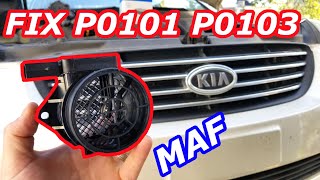
The 2006-2010 Kia Optima (MG generation) uses a conventional MAF sensor system on both its 2.4L I4 and 2.7L V6 engines. While the causes are typical for this code, real-world data shows these sensors can fail outright, producing no signal at all. A mechanic video specifically on a 2008 Optima confirmed a bad MAF sensor was the culprit 🎬 Watch: How to fix P0101 and P0103 codes on this Kia, showing zero airflow (0 g/s) on a diagnostic scanner before replacement. Unlike some newer vehicles which may have software-related fixes for P0101, this generation's issue is almost always mechanical or electrical (the sensor, a leak, or wiring). The flexible air intake boot is a known weak point, prone to cracking in its accordion ribs, causing a significant vacuum leak. While specific to other models in the lineup, owner reports like NHTSA ODI #10316328 highlight that the P0101 "Mass Air Flow Circuit Range Performance Problem" is a recurring theme across the manufacturer's platforms, often requiring sensor replacement to resolve intermittent check engine lights.
Symptoms You May Notice
- Check Engine Light is on
- Rough or unstable idle
- Hesitation or lack of power during acceleration
- Reduced fuel economy
- Engine stalling, especially when coming to a stop
- Black smoke from the exhaust
- Hissing sound from the engine bay at idle, indicating a vacuum leak
- Replacing the oxygen (O2) sensors. While O2 sensors are part of the fuel management system, P0101 specifically points to a problem with the *air measurement* at the MAF sensor.
- Replacing the throttle body. Unless there are other codes pointing to the throttle position sensor, it's unlikely to be the cause of a solitary P0101.
Most Likely Causes
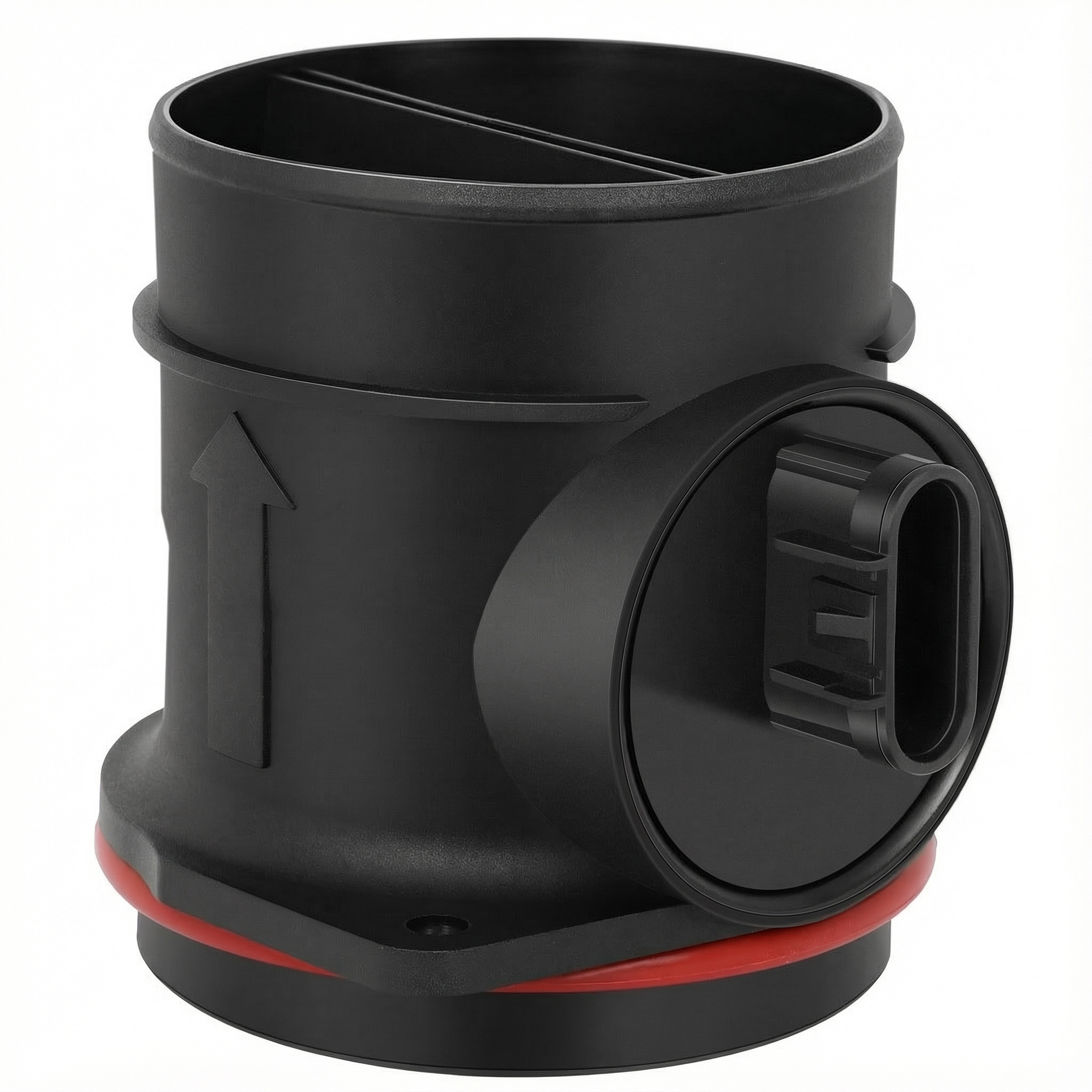
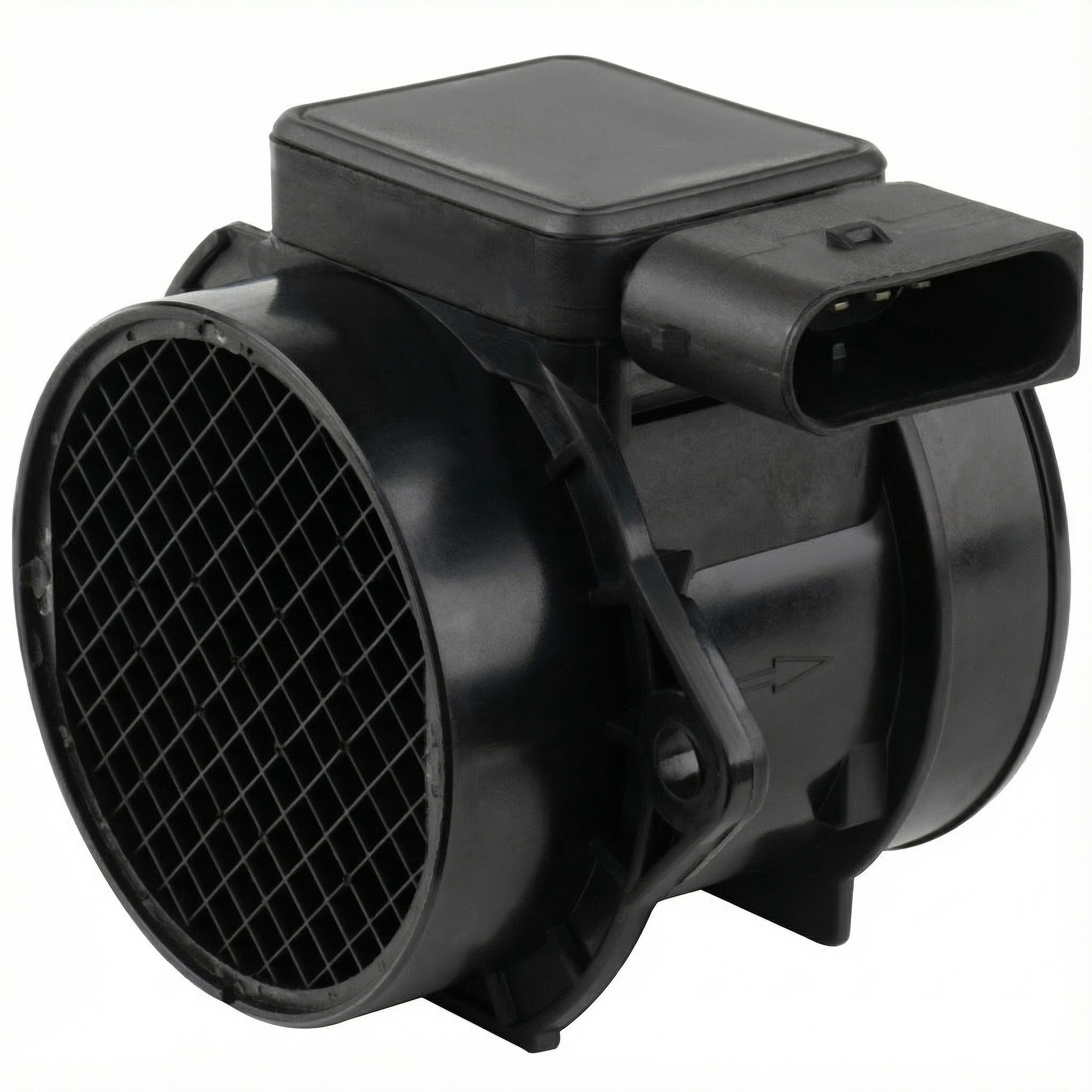
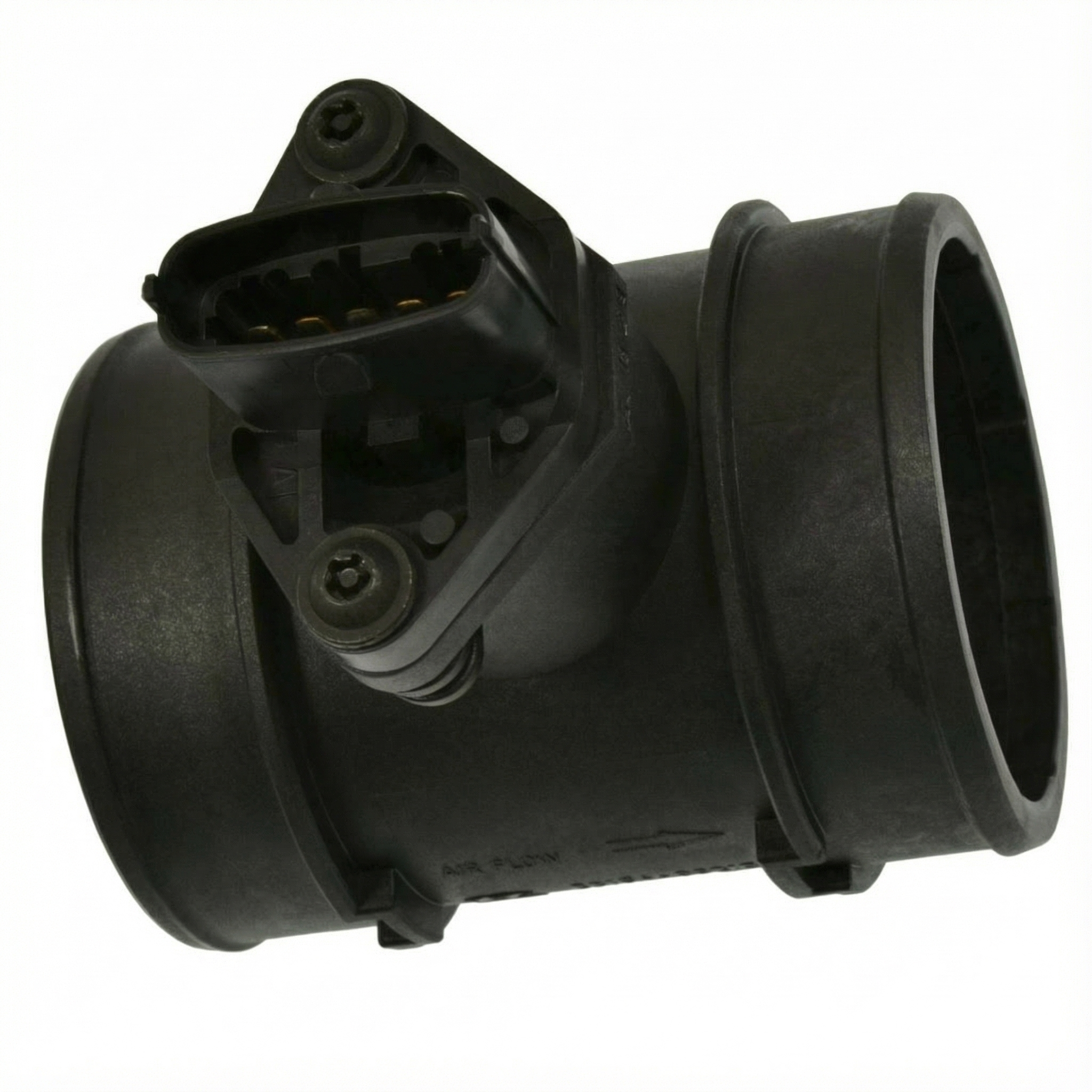
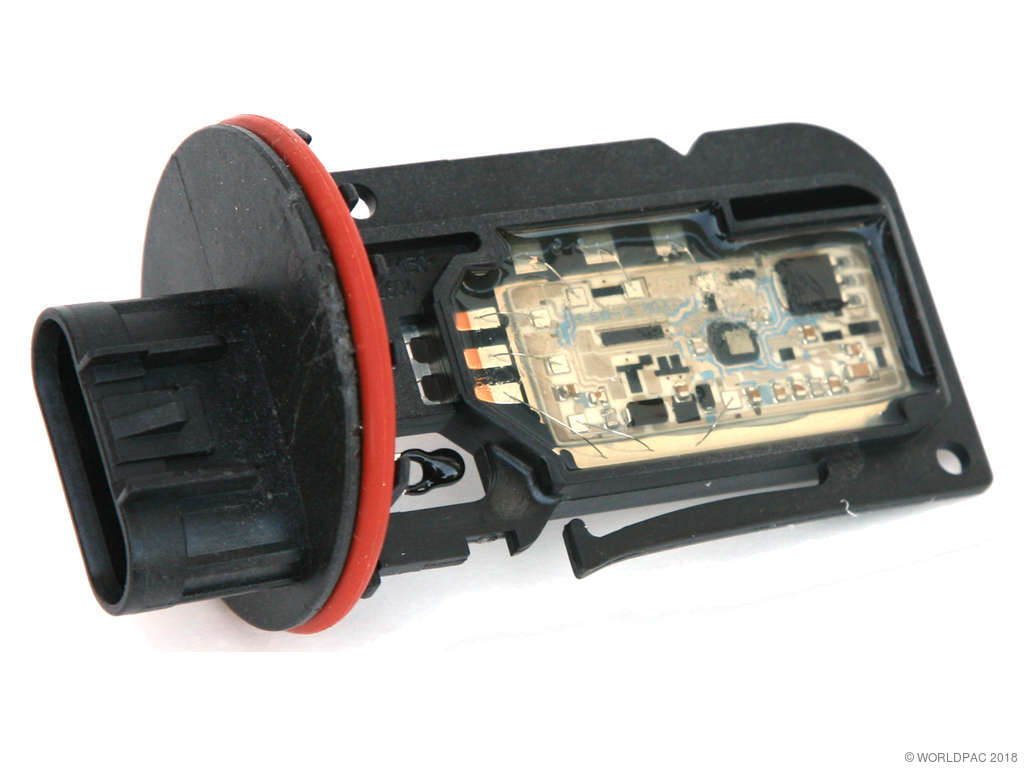
- Faulty Mass Airflow (MAF) Sensor 🔴 High Probability → Shop Fuel Injection Air Flow Meter Based on documented repairs, the sensor on this platform is a common failure point, sometimes failing completely with no signal output.
How to confirm: Use a scan tool to monitor the MAF sensor data (grams/second) while the engine is running. At idle, you should see a steady reading (typically 2-7 g/s). With no throttle input, if the reading is 0 g/s or does not increase when you rev the engine, the sensor is likely bad. You can also test the sensor's voltage output with a multimeter.
Typical fix: Replace the Mass Airflow sensor. The sensor is located on the air intake tube between the air filter box and the throttle body.
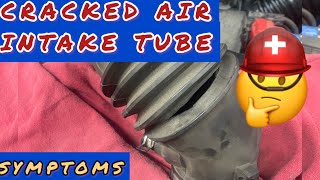
Est. part cost: $70-$150 - Vacuum Leak (Cracked Air Intake Hose) 🟡 Medium Probability The air intake hose (the large flexible rubber tube between the air filter box and the engine) can become brittle and crack with age, especially in the accordion-style flex sections, allowing unmetered air to enter the engine.
How to confirm: Visually inspect the entire air intake system for cracks, loose clamps, or disconnected hoses. Squeeze the rubber boot to reveal hidden cracks. 🎬 See how a cracked intake tube causes these symptoms With the engine running, you can carefully spray brake cleaner or a propane torch (unlit) around the intake path; a change in engine idle indicates a leak. A smoke test is the most definitive way to find a leak.
Typical fix: Replace the cracked intake hose or tighten the loose clamp.
Est. part cost: $20-$100 - Dirty or Contaminated Mass Airflow (MAF) Sensor 🟡 Medium Probability → Shop Fuel Injection Air Flow Meter Oil and dirt from the air filter or crankcase ventilation system can contaminate the sensor's delicate hot wire over time, causing inaccurate readings.
How to confirm: Visually inspect the MAF sensor element. If it appears dirty or coated in grime, cleaning is a reasonable first step. The sensor reading on a scan tool might be erratic but not completely dead (e.g., not 0 g/s).
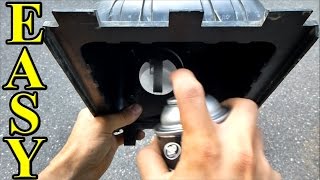
Typical fix: Carefully remove the MAF sensor and clean it using only dedicated MAF sensor cleaner spray. Do not touch the sensor wires. Allow it to dry completely before reinstalling. 🎬 Watch this in-depth guide on cleaning your MAF sensor properly
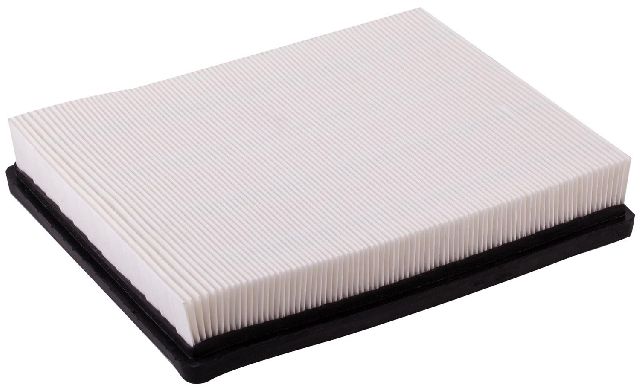
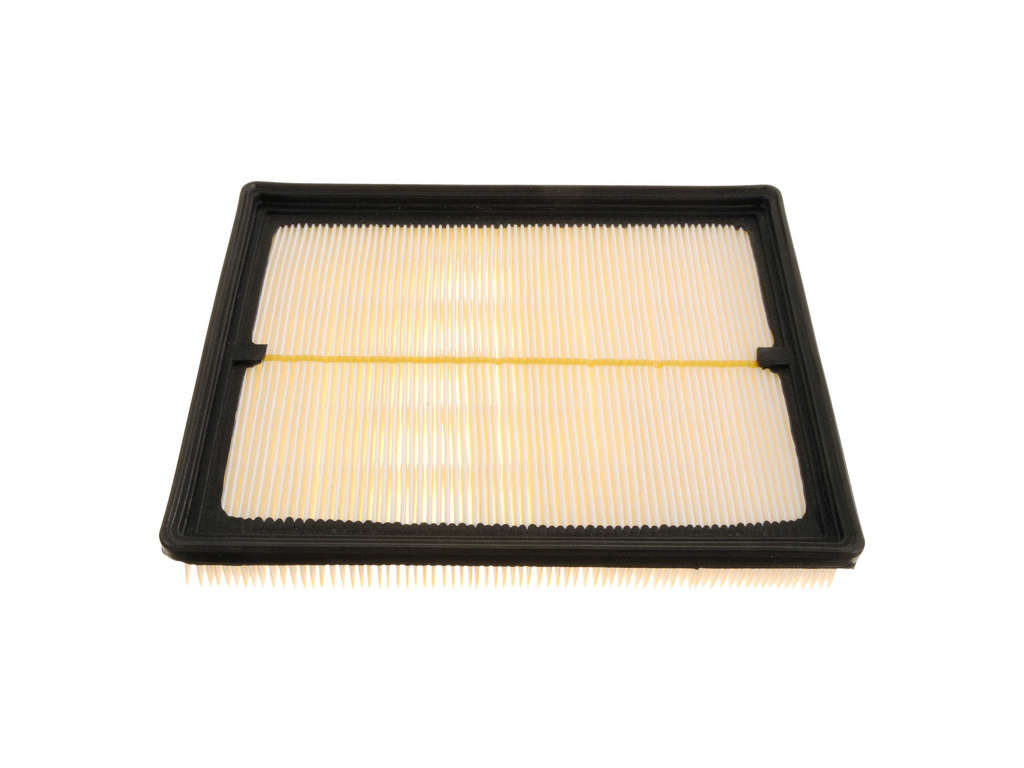
Est. part cost: $10-$15 - Clogged or Dirty Engine Air Filter ⚪ Low Probability → Shop Air Cleaner Assembly
How to confirm: Visually inspect the engine air filter. If it is visibly dirty, clogged with debris, or has not been changed in a long time, it is restricting airflow.
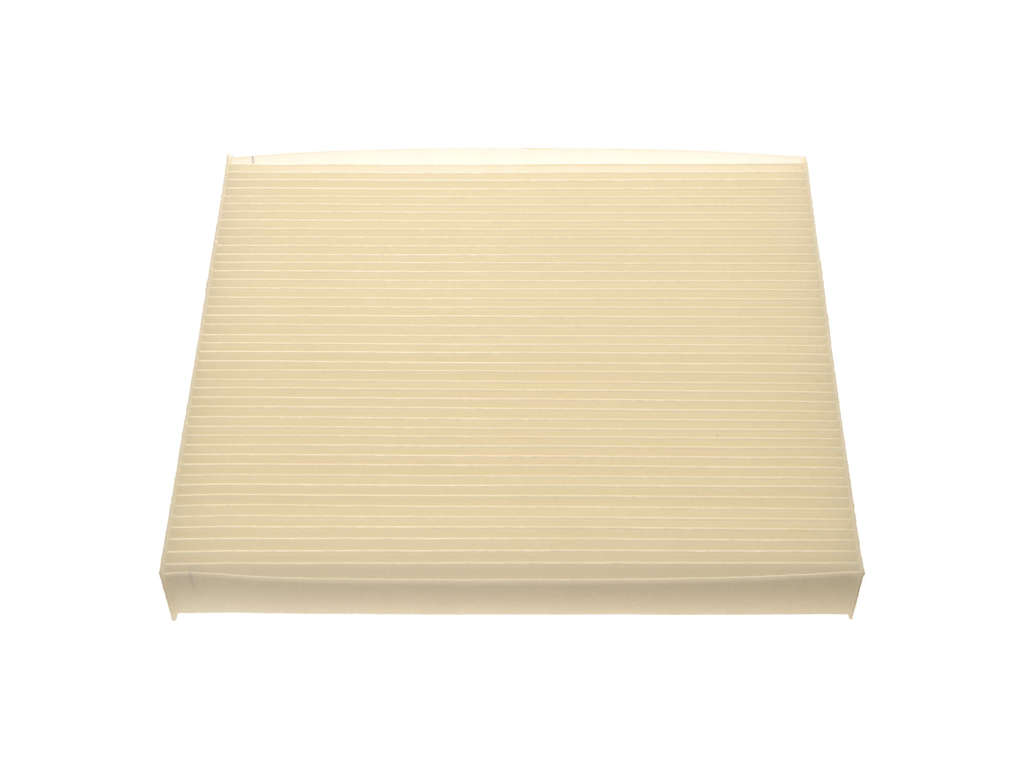
Typical fix: Replace the engine air filter. This should be part of routine maintenance.
Est. part cost: $15-$30
Rare But Worth Checking
- Wiring or Connector Issue: Check the wiring harness and connector going to the MAF sensor for any damage, corrosion, or loose pins. A damaged wire can mimic a failed sensor. NHTSA ODI #11019470 describes a scenario where electrical issues, including a burned cooling fan relay and fuse box circuit, coincided with a P0101 code.
- Clogged Catalytic Converter: A severely restricted exhaust can cause backpressure that affects airflow readings, potentially triggering a P0101. This is rare and would usually be accompanied by other symptoms like a severe lack of power and possibly other codes.
- Faulty PCV Valve: → Shop PCV Valve A stuck-open Positive Crankcase Ventilation (PCV) valve can create a vacuum leak by allowing unmetered air from the crankcase into the intake manifold. This type of leak won't be found with a smoke test of the main intake tract.
Diagnosis Steps
- Check for other DTCs. If other codes are present, address them first as they may be the root cause.
- Inspect the Engine Air Filter. A clogged filter can restrict airflow and should be replaced if dirty.
- Inspect the Air Intake System. Visually check the intake hose between the air filter housing and the throttle body for any cracks, tears, or loose connections. Squeeze the accordion sections of the boot, as this is where cracks often hide.
- Inspect the MAF Sensor and Connector. Check the sensor's wiring harness for damage and ensure the connector is seated properly and free of corrosion.
- Clean the MAF Sensor. If the sensor appears dirty, try cleaning it with dedicated MAF sensor cleaner. Let it dry completely before reinstalling.
- Check Live Data. Use an OBD-II scanner to view live data from the MAF sensor. At idle, the reading should be stable. When you rev the engine, the g/s reading should increase smoothly. If it reads 0 or is erratic, the sensor is likely faulty.
- Test for Vacuum Leaks. If the problem persists, perform a smoke test to definitively check for vacuum leaks in the intake system. Also inspect the PCV valve and its hoses for leaks or blockage.
- Replace the MAF Sensor. If all other steps fail to resolve the issue and the diagnostic data points to a bad sensor, replace the MAF sensor. Using an OEM or reputable aftermarket brand is recommended.
Parts You'll Likely Need
- Mass Airflow Sensor
(OEM #28164-3C100 (for 2.7L V6), 28164-2G000 (for 2.4L I4))— This is the most common failure point for code P0101 on this vehicle, as documented in multiple repair scenarios. Ensure you get the correct part for your engine.
Trusted brands: Delphi, Bosch, Denso, Hyundai/Kia Genuine
OEM price range: $180-$250
Aftermarket price range: $70-$150 - Air Intake Hose / Boot
(OEM #28210-2G100 (example for 2.4L, verify with VIN))— The rubber boot is a frequent source of vacuum leaks due to cracking over time, which directly causes a P0101 code.
Trusted brands: Hyundai/Kia Genuine, Aftermarket direct replacement
OEM price range: $50-$80
Aftermarket price range: $20-$50 - Engine Air Filter — A dirty air filter is a simple and inexpensive item to check and replace, and it can restrict airflow enough to cause a P0101 code.
Trusted brands: Wix, Fram, Purolator
OEM price range: $25-$40
Aftermarket price range: $15-$30
Related Codes That Often Appear With This One
- P0103 — This code indicates 'MAF Circuit High Input'. It often appears with P0101 when the sensor fails electrically, as seen in a documented repair on a 2008 Optima.
- P0171 — This code means 'System Too Lean (Bank 1)'. A vacuum leak after the MAF sensor would cause this, as unmetered air enters the engine, making the mixture lean.
- P0172 — This code means 'System Too Rich (Bank 1)'. A failing MAF sensor that under-reports airflow can cause the computer to inject too much fuel, leading to a rich condition.
Technical Service Bulletins (TSBs) & Recalls
- No TSBs were found to directly address the P0101 code on the 2006-2010 Kia Optima. The most relevant service campaigns for this vehicle generation relate to the brake light switch (SC098) and clock spring (SC094).
- While for a different model, Bulletin #TSB_FUE047 notes that some vehicles equipped with the 2.0L MPI engine may exhibit a MIL with DTC P0101, P0106, or P0068 related to the Electronic Throttle Control (ETC).
Mechanic-Grade Diagnostic Values
- MAF Sensor Live Data (g/s) at Idle — expected: Approx. 2.0 - 7.0 g/s. A 2008 Optima with a new sensor showed 4.4 g/s at idle.. Failure: A reading of 0 g/s indicates a dead sensor or wiring fault. Readings that are erratic or do not increase with RPM also indicate a fault.
- MAF Sensor Signal Voltage at Idle — expected: Approx. 0.5V - 1.5V.. Failure: A reading of 0.1V was observed on a failed sensor. Voltage that does not increase smoothly off-idle is also a failure indicator.
Scan Tool Commands That Help
- Kia GDS (Global Diagnostic System): Live Data / Data Analysis — To monitor the MAF sensor's output in grams/second (g/s) and voltage in real-time to confirm if it is reading correctly, stuck, or completely dead (reading 0).
- Kia GDS (Global Diagnostic System): Vehicle S/W Management > Resetting Adaptive Values — After replacing the MAF sensor or fixing a major vacuum leak, resetting the engine control module's learned fuel trim values can help the system adapt to the new, correct airflow readings more quickly.
Wiring & Ground Locations
- MAF Sensor Connector — On the MAF sensor itself, located in the air intake tube between the air filter box and the engine.. The connector pins provide power, ground, and signal transmission. A loose or corroded connector can mimic a failed sensor. The typical pinout functions are: Pin 1 - Sensor Ground, Pin 2 - Battery Voltage (B+), Pin 3 - 5V Reference, Pin 4 - Signal Output to PCM. This can vary, so a vehicle-specific diagram should be consulted.
Real Owner Repair Stories
- YouTube: 'HOW TO FIX ENGINE CODE P0101 P0103 MAF SENSOR' (2008 Kia Optima) — Rough idle, Check Engine Light with codes P0101 and P0103.
❌ Tried (didn't work) Initial diagnosis only.
✅ What actually fixed it The mechanic used a Snap-On scanner to confirm the MAF sensor was reading 0 g/s and 0.1V, indicating a complete failure. Replacing the MAF sensor with a new Delphi unit (AF10206) resolved the issue. The new sensor immediately showed a 4.4 g/s reading at idle and the codes were cleared. - NHTSA ODI #10016560 — An owner reported taking their vehicle to a dealer where diagnostics showed the P0101 code. The owner noted that the manufacturer had a bulletin regarding the fix for this problem, though the repair cost was approximately $500.
"I Checked Everything" — The Actual Cause
- A stuck-open PCV valve was found to be the cause of a P0101 code. This introduces unmetered air from the crankcase into the intake manifold, creating a lean condition that the MAF reading cannot account for. This type of internal vacuum leak is not detectable with a standard smoke test performed on the air intake boot and manifold exterior.
Model Year Variations Within This Range
- 2006 vs 2006.5: A significant mid-year refresh occurred. The '2006.5' model introduced more powerful engines. The 2.4L I4 went from 138 hp to 161 hp, and the 2.7L V6 went from 170 hp to 185 hp. While the MAF sensor part numbers cover the full generation, it's crucial to be aware of which engine version you are working on.
- 2009-2010: A facelift was introduced for the 2009 model year. For the 2.7L V6, horsepower was increased from 185 hp to 194 hp. The 2.4L engine remained at 161 hp. This may affect expected g/s readings slightly due to different airflow characteristics.
Diagnostic Flowchart
Other Known Issues on This Vehicle
Issues unrelated to this code that are worth knowing about as an owner of this generation:
- Brake Light Switch Failure 🔴 High — Extremely common. Can cause brake lights to fail or stay on, prevent shifting out of Park, and disable cruise control. Covered under recall 13V114000. (Ref: NHTSA 13V114000 / Kia Campaign SC098)
- Driver's Airbag Clock Spring Failure 🔴 High — Very common on 2006-2008 models. Causes the airbag warning light to illuminate and can prevent the driver's airbag from deploying in a crash. Covered by a lifetime warranty extension and recall SC094. (Ref: NHTSA 12V014000 / Kia Campaign SC094)
- Automatic Transmission Shifter Cable Detachment 🟠 Medium — Common on 2006-2008 models. The shifter cable can detach, allowing the gear lever to be in Park while the transmission is not, leading to potential rollaway. Covered by recall 11V153000. (Ref: NHTSA 11V153000)
- Faulty Door Lock Actuators 🟡 Low — A widely reported annoyance where door latches fail, making it difficult to open doors from the inside or outside.
- Cracked/Brittle Brake Pedal Stopper Pad 🟠 Medium — A small rubber/plastic pad on the brake pedal arm disintegrates, preventing it from pressing the brake light switch. This causes the brake lights to stay on, draining the battery, and can cause power loss issues as the ECU thinks the brakes are applied.
Used vs. New Parts: Buying Guide for This Vehicle
When a used part is the smart pick: For a critical electronic sensor like the MAF, a used part is generally not recommended. The risk of receiving a contaminated or near-failure part is high. A used part should only be considered as a last resort or for temporary diagnostic purposes.
Donor-vehicle mileage cap: roughly under 50000 miles for the part to have meaningful remaining life.
What to inspect on the donor part:
- Ensure the sensor element is physically clean with no visible oil or grime.
- Check that the connector pins are straight and free of corrosion.
- Avoid parts from vehicles that show signs of a major engine failure (e.g., heavy oil in the intake).
OEM-only on this vehicle (don't cheap out):
- While not strictly 'OEM-only', electronic sensors like the MAF are high-risk for cheap, no-name aftermarket brands. Sticking to OEM or the original OE supplier is strongly advised.
Aftermarket brands forum-validated for this vehicle:
- Delphi
- Bosch
- Denso
- NTK
Brands owners have reported issues with on this vehicle:
- Unnamed or 'white-box' brands from online marketplaces have a high failure rate out of the box or shortly after installation, according to general mechanic consensus.
Real Owner Stories
Aggregated from forums and TSBs cited above. Mileages and costs reflect what owners reported in those sources.
2008 Kia Optima — 200000 miles
Symptoms: Rough idle, sputtering, check engine light on.
What fixed it: Signs pointed to the mass air flow sensor (MAF) after a scan tool showed issues.
Source hint: youtube_comment from Kevin Nadeau
2006.5 Kia Optima
Symptoms: P0101 code triggered by unmetered air entering the engine.
What fixed it: Traced to a large crack in the air intake hose between the MAF and throttle body; repaired with silicone tape as a temporary fix.
Source hint: Kia-Forums.com - 'P0101 Code' (multiple threads)
2010 Kia Optima
Symptoms: P0101 code returned even after the MAF sensor was replaced.
What fixed it: The source suggests checking for vacuum leaks downstream of the sensor and verifying MAP sensor readings, as the MAF sensor itself isn't always the final fix.
Source hint: Car Talk Community - 'Cant fix P0101 mass air flow sensor' (2010)
Related OBD-II Codes
Frequently Asked Questions
Is there a TSB for the P0101 code on my 2006-2010 Kia Optima?
Can a bad brake pedal stopper pad cause engine performance issues similar to P0101?
Where is the MAF sensor located on the 2006-2010 Optima?
My 2006.5 Optima has a P0101; could it be the intake hose?
Should I replace the MAF sensor immediately if I get a P0101?
Does the 2006-2010 Hyundai Sonata share this P0101 issue?
Helpful Videos


Used OEM Parts in Stock
New Aftermarket Parts Available



The information in this article is provided for general reference and educational purposes only. Vehicle specifications, procedures, and part compatibility can vary by production date, trim level, and region. Always consult your vehicle's factory service manual and verify part numbers before purchasing or performing repairs. Safety-critical components such as airbags, seat belts, and braking systems should be installed by a qualified professional.
- Kia Optima:
- 🧭 Diagnostic Flowchart
- 🎬 Helpful Videos
- 🛍️ Shop This Part
- What's Unique About the 2006-2010 Kia Optima
- Symptoms You May Notice
- Most Likely Causes
- Rare But Worth Checking
- Diagnosis Steps
- Parts You'll Likely Need
- Related Codes That Often Appear With This One
- Technical Service Bulletins (TSBs) & Recalls
- Mechanic-Grade Diagnostic Values
- Scan Tool Commands That Help
- Wiring & Ground Locations
- Real Owner Repair Stories
- "I Checked Everything" — The Actual Cause
- Model Year Variations Within This Range
- Other Known Issues on This Vehicle
- Used vs. New Parts: Buying Guide for This Vehicle
- Real Owner Stories
- 2008 Kia Optima — 200000 miles
- 2006.5 Kia Optima
- 2010 Kia Optima
- Related OBD-II Codes
- Frequently Asked Questions
- 🎟️ Get 5% Off