

P0101 on 2005-2015 Toyota Tacoma 4.0L V6: MAF Sensor Causes and Fixes
On a 2nd Gen Toyota Tacoma, P0101 is almost always caused by a dirty Mass Air Flow (MAF) sensor. Cleaning it with a dedicated MAF sensor cleaner for under $15 is the most common fix and takes less than 15 minutes. If that doesn't work, suspect a vacuum leak or a failed sensor. Using non-OEM (Denso) sensors is a frequent cause of repeat issues.
- Start by cleaning the MAF sensor with dedicated MAF sensor cleaner; this is the most likely and cheapest fix.
- If you must replace the sensor, only use an OEM Denso part. Aftermarket MAF sensors are known to cause problems on the 2nd Gen Tacoma.
- Before spending money on parts, thoroughly inspect the intake system for any cracks or loose connections between the air filter and the engine.
- Be cautious with aftermarket cold air intakes, especially those with oiled filters, as they are a frequent source of this code.
What's Unique About the 2005-2015 Toyota Tacoma
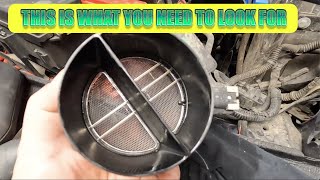
The 1GR-FE engine in the 2nd Generation Tacoma is known for its reliability, but its engine management system is sensitive to air metering. Owners and technicians on forums like Tacoma World and Reddit frequently report that this code appears after installing aftermarket cold air intakes (especially K&N, AFE, or TRD models), which can create turbulent airflow or contaminate the sensor with filter oil. 🎬 See why aftermarket filters often trigger this specific code Furthermore, the Tacoma's ECM is notoriously picky about its sensors; using an aftermarket MAF sensor instead of the OEM Denso unit is a very common cause of a repeat P0101 code, even if the new part is not defective.
Symptoms You May Notice
- Check Engine Light is on
- Hesitation or stumbling during acceleration
- Lack of engine power
- Rough or unstable idle
- Engine stalling, especially shortly after starting or when returning to idle
- Reduced fuel economy
- Black smoke from the exhaust during acceleration (in severe cases)
- Engine surging at highway speeds
- Replacing the MAF sensor with a cheap aftermarket part. Many aftermarket sensors do not meet Toyota's precise specifications and will cause the P0101 code to return.
- Replacing oxygen (O2) sensors. While fuel trim issues can be related, P0101 is specifically a problem with the MAF sensor's rationality check, which should be diagnosed first.
Most Likely Causes
- Dirty Mass Air Flow (MAF) Sensor 🔴 High Probability → Shop Fuel Injection Air Flow Meter Oiled aftermarket air filters (like K&N) are popular modifications, and excess oil can easily contaminate the MAF sensor's delicate wires. Even with stock filters, fine dust and dirt can build up over 100,000+ miles, insulating the sensor and causing incorrect readings.
How to confirm: Visually inspect the two small sensing wires inside the MAF sensor. If they appear coated in dirt, grime, or an oily film, they need cleaning. A dirty sensor is the most common culprit.
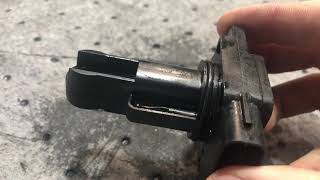
Typical fix: Remove the sensor (two Phillips screws) and clean it thoroughly with a dedicated Mass Air Flow sensor cleaner spray 🎬 Watch: Step-by-step guide to cleaning your Tacoma's MAF sensor (e.g., CRC brand). Do not touch the wires or use any other type of cleaner like brake or carb cleaner. Allow it to air dry completely before reinstalling.
Est. part cost: $10-$20 for MAF cleaner spray. - Vacuum Leak in the Intake System 🟡 Medium Probability The flexible rubber intake boot between the air filter box and the throttle body can become brittle and crack over time. Also, PCV hoses can crack or become disconnected, allowing unmetered air to enter the engine after the MAF sensor.
How to confirm: Visually inspect the intake boot for cracks or loose clamps. Listen for a hissing sound at idle. A smoke test is the most definitive way to find a leak. Spraying carb cleaner near suspected leak points and listening for a change in engine RPM can also work, but a smoke test is safer and more effective.
Typical fix: Replace the cracked intake hose or PCV hose, or tighten the loose clamp.
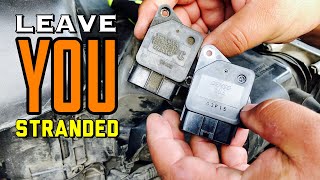
Est. part cost: $40-$100 for a new intake hose. - Faulty Mass Air Flow (MAF) Sensor 🟡 Medium Probability → Shop Fuel Injection Air Flow Meter While reliable, the sensor can fail electronically. It is critical to use an OEM Denso replacement. Aftermarket MAF sensors are a well-documented cause of immediate or recurring P0101 issues on this platform, as confirmed by numerous owner experiences.
How to confirm: After confirming no vacuum leaks and cleaning the sensor, if the code persists, the next step is replacement. A technician can use a scan tool to monitor live MAF data. At idle, a healthy 1GR-FE should read approximately 3.5-5.0 g/s. 🎬 Watch this diagnostic walkthrough for the 4.0L V6 engine If readings are erratic or do not increase smoothly with RPM, the sensor is likely faulty.
Typical fix: Replace the MAF sensor. Strongly recommended to use a Denso-branded part (Denso 197-6030).
Est. part cost: $120-$180 for an OEM Denso sensor. - Clogged or Improperly Installed Air Filter ⚪ Low Probability → Shop Air Cleaner Assembly
How to confirm: Inspect the engine air filter. If it is excessively dirty, clogged with debris, or not seated correctly in the airbox, it can restrict airflow and trigger the code. Ensure the airbox lid is fully sealed with no gaps.
Typical fix: Replace the engine air filter and ensure the airbox lid is sealed correctly.
Est. part cost: $20-$40.
Rare But Worth Checking
- Dirty Throttle Body: → Shop Fuel Injection Throttle Body A significant buildup of carbon on the throttle plate can disrupt airflow at idle and low speeds, contributing to illogical MAF readings. One forum user on an FJ Cruiser with the same engine reported this as part of their fix.
- Wiring Harness or Connector Issue: A broken wire, loose pin, or corrosion in the MAF sensor connector can interrupt the signal. This is less common but should be checked if a new OEM sensor doesn't fix the code. One user reported replacing the connector pigtail to solve the issue.
- Restricted Exhaust: A severely clogged catalytic converter can create excessive backpressure, preventing air from flowing through the engine properly and potentially triggering a P0101 code. This is usually accompanied by a significant loss of power and potentially other codes like P0420.
Diagnosis Steps
- Read the code with an OBD-II scanner and check for any other codes. If other codes are present, address them first.
- Visually inspect the entire air intake system from the air filter box to the throttle body. Look for cracks in the rubber hoses, loose clamps, or disconnected PCV/vacuum lines.
- Inspect the engine air filter. Replace if it is dirty or clogged. Ensure it is seated correctly.
- Carefully remove the MAF sensor (held by two Phillips screws). Visually inspect the sensing elements for contamination (oil, dirt).
- Thoroughly spray the MAF sensor's wires and housing with a dedicated MAF sensor cleaner. Let it air dry completely for at least 15 minutes before reinstalling. DO NOT touch the wires or use other cleaners.
- Clear the trouble codes with the scanner and perform a test drive, including highway speeds, to see if the code returns.
- If the code returns, use a scan tool to monitor live MAF data. At a fully warmed-up idle, the reading should be stable between 3.5-5.0 g/s. It should increase smoothly as you rev the engine. If it's jumpy or out of range, the sensor is likely bad.
- If the issue persists, consider cleaning the throttle body with a throttle body cleaner and a soft brush.
- If the data is erratic or the code returns, replace the MAF sensor with a new OEM (Denso) sensor.
- If a new OEM sensor does not resolve the issue, perform a detailed inspection of the wiring and connector for damage, or seek professional help for a smoke test to find a hidden vacuum leak.
Parts You'll Likely Need
- Mass Air Flow Sensor
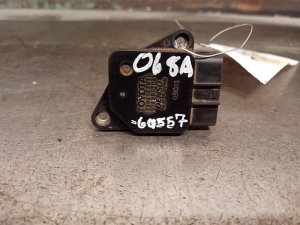
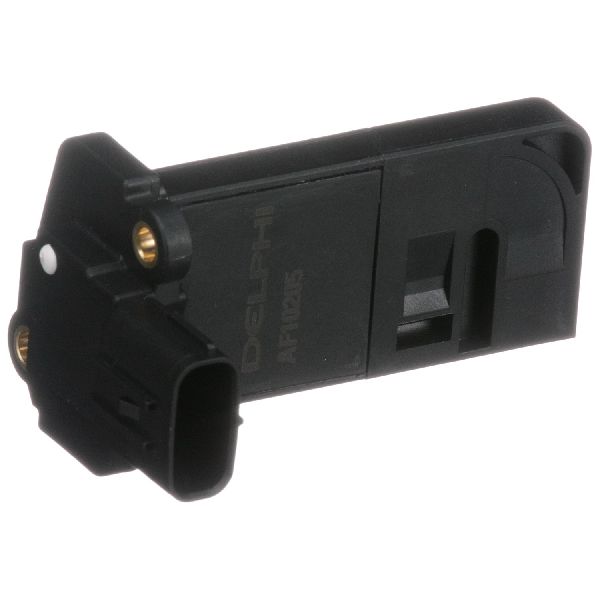
(OEM #Denso 197-6030 (cross-references to Toyota 22204-0P010 / 22204-0F030))— This is the sensor that measures the air entering the engine. It is the primary component related to code P0101 and often fails or requires cleaning.
Trusted brands: Denso (OEM)
OEM price range: $120-$180
Aftermarket price range: $40-$90 (Not Recommended) - Mass Air Flow Sensor Cleaner — Often, the sensor is just dirty and does not need to be replaced. This specialized aerosol cleaner is the correct tool for the most common and cheapest fix.
Trusted brands: CRC, Liqui Moly, WD-40 Specialist
Aftermarket price range: $10-$20 - Engine Air Filter
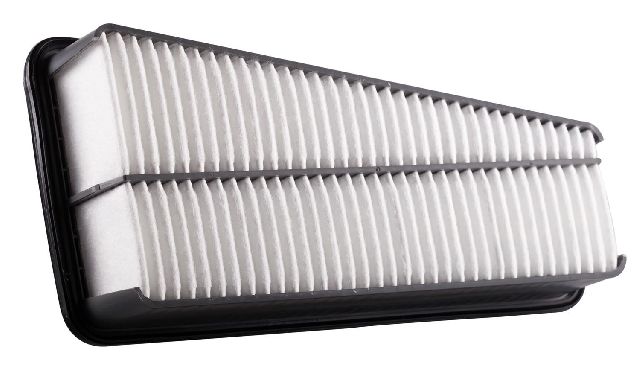
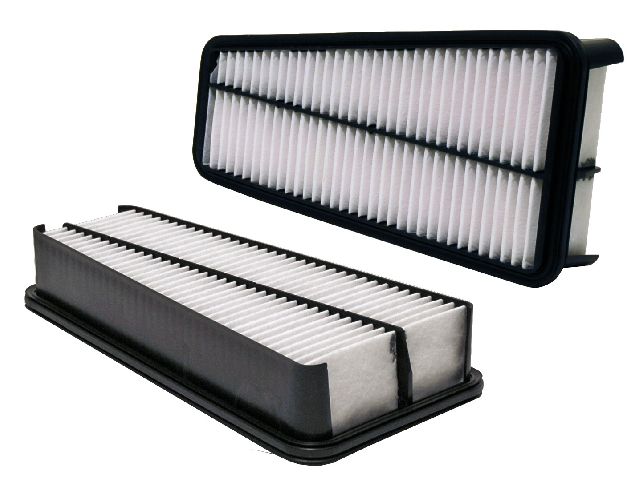
(OEM #Toyota 17801-0P010)— A clogged air filter can be a contributing factor to the code by restricting airflow.
Trusted brands: Denso, Wix, Purolator
OEM price range: $25-$40
Aftermarket price range: $15-$30
Technical Service Bulletins (TSBs) & Recalls
- T-SB-0092-15: While not for this specific vehicle, a TSB for the 2014-2015 Tundra with P0101 shows that Toyota has issued service bulletins related to airbox design and this code, indicating the system's sensitivity. Specifically, TSB Bulletin #T-SB-0092-15 notes that vehicles equipped with the 3UR-FE engine and supercharger may experience a MIL "ON" condition with DTC P0101 (Mass Air Flow Circuit Range/Performance Problem).
- T-SB-0033-17 / T-SB-0333-17: For 2012 Tacomas, these bulletins address MIL-on with codes P2440/P2442 due to moisture in the secondary
Platform-Specific Known Issues
- Aftermarket Cold Air Intakes (CAI): → Shop Engine Air Intake Resonator A very common trigger for P0101 on the 1GR-FE. The altered airflow dynamics (turbulence) can confuse the sensor. In many documented cases, owners who tried cleaning/replacing the sensor and checking for vacuum leaks only solved the code by reinstalling the factory air intake box. One user on Reddit with an FJ Cruiser (same engine) chased the code for weeks, replacing multiple parts, and the final fix was reinstalling the stock air intake. Another on TacomaWorld with an AFE intake had the same resolution.
Mechanic-Grade Diagnostic Values
- MAF Sensor Voltage at Idle (Throttle Valve Fully Closed) — expected: Below 2.2 V. Failure: Voltage is more than 2.2 V while the engine speed is 900 rpm or less.
- MAF Sensor Voltage while Driving (Engine speed > 1,500 rpm) — expected: Above 1.0 V. Failure: Voltage is less than 1.0 V when engine speed is 1,500 rpm or more.
- Long Term Fuel Trim #1 (LONG FT#1) — expected: -15% to +15%. Failure: A value outside the -15% to +15% range suggests a fueling problem that could be misinterpreted as a MAF issue. A high positive trim (e.g., +20%) indicates the engine is adding fuel to compensate for unmetered air (vacuum leak), while a high negative trim (e.g., -20%) indicates the engine is removing fuel due to a rich condition, which can be caused by a faulty MAF sensor over-reporting airflow.
- Engine Block to Chassis Ground Voltage Drop — expected: Less than 0.5V. Failure: A reading of more than 0.5V with the key on indicates a bad block ground, which can cause erratic sensor behavior.
Scan Tool Commands That Help
- Toyota Techstream: Read Freeze Frame Data — Use this to see the exact engine conditions (speed, coolant temp, throttle position, etc.) at the moment the P0101 code was triggered. This is critical for determining if the fault occurs at idle, under load, or during a specific event, helping to differentiate between a vacuum leak and a failing sensor.
- Toyota Techstream: Data List -> Primary -> MAF & LONG FT#1 — Use this to monitor the live airflow reading in g/s and the long-term fuel trim percentage. Watching these values change as you rev the engine can confirm if the sensor is responding correctly and if the fuel trims are within the normal range of +/- 15%.
Wiring & Ground Locations
- MAF Sensor Connector (E7) — On the air cleaner housing, connected to the MAF sensor.. This 5-pin connector provides power, ground, and signal lines for the MAF sensor. Corrosion or a loose pin here will directly cause P0101. Pinout is typically: Pin 1 (+B, 12V Power), Pin 2 (E2G, Sensor Ground), Pin 3 (VG, Signal to ECM), Pin 4 (THA, Intake Air Temp Signal), Pin 5 (E2, Ground).
- Ground Point 'EA' — On the left front fender apron, near the battery.. This is a primary engine bay ground point. A loose or corroded connection here can cause various electrical issues, including erratic sensor readings for components grounded through this point.
- Ground Point 'EB' — On the 1GR-FE, located on the left front of the engine compartment, near the battery.. This is another critical engine ground point. Poor contact at this location can lead to voltage discrepancies and unstable sensor operation, potentially triggering a P0101 code.
- Ground Point 'EC' — Located on the engine block near the power steering pump and oil dipstick on the right side of the engine.. This ground point serves the ignition noise filter. While less likely to be the primary cause, a poor ground here can introduce electrical noise that may interfere with sensitive sensor signals.
Real Owner Repair Stories
- Reddit user in r/Nissan (2018 Nissan Rogue (Illustrates a vehicle-agnostic principle)) — Solid Check Engine Light with P0101 code.
❌ Tried (didn't work) Checking the air filter, Verifying correct installation of the air intake, Cleaning the MAF sensor, Checking for vacuum leaks
✅ What actually fixed it Replacing the 3-year-old battery. A weak or dying battery was causing the MAF sensor to not communicate properly, triggering the code even though there were no other obvious battery-related symptoms. - Tacoma World user 'Hood24' (2nd Gen Tacoma with 4.0L V6 and a URD intake.) — Recurring P0101 code.
❌ Tried (didn't work) Cleaning the MAF sensor, Replacing the MAF sensor, Inspecting all hoses
✅ What actually fixed it The thread suggests that aftermarket intakes are a common cause, and another user in the same thread fixed their issue by cleaning the sensor, implying the aftermarket filter was the ultimate source of contamination. The original poster's final fix was not explicitly stated, but the context points heavily toward issues induced by the aftermarket intake. - Tacoma World user 'Aw9d' (2nd Gen Tacoma with TRD Intake.) — Persistent P0101 code after multiple fixes.
❌ Tried (didn't work) Cleaning the MAF sensor multiple times, Cleaning the throttle body, Cleaning and re-oiling the air filter, Dealer replaced the MAF sensor, Dealer replaced the MAF wiring harness
✅ What actually fixed it After dealer replacement of the sensor and harness failed, the check engine light turned off on its own. The dealer then suggested a full ECU reset by disconnecting the battery cables. This implies the issue may have been a learned value in the ECU that needed to be cleared after the hardware was corrected, a common step after installing aftermarket intakes.
"I Checked Everything" — The Actual Cause
- In a case involving a persistent rich condition (negative fuel trims) and a P0101 code, a smoke test revealed no vacuum leaks. The technician drained the fuel tank, suspecting high ethanol content, but the code returned. The root cause was not a vacuum leak, but an underlying issue with the fuel system or another sensor causing the ECM to incorrectly flag the MAF sensor's performance.
When the Usual Fixes Don't Work
- While cleaning the MAF sensor is the most common fix, there are numerous documented cases on forums where this did not solve the problem. In one instance, a user with an aftermarket intake replaced the MAF sensor and the wiring harness at the dealership, yet the code returned. The final recommendation was a hard ECU reset by disconnecting the battery, suggesting that the computer's learned fuel trim values were preventing the code from clearing even after the hardware was correct. In another case, a user chased the code by replacing the MAF sensor and checking for vacuum leaks, only to find the ultimate culprit was a weak battery providing unstable voltage to the sensor.
OEM Part Supersession History
22204-22010→Denso 197-6030 is the direct service replacement.— Standard part evolution and consolidation across multiple Toyota/Lexus platforms.
Heads up: The Denso 197-6030 is widely cross-referenced for many Toyota vehicles from the early 2000s to the mid-2010s. No major incompatibility issues are noted within the 2005-2015 Tacoma range, but using any brand other than Denso is highly discouraged.
Model Year Variations Within This Range
- 2012-2015: Engines from 2012 onward included a Secondary Air Injection System (SAIS). While this system does not directly involve the MAF sensor, it added different heads and exhaust manifolds. This is primarily relevant for engine swaps but indicates a change in the emission control hardware during the generation's lifespan.
Diagnostic Flowchart
Other Known Issues on This Vehicle
Issues unrelated to this code that are worth knowing about as an owner of this generation:
- Frame Rust Perforation 🔴 High — Very common, especially in cold climates with road salt. Affects all 2nd Gen Tacomas, but particularly 2005-2010 models. (Ref: Warranty Enhancement Program ZH6 & ZKA; Limited Service Campaign K0D.)
- Rear Leaf Spring Fracture 🔴 High — Common enough to trigger a major recall. Affects 2005-2011 models. (Ref: NHTSA Recall #14V604000. Springs can rust and snap, potentially puncturing the fuel tank.)
- Secondary Air Injection System Failure 🟠 Medium — A known issue, particularly on 2012 models, where moisture ingress damages the air pump and/or valves, causing codes like P2440, P2442, and P2445. (Ref: T-SB-0033-17, T-SB-0333-17, and Special Service Campaign 20TC01.)
- Head Gasket Failure (Early Models) 🟠 Medium — Primarily affects early 2005-2006 models with the 1GR-FE. The original gasket design was weaker and prone to failure, typically after 150,000 miles.
- Water Pump Leaks 🟡 Low — A common maintenance item. Leaks from the weep hole are a typical sign of failure as the truck ages.
Used vs. New Parts: Buying Guide for This Vehicle
When a used part is the smart pick: For this repair, used parts are a smart choice for passive, non-electronic components. This includes the factory air filter housing/box, the rubber intake boot, and PCV hoses. These parts rarely fail and can be sourced from a junkyard for a fraction of the OEM price.
Donor-vehicle mileage cap: roughly under 150000 miles for the part to have meaningful remaining life.
What to inspect on the donor part:
- For intake hoses/boots: Squeeze the rubber to ensure it is still pliable and not brittle. Inspect thoroughly for hairline cracks, especially in the accordion sections.
- For air filter housing: Check that all clips are intact and that the housing is not cracked or warped, ensuring it can form a perfect seal.
- Verify the donor vehicle has not been in a front-end collision that could have damaged the parts.
OEM-only on this vehicle (don't cheap out):
- Mass Air Flow (MAF) Sensor: This is the most critical part. The ECM is calibrated specifically for the Denso sensor. Aftermarket sensors are the #1 cause of repeat P0101 codes. Do not use a used sensor, as its remaining lifespan is unknown.
Aftermarket brands forum-validated for this vehicle:
- Denso (for the MAF sensor, which is the Original Equipment Manufacturer)
Brands owners have reported issues with on this vehicle:
- Any non-Denso branded Mass Air Flow sensor. Forum consensus is overwhelmingly against using store brands or other aftermarket electronic manufacturers for this specific part on this truck.
Real Owner Stories
Aggregated from forums and TSBs cited above. Mileages and costs reflect what owners reported in those sources.
2005 Toyota Tacoma 4.0L V6
Symptoms: The truck was throwing multiple codes after an aftermarket MAF sensor from AutoZone was installed.
What fixed it: Installing a genuine OEM Denso sensor resolved all codes.
Source hint: YouTube: 'P0101 Toyota Tacoma 4Runner FJ Cruiser...'
2010 Toyota Tacoma 4.0L V6
Symptoms: Owner experienced P0101 after installing a Volant Cold Air Intake (CAI).
What fixed it: Discussion points to the aftermarket intake as the primary cause, suggesting a return to the stock intake system.
Source hint: TacomaWorld.com: 'check engine code P0101' (https://www.tacomaworld.com/threads/check-engine-code-p0101.93323/)
Toyota Tacoma 4.0L V6 (Supercharged)
Symptoms: Truck was throwing the P0101 code while using an AFE intake with an oiled filter.
What fixed it: Switching to a dry filter and cleaning the MAF sensor.
Source hint: TacomaWorld.com: 'Truck is throwing that damn P0101 code!! (SOLVED)'
2007-2014 Toyota FJ Cruiser 4.0L V6
Symptoms: Owner chased the code for weeks, replacing the MAF sensor, gaskets, and PCV valve with no success while using a TRD Cold Air Intake.
What fixed it: Reinstalling the factory stock air intake box.
Source hint: Reddit r/FJCruiser: 'Code P0101 Headache'
Related OBD-II Codes
Frequently Asked Questions
Which specific MAF sensor should I buy for my 2005-2015 Tacoma 4.0L?
Can my oiled K&N or aftermarket air filter cause the P0101 code?
What should the MAF sensor readings look like on a scan tool for the 1GR-FE engine?
I have an aftermarket Cold Air Intake (CAI) and keep getting P0101. What is the fix?
Is there a TSB for P0101 on the 2012 Tacoma?
Can I use brake cleaner to clean my Tacoma's MAF sensor?
Helpful Videos

Used OEM Parts in Stock
New Aftermarket Parts Available


The information in this article is provided for general reference and educational purposes only. Vehicle specifications, procedures, and part compatibility can vary by production date, trim level, and region. Always consult your vehicle's factory service manual and verify part numbers before purchasing or performing repairs. Safety-critical components such as airbags, seat belts, and braking systems should be installed by a qualified professional.
- Toyota Tacoma:
- 🧭 Diagnostic Flowchart
- 🎬 Helpful Videos
- 🛍️ Shop This Part
- What's Unique About the 2005-2015 Toyota Tacoma
- Symptoms You May Notice
- Most Likely Causes
- Rare But Worth Checking
- Diagnosis Steps
- Parts You'll Likely Need
- Technical Service Bulletins (TSBs) & Recalls
- Platform-Specific Known Issues
- Mechanic-Grade Diagnostic Values
- Scan Tool Commands That Help
- Wiring & Ground Locations
- Real Owner Repair Stories
- "I Checked Everything" — The Actual Cause
- When the Usual Fixes Don't Work
- OEM Part Supersession History
- Model Year Variations Within This Range
- Other Known Issues on This Vehicle
- Used vs. New Parts: Buying Guide for This Vehicle
- Real Owner Stories
- 2005 Toyota Tacoma 4.0L V6
- 2010 Toyota Tacoma 4.0L V6
- Toyota Tacoma 4.0L V6 (Supercharged)
- 2007-2014 Toyota FJ Cruiser 4.0L V6
- Related OBD-II Codes
- Frequently Asked Questions
- 🎟️ Get 5% Off