

P0102 on 2007-2011 Toyota Camry 3.5L V6: MAF Circuit Low Causes and Fixes
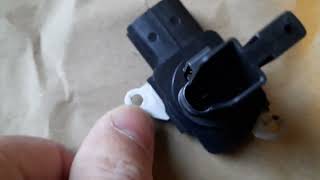
For the 2007-2011 Camry V6, code P0102 is most often caused by a dirty Mass Airflow (MAF) sensor. The first step is to clean it with dedicated MAF cleaner (~$10). If that doesn't work, inspect the wiring connector for broken wires before replacing the sensor with a Denso part (~$70-$120).
- Always start by cleaning the MAF sensor with dedicated cleaner; it's the cheapest and most likely fix.
- Carefully inspect the wiring and connector at the MAF sensor for damage, as this is a known weak point on the 2007-2011 Camry.
- If you must replace the sensor, use an OEM Denso part (22204-31020) to ensure compatibility and long-term reliability.
- Do not waste money on O2 sensors or other components until you have properly diagnosed the MAF sensor and its circuit.
What's Unique About the 2007-2011 Toyota Camry
While P0102 is a generic code, the 2007-2011 Camry V6 has a known weakness in the MAF sensor's wiring connector. Over time, engine vibration and heat can make the connector brittle and cause the wires to break internally, leading to a P0102 code even with a good sensor. Additionally, technicians and owners strongly recommend using the OEM Denso sensor if a replacement is needed, as the 2GR-FE engine can be sensitive to the performance of aftermarket alternatives. A peculiar issue with these Toyotas is that if the MAF sensor is disconnected while the ignition is on, a 'permanent' P0102 code can be stored in the ECU that won't clear with a standard scanner and won't illuminate the Check Engine Light, but will cause a smog check failure.
Symptoms You May Notice
- Check Engine Light is on
- Engine stalls, especially at idle or when coming to a stop
- Severe lack of power and sluggish acceleration
- Engine runs rough or has an unstable idle
- Difficulty starting the engine, may start and immediately die
- Poor fuel economy
- Black smoke from the exhaust
- Engine hesitates or 'stalls out' under heavy acceleration
- Replacing the oxygen (O2) sensors. While a bad MAF sensor can affect O2 sensor readings, the O2 sensors are rarely the root cause of a P0102 code.
- Replacing the throttle body. A dirty throttle body can cause idle issues, but it does not directly cause a MAF circuit low code.
Most Likely Causes
- Dirty or Contaminated Mass Airflow (MAF) Sensor 🔴 High Probability → Shop Fuel Injection Air Flow Meter Over time, oil vapors from the PCV system and fine dust can coat the sensor's delicate hot-wire element, insulating it and causing it to under-report airflow.
How to confirm: Visually inspect the sensor's two small wires inside the housing. If they appear dirty, oily, or coated in grime, they need cleaning.
Typical fix: Remove the sensor from the air intake tube and clean it carefully using only dedicated Mass Airflow Sensor cleaner spray. Do not touch the wires or use other chemicals like brake cleaner.
Est. part cost: $8-$15 - Damaged MAF Sensor Wiring or Connector 🟡 Medium Probability → Shop Fuel Injection Air Flow Meter The wiring at the 5-wire connector is a known failure point on this platform. Wires can fatigue and break internally from heat and vibration, causing an intermittent or complete loss of signal.
How to confirm: With the engine running, gently wiggle the wires at the back of the MAF sensor connector. If the engine stumbles, stalls, or the MAF reading on a scan tool drops out, the wiring is faulty. Visually inspect for cracked insulation or broken wires.
Typical fix: If a wire is broken, the connector pigtail must be replaced. This involves cutting the old connector off and splicing the new one in, matching wire colors. The OEM pigtail part number is 90980-12292.
Est. part cost: $20-$40 - Faulty Mass Airflow (MAF) Sensor 🟡 Medium Probability → Shop Fuel Injection Air Flow Meter The sensor can fail electronically due to age or heat cycles. This is common after 100,000+ miles.
How to confirm: After confirming the sensor is clean and the wiring is intact, use a scan tool to monitor the 'MAF' data parameter. If the reading is 0 g/s or does not increase smoothly when the engine is revved, the sensor has failed. A 'smack test' (tapping the sensor housing with a screwdriver handle) that causes the engine to stall also indicates a faulty sensor.
Typical fix: Replace the MAF sensor. It is highly recommended to use an OEM Denso part for reliability.
Est. part cost: $70-$180 - Severely Clogged Engine Air Filter ⚪ Low Probability → Shop Air Cleaner Assembly
How to confirm: Visually inspect the engine air filter. If it is black, impacted with dirt, or has not been changed in a long time, it is likely restricting airflow.
Typical fix: Replace the engine air filter.
Est. part cost: $15-$30
Rare But Worth Checking
- Large Vacuum Leak: A large crack or tear in the air intake boot between the MAF sensor and the throttle body can allow a massive amount of unmetered air to enter, confusing the sensor and potentially triggering a P0102. This would usually also set a P0171/P0174 lean code.
- Faulty ECM (Engine Control Module): This is extremely rare. The ECM should only be considered after all other possibilities, including wiring, have been exhaustively tested and ruled out.
Diagnosis Steps
- Read the code: Use an OBD-II scanner to confirm P0102 is the primary code present.
- Check Freeze Frame Data: Note the engine conditions (RPM, speed, temperature) when the code was set. This gives clues to the failure condition.
- Inspect the Air Filter: Check if the engine air filter is excessively dirty or clogged. Replace if necessary.
- Inspect the Intake Boot: Carefully check the rubber intake hose between the air filter box and the throttle body for any cracks, tears, or loose clamps.
- Inspect and Clean the MAF Sensor: Disconnect the battery. Unplug and remove the MAF sensor. Visually inspect the internal wires for contamination. Spray the wires generously with dedicated MAF sensor cleaner and allow it to dry completely before reinstalling. Do not use brake cleaner or touch the wires.
- Inspect the Wiring Connector: Reconnect the battery. Start the engine. While monitoring live data on a scan tool (or just listening to the engine idle), gently wiggle the wires at the MAF sensor connector. If the engine stumbles or the g/s reading drops to zero, the wiring or connector is faulty.
- Test the Sensor with a Scan Tool: With the engine running, observe the MAF reading in grams per second (g/s). At a fully warmed-up idle, it should be a stable value around 2.5-4.5 g/s for the 2GR-FE V6. As you increase RPM, the g/s value should rise smoothly and quickly. If it's stuck at or near zero, or the readings are erratic, the sensor is likely bad.
- Replace the MAF Sensor: If the sensor is clean, the wiring is good, and the readings are still incorrect, replace the MAF sensor. An OEM Denso part is strongly recommended.
- Clear Codes and Test Drive: After any repair, clear the DTCs and perform a test drive to ensure the code does not return. Be aware of the potential for a 'permanent' code that may require a specific drive cycle or a dealer-level tool to fully clear.
Parts You'll Likely Need
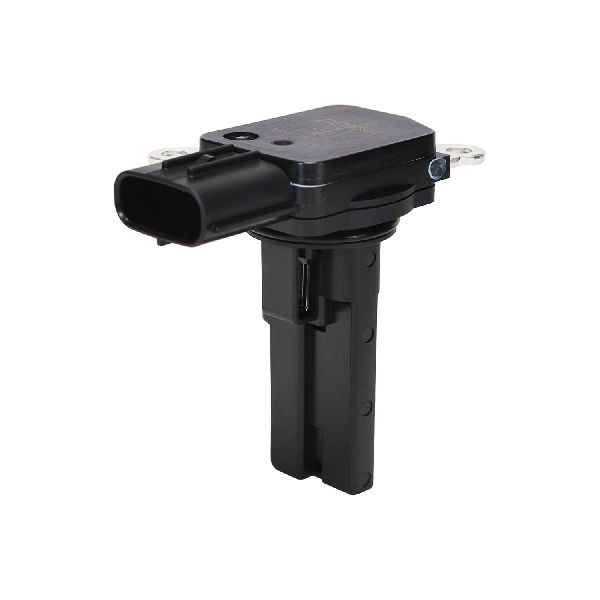
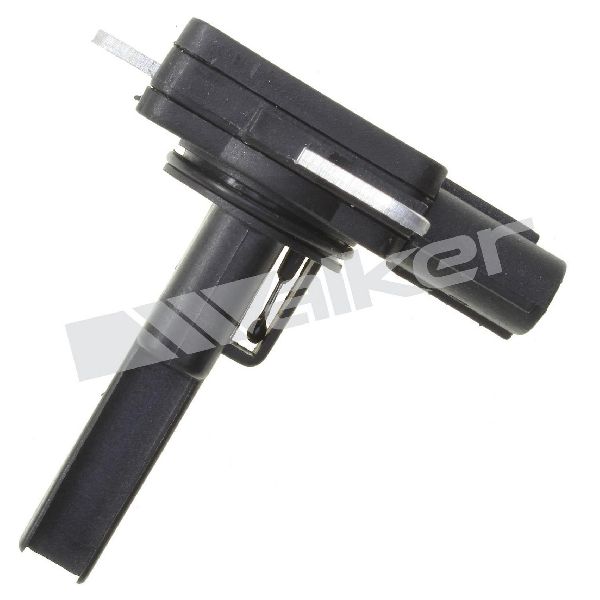
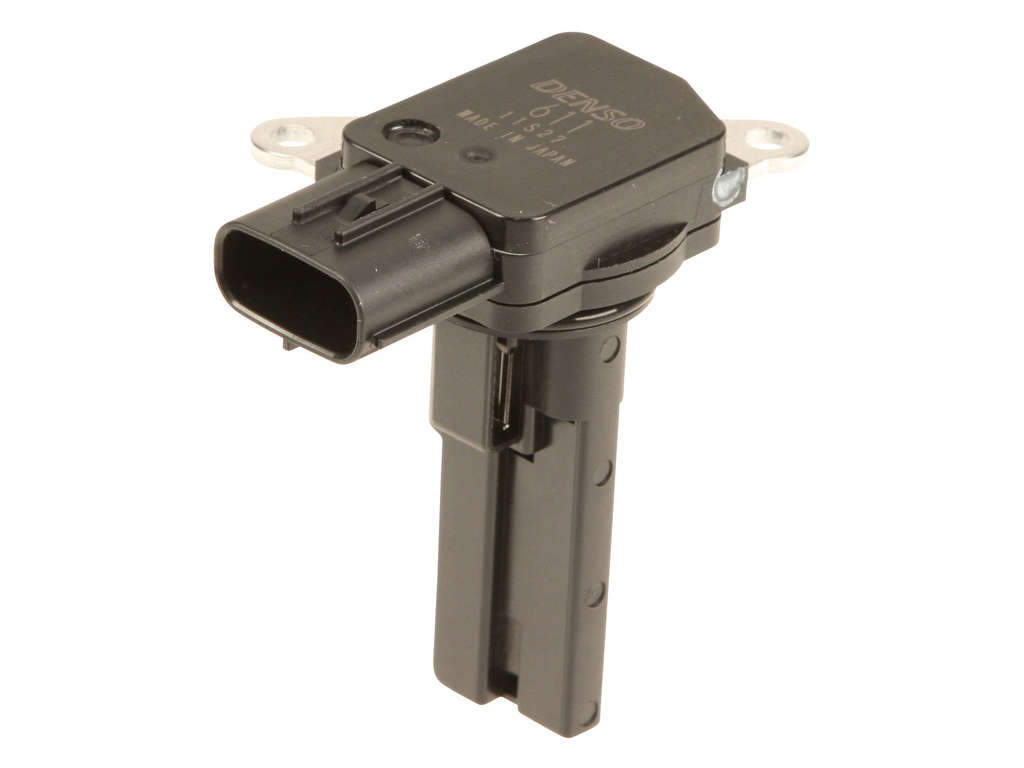
- Mass Airflow Sensor
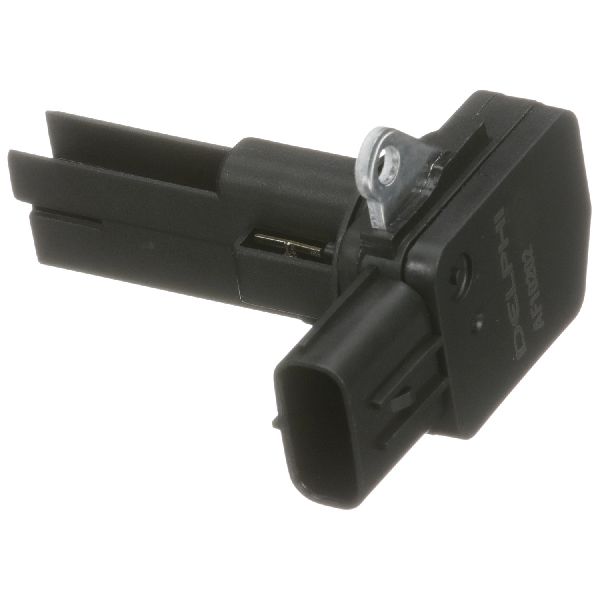
(OEM #22204-31020)— This is the most common part to fail if cleaning and wiring checks do not resolve the issue. The OEM part number 22204-31020 replaces previous numbers 22204-0P010, 22204-0H010, and 22204-31010.
Trusted brands: Denso (OEM)
OEM price range: $110-$180
Aftermarket price range: $70-$120 - Mass Airflow Sensor Cleaner — Often, the sensor is just dirty. Cleaning it is the cheapest and most common first step to fixing P0102.
Trusted brands: CRC, WD-40 Specialist
Aftermarket price range: $8-$15 - MAF Sensor Connector Pigtail
(OEM #90980-12292)— The wiring at the connector is a known weak point on this vehicle and may need to be replaced if a wire has broken internally. This 5-pin connector is widely used across many Toyota models.
Trusted brands: Dorman, Standard Motor Products, ACDelco
OEM price range: $30-$50
Aftermarket price range: $20-$40
Related Codes That Often Appear With This One
- P0100 — This is a general MAF circuit malfunction code. P0102 is a more specific version of this fault, indicating a low voltage condition.
- P0171 / P0174 — If a large vacuum leak after the MAF sensor is the cause, the engine will run lean, triggering these codes alongside P0102.
Technical Service Bulletins (TSBs) & Recalls
- While no TSB is directly for P0102, a critical TSB/LSC exists for the 2GR-FE engine's VVT-i oil line (part number 15772-31030). The original line can rupture, causing sudden, catastrophic oil loss. This is a major reliability issue for 2007-2010 models that owners should be aware of.
Platform-Specific Known Issues
- Permanent P0102 Code After Disconnecting MAF: On many Toyota vehicles of this era, if the MAF sensor is unplugged and the engine is started, a 'permanent' P0102 code is stored in the ECU. This code will not illuminate the Check Engine Light and may not be cleared by standard OBD-II scanners. It can only be discovered during a smog check, causing an automatic failure. Clearing it may require a specific, multi-step drive cycle or a dealer-level diagnostic tool.
Mechanic-Grade Diagnostic Values
- MAF Sensor Signal Voltage (VG Pin) — expected: Approx. 0.7V - 1.7V at warm idle. Voltage should increase smoothly with RPM.. Failure: Voltage is stuck below 0.2V for more than 3 seconds, or does not respond to RPM changes.
- MAF Sensor Power Supply (+B Pin) — expected: Battery Voltage (Approx. 12V) with key on, engine off.. Failure: No voltage indicates a problem with the EFI fuse or relay, or a break in the power wire.
- MAF Sensor Ground Circuit (E2G Pin) — expected: Less than 0.2 ohms of resistance to chassis ground.. Failure: High resistance indicates a poor ground connection, which can cause incorrect sensor readings.
- Intake Air Temp Sensor Resistance (within MAF) — expected: 2.21 kΩ to 2.69 kΩ at 68°F (20°C), between THA and E2 pins.. Failure: Resistance outside this range indicates a failure of the integrated IAT sensor component of the MAF.
- Live Data MAF Reading (g/s) — expected: 2.5 - 4.5 g/s at stable, warm idle for the 2GR-FE V6.. Failure: Reading is 0 g/s or does not increase smoothly and proportionally as the engine is revved.
Hidden / Shadow Codes Worth Checking
- Permanent DTC P0102: A non-CEL version of the code that is stored in a separate ECU memory location after the MAF is disconnected with the ignition on. It will not clear with a standard scanner or battery disconnect and will cause an emissions test failure. (see via A professional scan tool or a tool capable of reading 'Permanent DTCs'. Some auto parts store scanners can see it. Toyota Techstream can view it under the 'All Readiness' utility.)
Scan Tool Commands That Help
- Toyota Techstream: Data List -> All Data / MAF — This is the primary function for diagnosis. It allows a technician to view the live airflow reading in grams per second (g/s) to verify if it's within the expected range at idle and under load, and if it responds correctly to throttle input.
- Toyota Techstream: Utility -> All Readiness — After a repair, if a 'Permanent DTC' P0102 remains, this utility is used to check the status of the specific readiness monitor for the MAF sensor. It confirms if the required drive cycle has been successfully completed, which is necessary to clear the permanent code.
Wiring & Ground Locations
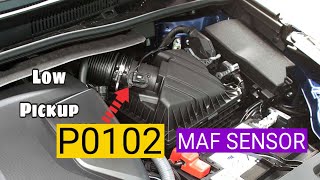
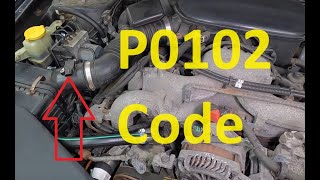
- MAF Sensor Connector — On the air intake tube, immediately after the air filter housing.. This 5-wire connector (p/n 90980-12292) is a known weak point. Wires, particularly the green signal wire, can break internally from vibration and heat, causing a P0102 code even with a good sensor.
- Engine Harness Ground (Bank 2) — On the side of the cylinder head, directly underneath the throttle body.. This is a primary grounding point for the engine harness. A poor ground here (E2G circuit) can cause incorrect readings from multiple sensors, including the MAF, leading to spurious codes.
- Engine Harness Ground (Bank 1) — On the front cylinder head (Bank 1, near the firewall), often attached to a valve cover bolt.. This is the second main grounding point for the engine harness. A fault here can affect overall ECU and sensor operation.
- ECM (Engine Control Module) — Located behind the right side of the dashboard / glove box area.. This is the termination point for the MAF sensor wiring. Technicians test for continuity between the MAF connector pins and the corresponding pins at the ECM connector to rule out a wire break in the harness.
Real Owner Repair Stories
- YouTube - Abdullah Auto Electrician (Toyota Camry (XV40 generation)) — Check Engine Light on, car starts and then stalls immediately.
❌ Tried (didn't work) Clearing the code with a standard scanner (code immediately returned as 'current')
✅ What actually fixed it The MAF sensor connector was found to be broken. The green signal wire had snapped off internally. Replacing the connector pigtail resolved all symptoms and allowed the code to be cleared permanently.
OEM Part Supersession History
22204-0P010, 22204-0H010, 22204-31010→22204-31020— Standard part revision and consolidation by the manufacturer (Denso/Toyota).
Heads up: While functionally equivalent, purchasing MAF sensors from non-authorized dealers (like eBay or Amazon) carries a high risk of receiving a counterfeit part that looks identical but performs incorrectly, causing the P0102 code to persist.
Diagnostic Flowchart
Other Known Issues on This Vehicle
Issues unrelated to this code that are worth knowing about as an owner of this generation:
- VVT-i Oil Line Rupture 🔴 High — Common on early production 2GR-FE engines (approx. 2007-2010). The original rubber section of the oil line degrades, ruptures, and can cause catastrophic oil loss and engine seizure. (Ref: Toyota issued a Limited Service Campaign (LSC) to replace the rubber/metal line with an all-metal line (Part No. 15772-31030). Many vehicles may still have the original faulty line.)
- Melting / Sticky Dashboard 🟡 Low — Extremely common on vehicles in warmer climates. Sun and heat cause the dashboard material to break down, becoming shiny, sticky, and creating glare on the windshield. (Ref: Toyota had a warranty enhancement program (ZE6) to replace the dashboards, but it has since expired.)
- Water Pump Failure 🟠 Medium — The water pump on the 2GR-FE is a known wear item, often starting to weep or leak coolant around 80,000-120,000 miles. It's often replaced preventatively during other major services.
- Transmission Hesitation or Shudder 🟠 Medium — Some owners report a hesitation or shudder from the 6-speed automatic transmission (U660E), particularly on downshifts or light acceleration. It can sometimes be addressed with a fluid flush or a software update, but may indicate torque converter or valve body wear.
- Ignition Coil Failure (Rear Bank) 🟠 Medium — While ignition coils can fail on any engine, the rear bank (against the firewall) on the transverse 2GR-FE requires removing the entire intake manifold for access, significantly increasing labor costs for a simple part replacement.
Used vs. New Parts: Buying Guide for This Vehicle
When a used part is the smart pick: For this repair, a used OEM Denso MAF sensor from a low-mileage donor vehicle can be a cost-effective and reliable option, often preferable to a new, non-OEM aftermarket part. The connector pigtail is also a good candidate for a used part, provided the wiring is flexible and not brittle.
Donor-vehicle mileage cap: roughly under 80000 miles for the part to have meaningful remaining life.
What to inspect on the donor part:
- Verify the part is a genuine Denso sensor, not a generic replacement.
- Inspect the connector for any cracks, brittleness, or signs of previous repair.
- Look at the internal sensor wires; they should be clean and free of physical damage or heavy coating.
- For a pigtail, ensure there is ample wire length for splicing and that the insulation is not cracked or hardened.
OEM-only on this vehicle (don't cheap out):
- Mass Airflow Sensor
Aftermarket brands forum-validated for this vehicle:
- Denso (OEM supplier)
Brands owners have reported issues with on this vehicle:
- Unbranded or generic sensors from online marketplaces like eBay and Amazon are frequently cited as problematic and often do not perform to OEM specifications, leading to persistent codes.
Real Owner Stories
Aggregated from forums and TSBs cited above. Mileages and costs reflect what owners reported in those sources.
2007 Toyota Camry V6 — 230000 miles
Symptoms: Extreme power loss (20+ second 1/4 mile), stalling, and a rev limit of 5k RPM.
What fixed it: The owner had replaced the MAF sensor twice, O2 sensors, and catalytic converters without success, highlighting that the issue likely resided in the wiring harness/connector which is a known failure point.
Source hint: reddit.com/r/AskAMechanic/comments/s8j2p8/help/
Documented NHTSA Reports
NHTSA ODI #11296751
Symptoms: Error codes P0113 and P0102 appeared alongside warning messages for the Check Engine light and ICS malfunction when starting the vehicle.
Related OBD-II Codes
Frequently Asked Questions
I replaced my MAF sensor but the P0102 code won't go away on my 2008 Camry V6. Why?
Is there a specific part number for the MAF wiring connector on the 2GR-FE engine?
What is the recommended brand for a replacement MAF sensor for the 3.5L V6?
What should the MAF sensor readings look like on a scan tool for a healthy 2007-2011 Camry V6?
Is there a major engine reliability issue I should check while fixing my P0102 code?
Can I use brake cleaner to clean the MAF sensor on my Camry?
Helpful Videos
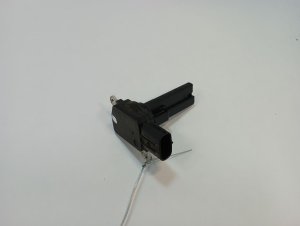
Used OEM Parts in Stock
New Aftermarket Parts Available


The information in this article is provided for general reference and educational purposes only. Vehicle specifications, procedures, and part compatibility can vary by production date, trim level, and region. Always consult your vehicle's factory service manual and verify part numbers before purchasing or performing repairs. Safety-critical components such as airbags, seat belts, and braking systems should be installed by a qualified professional.
- Toyota Camry:
- 🧭 Diagnostic Flowchart
- 🎬 Helpful Videos
- 🛍️ Shop This Part
- What's Unique About the 2007-2011 Toyota Camry
- Symptoms You May Notice
- Most Likely Causes
- Rare But Worth Checking
- Diagnosis Steps
- Parts You'll Likely Need
- Related Codes That Often Appear With This One
- Technical Service Bulletins (TSBs) & Recalls
- Platform-Specific Known Issues
- Mechanic-Grade Diagnostic Values
- Hidden / Shadow Codes Worth Checking
- Scan Tool Commands That Help
- Wiring & Ground Locations
- Real Owner Repair Stories
- OEM Part Supersession History
- Other Known Issues on This Vehicle
- Used vs. New Parts: Buying Guide for This Vehicle
- Real Owner Stories
- 2007 Toyota Camry V6 — 230000 miles
- Documented NHTSA Reports
- NHTSA ODI #11296751
- Related OBD-II Codes
- Frequently Asked Questions
- 🎟️ Get 5% Off